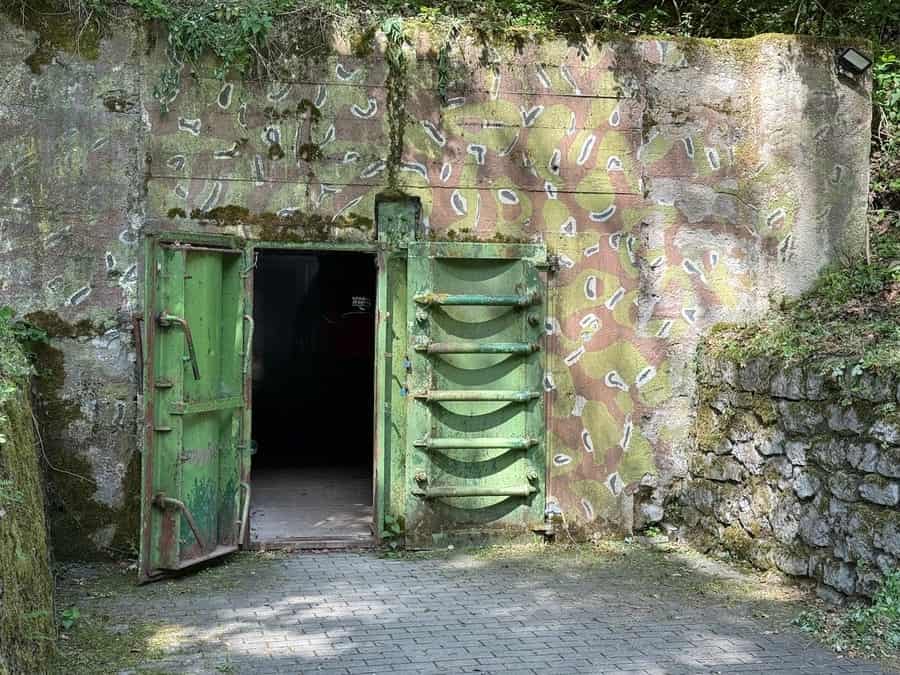
Výpustek Cave lies in the upper Křtiny valley in the central part of the Moravian Karst, near the village of Křtiny in South Moravia. It is one of the show caves of the region open to the public, and is unusual in that its passages have been shaped as much by twentieth-century industrial and military use as by natural processes. The known system extends to around 1,300 metres with a depth range of 55 metres, and during eighteenth-century surveys it was considered the largest cave in Moravia.
The cave is a significant palaeontological site. Excavations from the late nineteenth century onward, notably by the Vienna Academy of Sciences curator Josef Szombathy, recovered complete skeletons of Pleistocene-era animals, including cave bears (Ursus spelaeus), a woolly rhinoceros, cave lion, cave hyena and other species. Much of this material is held today in the Natural History Museum in Vienna, with further finds at the Moravian Museum in Brno.
Its documented history stretches back to the seventeenth century, when the monk M. A. Vigsius recorded the first description of its passages, including a warning about a dangerous abyss, in 1663. In 1807 the Liechtenstein family, who owned the estate, commissioned the first known survey. The most extensive early exploration was carried out in the early nineteenth century by Count Hugo František Salm, who visited repeatedly and estimated the cave’s length at around 7 kilometres, though this figure was never independently confirmed. Later surveyors, including Jindřich Wankel in the 1880s and Szombathy, mapped further sections and abysses, though some passages recorded by early explorers were never relocated.
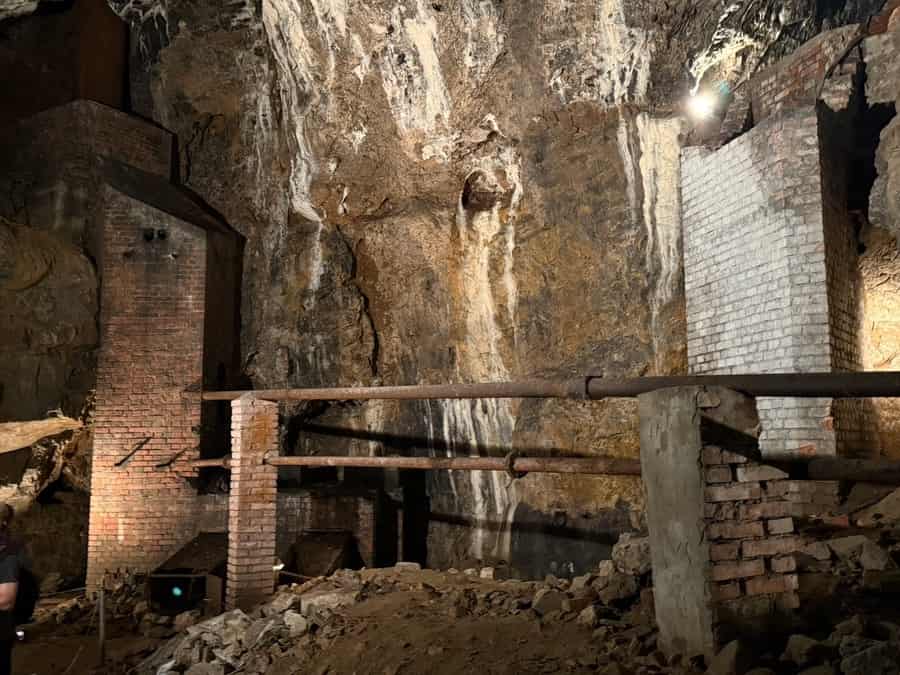
From May 1920 the cave was worked for phosphate-rich clay, formed from centuries of accumulated bat guano and animal bone. Mining removed several metres of clay in places, enlarging passages and connecting previously separate chambers; some palaeontological material, including six cave bear skeletons, was recovered and preserved, though much was lost to the fertiliser process.
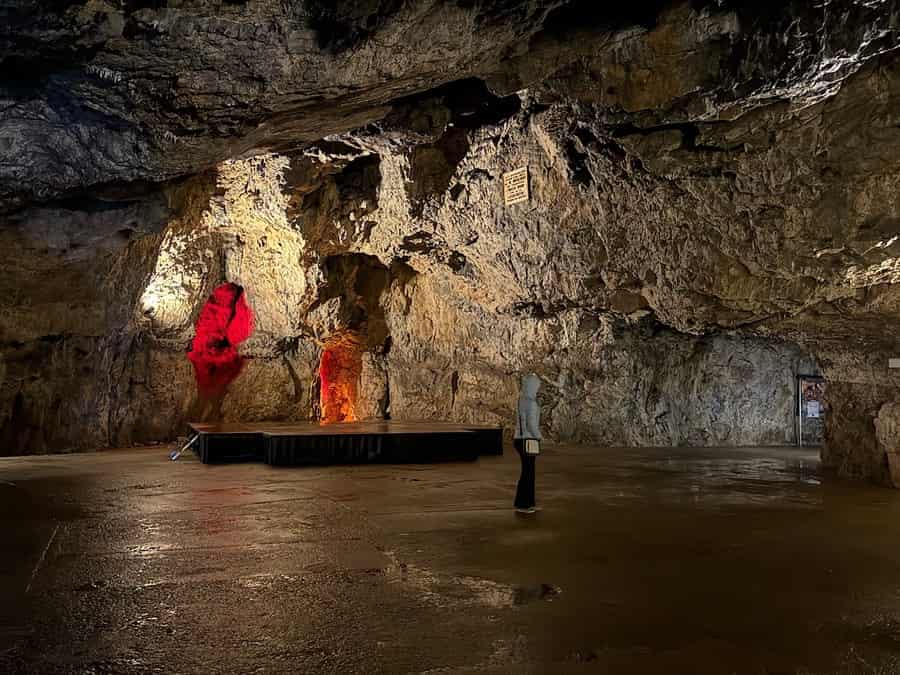
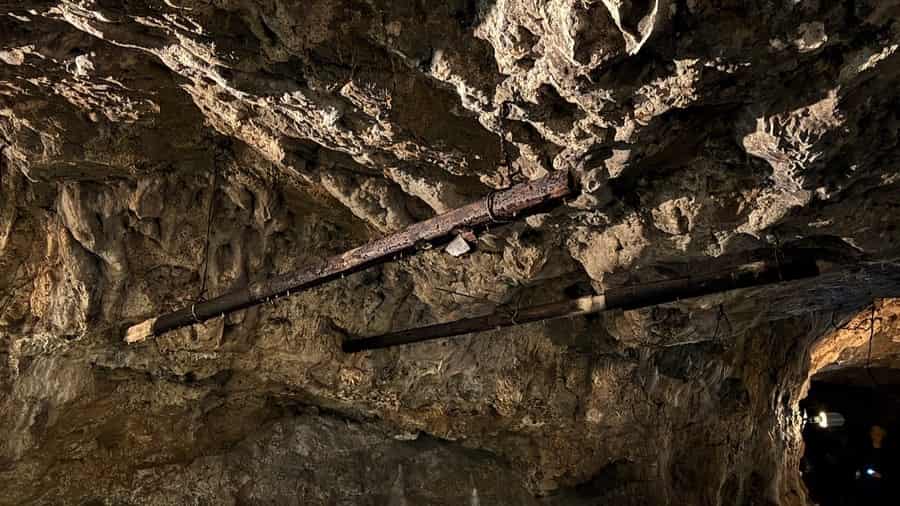
During the Second World War, German forces converted part of the cave into an underground factory producing aircraft engine components, installing concrete floors, ventilation and a boiler house, and running continuous shifts using forced labour. Retreating German troops set fire to the installation and used explosives against it in 1945, further damaging the cave’s natural features.
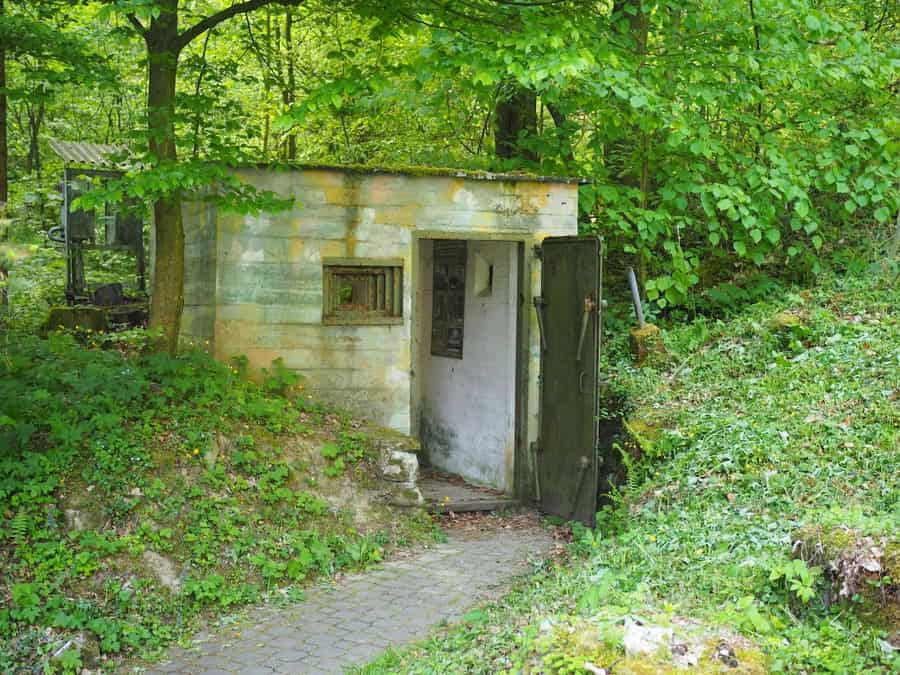
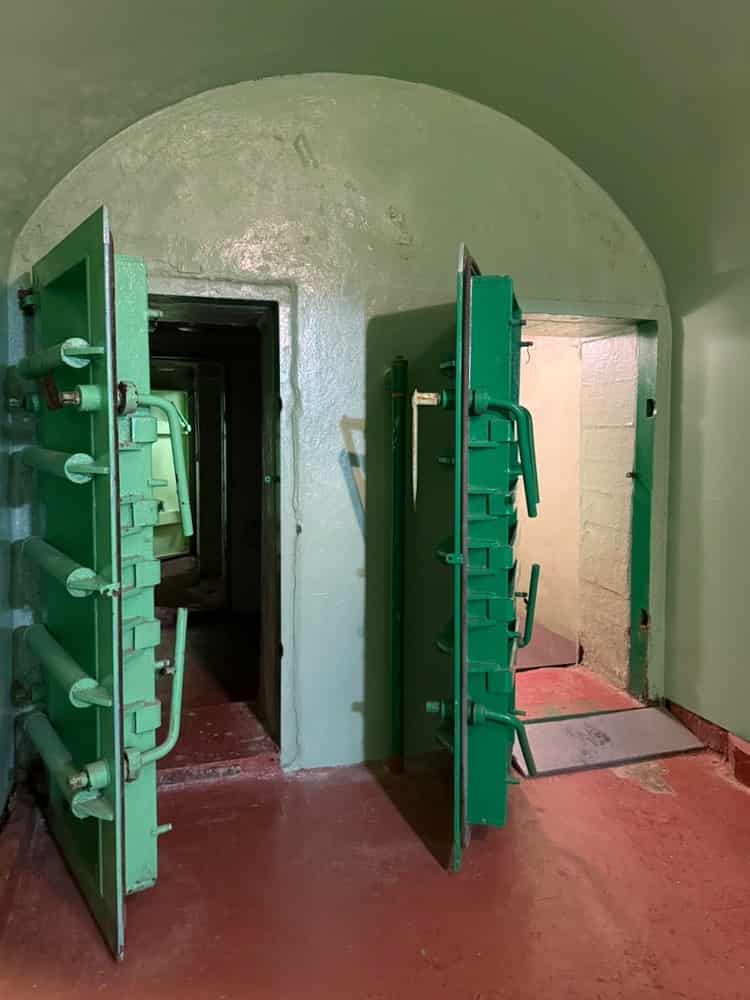
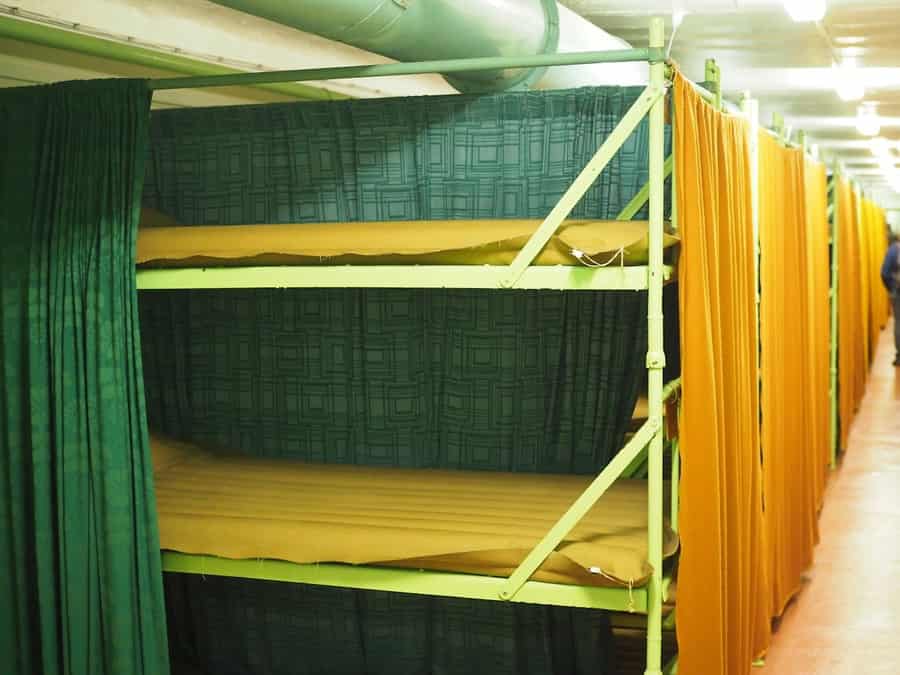
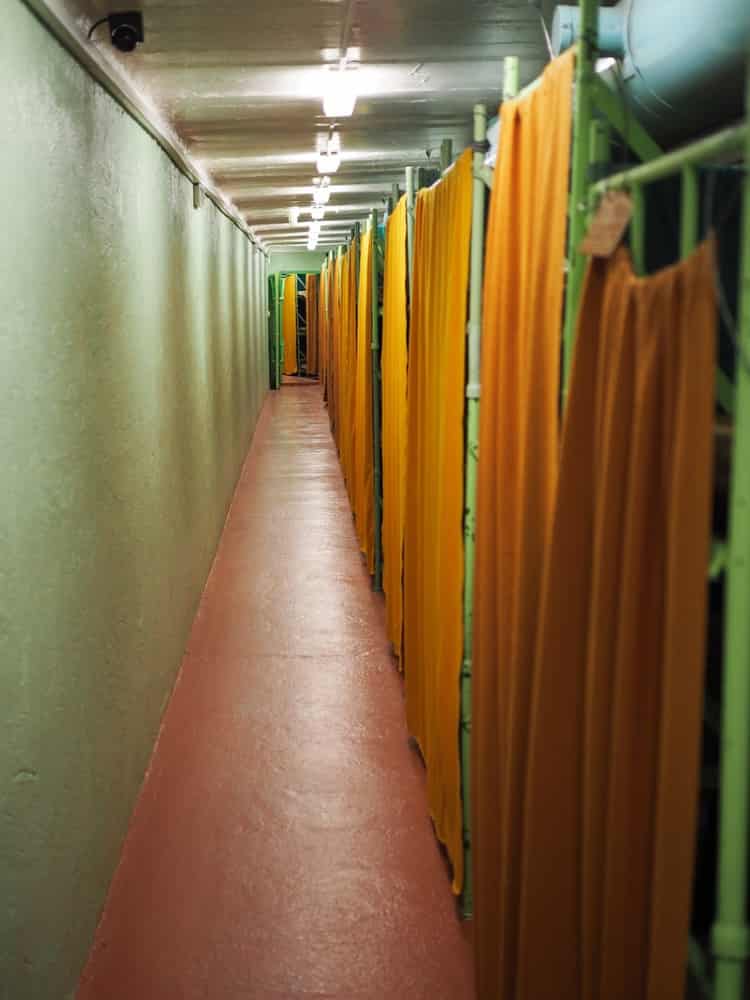
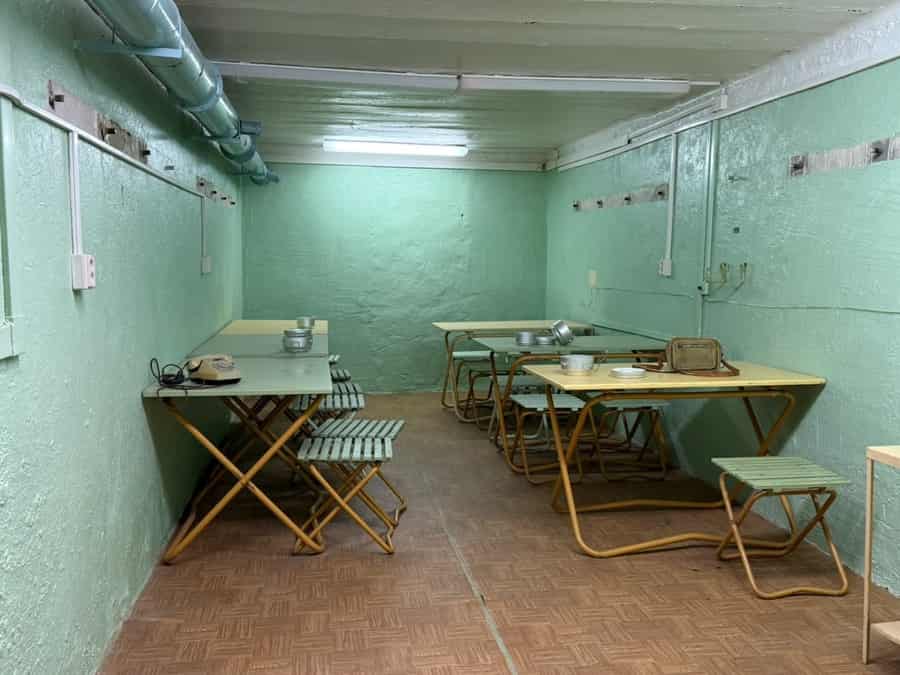
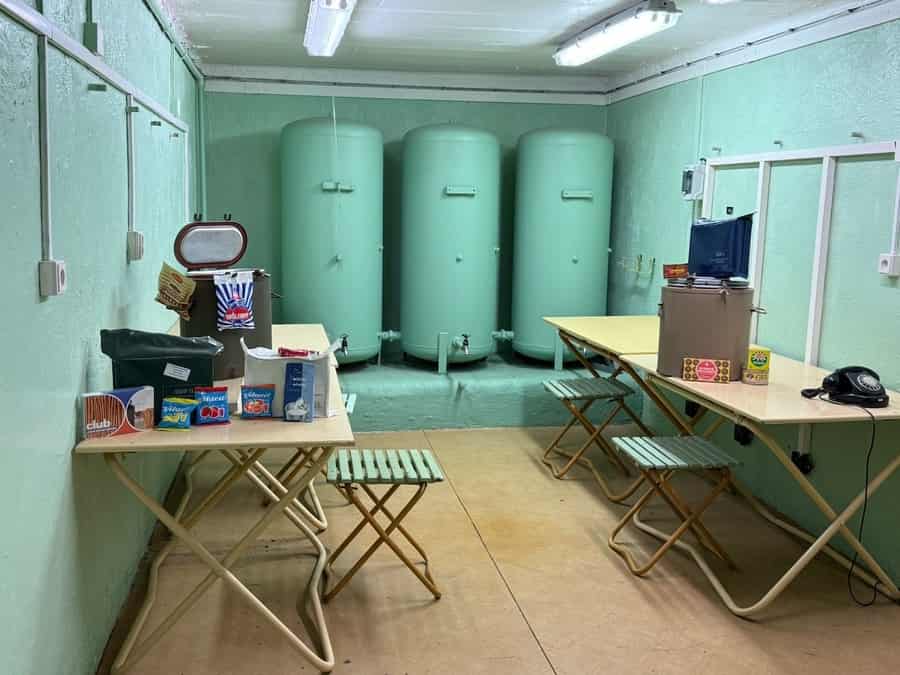
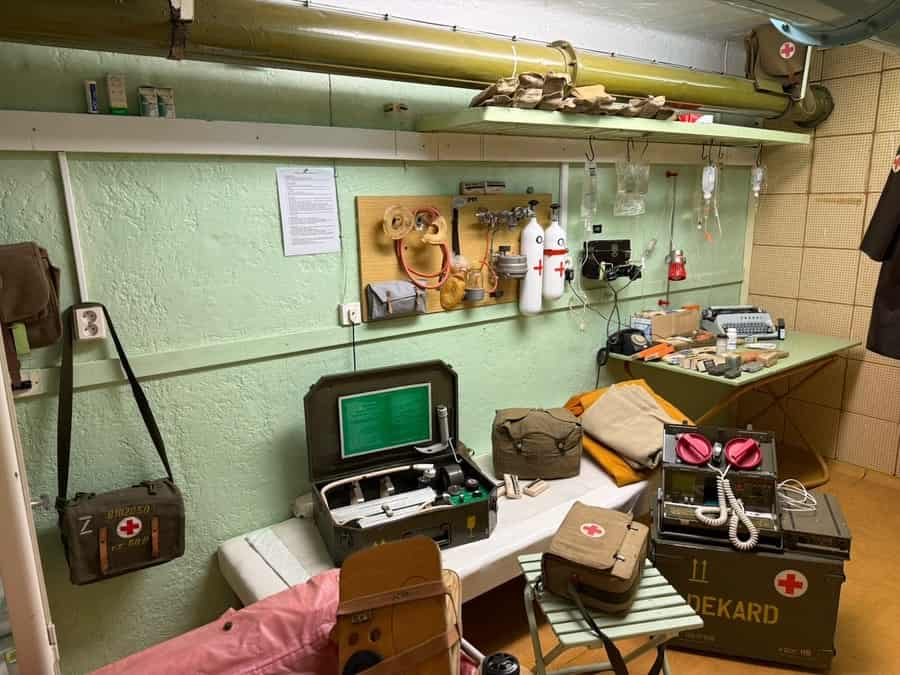
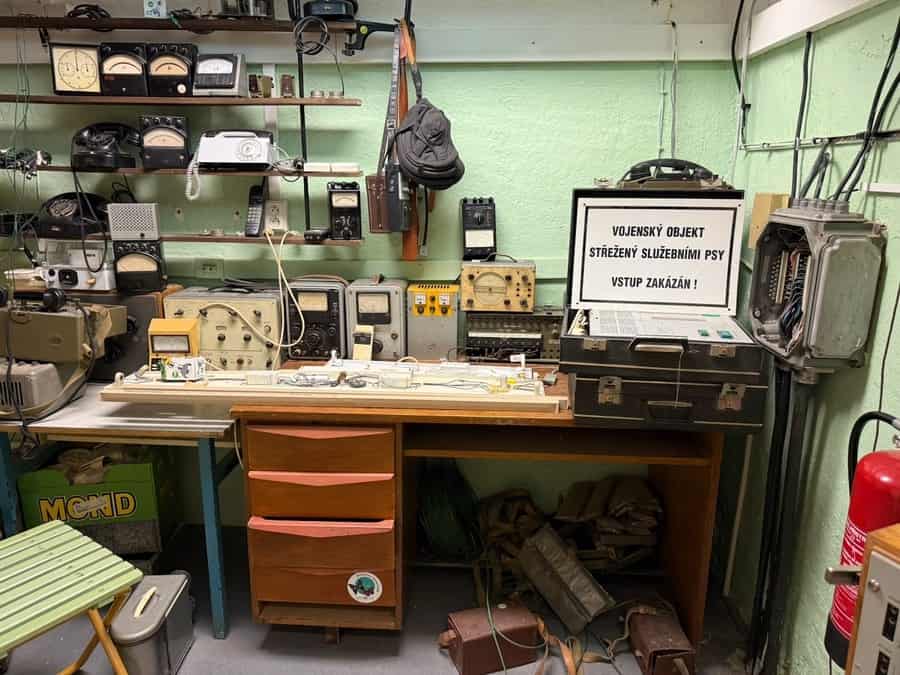
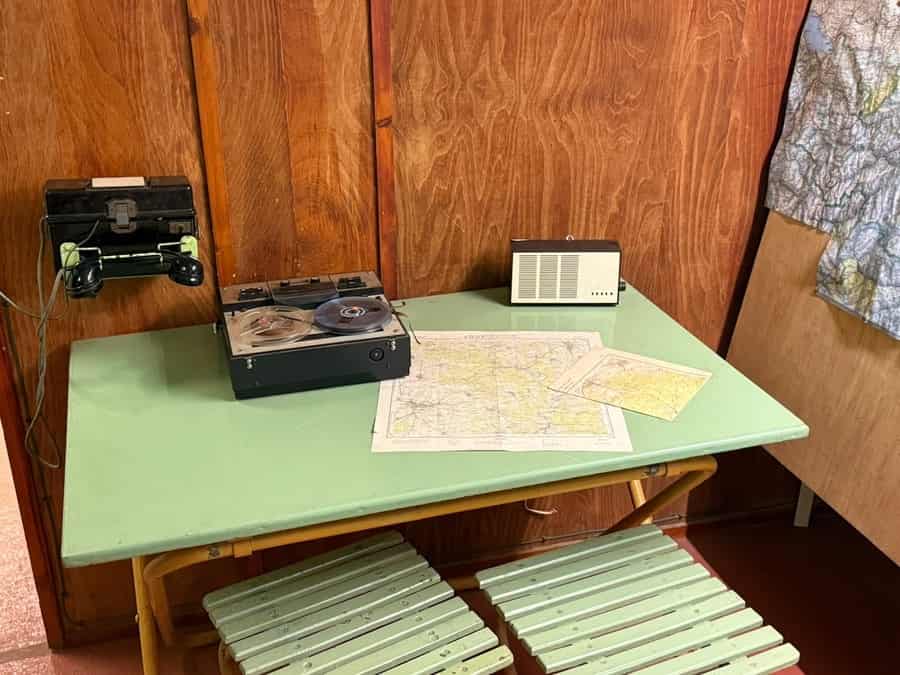
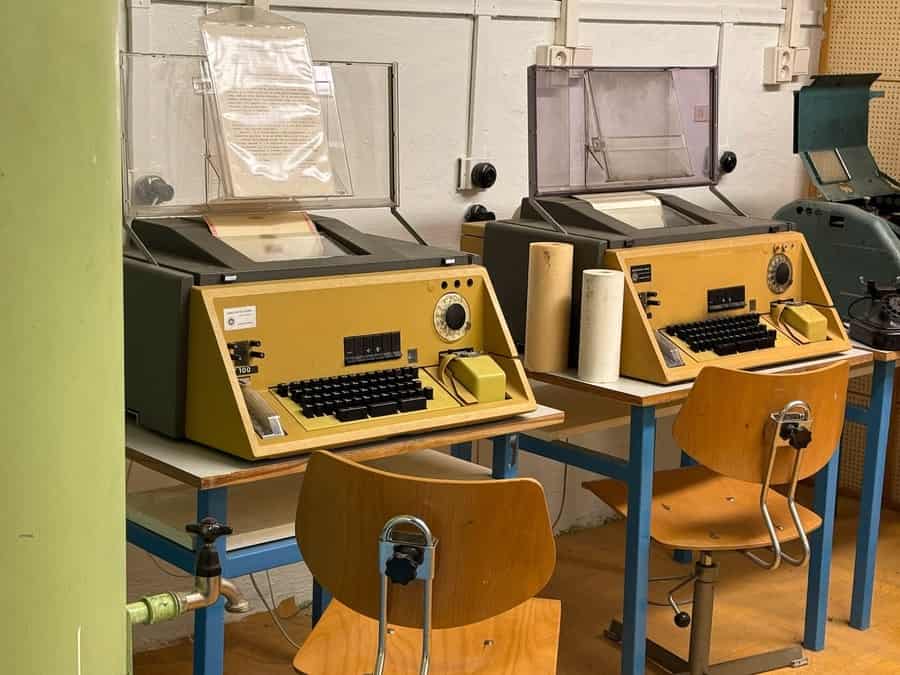
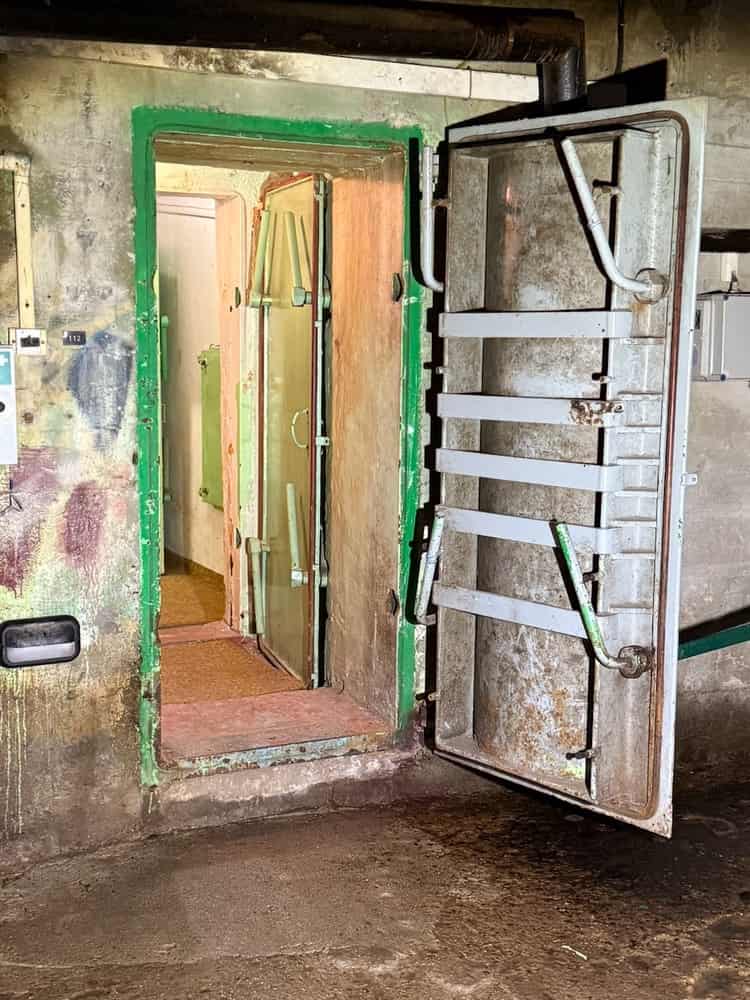
In the early 1960s the Czechoslovak army returned to the site and built a reinforced concrete complex within one of the corridors, intended as a fallout shelter and backup command post. It had its own power supply, decontamination facilities, sleeping quarters and communications equipment, and remained a classified military installation until it was decommissioned and declassified in 2001.
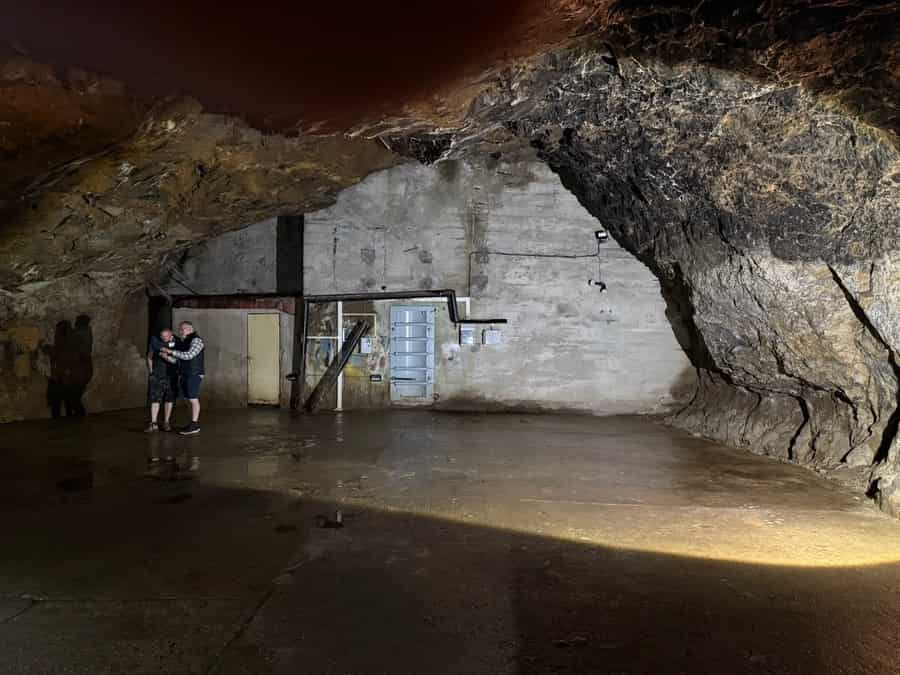
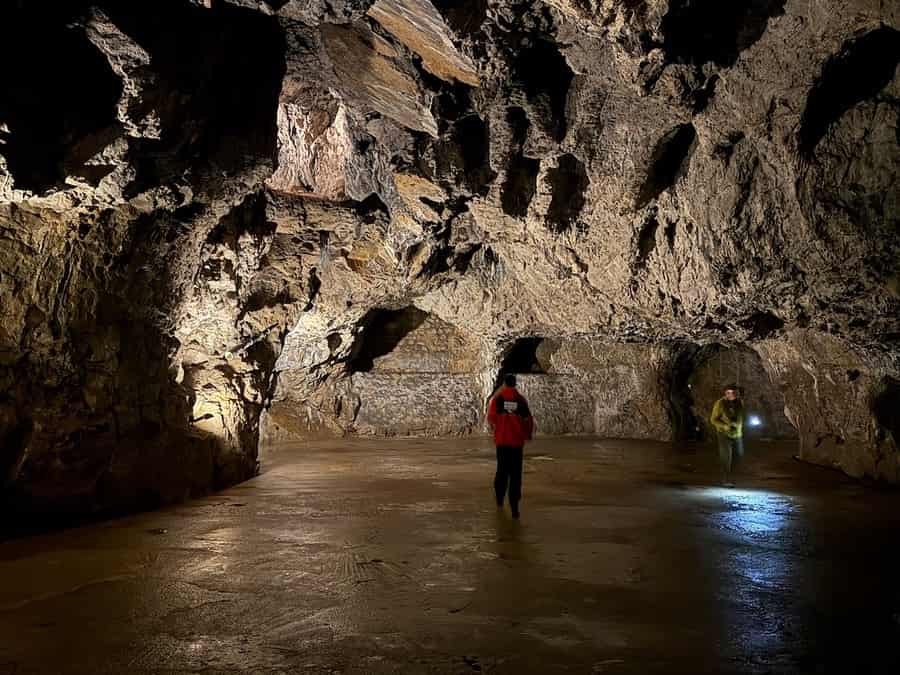
The Cave Administration of the Czech Republic took over the site in 2006 and, following work on the entrance and interior, opened it to the public in 2008. Guided tours today combine the natural cave system with the remains of the wartime factory and the Cold War bunker; the standard route covers around 600 metres and takes about 75 minutes, with a shorter option also available. A separate “adventure tour” through less developed sections of the system, using headlamps rather than fixed lighting, has run since 2022.
Further Information: