The Zelný trh (Vegetable, or Cabbage, Market) is one of Brno’s oldest public squares, in continuous use as a marketplace since around 1190, predating the town’s own founding. It appears in Latin records from 1255 as forum superius, the “upper market”, and is documented under its present name by 1340. Today the square is known above ground for the Dietrichstein Palace and the Baroque Parnassus Fountain, but beneath it lies an extensive network of medieval and early modern cellars, now open to the public as the Labyrinth under the Vegetable Market.
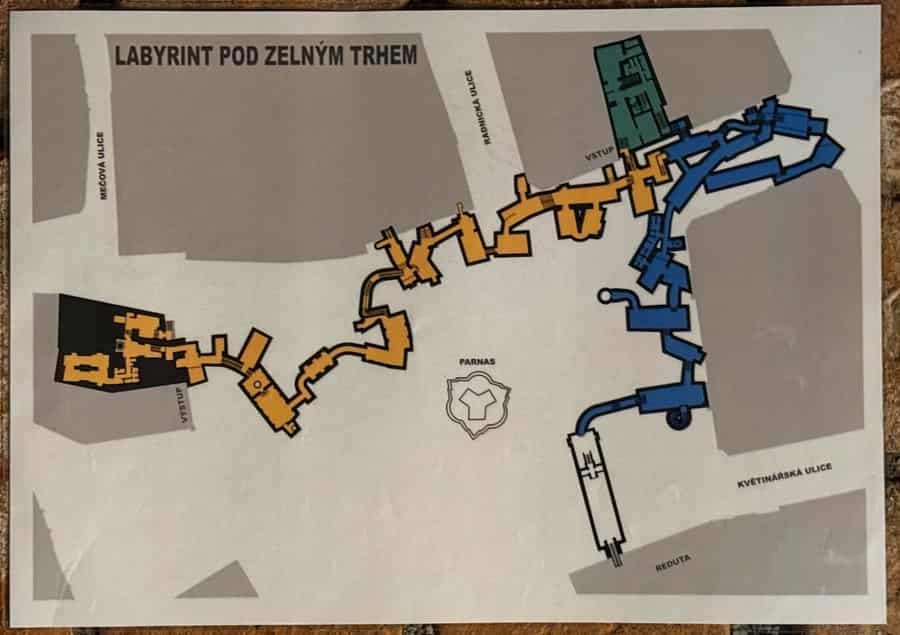
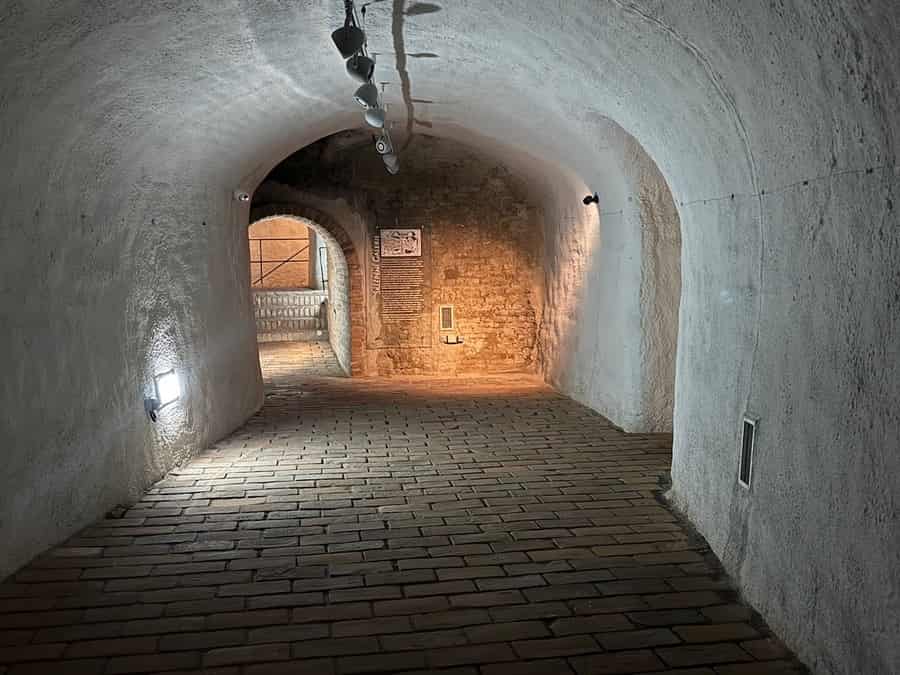
The cellars were dug beneath individual burgher houses fronting the square, each originally accessible only from its own property. Archaeological investigation carried out during redevelopment of the square identified around twenty separate underground features, falling into two broad types: brick-built chambers with barrel vaulting, and simpler dug or cut spaces without masonry, some of which may originally have had timber linings. Many of the cellars are medieval in origin, though most had gone out of use by the mid-seventeenth century, and the principal phase of construction came later, in the Baroque period of the seventeenth and eighteenth centuries, when new chambers were added down to a second underground level. A concentration of medieval cellars in the western part of the square was found to belong to a previously unrecorded building roughly 42 by 13 metres, identified from the archaeological and documentary evidence as the town’s meat market, used by the local butchers' guild; the trade moved to nearby Květinářská street in the first half of the seventeenth century, and the original market building was demolished in 1891.
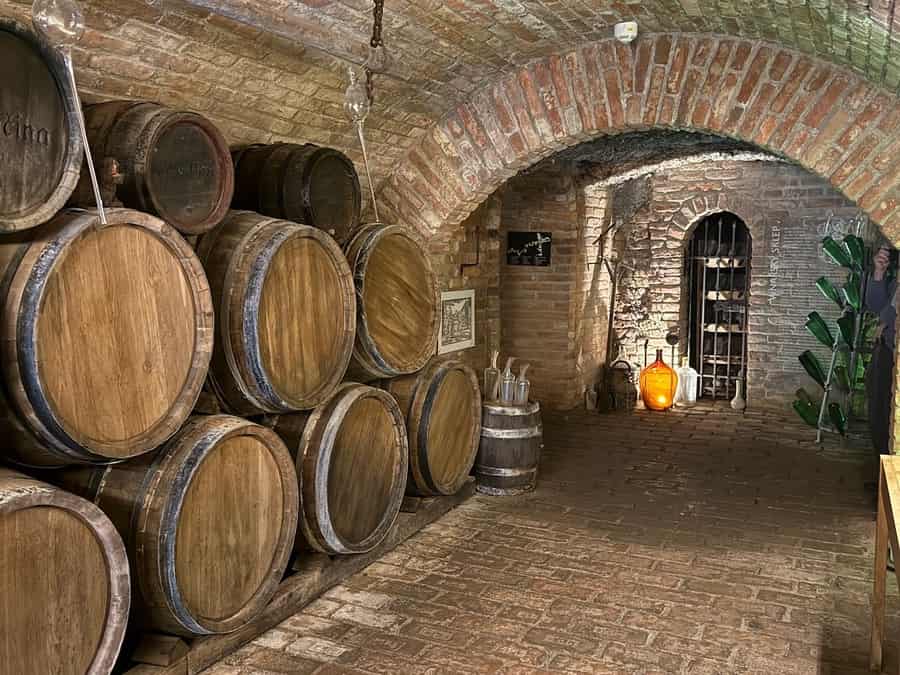
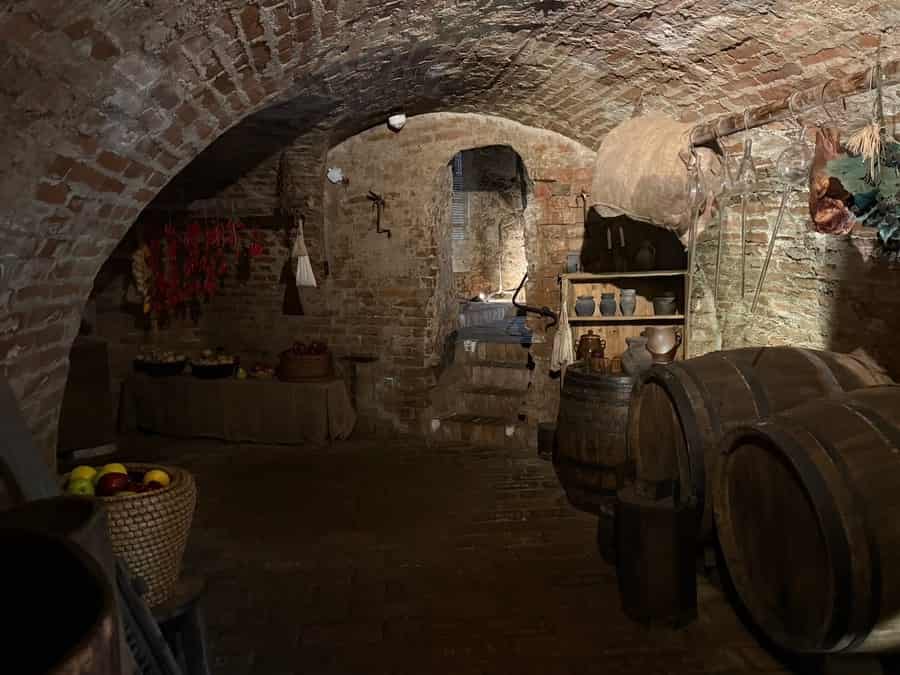
Whatever their exact form, the cellars served much the same purposes across the centuries: storing food, brewing and keeping beer, ageing wine in barrels, and, in times of war or siege, offering a place of refuge for those living above. Because each cellar belonged to a different property, the wider network remained fragmented for centuries, known in outline but not physically joined up. A major programme of works finally connected the separate cellars into a single circuit and adapted them for visitors, completed in 2009, and the labyrinth opened to the public in 2011.
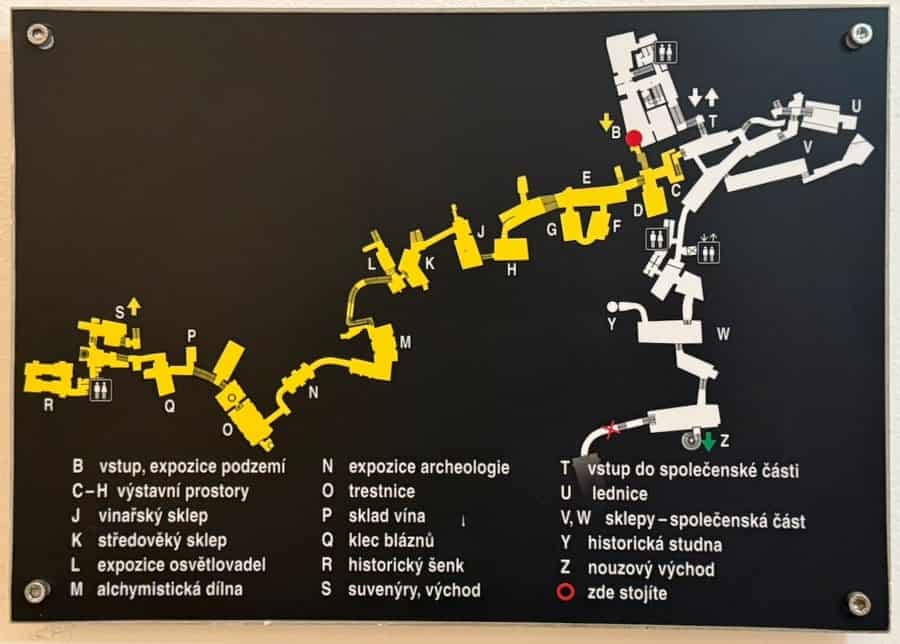
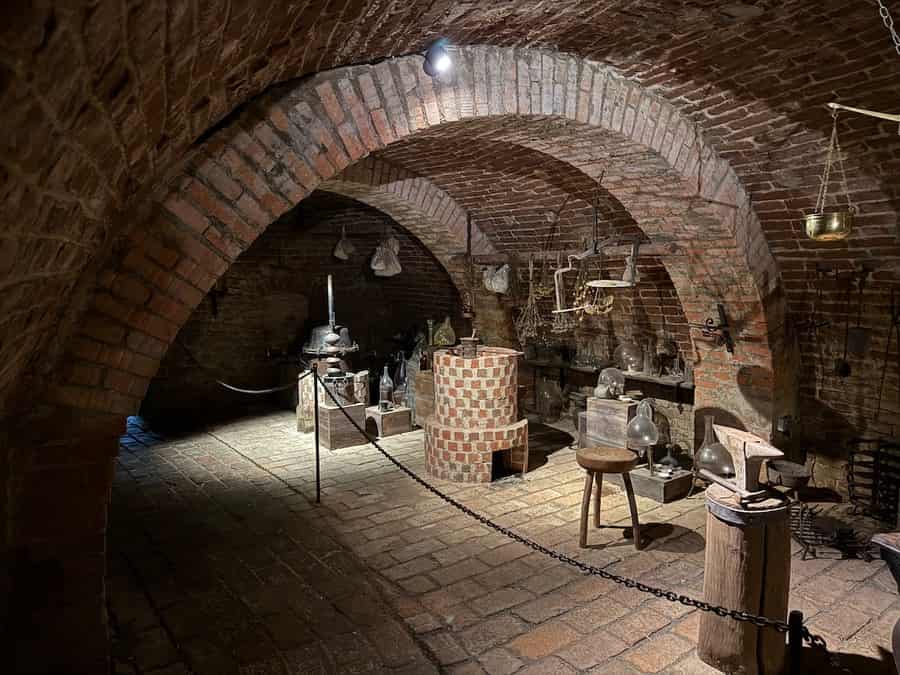
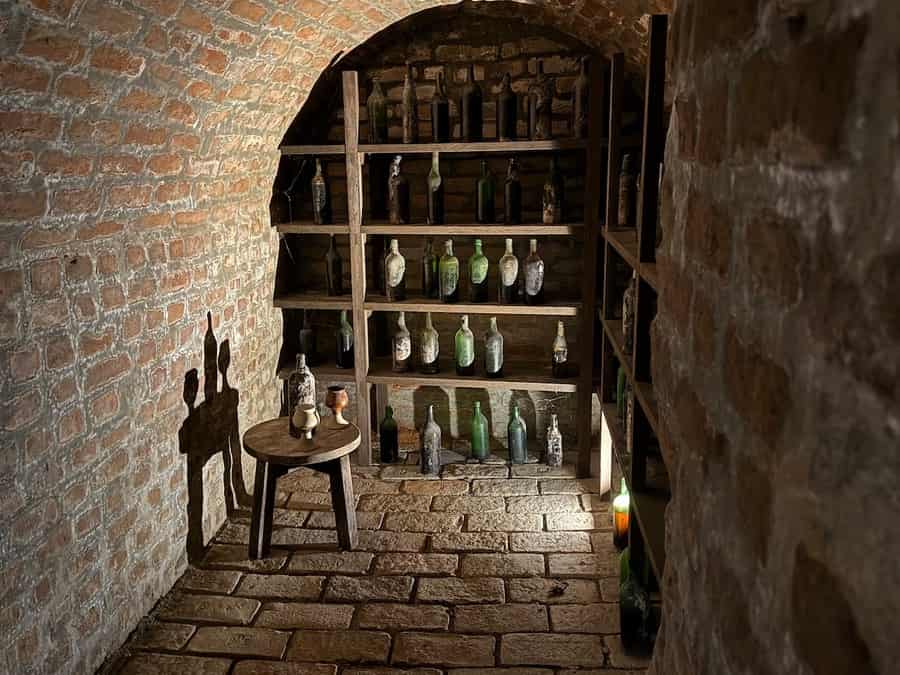
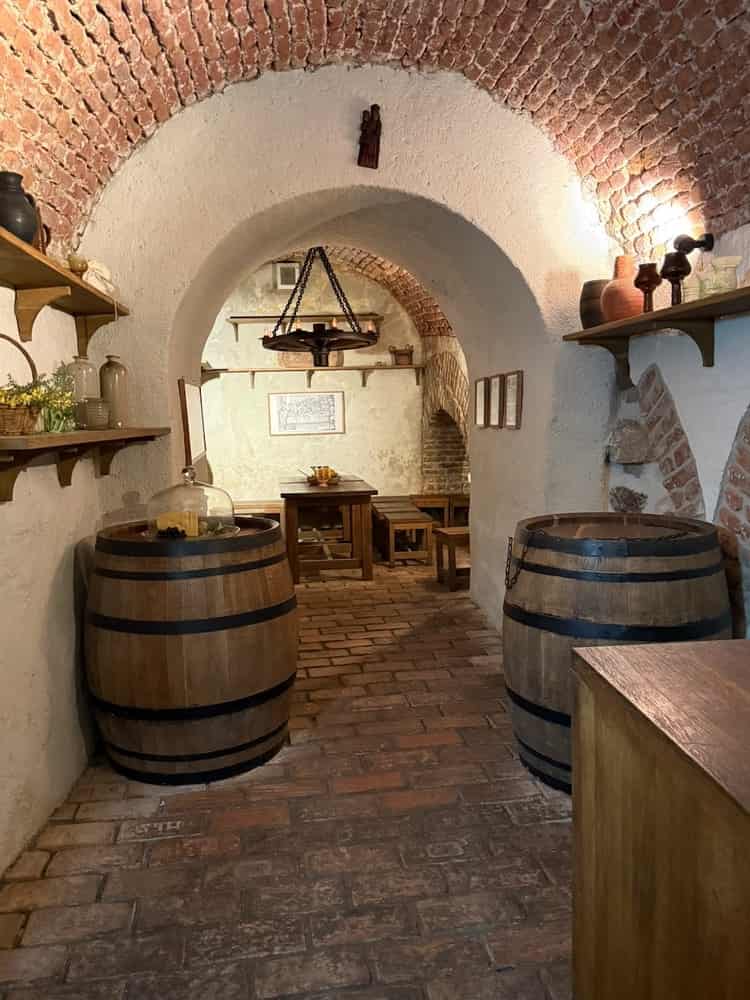
The result is one of the largest underground complexes in Brno: around a kilometre of passageways, reached by a stair of 212 steps and lying some 6 to 8 metres below the square. A guided tour of about 50 minutes takes in a collection of archaeological finds from the site, a reconstructed alchemist’s workshop recalling Brno’s tradition of physicians and apothecaries, a historic wine cellar, and a recreated period tavern, along with replicas of a pillory and a “cage of fools”, once used in the square to punish dishonest traders and craftsmen.
Further Information: Labyrinth Under the Vegetable Market