Written by Neil Iosson on 28 March 2025.
The Loxley Valley in Sheffield became a significant center for refractory (heat resistant) materials during the 19th century, with several firms, including Thomas Marshall and Co., operating in the area. Thomas Marshall and Co. were based at the Storrs Bridge Fireclay Works in Loxley.
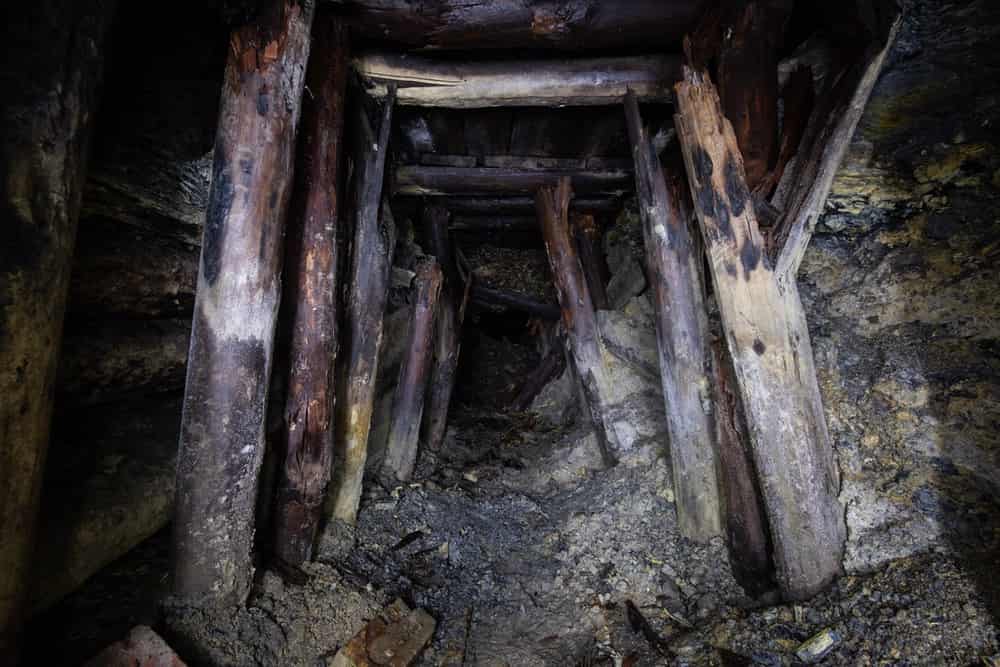
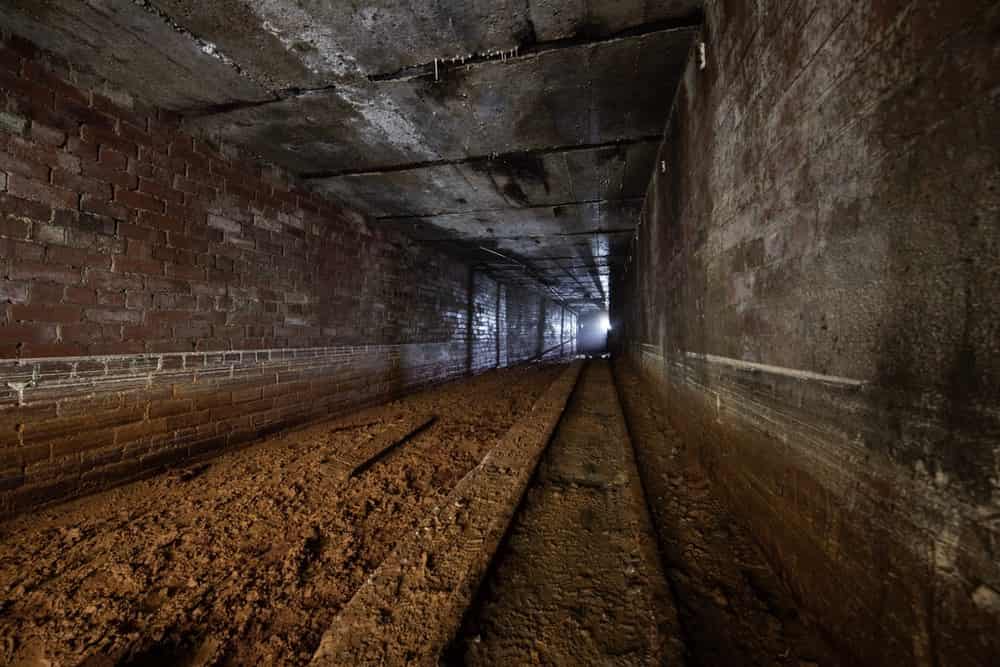
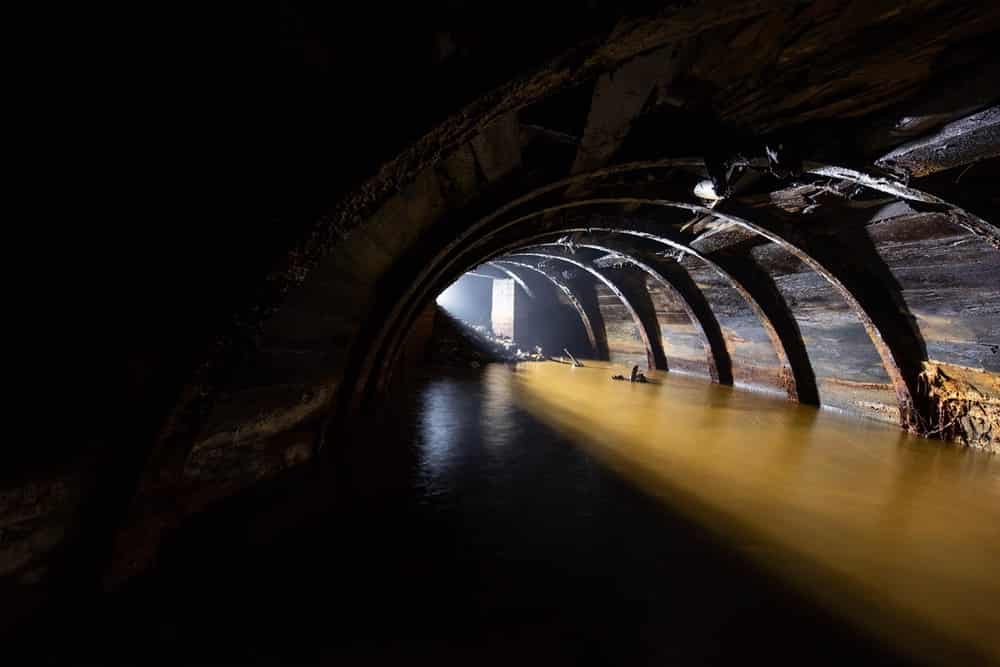
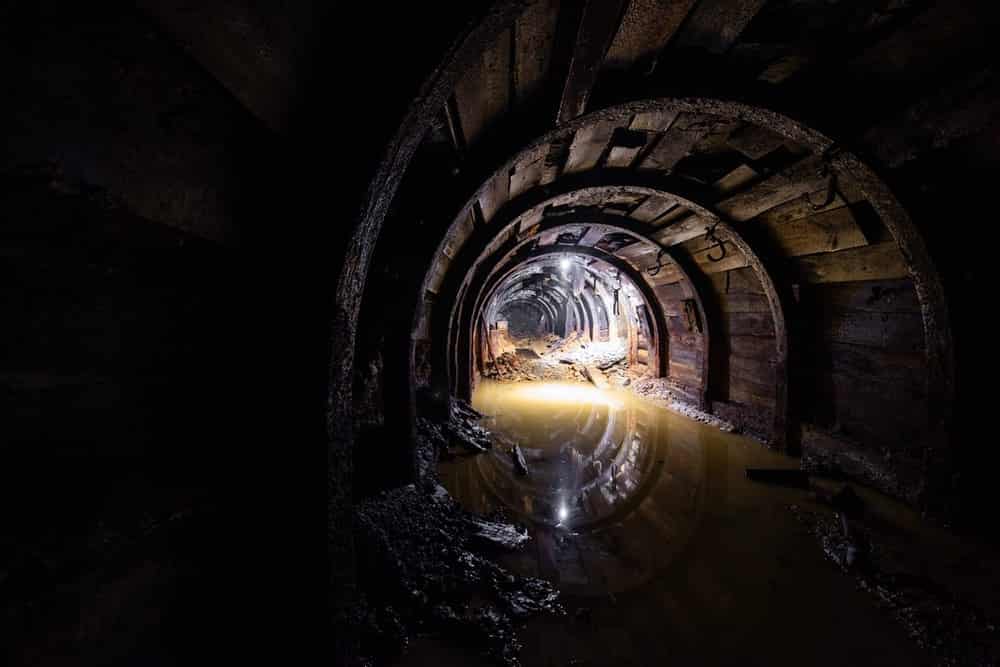
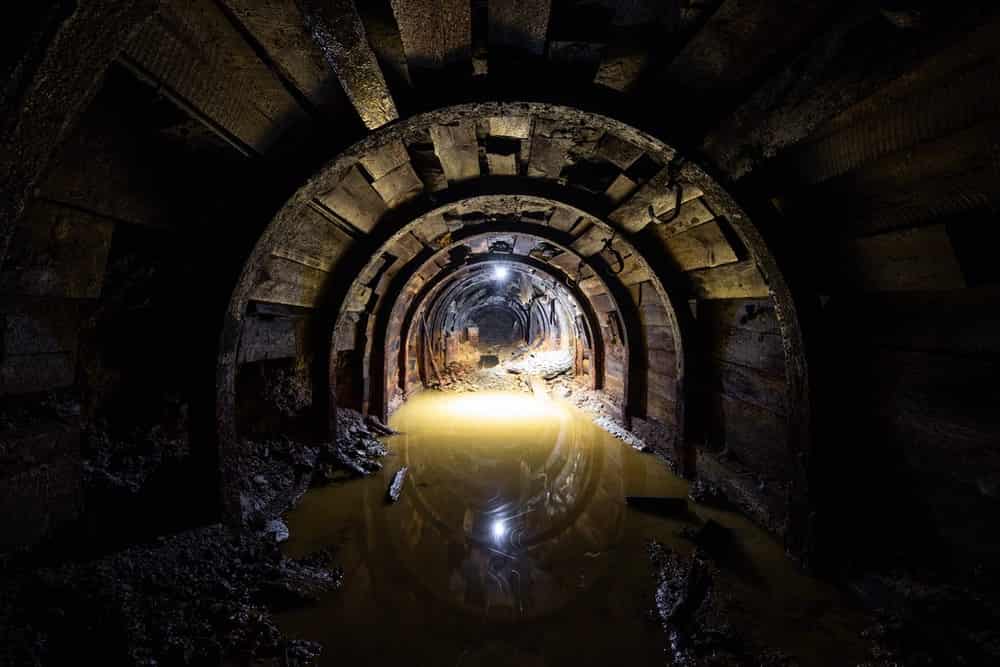
In the 1930s, three companies—Thomas Marshall’s, Thomas Wragg and Sons, and Dysons—produced 95% of all hollow refractories in Great Britain. The Storrs Bridge Fireclay Works was severely impacted by the Great Sheffield Flood of 1864 but was rebuilt and continued operations, manufacturing fire bricks, glazed sewage pipes, and chimney tops. The factory sourced pot clay from the nearby Top Cabin Mine, connected via an inclined tramway.
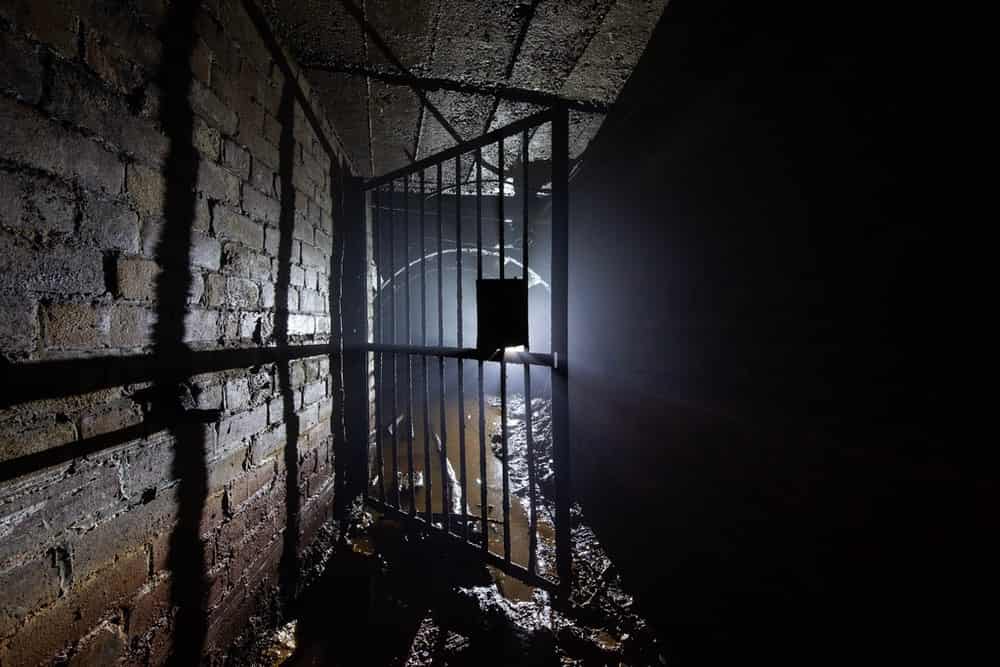
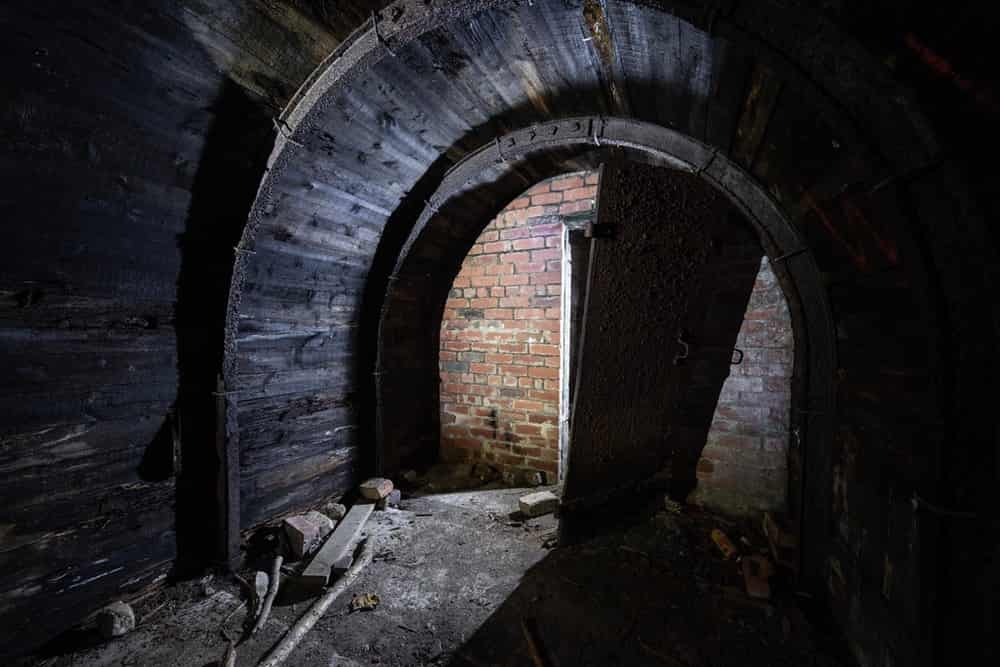
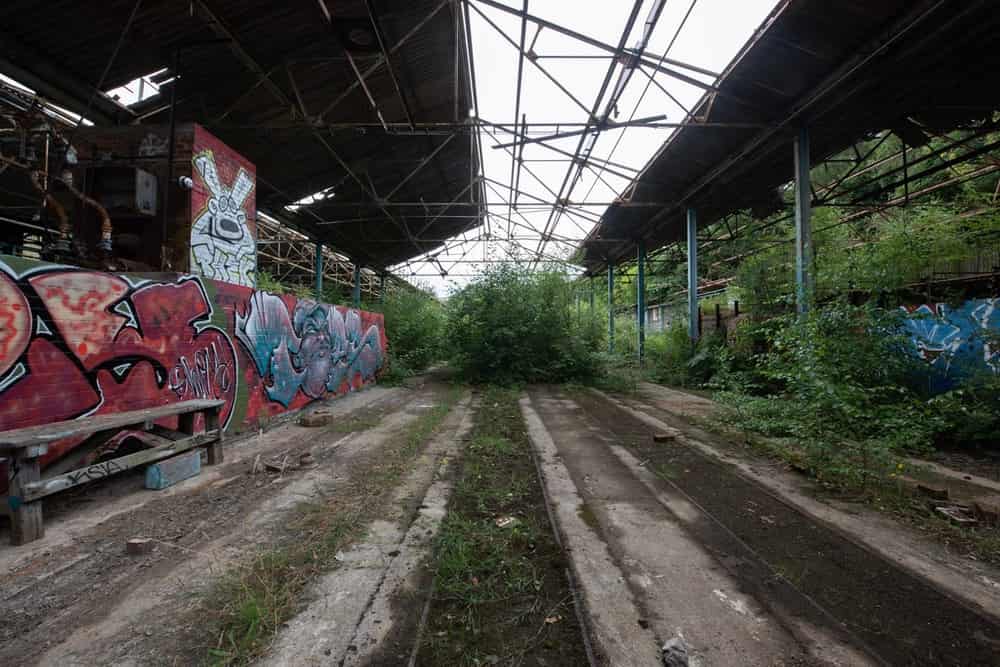
Modernizations in the mid-20th century, including the introduction of electricity and improved haulage systems, boosted productivity. However, declining demand due to changes in steel manufacturing and the downturn of the British steel industry led to the mine’s closure in the early 1980s and the factory’s shutdown in the early 1990s.
Written by David Colver on 31 December 2025.
I am descended from Thomas Wragg who founded a manufacturer of firebricks in the Loxley Valley.
I think there may be some confusion between the Thomases in this article. Certainly I saw in the office of my father, who followed his grandfather and great grandfather into the family business, headed paper identifying the place of Wraggs rather than Marshalls, as Storrs Fireclay Works. The notion is supported by evidence. I suppose it is possible that Wraggs was Storrs Fireclay Works and Marshalls was Storrs Bridge Fireclay Works, but that seems unlikely.
I think the Wragg business was affected by the great Sheffield flood. The Sheffield Flood Archive notes “On the other side of the stream the fire-brick works of Mr. Thomas Wragg were washed away, with all the stock of bricks, sheds, kilns, and other appurtenances.” Perhaps the Marshalls' business was affected too but that source does not mention it.
Wragg had 3 mines, two open cast and one drift mine, i.e. horizontal into the side of a hill. I was handed over by my father to a mine worker and taken into it when I was about 8, wearing a hard hat with a lamp on it. Whether that was the mentioned Top Cabin mine or not I am not sure. My memory is of driving a short distance to the mine, but that is unreliable as it was 60 years ago. Top Cabin may have been a more nearby mine belonging to Marshalls. You could see the neighbouring Marshalls property from some points in the Wragg property.
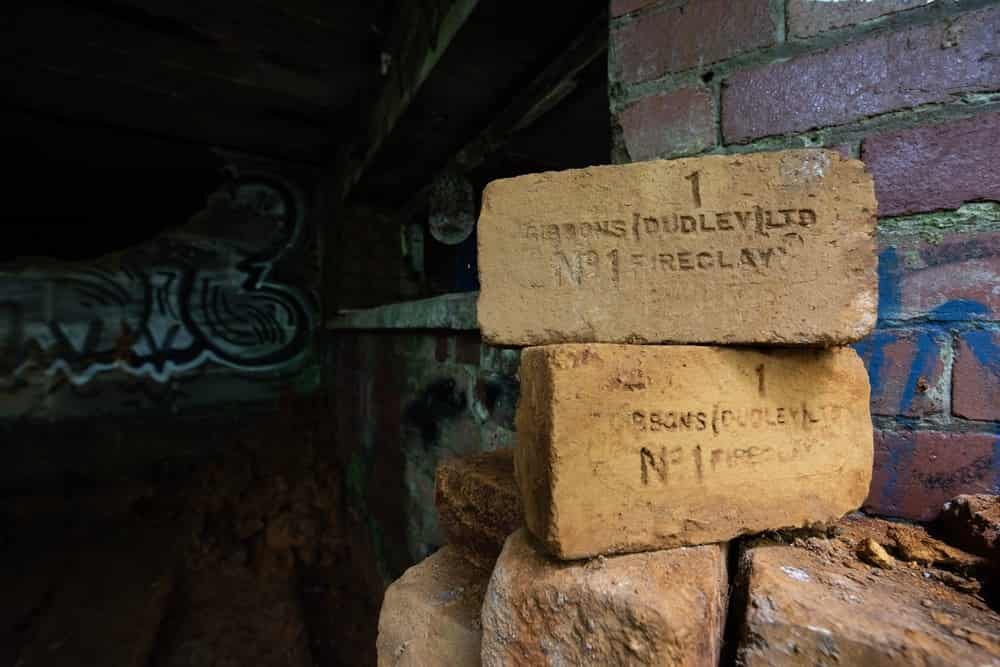
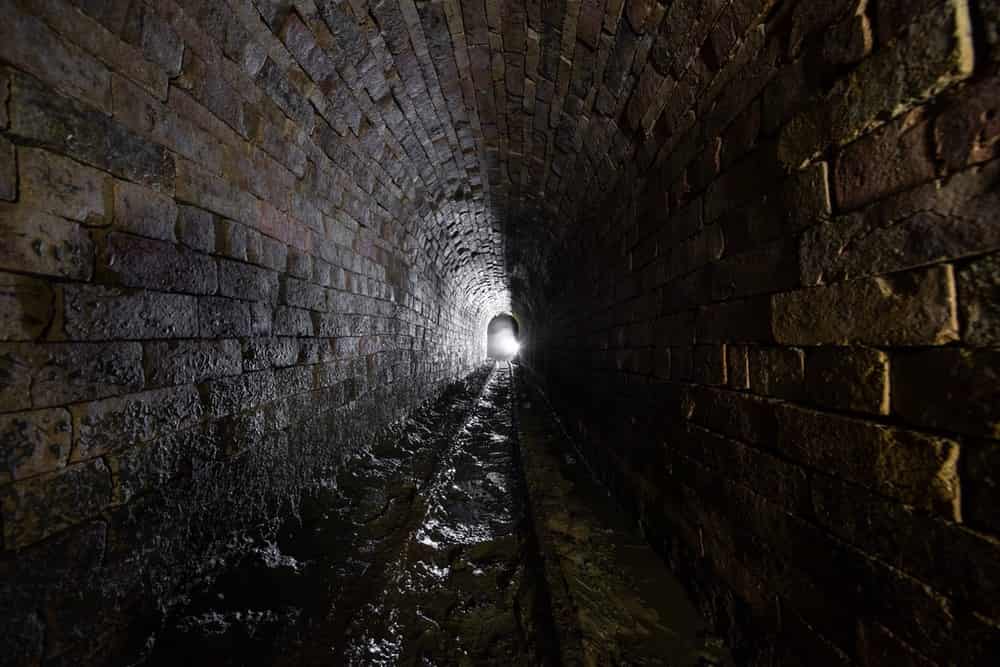
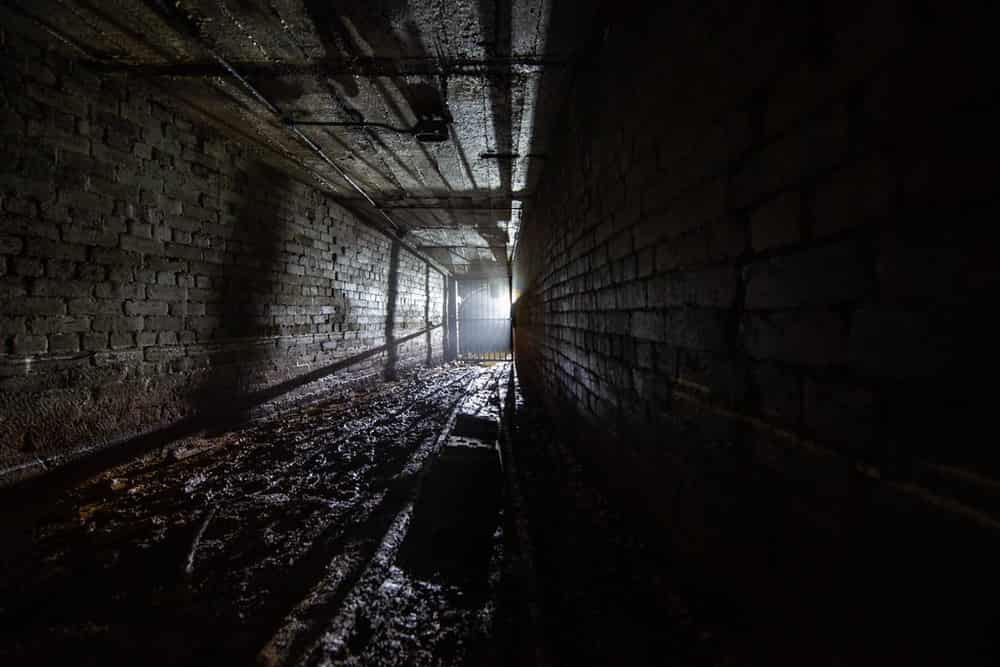
In due course the Wraggs business was sold to Gibbons of Dudley. This would have been in about 1973 or 1974. The Gibbons name appears on the bricks in one of the photos. I think that some of those photos are of Wraggs property and others of Marshalls. Dysons was some way further up the valley.
Written by Richard Bramall on 23 July 2026.
Thomas Wragg founded his works around 1856 - 1860. His works was called Storrs Fire Clay Works - the clay mine there was called Top Cabin Mine.
Thomas Marshall founded his works around the same time or a little after. His company was founded by him and his partner, William Crapper and traded initially as Marshall & Crapper. Their works was adjacent to and to the west of Thos Wragg’s works and was called Storrs Bridge Fire Brick Works - the clay mine there was called Storrs Bridge Mine.
Both businesses and Dysons at nearby Stannington were formed to exploit the Stannington Pot Clay Seam to make casting pit holloware and steel flow control products.
Both businesses were badly affected by the Sheffield flood of 1864 - as was Dysons to a much lesser extent.
I hope to write a longer note on the history of the industry and the firms that dominated the industry for about 150 years.
I worked at Dysons as did my grandfather. My father worked at Wraggs all his working life.
The names of the works are shown on the OS one inch map 1885-1900. The extant of the works are also shown.