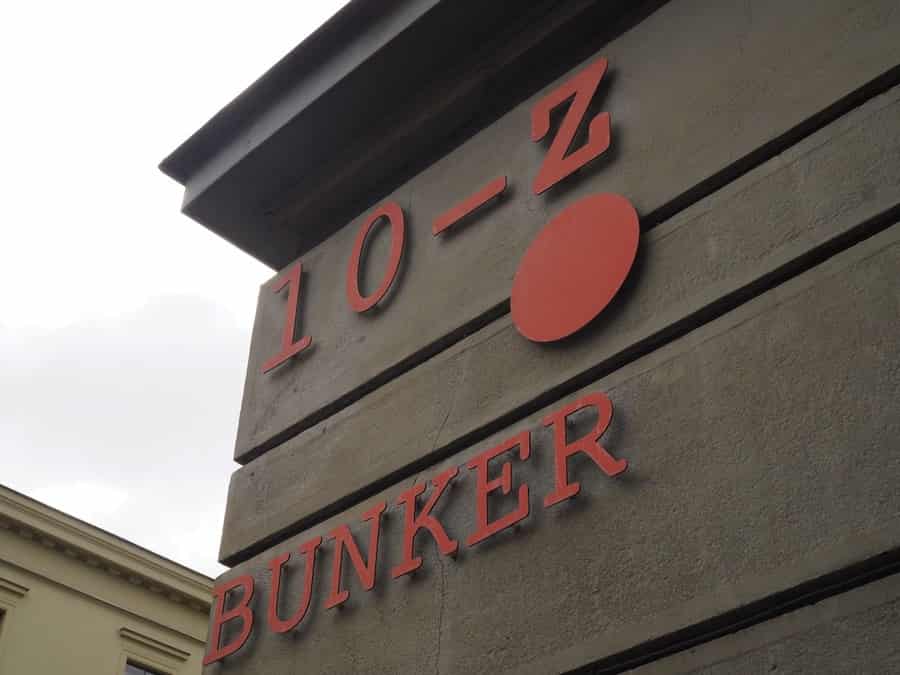
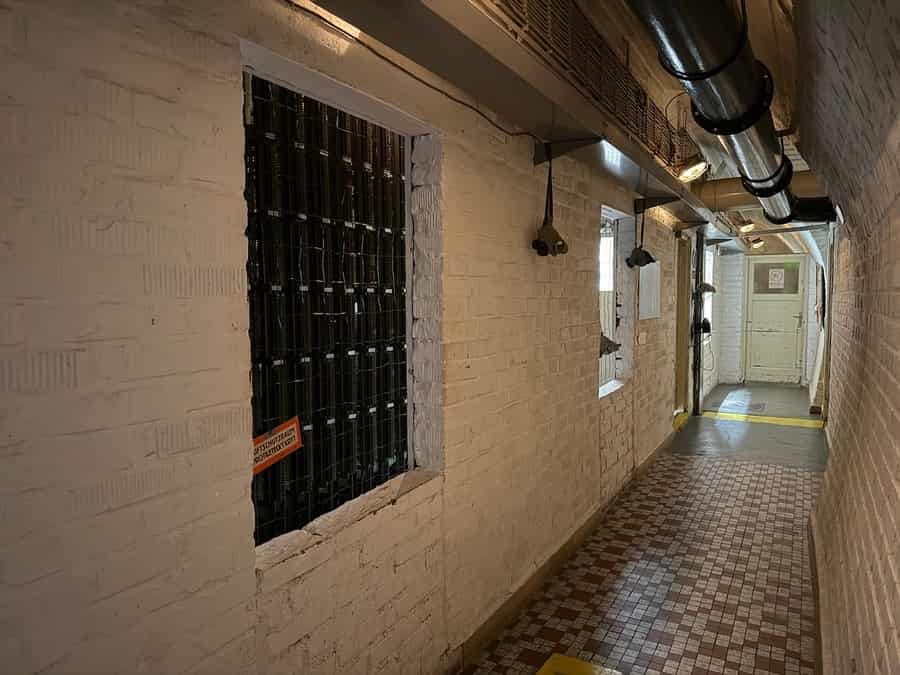
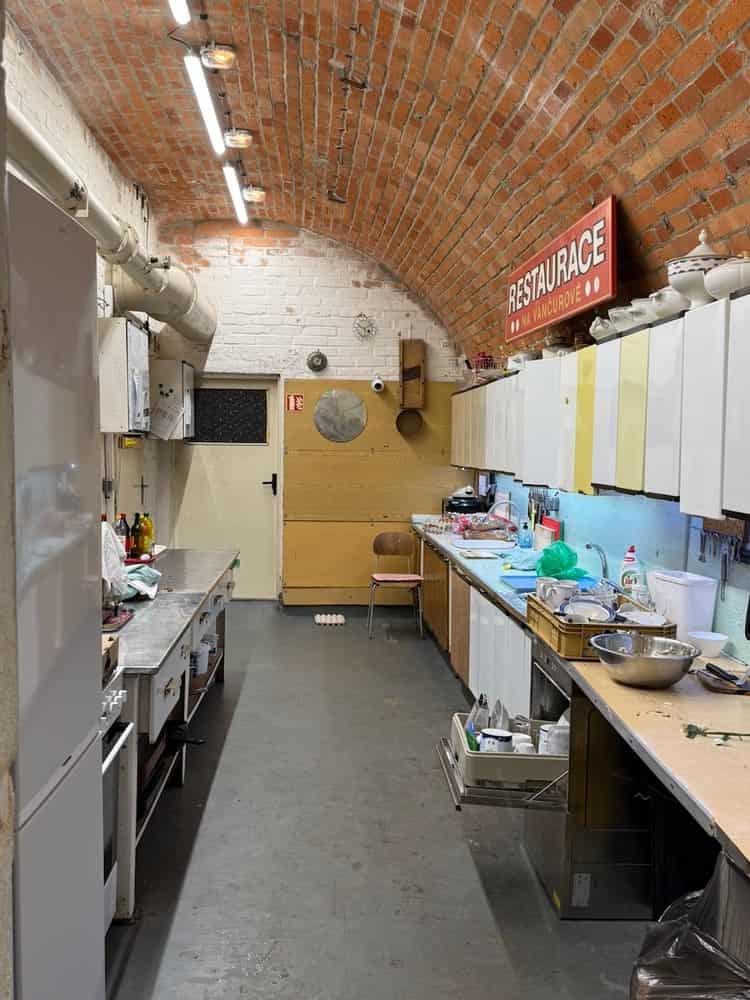
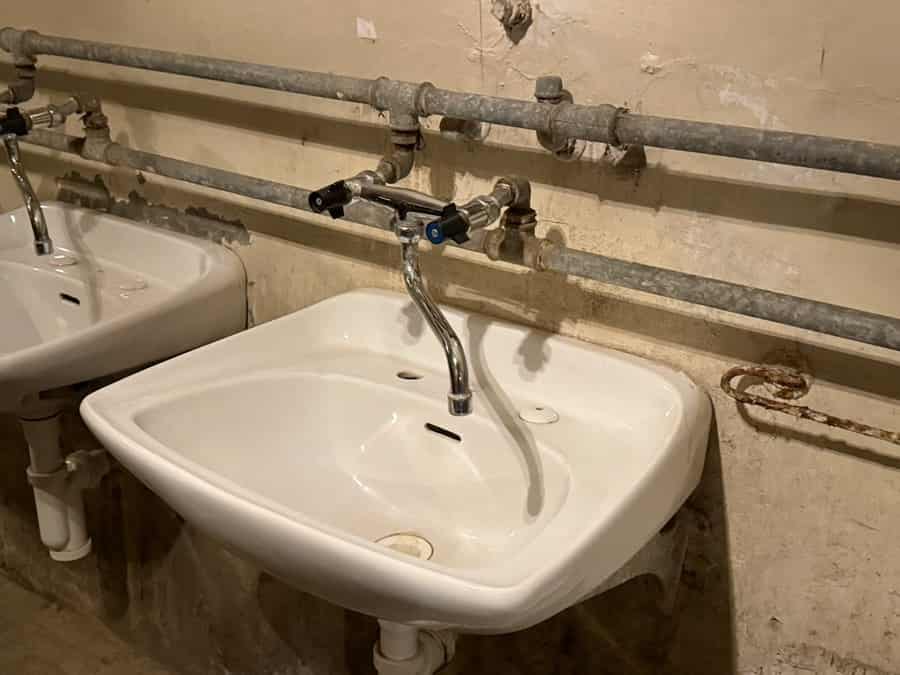
The 10-Z bunker lies beneath Špilberk hill in central Brno and began as an air-raid shelter (Luftschutz) built during the German occupation to protect against Allied bombing. After the war, part of the space was let out commercially: from 1946 it housed a wholesale wine business run by Hermann Löwy and Karel Šmíd, which was confiscated by the new Communist authorities just two days after the February 1948 coup.
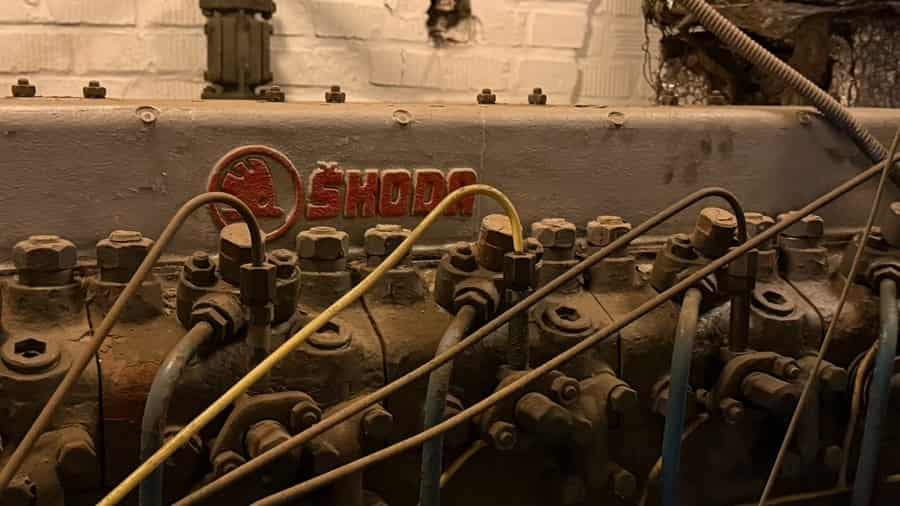
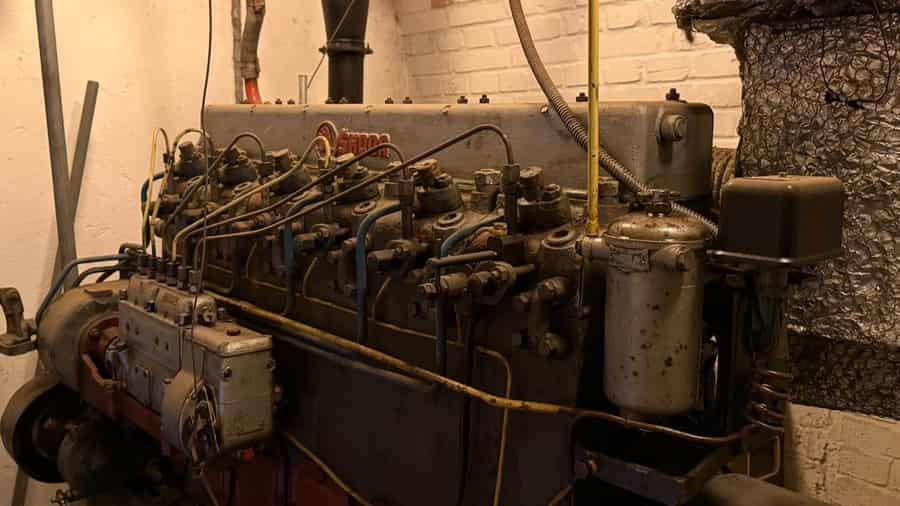
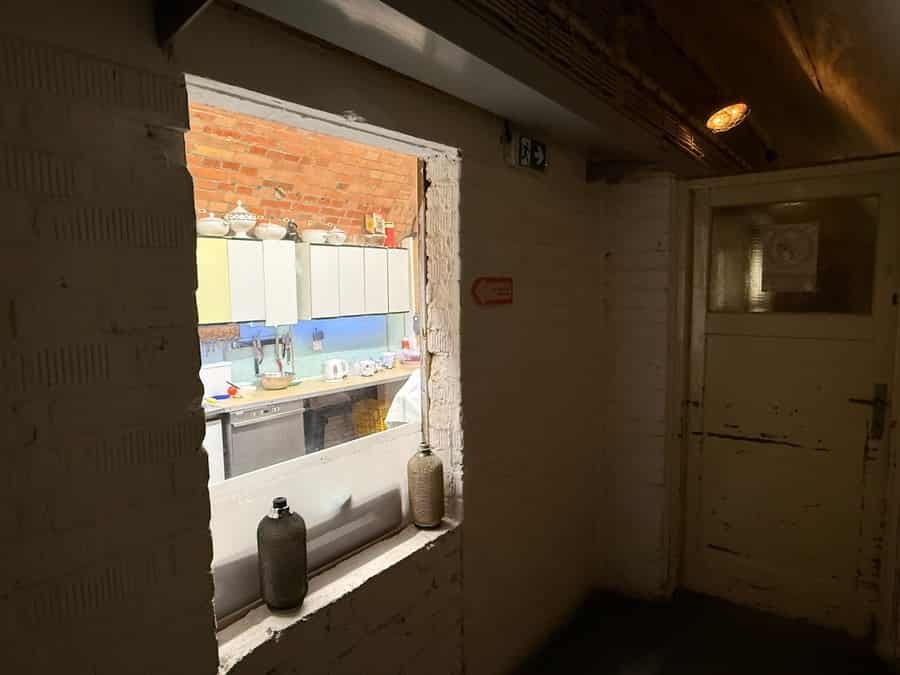
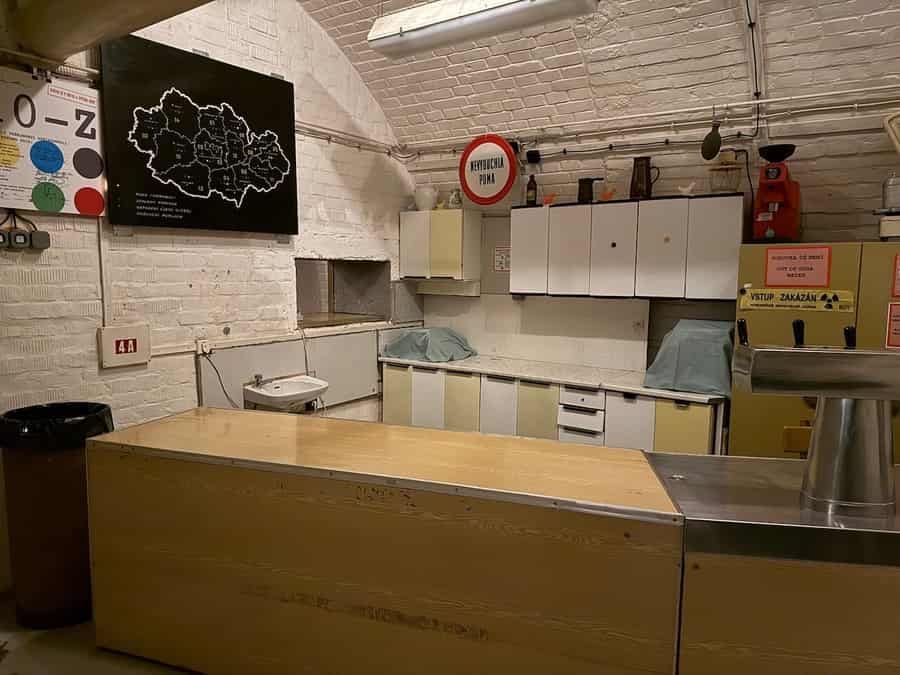
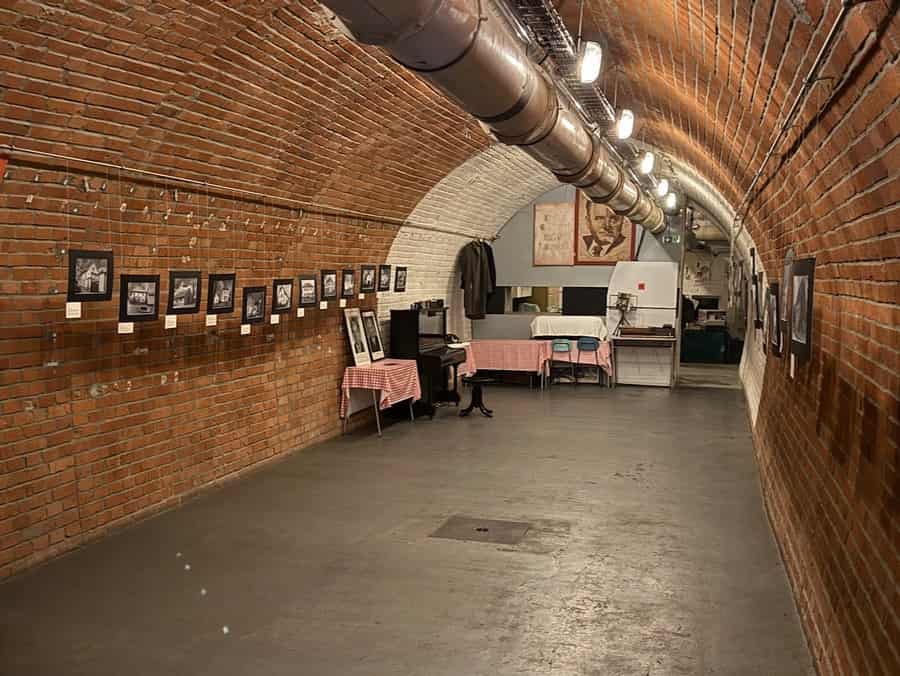
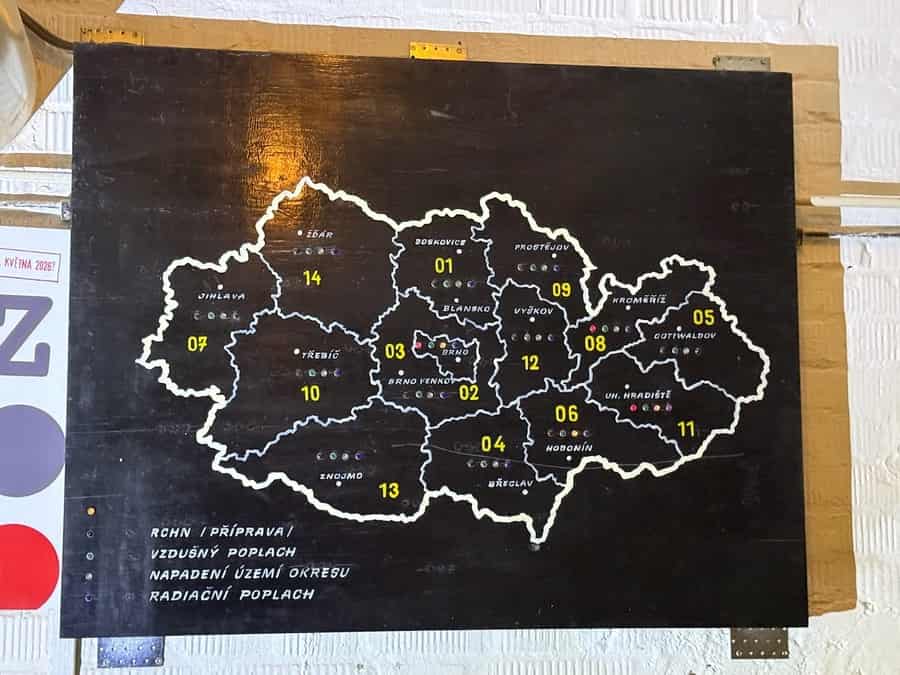
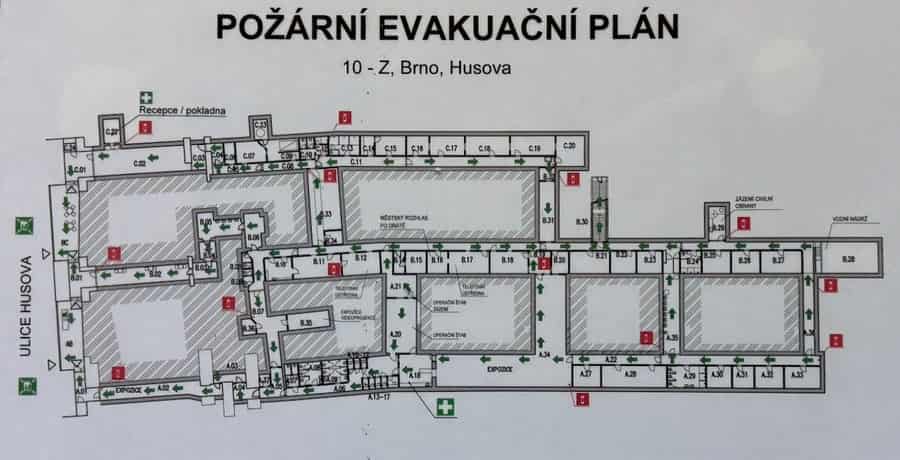
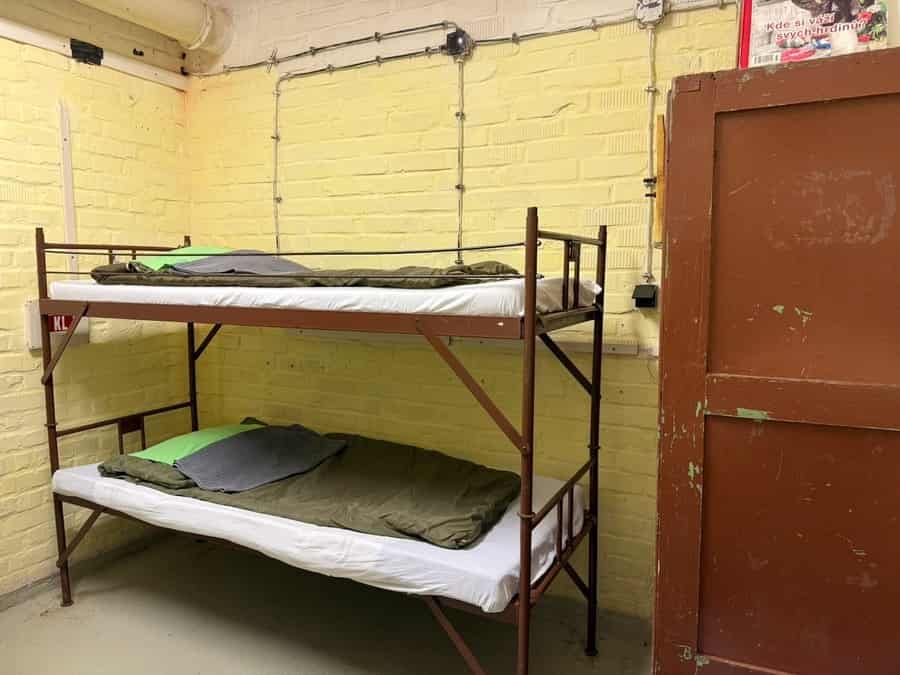
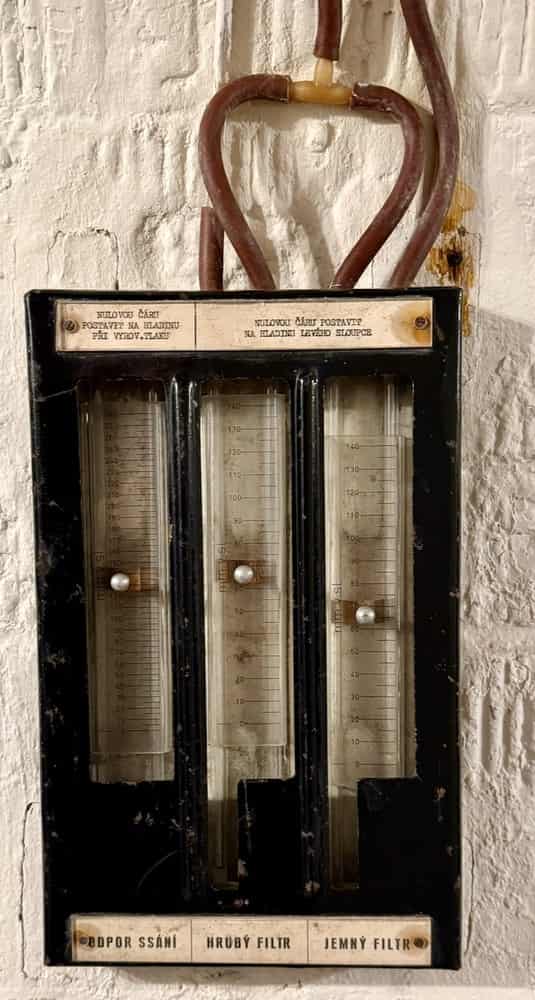
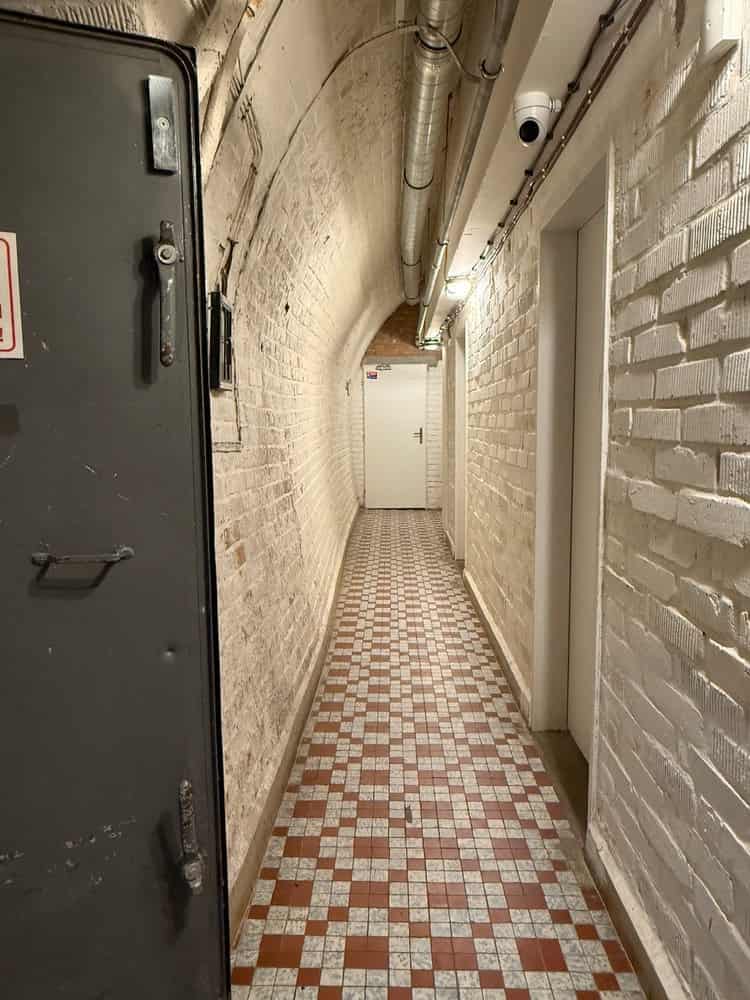
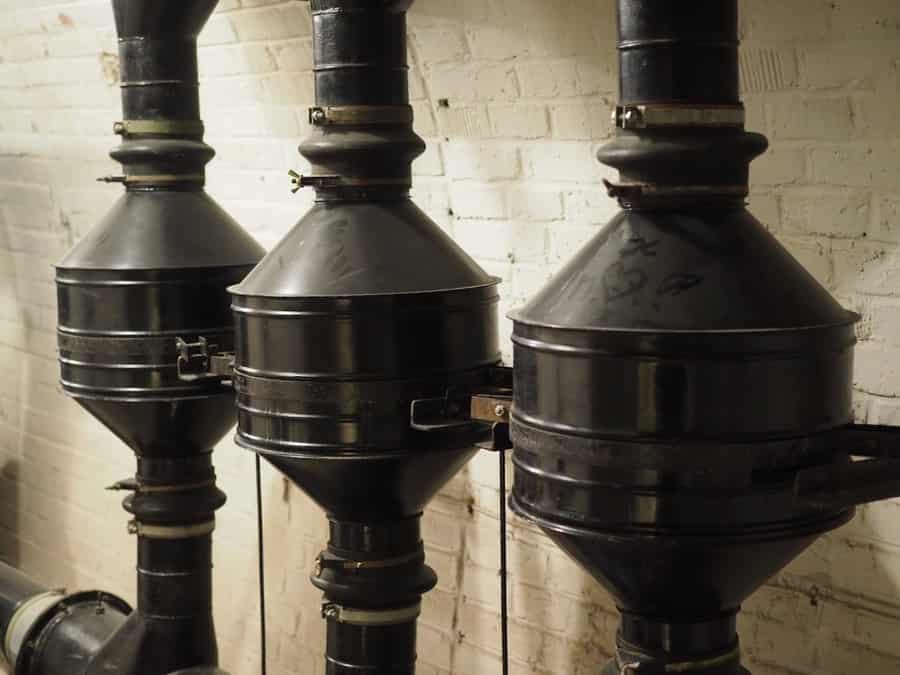
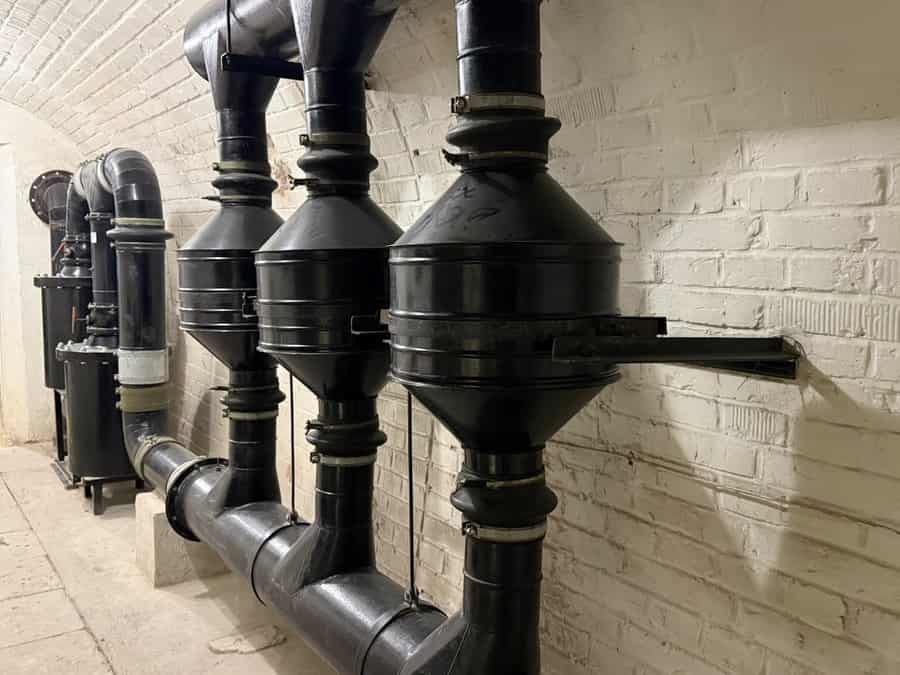
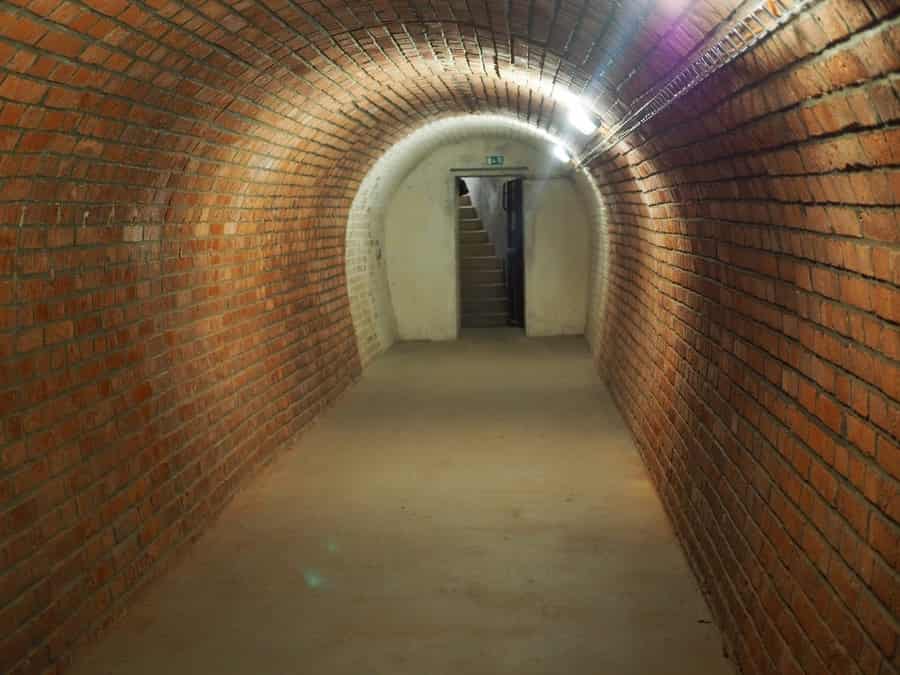
In 1959 the shelter was rebuilt and expanded into a nuclear fallout shelter, one of the most closely guarded facilities in the city, intended to protect up to 500 officials responsible for running Brno and the surrounding region for three days in the event of an attack. It remained under the control of the Czechoslovak, and later Czech, army until 1993, when it was handed over to the City of Brno. The complex today comprises 65 rooms across roughly 1,500 square metres, with almost 600 metres of corridors and emergency exits; the longest gallery runs 126 metres into the hill from Husova street. It was equipped with a 60kW Škoda generator, an air filtration system and a telephone exchange, and — aside from training exercises — was never used for its intended purpose.
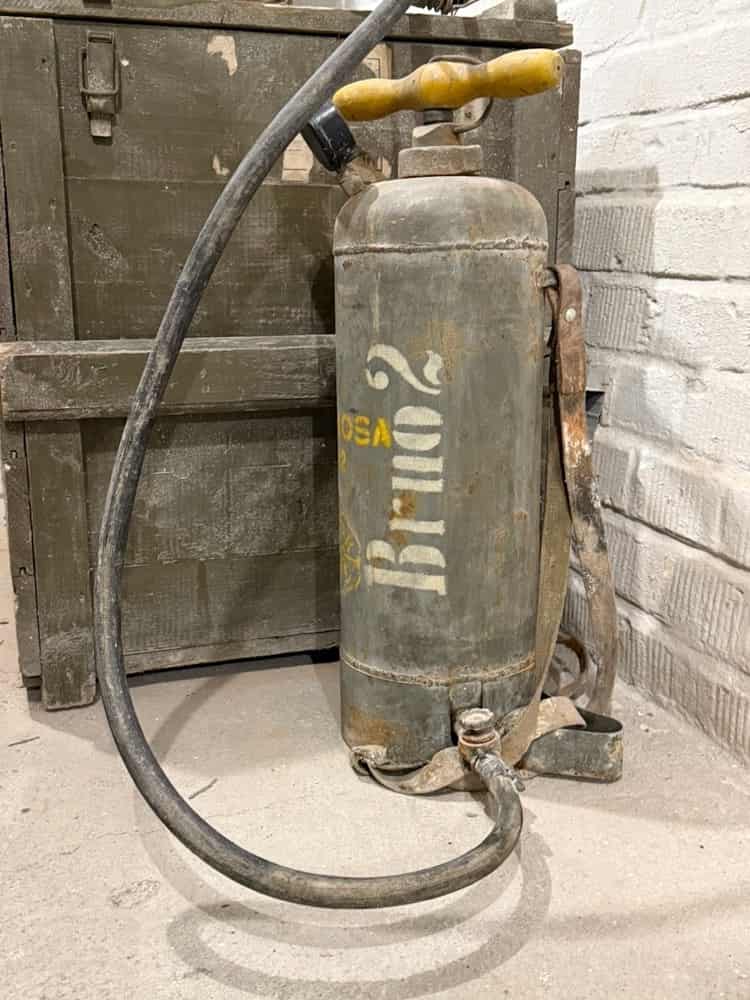
The bunker opened to the public in 2016 as a protected technical monument. Visitors can take a guided tour or follow a self-guided route using a map from the entrance, with QR-coded videos along the way giving background on the site and the people connected to it. The tour covers the technical areas — generator room, filtration plant and telephone exchange — and also displays a set of cell doors salvaged from Brno’s former prison on Cejl Street, inscribed with messages left by prisoners under sentence of death. A separate night tour, focused on the technical installations, is also offered.
Further Information Bunker 10z