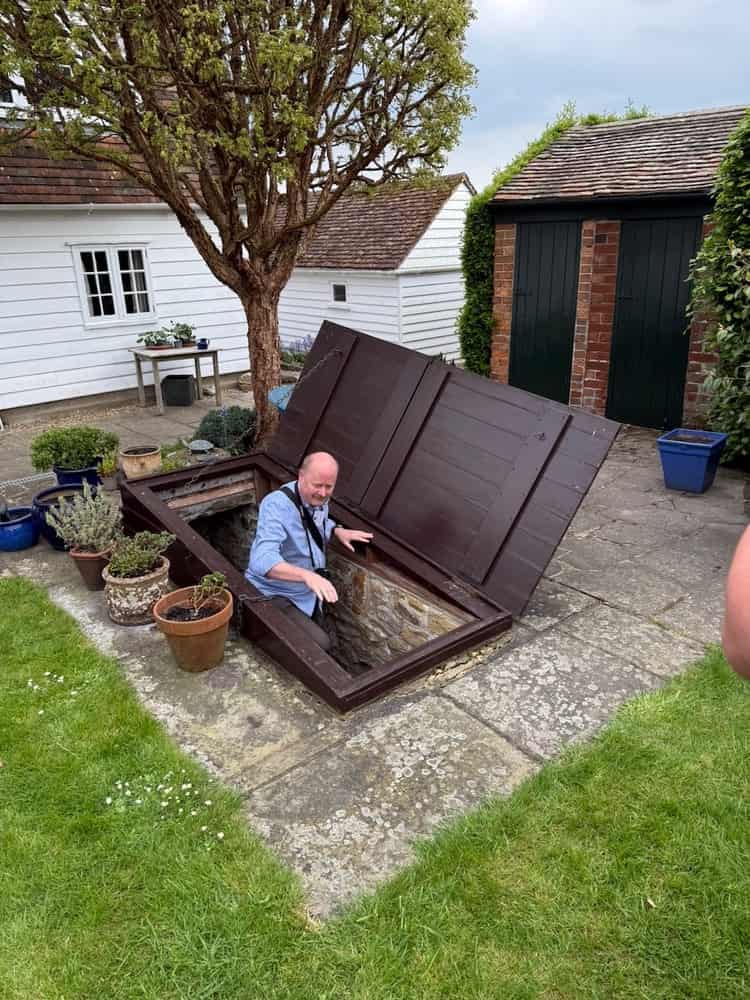
Beneath the streets of the planned medieval town of Winchelsea lies one of the finest surviving groups of medieval merchant cellars in England. Built as part of the creation of New Winchelsea in the late thirteenth century, these substantial vaulted undercrofts formed an integral part of the new town established by King Edward I after Old Winchelsea was destroyed by coastal erosion and storms. The cellars are concentrated in the northern part of the town, close to the former waterfront on the River Brede, reflecting the commercial importance of the area.
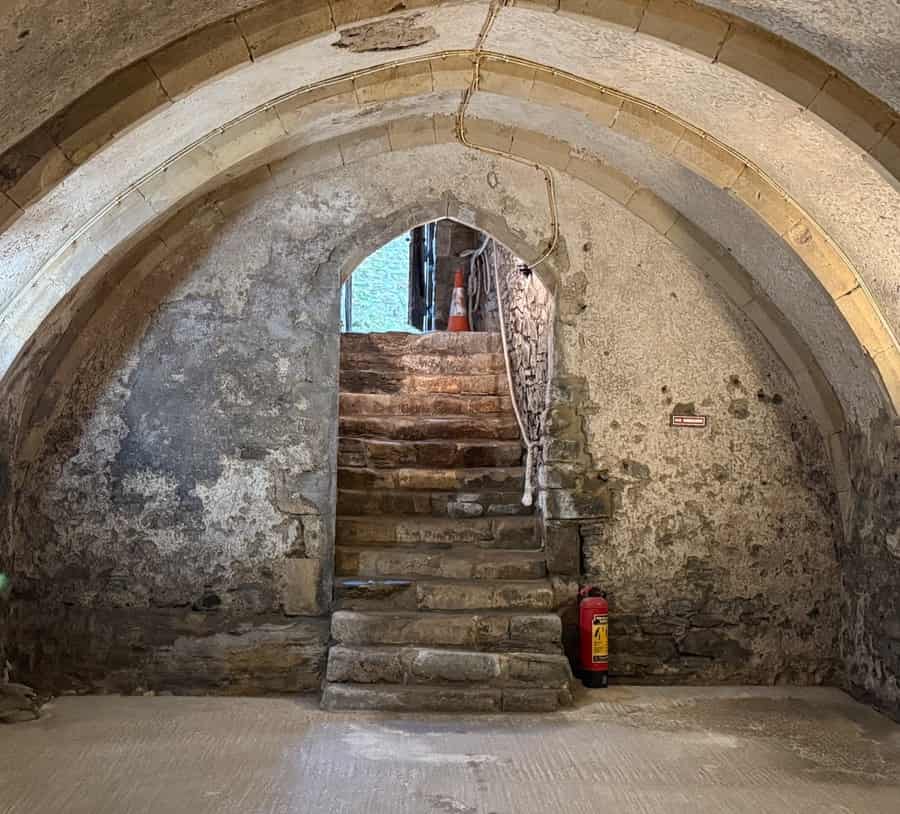
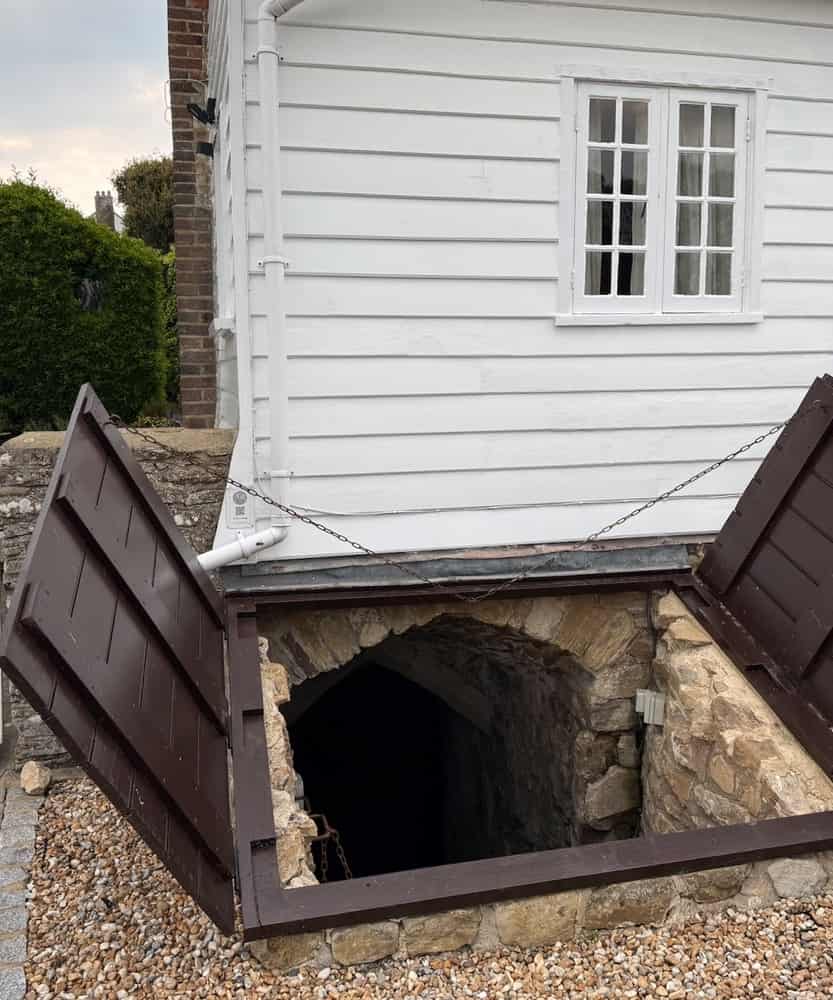
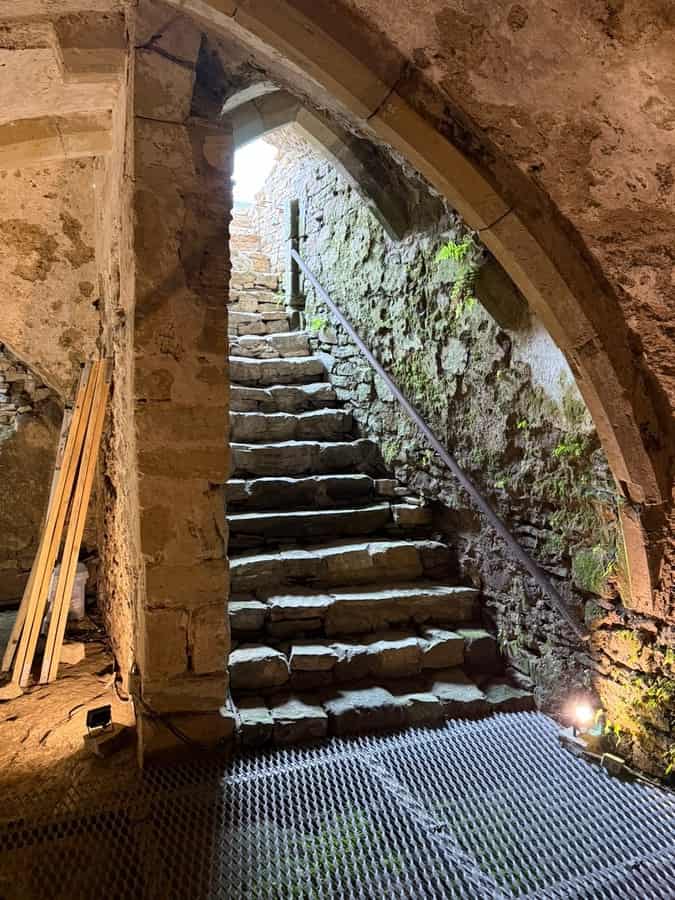
Around thirty-three medieval cellars remain accessible today, with the sites of several more known. They represent one of the largest surviving collections of medieval merchant undercrofts in England, comparable only with those of towns such as Southampton, Norwich and Chester. Most are entered by broad stairways descending from street level, while some also have internal access from the buildings above.
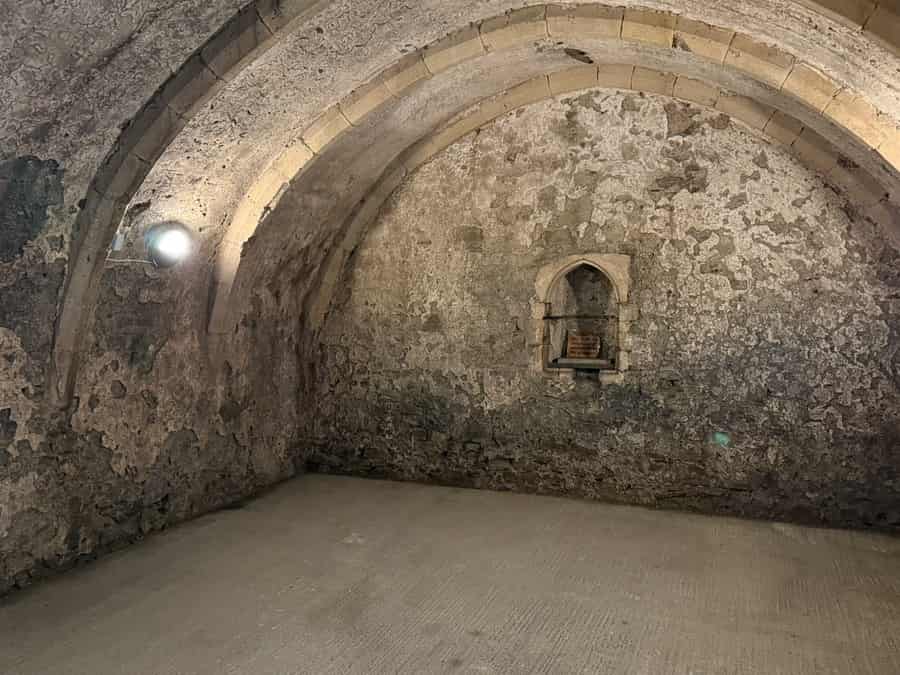
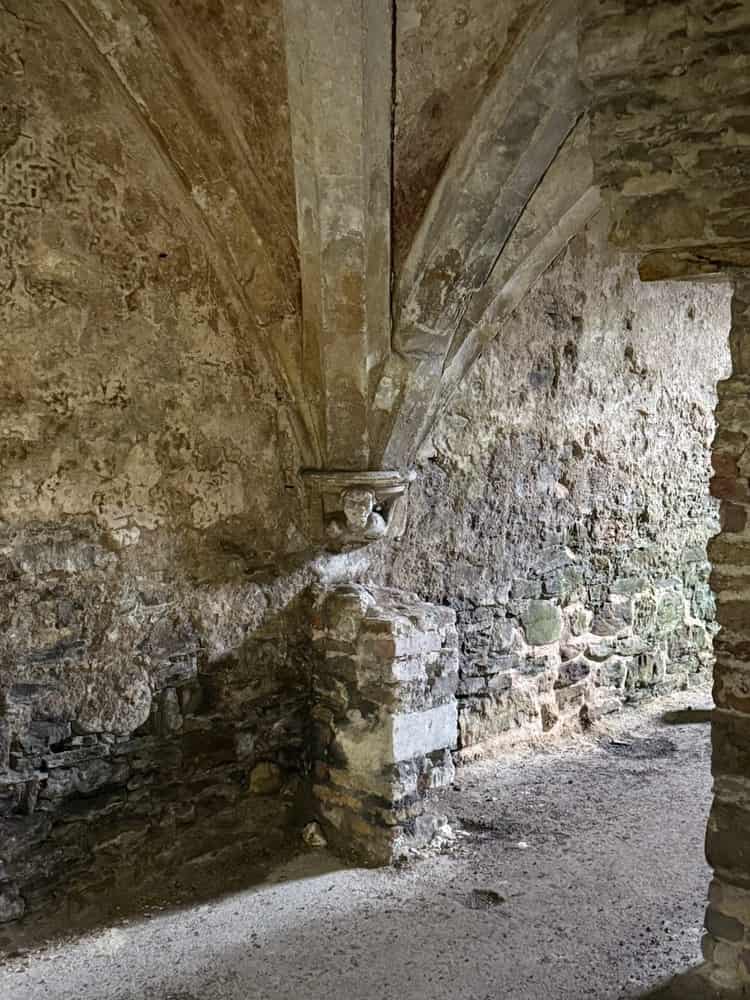
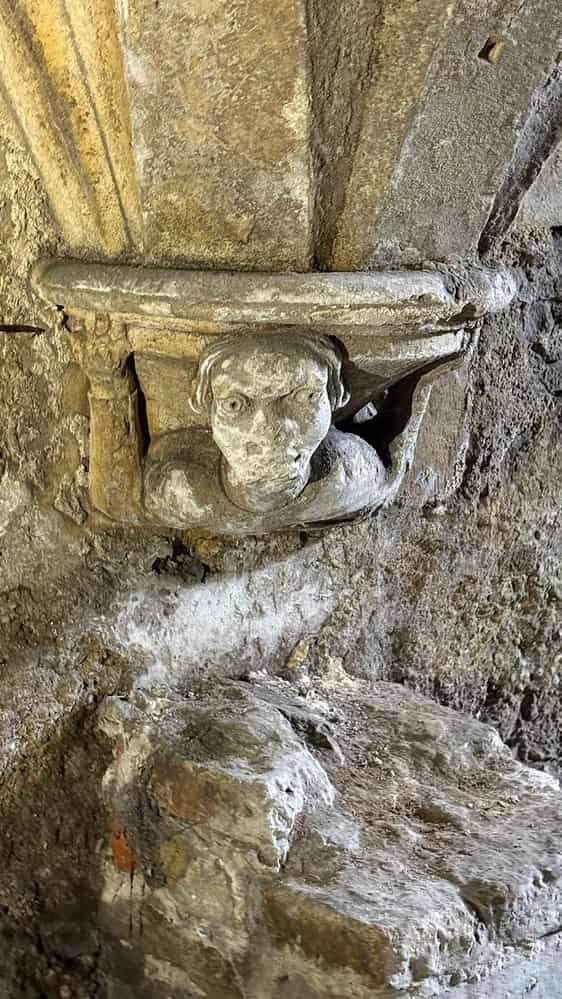
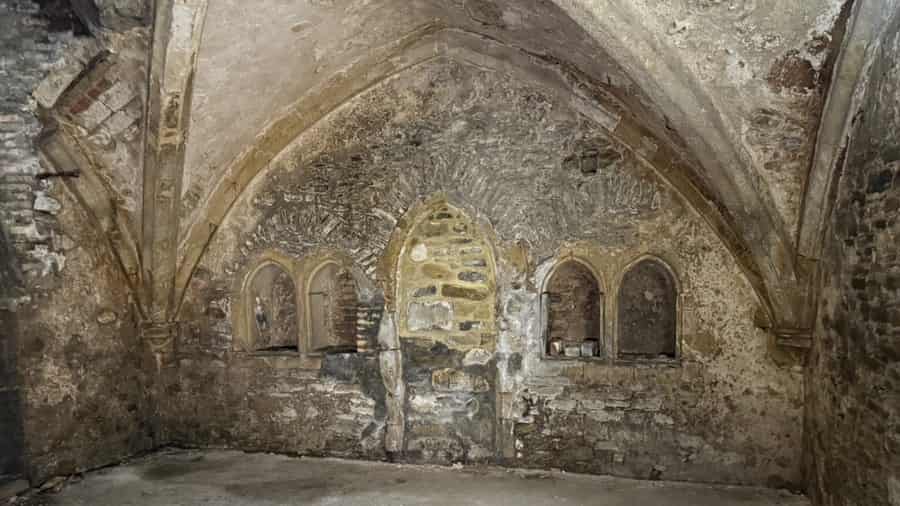
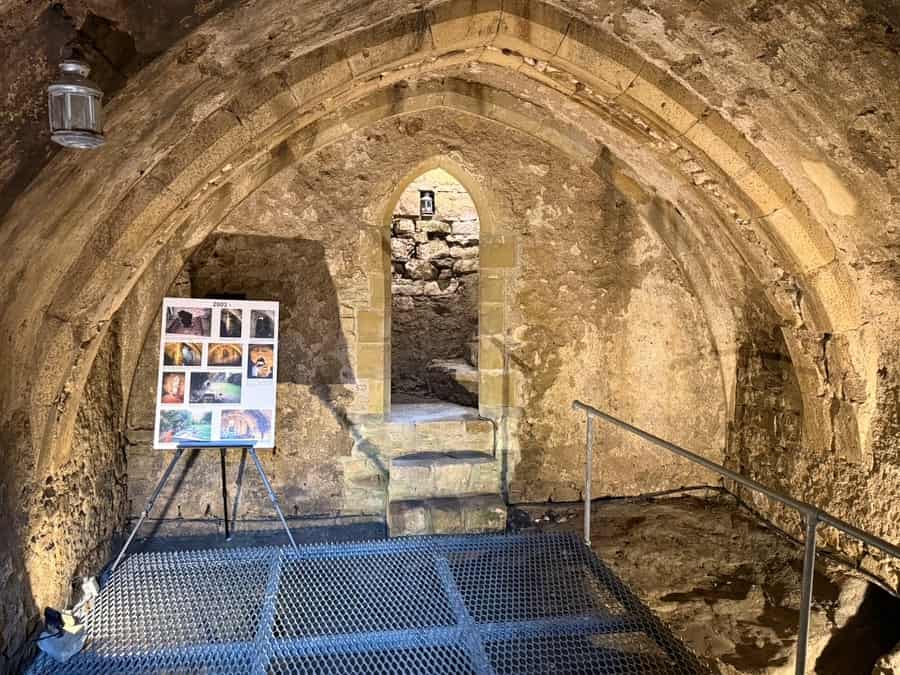
The cellars are generally of barrel-vaulted construction, built from local stone with dressed Caen stone used for ribs and architectural details. Several examples display more elaborate features including quadripartite vaulting, Gothic arches, light wells and finely chamfered stonework, indicating that some served not only as storage but also as places where merchants conducted business. The cellars appear to have been constructed before the houses above them, suggesting they formed part of the original planned infrastructure of the new town.
Their principal purpose was the secure storage of valuable imported goods, particularly wine from Gascony. During the early fourteenth century Winchelsea became one of England’s principal ports for the wine trade with Bordeaux, and contemporary customs records demonstrate the enormous quantities passing through the town. The naturally cool and stable conditions within the underground vaults provided an ideal environment for storing wine before onward distribution. Other commodities, including wool, iron products from the Weald, salt, dried fish and imported goods, were also handled through the port and would have utilised the same storage facilities.
Winchelsea’s prosperity declined during the later Middle Ages as warfare, plague and the gradual silting of the harbour reduced its importance as a trading port. Although the cellars continued in use for many years, they never again operated on the scale seen during the town’s first century. Many survived because they remained incorporated beneath later buildings, preserving an exceptional record of the commercial infrastructure of a planned medieval port.
Today a number of the cellars are opened to the public on guided tours, while many others remain in private ownership beneath houses lining the town’s streets. Together they form one of the most remarkable surviving groups of medieval commercial underground structures in Britain.
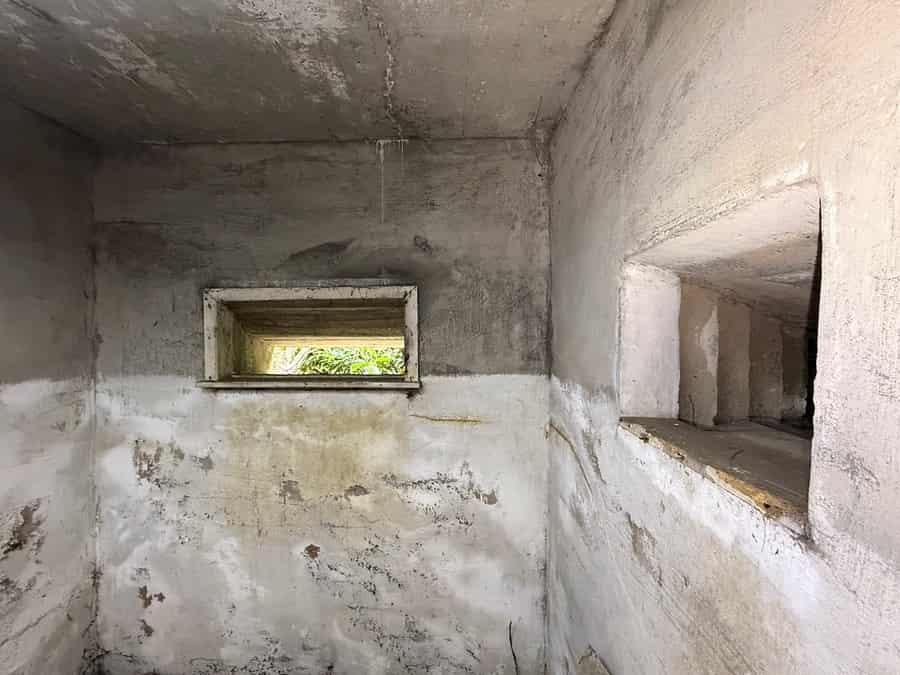
WW2 pillbox
A Second World War concrete pillbox stands close to one of the medieval cellar entrances, providing an interesting contrast between two very different periods of defensive construction. It formed part of the extensive anti-invasion defences established across the Sussex coast during 1940, when Winchelsea occupied a strategic position overlooking the approaches inland from Rye Bay. Although modest in size, the pillbox illustrates how the historic town once again assumed military importance during a period of national emergency, more than six centuries after its medieval fortifications had first been established.