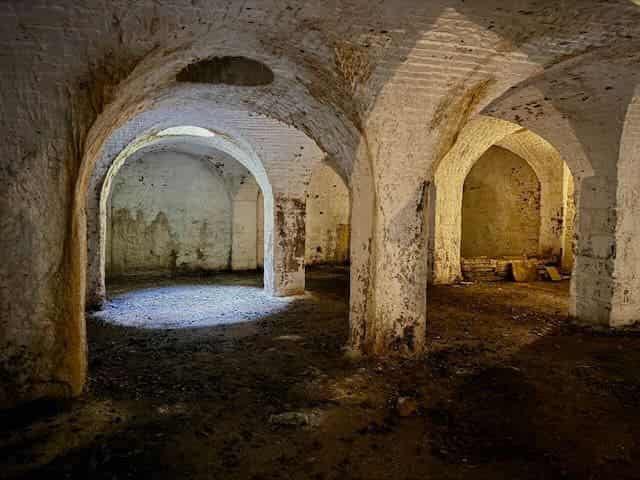
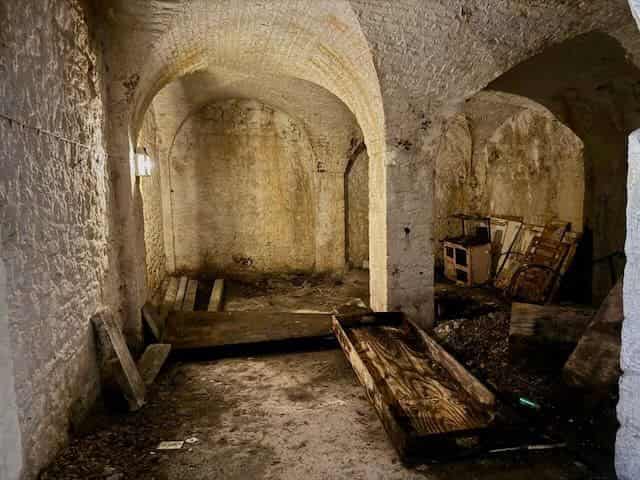
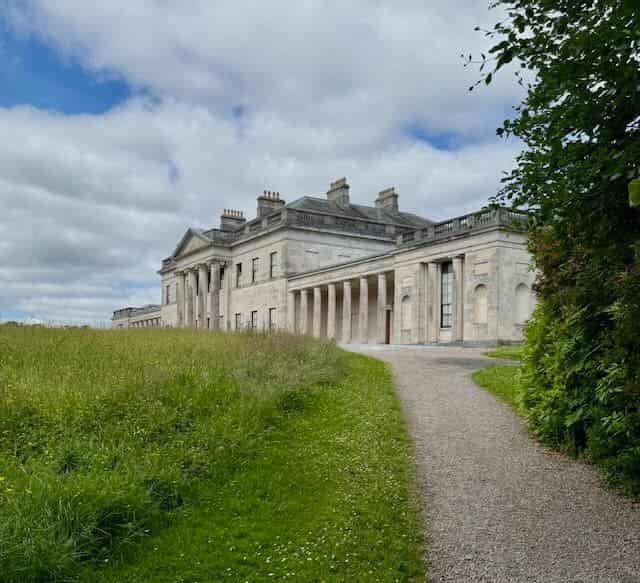
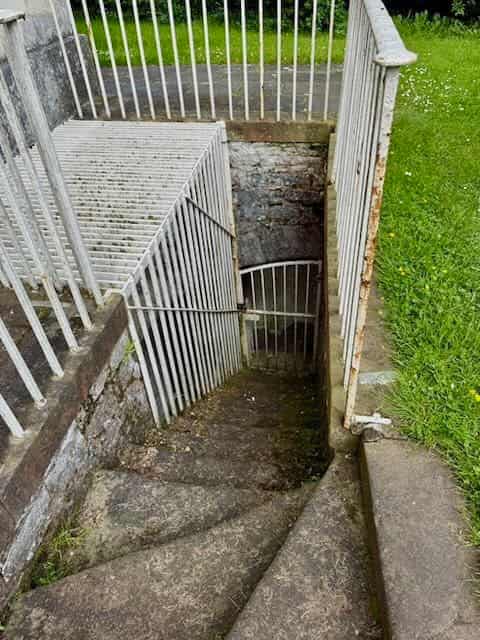
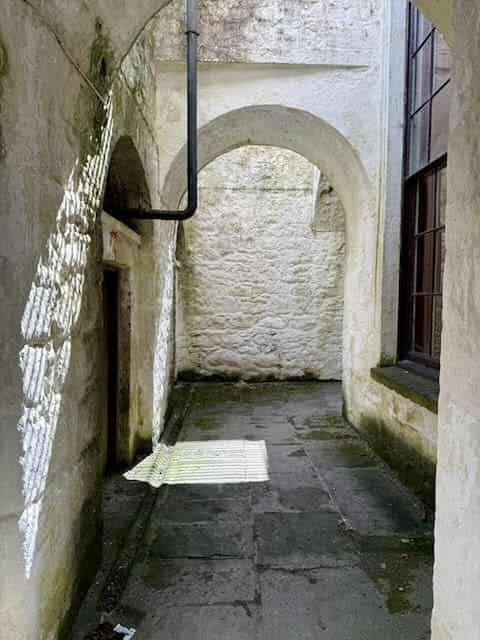
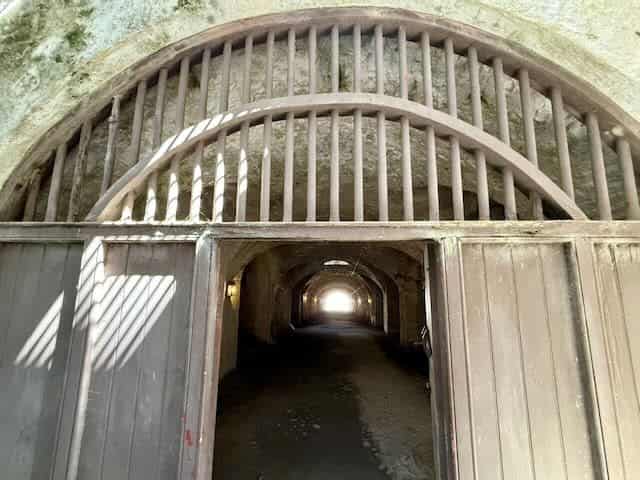
Beneath the elegant Neo-classical façade of Castle Coole lies a remarkable hidden world. The extensive basement was the working heart of the house, largely concealed from the grand rooms above. Here, a small army of servants worked in the kitchens, servants’ hall, wine cellar, larders and other service rooms, keeping the household running while remaining almost invisible to the family and their guests.
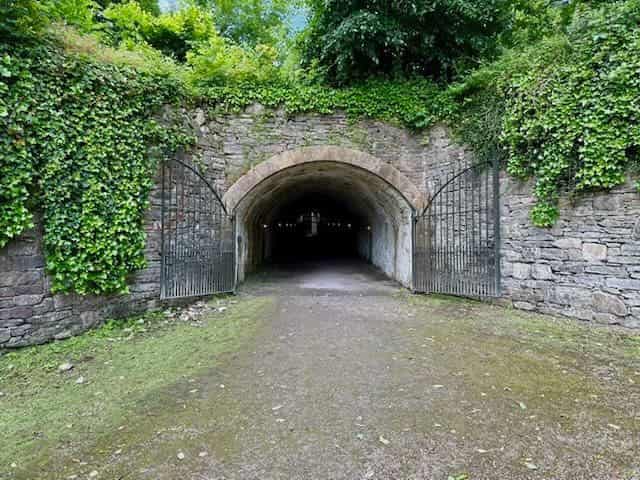
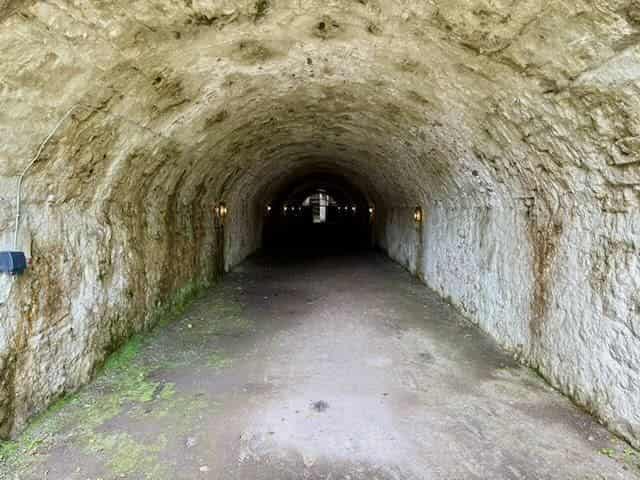
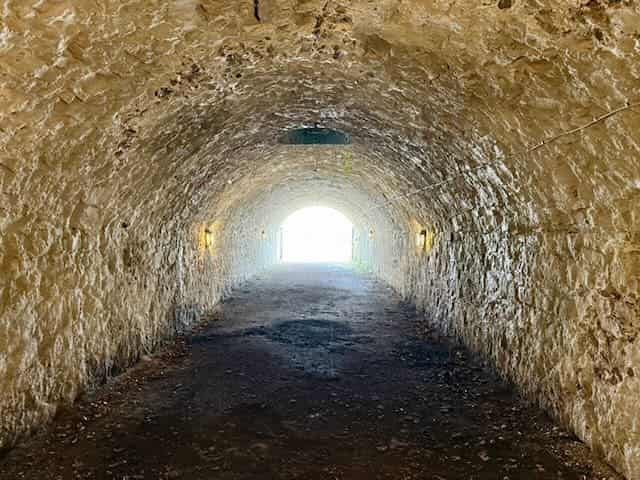
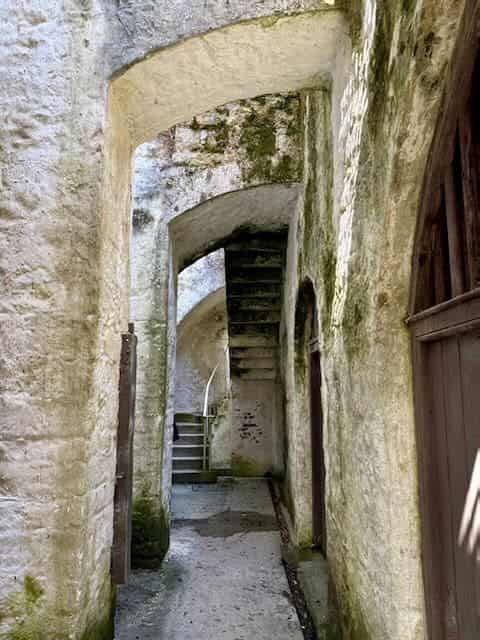
One of the most ingenious features is the 48m long, stone-vaulted service tunnel linking the basement with the Grand Yard some 80 metres away. Originally constructed during the building of the mansion in the late 1780s, it was wide enough for carts (4.2m wide, 3.6m high) and was first used to bring building materials to the house. Once Castle Coole was completed, it became the discreet route for servants, supplies and deliveries.
The tunnel meant that there was no need for a conventional service entrance on the elegant exterior of the house. Coal, turf and other supplies could be brought underground, while servants could move between the house and the estate buildings without disturbing the carefully designed landscape or the lives of the family upstairs. There were also large vaults and compartments built into the walls of the tunnel designed for storage purposes, especially fuel.
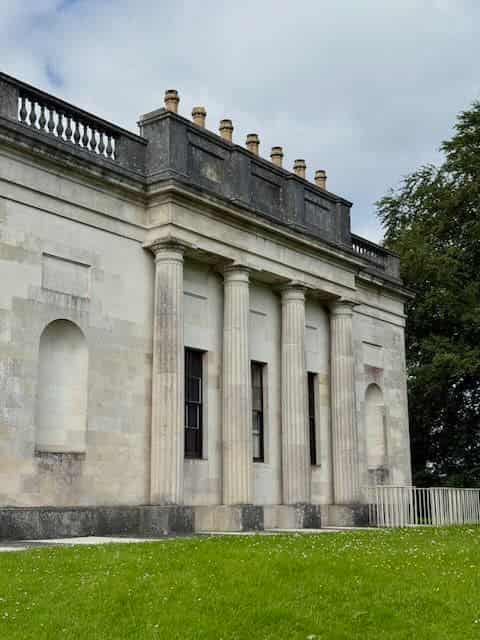
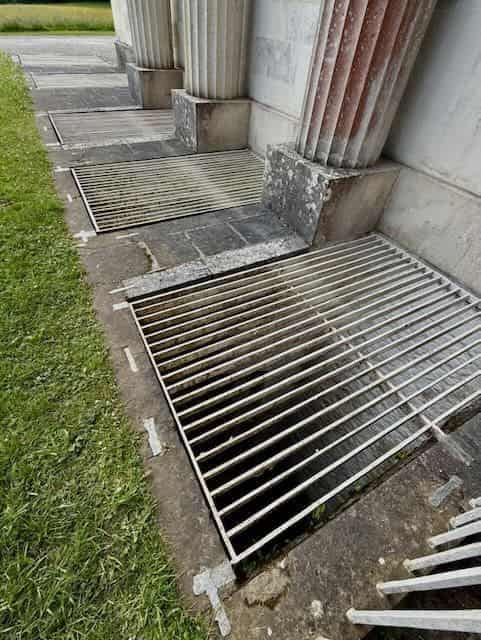
The seven chimney pots on the East side of the house actually have their flues inside the four Doric columns leading down to the service area under the house.
The basement itself contained much more than kitchens and storage. Among its surviving features are a wine cellar, laundry facilities and even a Roman-style plunge bath, illustrating the extraordinary range of activities that took place beneath the apparently serene surface of this great country house.
Perhaps the most striking aspect of Castle Coole’s underground world is the contrast it reveals: above ground was a house designed to project elegance, order and tranquillity; below ground was a busy network of kitchens, stores, passages and servants’ quarters that made that elegant lifestyle possible.
The site is now operated by The National Trust and open to visitors.
Further Information: