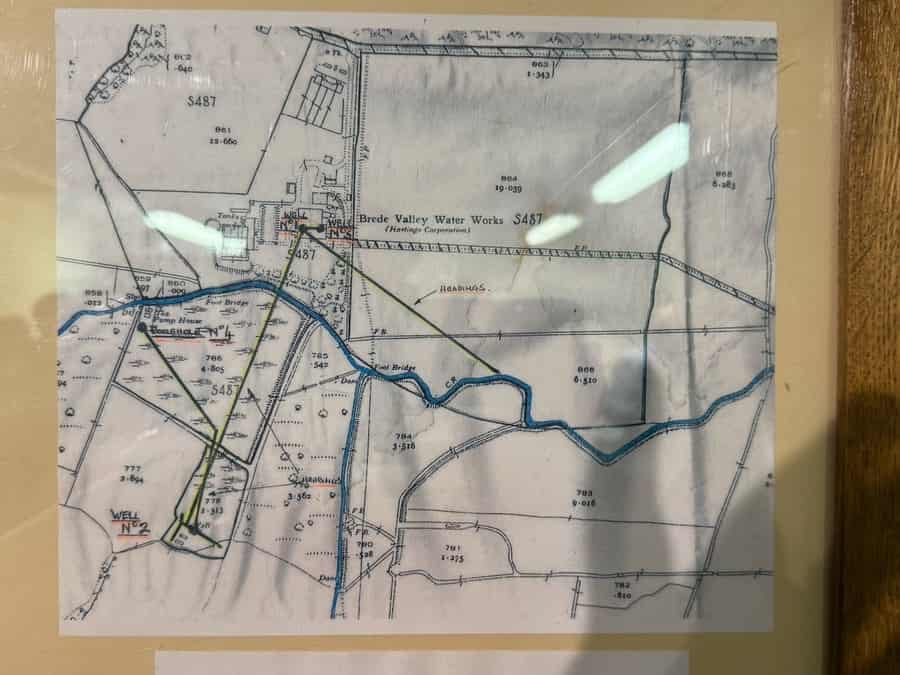
By the 1890s Hastings Corporation was struggling to meet the town’s growing demand for drinking water from its existing supplies at Fairlight and Buckshole. Several sites in the surrounding countryside were investigated, including Glynde and West Dean, before a local councillor and amateur geologist, Thomas Elworthy, put forward Brede on the grounds that its closeness to Hastings would keep costs down. Trial boreholes were sunk near Brede Bridge in 1892 and, after further trials to the west of the site, a continuous pumping test carried out in 1896 demonstrated that the ground could yield a million gallons a day for six months. Parliamentary approval for the scheme followed, though protracted negotiations over land purchase and extraction royalties delayed matters further.
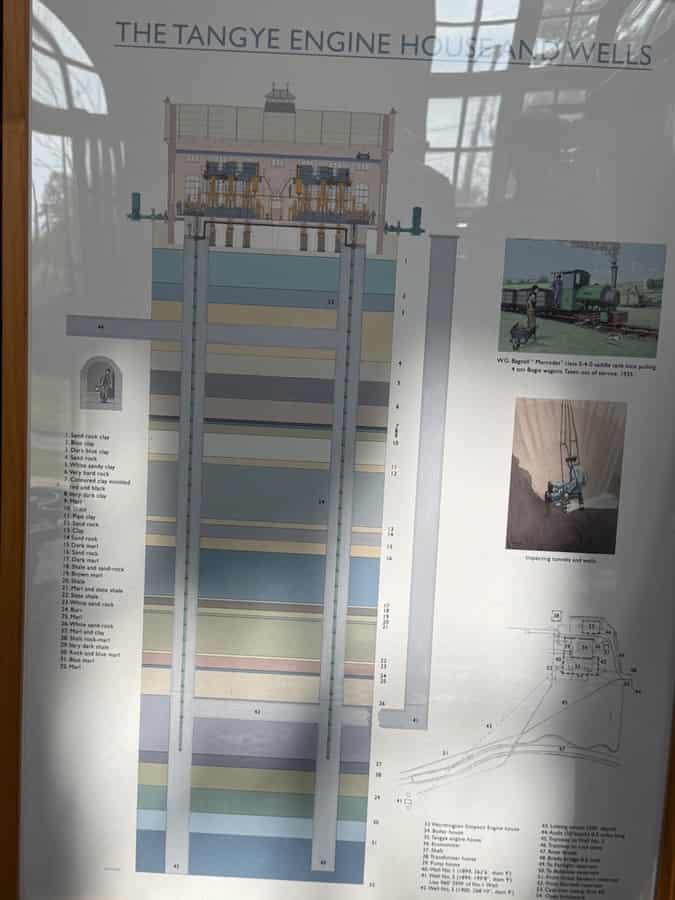
Hastings Corporation eventually bought Church Farm, on the north bank of the River Brede, and sinking of wells began in 1899. Two wells on the north bank, numbered 1 and 3, reached a depth of 275 feet, while a third well to the south of the river, on land bought from a Miss Brisco, reached 200 feet. Ground conditions proved difficult and the work took some four years to complete. Because there was no road access to the site at the time, construction materials were shipped to Rye and brought up the River Brede by barge to a wharf near Brede Bridge, from where an 18-inch gauge tramway, worked by a small saddle-tank locomotive, carried them the remaining distance to the works. The tramway continued in use after completion of the waterworks to bring coal to the boilers, until road access was established and the line was closed in the late 1930s.
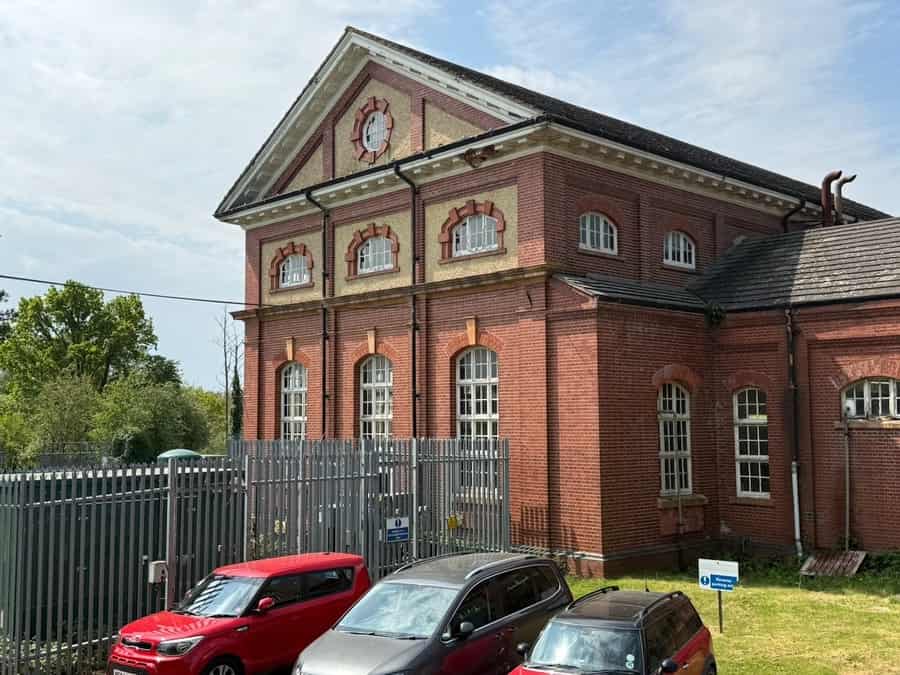
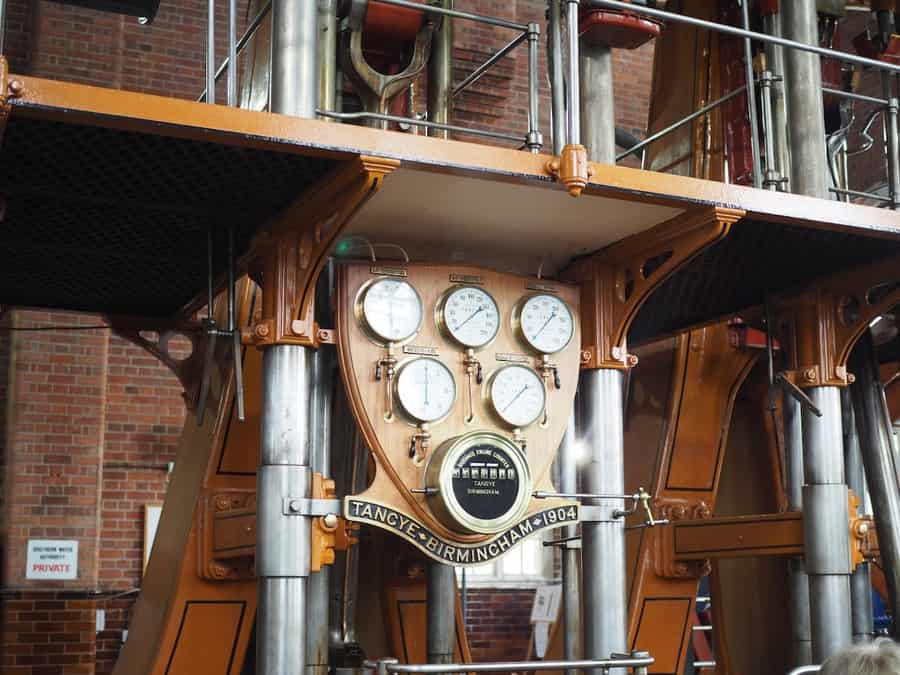
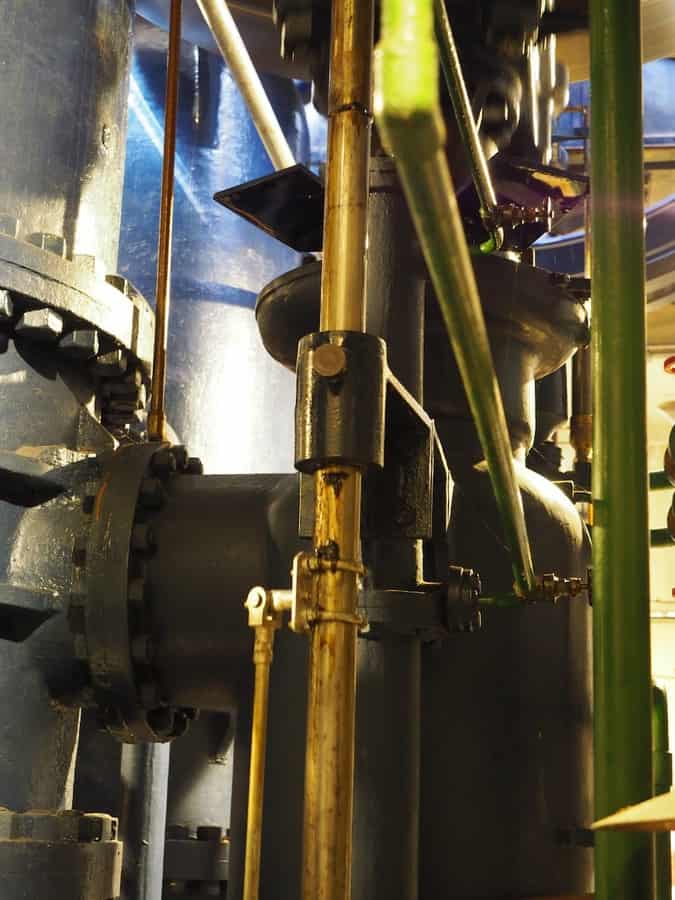
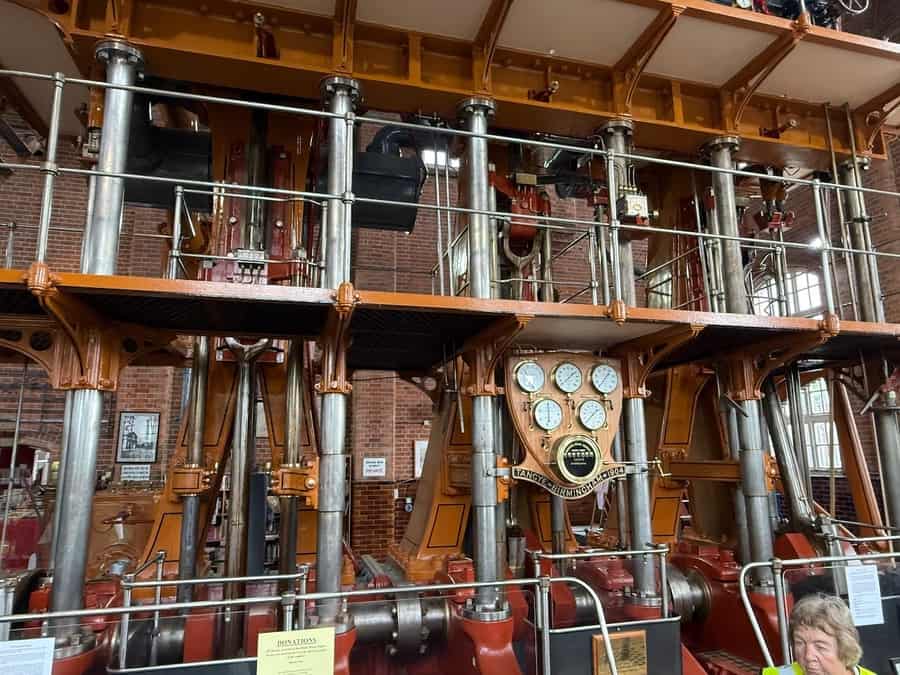
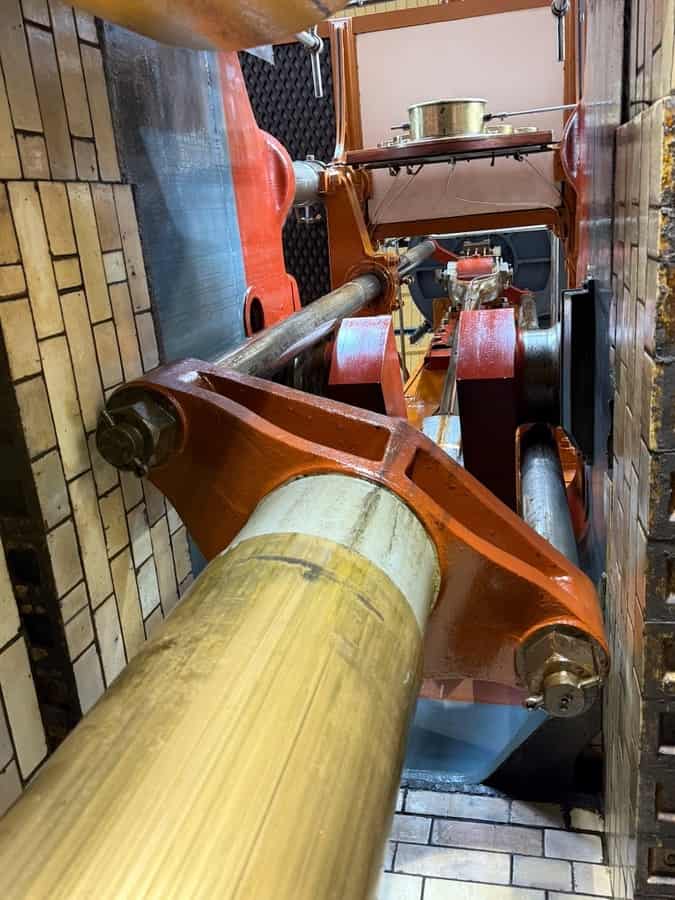
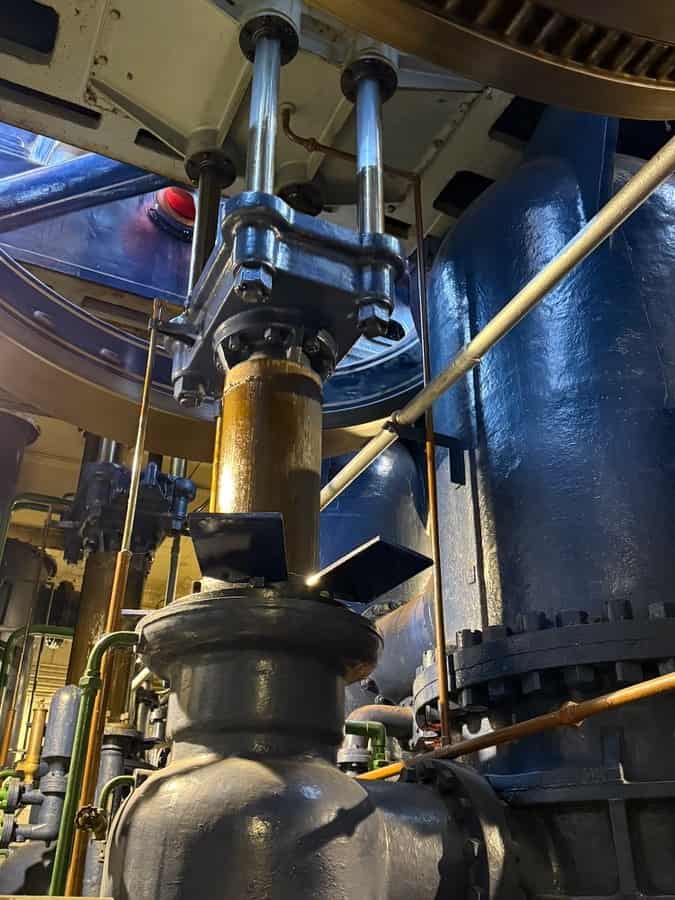
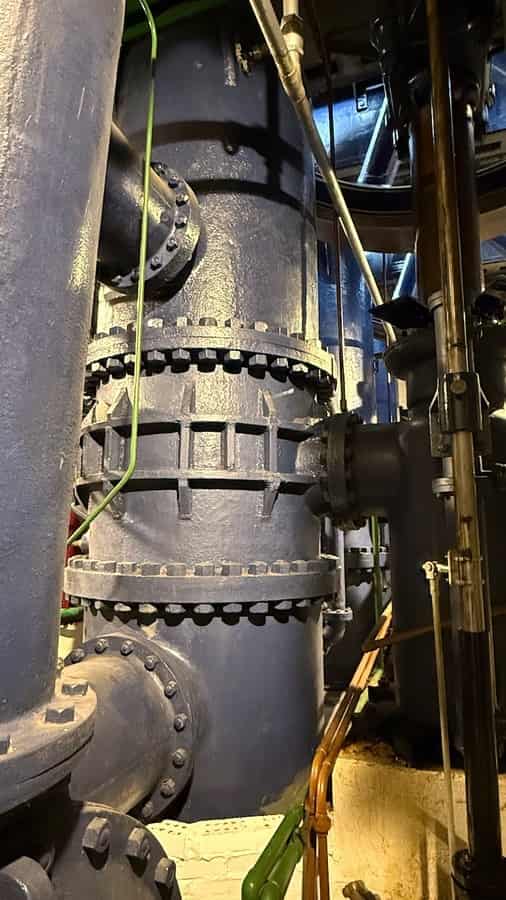
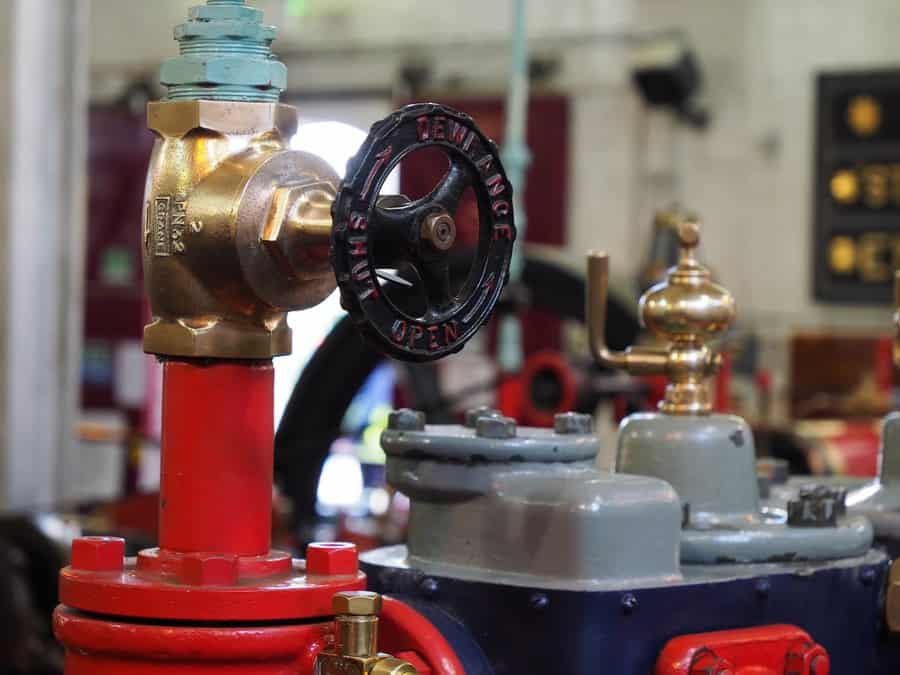
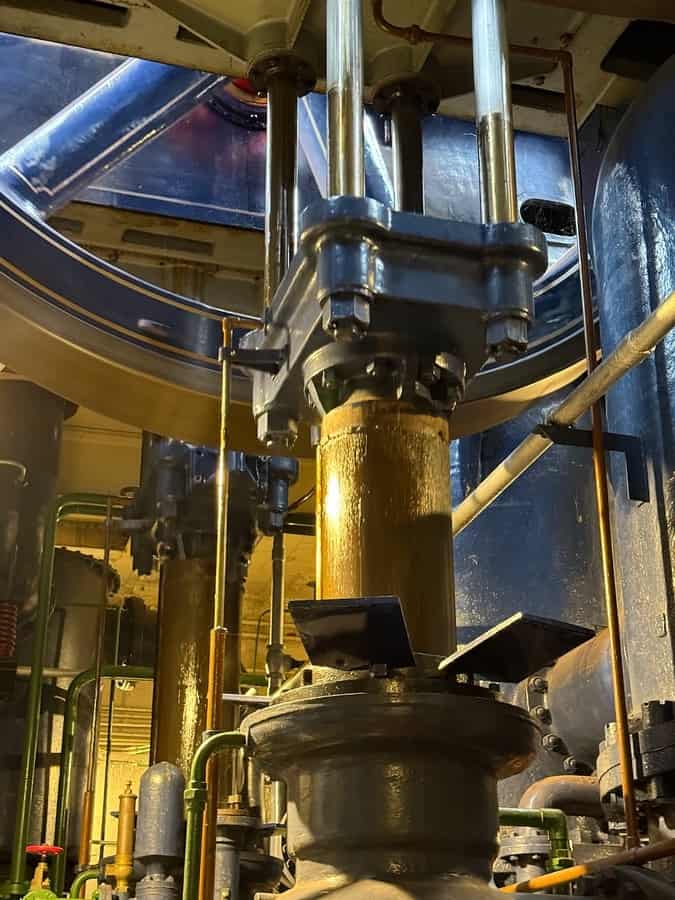
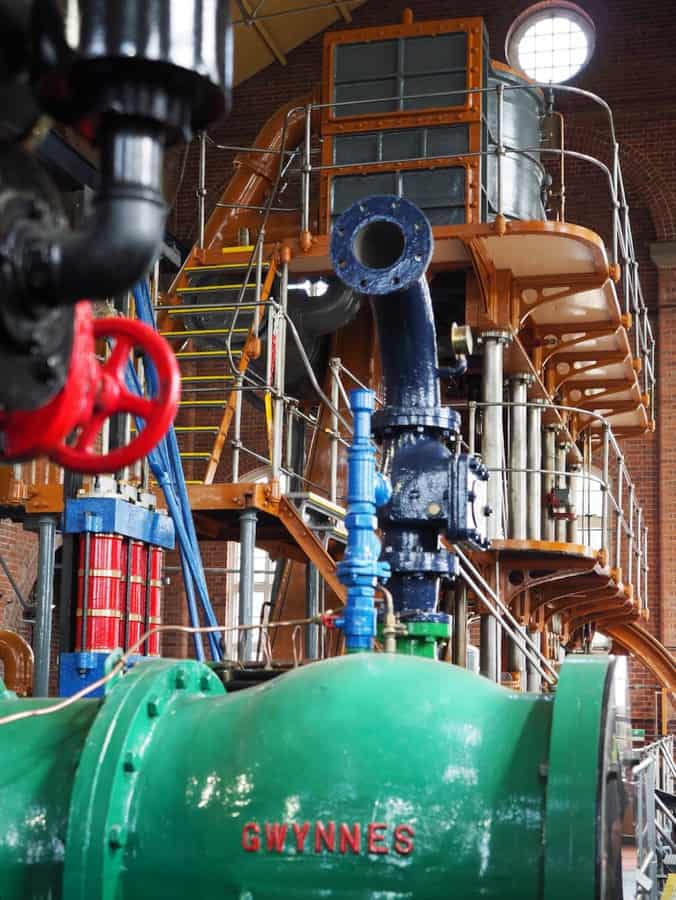
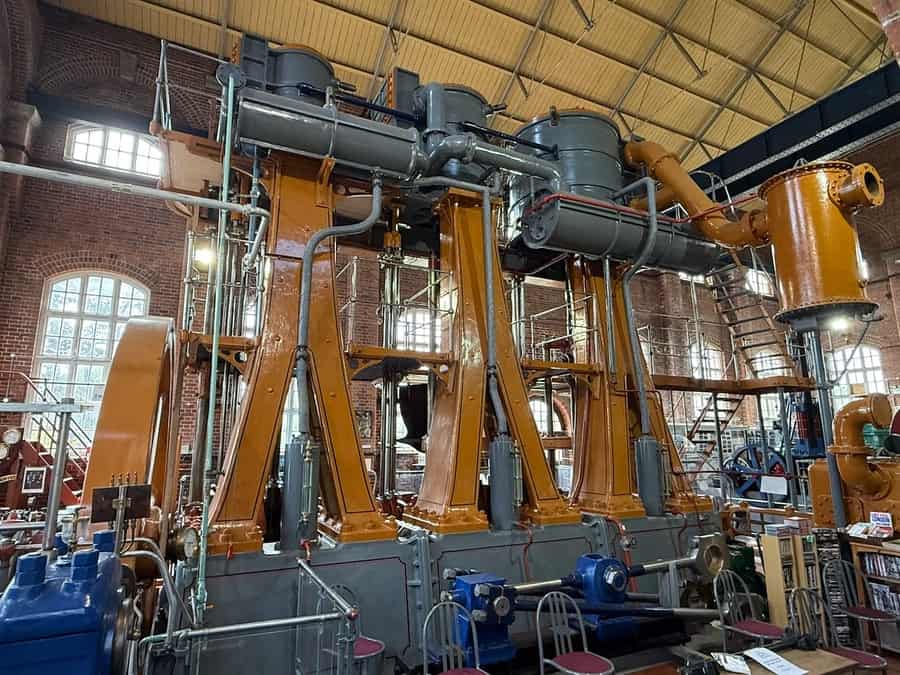
The waterworks opened in 1904. The original pumping house, built in a Baroque style and now Grade II listed, contained two 410 horsepower triple-expansion steam engines supplied by Tangye of Birmingham, together with boilers by Babcock & Wilcox, mechanical filters, an aerator and an underground clear-water storage tank. Water drawn from the wells was treated on site and pumped some 515 feet uphill to a service reservoir at Fairlight, from where it reached Hastings by gravity. At full output the pair of engines could lift around 3.5 million gallons of water a day. By 1922 the well supply alone was proving insufficient and had to be supplemented with river water. The position eased in 1928, when Hastings Council purchased the Great Sanders Estate at Sedlescombe and dammed the Powdermill Stream to form Powdermill Reservoir, roughly a mile and a half from the waterworks, allowing additional water to reach Brede by gravity. A second impounding reservoir at Darwell was developed shortly afterwards to supply further capacity by aqueduct.
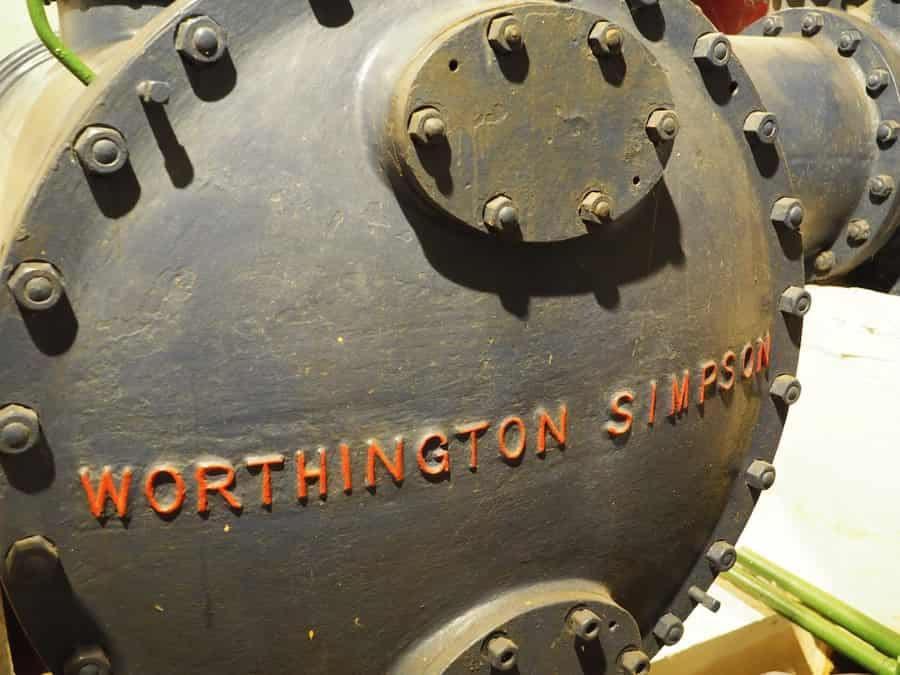
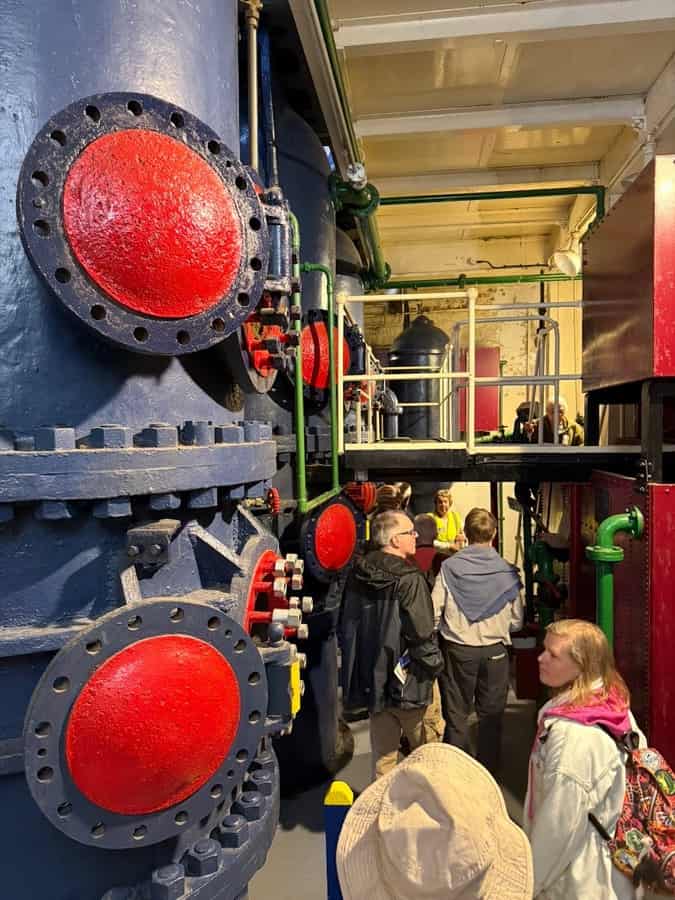
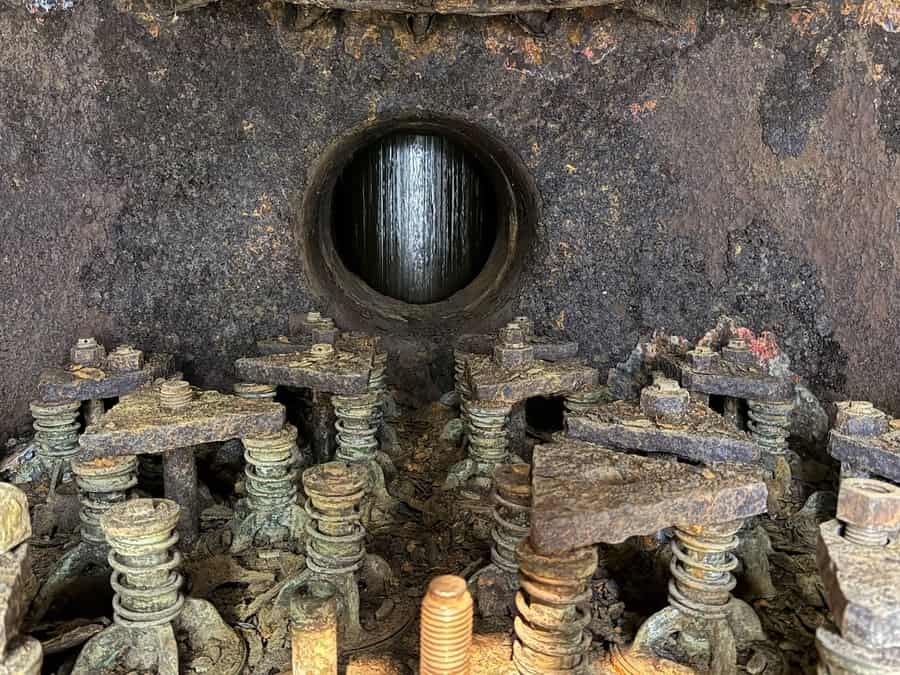
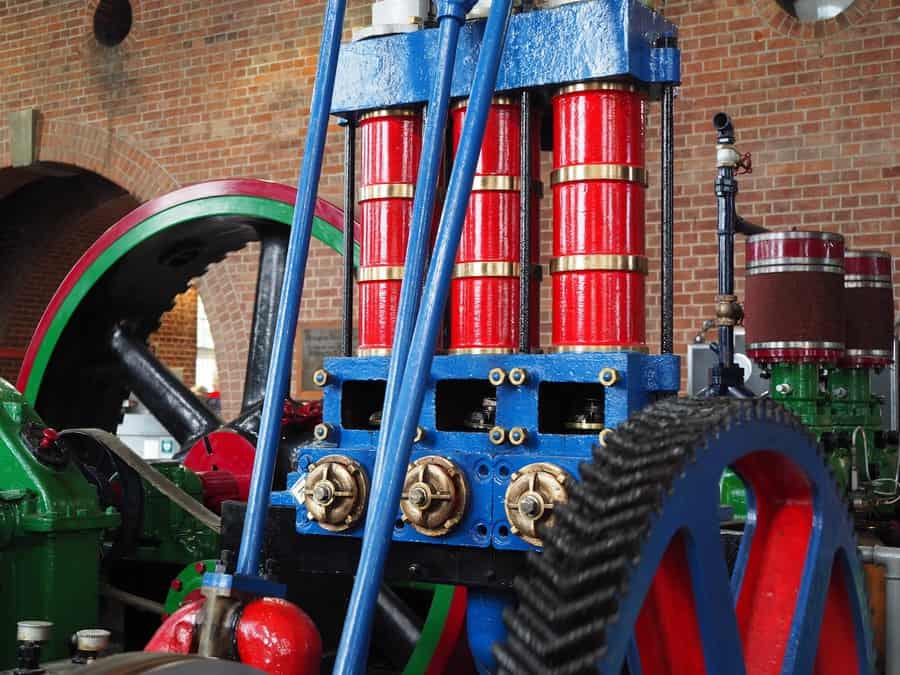
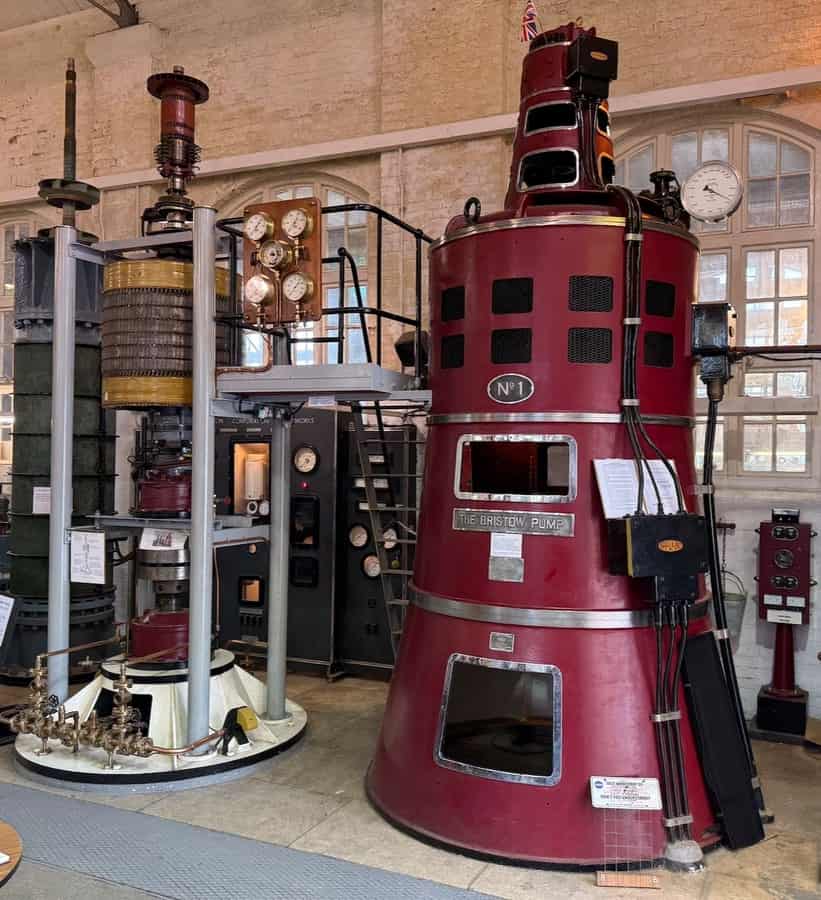
Continued growth in demand led to the construction of a second, Art Deco style engine house in 1939, completed in 1942, to house a third triple-expansion engine supplied by Worthington-Simpson of Balderton, along with two new boilers that replaced the original four Babcock & Wilcox units. With all three engines in commission the works could deliver in the region of 3.25 to 3.5 million gallons of water daily. Steam pumping continued until 1964, when electrically driven pumps took over and the boilers were scrapped. The engines were initially retained in reserve, but one of the two 1904 Tangye units was broken up in 1969 after its steam receiver cracked; its sister engine survives, along with the 1940 Worthington-Simpson engine. The waterworks' 99-foot boiler chimney was demolished in the early 1980s, and the engine houses were given Grade II listed status in 1987.
Locally the engines became known as the Giants of Brede, a name sometimes linked by visitor guides to Sir Goddard Oxenbridge, a fifteenth-century local landowner whose effigy lies in nearby St George’s Church and who was known in folklore as “the Brede Giant.” Whether or not this was the origin of the nickname, it has stuck, and the Brede Steam Engine Society, formed in 1994 by volunteers to restore the surviving machinery, trades under the name Brede Steam Giants. The site continues to operate as a working museum of water heritage engineering, with the two surviving triple-expansion engines and a wider collection of smaller pumps and compressors on public display and demonstrated by compressed air.