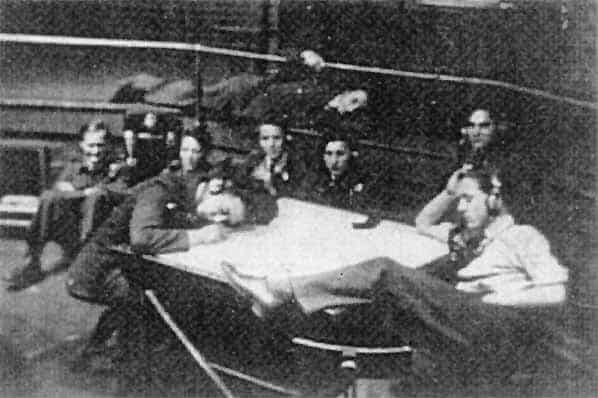
To compliment RAF Pevensey Chain Home radar station, a new GCI station, RAF Wartling, was built on the opposite side of the road becoming operational in 1941. RAF Pevensey acted as an early warning station detecting hostile aircraft, reporting to the filter room at Bentley Priory and thence to 11 Group HQ at RAF Uxbridge (responsible for the SE corner of England) who would scramble the nearest aircraft for RAF Wartling to control. The Ground Controller working from his PPI (Plan Position Indicator) display screen would be able to talk directly to the pilots of the fighters they were controlling giving them directions to intercept the enemy aircraft that within the range of the aircraft’s own intercept radar.
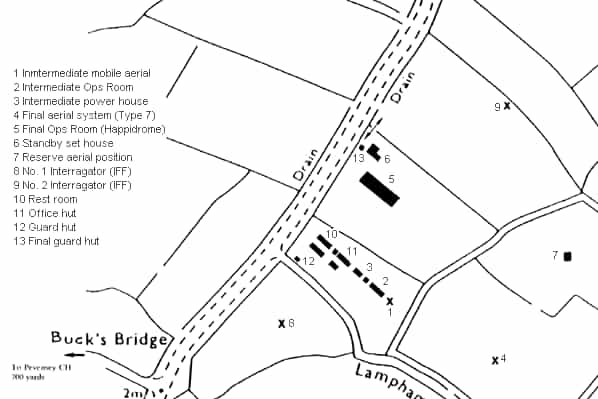
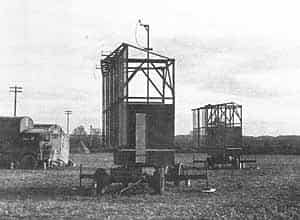
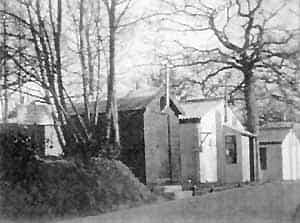
The GCI station was established in three stages: ‘mobile’, ‘intermediate transportable’ and ‘final’. Early stations (from 1940) had equipment on wheeled caravans and temporary wooden hutting; these were replaced by intermediate stations which had the aerial arrays mounted above and below a wooden gantry, with operations carried out from wooden huts.
Final stations, built from 1942, had brick operations blocks, known as ‘Happidromes’.
These stations had a single rotating aerial array with the transmitter and receiver housed in a well below ground designated an R7. The happidrome became fully operational at Wartling in July 1943 replacing the intermediate GCI station.
By December 1945, RAF Pevensey had been taken off line and was described as ‘caretaking’ (Air 25/686 Appendix A). The GCI station at Wartling remained operational and by 1947 was one of the few remaining GCI stations in the south of England and its Happidrome, had been suitably enlarged to enable the station to fulfill this role.
By 1950, the threat of the Atomic bomb had caused a serious rethink in the organisation of air defence and a plan, codenamed ROTOR, was instituted to replace many of the existing stations with new protected underground operations rooms.
It was decided to rebuild the GCI station at Wartling underground with a new two level R3 operations building alongside the old Happidrome. Due to the location being barely above sea level, the trail test bores sunk to determine the site of the R3 indicated that the building would be liable to serious flooding if this location was chosen.
It would have been too expensive to overcome this problem so an alternative site was found on higher ground with the Type 7 radar scanner remaining at the old site as this was more suited for its performance. A new, larger R7 Mk III bunker was built, close to the redundant R7. During construction of the new station, the Happidrome remained fully operational.
The new protected technical building was not completed until 28th February 1955, two years behind schedule. On this date it was handed over to the RAF Signals Sections for four weeks ‘running up’ before becoming fully operational on 28th March when control was transferred over to the underground R3 operations bunker.
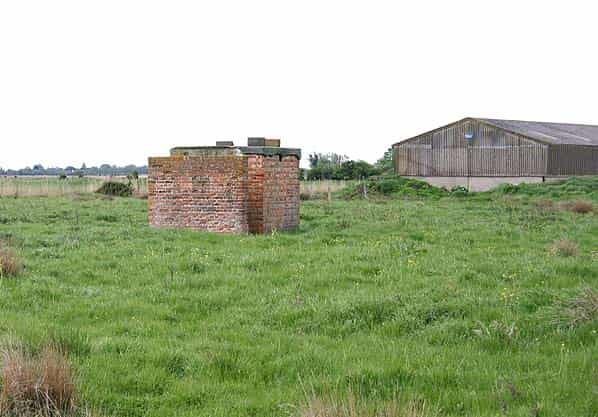
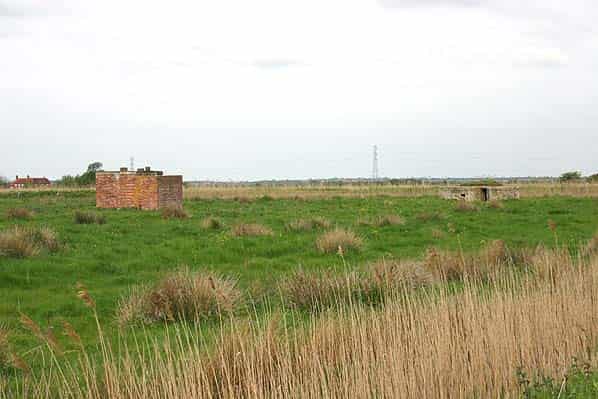
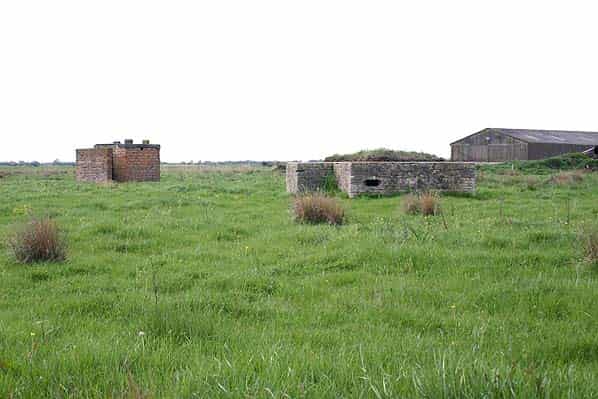
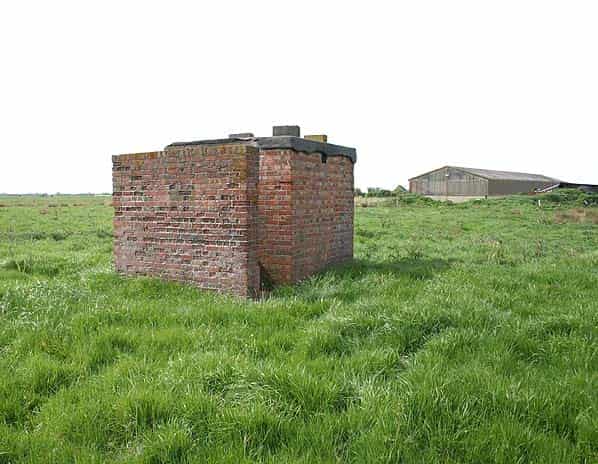
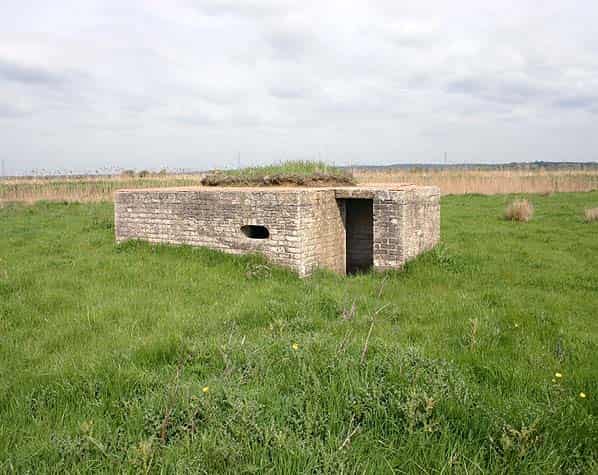
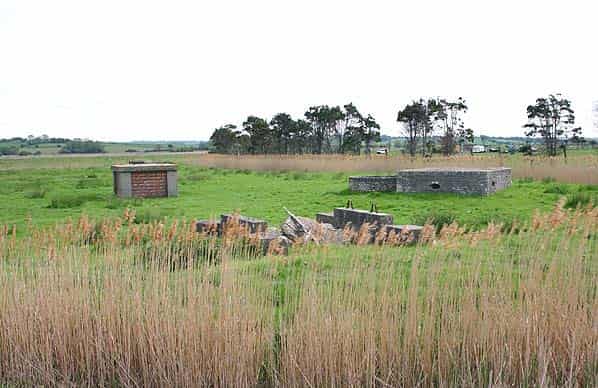
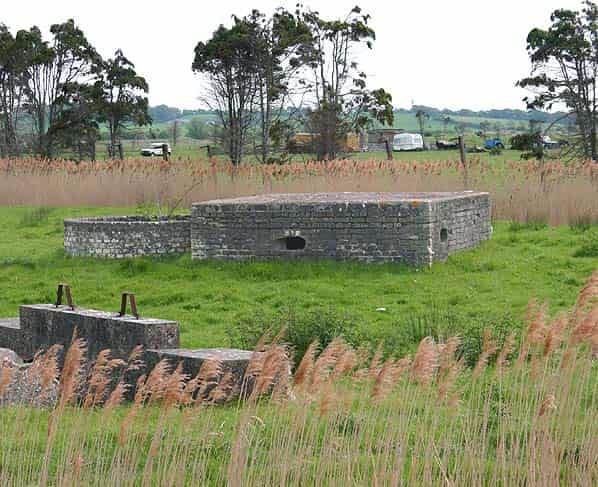
The now redundant happidrome was demolished shortly after the new GCI station was commissioned and the site was cleared; no trace of the happidrome remains. A pillbox and a small unidentified brick building provide the only evidence of the intermediate GCI station which was located in the same field, a little to the south.
The Type 7 well can still be traced in an adjacent field although the access hatches have been capped and the structure has been partially covered over with soil. The only other remaining buildings associated with the GCI station are the No. 1 IFF cubicle with a second pillbox close by.
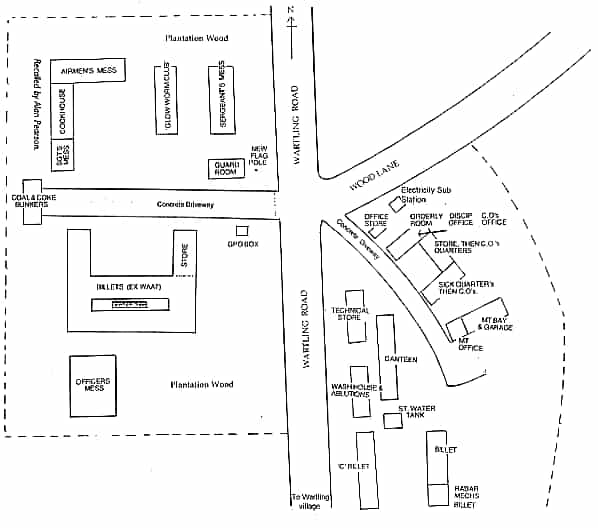
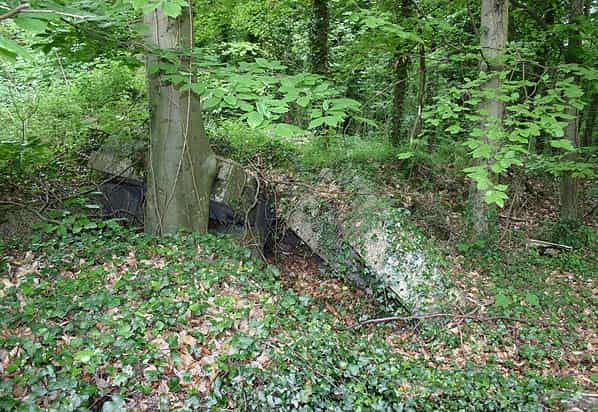
The domestic camp for RAF Wartling was on either side of Wartling Road at its junction with Wood Lane, just south of Herstmonceux Castle. Little trace remains; the collapsed guard room can still be found on the west side of Wartling Road and behind it the sergeants' mess which has also collapsed.
On the opposite side of the road the concrete drive that served the camp now leads to a new dwelling, Wartling Wood House. A thorough search of the grounds revealed no trace of any of the camp buildings.
Sources:
- Bob Jenner
- Radar Pages
- John Harris
- ‘A Sussex Sunset’ by Peter Longstaff-Tyrrell - Gotehouse Publishing ISBN 0 9521297 2 X