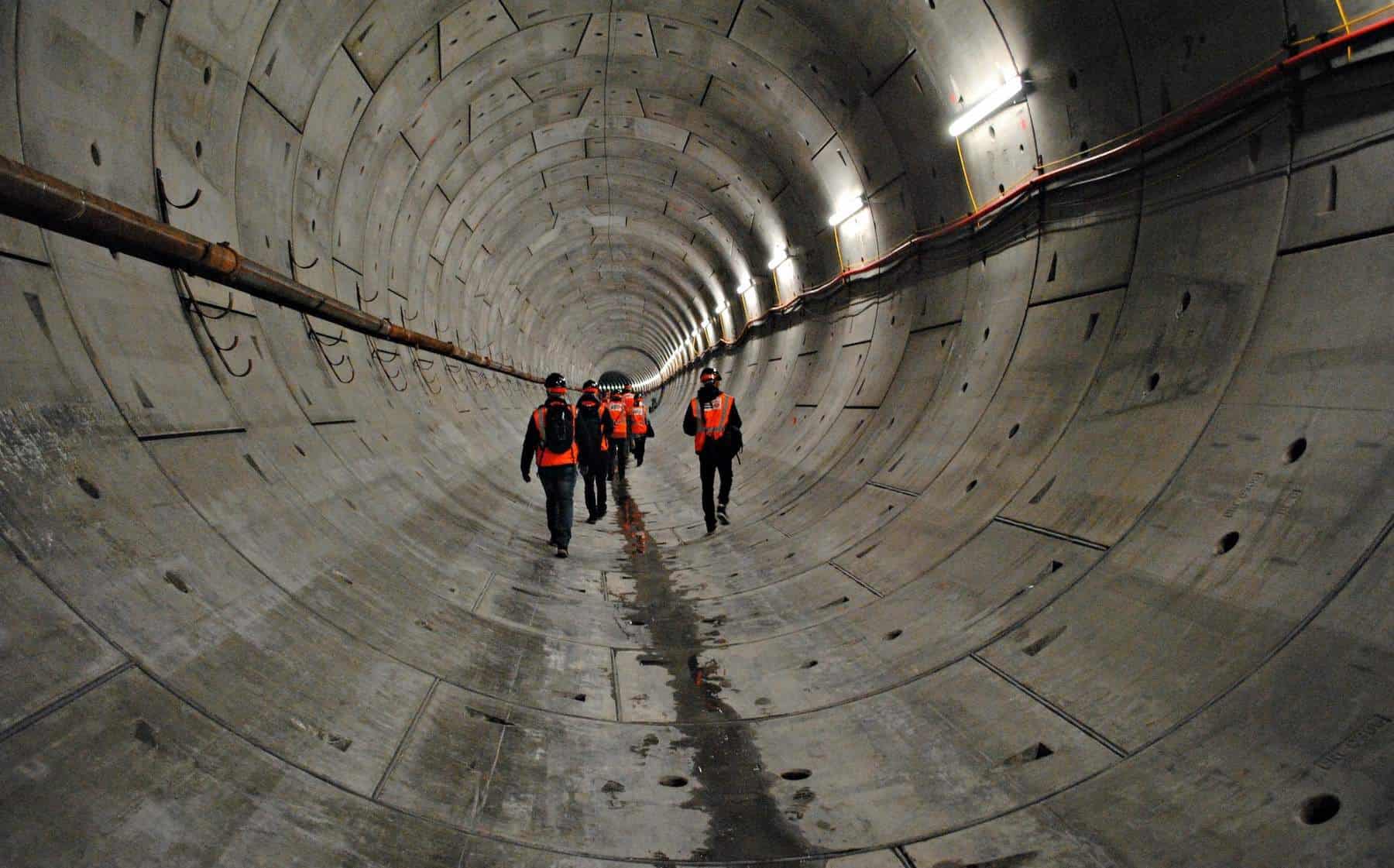
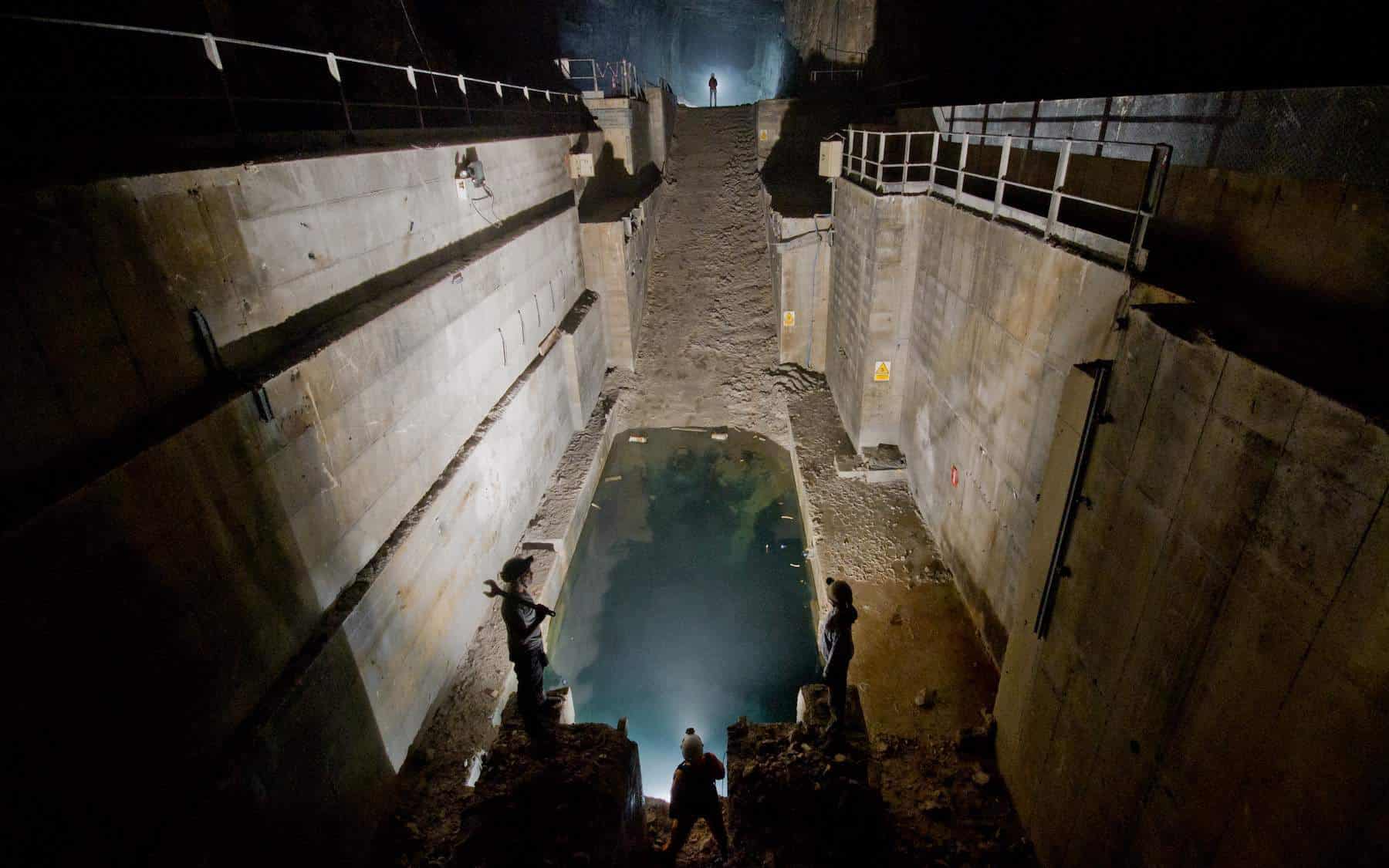
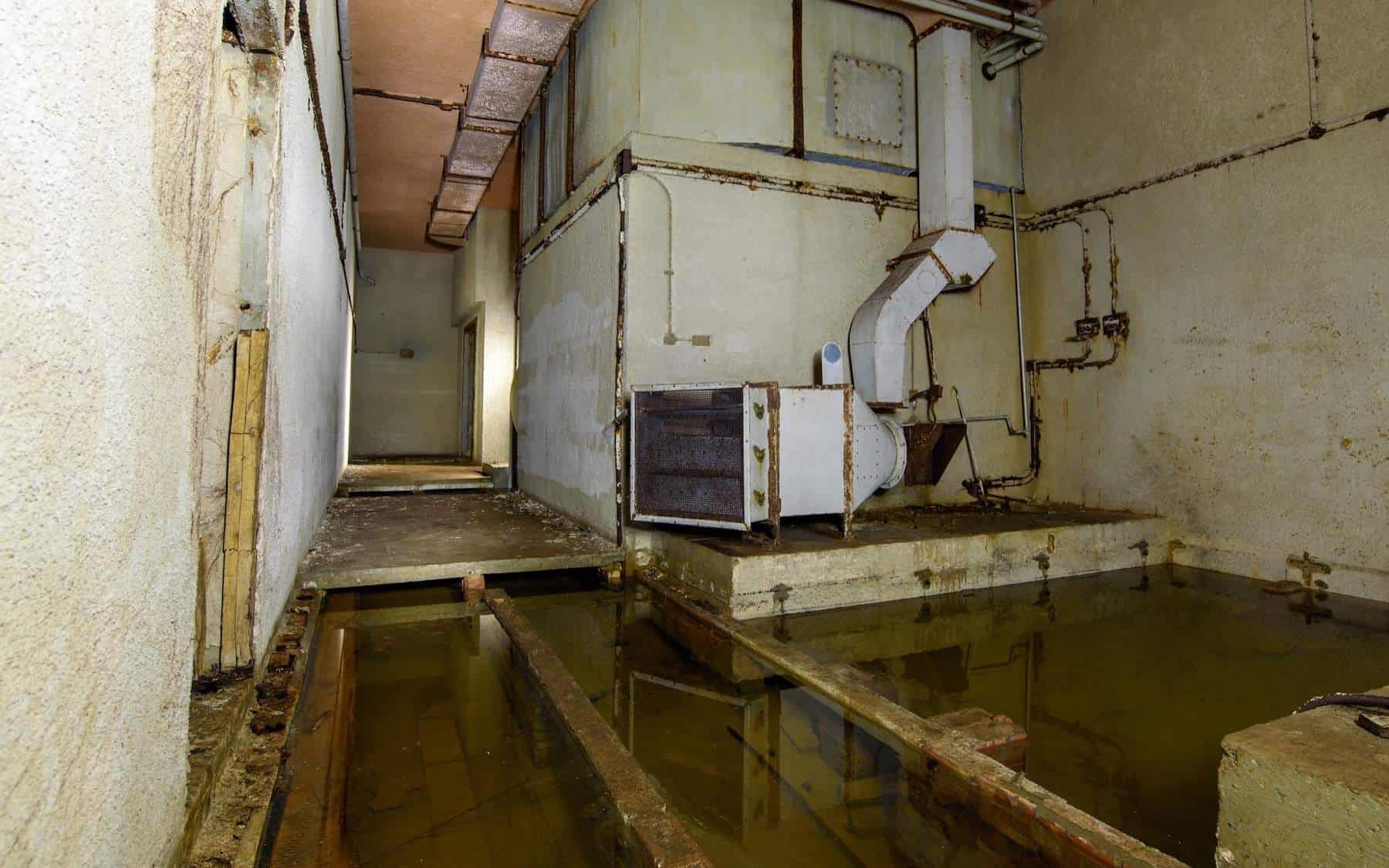
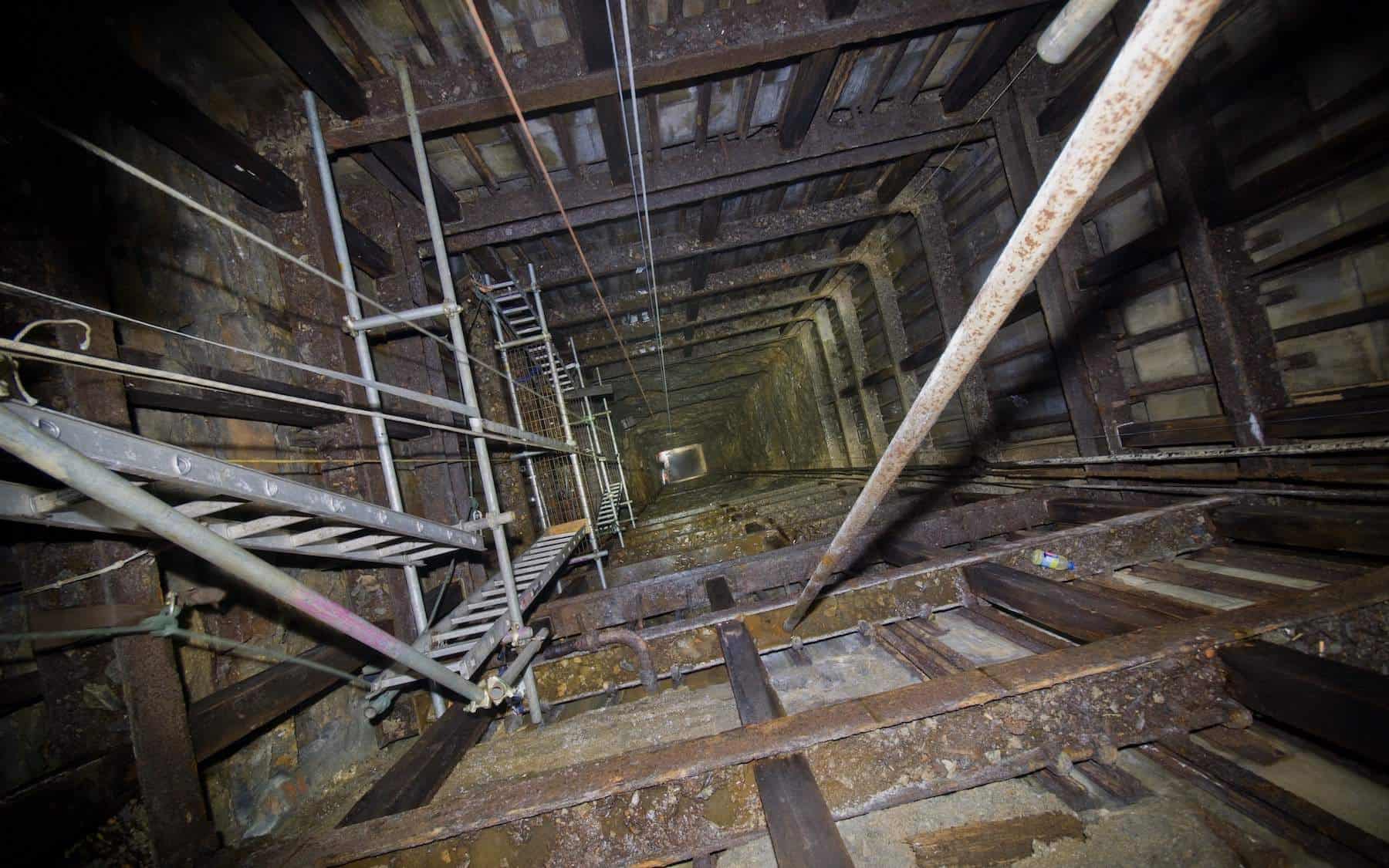
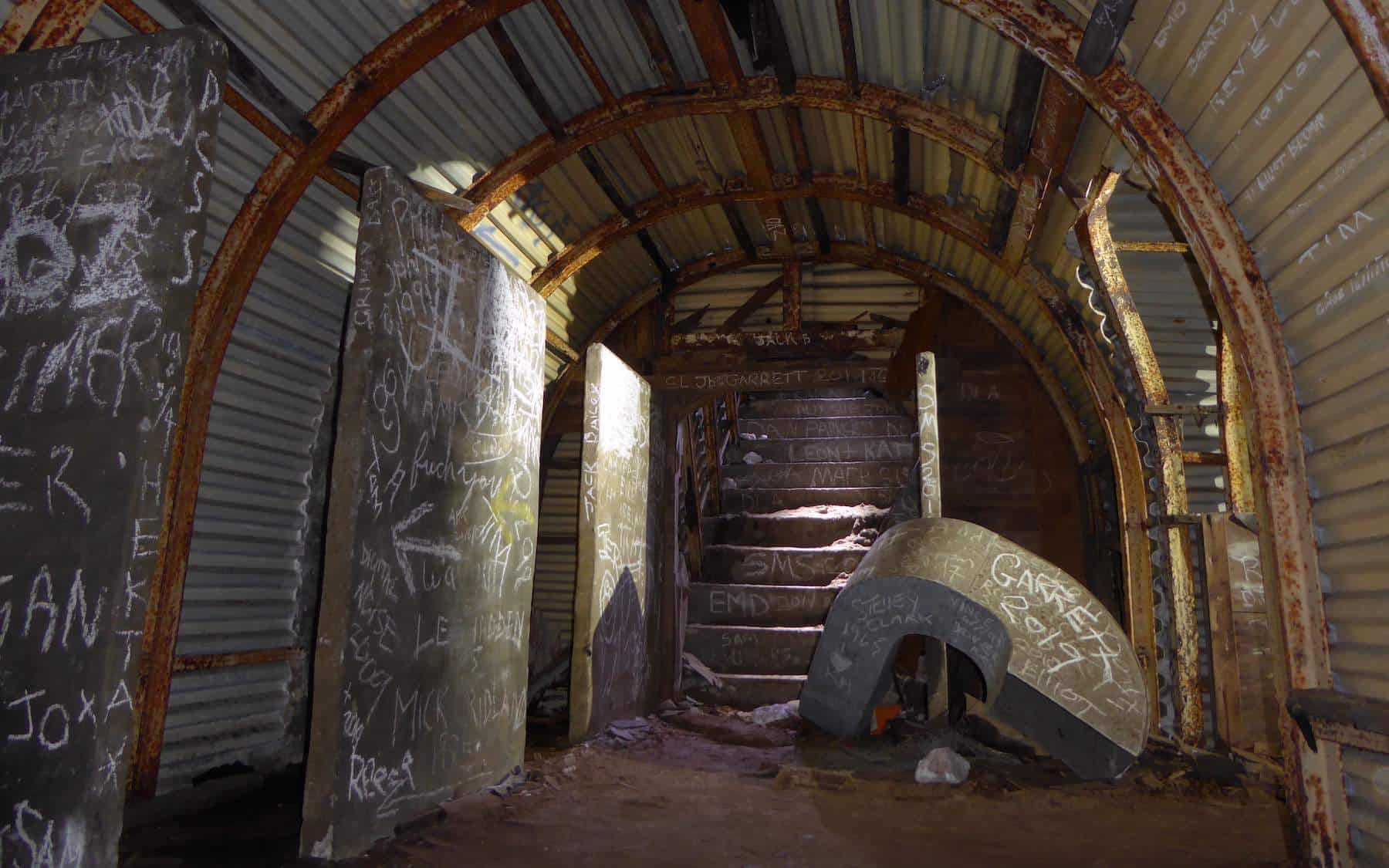
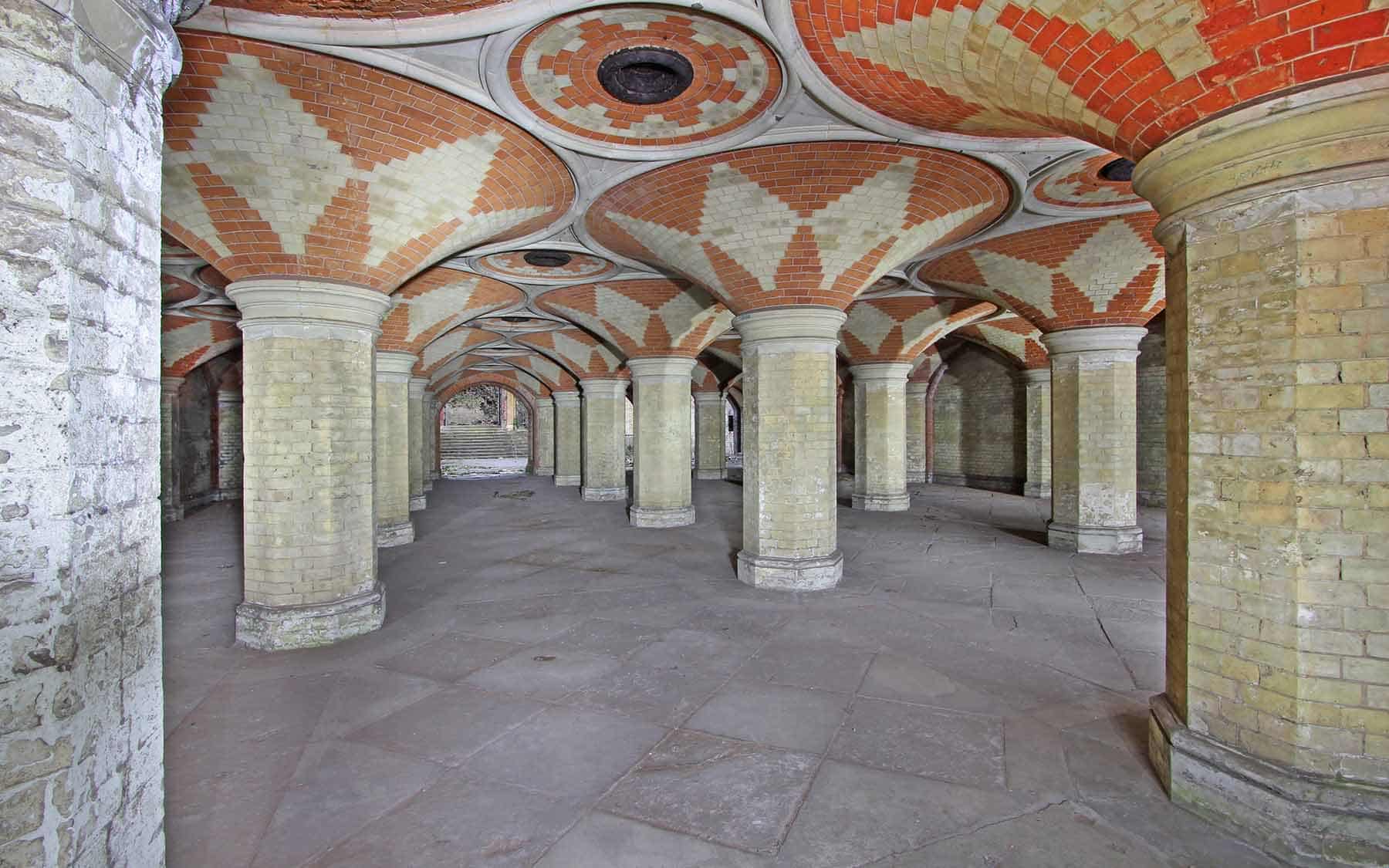
Our members study and investigate man-made and man-used underground places — from mines to railway tunnels, military defences to nuclear bunkers and everything in between.
Booking is now open for the Spring meeting at Imperial College, London.
If you have never been to a Sub Brit meeting before, they are a tremendous opportunity to meet and network with fellow enthusiasts and learn about new sites in a relaxed setting.
This Spring programme is a particularly strong one with talks about Kent's many underground attractions, the Old London Underground Company and its plans for opening up redundant tube stations, the Royal Observer Corps and its posts, and the tunnelling work of Crossrail and its predecessors. In addition there is a short AGM thrown in and the always enjoyable members' contributions.
Sub Brit has just published a directory of around 250 underground sites in the UK that are open to the public. Sites range from Neolithic flint mines to nuclear bunkers. Many sites are open year-round, admission to others is sometimes limited to special visits arranged by local groups. A brief description, location and contact details are listed for each site, along with a breakdown by county.
Delivery of this item may take up to 14 days.
Cold War Bunkers is the second volume in a series of high-quality photographic records of Britain's underground heritage. The large-format volume contains approximately 439 colour photographs accompanied by comprehensive captions and an authoritative text.
In many instances Nick Catford has been granted unprecedented access to many highly sensitive sites including underground, semi-underground and surface-built cold-war atomic and nuclear bunkers. Sites include those of central and local government, the armed forces, civil defence, the ROC and public utilities.