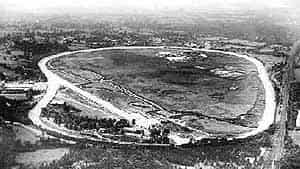
The world’s first purpose-built motor-racing track was opened at Brooklands near Weybridge in Surrey in June 1907 by wealthy landowner and motor racing enthusiast Hugh Locke King. Locke King was persuaded that, in order for cars to achieve the highest possible speeds, with the greatest possible safety, the 2¾ mile circuit would need to be provided with two huge banked sections nearly 30 ft. high. Shortly after the circuit opened the Itala Motor Works was established beside the track. In 1909 Hugh Locke was persuaded to build one of Britain’s first aerodromes in the middle of the track with the first aircraft companies arriving on the site in February 1910 and the Vickers Company opening a flying school.
By August 1914, with the declaration of war on Germany, Brooklands and all its services including the race track were taken over by the war office and a military flying school was formed.
In 1915 Vickers started aircraft manufacturing at Brooklands, taking over the ‘Itala Motor Works’; by the end of the war Vickers had built 4,500 aircraft
When peace came, aircraft production ceased almost overnight and factory workers had to turn their hands to manufacturing other products including cars and motorcycles; Vickers began producing such diverse products as perambulators, fishing-rod cases and brick-making machinery. The Brooklands race track re-opened in 1920 with the Grand Prix coming to the circuit in 1926.
Over the next 20 years up to the outbreak of World War Two, the Vickers factory produced a broad range of military and civil aircraft types including the Vixen and the Vespa with Vickers (Aviation) Ltd. being established in 1928. In the 1930’s, Brooklands Aerodrome was a regular venue for aviation events with air races, flying displays, dawn patrols and public open days.
With the approach of WW2 aircraft production intensified with the Wellington bomber making its first test flight at Brooklands in 1936. In 1938 Vickers' aviation activities transferred to Aircraft Division of Vickers-Armstrong Ltd.
If Germany was to successfully invade the UK it was going to have to knock out the RAF which was proving difficult as the bombing of airfields was having little effect.
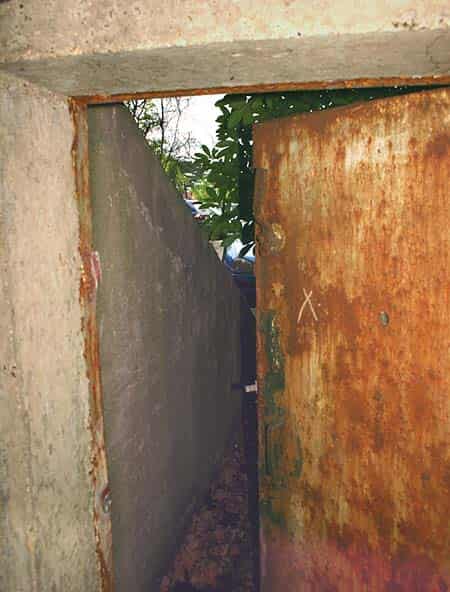
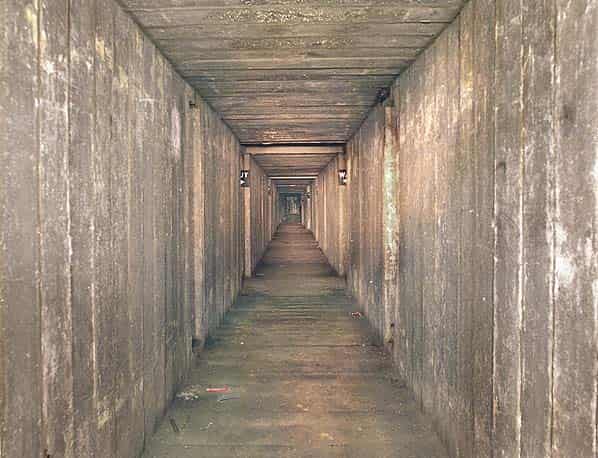
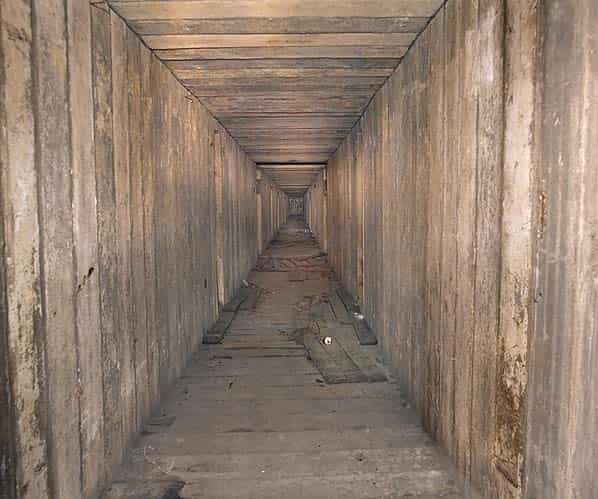
This had been anticipated and to provide protection for the large workforce a huge underground air raid shelter had been built tunneling into the side of a disused sand quarry adjacent to the works. This consisted of 17 parallel tunnels burrowed into the hillside. Each tunnel had its own entrance in the quarry face with a 50 foot doglegged access tunnel incorporating an airlock leading to the 180 foot long shelter tunnels. Further shelter space was provided with three cross tunnels linking the main 17 shelter tunnels.
From September 4, 1940, aircraft factories were targeted and one of the first to be hit was Vickers and the adjacent Hawker’s factories which suffered a devastating air raid on the first day of the new offensive with 83 people losing their lives with a further 419 people injured. The daylight raid was unexpected with employees at the two factories either sitting outside on their break or waiting to clock on for their afternoon shift. One of the bombs scored a direct hit on one of the on site air raid shelters.
The air-raid siren was not sounded prior to the raid and anyway noise of approaching aircraft was a normal part of the working day. Although the airfield had some protection from a heavy gun, there were no barrage balloons flying above the site. By the time the airfield’s guns opened fire German bombs had already fallen.
Barrage balloons were delivered to Brooklands two days later, there was a raid on that day too but this time the gunners fought off the enemy planes and damage was light with few casualties.
Marjorie Moran’s story of the raid is typical “In the summer of 1940 I was 14 years old and had just left school. I started work at Vickers Armstrong aircraft factory in Brooklands Road, Weybridge and I was employed in the Wing shop office as a clerk. It was the afternoon of September 4th, my friend and I went for our usual walk in lunchtime; this was from about 12.30 for an hour.
I came back into the factory at about 1.20 and made my way to the office, but on my way there, one of the men working on the Wing Gallery stopped me to ask about his insurance card. While we were talking we heard this noise, and the man said he thought it was odd that the machine shop was starting early.
Suddenly there was this terrific explosion followed by another, and he pushed me towards the spiral staircase which led to the finished parts stores. On the way down I lost my shoe, I went back for it, as it turned out luckily! There were sandbags at the bottom of this staircase and as I descended, these blew up with the explosion and I was covered.
I ran out into the yard and there was broken glass everywhere (lucky I had gone back for my shoe). I ran up towards the garage and stayed there for a while, all this time the machine guns on the roof of Vickers were firing up at the attacking planes. On the far side of the road by the factory there were deep shelters cut into the hillside.
I must have run across to them, but to this day I cannot remember a thing about that. All I remember is coming to, my overalls covered in blood and sand, and it wasn’t my blood.”
After the war, the race circuit was in poor condition as trees had been planted into the concrete to help screen the Hawker and Vickers aircraft factories and the site was sold to Vickers-Armstrongs in 1946 for continued use as an aircraft factory.
Both civilian and military aircraft production continued with the company building the Viscount and the Valiant ‘V’ bomber. In 1960 a merger between Bristol Aircraft Ltd., English Electric Aviation Ltd., and Vickers-Armstrongs (Aircraft) Ltd., led to the formation of British Aircraft Corporation Ltd.
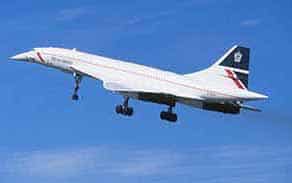
Brooklands became the Weybridge Division of B.A.C. (Operating) Ltd designing and building the BAC TSR2, One-Eleven and Concorde. The factory contracted in size in the mid-1970s and finally closed in 1988-89.
In 1987 the site also become home to the Brooklands Museum. The remaining sections of track were the subject of a preservation order in 2001
From 1990 to 2003 regular fly-ins, rallies attended by light aircraft, were arranged on summer weekends using the northern half of the original runway. The central area of Brooklands including the hard runway was sold to DaimlerChrysler UK Retail in early 2004.
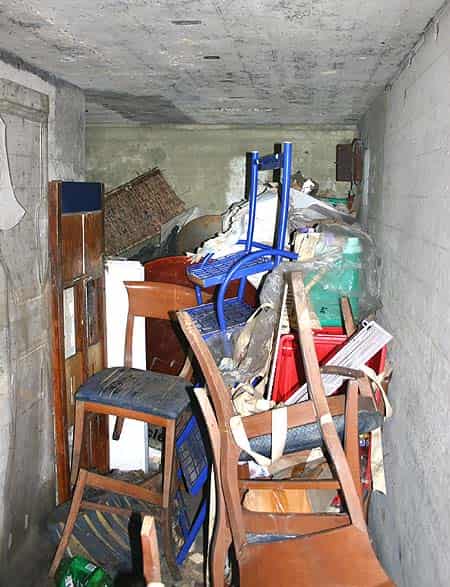
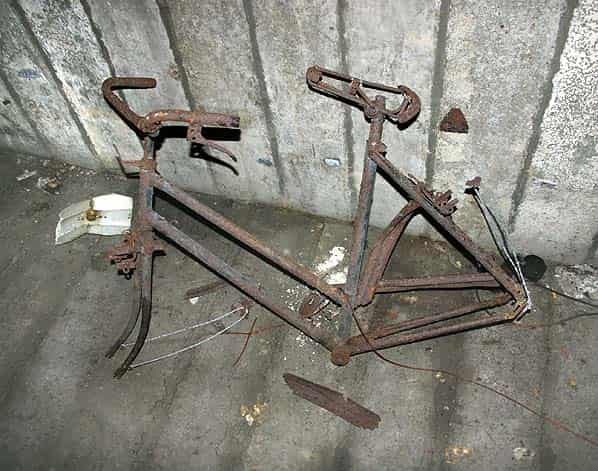
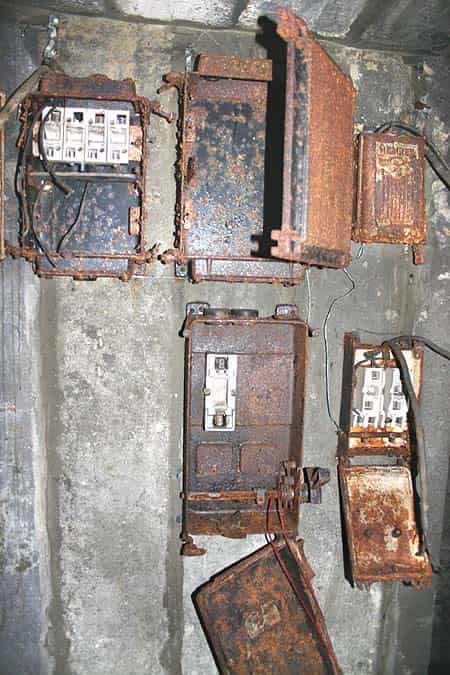
It is unknown what further use was found for the tunnels after the war although there was some very limited production in at least one of the tunnels probably in the 1970’s. Today most of the tunnel entrances have been sealed and are no longer visible. One entrance has been retained and is now securely locked.
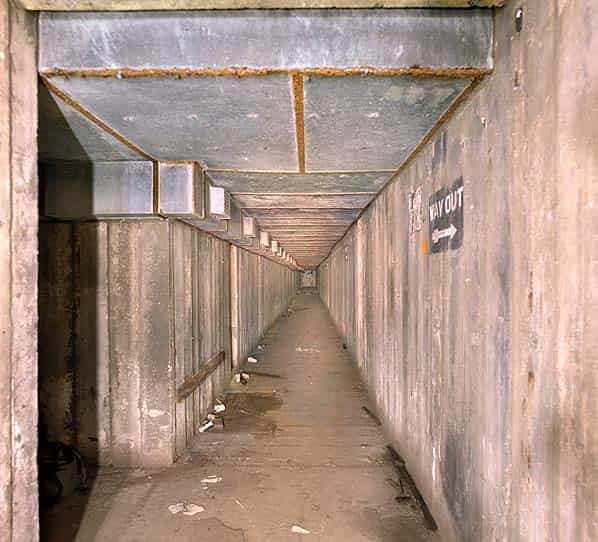
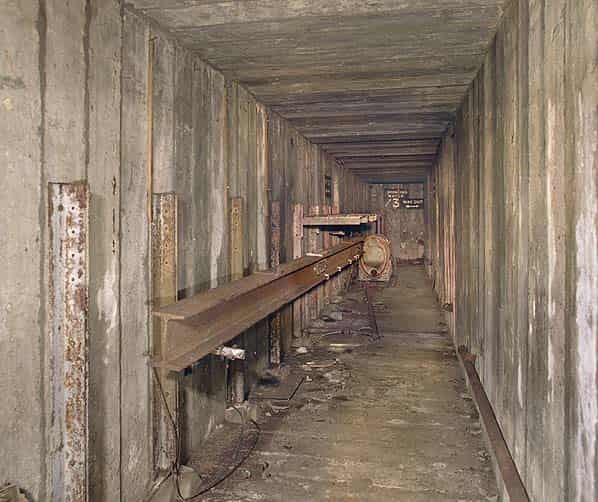
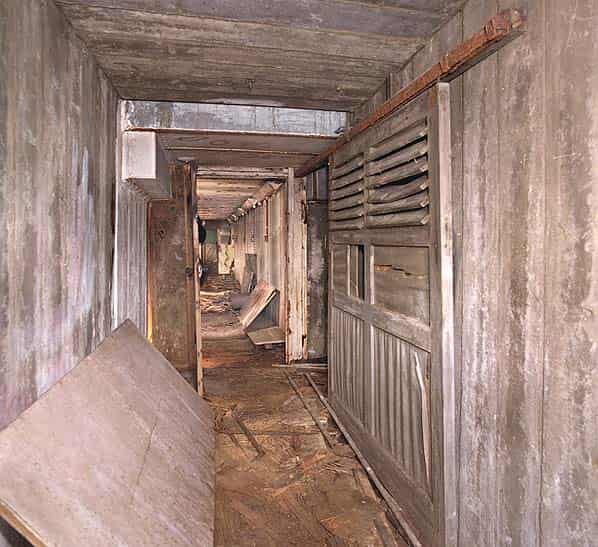
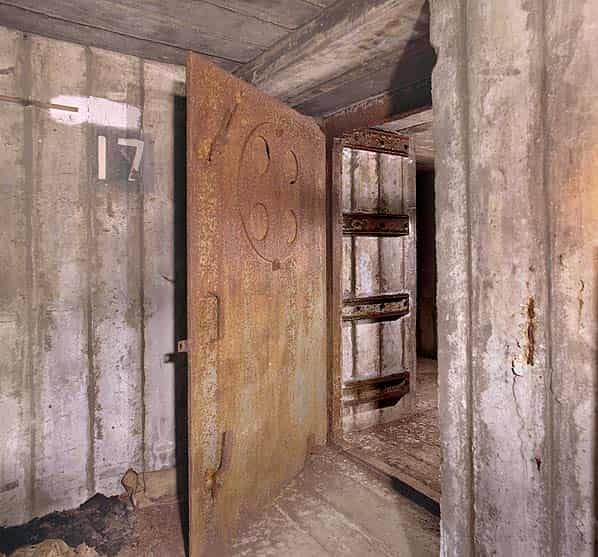
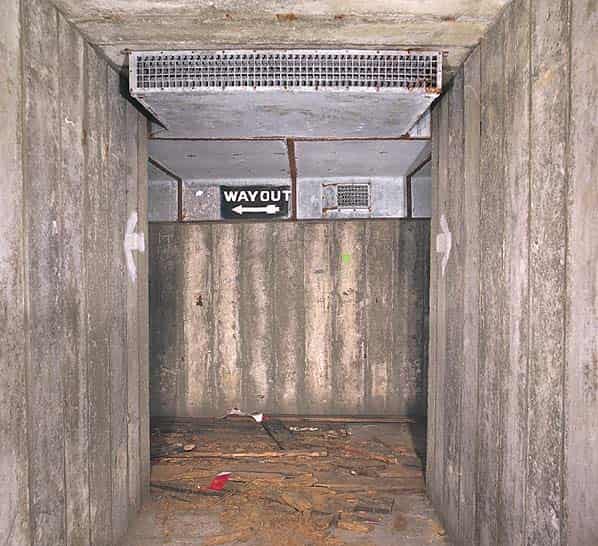
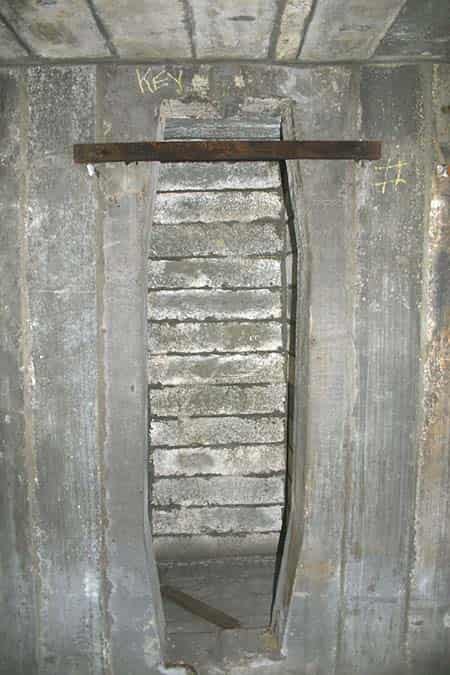
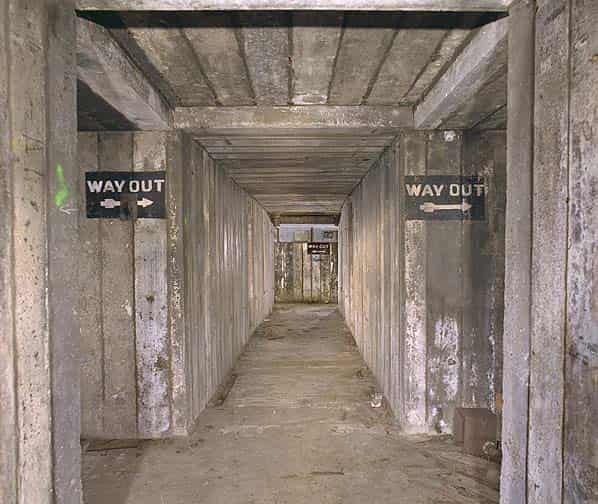
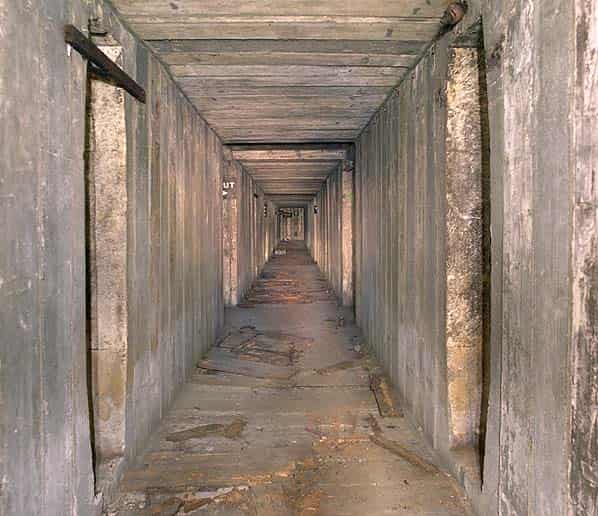
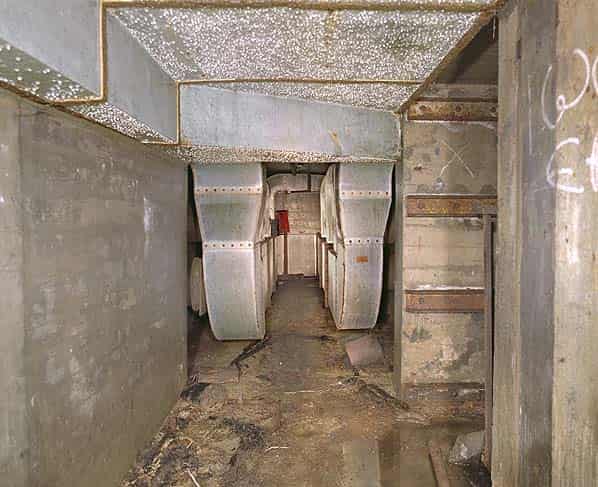
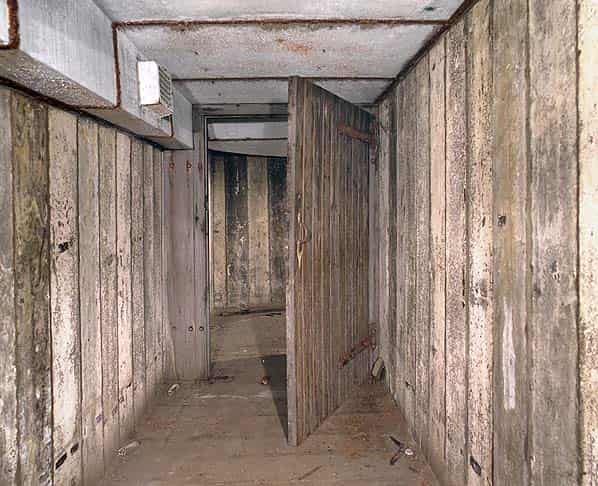
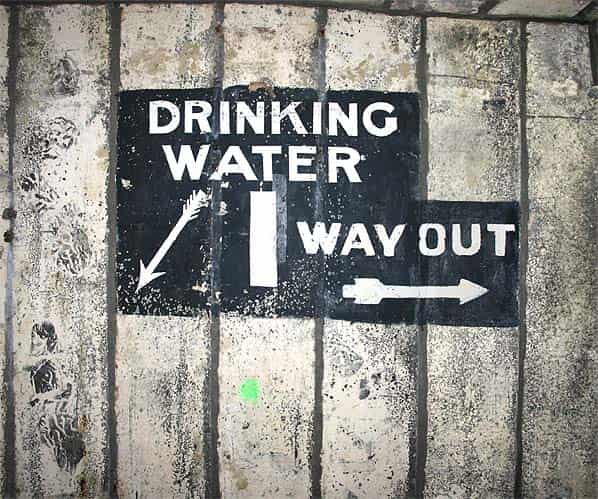
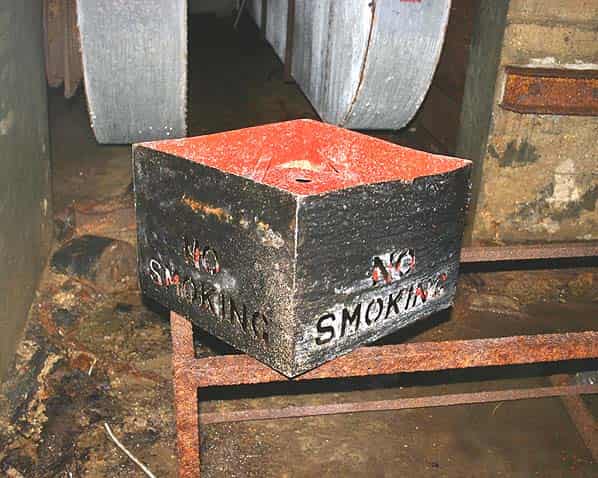
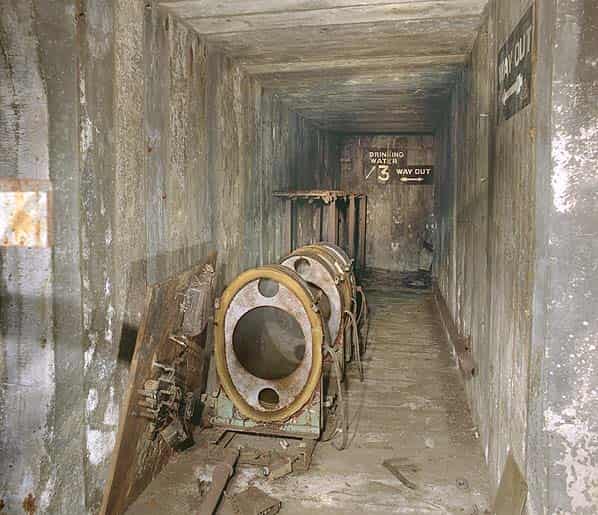
The tunnels remain in good condition and are mainly clean, dry and free of graffiti due in part to the strict control of access. The tunnels are concrete lined and rectangular in section, 2 metres high and 1.5 metres wide. Some signage remains at the end of each tunnel showing the nearest drinking water, the nearest way out and the tunnel number.
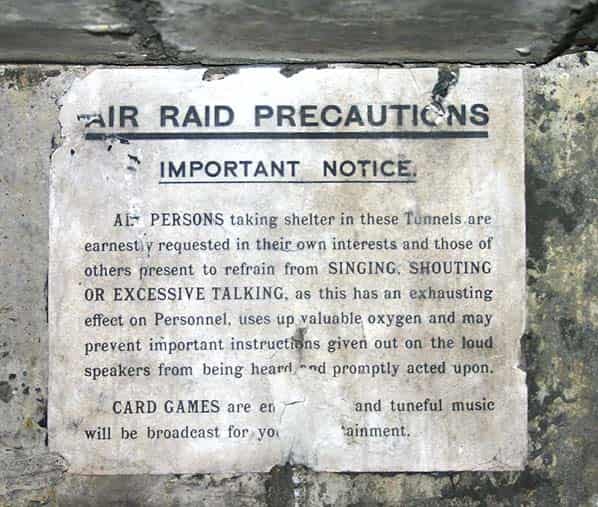
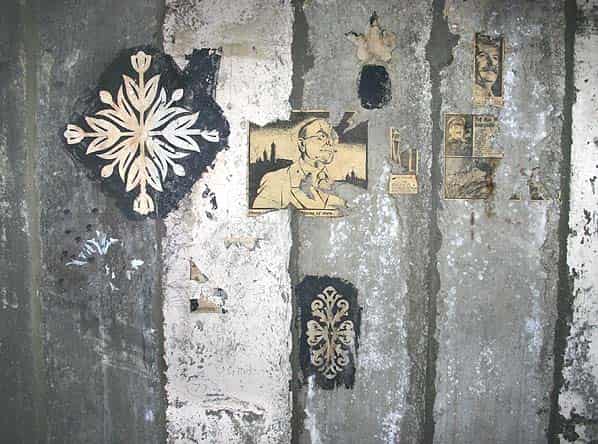
There are numerous other ‘way out’ signs throughout the tunnel system and some paper notices in surprisingly good condition. In one tunnel a number of contemporary newspaper cuttings and drawings can be seen on the wall.
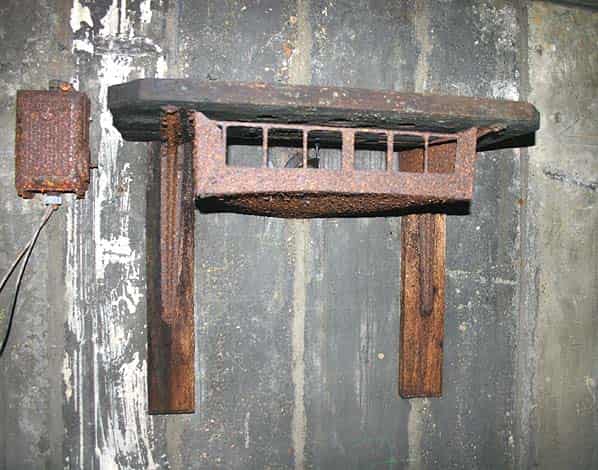
Toilet recesses are provided at regular intervals throughout the system, mostly two recesses opposite each other. These have no doors and were originally fitted with a curtain for privacy. The wooden supports for the curtains can still be seen on a few of the recesses.
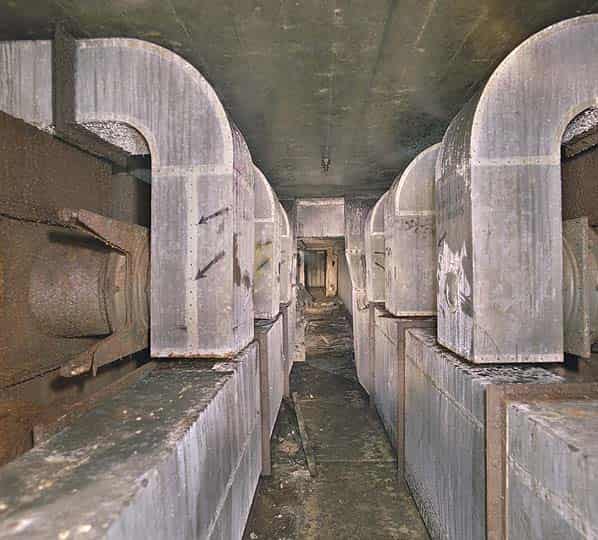
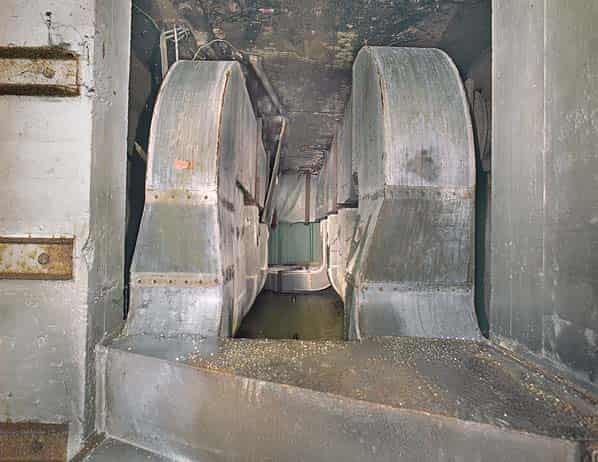
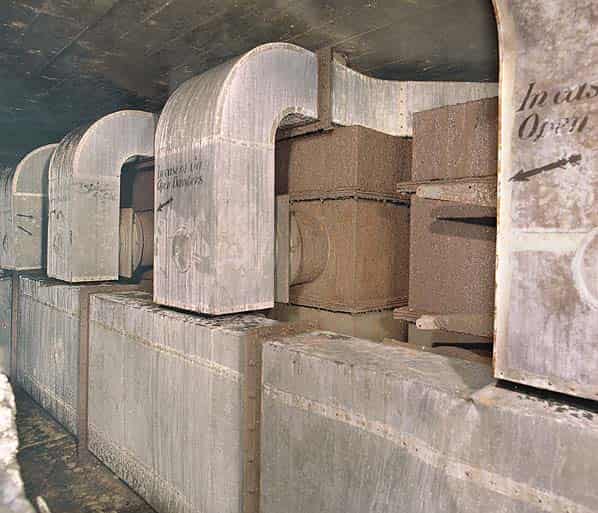
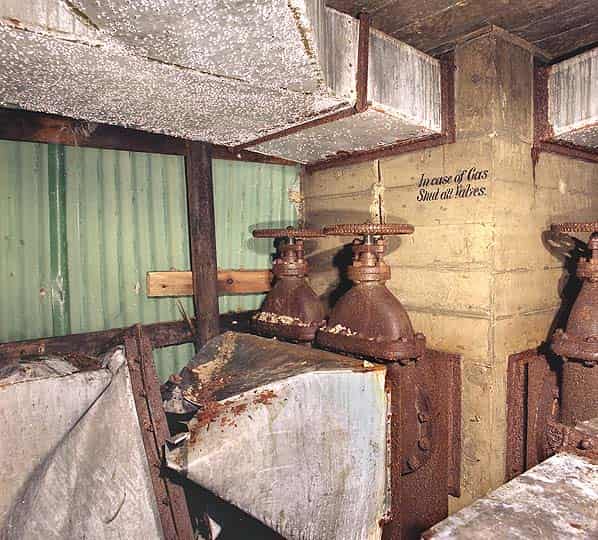
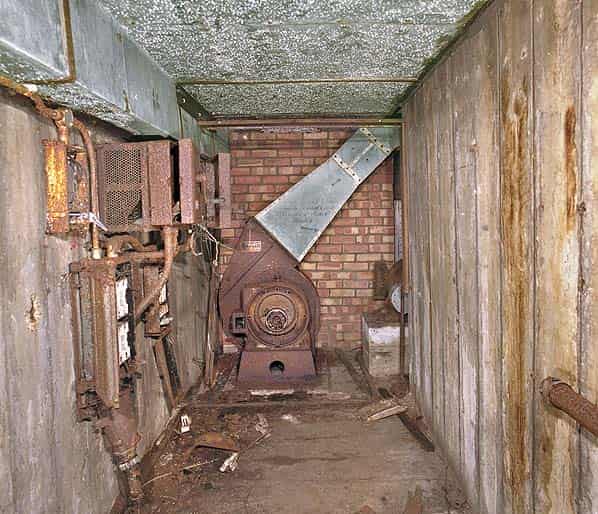
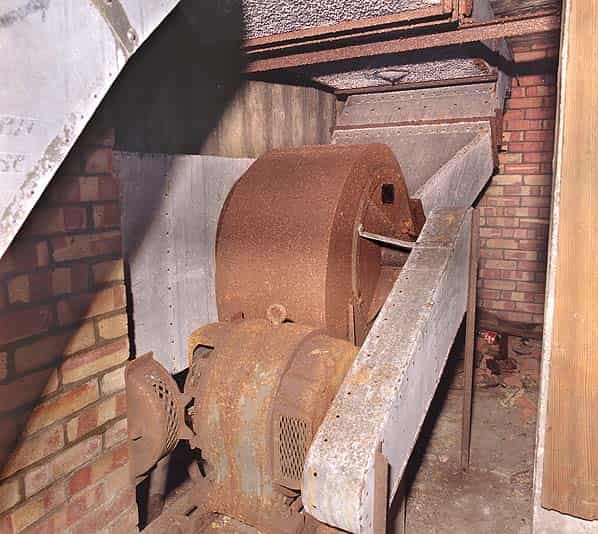
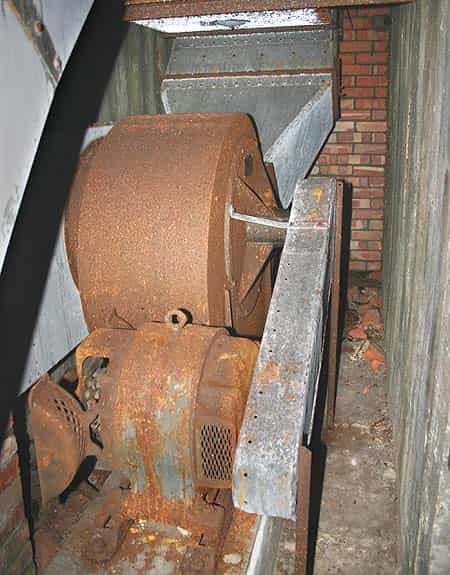
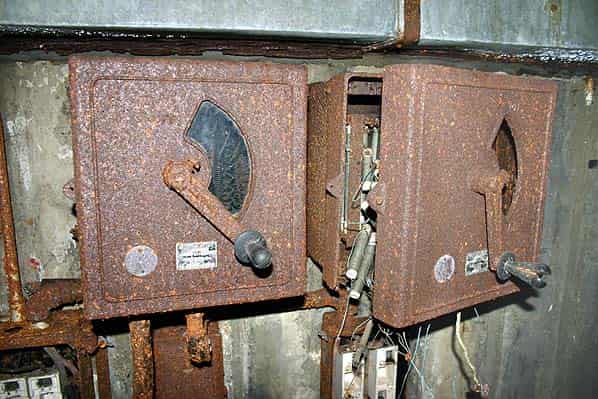
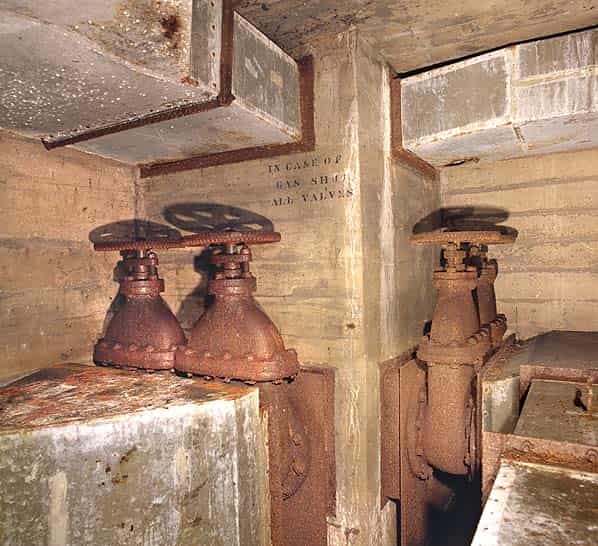
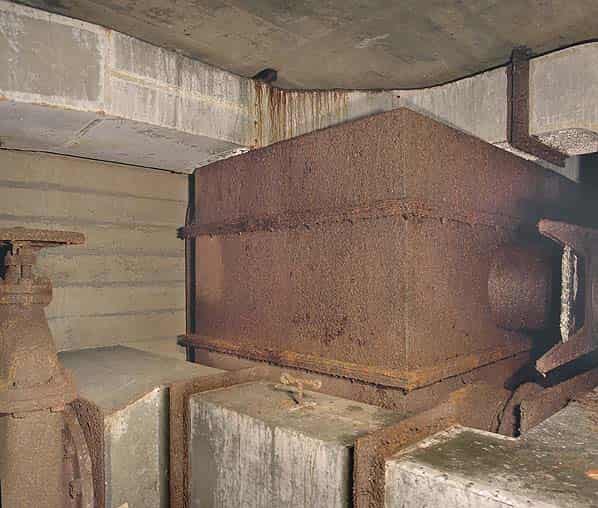
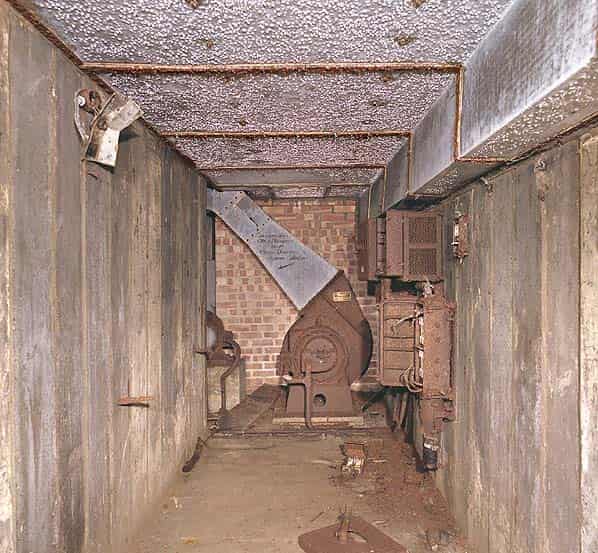
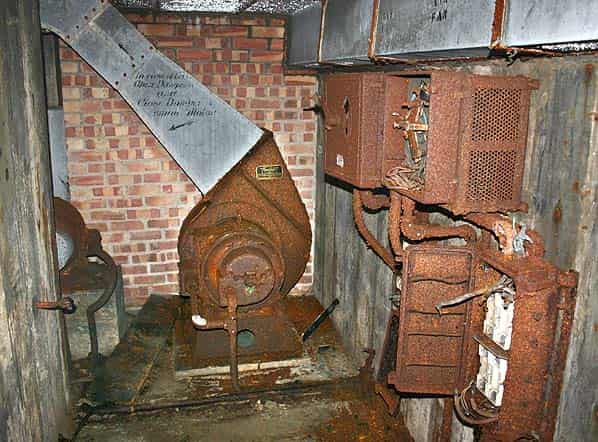
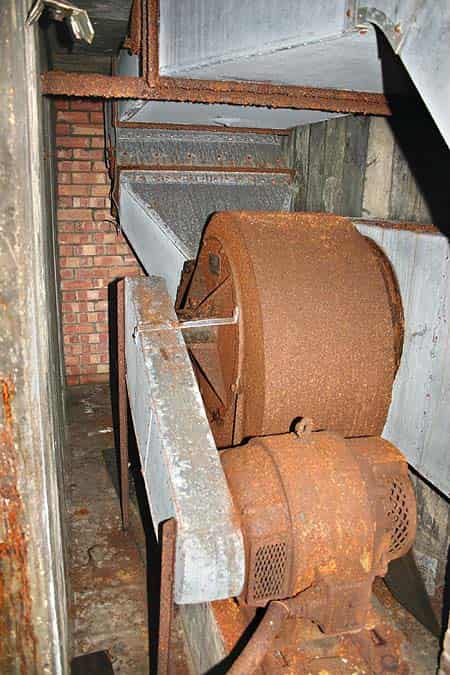
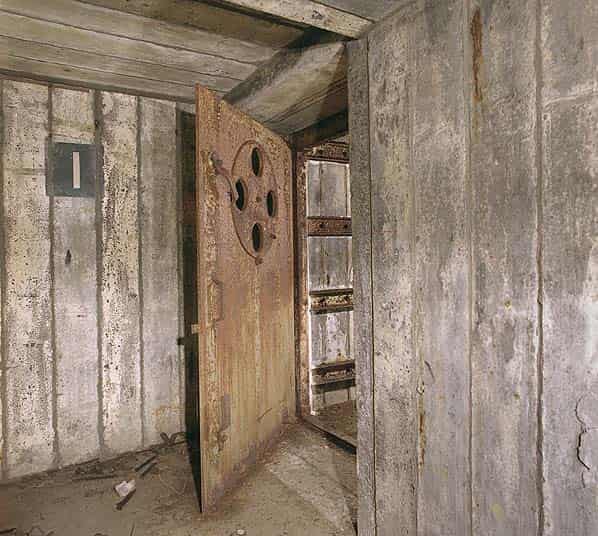
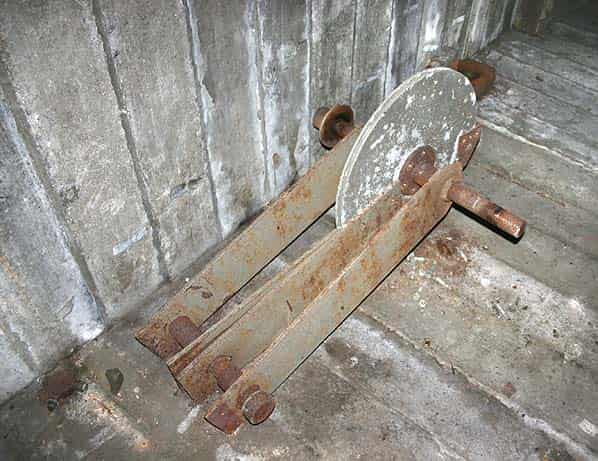
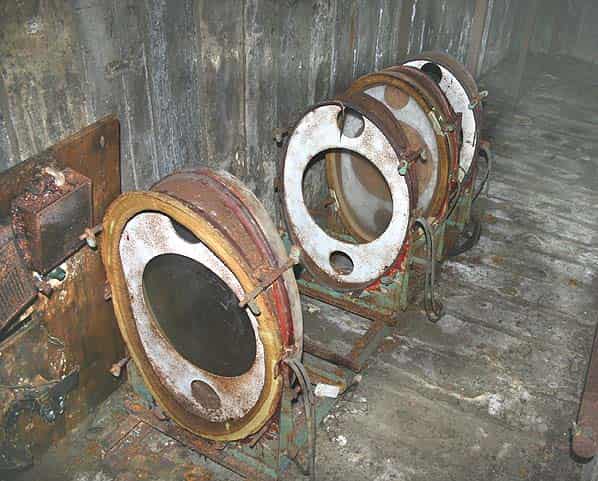
The steel gas tight doors are still in place at the end of the entrance dog leg, apart from one door these have all been welded shut. Further open gas doors can also be seen at the entrance dog leg to the ventilation plant areas with a wooden sliding door across the short tunnel leading to the fans.
There is evidence of production in one of the parallel tunnels with some engineering plant still fixed to the floor; its propose is unknown.
A paced survey was made by Sub Brit member Roger Morgan in 1987 when the quarry floor was used by BAC as an unrestricted car park. A photographic survey was made by members Sub Brit in 1999, the site has now been redeveloped and is privately owned and not part of the Brooklands Museum.
Sources:
- Chelsea Speleological Society Records Volume 16 (1988) ISSN 0309-409X
- Surrey Advertiser - The day the Luftwaffe bombed Vickers 3.9.2004
- The Brooklands Society - Photo Archives
- BBC WW2 Peoples War Surviving the Vickers Armstrong Air Raid. September 1940
- Brooklands Museum