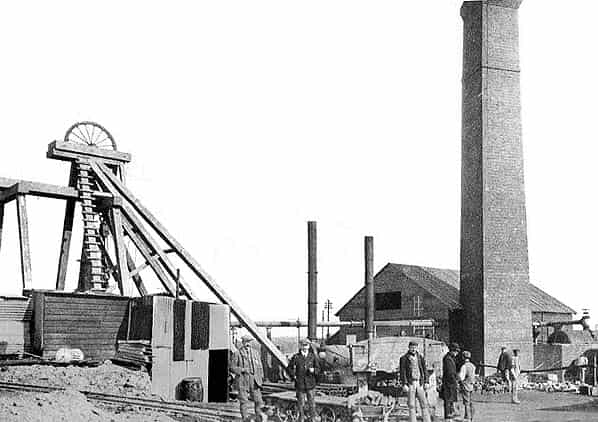
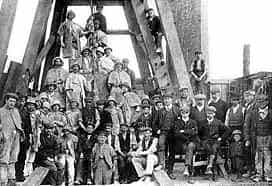
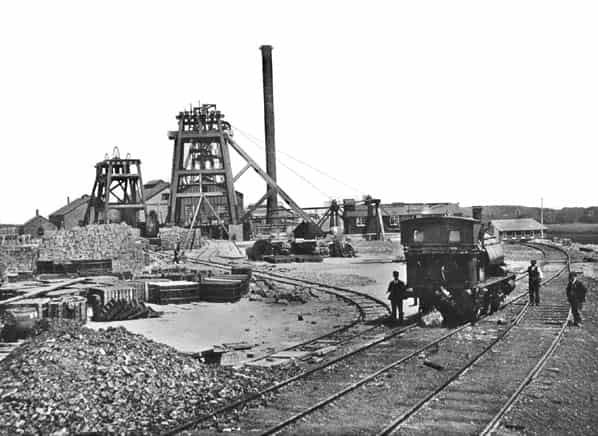
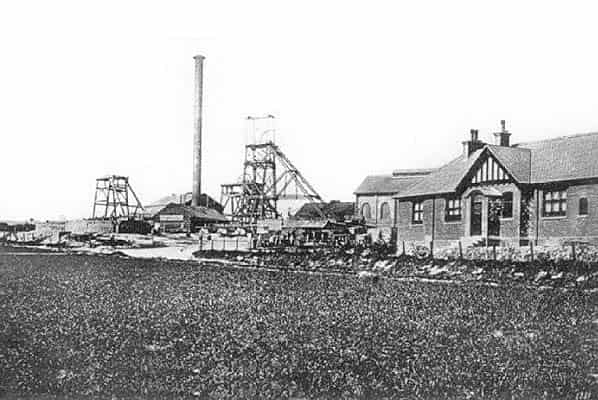
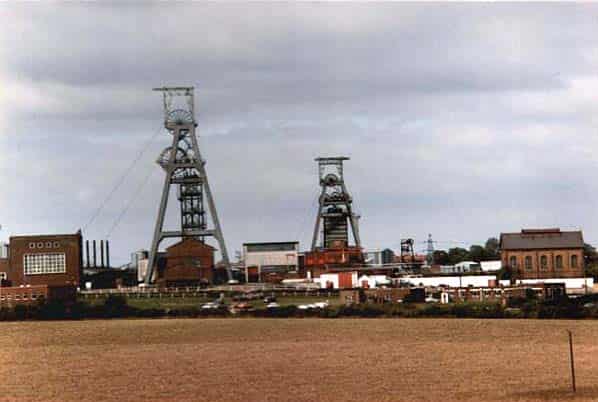
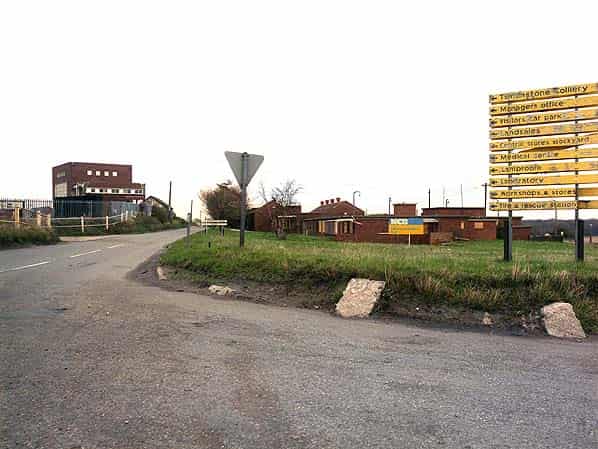
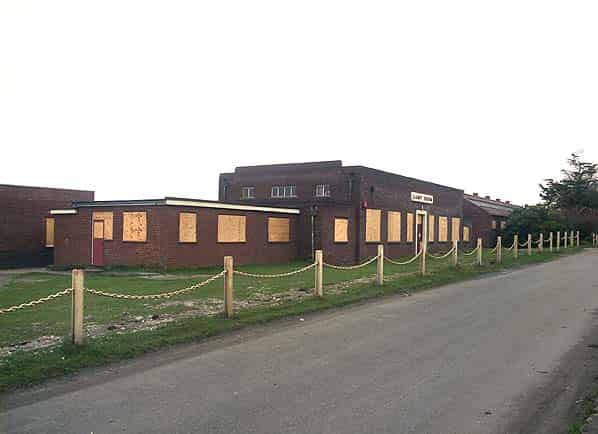
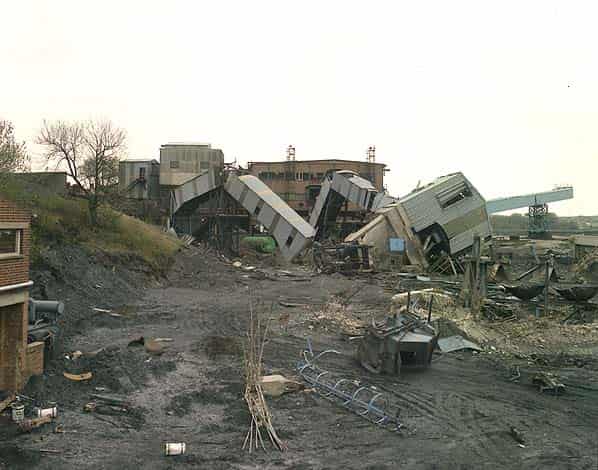
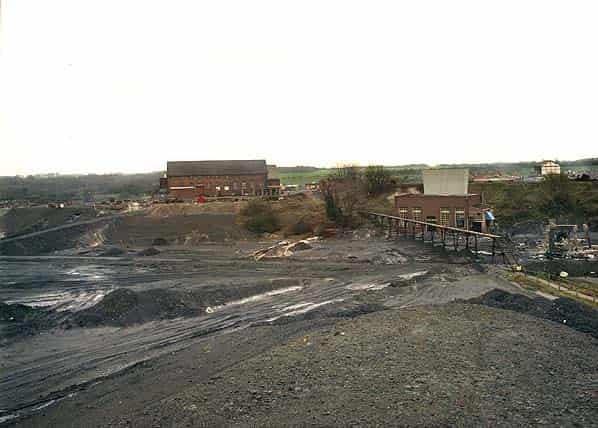
It had always been assumed that the coal seams found in Northern France would extend under the channel into Kent. This theory was proved in 1882 when coal was discovered beneath Shakespeare Cliff in Dover during trial borings for a proposed Channel Tunnel. Work on the tunnel stopped in 1882 while the government considered the military implications of an invading French army using the tunnel. In 1890 the company made trial borings at the site and proved the existence of both coal and iron ore.
Shareholders of the Channel Tunnel Co. refused to let them exploit the coal, so in 1896 the Kent Coalfields Syndicate was established by speculator Arthur Burr and a colliery was opened on the channel tunnel site after a 2,230 foot borehole proved the existence of a viable coal seam. Three shafts were sunk, but work stopped in 1897 when No. 2 shaft suddenly flooded killing eight men. Although development of the mine continued, Arthur Burr severed his connections with the colliery in 1903 and established a new company, Kent Coal Concessions, to buy mineral rights in east Kent between Canterbury and Dover and exploit the potential of the coalfield by setting up collieries; 45 test borings were made by the company. Shakespeare Colliery was finally abandoned at the outbreak of war 1914 after only 120 tons had been taken from the mine.
On 18th April 1906, the Foncage Syndicate was registered by Arthur Burr as a small subsidiary company of Kent Coal Concessions to undertake surface works and a small amount of shaft sinking. The new company immediately started a 6-foot exploratory shaft at Tilmanstone near Eythorne under an agreement with Kent Coal Concessions Ltd. When reports were received that coal seams at been found in test borings in nearby Waldershare Park, the shaft at Tilmanstone was widened out to 14 feet and sinking proceeded. By now, the company was in financial difficulty and Kent Coal Concessions registered a new company, East Kent Colliery Limited, to take over the work when the shaft was at 508 feet; this new company was also under the control of Arthur Burr.
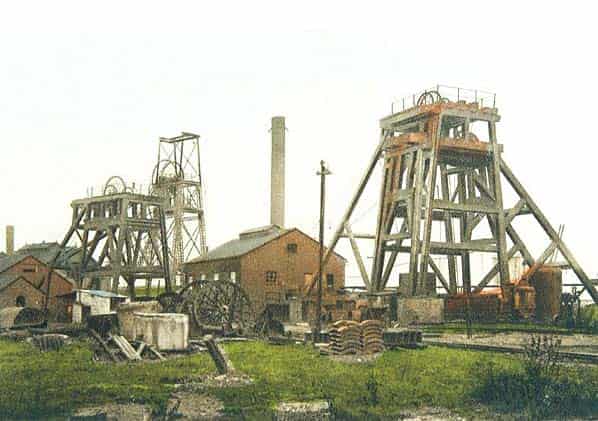
By May 1908, the shaft had been sunk to 913 feet; all the water encountered was controlled by a steam ram pump installed in a side gallery at 600 feet. Progress was good but below 631 feet the shaft was left unbricked (unlined) and by the time it reached 913 feet the sides showed signs of collapse and the lower part of the shaft had to be filled in and re-sunk; it took seven months to regain the same depth. The sinking in No.2 shaft was started in November 1907 but there were insufficient funds to pay for a winding engine until the following July; once this was installed good progress was maintained for a year. Work was halted for nine months in 1909 when one of the buckets used for hoisting material up the shaft fell, killing three men. This accident also damaged the pump and ventilation pipes allowing 1000 gallons of water a minute to pour down the shaft.
When both shafts had been sunk to 1,140 feet, within 30 feet of the coal measures, inrushes of water and sand proved too extensive to be dealt with by the existing pumps. New electric pumps were ordered and sinking suspended until the water could be pumped out. Sinking was not resumed until 1911 but even then the operations were only carried on at a slow rate. At times, the water and sand forced the sinkers back up the shaft faster then they were sinking downwards and it was a further year before the final 30 feet were sunk to reach coal.
After the long years of struggle to extract coal from Shakespeare Colliery, the progress at Tilmanstone gave the public the impression that coal was never going to be won from Kent, but the management were confident of finding coal, expecting an output of 6000 tons per day.
In 1910, while the sinking of the first two shafts was underway, work started on No.3 shaft. Coal was eventually reached in 1912 but the sinking continued down to the more productive Beresford seam. Progress in No. 3 shaft was consistently good, so good that it reached the Beresford seam at a depth of 1560 feet in 1913, at the same time as the other two shafts, which had been started a few years earlier. The owners wanted to try and continue the sinking to the richer Milyard Seam at 3,000 feet, but the lack of money prevented any further development.
The Beresford Seam was opened out for the mining of coal which started in 1913. Unfortunately the coal from this seam was more suitable for industry than for household use and although there was no shortage of saleable coal, the company had difficulty finding a market for it. At this stage only No. 3 shaft was equipped for winding and 400 tons of coal were being hauled to the surface per day, far less than earlier estimates; even when the mine was in full production the maximum output would only be 750 tons daily.
Despite reaching coal, the company was beset with problems and in 1914 water broke in at the coal face and flooded the pit. Burr remained optimistic, announcing expected profits of £120,000 for the year but by June, the company was in the hands of receivers. Burr was dismissed and the shareholders rescued the company and took over the management on the understanding that sinking the shafts to the Milyard Seam was a priority. When Burr was eventually make bankrupt, the judge made several scathing comments about his activities and called him a rogue!
Despite small profits after the first two years under the new management, WW1 caused further delays in the sinking and the economic and industrial strife after the war did little to improve the fortunes of the mine. In 1918 permission was obtained in to continue sinking but the company was, by then, unable to take advantage of this opportunity restart work. Eventually sinking operations were resumed in No.3 shaft in April 1920 but the work had to be suspended in 1921 when the shaft reached 1917 feet due to lack of funds.
Early profits were turned into huge annual losses as the price of coal plummeted. The colliery was once again in the hands of the receivers during the 1926 General Strike and was sold to Tilmanstone (Kent) Colliery Ltd. which was owned by Richard Tilden Smith. One of his many ambitions was the development of the Milyard seam and sinking restarted immediately reaching the seam in May 1930 at a depth of 3,035 feet. No further development of No. 2 shaft was undertaken, this remained at 1560 feet.
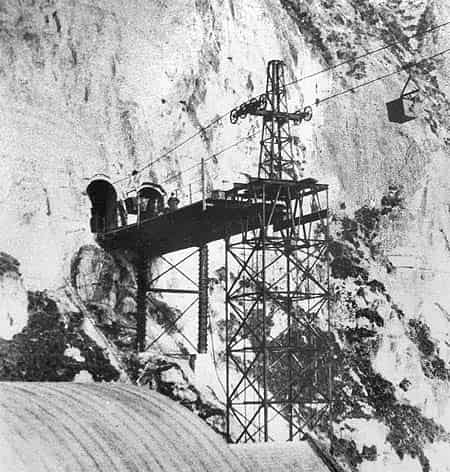
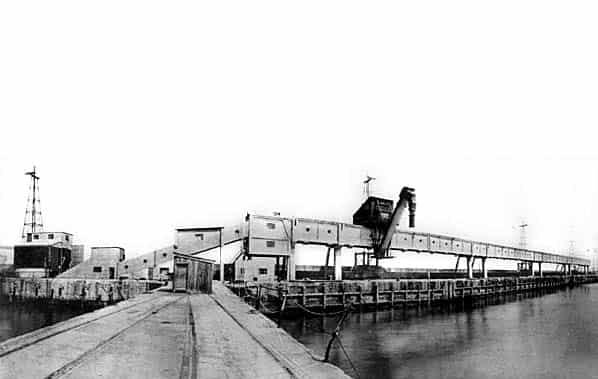
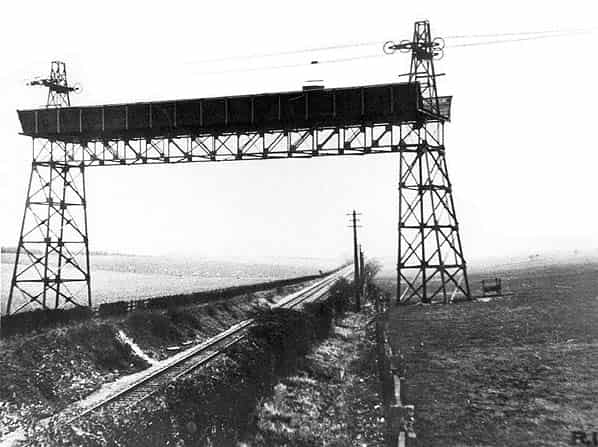
Tilden Smith was keen to export his coal from Dover. At that time the only means of transporting the coal was by rail using the East Kent Light Railway. Tilden Smith felt that the EKLR’s charges were excessive and proposed building an aerial ropeway from the colliery to the Eastern Docks at Dover. Initially this proposal was turned down by the Harbour Board but they had a change of heart when Tilden Smith suggested building a 5000 ton bunker on the Eastern Docks and offered to pay £35,000 towards the building costs. Once completed, the ropeway was capable of moving 120 tons of coal per hour; buckets with a capacity of 14.5 cwt. were spaced 46 yards apart and left the colliery every 21 seconds.
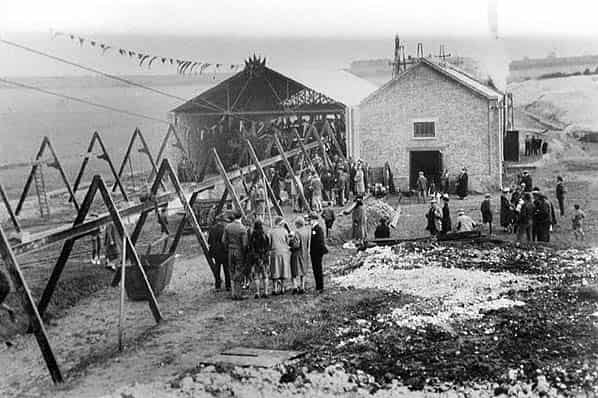
The first section of the ropeway was opened between the Colliery and East Langdon on 12th October 1929 but Tilden Smith died in December that year before the ropeway was completed. The first vessel was loaded with Tilmanstone coal at a rate of 500 tons an hour on 14th February 1930. Exports of coal through Dover didn’t come up to expectations and the ropeway was little used after 1935. During the war the structure fell as there was no export trade and by the end of the war it beyond economic repair and was dismantled in 1954 and sold for scrap.
By 1930 coal extraction reached 7,000 tons per month but despite this increased production, the colliery was still making a huge annual loss as the country moved into the depression. The workforce were told they would have to accept a reduction in pay to avoid closure of the mine; eventually the miners settled for a percentage of their wages to be lent back to the company, this would be repaid once the mine was in profit.
In 1937 the colliery was sold to the Anglo-French Consolidated Investment Corporation Ltd.; they planned to develop the lower seam as the Colliery was not working to its full capacity. Despite WW2, the company invested heavily in the mine and eventually managed to turn the losses into a small profit with a 5% dividend paid to shareholders. No sooner had they achieved this then coal industry was nationalised.
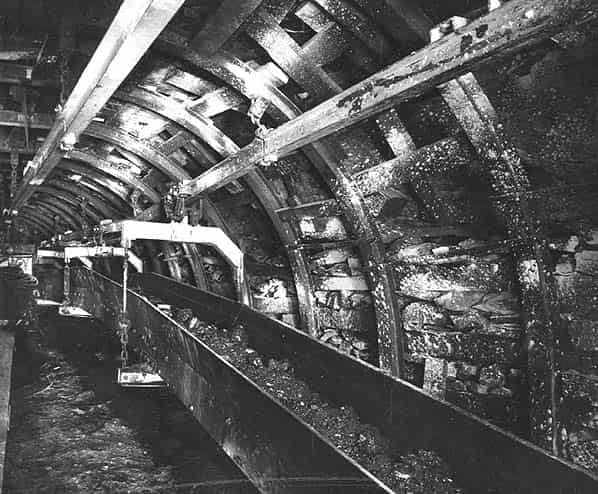
Tilmanstone was extensively modernised after nationalisation in 1947 but was always considered uneconomic by the National Coal Board. Kent coal was some of the most difficult to extract making it some of the most expensive in Britain. There were major improvements in 1949 and again in 1952 bringing the annual output up to 420,000 tons. The Beresford seam was closed in 1961 with all future extraction concentrated on the Milyard seam which, by 1963, was fully mechanised as a ‘longwall’ mine but despite this development, production dropped.
The NCB made plans to start closing the Kent collieries as early as 1960. Chislet Colliery closed in 1969, it had supplied most of its coal to British Railways but with the demise of steam its market had gone.
Tilmanstone was earmarked for closure in 1967 but survived and by now most of its output was used as coking blend for the steel industry which was also in crisis. Productivity improved for a while but it was to be short lived
By the 1980’s both the government and the NCB were determined to make the coal industry viable by closing ‘uneconomic’ pits but the miners and the NUM were convinced bad management and poor investment were holding the industry back. Things came to a head in 1984 when the NUM called a national strike. The 1984 strike lasted for almost a year and became one of the most controversial and bitter disputes since the General Strike of 1926. When it was over, neither the NCB nor the NUM fully recovered. The NCB was reorganised as British Coal in 1987 and that year both Snowdown and Tilmanstone collieries closed with little opposition. Betteshanger was the last colliery in Kent, closing in 1989, just one year short of the centenary of the discovery of coal in the county.
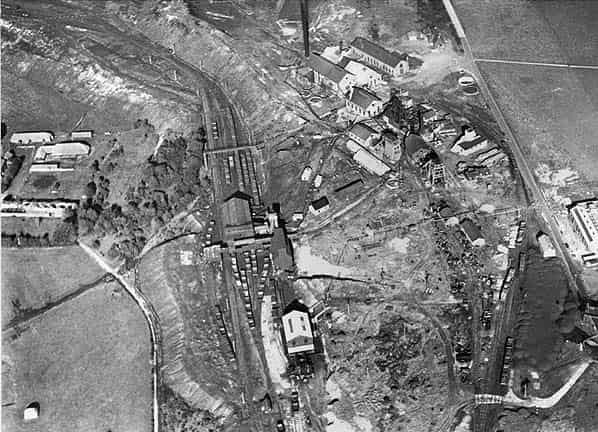
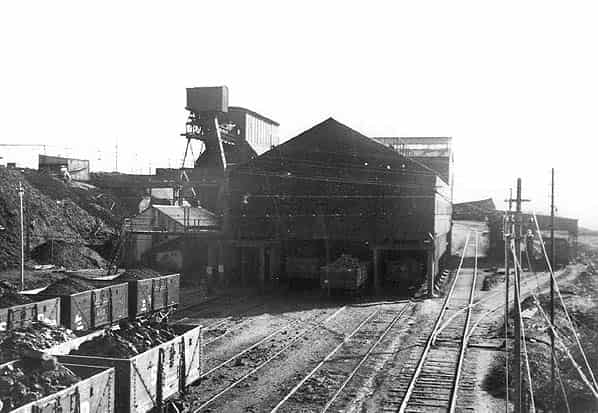
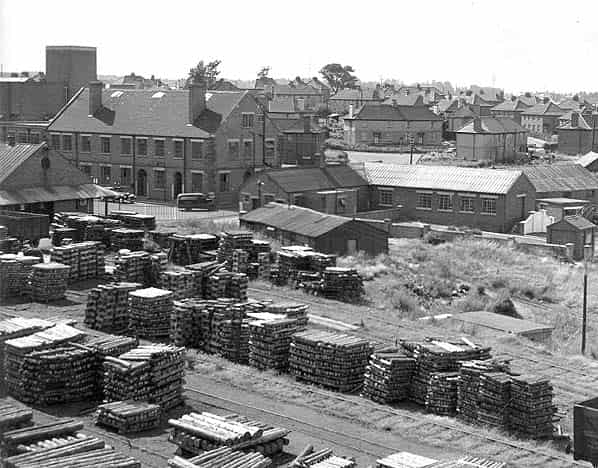
Coal was transported from the colliery by the East Kent Light Railway. Initially there was a branch from Eythorne to the mine, which was then extended to re-join the main line north of Elvington at some stage (apparently illegally, as the extension is not listed as ‘authorised’). The northern junction had a loop, but this and the junction were removed by 1926, leaving the line north of the colliery as a siding. This north part vanished under the colliery waste tip some time after 1959.
There was a platform at the colliery for the use of miners' services, which operated from 1918 to 1929. This was described in timetables as ‘Tilmanstone Colliery Yard’ and on tickets as ‘Tilmanstone Colliery’, thus causing obvious confusion with what later became Elvington Halt (originally called Tilmanstone Colliery Halt). This seems to have been deliberate, as the EKLR had no authority to run passenger services over the branch and issuing tickets was technically illegal as the workers service should have contracted with the colliery company, as was standard practice in coalfields elsewhere. With closure of the East Kent Light Railway to passengers in 1948 the line to the colliery was retained until the miners strike in 1984 and finally closed in December 1987. The southern end is now operated as the East Kent Railway, a heritage line.
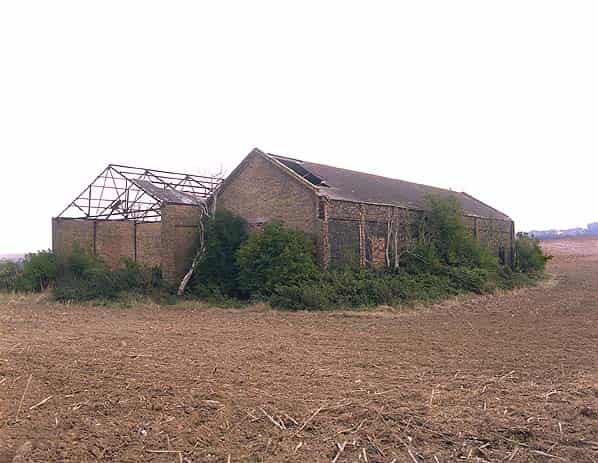
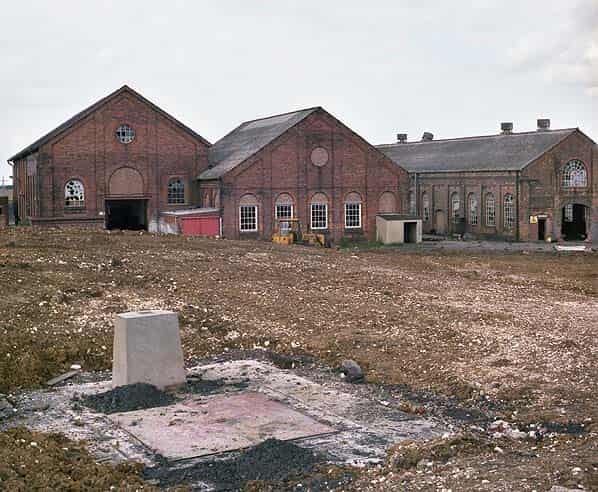
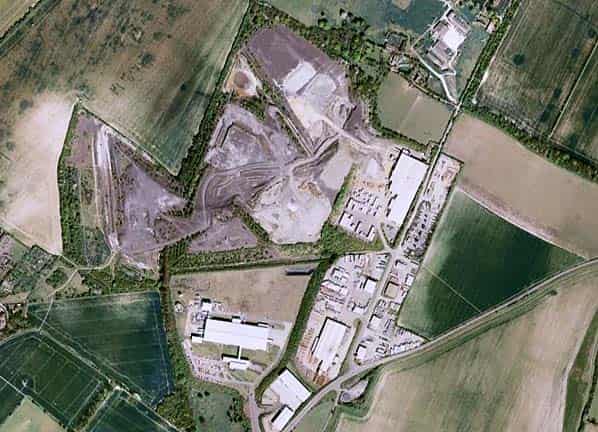
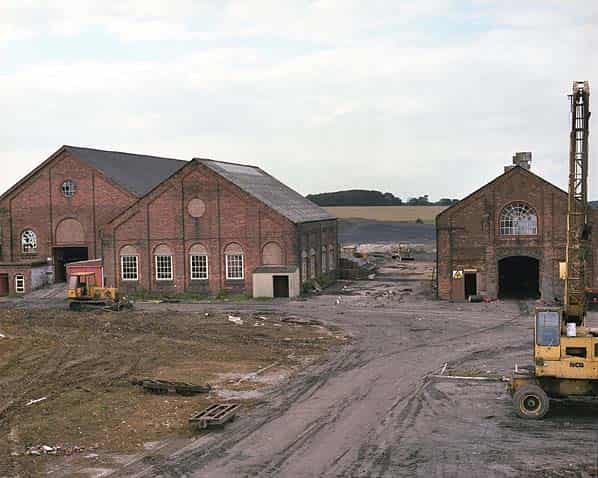
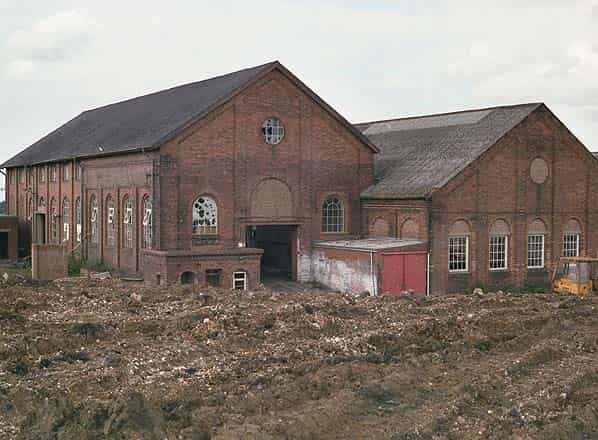
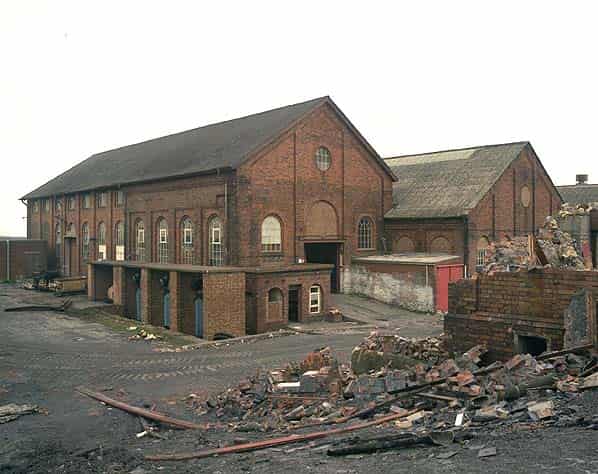
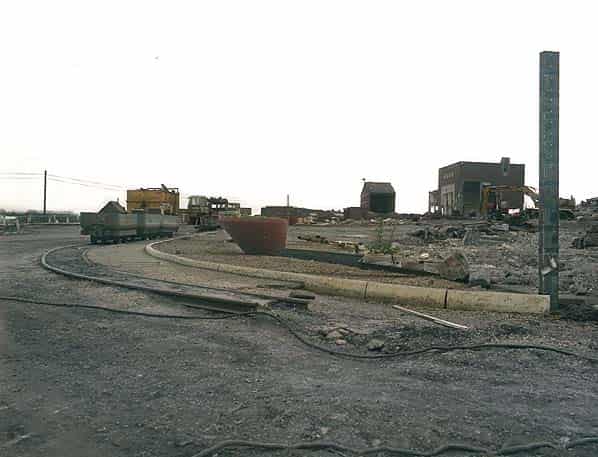
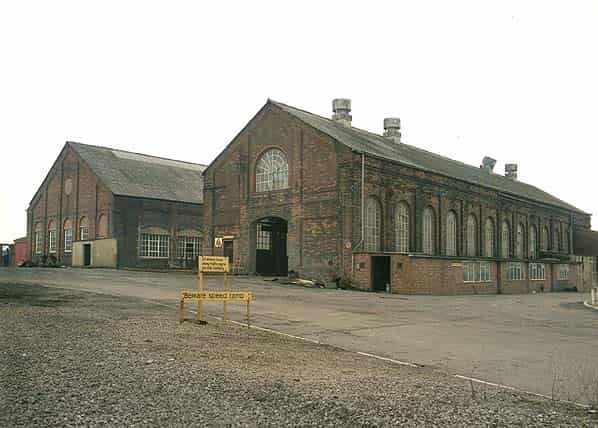
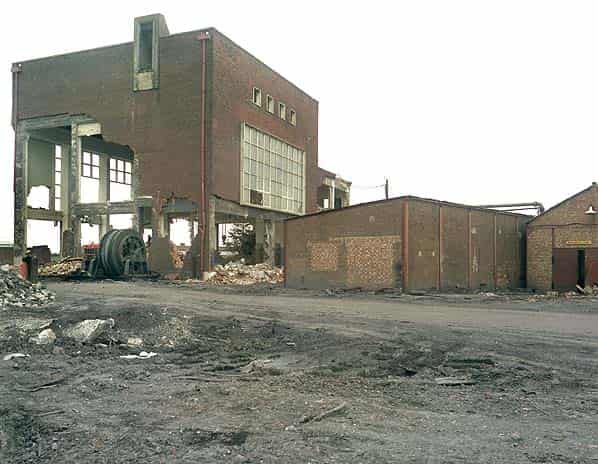
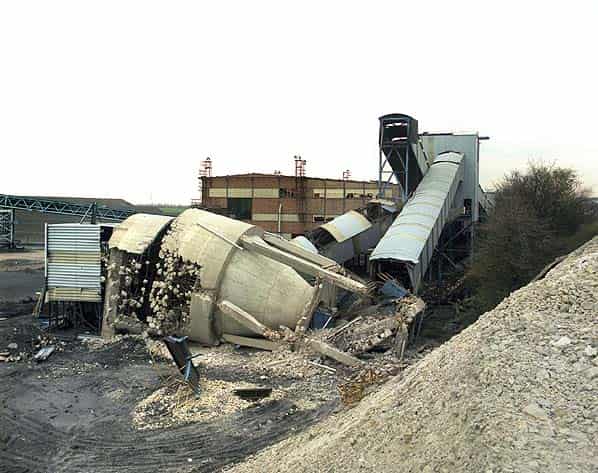
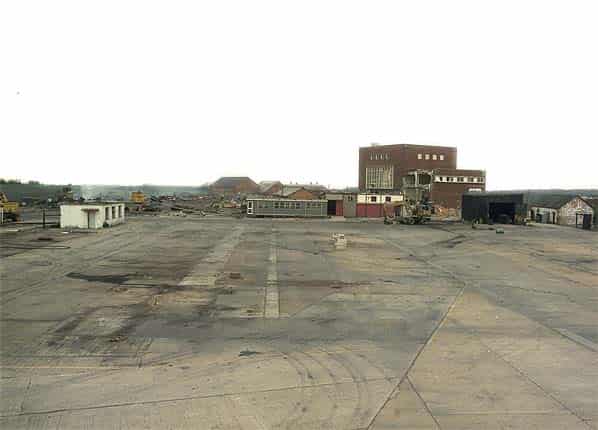
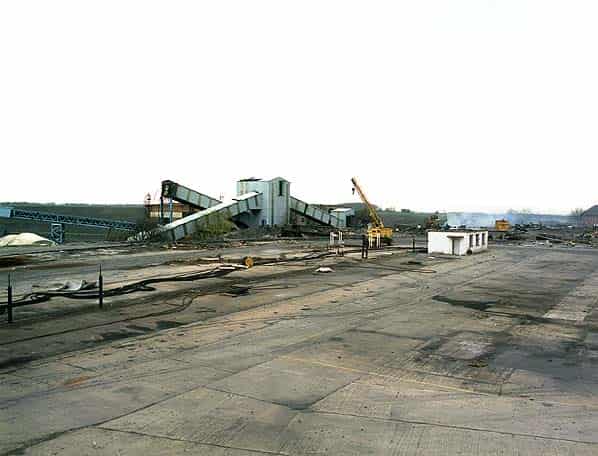
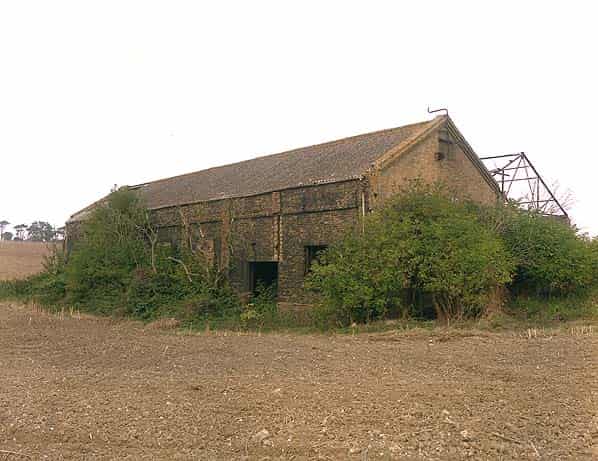
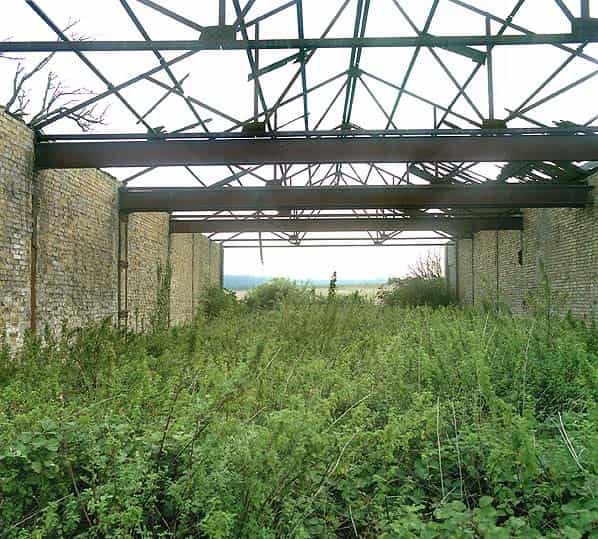
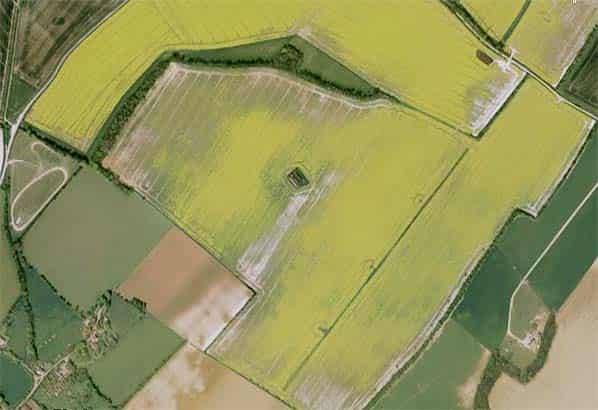
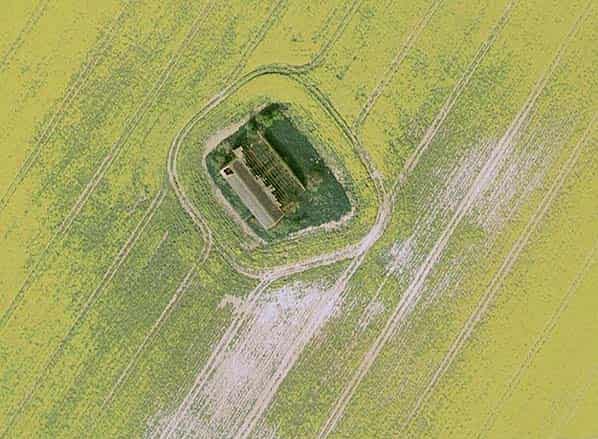
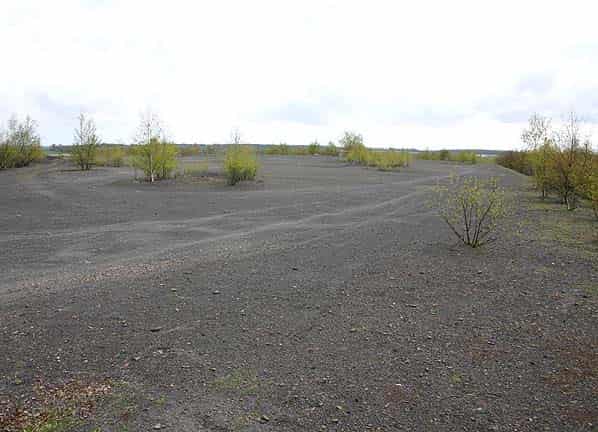
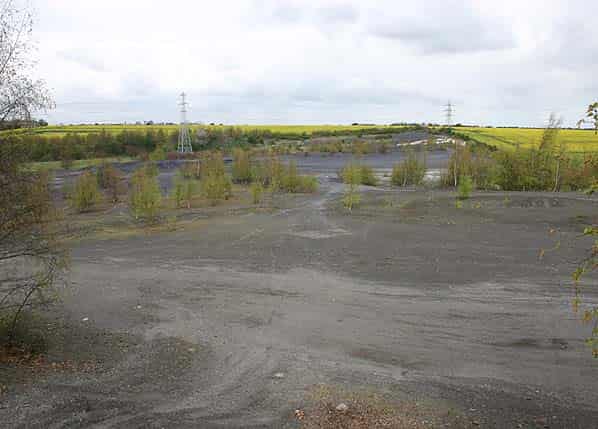
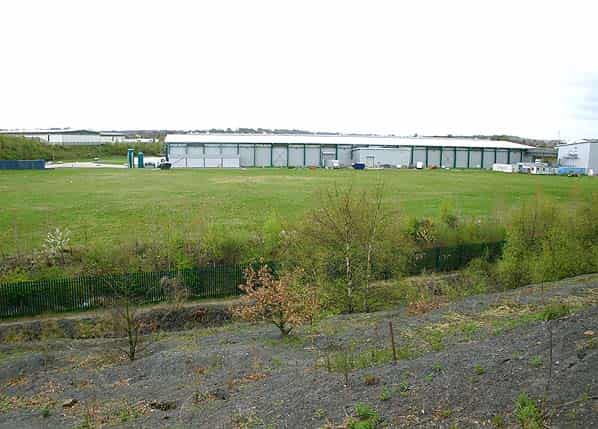
After closure, the colliery was largely demolished in 1987, the shafts being permanently sealed in April and May that year. During the 1990’s the Pike Road Industrial Estate was built on the upper part of the site. The lower part of the site was cleared in 2000 for new industrial units, including Kent Salads' massive new factory. The waste tips on the north side of the site are now the only evidence that the colliery ever existed. No buildings survive at the mine; only three concrete slabs covering the shafts and a small monument now mark the site. The only remaining colliery buildings are at East Langdon, half way between Tilmanstone and Dover where the ‘divide station’ and power house for the aerial ropeway still stand in the middle of an arable field. As the ropeway reached the cliffs overlooking the Eastern Docks it went into twin tunnels, emerging part way down the cliff face. The bricked up tunnels can still be clearly seen in the cliff face from Dover ferry terminal.
Sources:
- ‘The Kent Coalfield - its evolution and development’ by A. E. Ritchie. Published 1919 by the Iron & Coal Trades Review
- ‘The industrial Eden’ by Richard Tilden Sherren (History of Tilmanstone Colliery). Published 1990 by Channel Publications ISBN 0 951565400
- ‘Invicta Coal’ unpublished history of the Kent Coalfield by Jim Davies, Robert Ross Job and Richard Tilden Sherren
- Colonel Stephens Museum
- Wikipedia - The East Kent Light Railway
- Commanet - The Community Archives Network
- Coalfields Heritage Initiative Kent