A BRIEF HISTORY OF PORTLAND HARBOUR
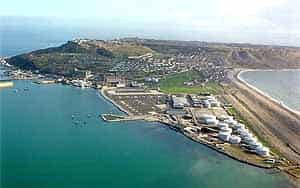
Portland Bay has a long naval military history; during the Civil War parliamentary warships lay at anchor in the bay and Admiral Robert Blake fought the Battle of Portland in 1653 with the Dutch Admiral Van Tromp.
Work to enclose the bay with breakwaters started in 1854 and Portland Harbour was officially opened by the Prince of Wales (later King Edward VII) in 1872. Initially two breakwaters were constructed but two further arms were added towards the turn of the century making Portland the largest deep-water harbour in Europe.
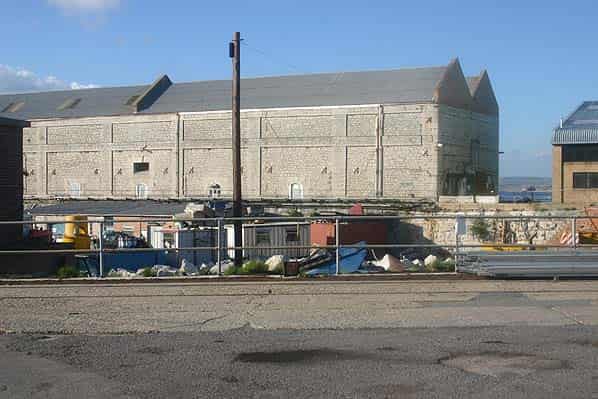
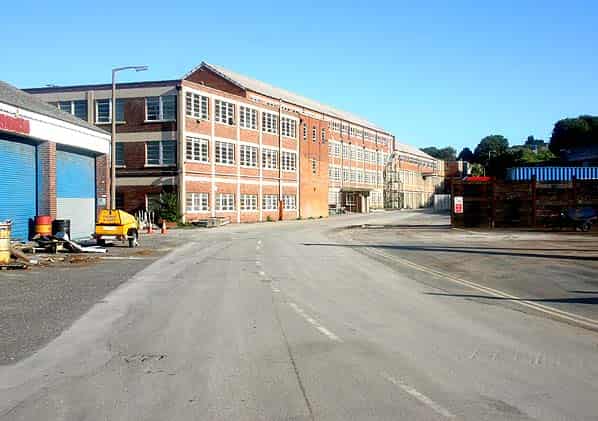
Because of its strategic position a Naval base was established in the harbour comprising a refueling depot, dockyard, hospital and shore training establishments.
Robert Whitehead, the first successful commercial manufacturer of torpedoes built his factory at Ferrybridge on the north side of the harbour in 1891 and soon special ranges to develop and test torpedoes became a feature. The advent of the weapon spurred the development of the submarine and then the technology to detect and destroy them. Thus the harbour became the centre for research into underwater warfare.
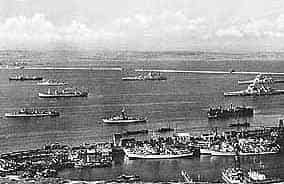
Great fleets came and went and for some time Portland was the base for the Channel and then the Home Fleets and a depot for submarines. Edward VII, George V, Edward VIII and George VI all reviewed their fleets there. Young seamen were trained in the old frigates anchored in the harbour, successively named HMS Boscawen.
During both World War I and II the bay was filled with neutral ships at anchor waiting to be searched for materials that might be useful to the enemy.
Violent action came in 1940 after the fall of France. Portland was now in the front line and the recipient of fierce German air attack. The anti-aircraft ship HMS Foylebank was sunk in the harbour in July after a mass attack by Stuka dive bombers.
Perhaps the most memorable event in the history of the harbour came in 1944 when it became the embarkation port for thousands of Americans of the US 1st Division (part of Force O) on their way to Omaha beach on D-day.
After the war Portland, with its quick in and out facility, became responsible for sea training for the navy.
With the advent of the helicopter and its importance as an antisubmarine weapon an airfield was built at Chesil with a fleet of helicopters stationed there. It was also a preferred base for ships of the Royal Fleet Auxiliary who carried the supplies of the fleet.
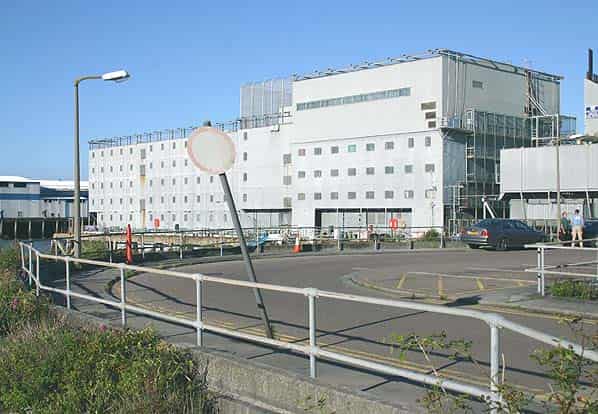
With the reduction of the Royal Navy in the 1990s there was not enough money in the defence budget to maintain more than a few bases so the naval facilities at Portland were dispersed and the harbour became a civilian concern. ‘Portland Port’, a commercial company, took over responsibility with the aim of developing the ship repair, leisure and tourism potential. One of the first arrivals at the new port was an American prison ship, HMP Weare.
UNDERGROUND HEADQUARTERS & COMMUNICATIONS CENTRE
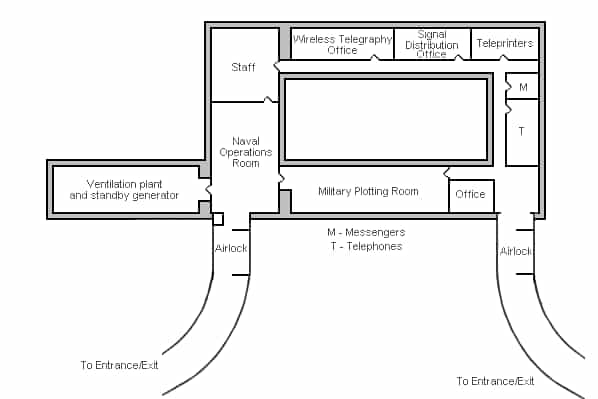
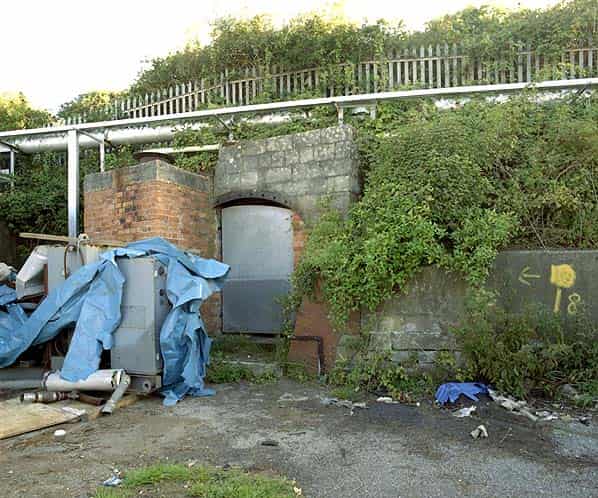
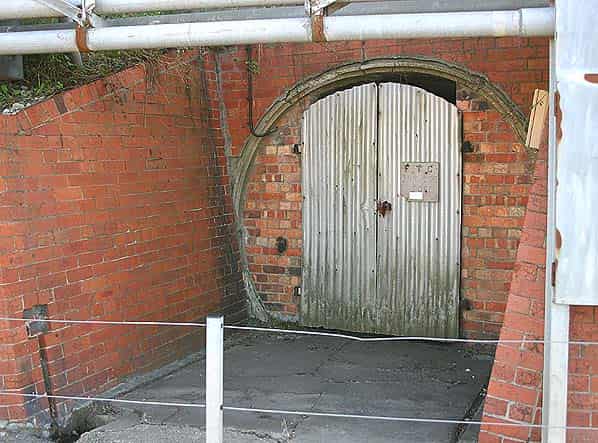
With the strategic importance of the Dockyard an underground headquarters and communications centre was planned in 1940. Two tunnels were driven deep into the hillside to the rear of the dockyard leading to a series of underground rooms based around a central ring. The new underground headquarters was completed by 1941 with Portland acting as a sub-command of Commander in Chief, Portsmouth at Fort Southwick.
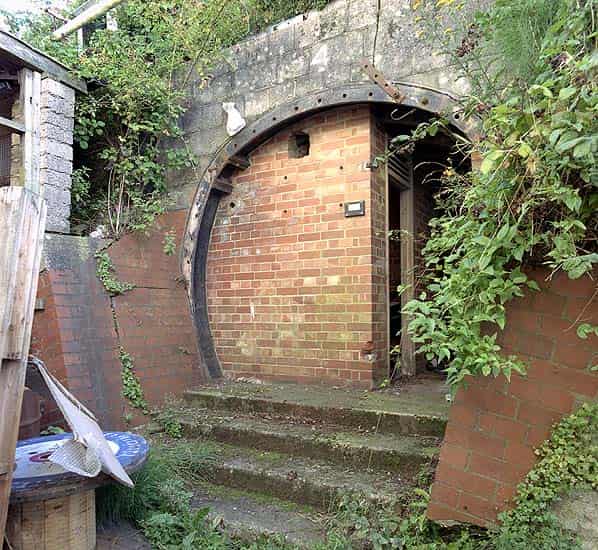
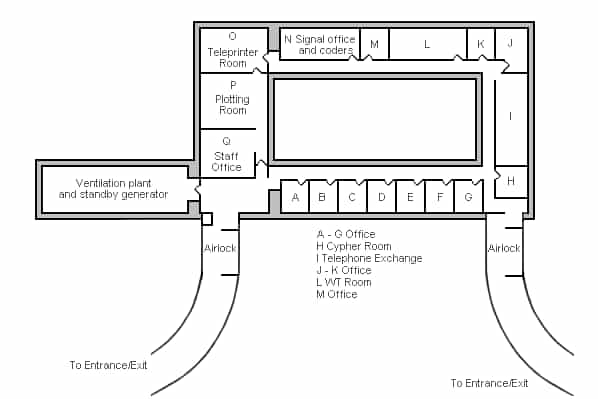
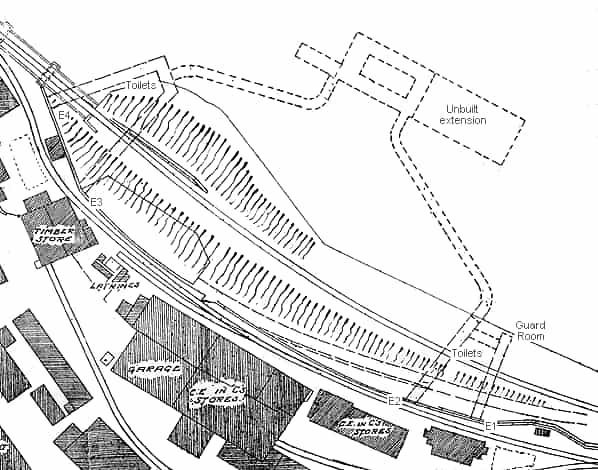
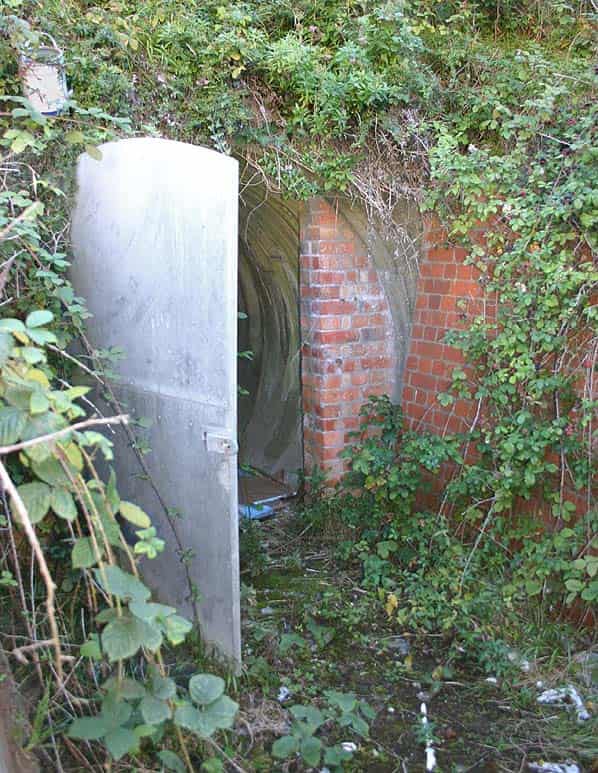
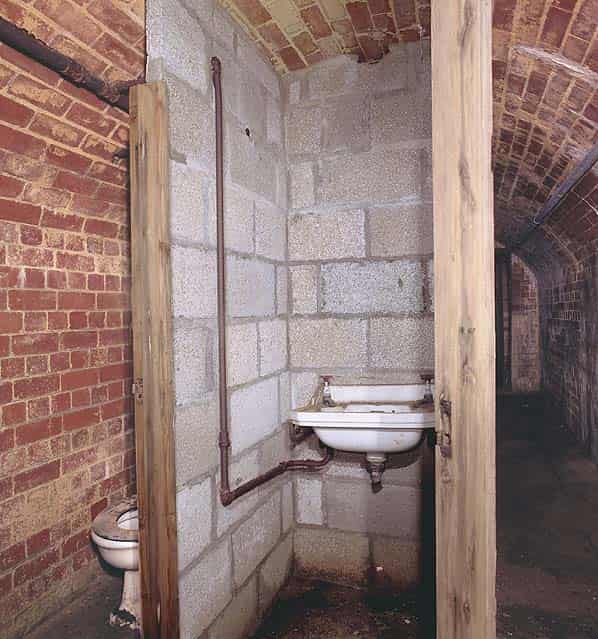
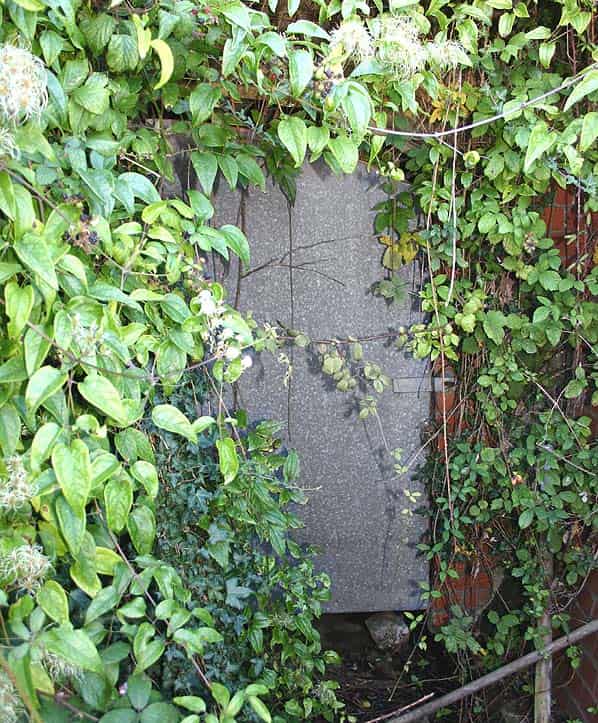
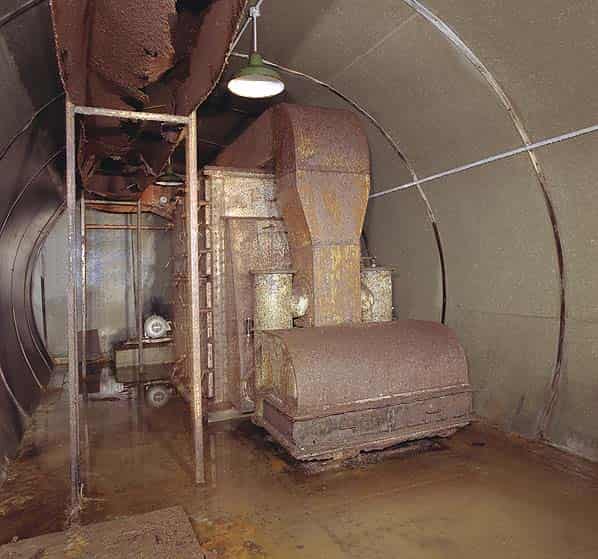
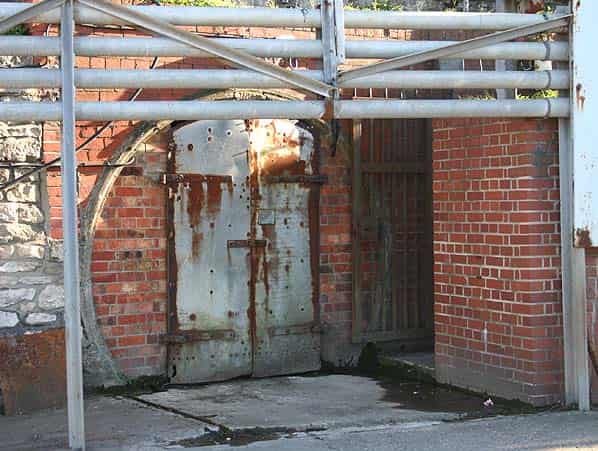
There were two pairs of entrance tunnels, each pair joining to form single tunnels after twenty yards. At this junction toilets, washrooms and a small guardroom (in the western tunnel) were located with the twin tunnels extending into the hillside for a further 150 feet to two airlocks. The control centre is rectangular in shape with a short branch on the south side housing ventilation and heating plant and a standby generator. After construction, plans were drawn up to extend the control centre with the addition of further tunnels on the north side but this plan was quickly abandoned.
After the war the Naval Comcen was relocated to the Portland Heights adjacent to the ROTOR radar station, it was still in use at least until the early 1990’s. The underground headquarters remained on care and maintenance until 1952 when the tunnels were refurbished as a standby operational headquarters for Portland Dockyard in the event of a nuclear attack. This involved the removal of all the original partition walls and the installation of a completely new room layout. The underground headquarters was never used but could be brought to a state of readiness within eight weeks if required. The underground headquarters was under the control of an NOIC (Naval Officer in Charge). During the 1960’s some of the rooms were occupied by the RNXS for a short period before they moved to the Dockyard offices. The tunnels were abandoned some time in the late 1960’s
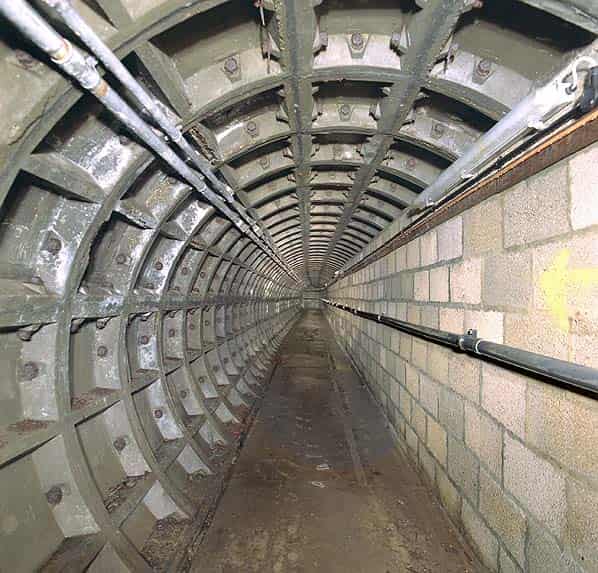
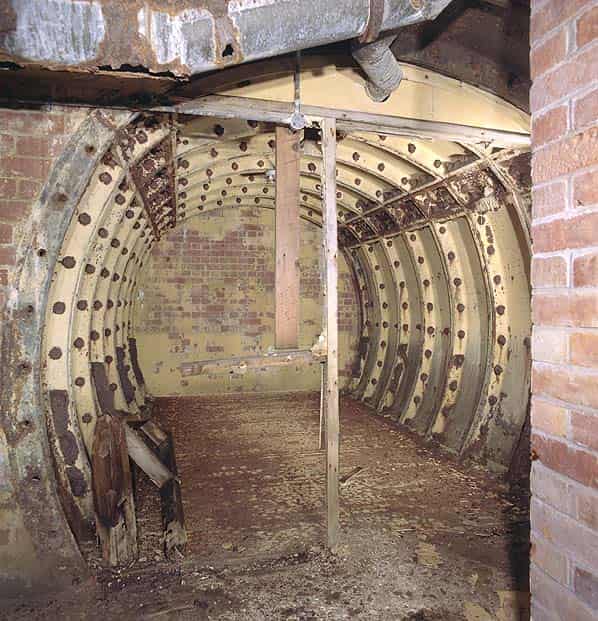
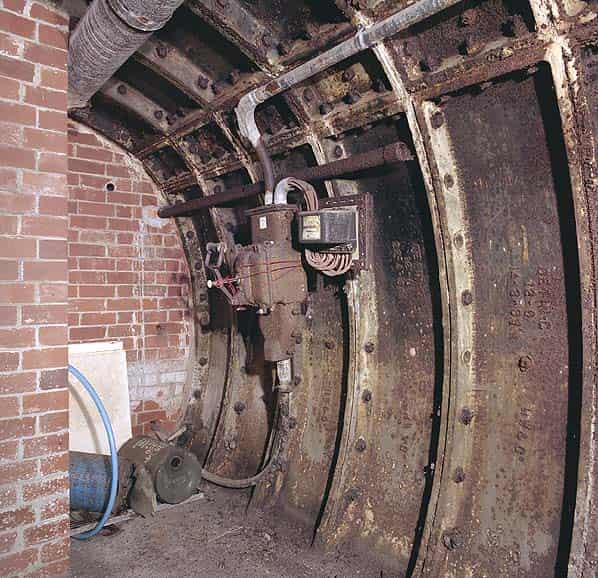
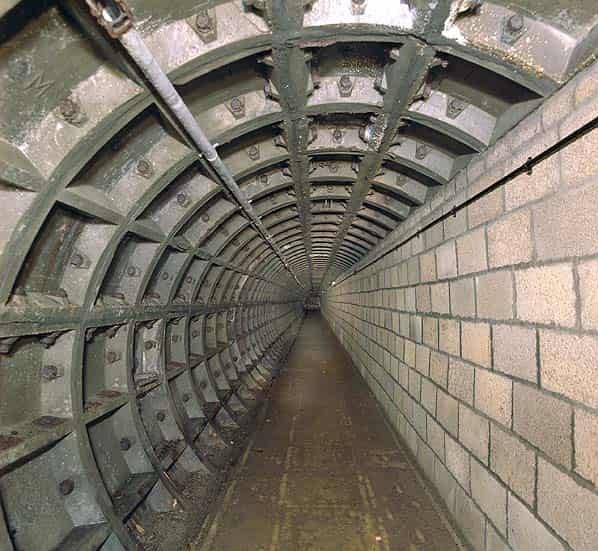
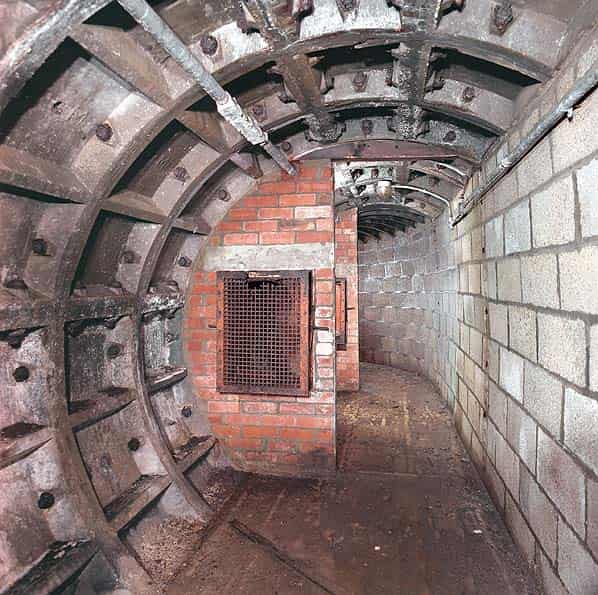
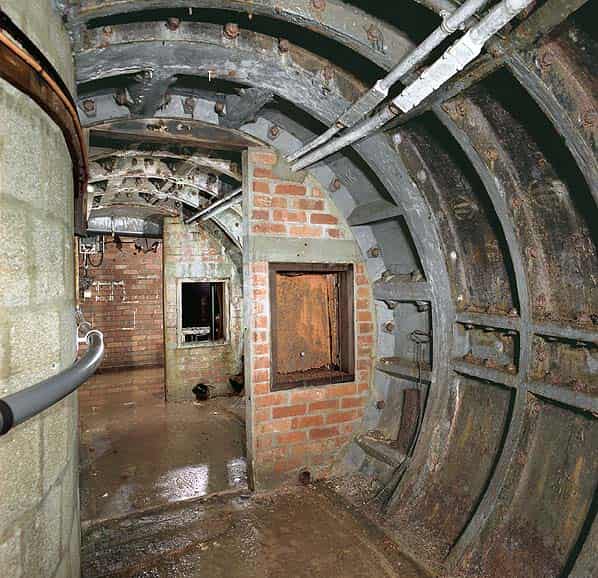
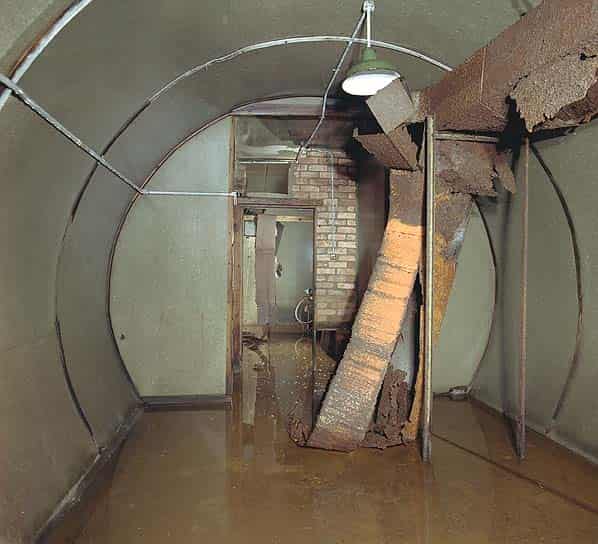
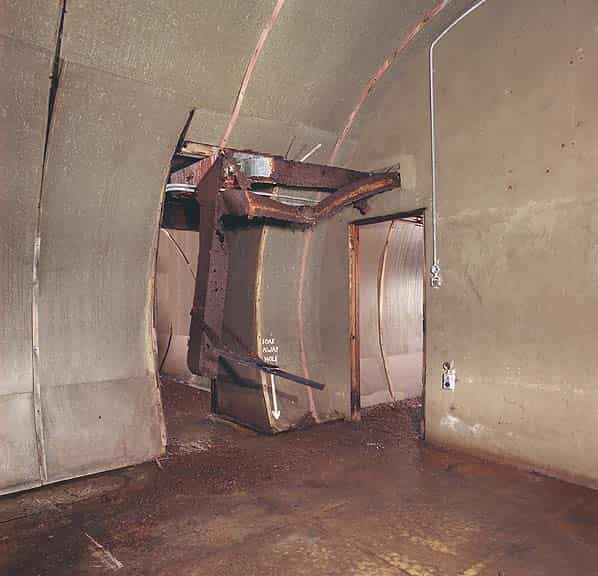
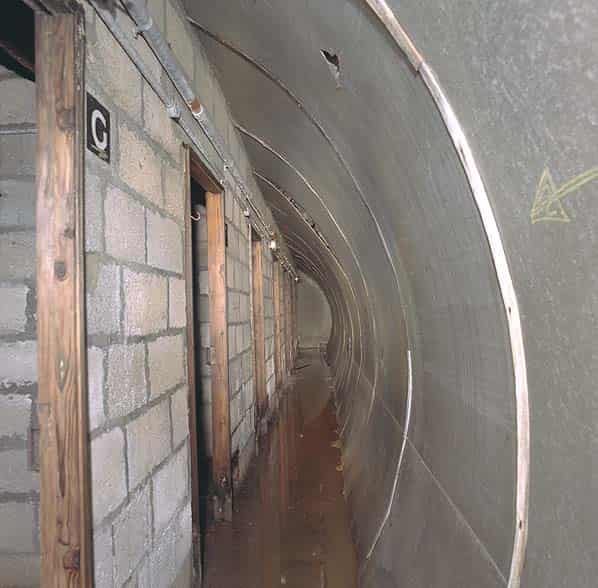
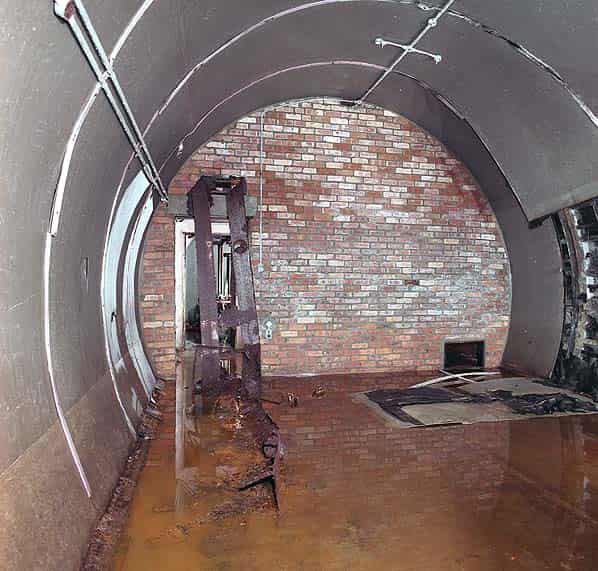
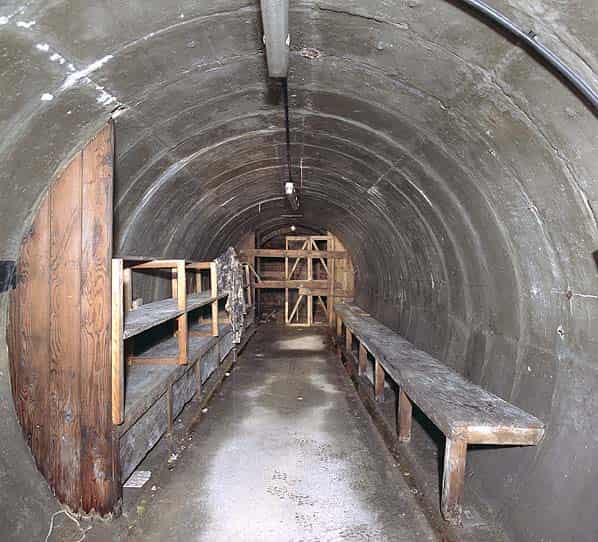
Today the tunnels remain in extremely good condition. They are lined throughout with steel segments similar to those used on the London Underground and probably made by the same company. There are three different diameters of tunnel, the main access tunnels and most of the rooms are 8' 6" in diameter, the naval operations room and adjacent staff room are about 16' 6" in diameter and the tunnel on the east side of the central complex is 12' 6" in diameter. Most of the rooms have a secondary curved wood fibre board lining although this has now fallen away in places. The tunnels are generally damp with some standing water in the plant room.
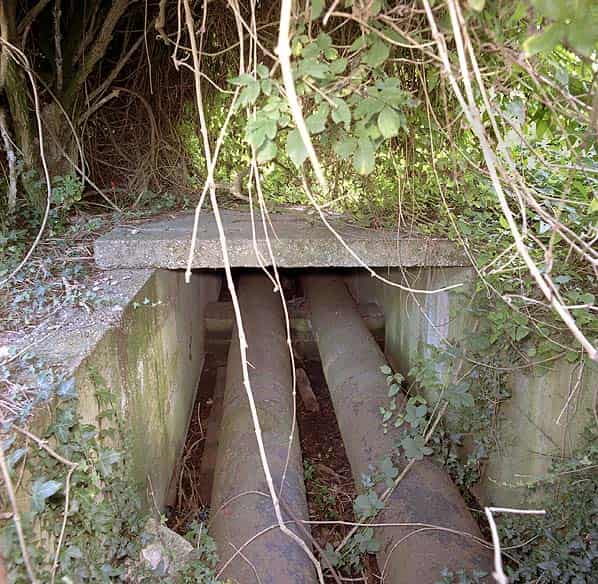
The tunnels have been largely stripped of all original fixtures and fittings although the ventilation and filtration plant, trunking and electrical control equipment is still in place with ventilation trunking running into some of the rooms. A concrete engine bed indicates the position of the standby generator. Some electrical switchgear remains in place, fixed to the wall just inside the first entrance. WC pans and hand basins are generally still intact and undamaged.
There is little recorded history of the tunnels. During the 1952 refit most of the internal walls have been stripped out with new breeze block partition walls forming a number of small offices around the central ring structure, these are designated A - Q. A breeze block wall has also been constructed down one side of the main access tunnels, presumably to enclose cables and ventilation trunking.
An underground air-raid shelter was also built into the bank a short distance inside the entrance to the Dockyard. This has two entrances going into the hillside for about ten yards, a cross passage still retains two lines of benches.
Sources:
- Bob Jenner
- Dr. James Fox
- Keith Ward
- Portland Port Plan 1.6.1952 - Appendix 1, Page 1