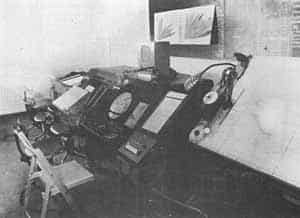
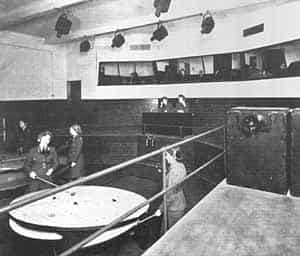
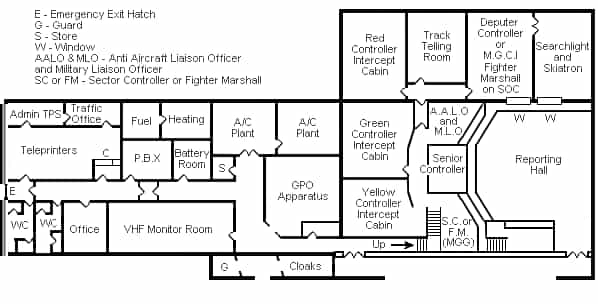
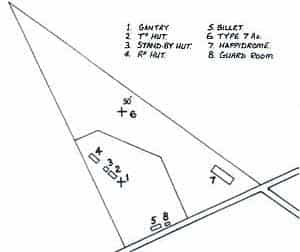
GCI radar was used for guiding night fighters onto attacking bombers. It had three stages of development: ‘mobile’, ‘intermediate transportable’ and ‘final’. Early stations (from 1940) had equipment on wheeled caravans and temporary wooden hutting; these were replaced by intermediate stations which had the aerial arrays mounted above and below a wooden gantry, with operations carried out from wooden huts. Final stations, built from 1942 onwards, had brick operations blocks, known as ‘Happidromes’. These stations had a single rotating aerial array with the transmitter and receiver housed in a well underneath.
GCI stations were fitted with a Type 7 radar initially operating on a frequency of 209 MHz, though later equipment operated on 193 and 200 MHz. This was a parallel development of the Chain Home Low (CHL) equipment by the addition of a height-finding capability and a Plan Position Indicator (PPI) display.
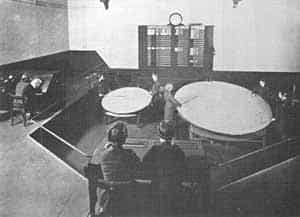
In a PPI display the cathode ray tube is scanned radially from the centre of the rim of the tube face. The angle of the scan is synchronised to the rotating aerial and the intensity of the beam is modulated by the signals received from the aerial.
The effective range of a GCI station was 90 miles with a range of 30 miles at 1000 feet.
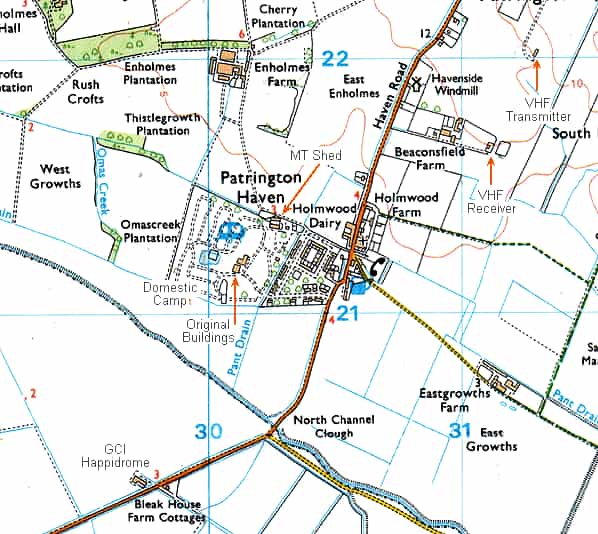
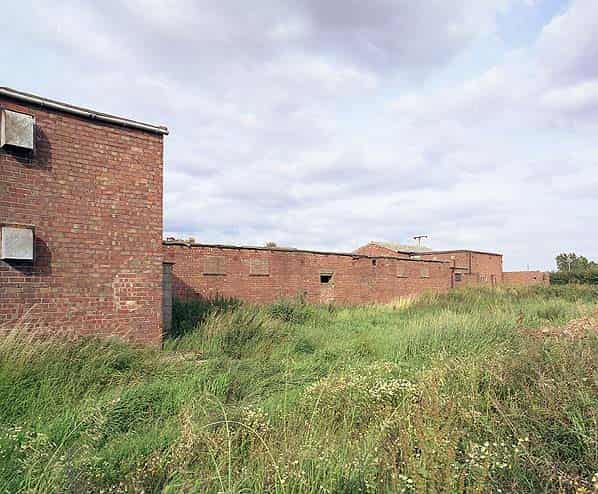
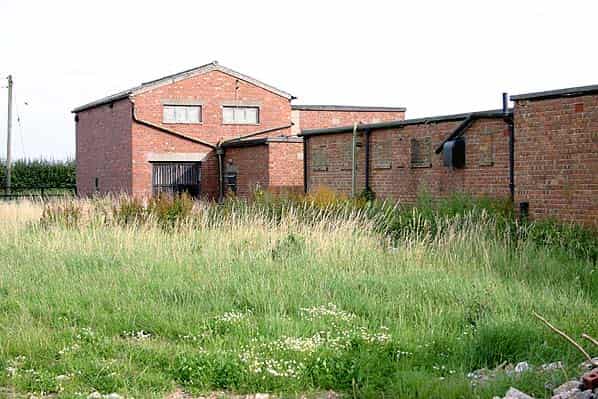
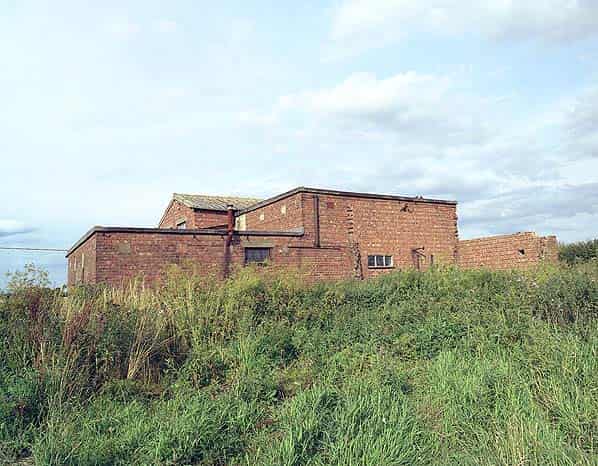
In order to provide communication between the controllers in the Happidrome and the intercepting aircraft, two VHF/UHF multi-channel radio transmitter and receiver blocks were built at remote sites on Beaconsfield Farm, just over a mile to the north east of the technical site. The blocks were remotely sited to stop interference and swamping of the radio signals by the radar arrays.
Each radio site consisted of three buildings, the operations building, a standby set house and a rest room. GCI stations also provided information for anti-aircraft (HAA) gun sites.
The Domestic camp was at Haven Side (now Patrington Haven), between the technical site and the radio sites on Beaconsfield Farm. This consisted of the station headquarters, officers, senior NCO’s and airmen’s accommodation and messes, MT yard and garages, kitchen and mess facilities, stores, sick quarters, NAAFI, chapel, guardhouse etc.
The end of war report shows both the Type 7 (GCI) and Type 21 (Height finder) radars as being operational. In 1947 RAF Patrington (Station Code OG87) became the Northern Sector Operations Centre, controlling all the radar stations in Northern East England.
With the introduction of the rotor programme it was proposed to build a new protected GCI station in an underground R3 two level operations room at Patrington and a Chain Home Extra Low (CHEL) in an underground R2 single level operation room at Easington. Unfortunately the ground was too low lying at Patrington and was not suitable for a deep underground bunker. A compromise site was selected at Holmpton and at the same time the proposed R2 at Easington was deleted from the programme and the CHEL was incorporated into the new GCI.
On 11th January 1952 the completion of the GCI station at Holmpton was given priority over other stations in the programme and it was moved up to No. 2 in order of precedence with The Type 7 radar at Patrington remaining in use until the new station came on line.
On the 5th September 1952 Fighter Command officially adopted the name RAF Holmpton and at the same time confirmed that RAF Patrington would have no role to play in the ROTOR programme.
The installation work at Holmpton was due to finish on 16th Feb 1953 but delays meant that the station wasn’t handed over to the RAF until 2nd June 1954.
Following the opening of the new station, RAF Patrington was surplus to requirements and subsequently closed finally ceasing all operations in 1955. The domestic camp at Patrington Haven was retained for the new ROTOR station and was later extended with the addition of a married quarters estate alongside.
Following the closure of RAF Patrington, RAF Holmpton was re-named RAF Patrington in 1958.
Towards the end of the ROTOR programme, there was a proposal to reuse extend versions of the SOC/GCI Happidromes like Patrington, where they were suitably sited. These operations blocks would have been designated R9. This would not, however, have involved the Happidrome at Patrington and the proposal was later dropped.
RAF PATRINGTON TODAY
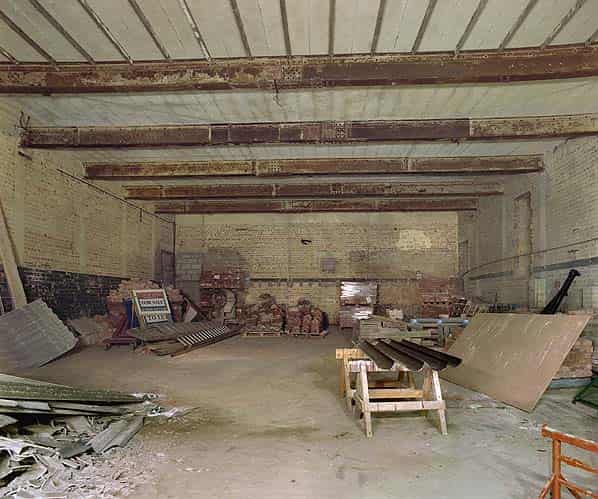
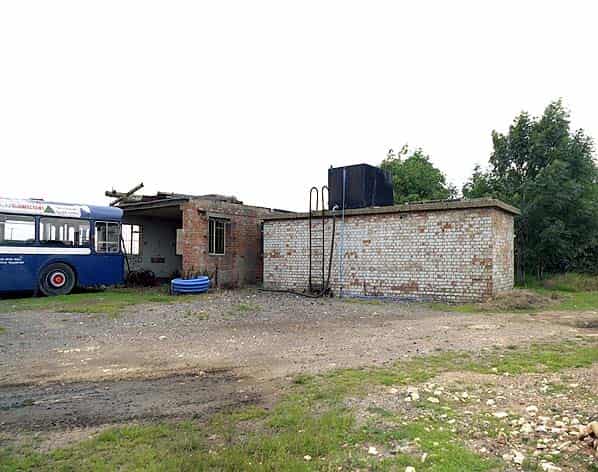
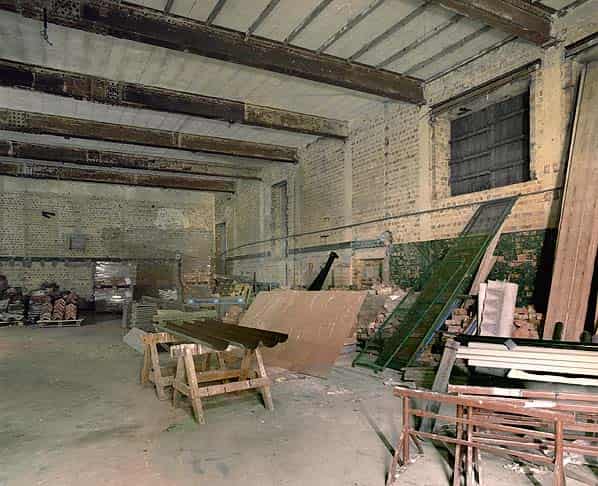
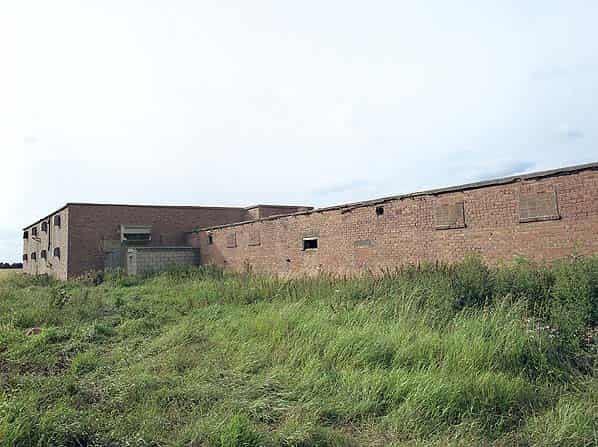
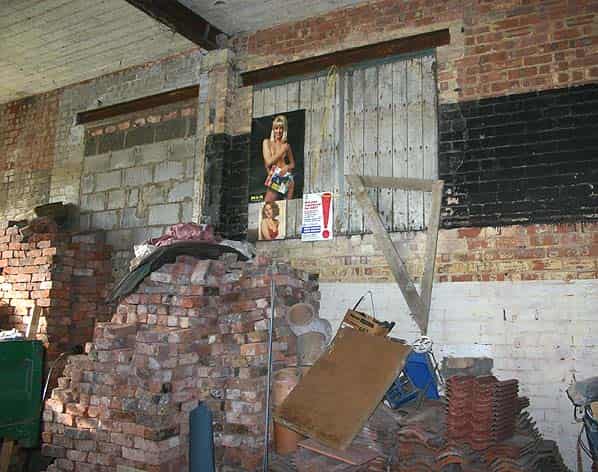
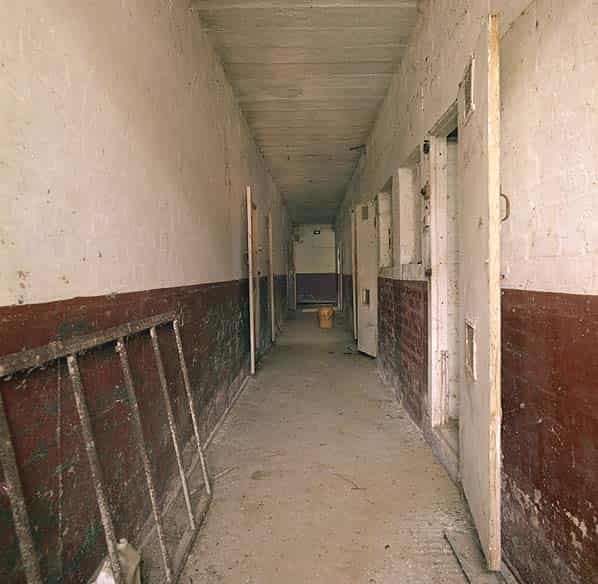
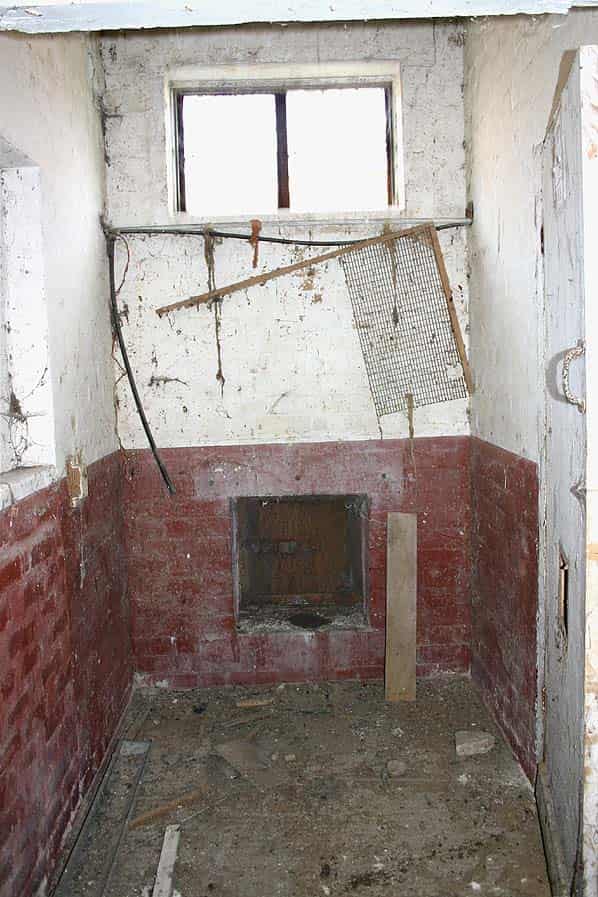
The Happidrome and adjacent standby set house still stand on the north side of a minor road running from Patrington to Sunk Island. The happidrome has been divided into three self contained units. Two are currently let out while the eastern end of the building is at present derelict. This part of the building still retains most of its original room layout including the central spine corridor. At some time it has been used as animal pens and each of the rooms has an animal feeding trough. All the rooms have been stripped of any original fixtures and fittings. A new porch has been built on the west side to give access to this part of the building. The original steel emergency exit hatch at the southern end of the spine corridor is still in place.
Two sets of large double steel doors have been installed at the north end of the building giving access to two large rooms. Most of the rooms in this part of the building were at a raised level with the intercept cabins and controllers overlooking the reporting hall located in a sunken well. All internal partition walls, stairs and the balcony have been stripped out and the two windows overlooking the reporting hall have been bricked up.
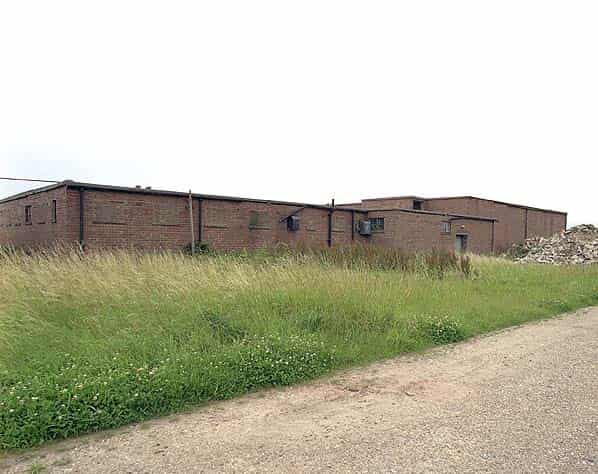
The standby set house is externally in good condition, it too is let out and is used for storage but an internal inspection was not possible.
The underground R7 well was located close to a field boundary to the north west of the happidrome. The field boundary has now been removed and the whole area is cultivated so it is assumed that the bunker has been demolished and the hole infilled.
The Intermediate Transportable GCI Type 8C was located to the west of the happidrome.
There is no evidence of any of the buildings associated with this phase and the land is now part of the same cultivated field.
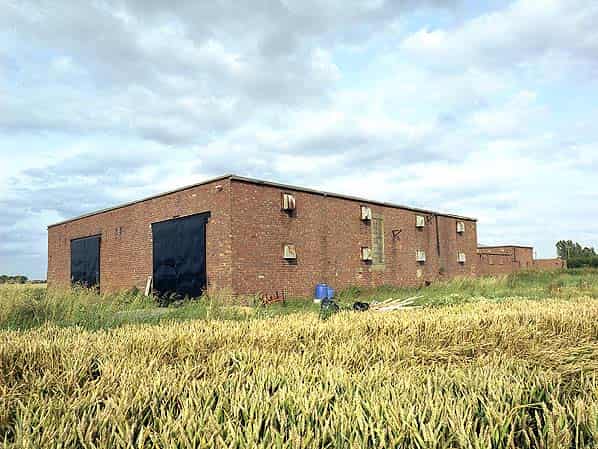
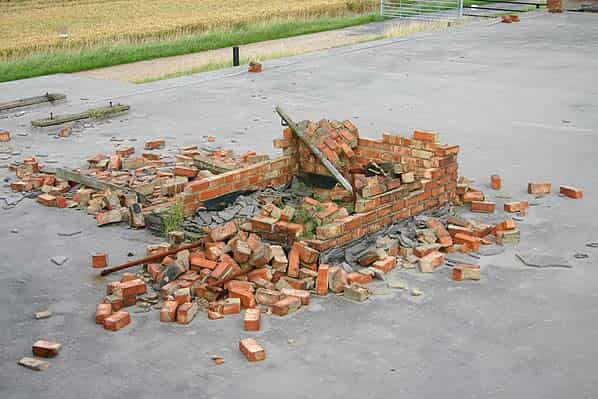
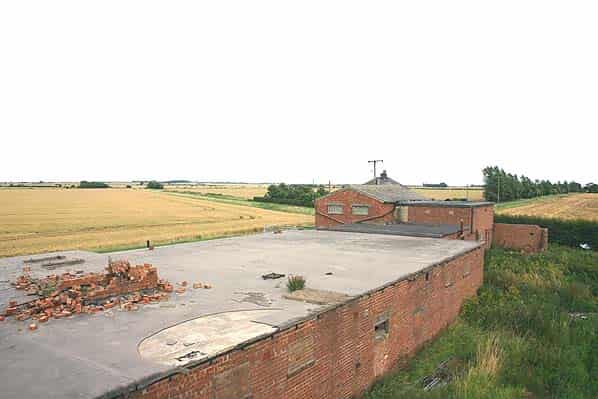
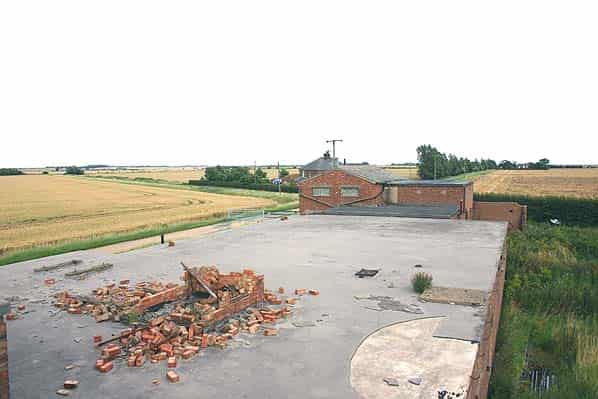
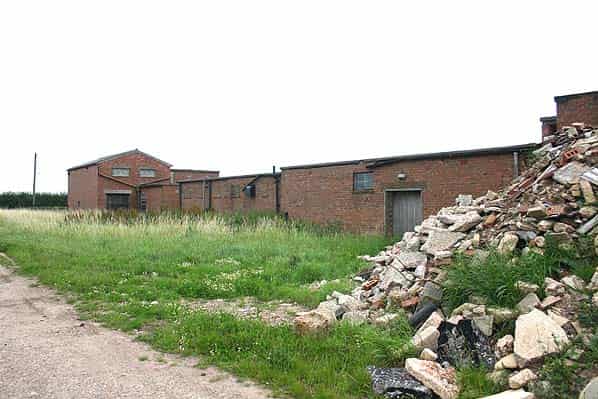
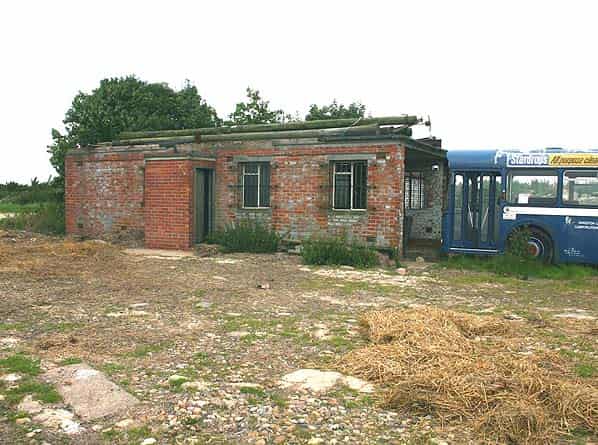
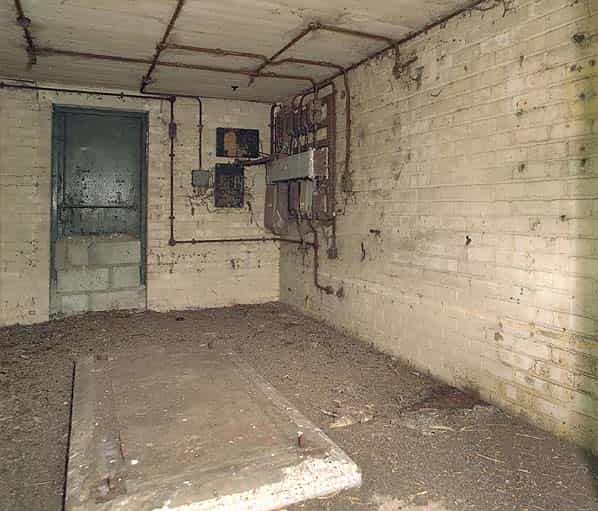
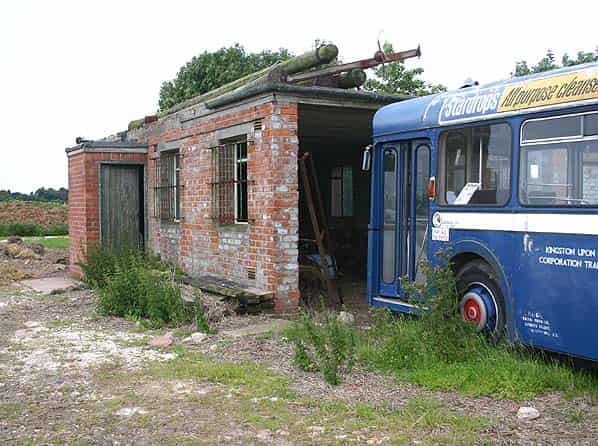
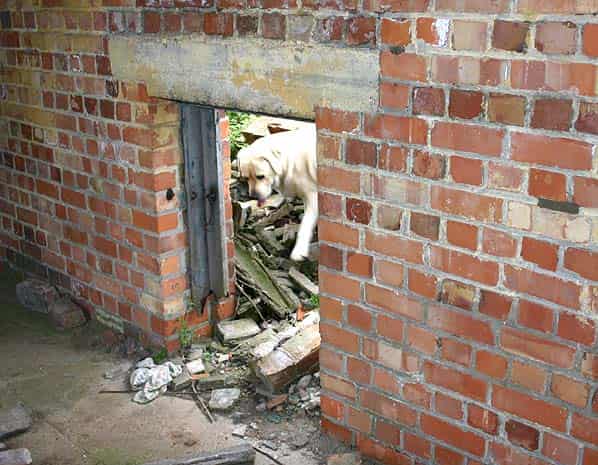
The VHF transmitter and receiver blocks have both survived. The receiver block stands at the rear of the Beaconsfield Farm yard. All three buildings still stand although one end wall of the receiver building (TA31102164) has been removed to give vehicle access. The standby set house still retains a concrete plinth for the generator and has electrical switchgear mounted on the wall.
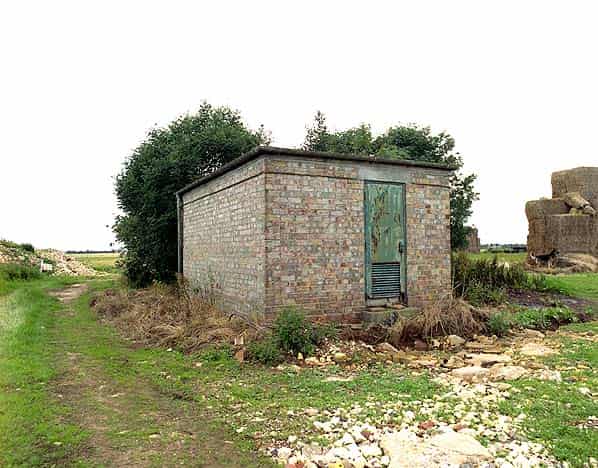
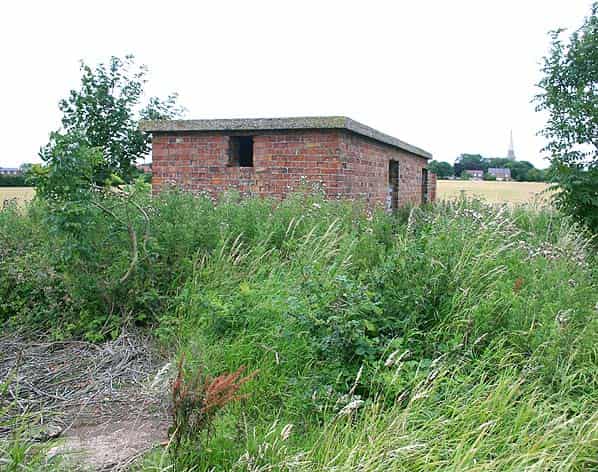
The transmitter building (TA31302200) stands in the middle of a cultivated field. There is some damage to one end of the building. The rest room and standby set house have been demolished although their concrete bases remain in the undergrowth as does one of the concrete pads that supported the aerial mast. The owner of Beaconsfield Farm is planning to demolish all the buildings as he has no use for them.
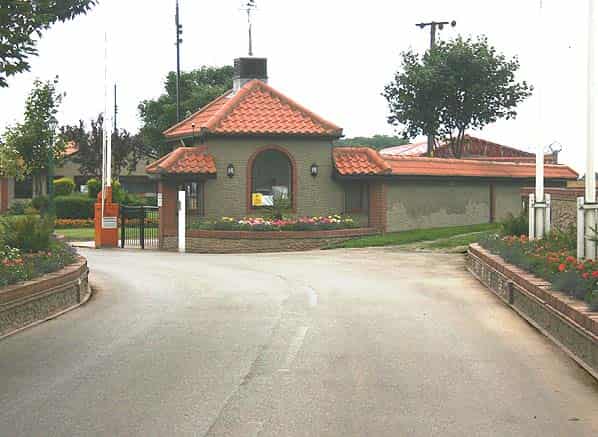
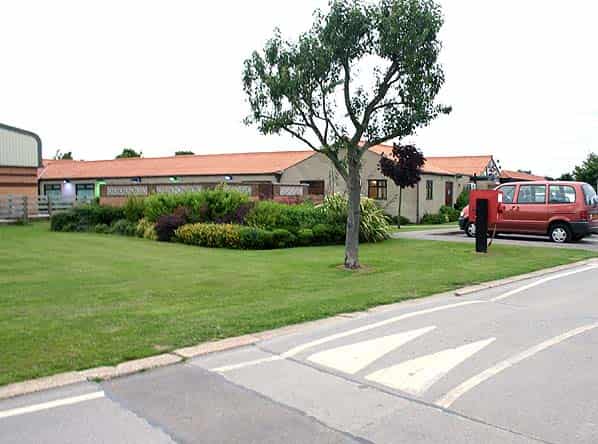
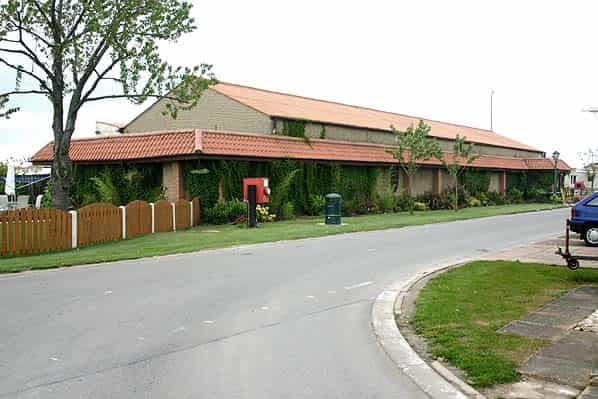
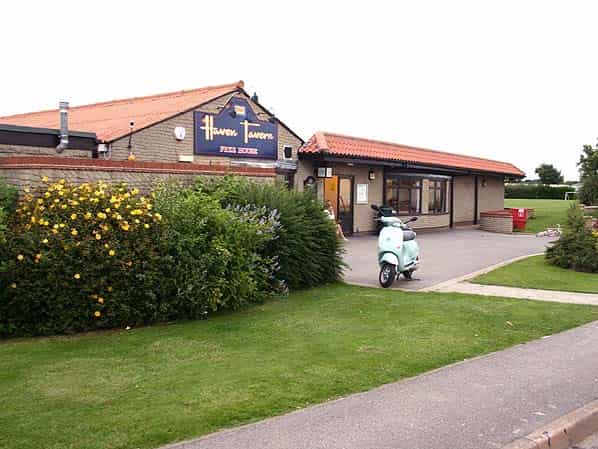
The Patrington Haven Leisure Park now stands on the site of the domestic camp (TA301212). Although most of the buildings have been demolished a few have been re-clad and incorporated into the park. The guardhouse is still standing at the entrance acting as the gatehouse to the leisure park. The large MT shed can be seen just inside the entrance, although altered it is still clearly recognisable. In the middle of the park the Haven Tavern entertainment centre is also an old camp building, perhaps the Station Headquarters or mess rooms, A few other buildings also survive including a sub station. The ROTOR married quarters alongside are now in private occupation.
Sources:
- Bob Jenner
- Dr. James Fox
- PRO Files: AIR 2/10984, AIR 2/11178, AIR 25/686 End of war report, AIR 28/1521 Operational Record Book, AVIA 7/958 Location site plans
- Thanks to Steve Medcalf for arranging access to the happidrome