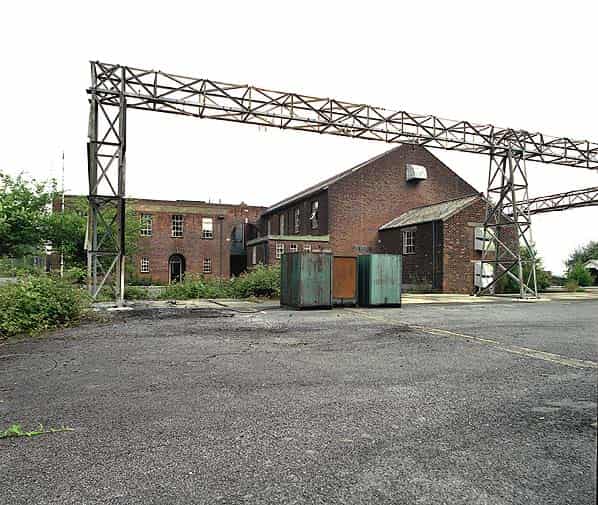
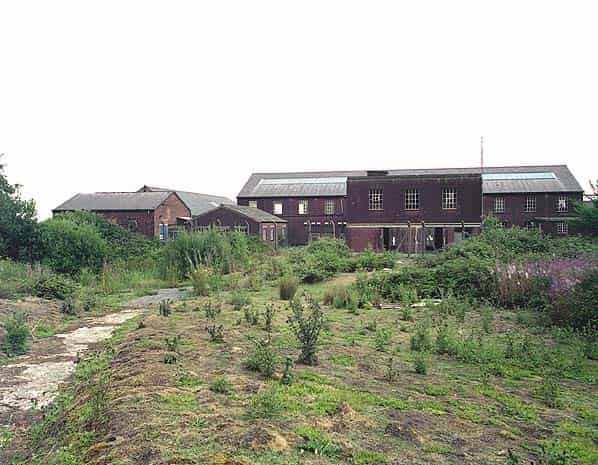
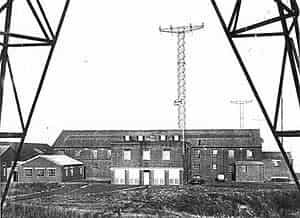
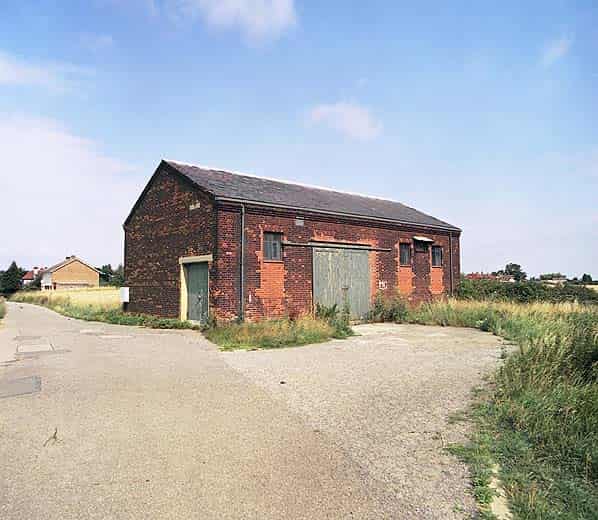
Ongar Radio Transmitting Station occupied a site of 730 acres at North Weald in West Essex adjacent to the late 19th Century North Weald Redoubt, one of 13 London Mobilisation Centres.
It was originally built in 1920 and operated by Marconi’s Wireless Telegraph Company. In September 1929, control passed to Imperial and International Communications when the telegraphic communications of the Empire were placed in the hands of a single operating company. The name of the company was changed to Cable and Wireless in June 1934 and the company owned the radio station until the passing of the Commonwealth Telegraphs Act, 1949, whereby the United Kingdom radio services of the Post Office and Cable and Wireless Ltd. became integrated on April 1st 1950. Ongar Radio was one of three pairs of transmitting stations, each pair consisting of a transmitter and receiver station; Ongar being paired with Brentwood.
These dates have figured prominently in the stations affairs, nevertheless traffic continued to flow steadily despite the vicissitudes of transition and the changes in stationary.
The original scheme was for a short wave beam station with four transmitters housed in three buildings, two in ‘A’ station, one in ‘B’ station, one in ‘C’ station plus a power house with three Vickers-Petters diesel engines coupled to DC generators. The A B & C stations and the power house were separated from each other by up to half a mile.
The first radio-telegraphic services from Ongar in 1921 connected London with Paris and Berne using Morse code. The transmitters were designed to operate simultaneously from ‘A’ station and the signals were mixed and radiated from one aerial on two different frequencies.
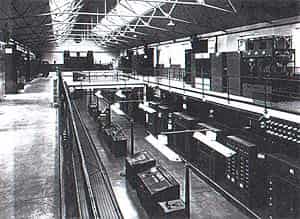
The first short wave transmitters installed at Ongar were GLS and GLQ known as Gee London Sugar and Gee London Queenie, both rated at about 6kW. They were installed in 1924, adjacent to the ‘C’ station building and radiated from single harmonic aerials; just pieces of vertical wire of no specific length.. The ‘C’ station short wave transmitter hall was completed in 1931 when five SWB 1 (Short Wave Beam) transmitters were installed. The Morse signals came down the line from Radio House (the Marconi station in London) where the operators punched out the messages and amplifiers at Ongar stepped up the voltages until the full radiated power of the transmitters was chopped into dashes and dots. The beam wireless picturegram service opened between London and Melbourne in 1934 with the transmission of facsimiles being added to Ongar’s functions.
There was a programme of continual progression at Ongar, two new 120kW long wave transmitters were installed and the gaps in the short wave building were gradually filled with more transmitters. During 1939 and 1940 the original SWB 1’s were converted for cooling by water instead of oil to reduce the risk of fire by incendiary bombs.
With the closing down of the Tetney Transmitting Station in 1943 a further concentration of the Cable & Wireless services was brought about by re-erecting the Tetney masts and beam aerials at Ongar. These were fed from a new building known as ‘D’ station, three quarters of a mile from the main station. This was the first transmitting station in the country to run completely unattended except for visits from maintenance staff. Four 25kW short wave transmitters were installed to take over the services to Bombay, Melbourne and Moscow while a fifth 20kW transmitter known as ‘D1’, of an advanced design, communicated with Cairo and the Middle East.
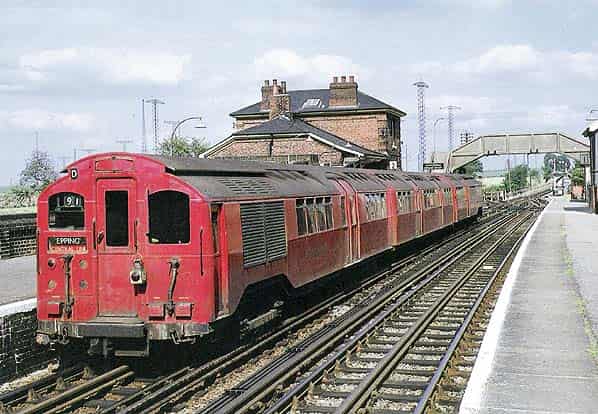
With the completion of ‘D’ station in 1944 another building to be known as ‘E’ station was under construction for further expansion of the telegraphic services. This was located on the south side of the Epping - Ongar railway line and no aerials were allowed to cross the line. It was designed for six transmitters of the SWB 8/10 type feeding a self-contained group of rhombic aerials.
It was common practice for 26 of the 31 transmitters at Ongar to be radiating simultaneously during peak traffic periods in the afternoon and evening. This represented a load of over 800kW from the power supply and 280kW of radiated energy.
In 1971 Ongar Radio was refitted with transmitting equipment costing £1M. A total of 23 new self tuning high frequency radio transmitters made Ongar one of the most up-to-date radio stations of its kind in the world transmitting telephone, telegraph and facsimile services to Eastern Europe, the Middle East, Africa and South East Asia from the new rhombic aerials which replaced the now outdated beam arrays. Its new status was however short lived.
After 1971 the national high frequency rationalisation scheme then being implemented concentrated the maritime telegraph service at Rugby and Ongar and this eventually became Ongar’s main function. As Ongar was refitted the station at Slip End near Baldock closed with its traffic being passed to Post Office radio stations at Bearley in Warwickshire and Somerton in Somerset. Due to the spread of satellite, cable and fibre optic communications the existing stations were gradually closed over the next 20 years. The buildings at Ongar were put to other uses; one building on the main site being used as a BT engine generator test centre while some of the more distant buildings were put to farm use.
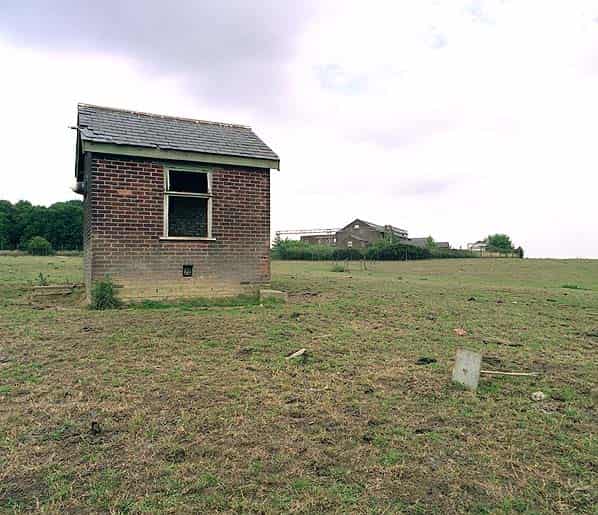
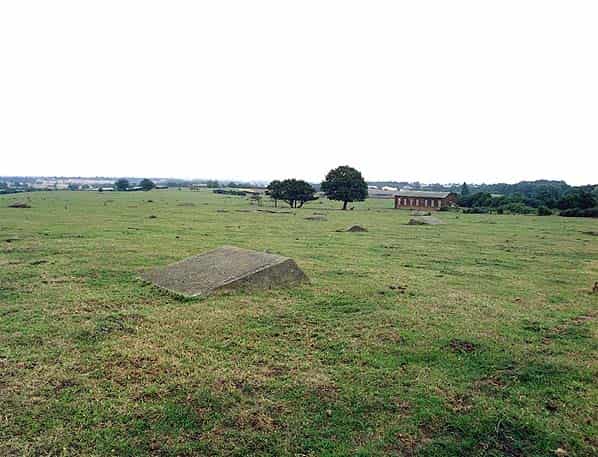
By the mid 1990’s all the aerials had gone and the site had been abandoned and vandalised. Most of the buildings were demolished after a fire in 1997 and the site has now been sold to a property developer. North Weald Redoubt is a listed building and will escape any redevelopment of the site. Work started in November 2002 on a new pay and play golf course that will occupy 160 acres of the site. The 18 hole par 71 course is expected to open in the summer of 2005.
Sources:
- Post Office Engineering Journal