On the 20th June 1940, the Guinness Trust Holiday Home at South Heighton (Newhaven) became a Royal Naval headquarters under the sterner title of HMS FORWARD with responsibility for HMS MARLBOROUGH at Eastbourne, HMS AGGRESSIVE and HMS NEWT at Newhaven, HMS VERNON at Roedean, HMS LIZARD at Hove, and the two Resident Naval Officers at Shoreham and Littlehampton. Naval Stores depots were established at Lewes and Burgess Hill to supply permanent, consumable, and after action stores; and a naval canteen service was organised for the area. Numerous large residential establishments were requisitioned both locally and at Seaford to accommodate the WRNS. Special Sick Quarters were requisitioned, fully staffed and equipped in Gracie Field’s former home, now Dorothy House, 127, Dorothy Avenue, Peacehaven. It is recorded that there were eventually over ten thousand naval staff on HMS FORWARD’s ledgers.
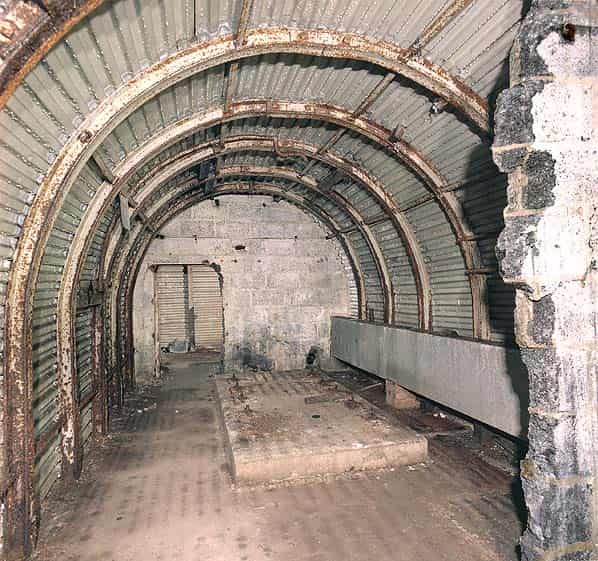
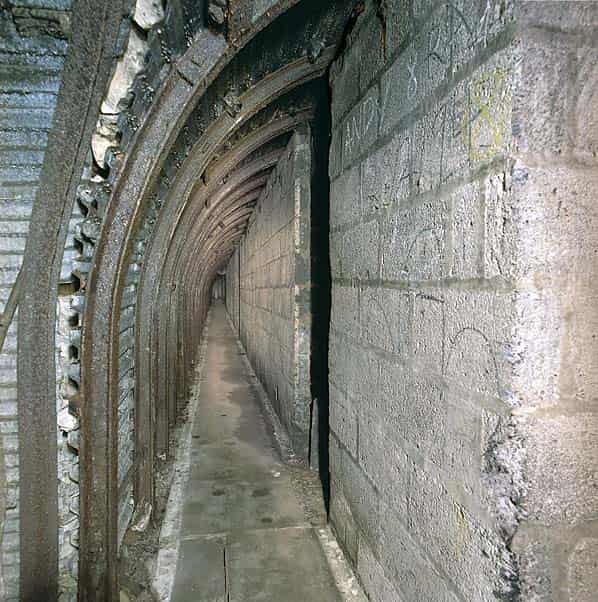
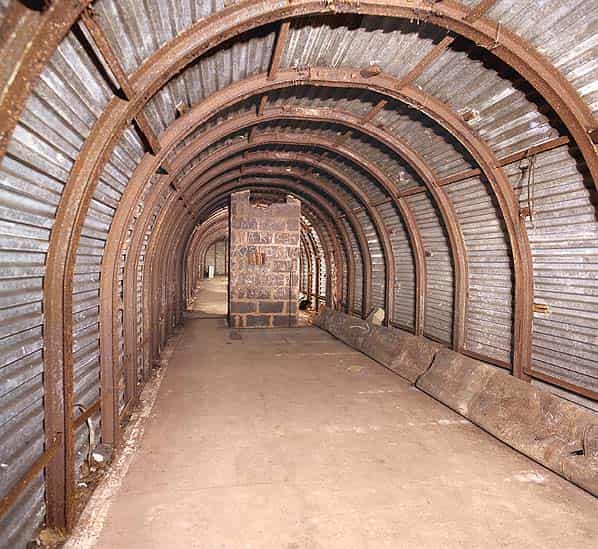
In March 1941, an Admiralty direction ordered specified Channel ports to establish and maintain naval plots in conjunction with a coastal radar chain giving surface coverage from the Dover area. This spread to Newhaven and, to protect the plot and communications equipment, it was decided to burrow deep into Heighton Hill.
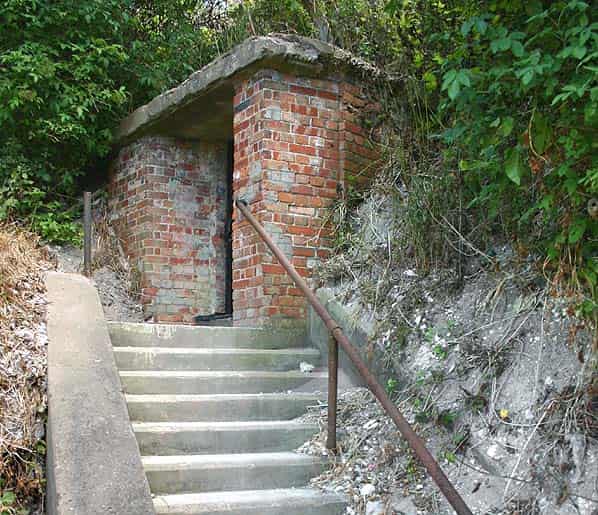
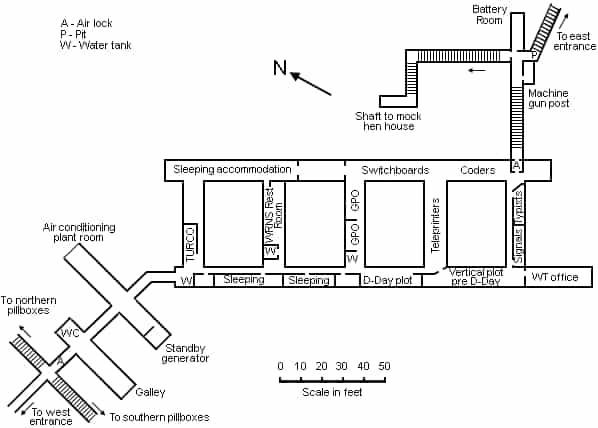
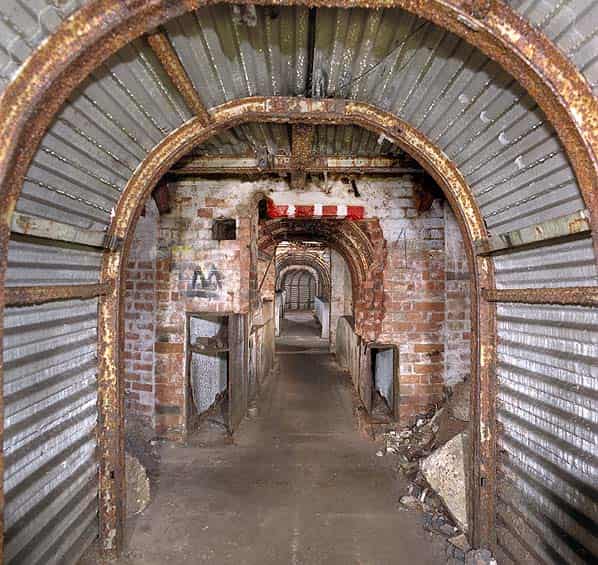
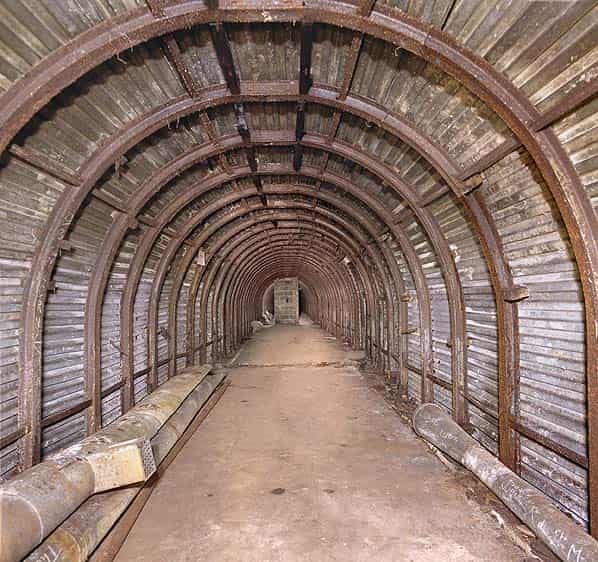
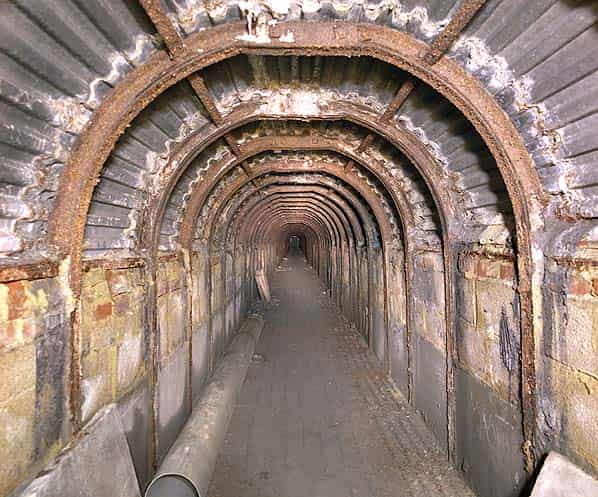
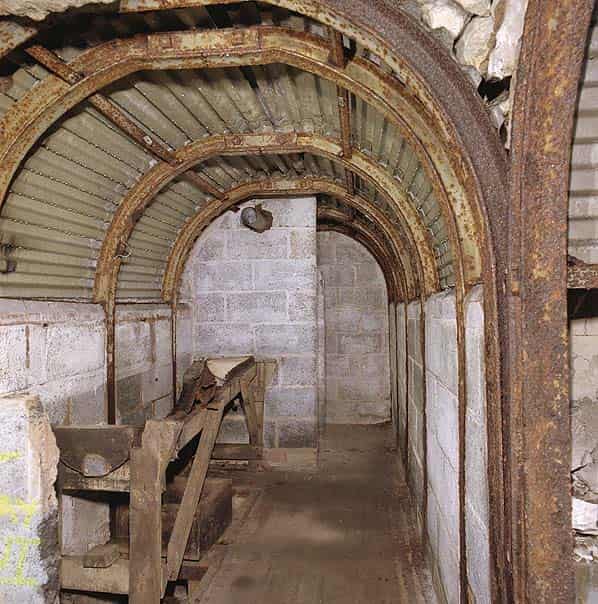
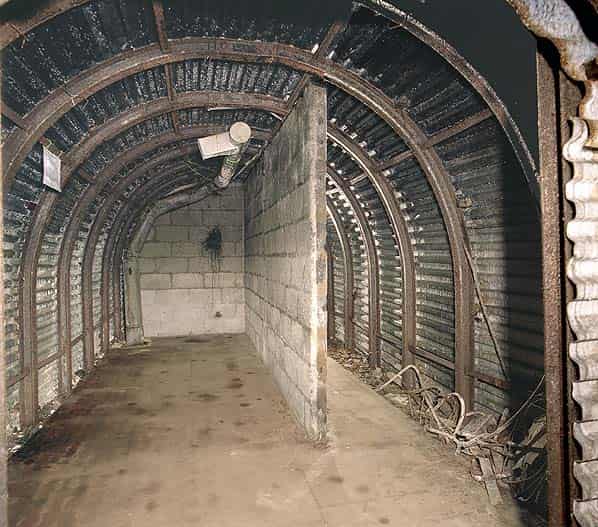
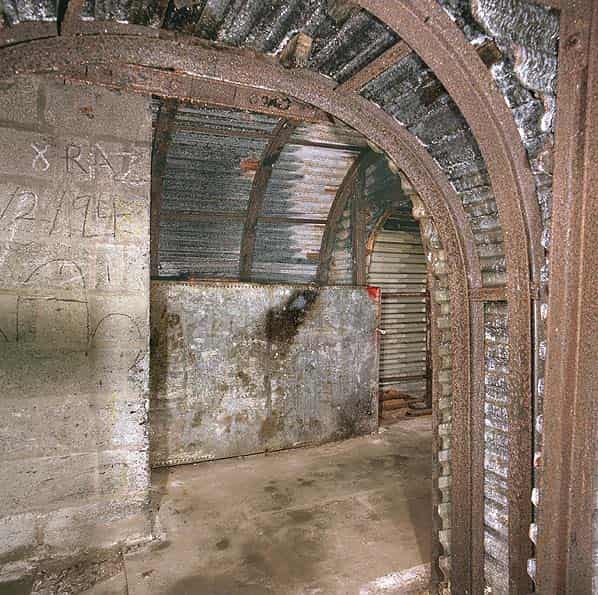
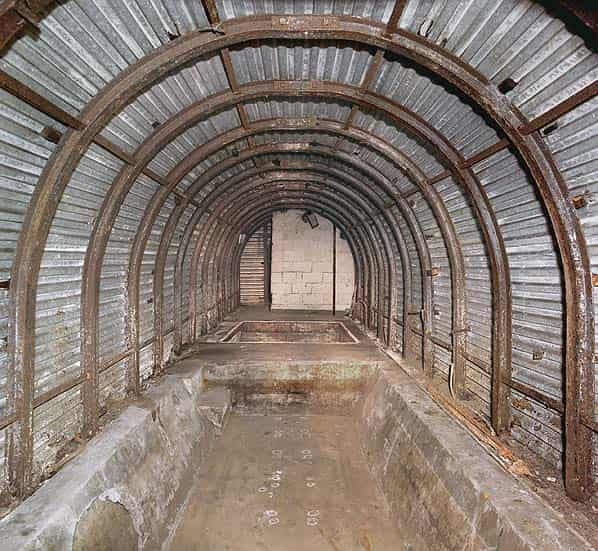
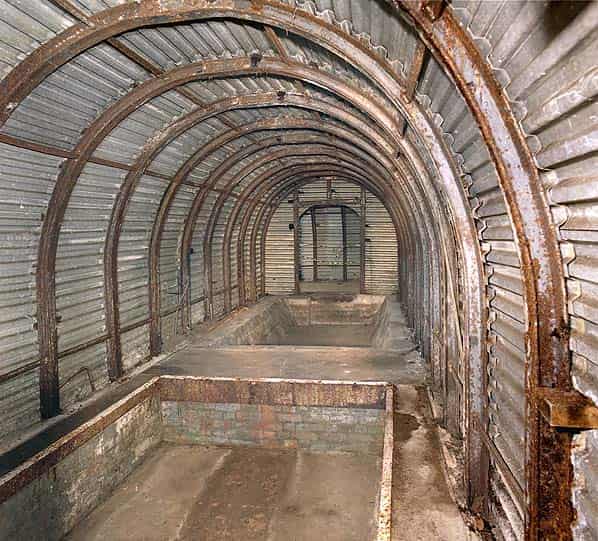
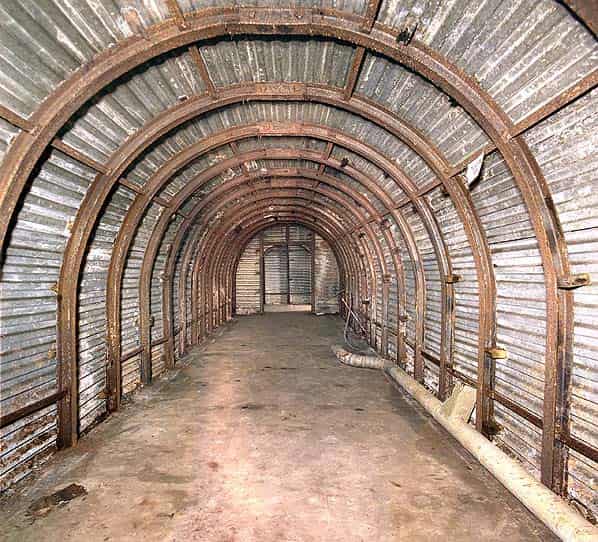
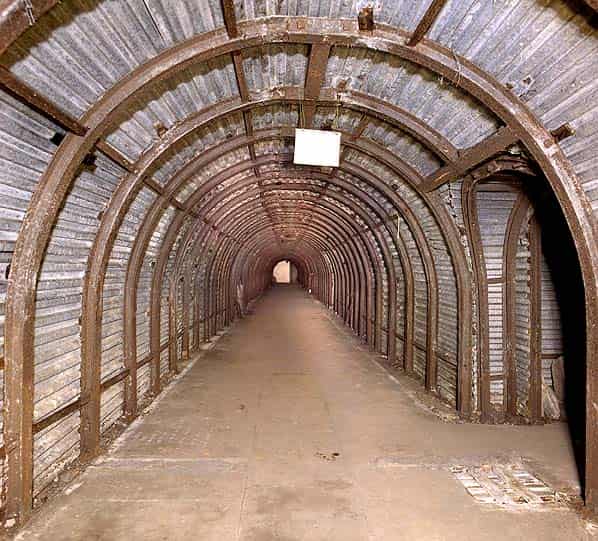
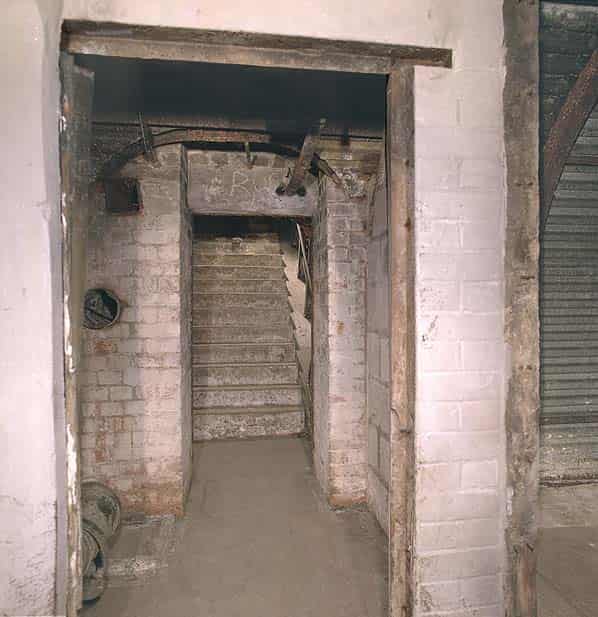
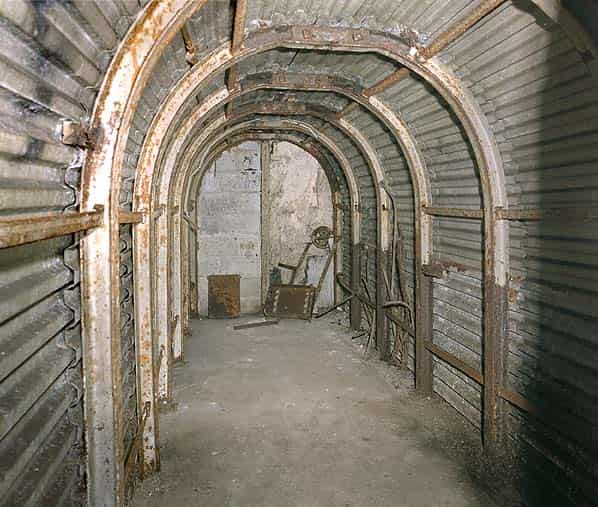
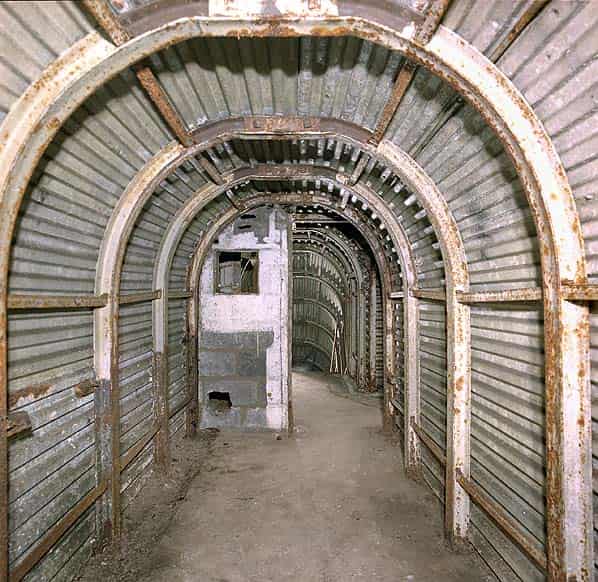
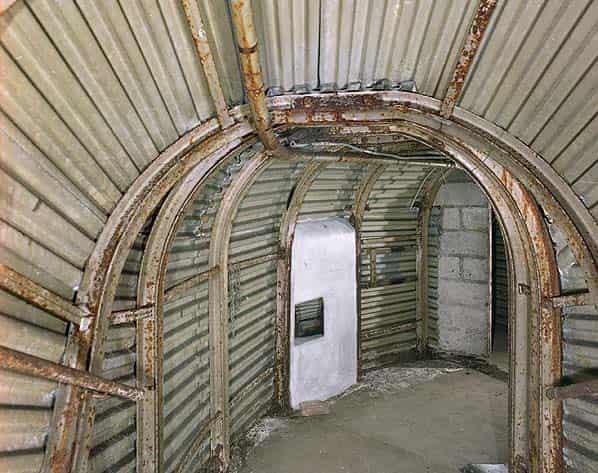
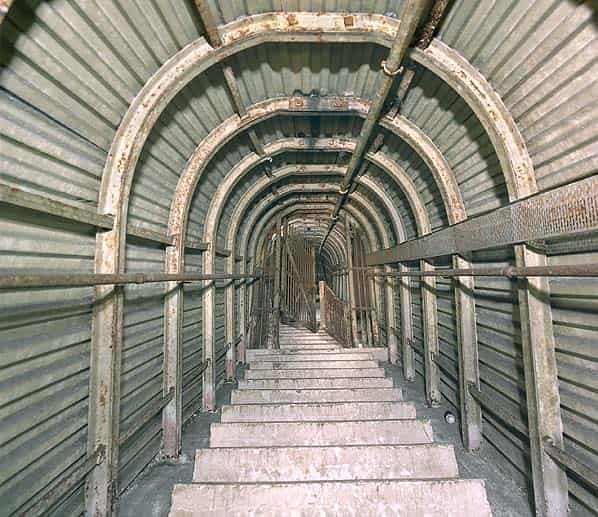
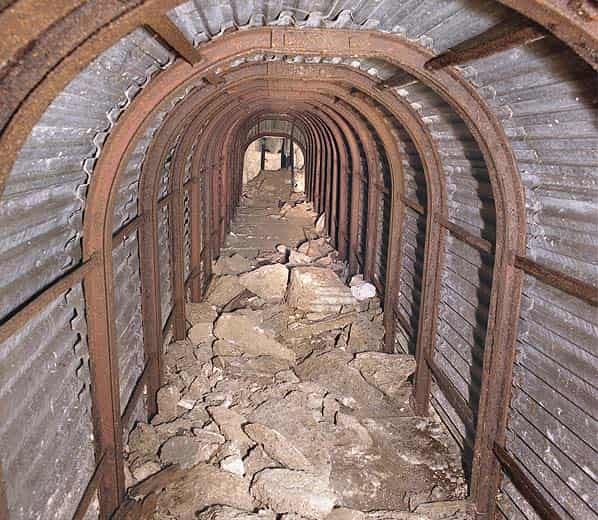
The mass of equipment required for intelligence gathering, interpretation, and dissemination, was assembled sixty feet below ground. The principal operational entrance, situated in room 16 of the Guinness Trust Holiday Home gave access via one hundred and twenty two steps to an impenetrable fortress and the most sophisticated contemporary communications devices.
No expense was spared and the complex was well equipped for every contingency, from direct enemy action to failure of the public utilities.
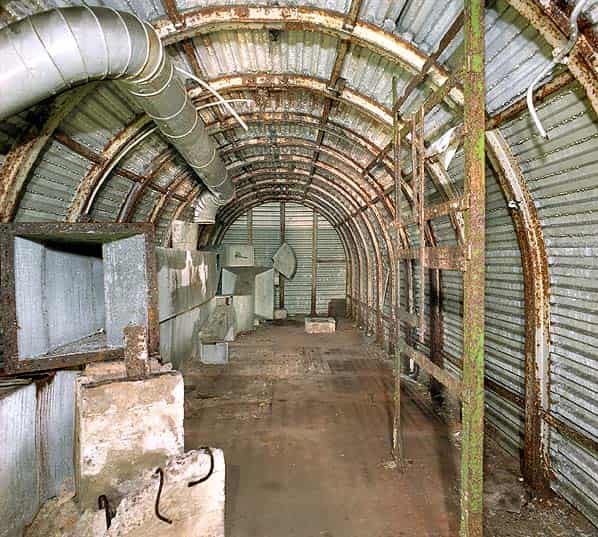
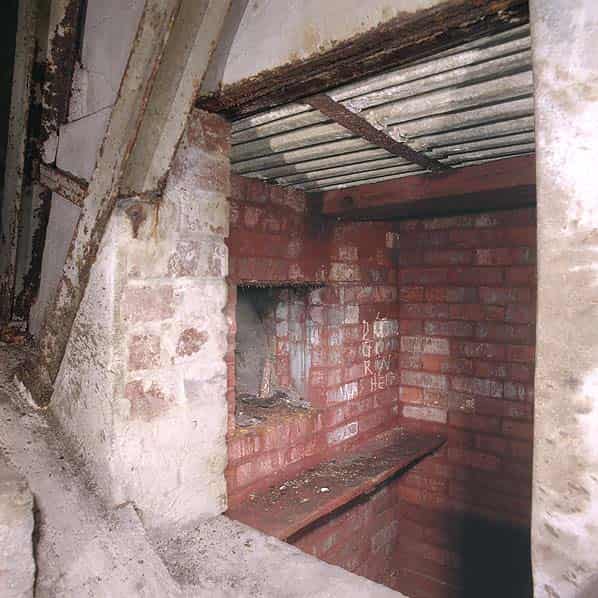
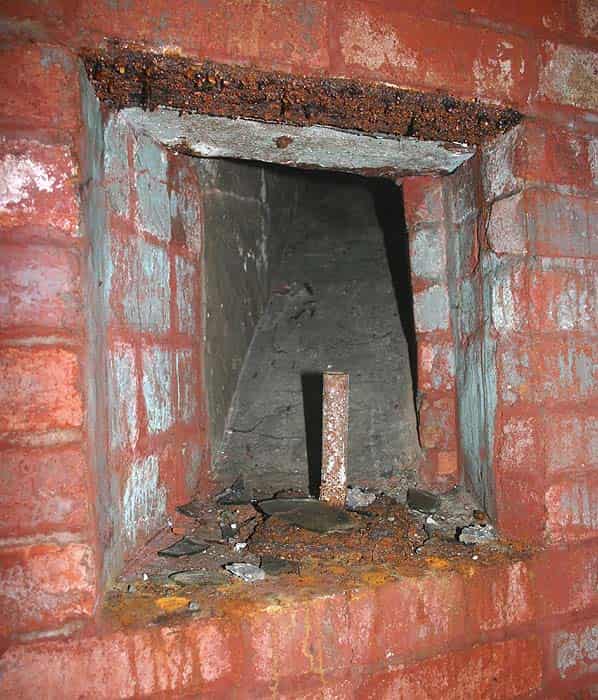
There were two telephone exchanges, a W/T office with eleven radios, a VF line telegraph terminal for 36 channels, ten Creed 7B teleprinters, two Typex machines, a stand-by generator, an air-conditioning system with gas filters, a galley, toilets, cabins for split shifts, and the recently invented ‘daylight’ fluorescent lights.
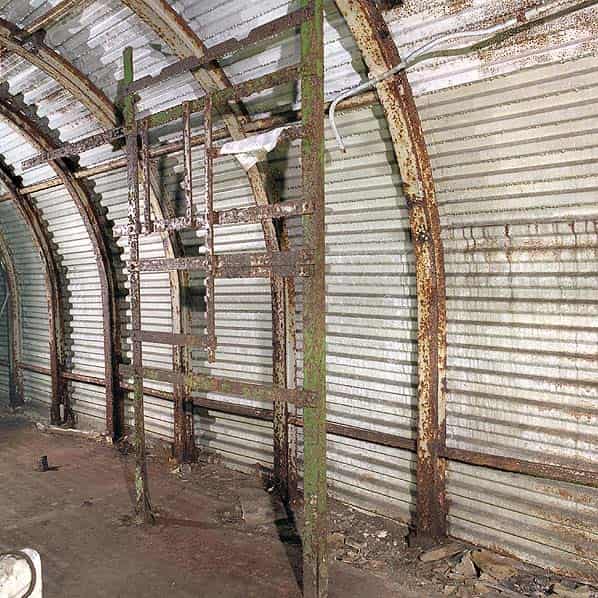
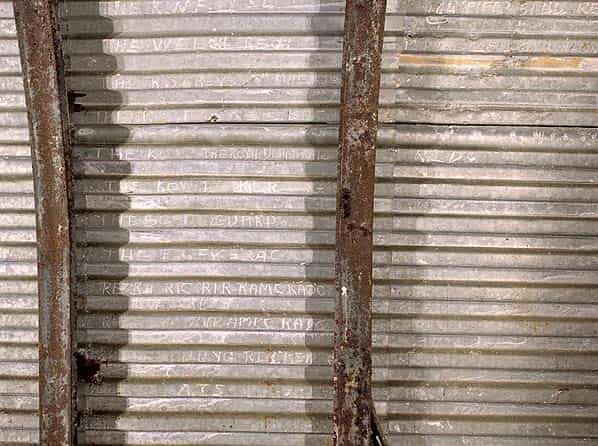
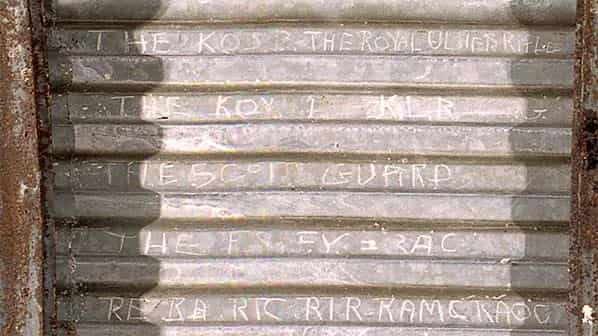
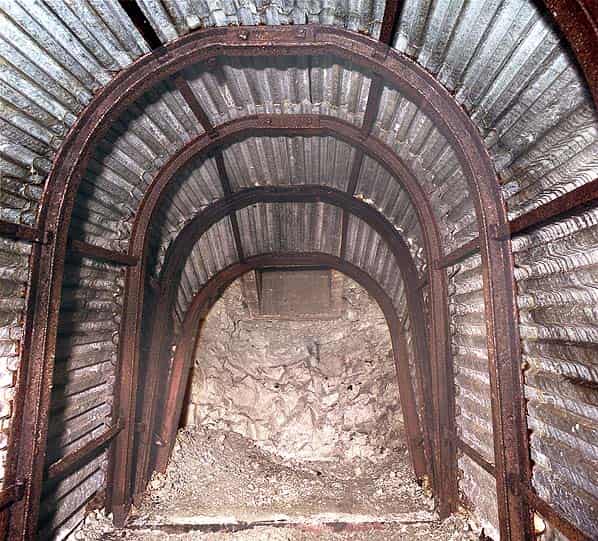
Col. FH Foster DSO OBE TD RL RIBA CRE 4 Corps Troops Royal Engineers disclosed how he designed the subterranean labyrinth after visiting Montgomery’s headquarters at Reigate. It was excavated by the 1st Tunnelling Engineers Group, No 172 Tunnelling Company, (No 2 Section), under Major Lindsay Foss. No 577 Army Field Coy Royal Engineers was engaged in the fitting out under Major R Hawker. Excavation of the tunnel commenced in May 1941. It was completed by 14 November 1941 and used until decommissioned on 31 August 1945. The Canadian Corps Coastal Artillery who also maintained a headquarters here shared the tunnel.
HMS FORWARD maintained a comprehensive maritime surveillance of everything that moved on, under or over the English Channel from Dungeness to Selsey Bill. Ten coastal radar stations between Fairlight and Bognor Regis reported directly to HMS FORWARD. All information was filtered and plotted and also relayed by teleprinter to similar plots at Dover and Portsmouth.
HMS FORWARD was heavily involved in the saga of the German battle cruisers Scharnhorst, Gneiseneau and Prinz Eugen on 11 February 1942, the Dieppe Raid of 19 August 1942, D-Day, and nightly MTB harassment raids and commando ‘snoops’ on the occupied French coast. Air/sea rescue was also coordinated from here.
Geoffrey Ellis, who saw this establishment being excavated, spent four years diligently researching the history of this site. A book and a seventy-minute video entitled THE SECRET TUNNELS OF SOUTH HEIGHTON detail the revelations produced by site surveys, official archives, and military and civilian veterans who served here during the war, revealing authentic information about un-archived details concerning the equipment, accommodation, procedures, and administration of the establishment. Previously unknown to English Heritage, EH now recognises that ‘the site is of National Importance having performed a vital role in the forefront of both offensive and defensive operations carried out in W.W.II.’
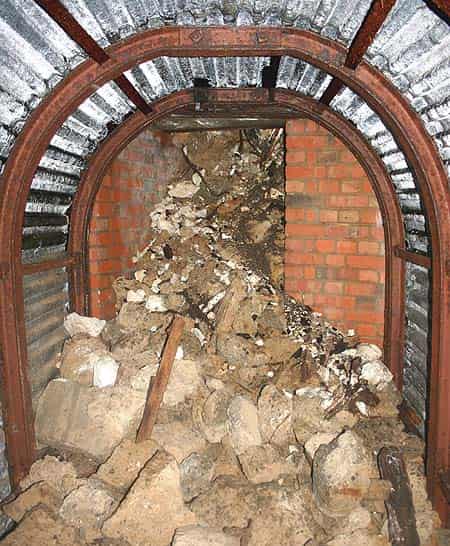
A group called Friends of HMS Forward was convened in November 1999 with the objective of restoring the former HMS FORWARD tunnels to a standard conforming with current legislation suitable for public access as a site of historic interest. During our research we discovered that 1970’s urban development of the hillside had resulted in ownership of the tunnels becoming fragmented under English Law. Faced with the unfortunate consequences of a multitude of unwitting proprietors who were most displeased to discover that they were now legally responsible for something they formerly knew nothing about, and that they were never going to concede 100% to a 999-year legally-acceptable lease that we needed before we could bid for a Heritage Lottery Grant, the regretful decision was taken to abandon our objectives. It had cost The Friends of HMS Forward more than £500 p.a. for seven years in public liability insurance alone just to enter the tunnel to do our fingertip research and to produce detailed drawings and photographs of the labyrinth and our discoveries for the information of generations to come before the labyrinth becomes too dangerous to enter.
This intolerable drain on our meagre resources was unsustainable and the decision was made to disband the Friends of HMS Forward in 2007.