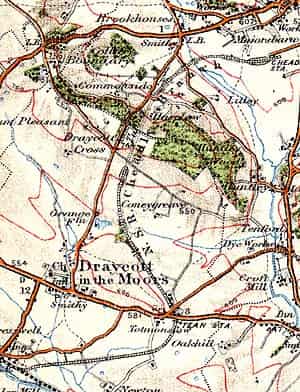
The North Staffordshire Railway opened their Stoke on Trent to Uttoxeter line in 1848. As this missed Cheadle by three miles there were several abortive schemes for a branch line to serve the town. On 18th March 1887 the Cheadle Railway, Mineral & Land Co. Ltd. was formed and they proposed a new route from the North Staffordshire line at Creswell, through Totmonslow to a terminus on the south of Cheadle. Public support and money for the venture was quickly forthcoming with £100,000 being raised and construction started on 22nd March 1888. Fifty men and a team of horses were engaged on this work and a month later the first quarter of a mile had been built. The money soon ran out however which delayed the completion of the first 1 mile 400 yard section of the line between Creswell and Totmoslow. This was eventually opened on 7th November 1892, four years after construction started.
The section from Totmonslow to Cheadle opened on 1st January 1901, eight years later passing the Draycott Cross shafts of the New Haden Colliery (latterly known as Draycott Colliery) and then through a half mile long tunnel at Draycott Cross to the main New Haden Colliery where exchange sidings were constructed with a half mile long line running west into the colliery. The branch line continued for a further three quarters of a mile to its terminus on the outskirts of Cheadle. Half a mile west of Cheadle there was a junction with another colliery line running north to Park Hall Colliery.
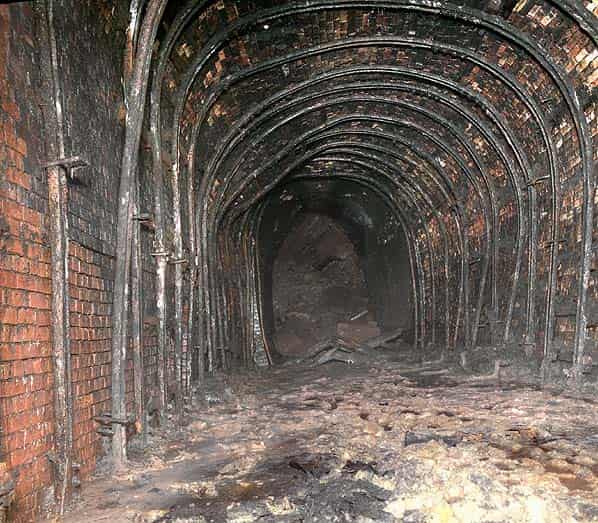
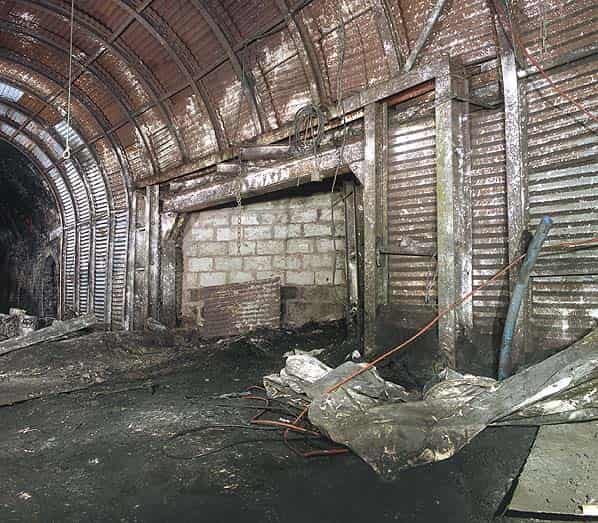
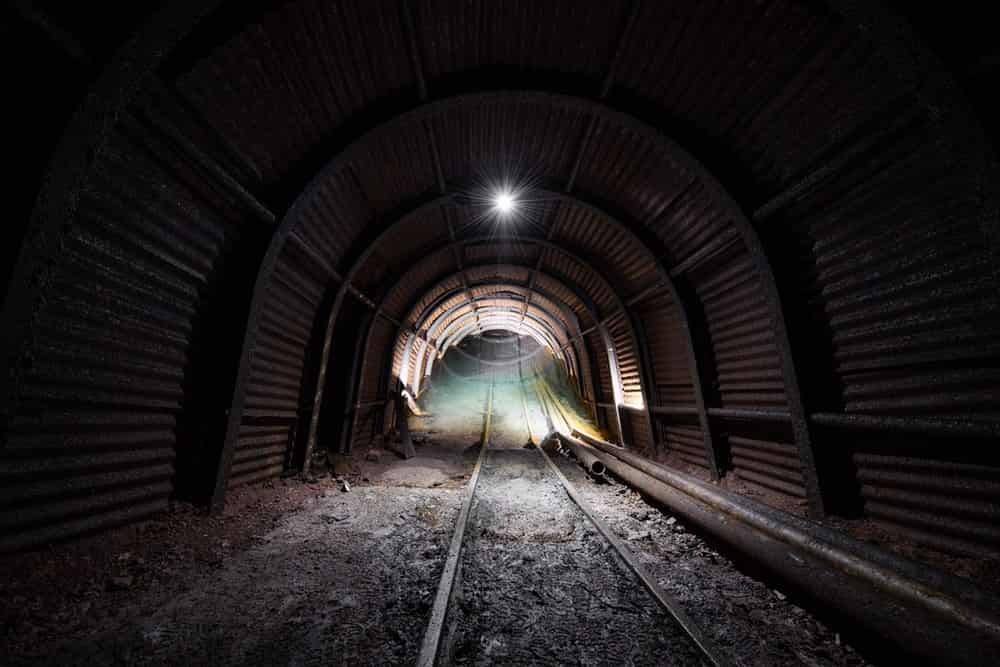
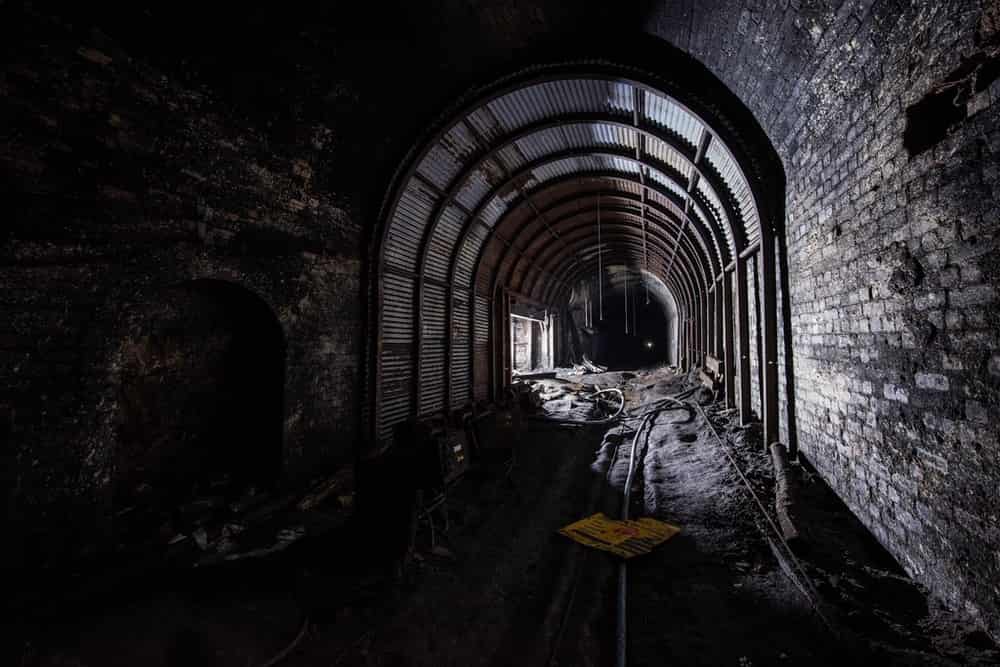
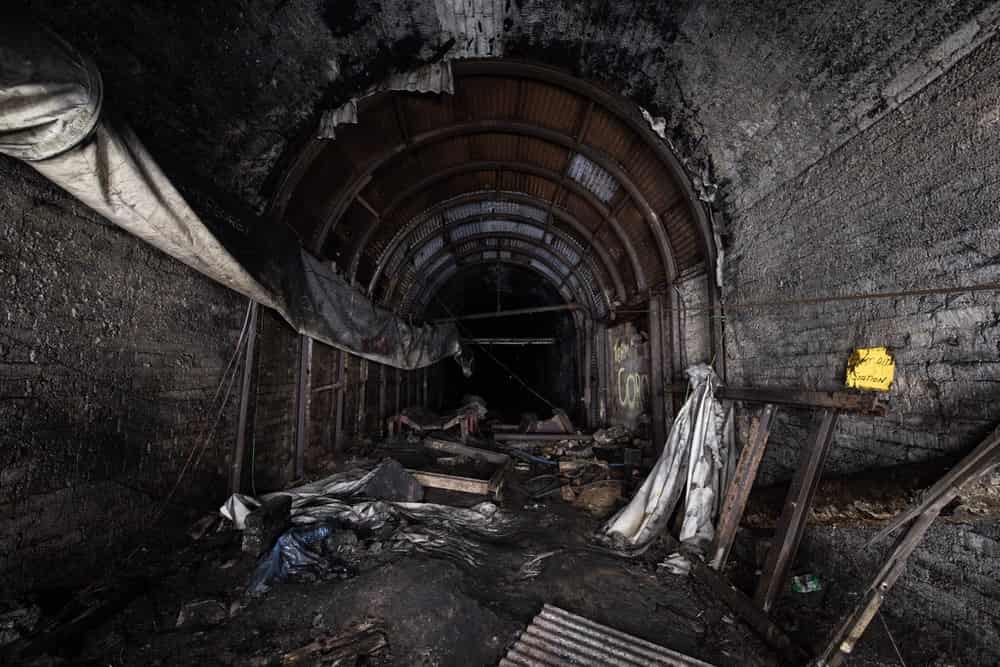
In 1907 the North Staffordshire Railway inherited the line from the Cheadle Railway Company, until that date they had provided the services but not actually owned the line; they were quick to introduce improvements. New buildings were provided at Cheadle and Totmonslow which had been renamed Tean the previous year. Attempts were also made to strengthen the tunnel which had been prone to collapses with regular cracks appearing in the brick lining. In an attempt to stabilise the middle section steel hoops were added at regular intervals.
The North Staffordshire was absorbed into the London, Midland & Scottish Railway Co. in 1922 but problems with the tunnel continued. In 1930 the company decided to abandon the tunnel and build a deviation half a mile to the east removing the need for a tunnel at all.
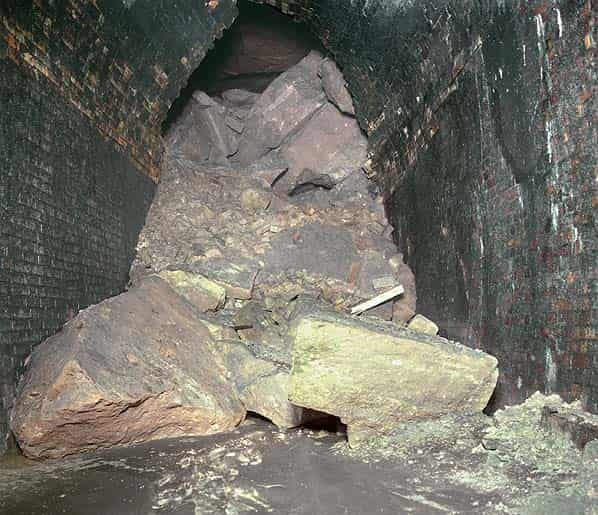
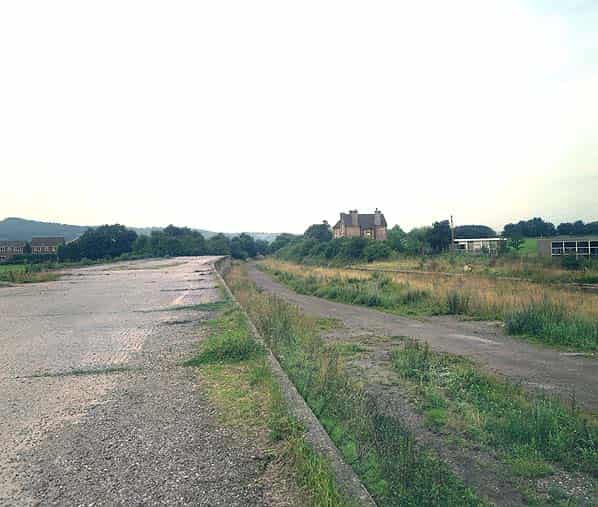
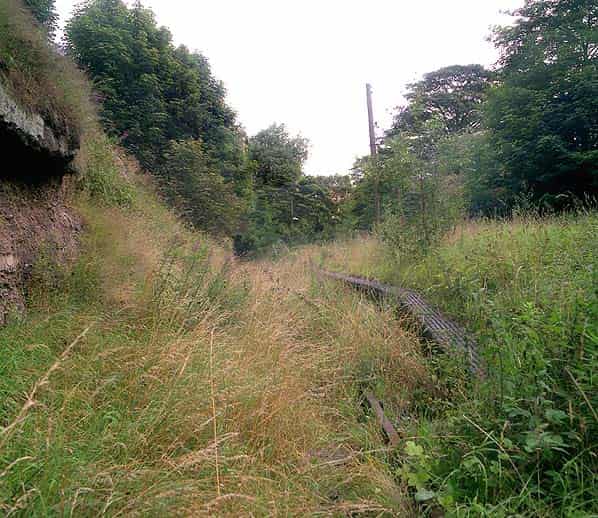
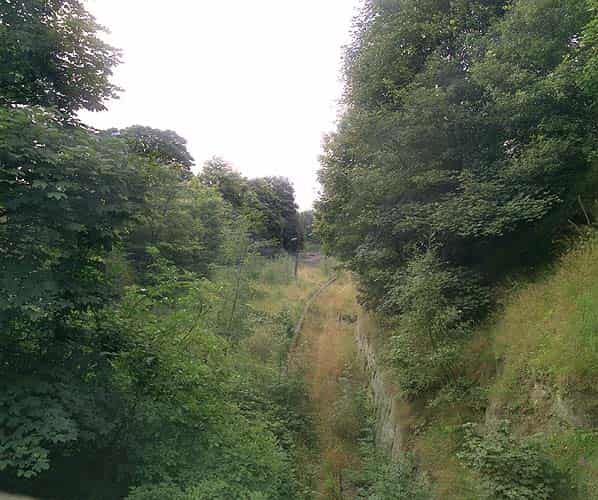
The new line would leave the original course just north of Tean station and rejoin it just south of Cheadle. The section of line between the north portal of the tunnel and Cheadle would be retained to serve Draycott Colliery. To avoid any disruption to services work on the new line started before closure of the old route and it was opened to traffic on 26th November 1933. Since closure the tunnel has collapsed in the middle.
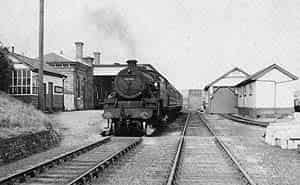
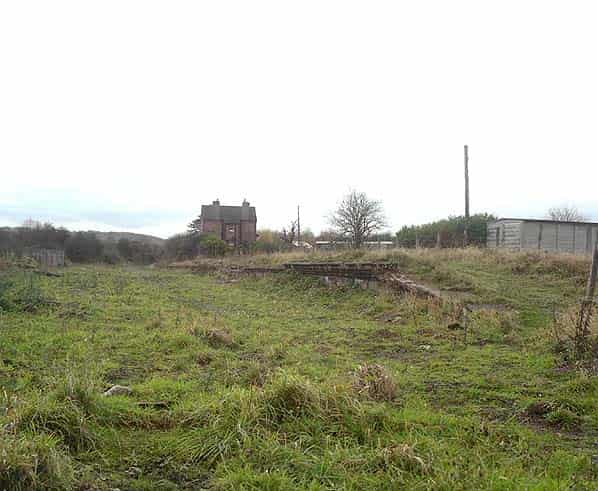
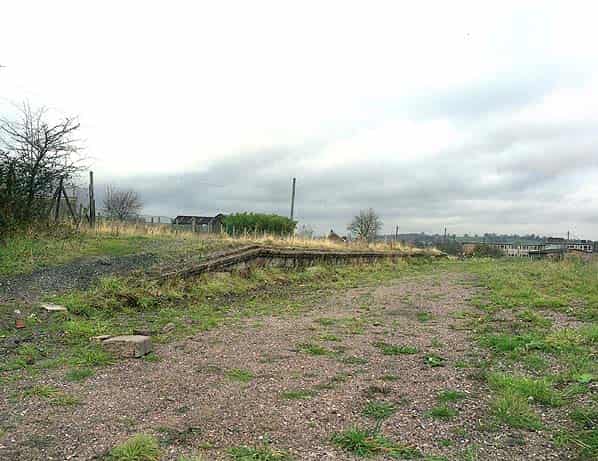
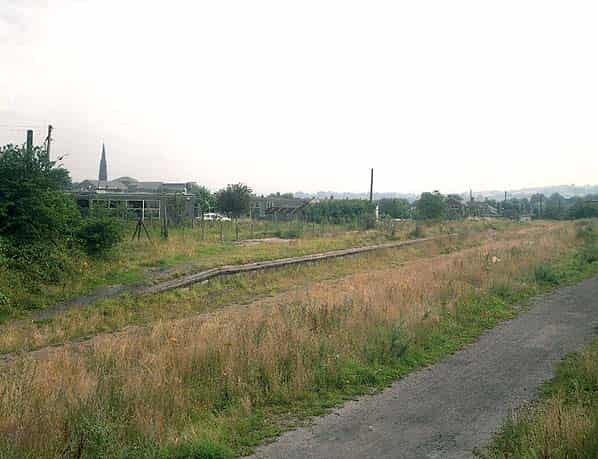
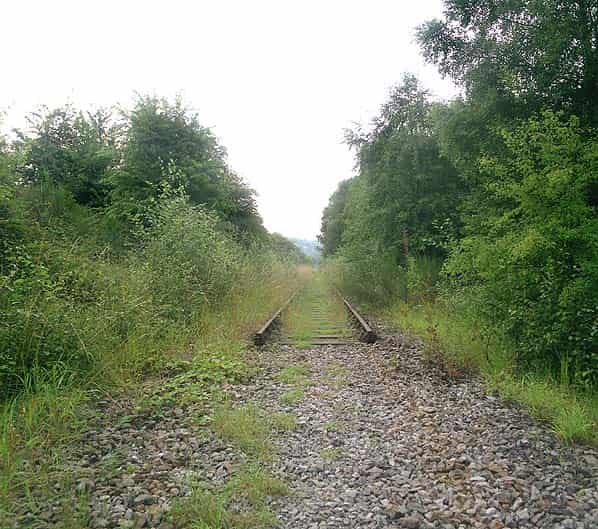
The line was never well used and although it was nationalised as part of British Railways on 1st January 1948 it was not to survive much longer. Tean Station, which by then had been reduced to a halt was closed five years later on 1st June 1953. Although diesel traction was introduced on the line in 1958 there was no improvement in passenger numbers and closure was announced with the last passenger train running over the branch on 17th June 1963. Freight traffic continued until 1978 when the branch was completely closed. Shortly afterwards the junction at Creswell was lifted and in 1994 the last quarter of a mile into Cheadle Station was also lifted and the station demolished prior to the building of a new housing estate. At the time of writing the remainder of the track is still in situ as is the platform at Tean.
The Cheadle Coalfield has been mined on a small scale for many hundreds of years by digging bell pits.
There is very little recorded history of these early mines as many of them were only in operation for a few years. The first deep mines were sunk in the 18th century as the whole of the Cheadle Coalfield was developed. The major mines in the vicinity of the railway were Park Hall (SJ994445) and Draycott (SJ986425) Collieries at Cheadle and Foxfield (SJ977447) at Dillhall. Draycott actually consisted of two mines with two shafts sunk close to the southern portal of the railway tunnel while the main complex was located half a mile west of the north portal.
The southern shafts were never productive and it is doubtful if any coal was ever extracted. The shafts were quickly abandoned and in 1944 one of them was utilised by the Staffordshire Potteries Water Board and is still in use today. The other shaft was capped with concrete.
Park Hall Colliery closed in 1930 and Draycott Colliery probably closed in the 1940’s. A 1949 Ordnance Survey map shows the line back to the north portal of the tunnel and the exchange siding are still in place but the half mile of track into the colliery has been removed. Foxfield Colliery was the last survivor, finally closing in 1965.
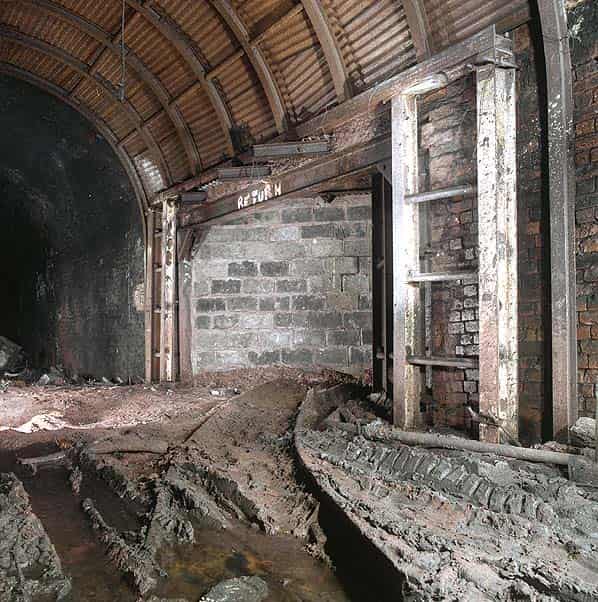
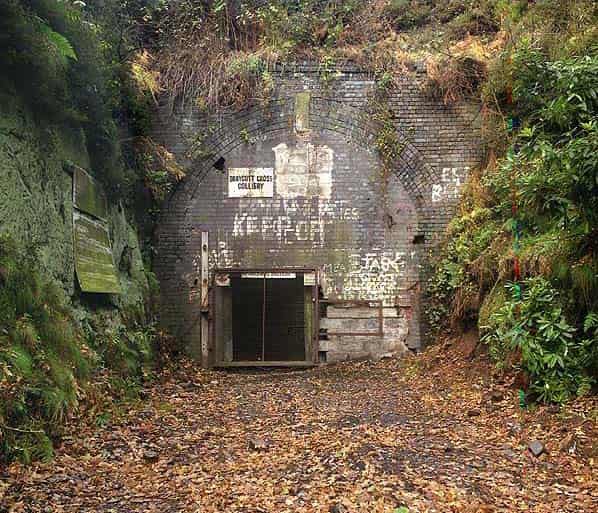
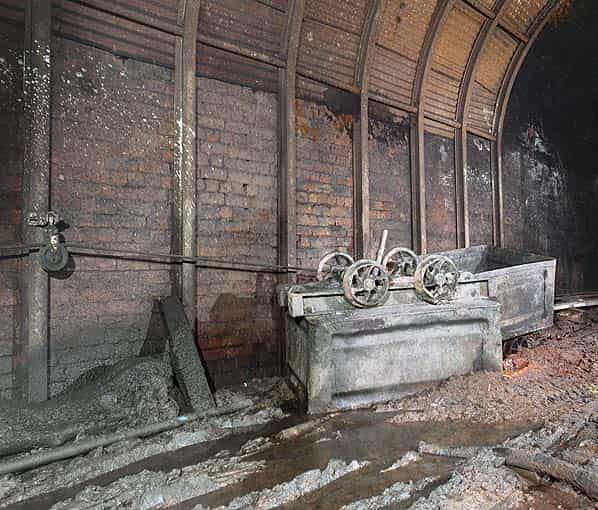
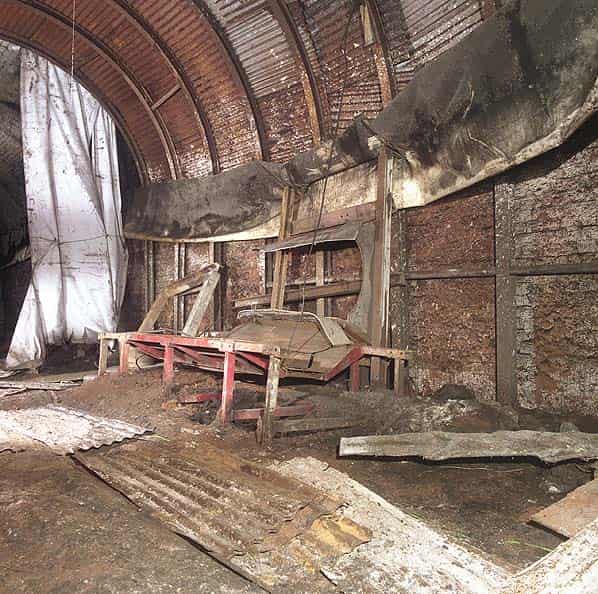
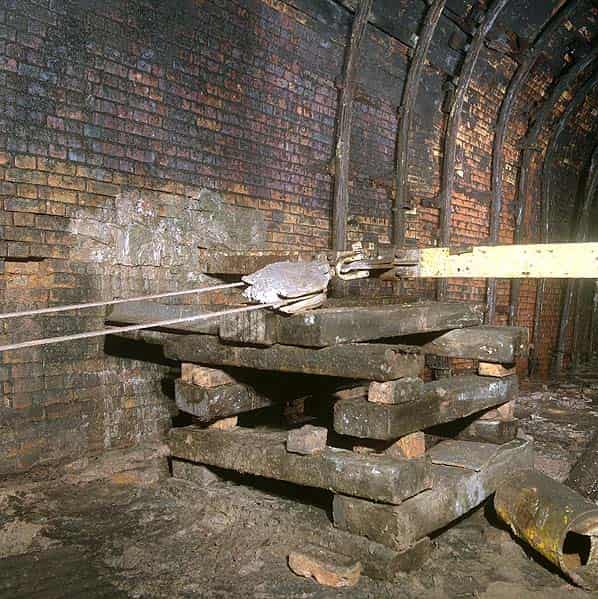
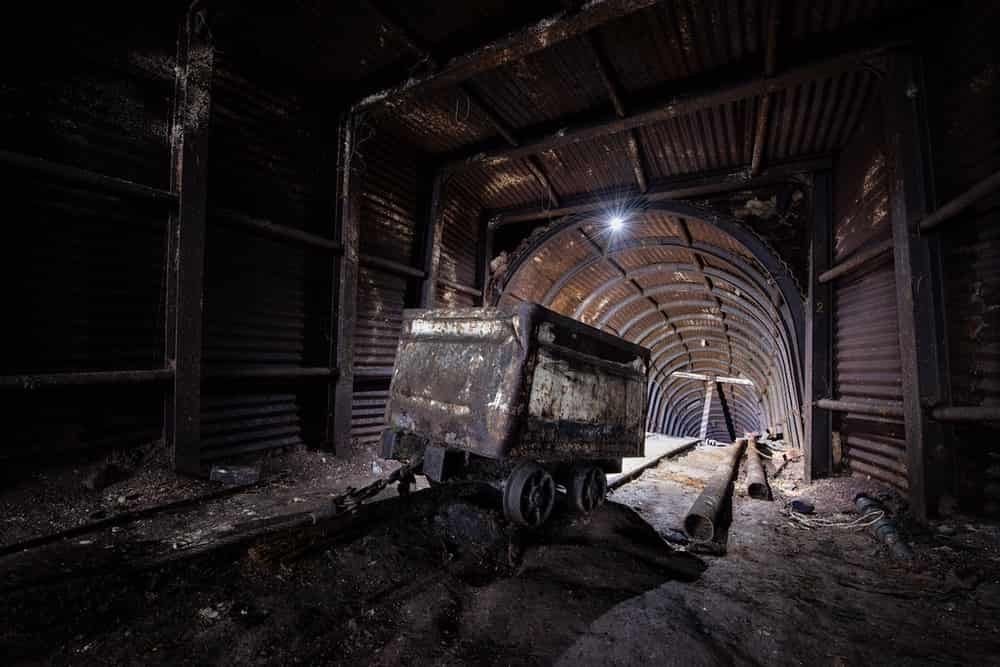
In about 1983 a privately owned drift mine, known as Draycott Cross Colliery commenced production from adits just inside the southern portal of the old railway tunnel. A new two foot gauge tramway was laid in the tunnel with mine tubs hauled by cable.
Prior to 1988 Draycott Cross Mine was owned by the Costain Group. In July 1988 Europa Minerals bought two Staffordshire Coal Mines from Costain in a £3.3 million cash and share deal. The mines were Draycott Cross and Acres Nook Collieries. The two mines were expected to add 1 million tons of extractable coal to the company’s reserves. Europa already owned the Ormondcroft Drift Mine. By 1989 they was hoping to increase production from 500 tons a week to 1400 tons a week (65,000 tons a year)
At that time Europa’s strategy was to create a balanced mining finance group with the three coal mining businesses generating the cash to fund their precious metals exploration activities centred in Western Europe and the US. Europa’s interests included a joint venture with Hecla Mining, exploring for gold in Montana; a platinum prospect in Bavaria; a joint venture exploration for gold in Alburquerque, Spain; and a gold concession at the mouth of the Pra River in Ghana. Europa also has a 22.7 per cent stake in Dana Exploration, an Irish exploration group, which has interests in Ireland, Ghana and Botswana. Europa’s faith in Draycott Cross was, however, short lived. The colliery closed early in 1991 and the land in the vicinity of the colliery was sold and the adits were sealed.
In the summer of 1991, a few months after closure the railway tunnel was still accessible but it has subsequently been sealed and no further access is possible. There is no external evidence of the mine but when visited in 1991 although in the tunnel some sections of the narrow gauge track were still in place together with the cable haulage system and two upturned tubs. Beyond the adits the abandoned tunnel was deep in mud but could be explored until the midway point where the roof had come in despite the metal hoops, many of which are now badly distorted.
Sources:
- The Cheadle Railway by Allan C. Baker