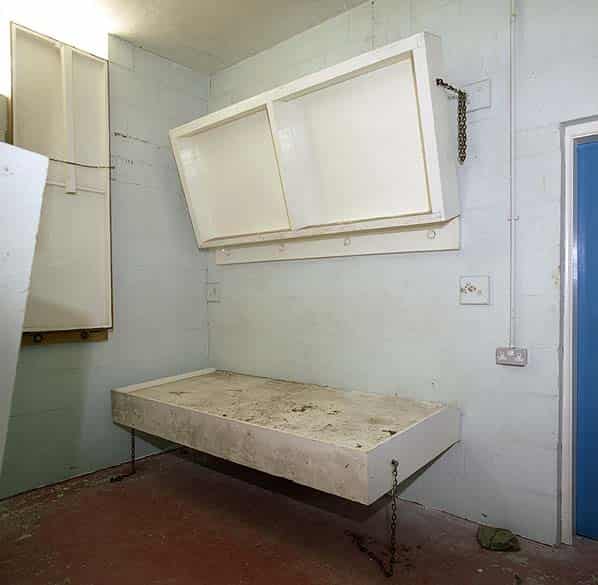
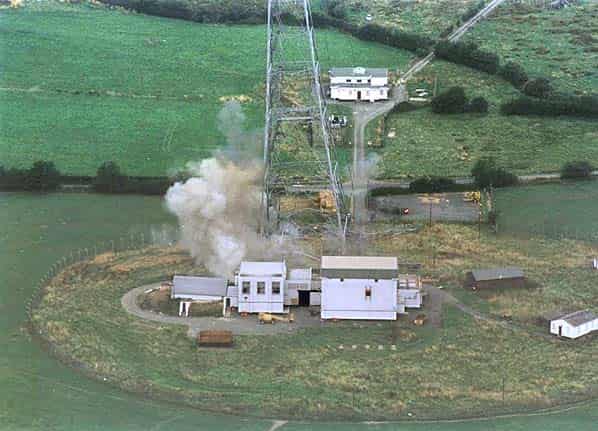
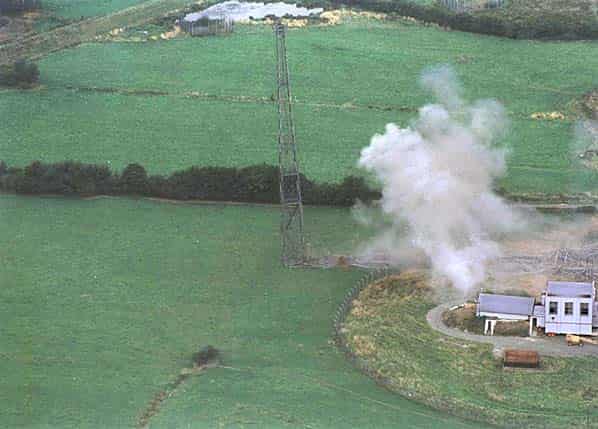
Despite its obscurity and remote location, the name Criggion has attracted some attention on account of its reputation as a potential nuclear target for the Soviets.
Others will recognise the name as the terminus of one of Britain’s strangest railway lines. The radio station described below belonged originally to the Post Office and after privatisation, to British Telecom
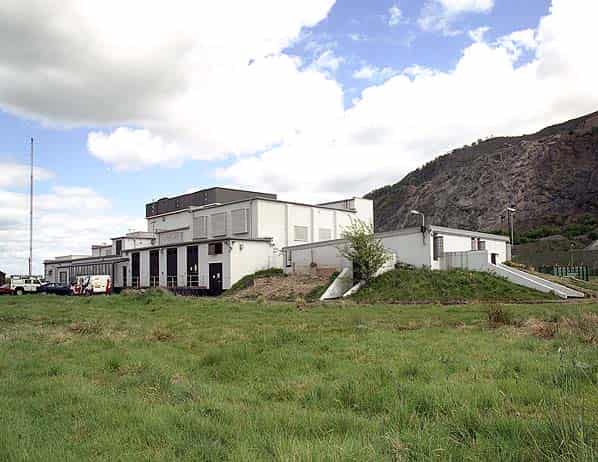
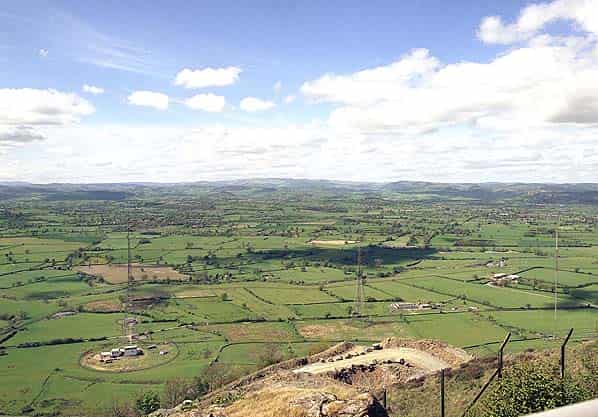
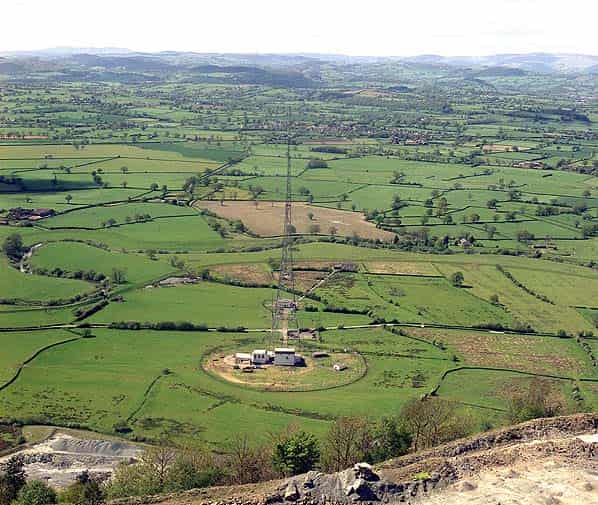
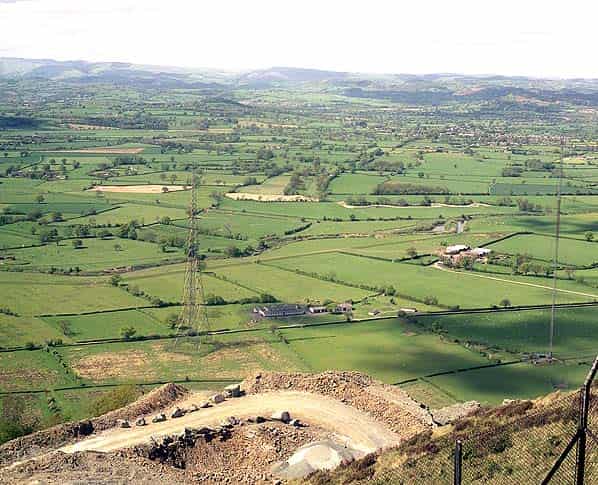
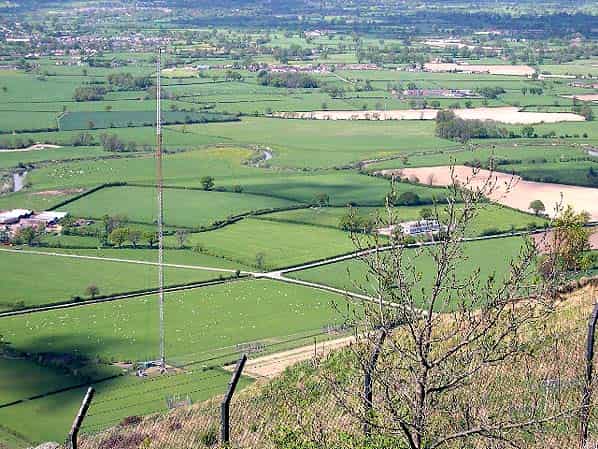
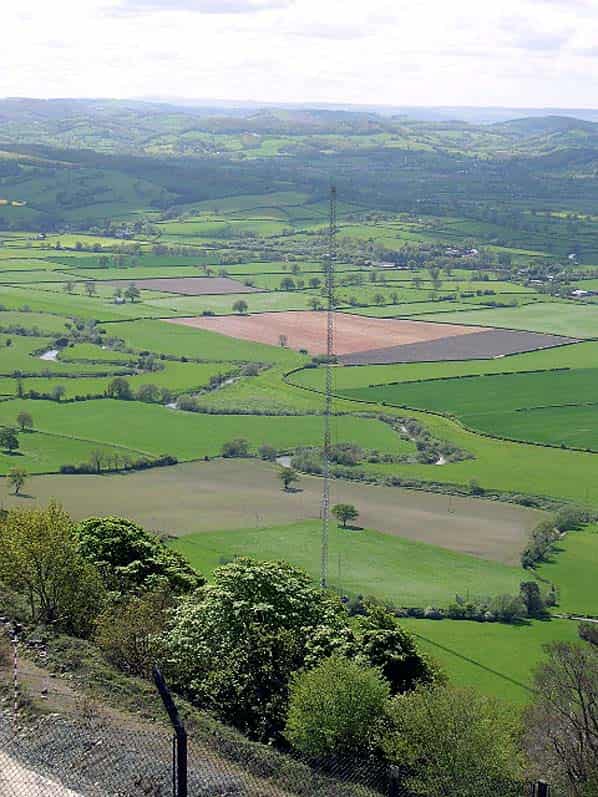
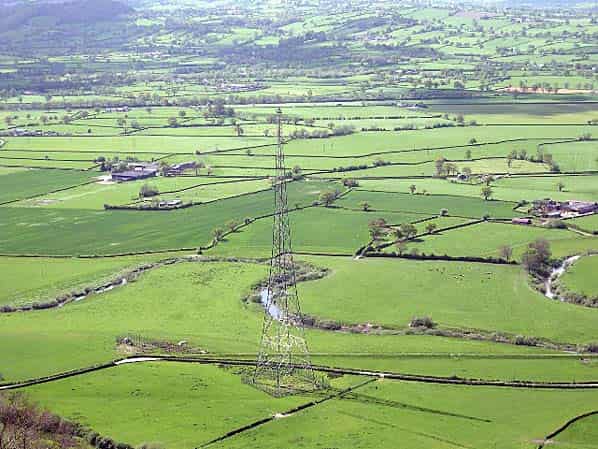
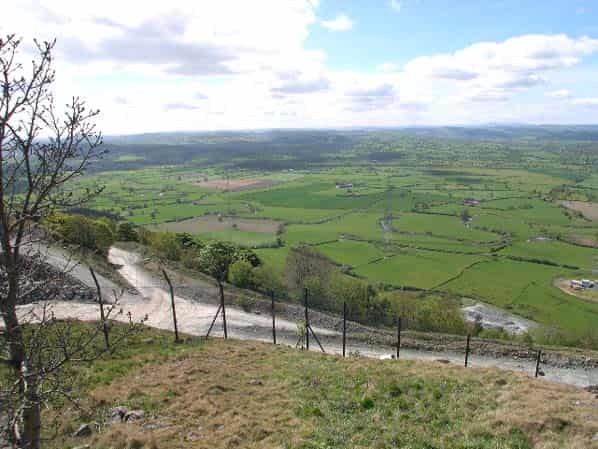
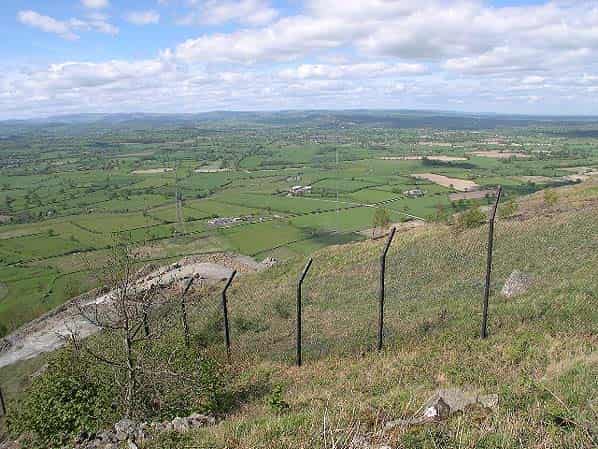
“Craggy Criggion” lies in Montgomeryshire, close to the English border, roughly at the centre of a triangle bounded by Welshpool, Oswestry and Shrewsbury. The location is extremely picturesque and rural, close to the banks of the River Severn (Hafren) on flat watermeadows immediately below a massive outcrop of granite, the 900ft (or so) high Breidden Hill.
Secrecy surrounded Criggion in the past although a number of publications suggested that its role was chiefly defence-related, providing worldwide radio coverage on the very low frequency (VLF = long wave) band to ships and submarines (the station had nothing to do with the BBC and was never used for broadcasting to the public).
The Shropshire Star article (cited in full below) sums up what might be considered common knowledge when it states:
“Although the exact role of Criggion is wreathed in secrecy, it is believed it acts as a contact point for nuclear submarines across the world and was a ‘Category A’ target during the Cold War.”
The Trident Ploughshares website is more explicit and asserts the station commanded Trident submarines, saying:
“The main sites for command and control of Trident submarines include Criggion, Rugby, Anthorn and Inskip. These sites normally consist of radio masts and little else. Command and control systems begin with the Ministry of Defence in Whitehall, London. Actual operational instructions are transmitted from RAF Northwood. However, Trident is also linked into the US command and control system and with various NATO systems.”
However, Peter Hennessey’s book The Secret State (revised edition, 2003) blows away any remaining doubt with the statement,
“Among [the Russians'] military targets were the very low frequency signals installations at Rugby and Criggion, whose purpose was and is to relay the Prime Minister’s instructions to the commanders of the deterrent-bearing submarines.”
HISTORY
Criggion radio station was born as a direct result of Hitler’s war and the Admiralty’s realisation that Rugby’s VLF transmitter (callsign GBR), vital to the war at sea, had no standby and might be severely damaged or destroyed by stray bombs intended for nearby Coventry. A crash programme was therefore set in motion in 1940 to remedy this situation and to provide additional high frequency (HF = medium wave) transmission capabilities across the Atlantic. The aerial for a VLF transmitter occupies a large area (because of the long wavelength) and needs very high masts to support it.
Since only three suitable 600 ft. high masts were available in the country at that time, it was decided to seek a site where they could be located on a large plain flanked by a hill to provide a fourth anchorage.
Not an easy task; but eventually Criggion, on the Welsh/English border, was discovered and all the paraphernalia of construction descended on that sleepy Welsh village.
Staff were hurriedly assembled, billets found in Oswestry and a large private house Ardmillan House) requisitioned as a hostel. The latter was the scene of much coming and going at the oddest of hours, and the profits of the local pubs benefited greatly
In September 1942, the first HF transmitter was put into operation. Early in 1943 while Criggion’s VLF transmitter was still in the testing stage, Rugby’s GBR caught fire (not due to enemy action). Testing was accelerated and within three days Criggion’s new transmitter had taken over the Admiralty service to HM ships at sea. A lucky break, for Rugby was out of action for six months. Criggion’s GBZ played an important part in the sinking of the Scharnhorst and the capture of the Altmark, and letters of thanks were received from the Admiralty for the assistance given.
Additional HF transmitters were installed between 1943 and 1945; all of these had been taken out of service by 1970. The VLF transmitter and antenna were renewed in the late 1960s and the new equipment came into use in 1969. Further transmitter renewal came in 1983 and 1991.
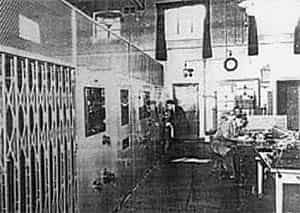
From the outset the telegraphy signals transmitted by Criggion were sent over landline cables from the armed services' own control centres, with no intervention by Criggion’s own staff. Had a cable breakdown occurred, a naval rating would have been sent to operate an emergency Morse key at Criggion but it is understood this never happened.
FUTURE
Alert Communications (a consortium led by Merlin Communications) became the VLF provider from April 2003, when DCSA Radio’s contract with BT for VLF services from Criggion and Rugby terminated. From 31 December 2003 Alert will provide an end-to-end VLF received signal service to Royal Navy submarines under an innovative PFI contract, negotiated and managed by the STRS IPT of the Ministry of Defence. Alert Communications will provide the service through one new transmitter site (Skelton) and one updated one (Anthorn), also provide the receivers on all submarines under the contract.
PRACTICAL DETAILS
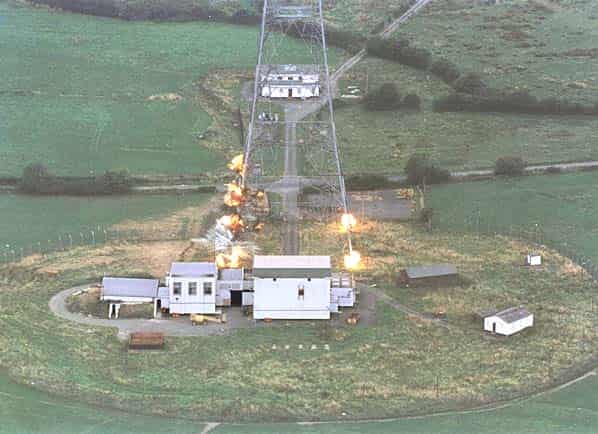
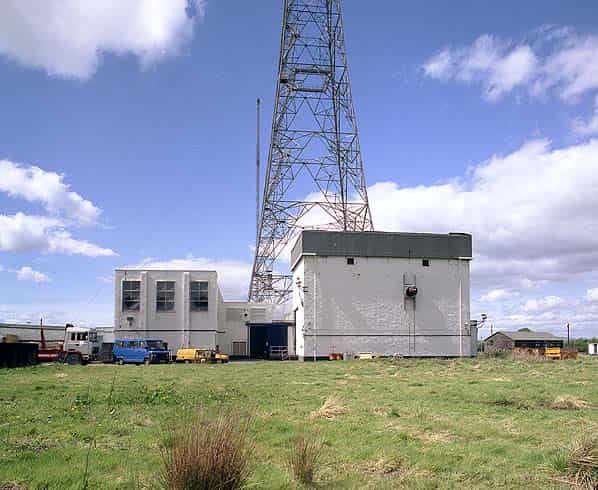
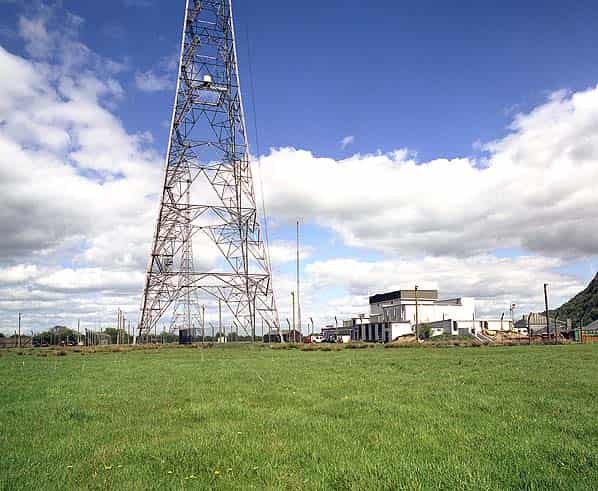
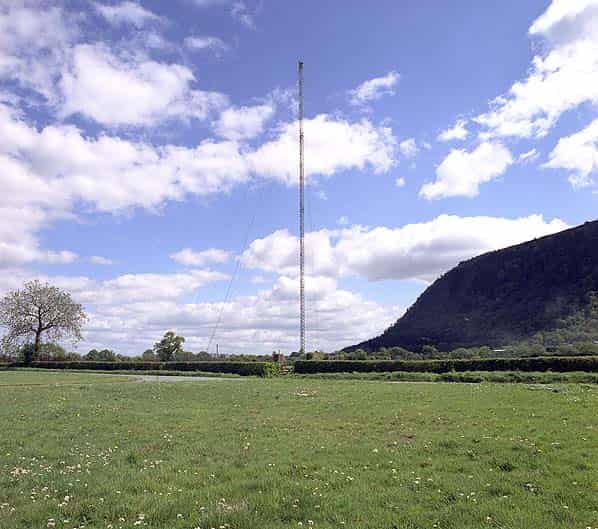
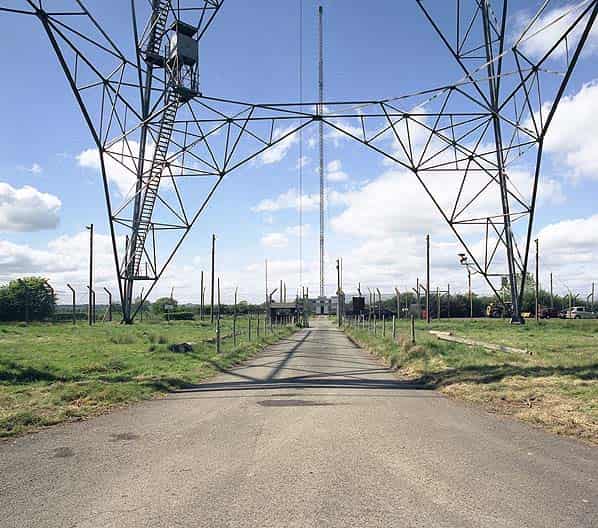
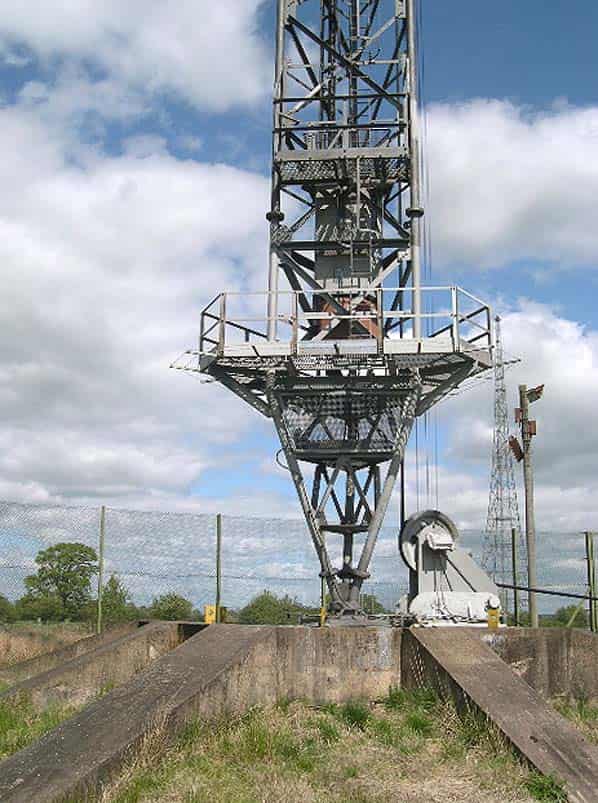
The VLF aerial is slung between three 600ft self-supporting steel towers and anchorages built on the top of an adjacent steep hill (by comparison the VLF aerial at Rugby employed twelve 820 ft. lattice steel masts).
It is understood that Criggion’s HF transmitters were taken to Ongar and Rugby radio stations after they were no longer required at Criggion.
The freestanding towers are equipped with staircases; the guyed masts have lifts, described as ‘a cage with a lawnmower motor’.
The trio of Criggion together with sister stations at Rugby and Anthorn gave worldwide coverage on VLF. Each had slightly different radiation patterns and it is said that Criggion provided best coverage in the South Atlantic.
The Criggion site, though ideal for its purpose at the time it was acquired has brought one or two problems-not the least of which is that it is subject to severe flooding at certain seasons of the year, so much so that an amphibious vehicle-a DUKW-was necessary at times to convey staff to and from duty. Once, before the DUKW was provided, the station was cut off and had to be relieved by rubber dinghies dropped by the RAF.
Every now and then the DUKW itself got bogged down and on one occasion a staff member had to swim to the nearest stout tree with a tow rope. The road past the radio station was constructed by the Ministry of Public Building and Works for the exclusive use of the radio station, the public road running at the foot of the cliff. The condition of the latter deteriorated from the heavy traffic by quarry lorries and seven years ago it was closed, with all public traffic diverted along the radio station’s access road.
CLOSURE
This is how the Shropshire Star reported the station’s closure on 26th February
“Top secret radio site to close - A top secret communications station that has been a landmark on the Powys/Shropshire border for more than 50 years is to close. The high security Criggion radio station, near Welshpool, will stop operating at the end of March.
Although the exact role of Criggion is wreathed in secrecy, it is believed it acts as a contact point for nuclear submarines across the world and was a ‘category A’ target during the Cold War.
Around 15 employees who work on the site will either be redeployed or will leave on ‘voluntary terms’. There will be no compulsory redundancies, BT said today.
Opened by the old GPO in 1945 [wrong], it was run by the Post Office and then BT when it split from the Post Office in 1984.
Though a BT official confirmed today that the site was to close, he would only say: “Criggion will close at the end of next month when the contract with our client comes to an end.”
He would not confirm that the client was the Ministry of Defence, something that neither BT nor the MOD have ever publicly admitted.
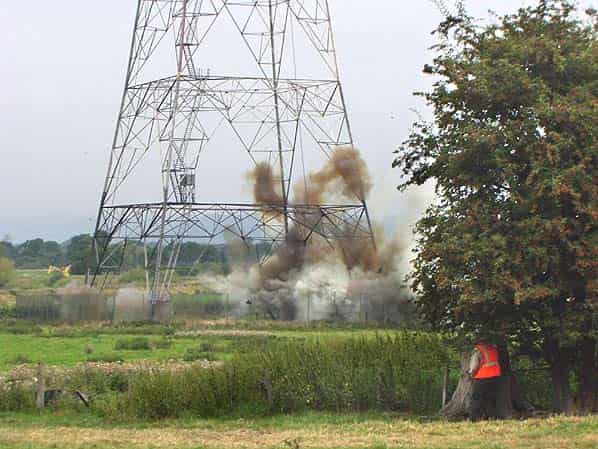
“From the end of March transmissions from the site will cease and in the months that follow the masts will be dismantled,” added the spokesman.
During the 1960s, when its work was at its height, 160 people were employed on the site. Visitors were not permitted and it is surrounded by high fences and monitored by surveillance equipment. It became a target for anti-nuclear protesters, including Kath McNulty from Dolgellau who was one of the Trident Ploughshare 2000 protesters. She said today the protesters' aim had been to get rid of Trident nuclear submarines. “We felt that we wanted to do something locally in Wales and Criggion. We were talking to the people there to try and convince them that they did not want to be involved in this because they were working for BT and were not part of the war machine. I am very sad if the station is closing. I am very sad if people are losing their jobs and sad that we have not achieved our goal of persuading the government that we do not need the deterrent. The low frequency system will just be moved somewhere else. Our aim was not to close down the station.”
[Reproduced here with acknowledgement.]
VISIT TO CRIGGION RADIO STATION, 6th May 2003
Glorious weather made a visit to BT’s Criggion Radio Station in Wales on Tuesday 6th May an even greater pleasure. “Craggy Criggion” lies in Montgomeryshire, close to the English border, between Welshpool and Shrewsbury. The trip was arranged in great haste as the radio station has now been closed (on 31st March 2003), with deconstruction of the transmitting and control equipment already at an advanced stage. The masts and towers will be coming down shortly, with the buildings then sold or demolished.
The location is extremely picturesque and rural, close to the banks of the River Severn (Hafren) on flat watermeadows immediately below a massive outcrop of granite, the 900ft (or so) high Breidden Hill. The name Criggion will be familiar to any one who has read Duncan Campbell’s book ‘War Plan UK’ and its location to anyone who has driven from Welshpool to Shrewsbury, since the antennas appear to spring directly out of the hillside.
In a way they do, since the radio station’s location was chosen specifically to reduce the number of antenna towers needed, using an anchorage point close to the Rodney’s Pillar monument to support one of the arrays.
The station was built here during World War II when it was felt that stray bombs intended for Coventry might put Rugby radio station out of action. Although they did not, an accidental fire nevertheless did, so the reserve station here at Criggion proved its worth very rapidly.
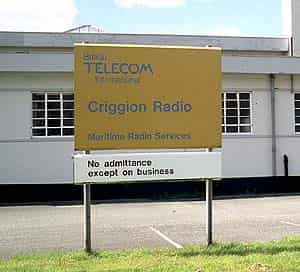
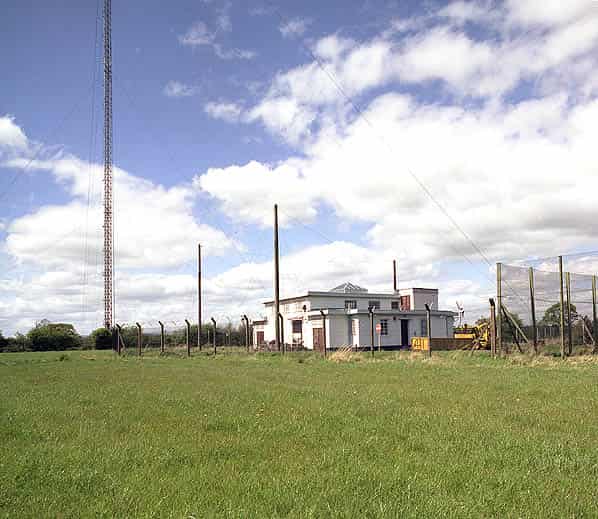
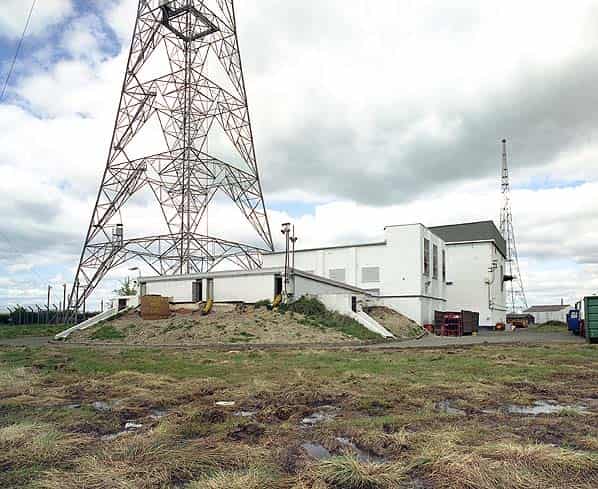
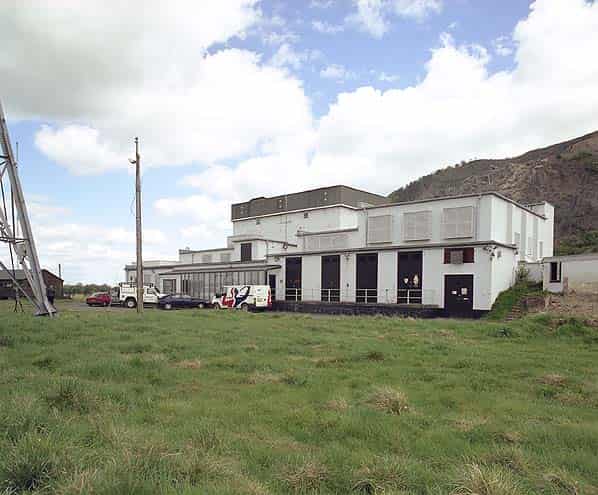
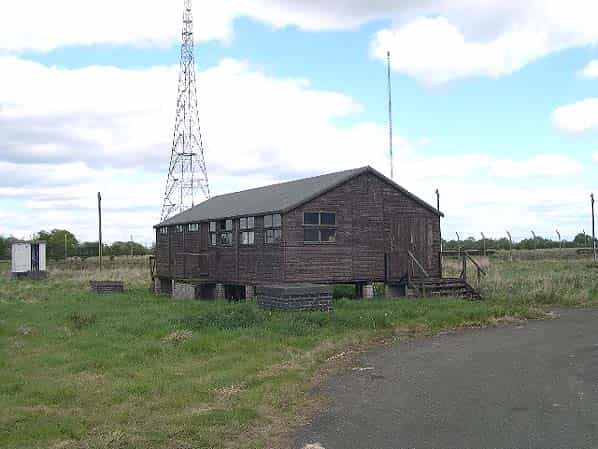
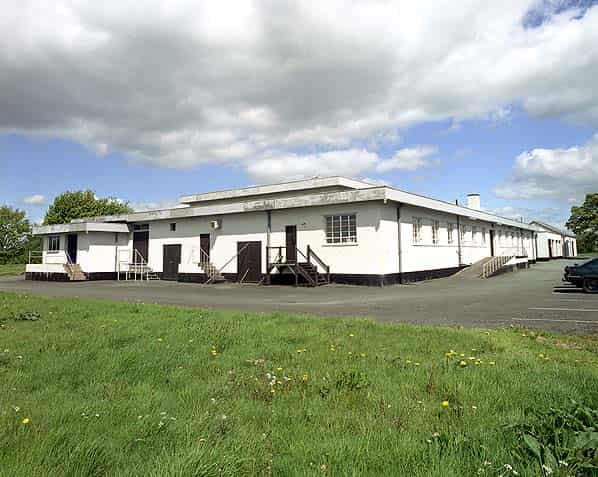
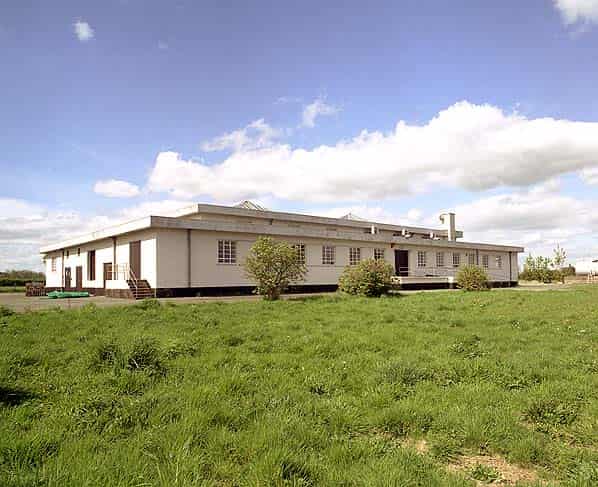
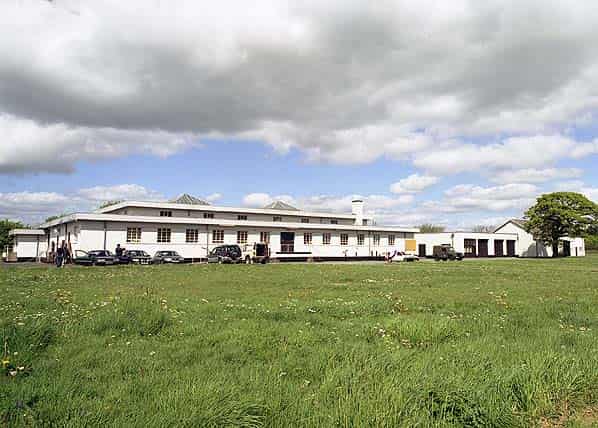
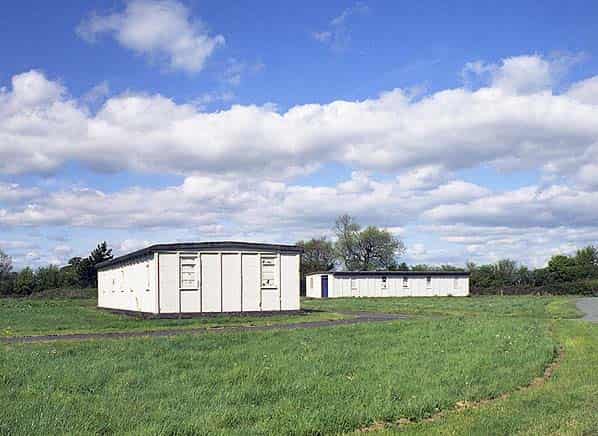
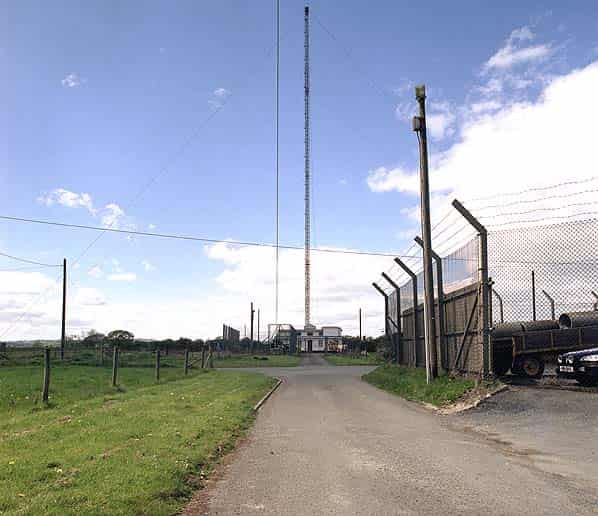
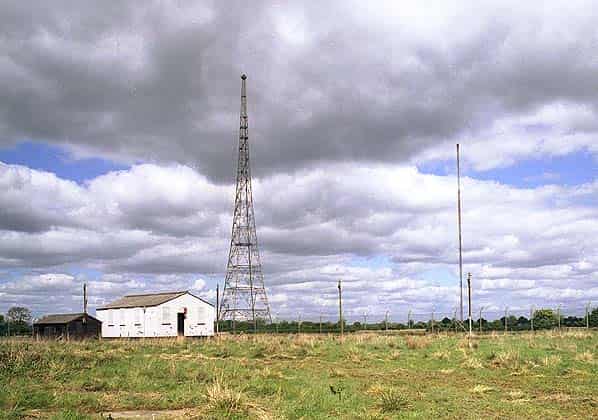
A number of transmitter and ancillary buildings of World War II construction are in place, as well as a large yellow and blue sign of the early 1980s proclaiming the site to belong to British Telecom’s Maritime Radio Services division.
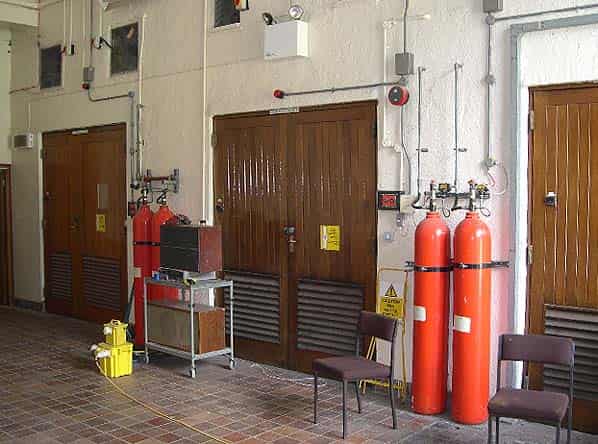
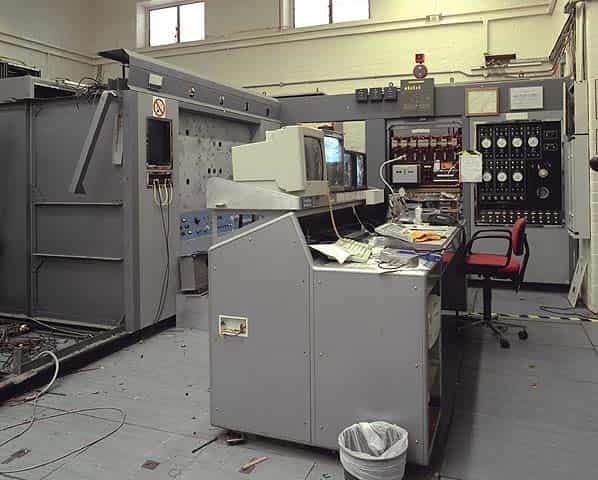
Inside the main building (medium wave transmitter hall, canteen and offices) is a large map of Post Office External Communications and a poster inviting staff to buy shares as part of the BT privatisation, so as you may gather, the place-and the equipment it housed-is a bit of a timewarp.
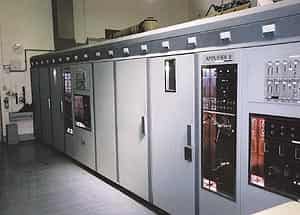
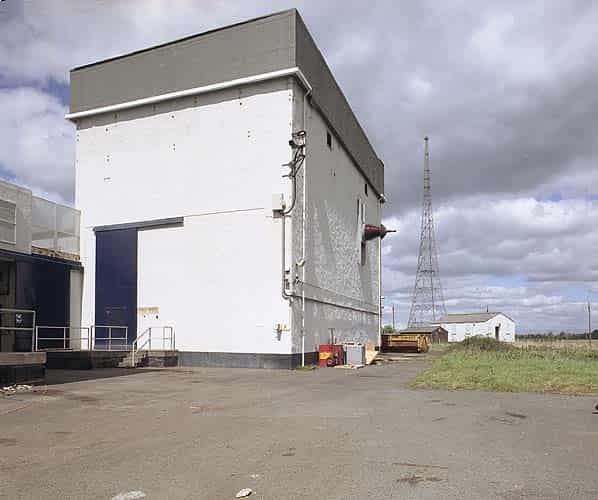
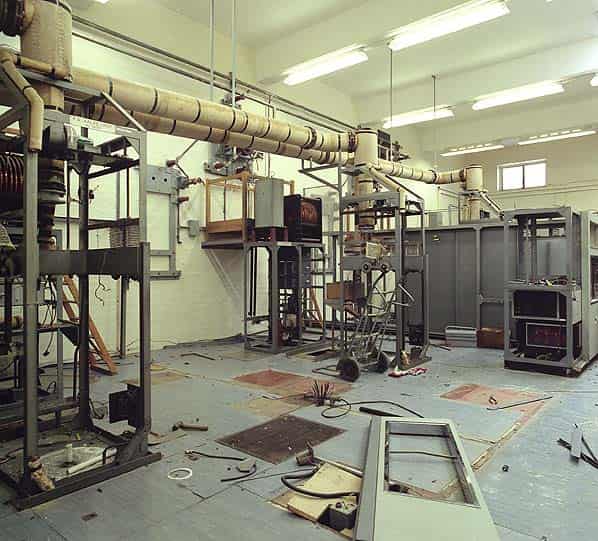
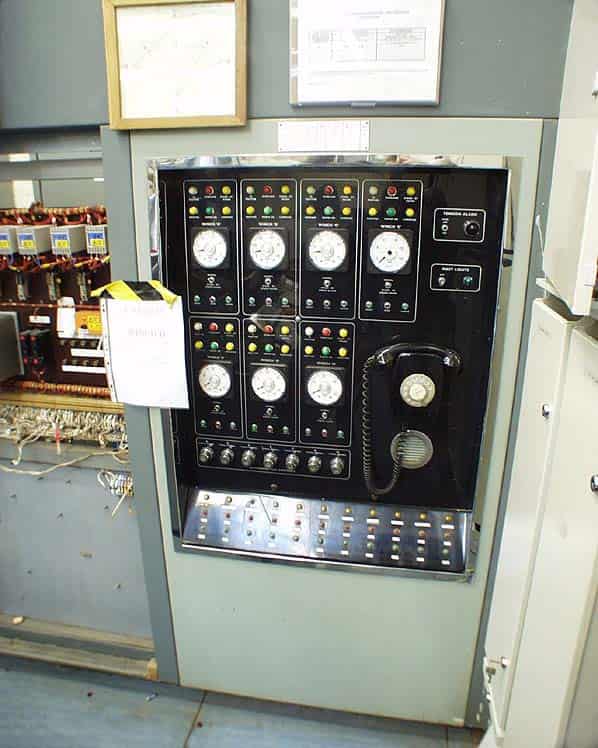
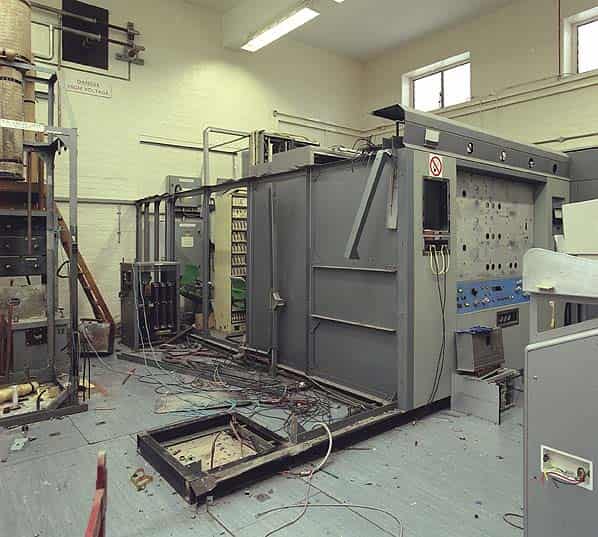
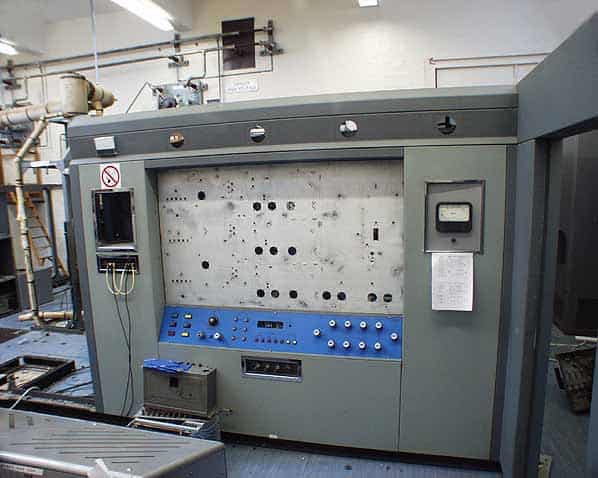
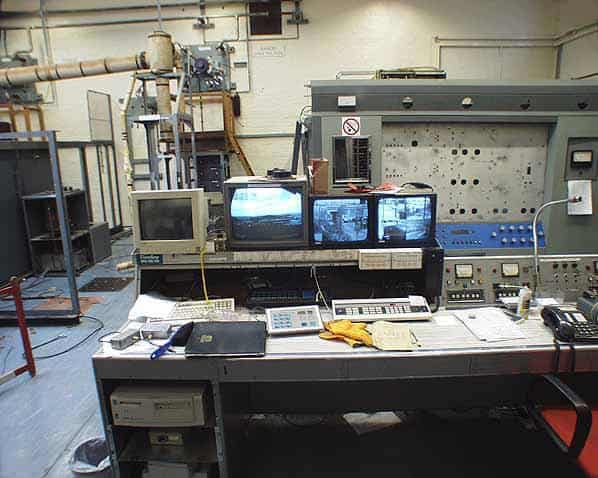
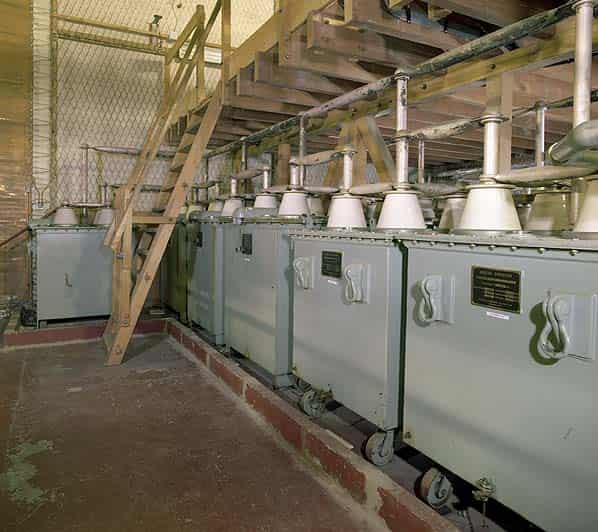
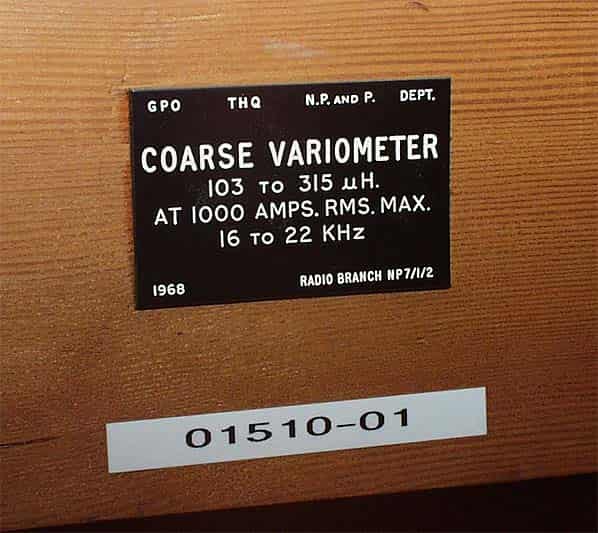
Secrecy has always surrounded Criggion although various publications have revealed that its role was chiefly defence-related, providing worldwide radio coverage on the VLF band to ships and submarines. For this reason it was treated as a secure site and staff mentioned that although they used to transmit signals for the Ministry of Defence, they had no idea of what the signals actually were nor any means of decoding them. The long wave building was equipped with a Bikini State board giving the current security state of the place and one of the staff there was amazed that we were taking photographs of equipment that until recently was covered strictly by the Official Secrets Act. A number of relics and souvenir items were recovered for display at the Hack Green bunker museum. These did not, however, include various charts and circuit record cards that gave clues to the close links that Criggion had with a number of defence communications locations in the UK.
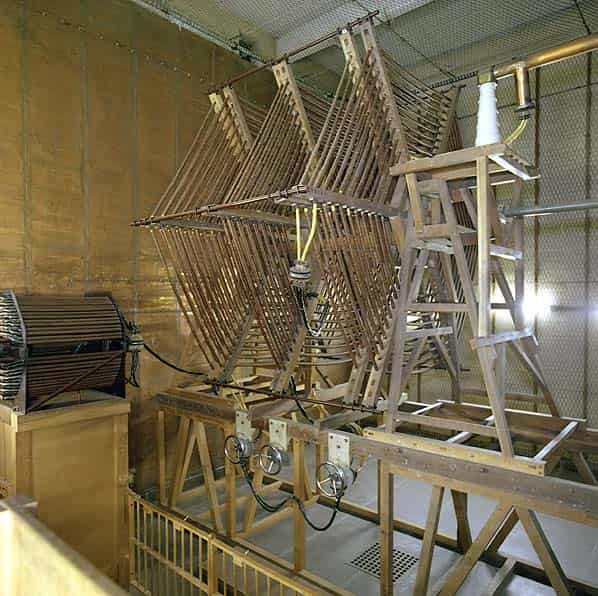
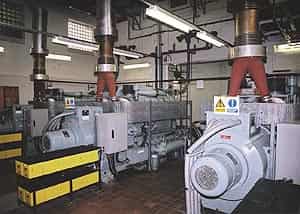
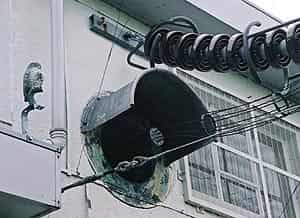
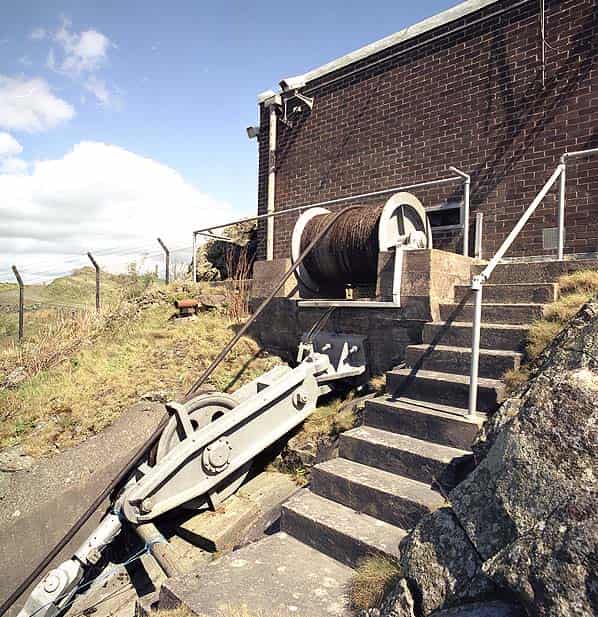
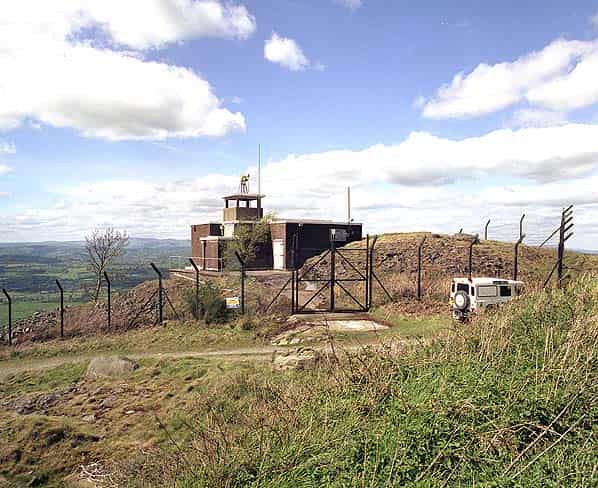
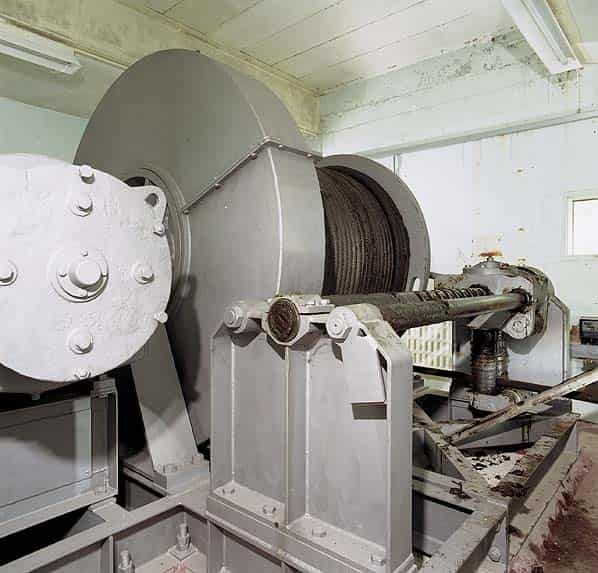
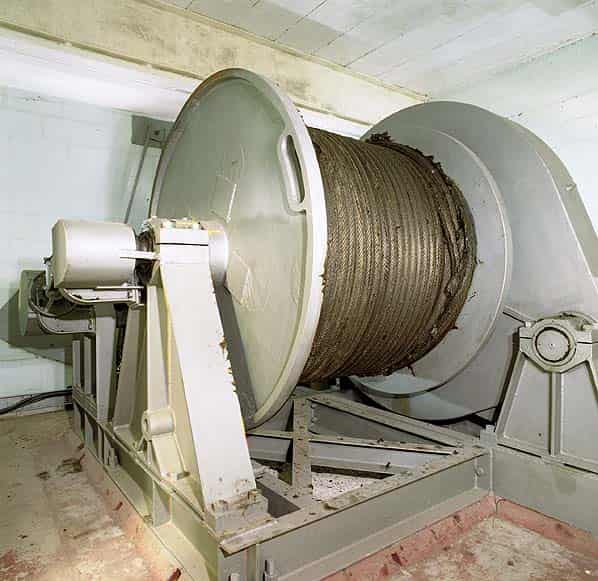
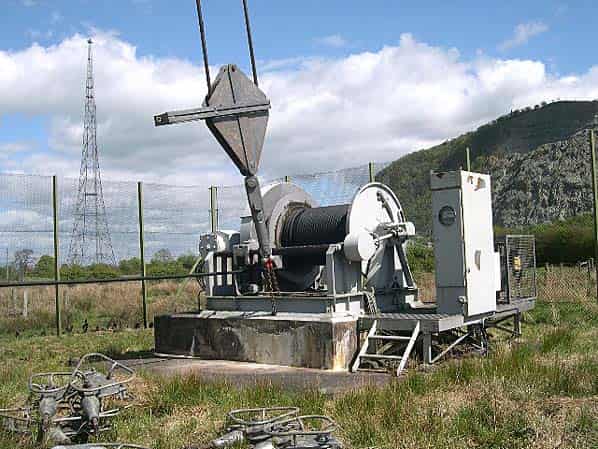
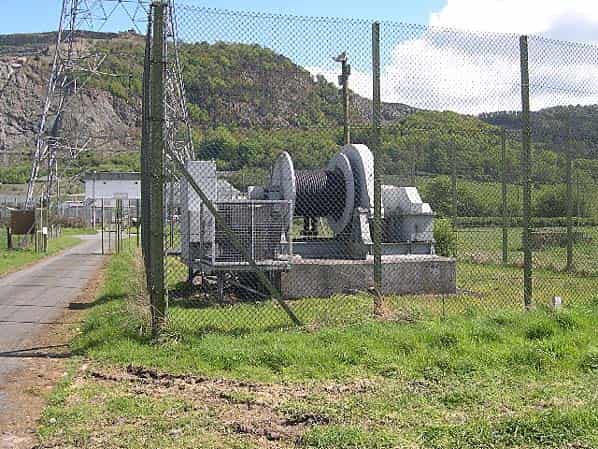
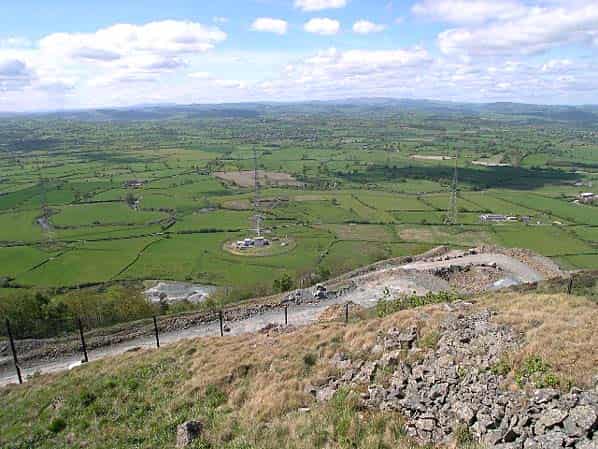
The site covers 300 acres (formerly 400 acres but some was sold some years back) and not all the buildings are now used. The antenna wires weighed 42 tons and required the use of seven 25-ton winches to keep them aloft. Power came from two separate 11kV feeds and at one time four generator sets were also employed. The antenna system radiated between 35 and 40kW of radio power. At its height of operation some 170 people were employed here but now just 11. Our conducted visit covered a look around and inside the medium wave and long wave transmitter buildings plus a Land Rover trip (up 33% inclines!) to the hilltop anchorage point.
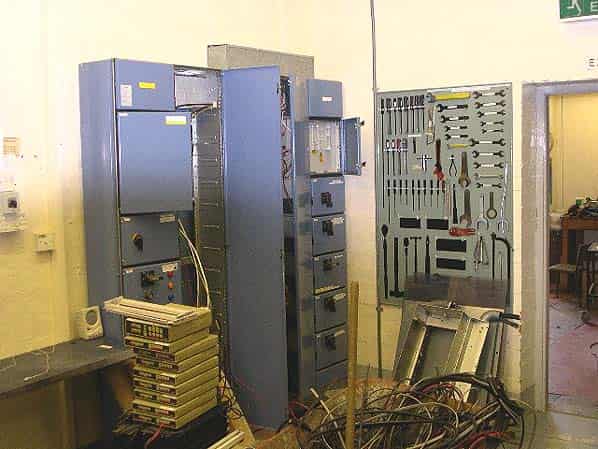
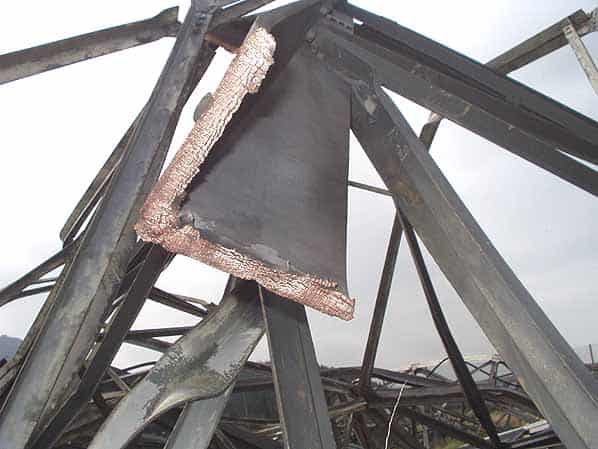
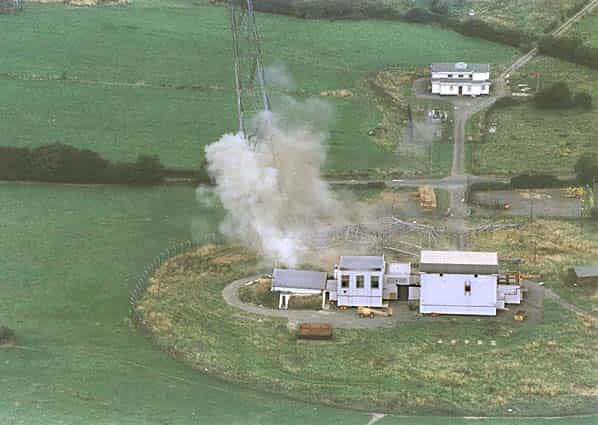
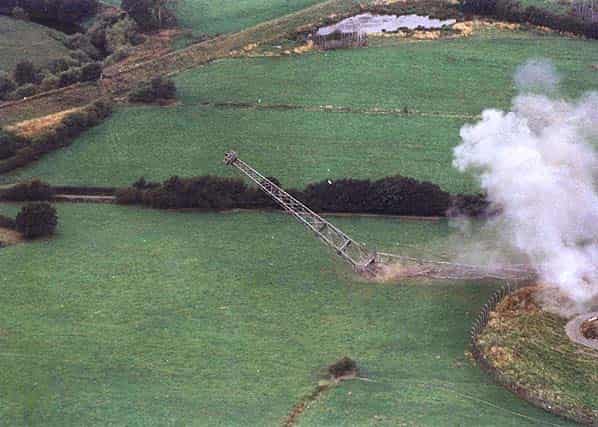
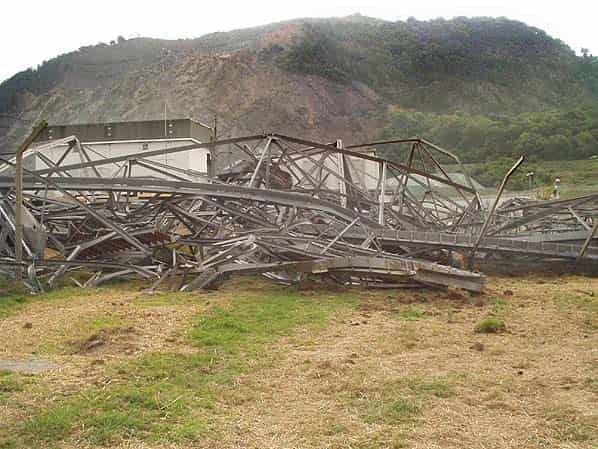
Currently the transmitting equipment is being dismantled, part for re-use and the remainder for scrap. The 680ft self-supporting towers (pylons) may be dismantled for re-erection elsewhere but the 720ft stayed masts will most likely be demolished and broken up on site. A number of normal trunk telephone circuits pass through the long wave building and these will have to be re-routed before the building can be sold or demolished.
This visit was a private trip arranged by a Sub Brit member, with numbers strictly limited by our host. Participants were (in alphabetical order) Nick Catford, Robin Cherry, John Fogg, Bob Jenner, Dan McKenzie, Rod Siebert, Robin Ware plus myself, Andy Emmerson. Many thanks are due to the BT staff, who showed us round and answered our questions with great patience.
FURTHER READING
- Hari Williams: Craggy Criggion-Wartime Wizardry. Practical Wireless, September 2001, pp. 25, 28,29.
- Radio. POEEJ, January 1946 (Vol. 38), p. 142.
- Criggion Comes Of Age. The ETE Newsletter, May 1964. Post Office Wireless Stations, GPO report dated 5th December 1941 (at BT Archives).
- Floods at Criggion Radio Station. POEEJ April 1947 (Vol. 40), p.37
- Cook, A. and Hall, L.L. Criggion Radio Station. POEEJ October 1948 (Vol. 41), p.123
- Creighton, J.L. The New Very-Low-Frequency Transmitter at Rugby Radio Station. POEEJ January 1969 (Vol. 61), p.232
- Gracie, J.A. Rugby Radio Station. POEEJ April 1939 (Vol. 32) p.16
- Hall, L.L. Anthorn Very-Low-Frequency Radio Station. POEEJ July 1965 (Vol. 58), p.114