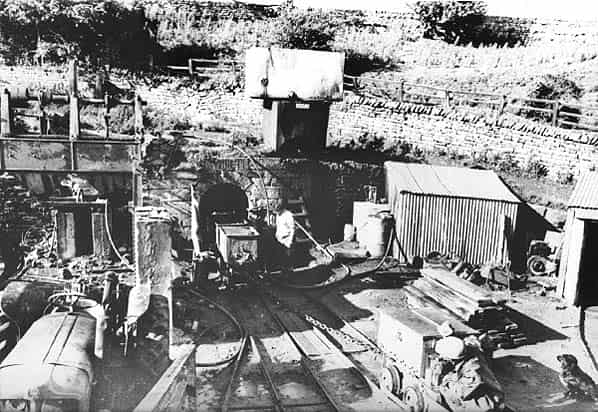
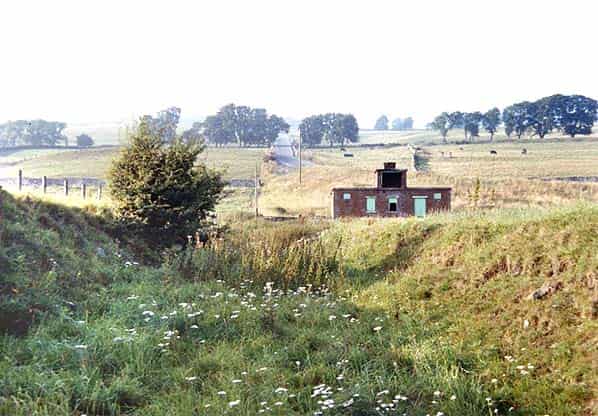
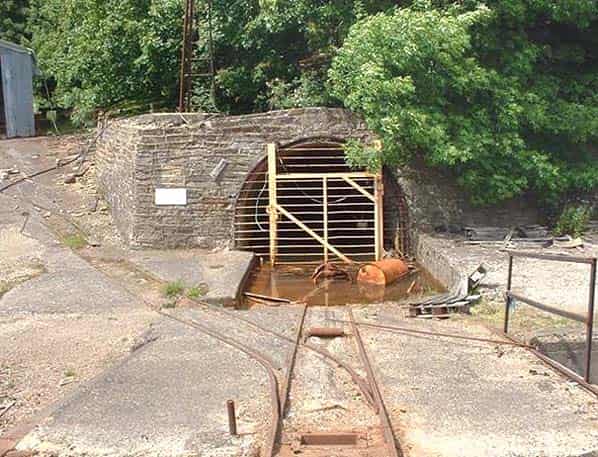
The Cambokeels Mine (sometimes called Cammock Eals or Cammock Isle and in later years it became known as Cambokeels or locally simply as ‘Cambo’), was developed on a section of the Slitt Vein roughly half way between the villages of Eastgate and Westgate in Weardale. The mine occupies the site of an abandoned medieval village and is adjacent to the route of the Weardale.
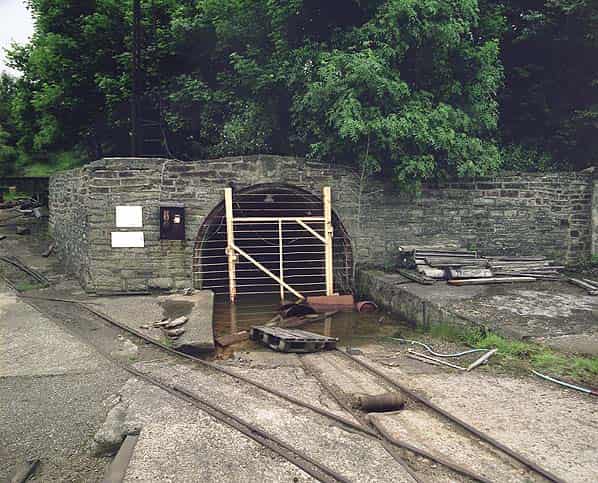
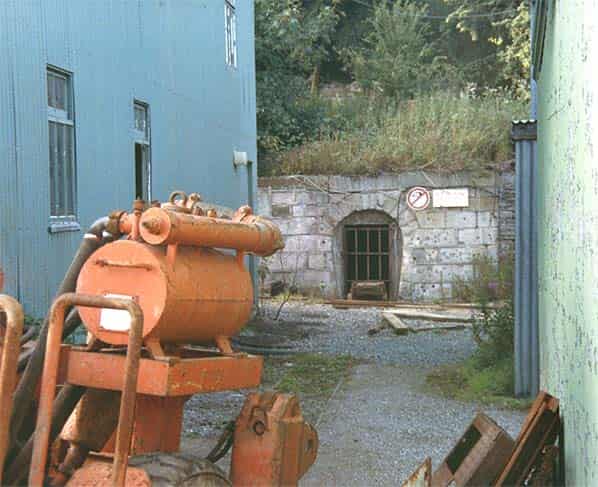
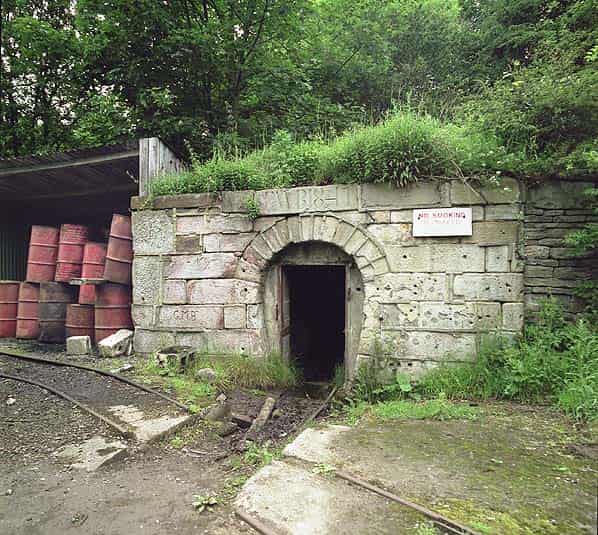
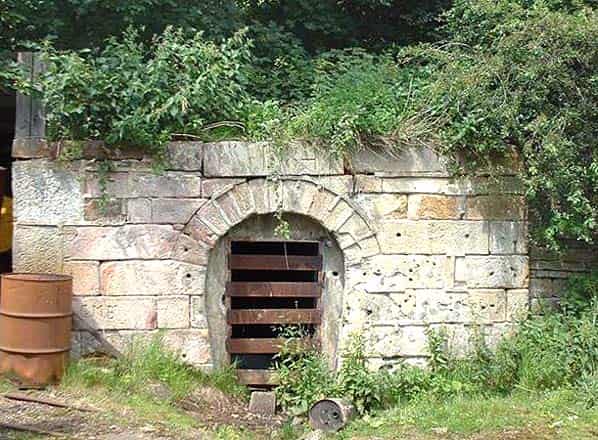
The main adit is located on the north banks of the River Wear and the abandoned workings can still be seen from the road (A689). The Slitt Vein in this area was first worked by the Beaumont Company who drove a level from the banks of the River Wear below the Scar Limestone from 1868 -1871 for lead. Although the vein was large, lead values were poor and the mine was soon abandoned. Parkburn Level was then driven from Park Burn (NY92153884) in 1872 but after driving for 920 metres the mine was abandoned as once again the vain was large but there was little lead. The mine was reopened for fluorspar by W. Hird and Co. in 1905. They opencast the vein at Heights Pasture Mine on the east side of Park Burn from 1915 - 1925 with output transported by the Weardale Iron Company Railway. As the surface workings became exhausted the company reopened the Parkburn Level. As this was below the level of the Weardale Iron Company Railway they made an incline to the road at the bottom of the valley.
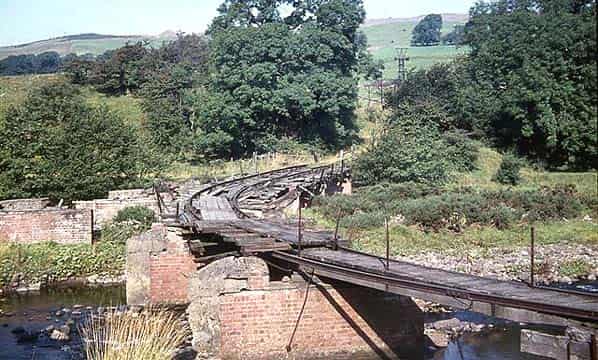
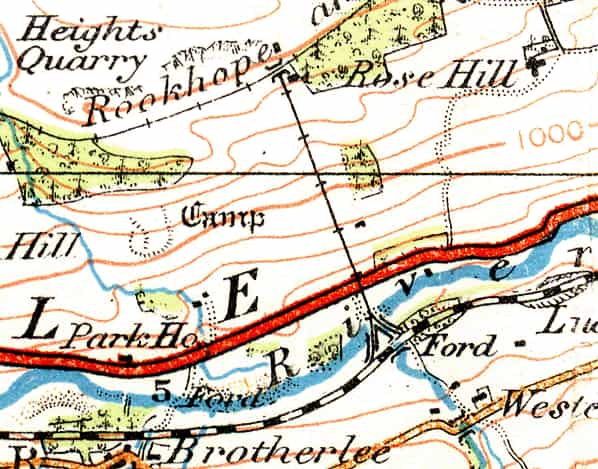
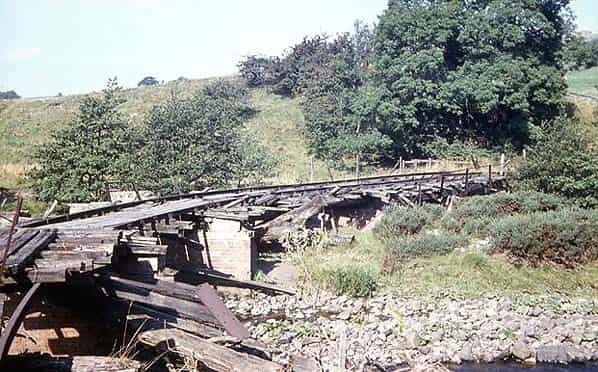
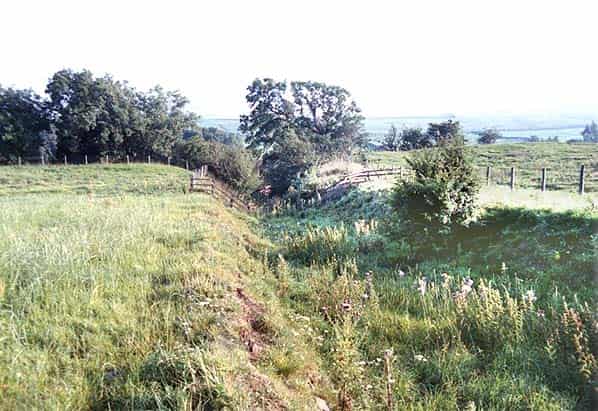
This incline also served the Heights Quarry which had been developed on the site of the abandoned Heights Mine by the Weardale Iron Company. With an increased demand for limestone during WW1, the output at Heights rose dramatically and to improve the transport of limestone from the quarry the Cambo Keels incline was built by German POW’s with a triangular junction with the Wear Valley Railway at Cambo Keels siding bridging the River Wear on wooden trestles. Cambo Keels was three quarter mile long self acting 1 in 8 incline with three tracks incorporating a mid way passing loop. By 1923 production had slumped and with the incline providing easy access to the Wear Valley railway the upper section of the Weardale Iron Company’s railway was closed between Heights and Rookhope. The incline was eventually replaced by an aerial ropeway which itself was abandoned in the late 1950’s. Heights Quarry is now one of only two quarries (2005) still open for their original purpose.
J Coulthard opened Cambokeels Mine for fluorspar in 1906 and worked it until 1909, When W. Hird & Co finished working Parkburn Level they worked Cambokeels until 1927. A Dalton reopened Cambokeels Level in 1935, working a stope to the west of Fleming’s Shaft before abandoning the mine in 1939.
The mine was reopened in 1948 by Anglo-Austral Mines Ltd, a subsidiary of the Imperial Smelting Corporation who worked the mine until 1960. In this time they are estimated to have extracted 26,128 tons of fluorspar, 1203 tons of lead ore and 51 tons of Zinc concentrate. Their workings were above the horse level in the length between Park Burn and Fleming’s Shaft.
The most recent production cycle at Cambokeels began in February 1969 when the mine was bought by two local men, Malcolm Brown and Madison and for the next decade and a half the mine was one of the most productive sources of fluorite in Weardale. Brown & Madison put in a new incline below the old horse level, discovering high grade fluorite ore from the 40 meter level down. The mine was sold to Swiss Aluminium UK (SAMUK) who established working levels at 200 meters (in the Tynebottom Limestone) and at 240 meters (in the Whin Sill and Jew Limestone).
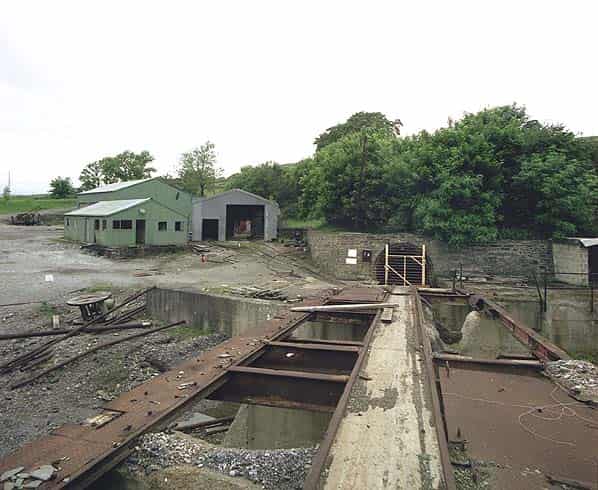
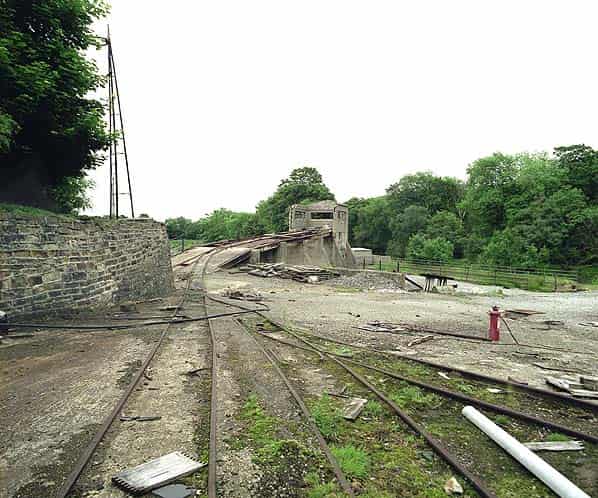
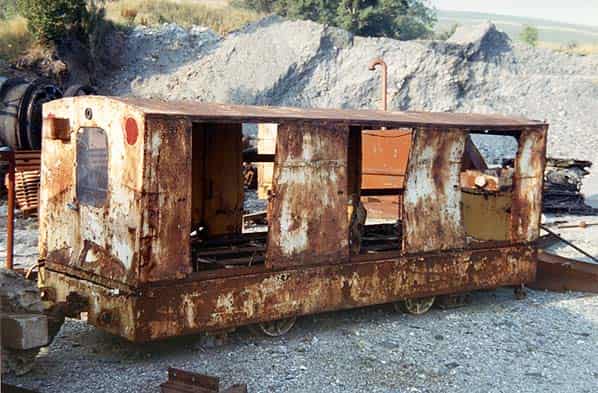
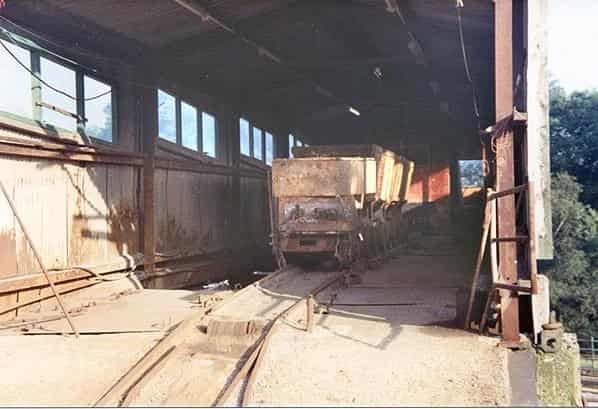
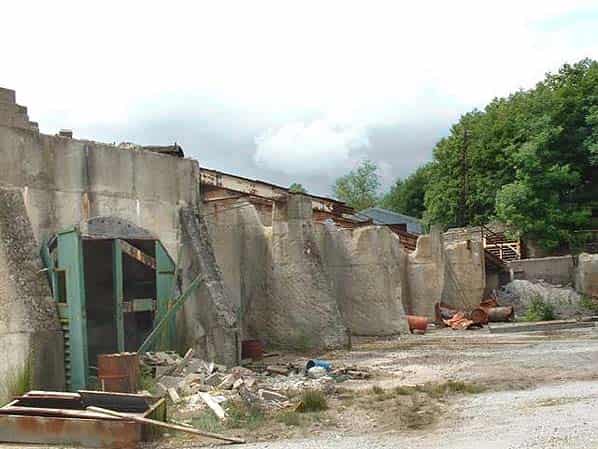
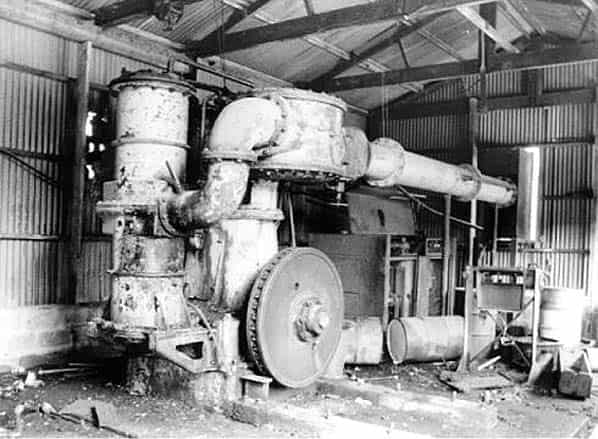
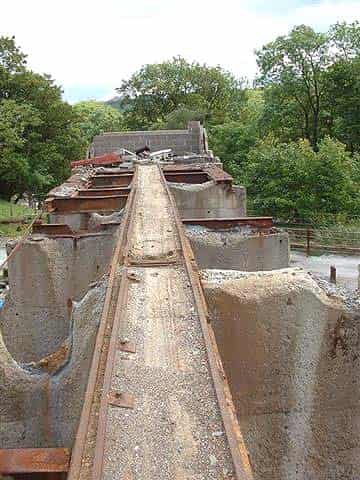
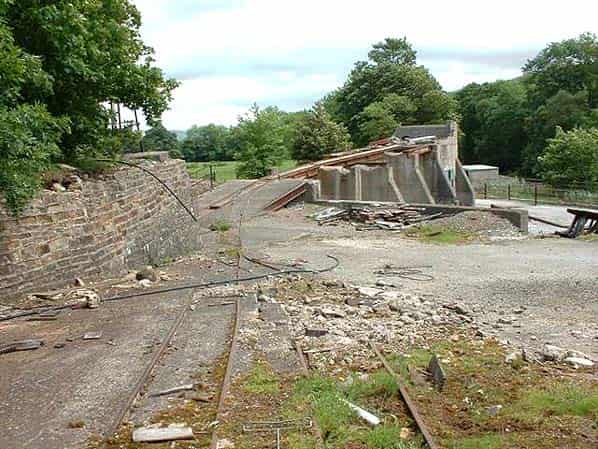
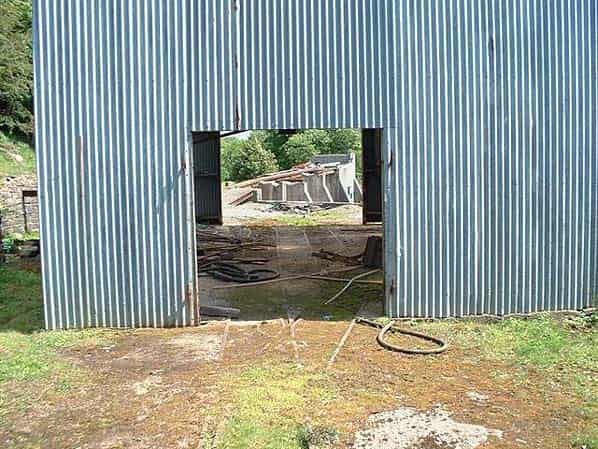
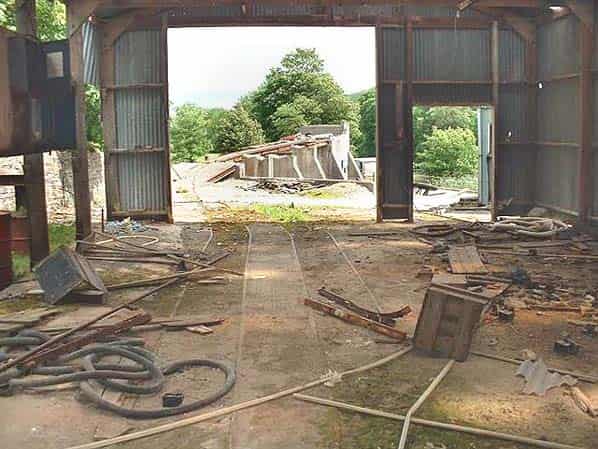
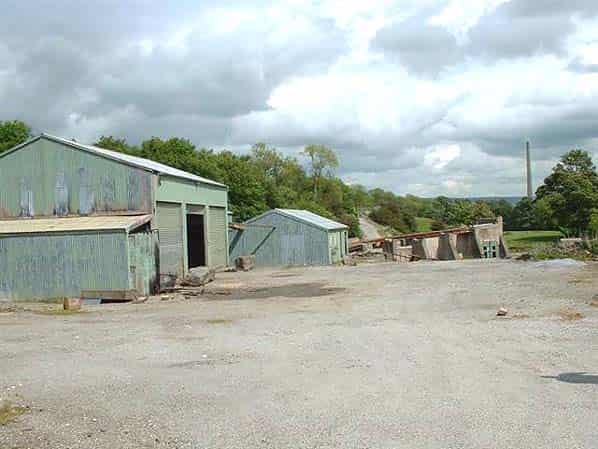
Most of the buildings from the most recent workings are still extant including the tippler ramp but the winding house at the top of the incline and all the equipment has gone. The remaining buildings have been ransacked and vandalised and anything of scrap value has gone.
In about May 1971 the mine was in the hands of Star Aluminium and was sold again in August 1982 to Weardale Minerals Ltd. Weardale Minerals had built a fluorspar washing, crushing and drying plant at Blackdene Mine near Ireshopeburn and had several mines in the 70’s or 80’s including Grove Rake, Wolfs Cleugh, Redburn and Frazers Hush in the Rookhope Valley, East & West Blackdene, Cambokeels, a bagging plant in Broadwood Quarry and Stanhopeburn all in Weardale and White Heaps at Hunstanworth.
Weardale Minerals in turn were taken over by The Minworth Group who were based on Tyneside and who were also responsible for mining barytes in the Strontium area of West Scotland which was supplied as a grinding paste to the oil drilling industry in the North Sea. Further levels were established at 280 and 320 meters and production had reached the 340 level by the time the mine closed in 1989.
One Friday in 1991 The Minworth Group went bankrupt and all their sites were abandoned. Two or three years later Sherburn Stone which is a quarrying company based at Sherburn Hill near Durham took over the mining rights but only operated the Grove Rake/Frazers Hush complex for a short period. Sherburn Stone cannibalised Cambokeels to keep Grove Rake running.
All mining has now stopped and sites are gradually either being cleared or allowed to fall into decay.
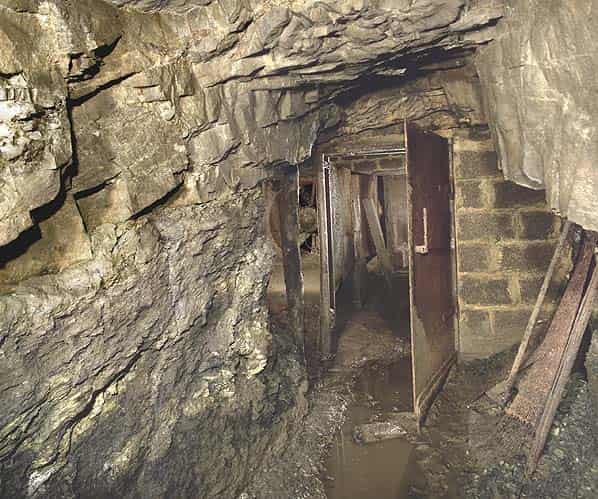
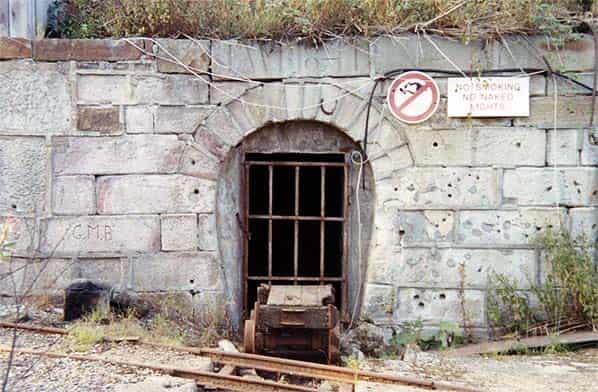
Currently, the incline is flooded up to the surface and the Beaumont Horse Level has collapsed just inside the entrance. Actually as with most mines in Weardale/Teesdale, the roofs are purposely brought down to stop people getting lost in the labyrinth of interconnecting tunnels. The Horse Level was grilled about 1997.
Sources:
- Weardale Mines by R A Fairbairn