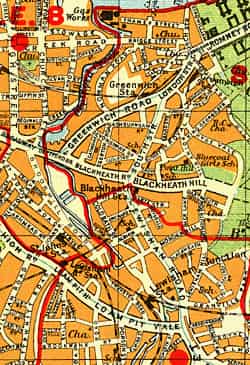
The original plans for the Greenwich Park branch of the London Chatham & Dover Railway (LCDR) proposed a line from Nunhead through Greenwich terminating at the Royal Dockyard in Woolwich. However, with the opening of the South Eastern Railways(SER) extension from Greenwich to Woolwich in 1849 there was no longer a need for the Greenwich Branch extension to Woolwich and the LCDR were eventually authorised to build a 2mile 18chain line between Nunhead and Crooms Hill, on the western side of Greenwich Park, by an Act of Parliament in July 1863.
Financial problems delayed construction until 1871. The branch opened as far as Blackheath Hill on 18th September that year with one intermediate station at Lewisham Road; a second at Brockley Lane was opened in June 1872. Despite disappointing receipts, the LCDR continued with their proposal to extend to Greenwich but financial difficulties meant the extension wasn’t completed to Greenwich Park (Greenwich until 1900) until 1st October 1888.
The extension failed to attract additional traffic to the line which was unable to compete with SER’s direct line from Greenwich into central London. A push-pull service was introduced in 1913 in an attempt to cut losses, but the Greenwich Park branch closed on 1st January 1917 as a war time economy measure and never reopened. The station was, however, occasionally used after that date for the public to travel to Blackheath for events on the Heath.
In 1927 the Southern Railway refurbished the section of line between Nunhead and Lewisham Road with a new spur being built down to the Mid Kent line between St. Johns and Lewisham; the remaining severed section of the branch between Lewisham Road and Greenwich Park was formally abandoned by Act of Parliament in 1929.
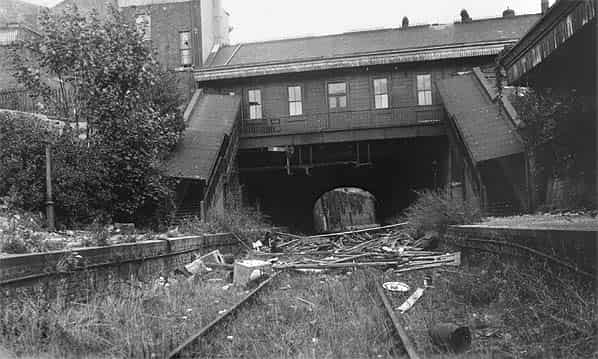
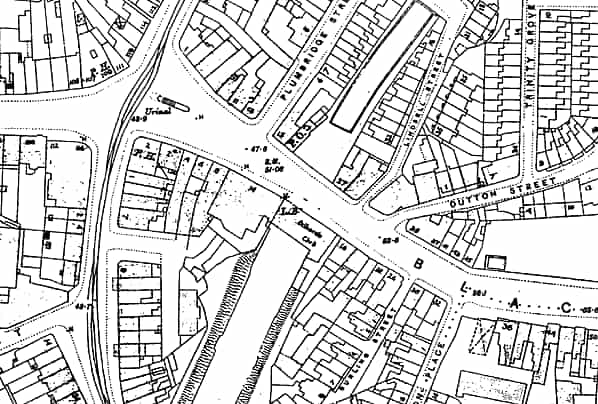
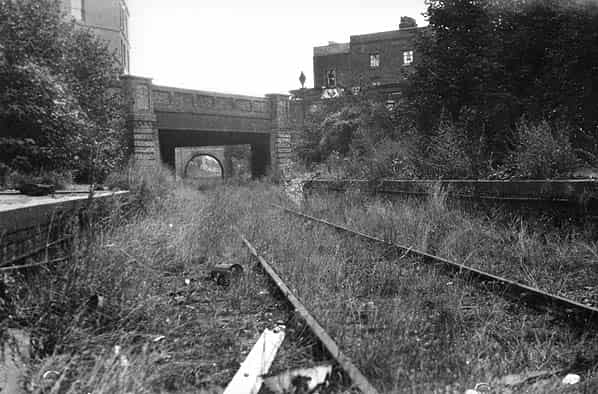
Blackheath Hill Station was sited in a deep cutting on the south side of Blackheath Hill and after leaving the station for Greenwich, trains immediately entered a short brick-lined tunnel under the A2 (Blackheath Hill) which was 55 yards in length.
The brick and timber street-level building of Blackheath Hill station had a covered footbridge giving access to the platforms in the cutting below. After closure, the station building was used by the ‘Services Remembered Club’ from 1921 and from 1929 it housed the ‘MacCormack Billiard Club’ which became the ‘Blackheath Billiard Club’ in 1931. It seems unlikely that the club would have used the tunnel.
The billiard club remained there until the outbreak of war in 1939 when the station was leased to the Helliot Machine Tool Company who were involved in war work.
On the north side of Blackheath Hill, the tunnel extended for a short distance before opening into a deep cutting. There were retail shops on the north side of Blackheath Hill, with houses on the east side of Plumbridge Street which runs parallel with the railway line on its west side. At some time after closure of the line, a concrete floor was laid through the tunnel forming a large underground work space. This was done before the track was lifted in 1929 as the concrete was poured over the track and sleepers. It is unclear what this underground area was initially used for, but the 1927 Kelly’s directory lists a company called Express Cable & Engineering in Plumbridge Street. This was the only business shown so it seems likely that they might have occupied the tunnel from this date. By the mid-1930s there was a builders yard on the course of the railway line on the north side of Blackheath Hill and this company used the tunnel to store breeze blocks.
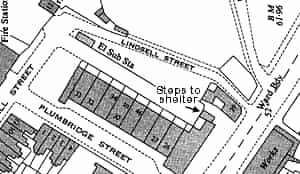
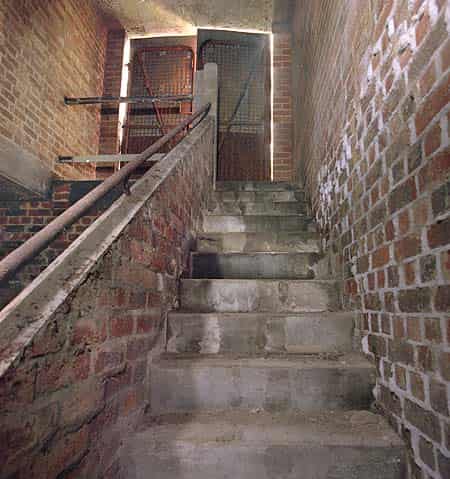
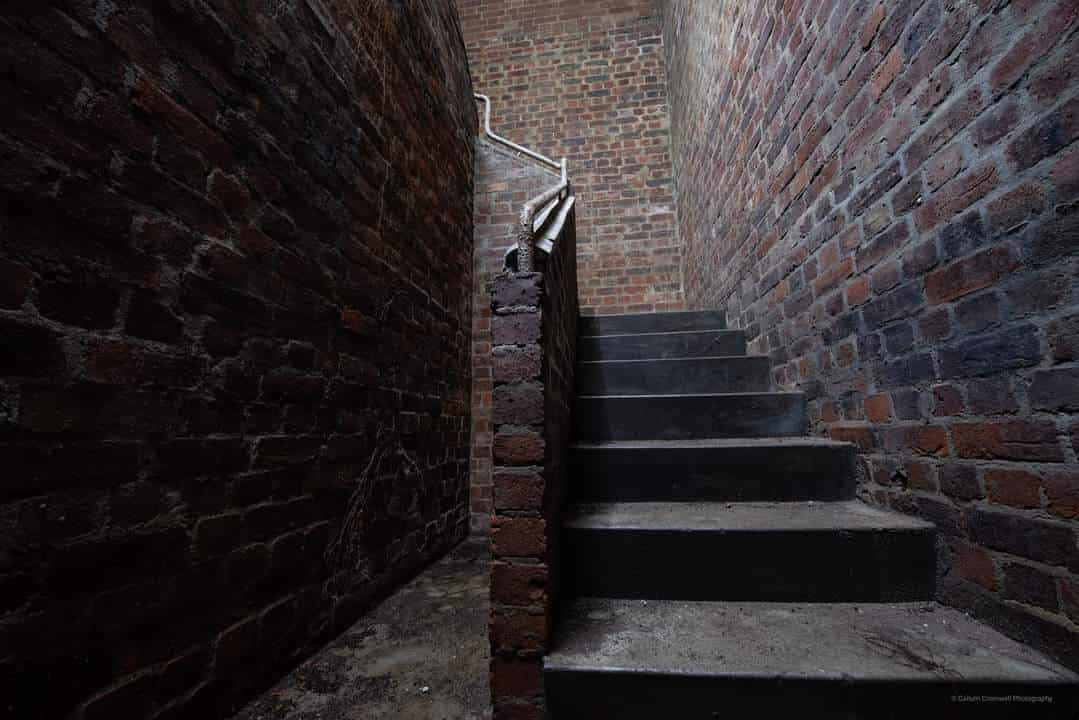
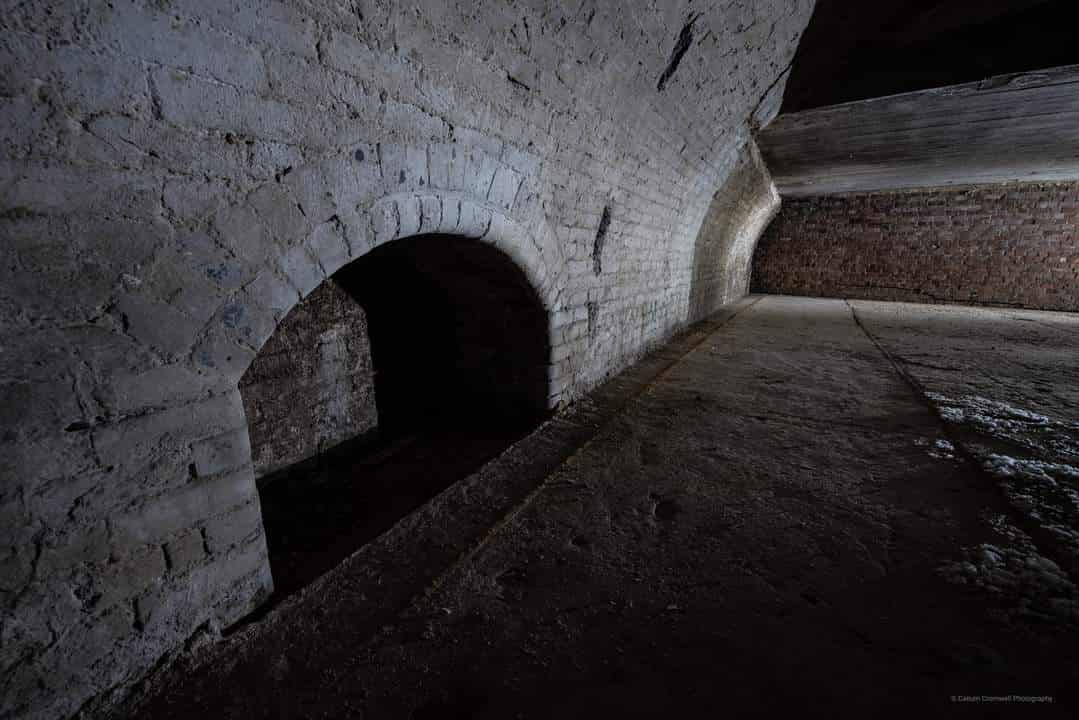
On 17th June 1940 the tunnel was leased to Greenwich council by the Southern Railway for use as an air raid shelter. This conversion was approved by the Ministry of Home Security on 11th July 1940 and the total cost of the conversion was £394 plus £80 for temporary works. It was known as the Blackheath Hill Shelter, with access from Lindsell Street and Sparta Street plus a set of steep steps down from Blackheath Hill to a midway point within the shelter. The main entrance to the shelter was from Sparta Street from where there was a short walk along the infilled cutting and down a gentle slope into the shelter (the slope was later replaced by a series of wide steps). Chemical toilet cubicles were sited at the entrance and just inside the tunnel there was a small canteen, kitchen and first aid post. The internal walls were whitewashed. A second set of chemical toilets was later proposed for the Lindsell Street entrance but these were considered unnecessary as those at the Sparta Street entrance were considered adequate. The shelter was always damp and was fitted with an electric heater in January 1943. By this time the shelter was usually referred to as the Sparta Street Shelter.
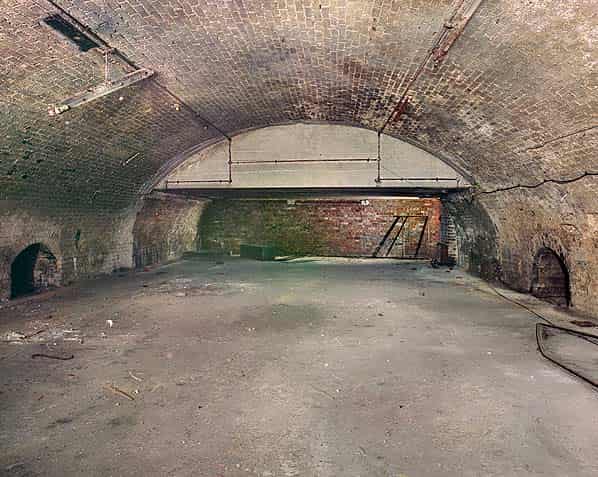
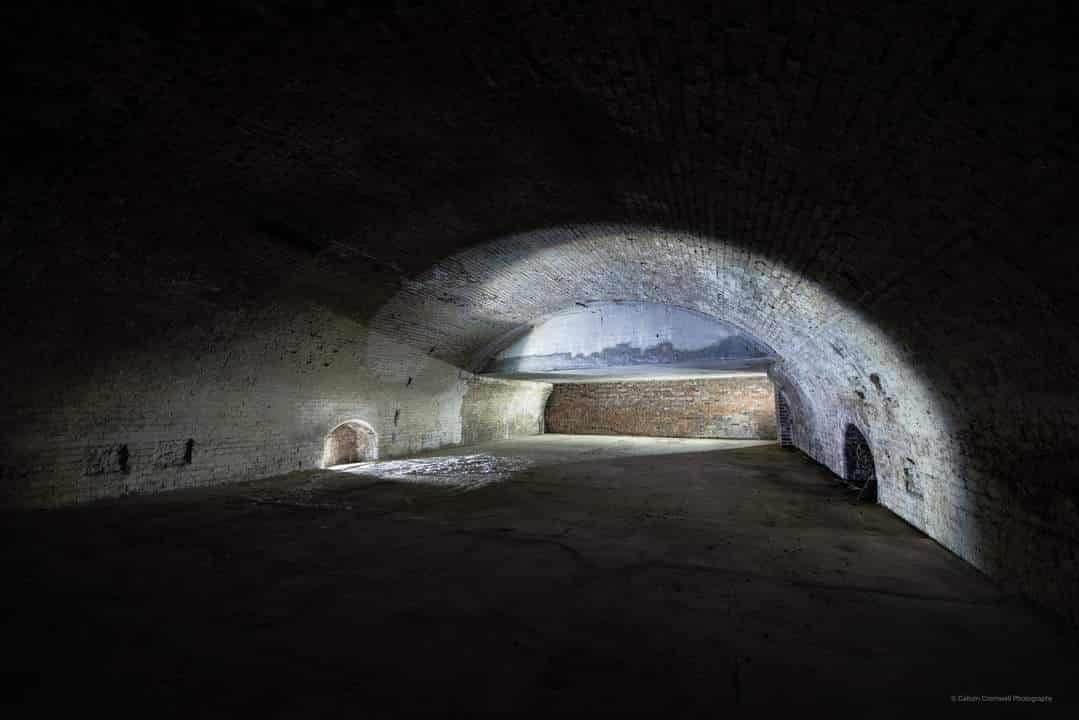
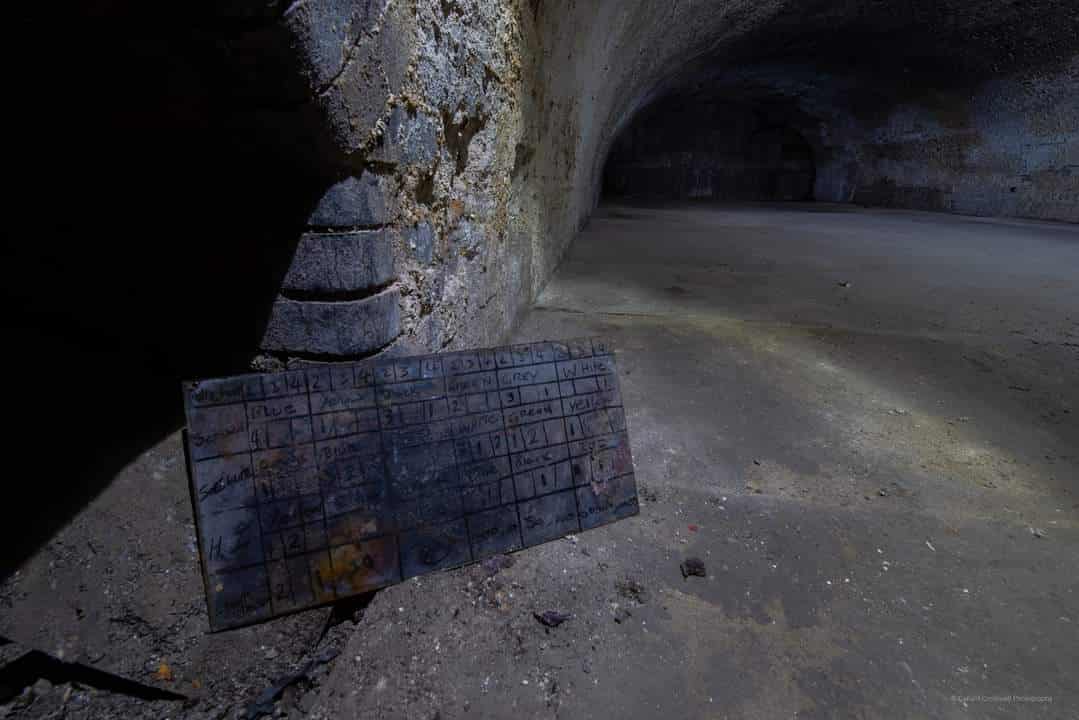
The tunnel was divided into two large rooms, the room on the north side of Blackheath Hill being slightly longer than that on the south side; it was necessary to go through one room to reach the other. Each room had triple bunks around the walls with another line of bunks across the centre of the room; the bunks were separated by curtains for privacy. Many local residents spent every night in the shelter during the blitz, often arriving there during the afternoon. They were given regular numbered bunks and were allowed to keep personal belongings in the shelter. There was no segregation between male and female and families were kept together. The shelter was returned to the Southern Railway on 25th December 1946.
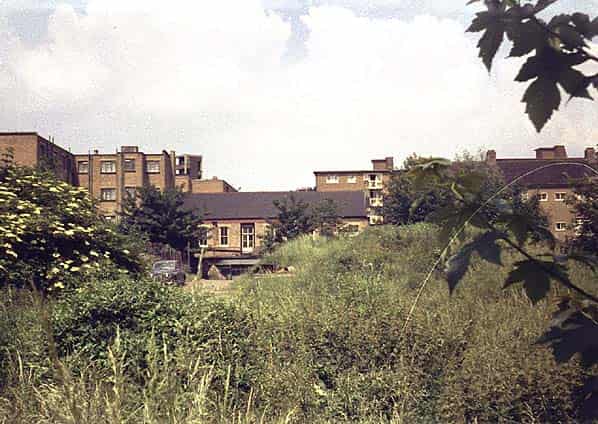
By 1949 the houses on the east side of Plumbridge Street and the shops along Blackheath Hill had been demolished and replaced by a four-storey block of flats above shops in Plumbridge Street. This building extended along Blackheath Hill as a two-storey block with a single-storey extension at its east end accessed from the service road at the back of the shops in Plumbridge Street; from here there were steps down into the railway tunnel which was now back in industrial use.
After the war, the Helliot Machine Tool Company used the tunnel as a machine shop. Access into the tunnel was from the rear of the now much altered station building which was their office. At the rear of the building there was an open balcony which was, in fact, part of the original footbridge linking the two platforms. The cutting had been largely infilled but a ramp down into the tunnel had been built to maintain access.
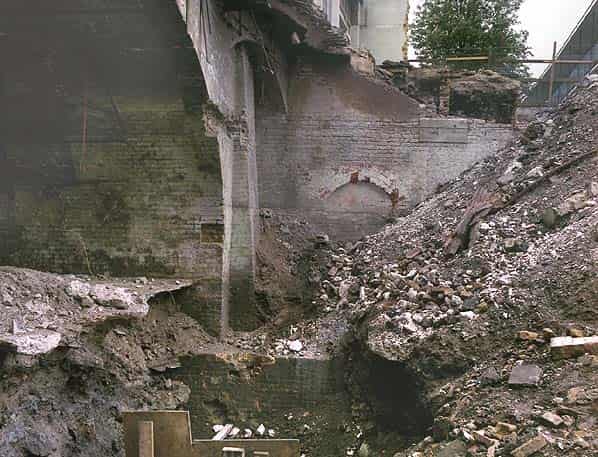
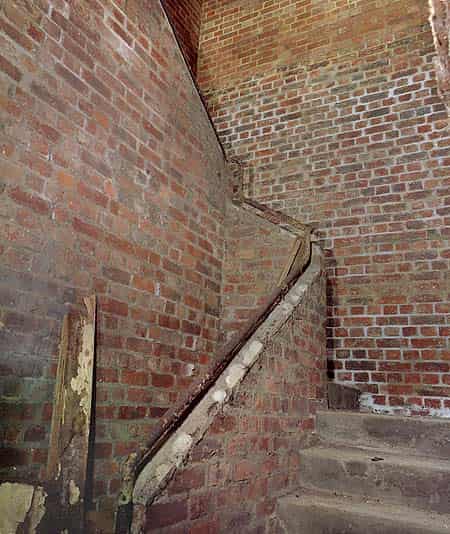
When visited by railway historians O. J. Morris and J. Pelham in 1956 and 1957, the stairs, retaining walls and the north end of the platforms were still visible and a number of hand-painted railway signs could still be made out on the walls.
In 1958, the Helliot Machine Tool Company moved to Greenwich Church Street and after remaining unused for several years the station and tunnel were occupied by R. Taylor & Co. Machine Tools from 1966. The company is no longer listed after 1969, but strangely the 1973 Kelly’s Directory lists the Helliot Machine Tool Company back in occupation.
From 1973 the site was occupied by a husband and wife team, Alan and Margaret Storey trading as Maganal or W. A. Storey (Plastics) Ltd. The company made road signs for local authorities. Many road signs in use today were either made by or designed by this company. They were the first people to standardise signage, lighting of signs and provide a catalogue of replacement parts. Alan Storey also pioneered the reflective sign and in conjunction produced the Universal clip, which was also made in the underground factory. The tunnel was used as their workshop and housed welding equipment, a cutting machine and a vacuum machine; the surface building was their office and silk screen shop; the company had 15 employees. The site was sold to a property developer in 1986 and W.A. Storey moved to Peckham and ceased trading the following year following the death of Alan Storey.
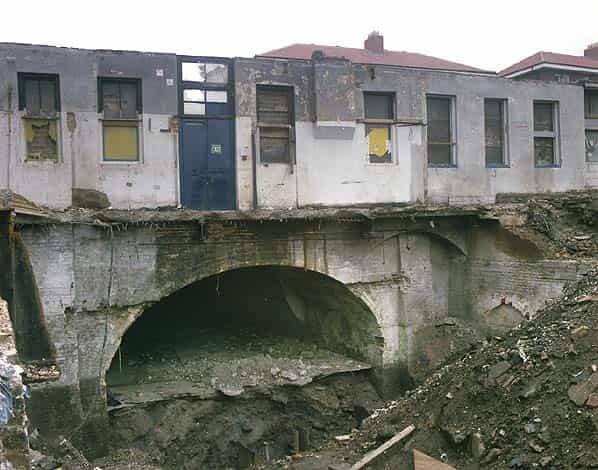
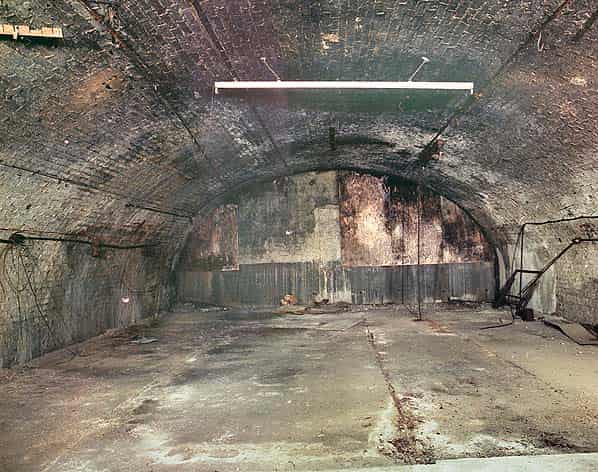
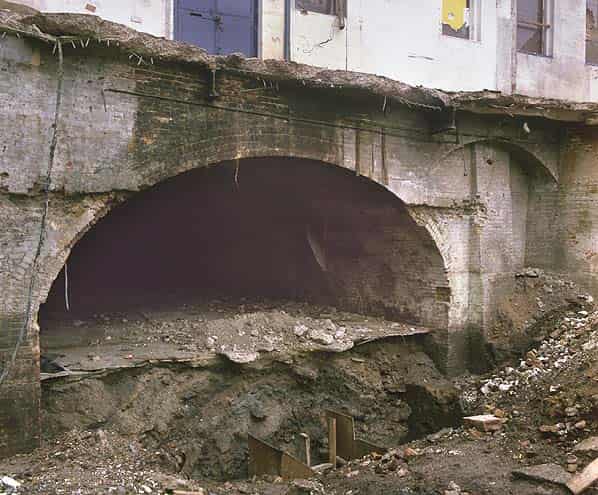
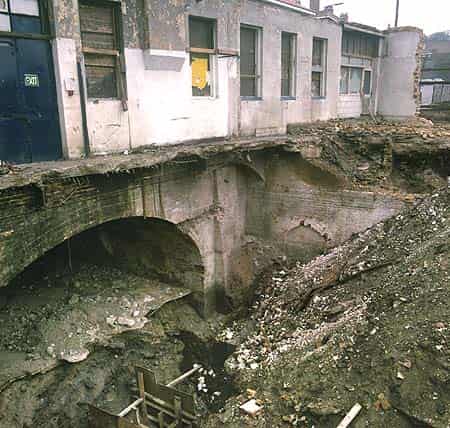
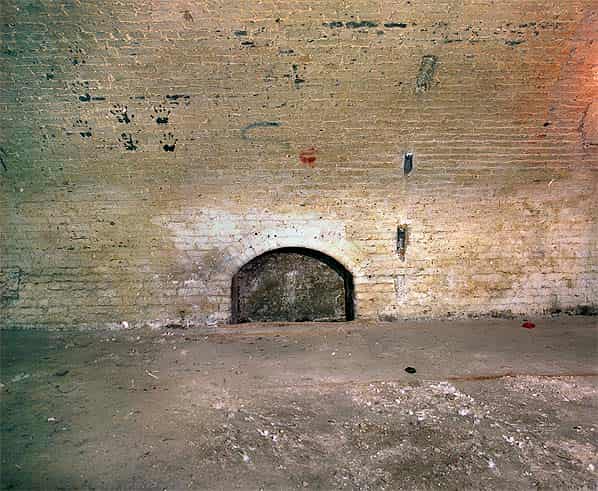
The station building remained empty for a year and was demolished in 1987 to make way for a new housing development called Robinscroft Mews. Worried that the new development might subside into the tunnel, the southern portal was fully excavated and the north ends of the platforms were exposed, wooden shuttering was placed across the portal and the excavation backfilled with concrete.
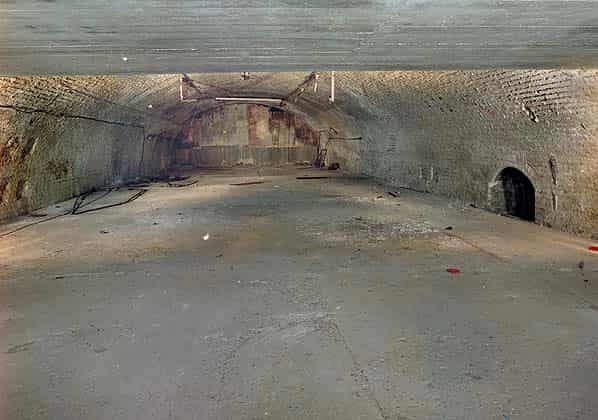
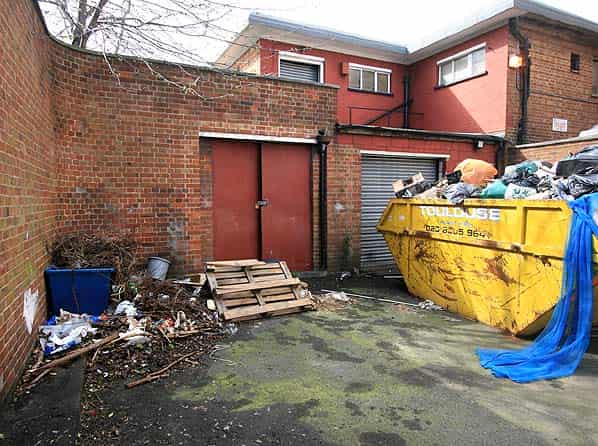
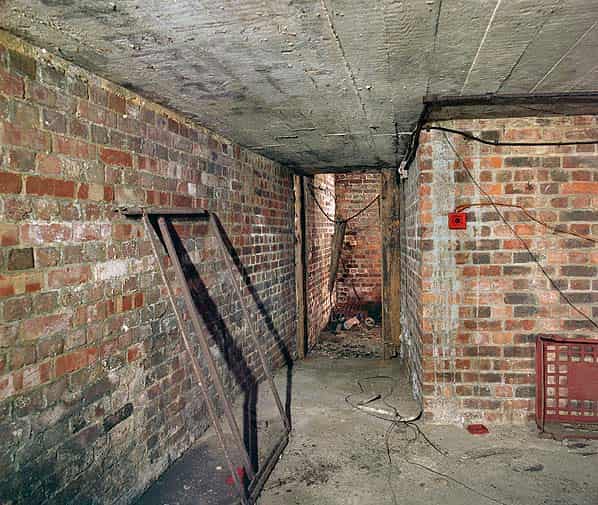
The tunnel was visited by the author in March 2008. At this time, the two-storey brick building on Blackheath Hill was empty and available to let; the last occupier had been the Regency Bakers. The main access into the building is from Plumbridge Street with a delivery entrance in the single-storey extension accessed from the service road behind the shops. There is a second set of double doors adjacent to this goods entrance which opens onto a flight of concrete steps going down 14 feet to a short passage. At the end of the passage a wooden door opens into the tunnel.
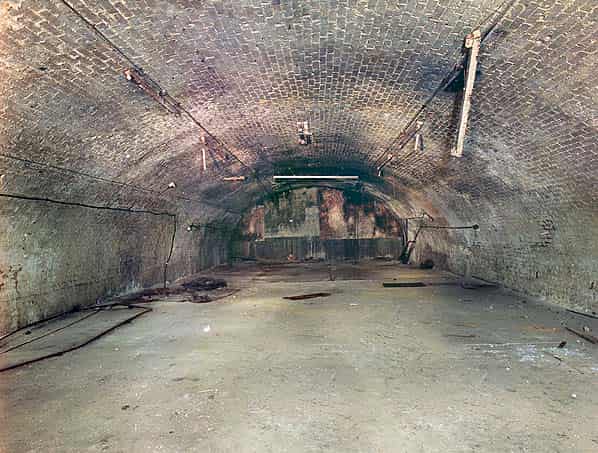
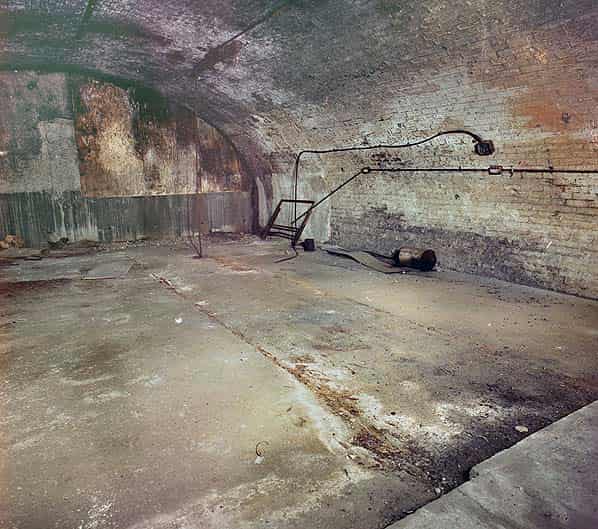
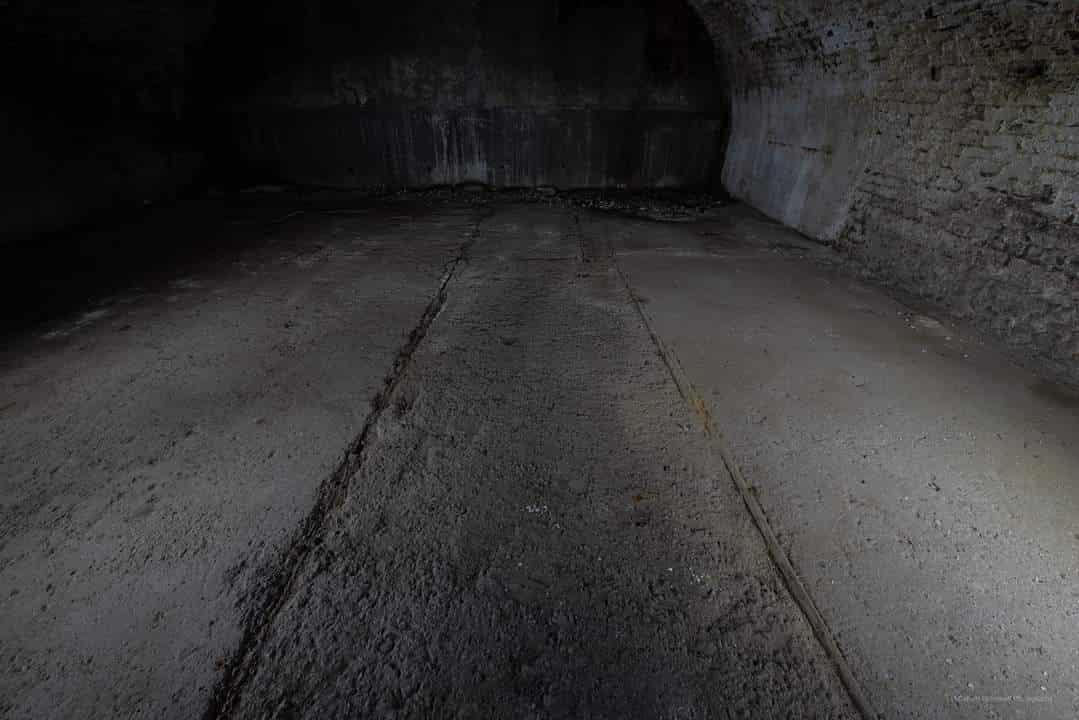
The remaining section of the twin-track brick-lined tunnel is 92 feet in length and 26 feet wide with two safety recesses in the side walls. At the north end, a concrete raft cuts through the tunnel to support the building above. There are several fluorescent light fittings fixed to the roof dating from the 1960s. The brickwork has been painted, but where one of the light fittings has become detached the original soot covering the tunnel roof can be seen.
At the north end of the tunnel metal rails can be seen in the concrete floor. The distance between them is 4' 8 ½" (standard gauge). This can’t be a section of original railway track as the present floor is several feet above the original track level. It used to be common practice to lay rails for moving heavy metal wheeled trolleys for jobs in machine shops, often using standard gauge axles which were easy to buy second hand. This could account for these rails and would make sense as it would appear there has never been overhead gantry in the machine shop / tunnel. At the southern portal the wooden shuttering and the concrete infill behind it can clearly be seen.
Sources:
- Terry Burr and Eleanor Monk - employees of W. A. Storey (Plastics) Ltd.
- Margaret Storey - proprietor W A. Storey (Plastics) Ltd.
- Cliff Marsh and Jean Ivermee - used the Sparta Street shelter during WW2.
- A report on the remaining features of the Greenwich Park branch by O. J. Morris & J Pelham 1956/7.
- Various minutes of the Greenwich ARP committee 1940 - 45.
- Kelly’s Directory (various) 1917 - 1987.