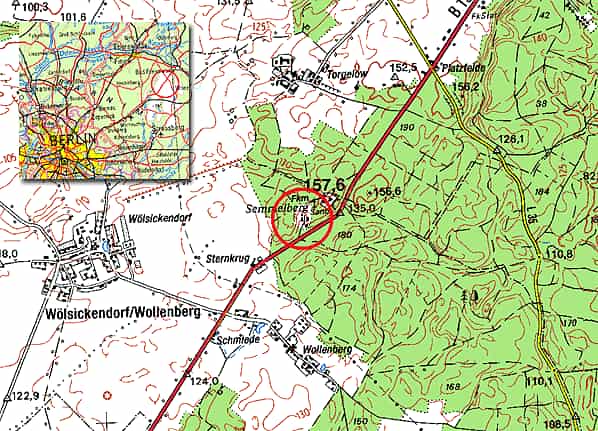
Station 301 is located on the west side of the B158, NE of Berlin at a distance of 45 km from the Berlin city centre and 7 km SW of Bad Freienwalde.
Wollenberg was one of three military tropospheric sites operated by the East Germans which formed the western end of the BARS (Russian for “snow leopard”) tropospheric network within the Warsaw Pact. BARS was first mooted in 1980 and officially went on stream in 1987, although some sites were not commissioned until later. The EGER sites were in the 300-series (date of official start): 301 at Wollenberg (1987), 302 at Bad Sülze (1988) and 303 at Röhrsdorf (1985). The three sites formed a line roughly parallel to the Polish border and passing to the east of Berlin, with the north - south sequence being 302 - 301 - 303. The sites were fully integrated into the existing telecoms network of the German Democratic Republic (GDR).
There were 26 sites in the BARS network: 5 in the USSR (100 series), 7 in Poland (200 series), 3 in the GDR (300 series), 3 in Czechoslovakia (400 series), 4 in Hungary (500 series), 4 in Bulgaria (600 series). Romania at this time was no longer a playing member of the Warsaw Pact and was therefore bypassed. The EGER sites were fully bunkered and it was initially planned to install four sets of the R-417 BAGET tropospheric equipment in each site. In practice, 302 had one set, and 301 and 303 each had three sets installed. When fully shut down and with the front door tightly closed, the bunkered transmitter sites could have operated for some 30 days.
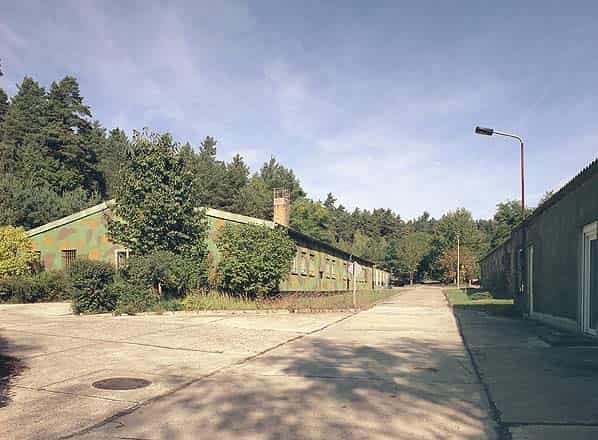
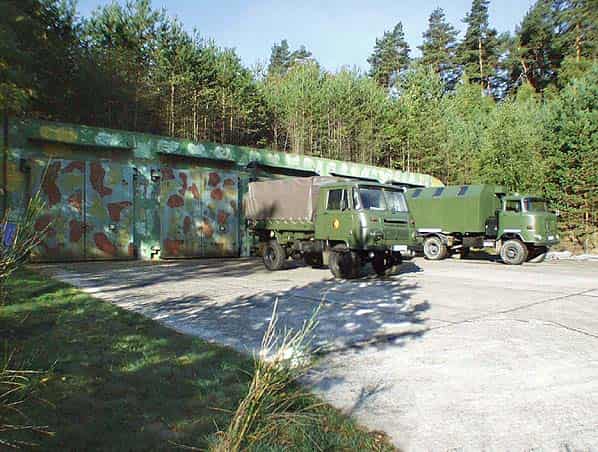
Each site was divided into a technical section and an admin section (accommodation and guard duties). The large garage complex was designed to house mobile equipment and was protected against the effect of blast waves and shrapnel. The mobile version of the tropospheric equipment, the R-417 M, was mounted on five vehicles.
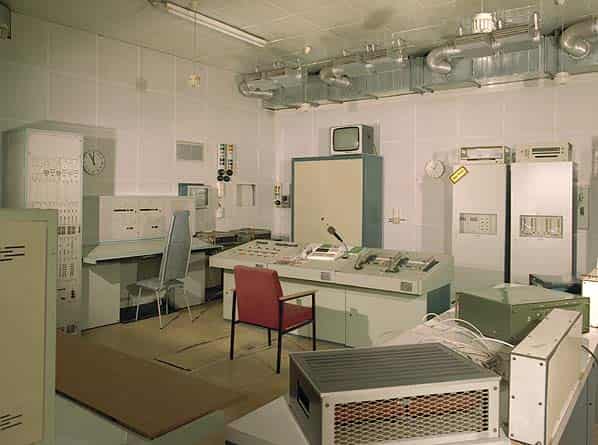
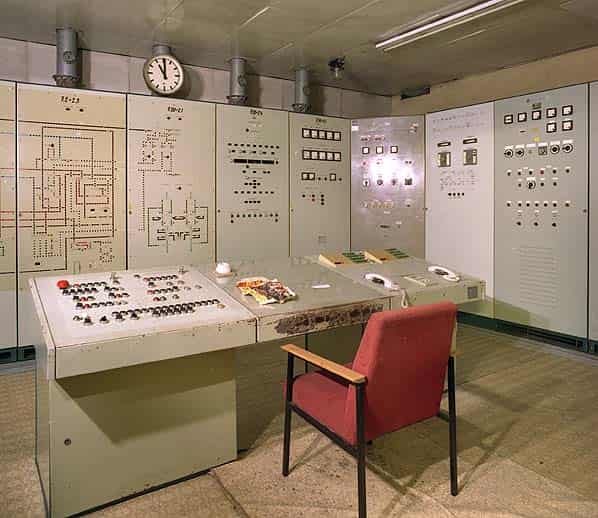
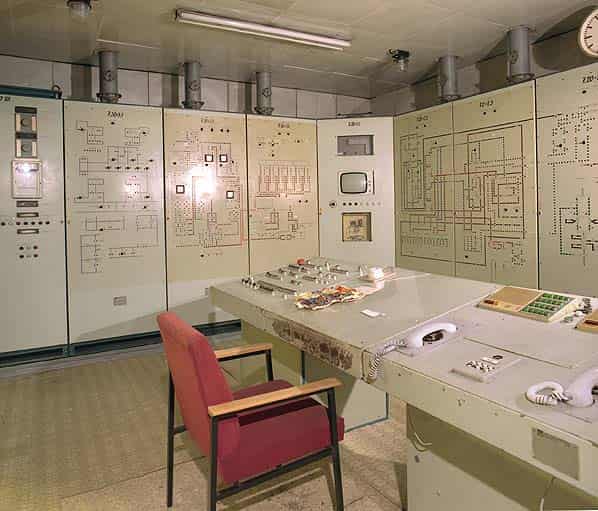
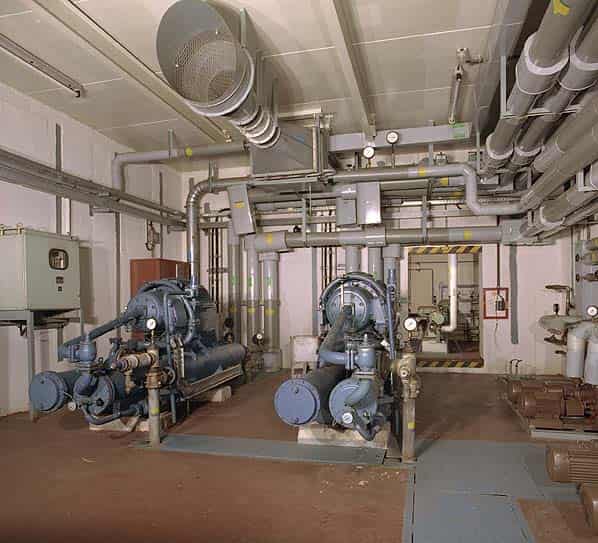
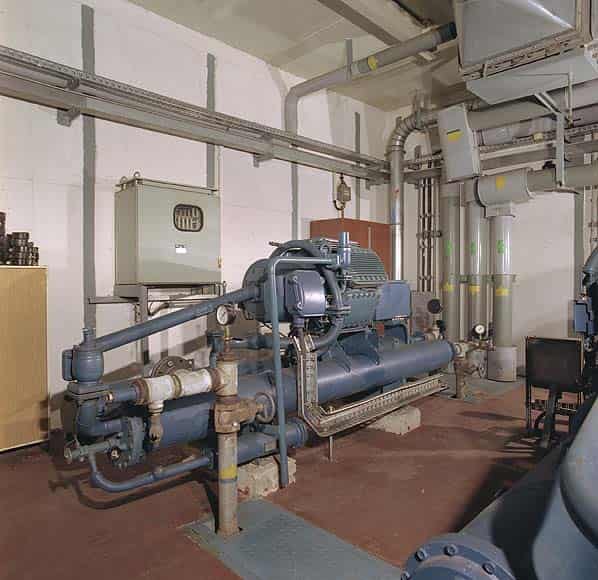
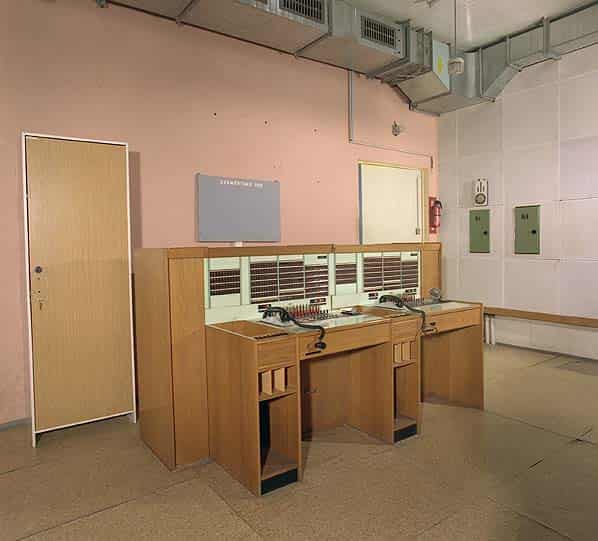
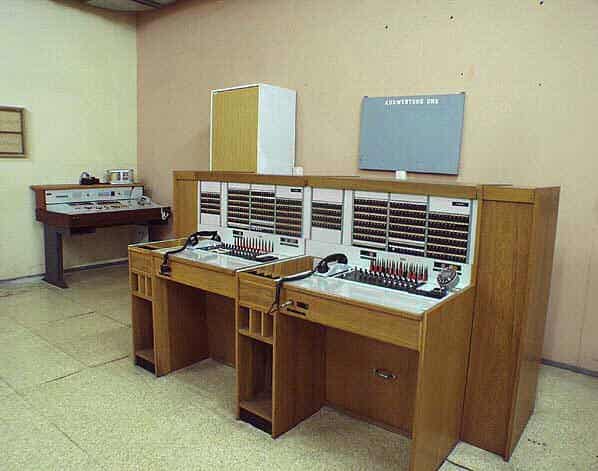
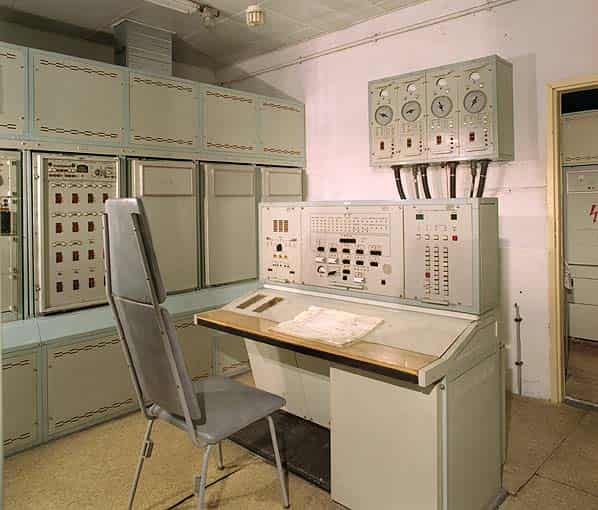
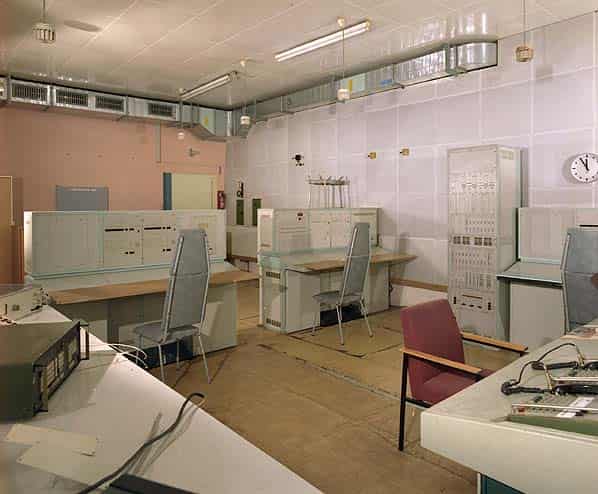
The technical zone was the bunker itself: a 2-storey complex, measuring some 30 x 30 m. At Wollenberg the bunker was built into a small rise in the ground, which was first removed to a nearby area when construction was started and subsequently reinstalled over the completed bunker. Level 2 housed the supply services (power, HVAC, filters, water plant, workshops, etc.), while Level 1 housed the three sets of transmitting and receiving equipment and other ancillary communications gear, including the telephone exchanges. Some 60 - 70 personnel were involved in running each of the sites (civilian and military).
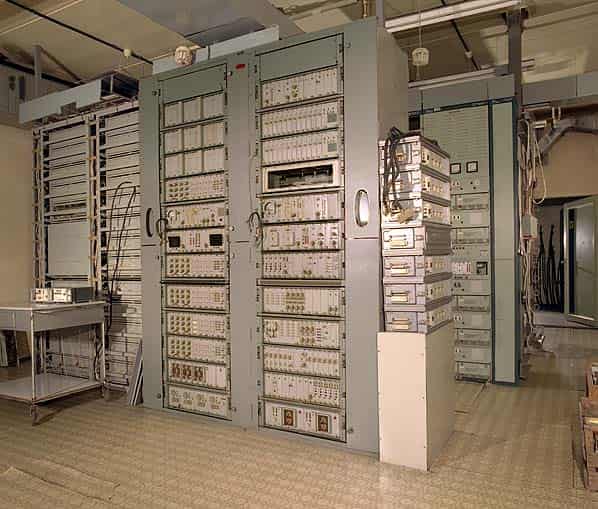
The R-417 BAGET-S (static) system operated in two ranges (4435 - 4555 GHz and 4630 - 4750 GHz), using 60 channels. Its operating range was some 2000 km. Signal strength went out at 1.5 - 2.5 kW per direction/frequency.
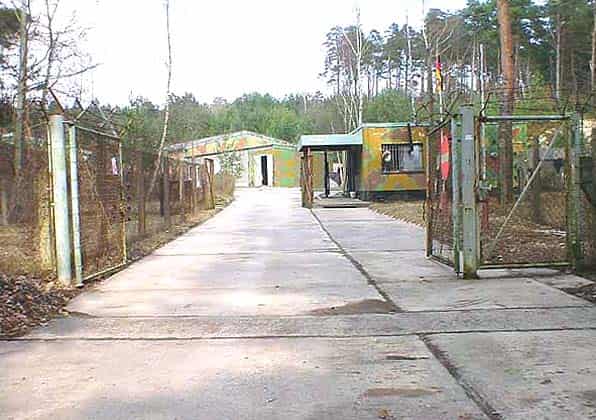
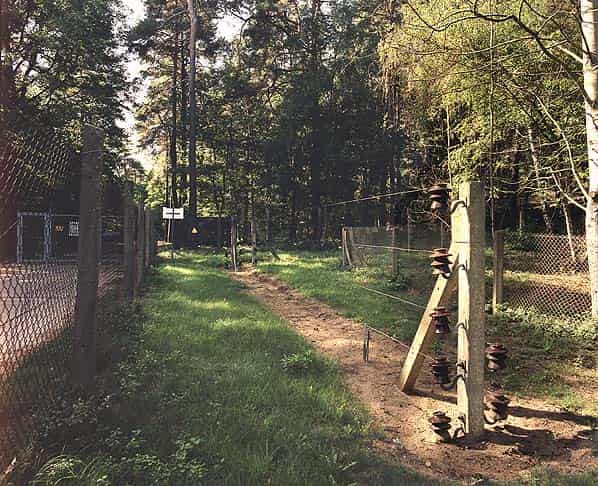
Following the departure of the Bundeswehr (German army), who occupied the site after unification Wollenberg 301 is now in private hands and is in the process of being refurbished as a museum. It has been restored to its former glory by the hard working small group of enthusiasts who now own it. The former CO of the base has been drawn back in to help, and despite his initial complete lack of interest, has now turned into one of the keenest helpers and reputedly spends more time there than at home. They have secured the site including the high-voltage electric fence. This, they claim, is being set up to carry high voltage again, ‘to deter animals’. The site is ringed by a 2m high outer fence, the electric fence, and an inner 2m fence.
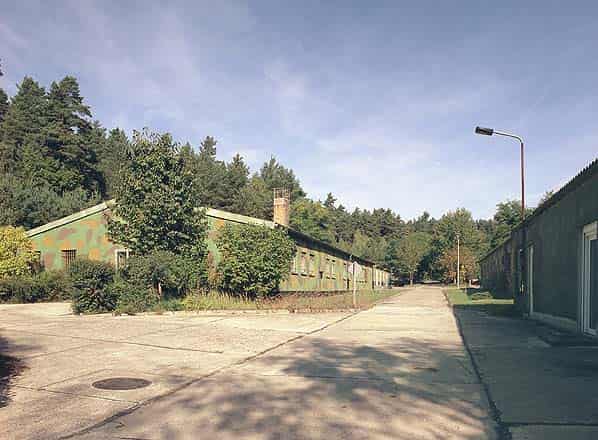
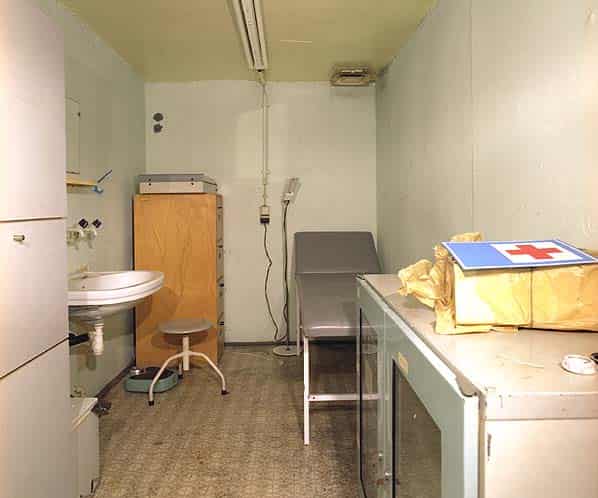
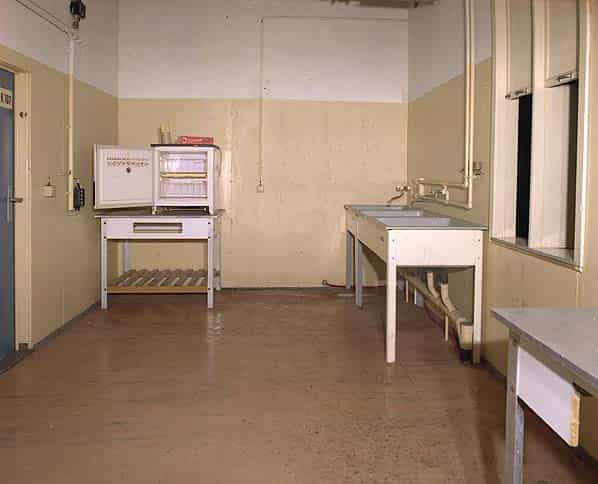
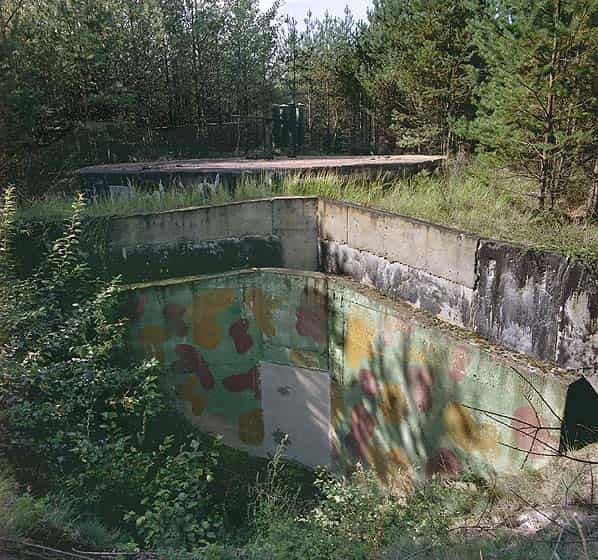
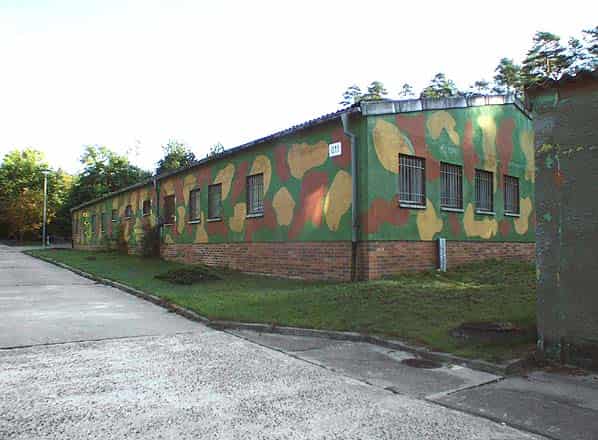
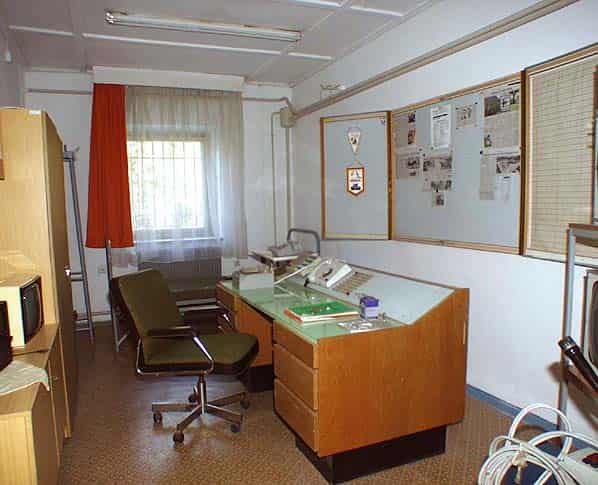
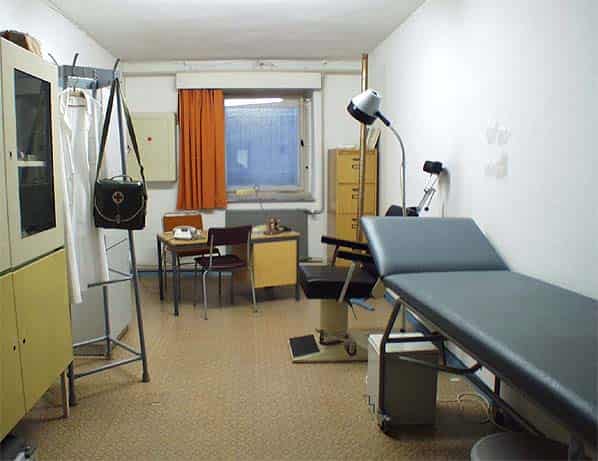
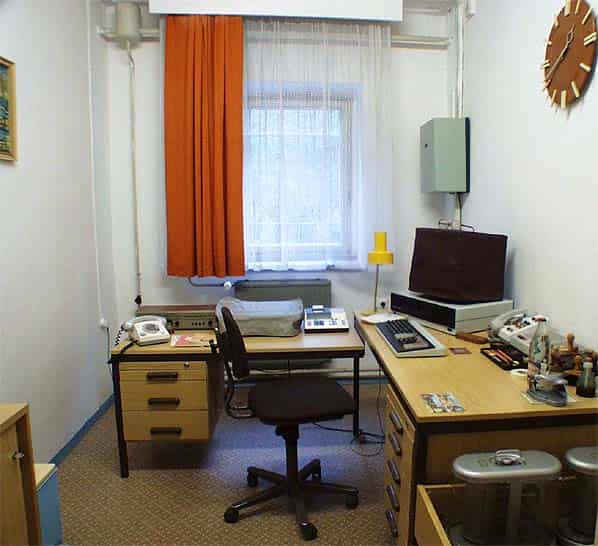
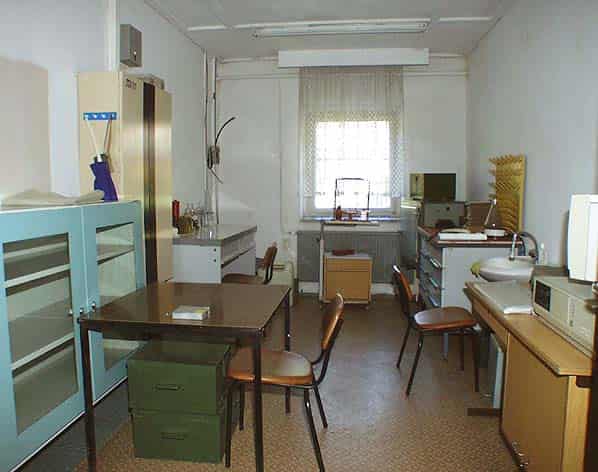
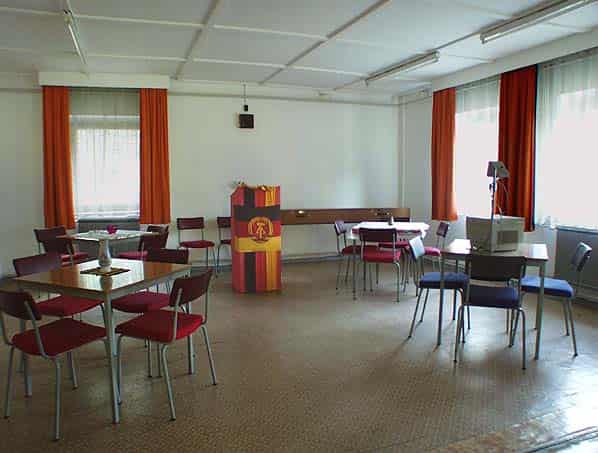
There are various external buildings on the fairly large site, all camouflaged and undamaged, these include garages and a full set of offices. These buildings were stripped by the Bundeswehr but one of the single storey blocks, which includes the entrance tunnel to the bunker, has been restored with each of the rooms fitted out with the GDR furniture and accoutrements. It should be stressed that these rooms are not necessarily an accurate representation of what would have been there (there was no laboratory for example) but represent the type of furniture and fittings that would probably have been there.
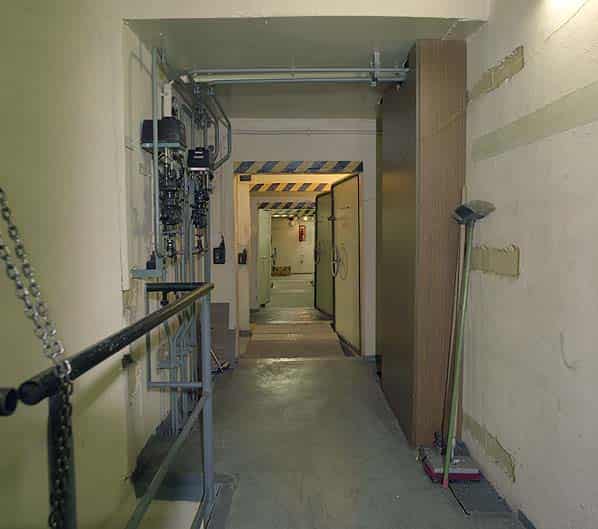
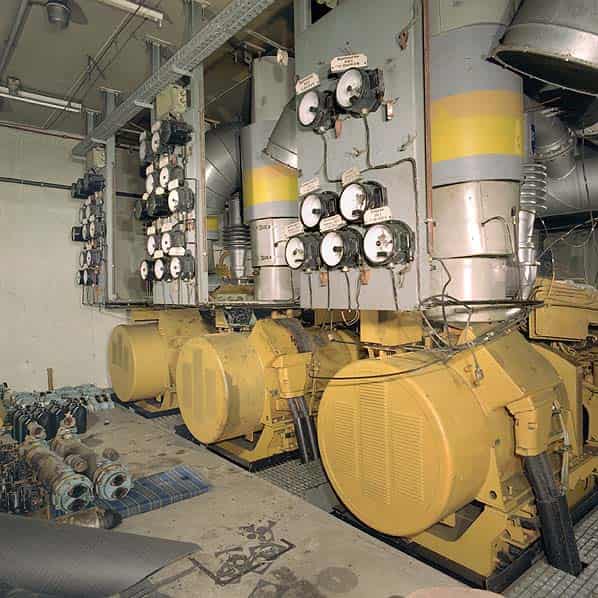
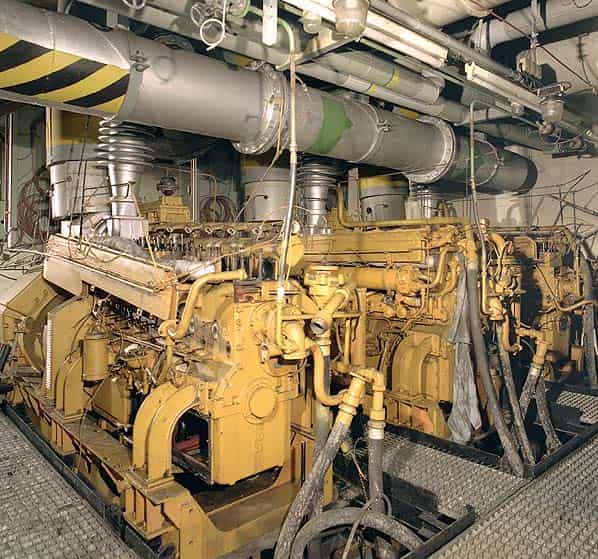
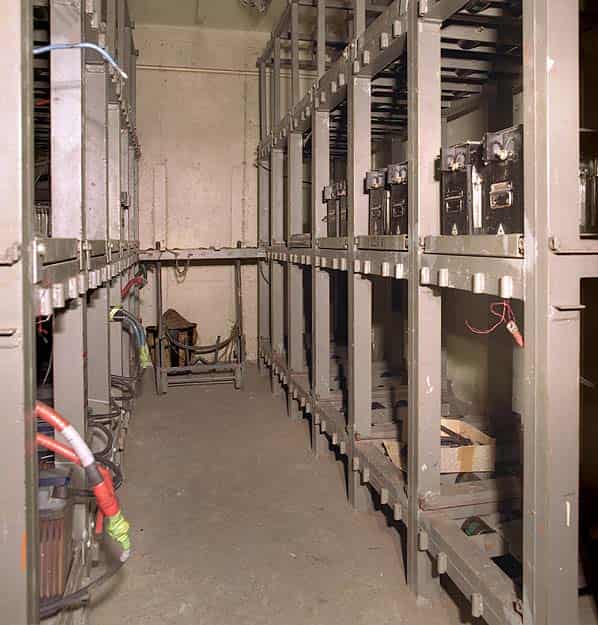
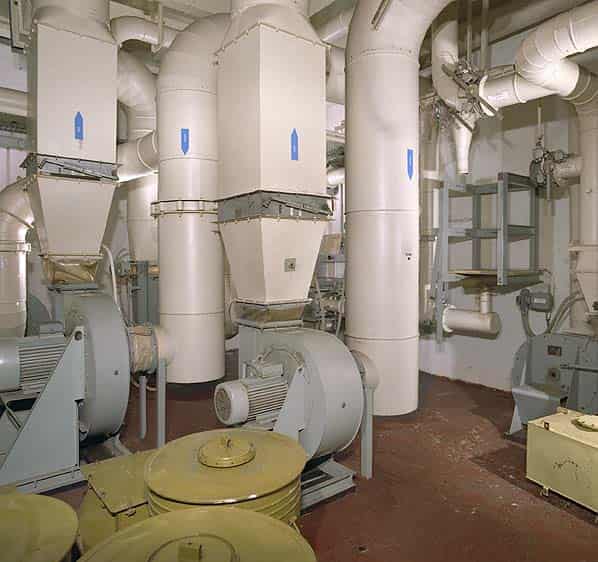
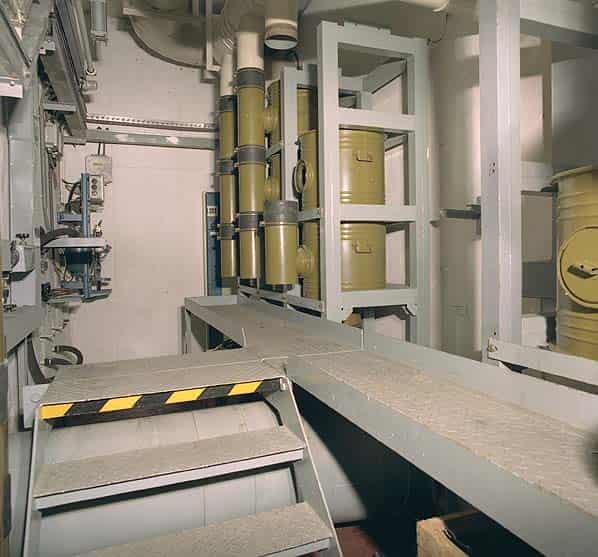
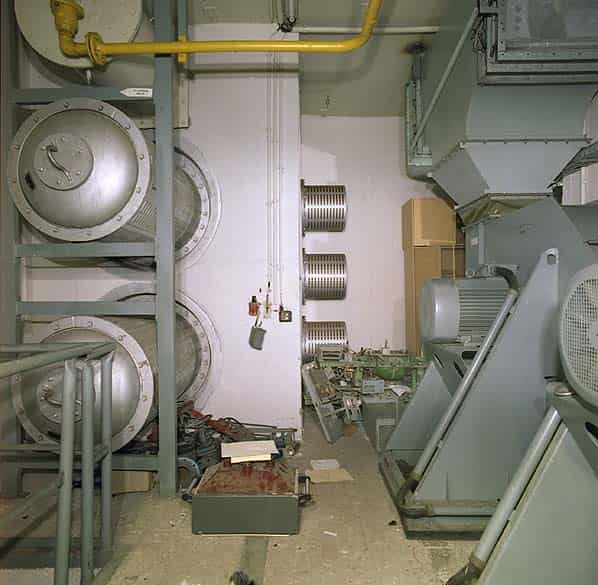
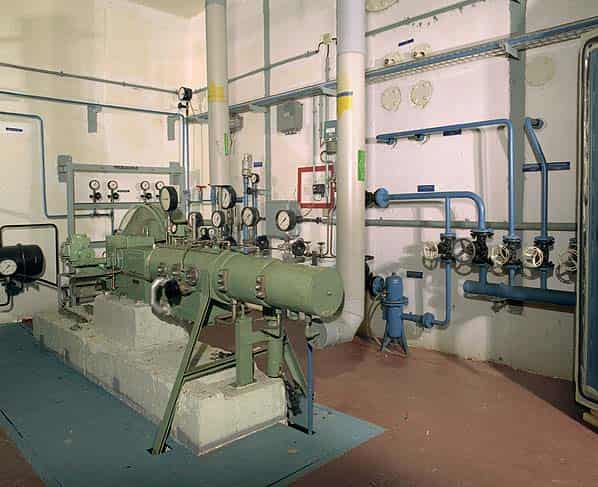
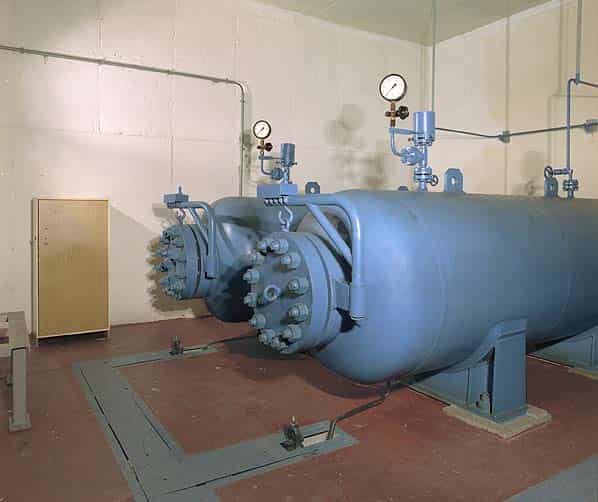
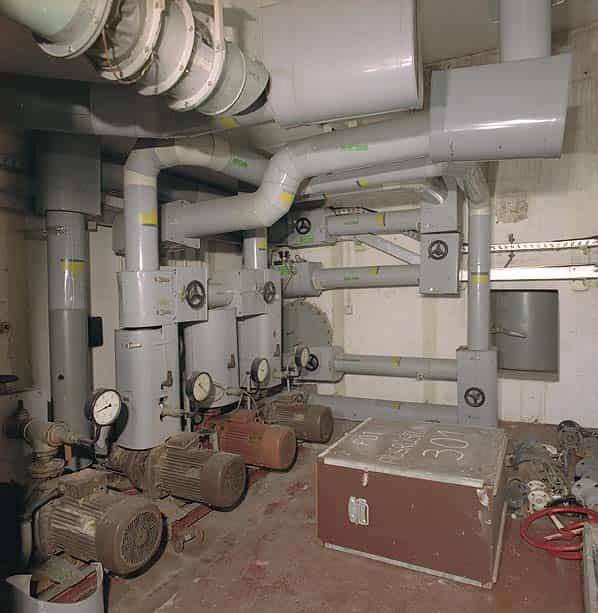
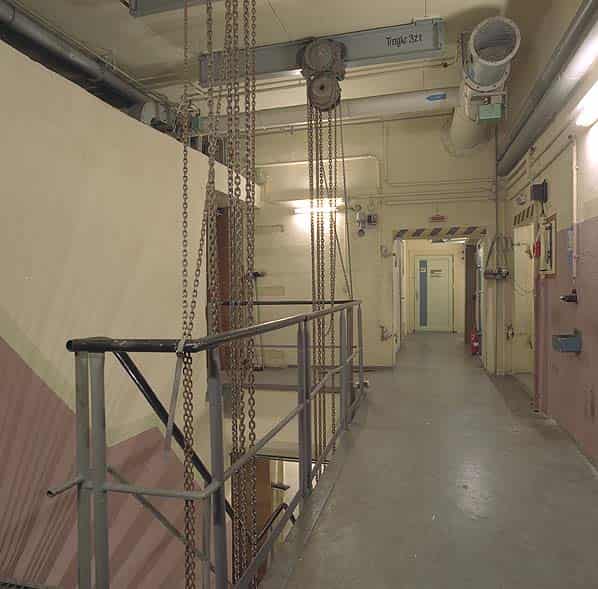
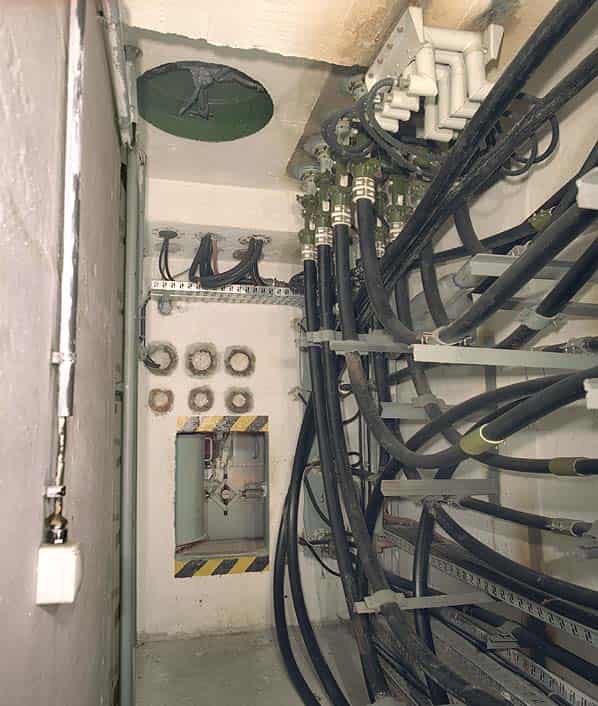
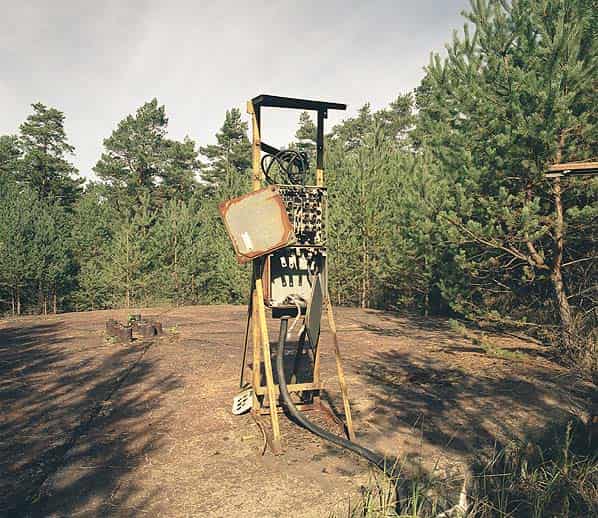
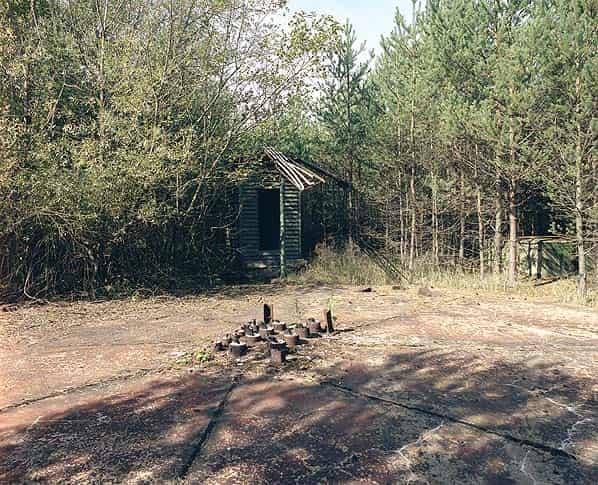
At the end of the long access tunnel is the two level bunker which is still fully equipped with its ventilation and filtration plant, stand-by generators and duplicate sets of transmitting and receiving equipment. Some of the equipment has been recovered from the other two East German tropospheric sites at Bad Sülze and Röhrsdorf. The three radio masts above the bunker have been demolished although their concrete bases and the severed feeder cables are still clearly visible.
Sources:
- Tony Page