The final stage of the ROTOR Programme (Rotor 3) was to provide radar cover for the north and west of the British Isles which were still exposed to attack and to give low and surface level cover over the Atlantic, the absence of which prevented effective action against low flying enemy aircraft. Three new CEW stations were to be built at Faraid Head, Aird Uig, and Saxa Vord equipped with Type 80 Mk 2 and Type 13 radars. The new CEW operations buildings were to be above ground, heavily built and designated R10, similar in internal layout to the underground R1 bunkers.
Rotor 3 included five new Chain Home Extra Low (CHEL) stations equipped with Stage 1 radar equipment to enable detection and tracking of low flying aircraft. (Stage 1 comprised Type 7 Early Warning [E/W] GCI, Type 14 E/W search radar E/W or Fighter Control [CEW station], Type 13 H/F and a Type 15 [mobile Type 7] - radars from this list were installed as required) The proposed stations were at Kilchiaran, Murlough Bay (demolished), Prestatyn, Snaefell and West Myne. These were to be heavily built operations blocks, designated R11; the above ground version of an R2 bunker.
Two new GCI stations were also proposed as part of the Rotor 3 programme, each equipped with a Type 80 radar and R8 prefabricated operations block. One at Ballywooden (Killard Point) in Northern Ireland and the other at Wick on the Scottish east coast. Records show that the station at Wick was never completed and this is borne out by the evidence still visible on the ground.
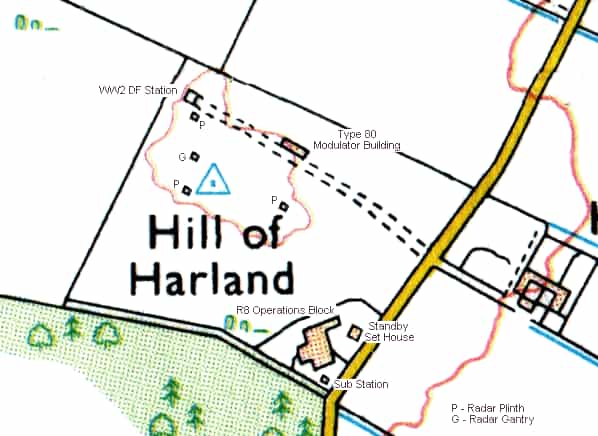
The ROTOR station at Wick is located on the Hill of Harland at Reiss, three miles north west of Wick, on the opposite side of the road to Harland Farm. The site had originally been used in WW2 for a Royal Navy DF station. This was part of the RN intercept ‘Y’ service. This, together with similar army, airforce and civilian ‘Y’ stations provided raw material for code breaking at Bletchley Park.
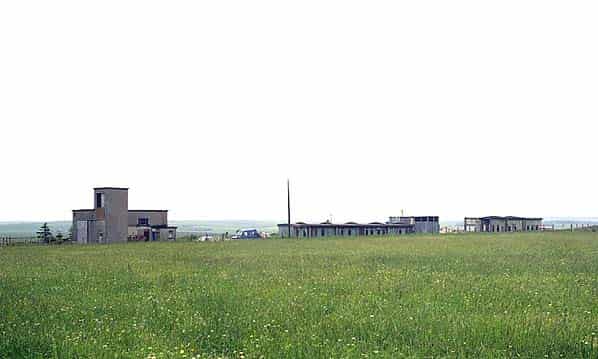
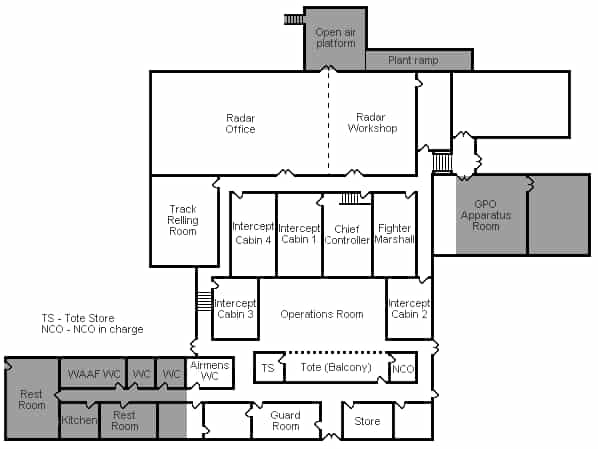
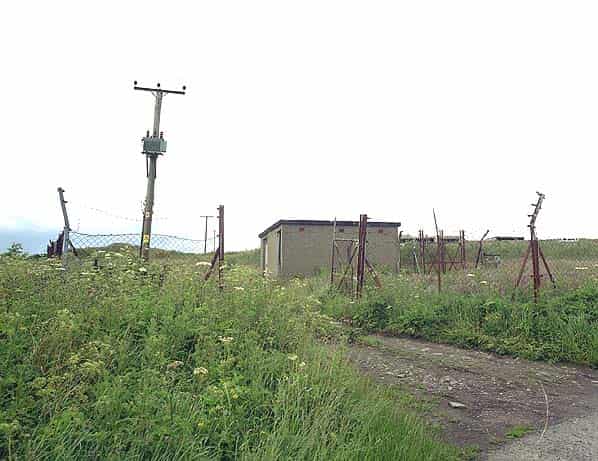
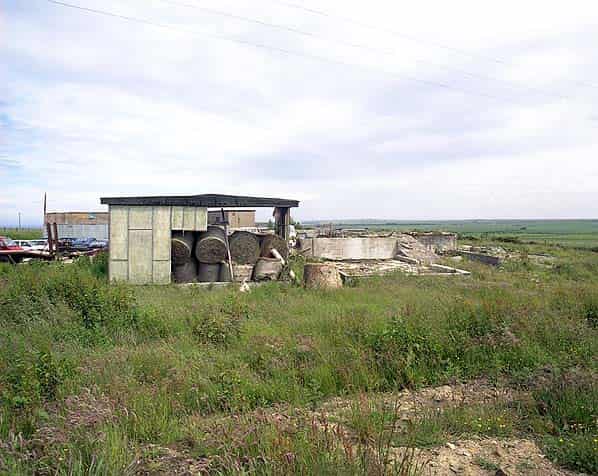
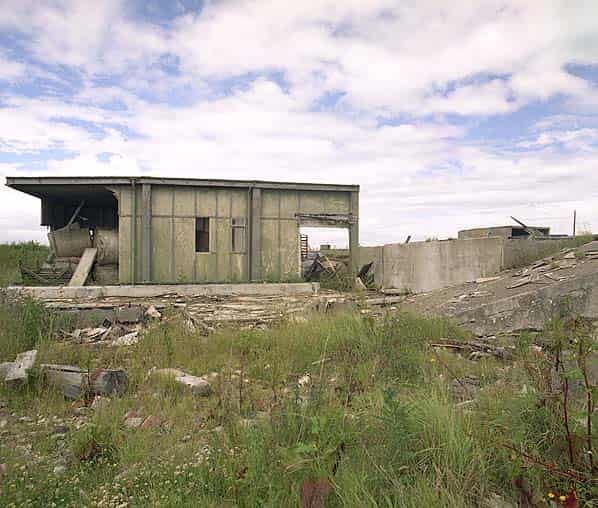
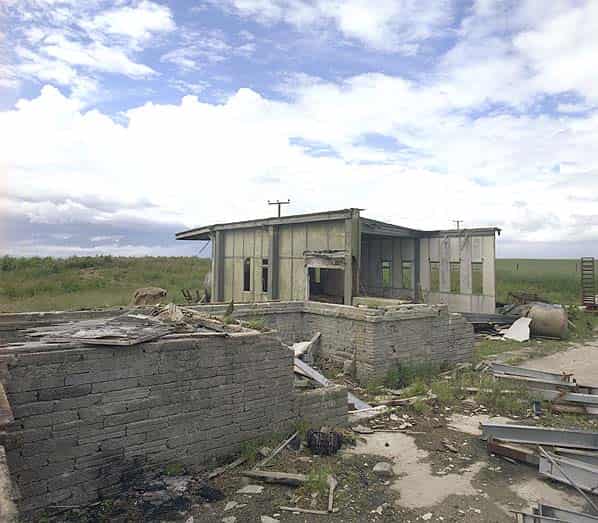
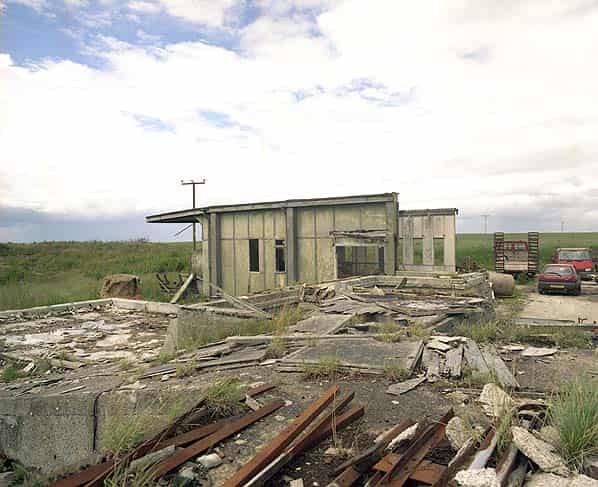
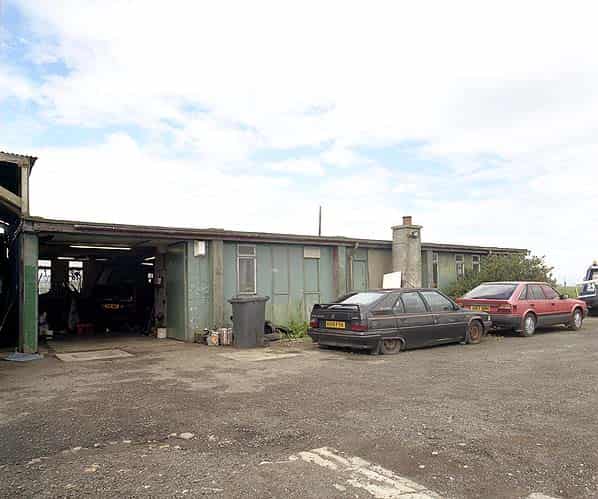
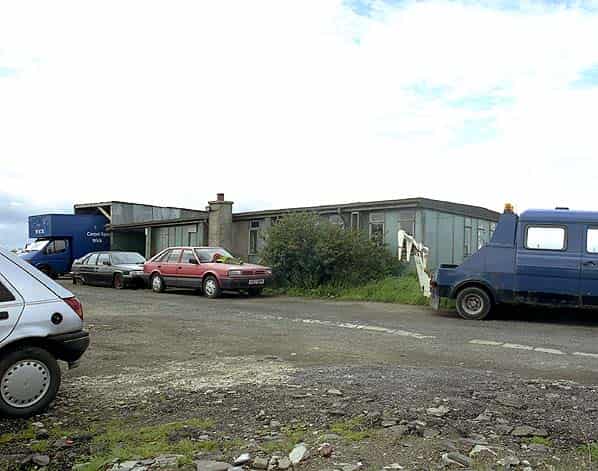
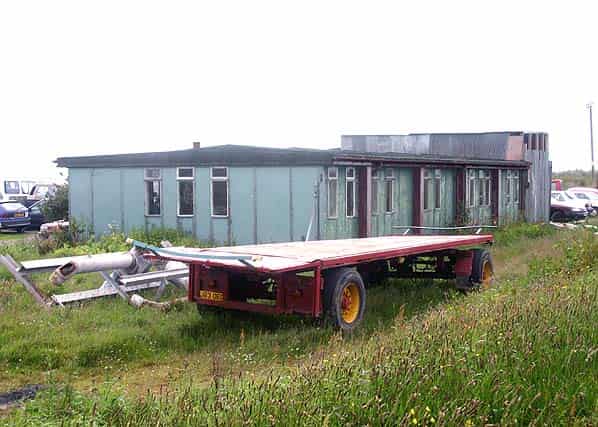
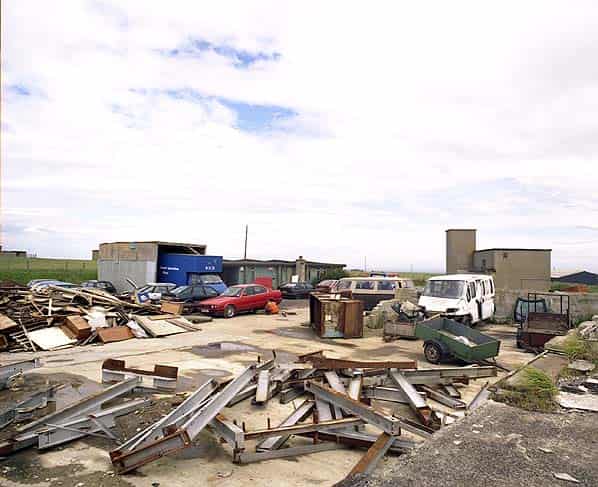
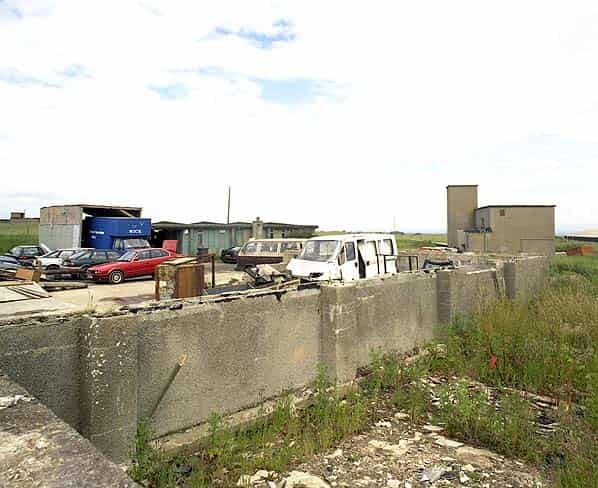
Much of the chain link fence surrounding the station still survives. The R8 operations block is alongside the road. In the mid 1990’s this was largely intact although in a very dilapidated state and was gradually being broken up by the farmer for fire wood. The site is now leased to a local car repair firm and two wings of the Seco (a wood fibre board) hutted building still survive and still retain their original green paint. The larger part comprising the rest rooms, kitchen and toilets is now used as a workshop and store room and remains in relatively good condition. A garage to the left is of recent constructions, perhaps using some parts of the R8. The other part was a plantroom, this is now open at one end and partially open at the other with some roof panels missing; it is used to store hay bales and is in a very dilapidated condition with a number of Seco panels lying on the floor.
The concrete base of the rest of the building is still visible; part of it containing the plant rooms and cabins is at a raised level, approximately four feet above ground level with concrete steps and a plant ramp up to this level still extant. Underneath the platform are the remains of some metal ventilation trunking.
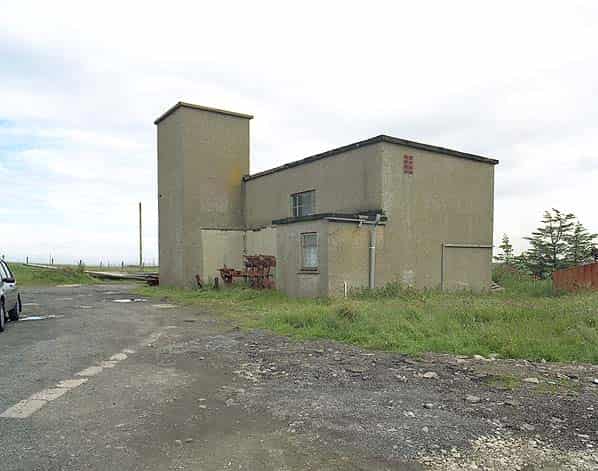
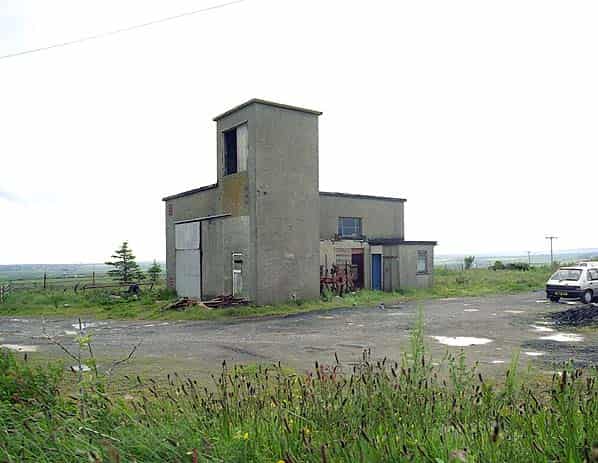
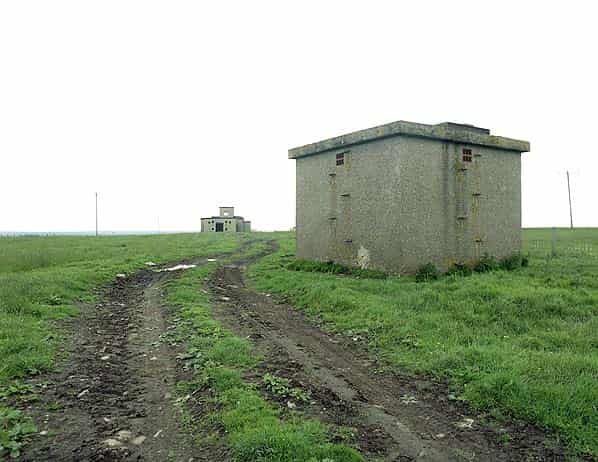
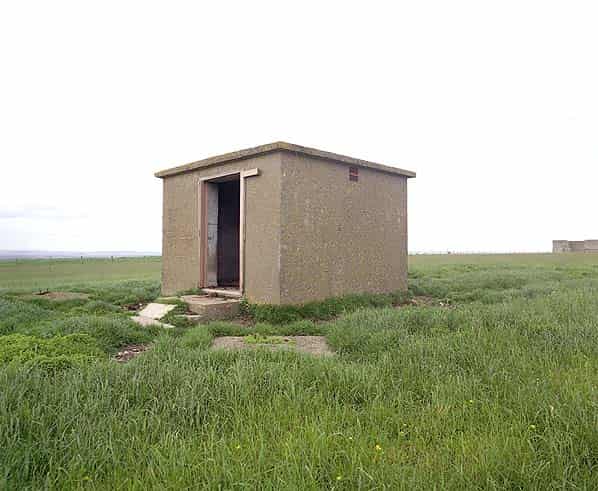
The two storey standby set house stands alongside. It is in good condition and is kept locked and used for storage. There is a small sub station to the south of the operations block adjacent to the main gate into the site; this is now used as a chicken coup.
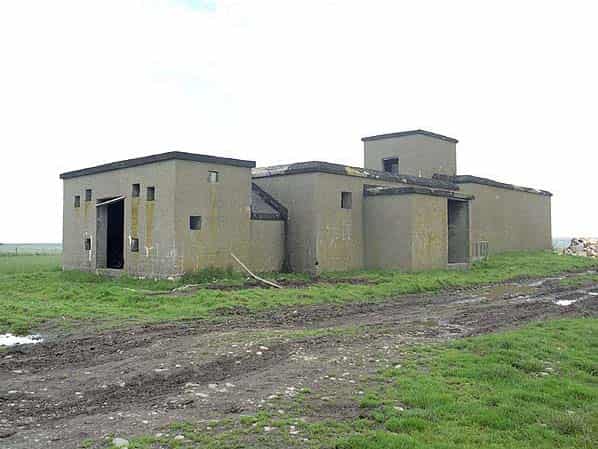
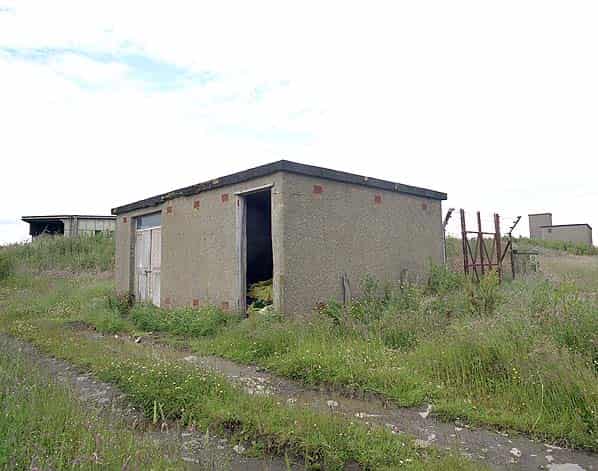
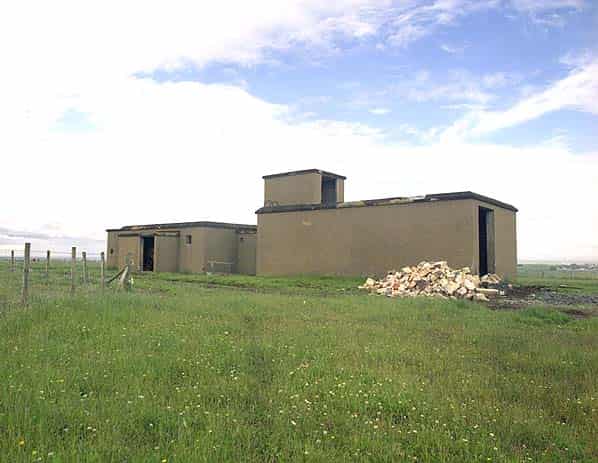
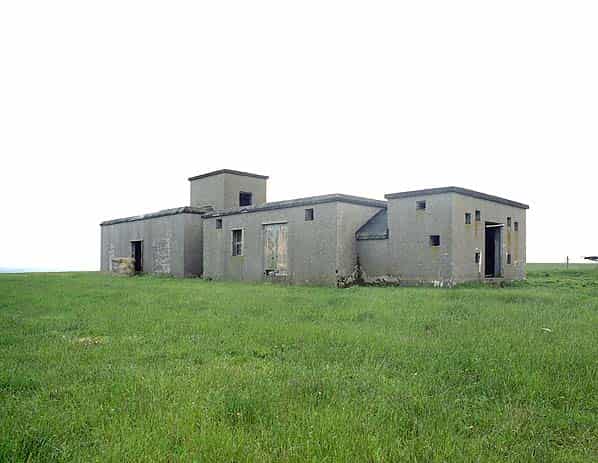
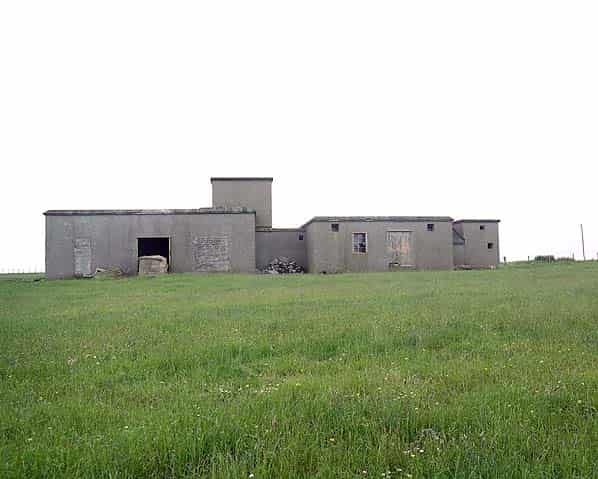
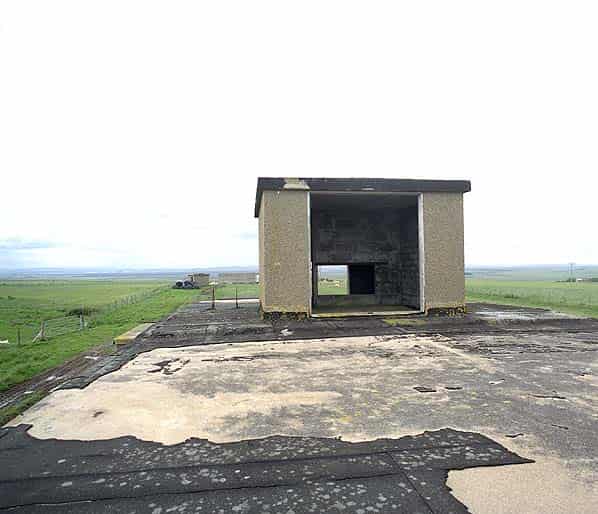
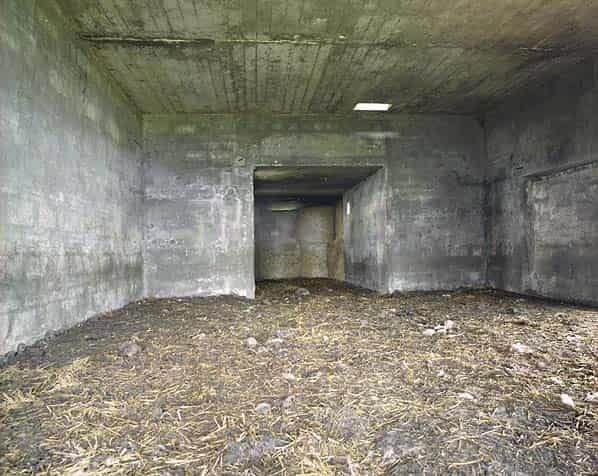
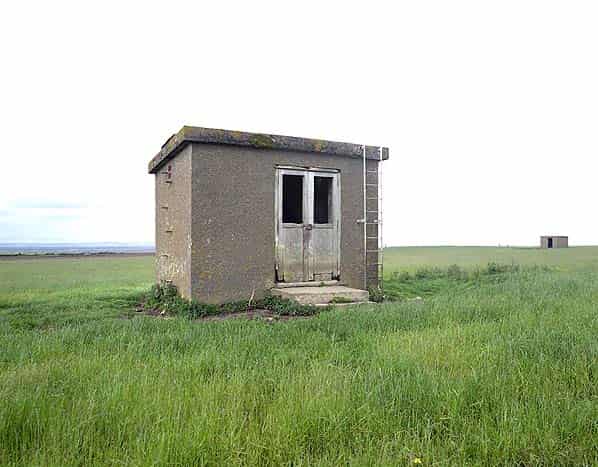
A track runs up the low hill opposite the entrance to Harland Farm. Close to the top of the hill the Type 80 modulator building remains in very good condition. It is quite clear that this building was never finished as it has no internal doors or frames, no evidence of any electrical fittings or ventilation trunking ever being fitted internally and no evidence of the ventilation fan in the small room on the roof. There is an external ladder giving access to the roof.
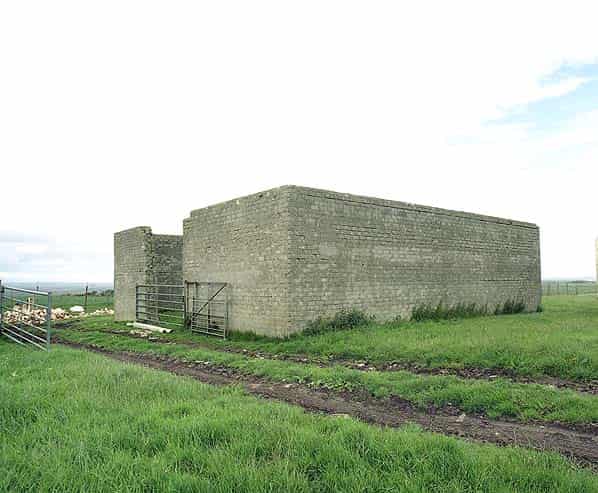
A short distance further along the path there is one of four surviving radar plinths on the left hand side, again with no evidence of any internal fittings and beyond this an open topped rectangular blast wall that would have surrounded a wooden hut, this was part of the DF station that occupied the site during WW2. Two other radar plinths still stand in the fields to the left of the track and another small brick building that was straddles by a radar gantry, the feet of which are still visible. The concrete base of a small building, maybe another plinth, can be seen close to the Type 80 building.
It is clear that the Type 80 radar was never fitted and the lack of internal fittings in any of the other buildings suggests that none of the radars were fitted.
With the exception of the R8 operations block, all the remaining buildings are in good external and internal condition.
Sources:
- Bob Jenner
- Dr. James Fox
- CANMORE, records a radio station situated on the summit of the Hill of Harland. The station is visible on postwar RAF vertical aerial photographs (106G/Scot/UK, 4013-14, flown 9 May 1946) which shows seven masts, a receiving/ transmitting block and electricity generating block (ND 3254 5388). Information from RCAHMS (DE), November 2001.