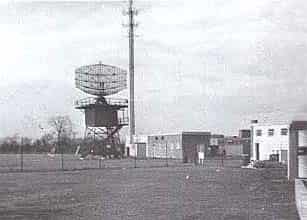
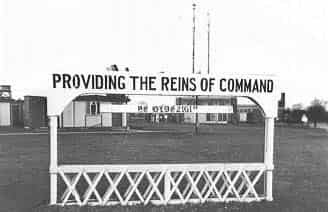
Anglia Radar set up in about 1958 solely to control US Air Force air movements in the East Anglia area as more bases were established and to liaise with RAF controllers at the master radar stations at RAF Neatishead and RAF Bawdsey. Anglia Radar was responsible for all air traffic from the following bases:
- Alconbury - bombers
- Bentwaters - fighters
- Chelveston - bombers
- Lakenheath - fighters
- Mildenhall - transport
- Sculthorpe - tankers
- Wethersfield - fighters
- Woodbridge - fighters
British air movements for East Anglia were handled by Eastern Radar at Watton sited in the old Bloodhound tactical control centre. This was a joint civilian/military air traffic control centre dealing with RAF movements and liaising with civilian operators.
Initially, Anglia Radar consisted of a mobile convoy and radar set up on one of the old WW2 loop dispersals on the north side of Bidleston Road, to the north of Wattisham Airfield with permanent buildings being constructed in about 1960.
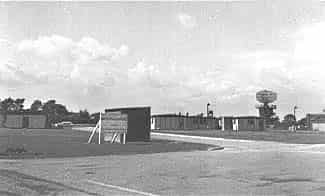
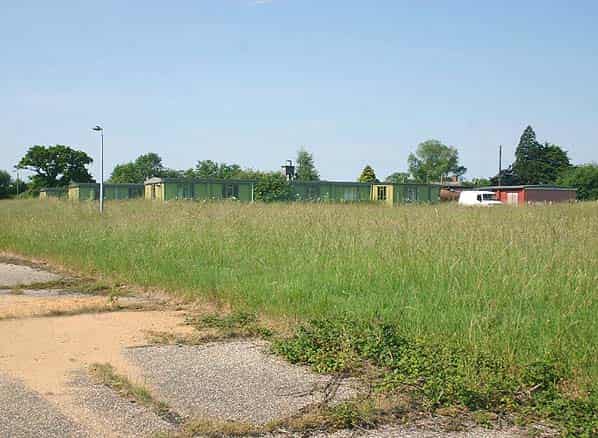
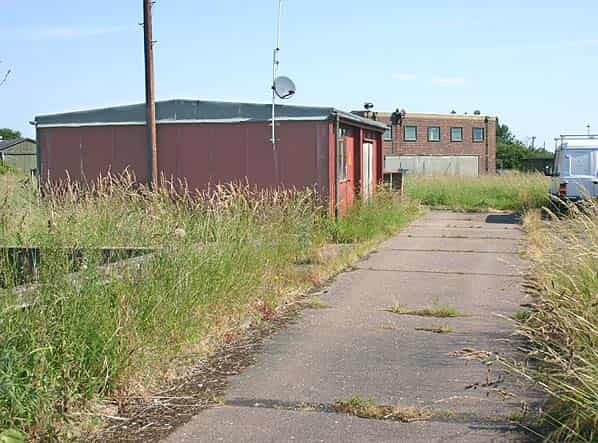
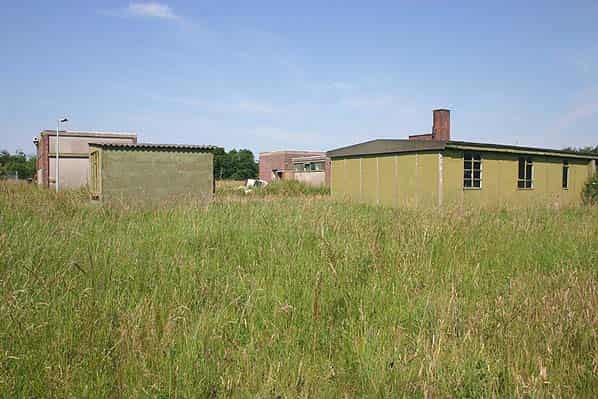
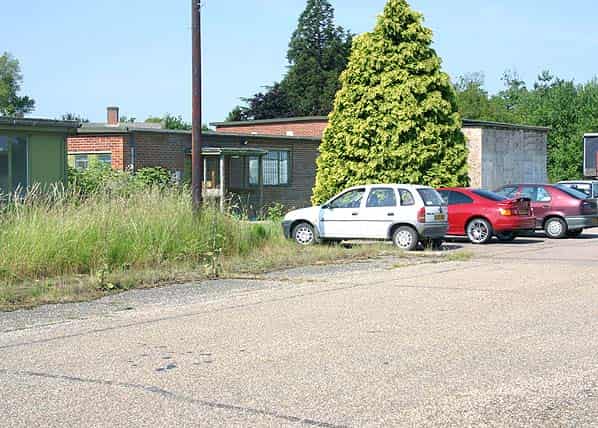
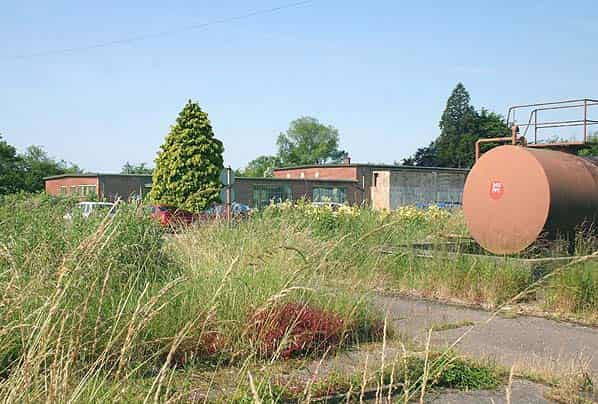
The control centre was a mixture of brick buildings and prefabricated H blocks for administration and accommodation. Additional accommodation was provided at RAF Bentwaters and RAF Woodbridge with a shuttle bus between the sites for shift changes.
The Anglia Radar Air Traffic Control Centre was home to the 1261st Communications Squadron (later 2161st Communications Squadron).
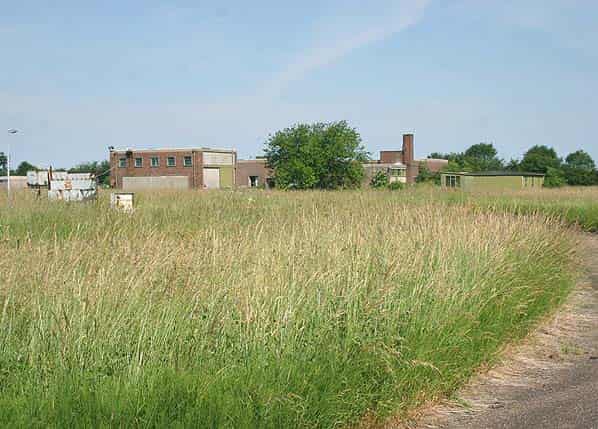
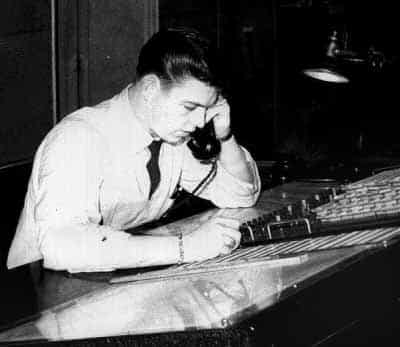
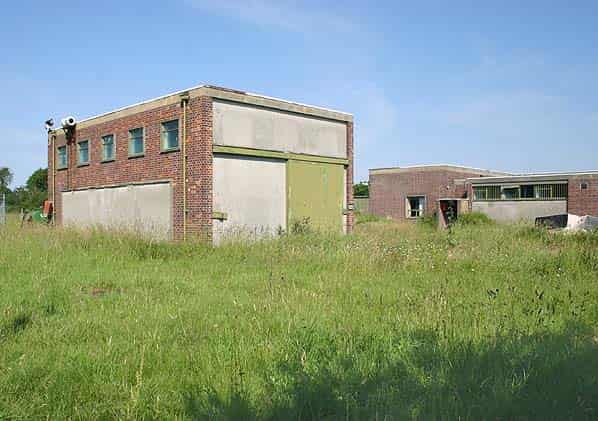
It was located in a large brick building towards the rear of the site. Inside the main block there was a reception area leading into the control centre. This consisted of a raised dais for the ‘A’ desk where all flight information from inwards and outbound air traffic was processed.
This data were then passed to the various radar sections located in a fan formation around the room.
Each section had its own console aligned with the aerodrome it served and a corresponding arrival/departure board. While each section could be manned by only one air traffic controller, they were almost always manned by two; one to control the aircraft and the other to co-ordinate with Ground Control Approach, the tower and base operations.
There were also three regular civilian controllers who would handle their own traffic through the Anglia Control area as well as co-ordinating activities with London Control at West Drayton.
Anglia Radar, having left the site by 1967, were replaced by No.1 Air Control Centre (1ACC) which provided rapidly-deployable air defence radar for overseas operations.
1ACC had recently returned from Zambia and the site continued to be known unofficially as Anglia site by those stationed there. A new inflatable radome was built across the road on the edge of the airfield to protect a AN/TPS-34 Sperry 3-d Radar.
In June 1979, 1ACC moved to Portreath, relieving Wattisham of its Radar unit. The airfield continued in use by the RAF until 1992, when the last flying squadron left. The Army took took up residence in 1993 and remains to this day.
Wattisham Airfield is the largest of the Army’s operational UK airfields.
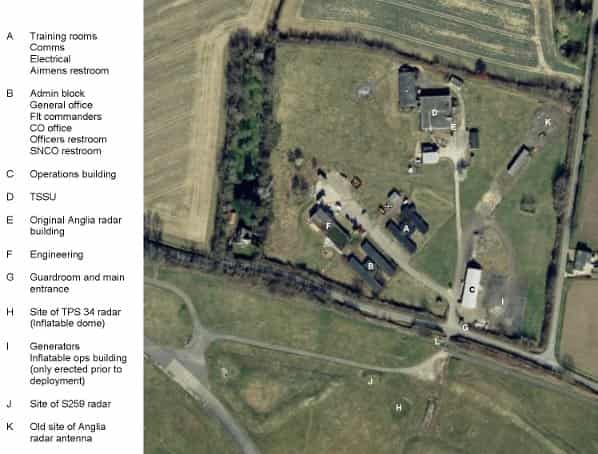
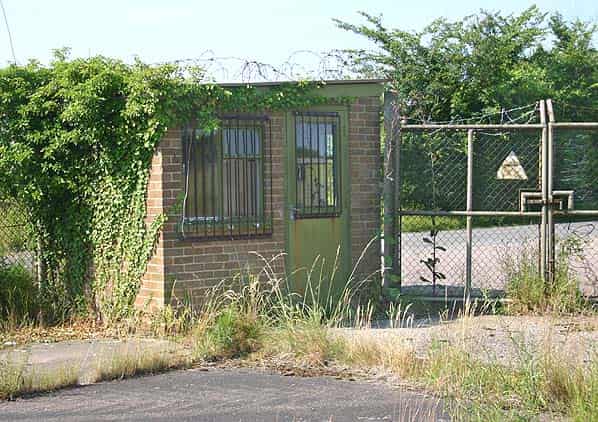
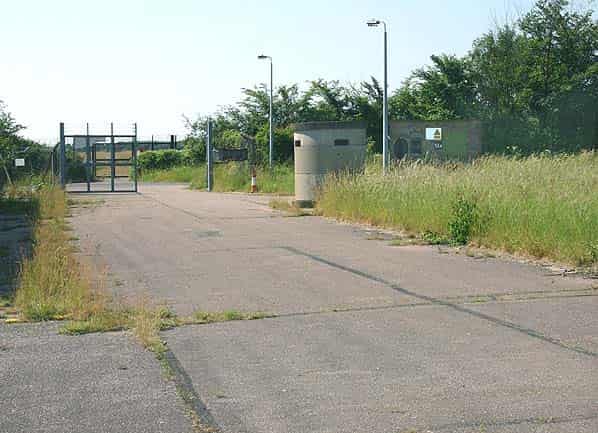
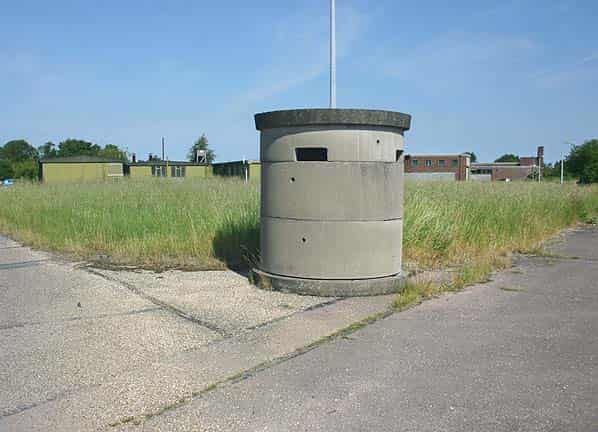
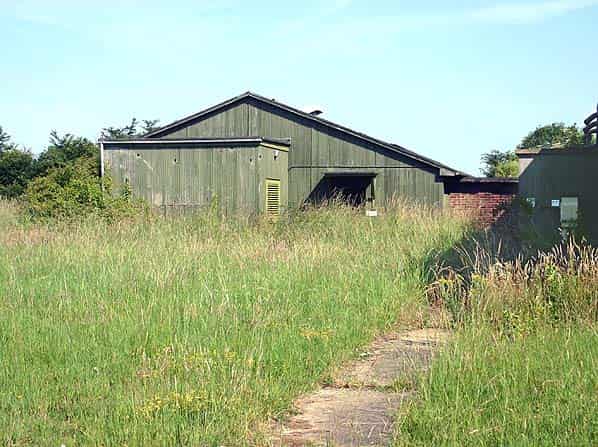
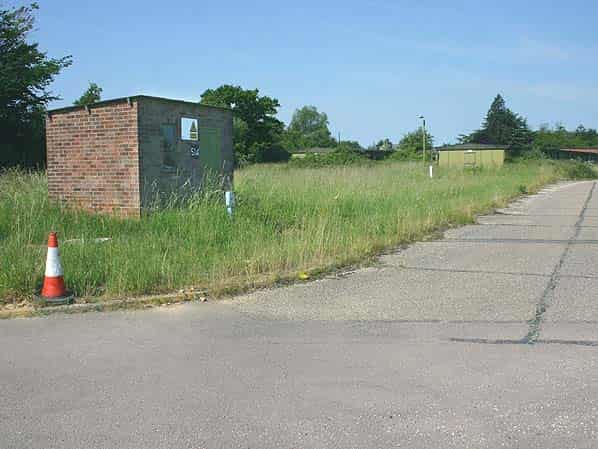
The site is located within a secure compound; there is a picket post at the gate after which the road divides, straight ahead to the control centre and left to the administration, accommodation and engineering blocks. At this junction there is a long building clad in corrugated steel, which was 1ACC’s operations room and housed the GL161 computer system. There is also a Norcon pillbox at the junction.
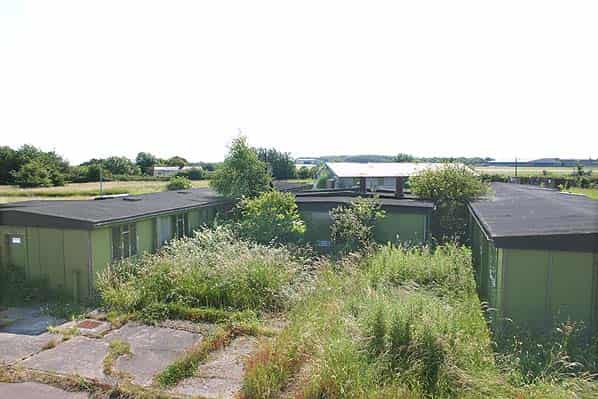
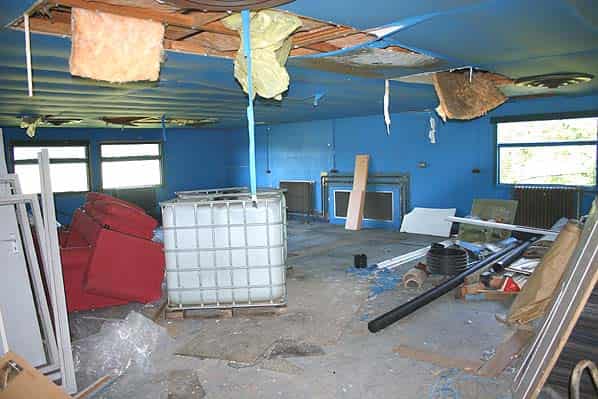
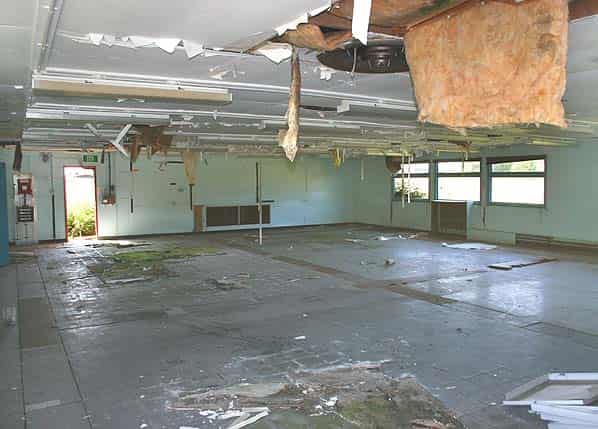
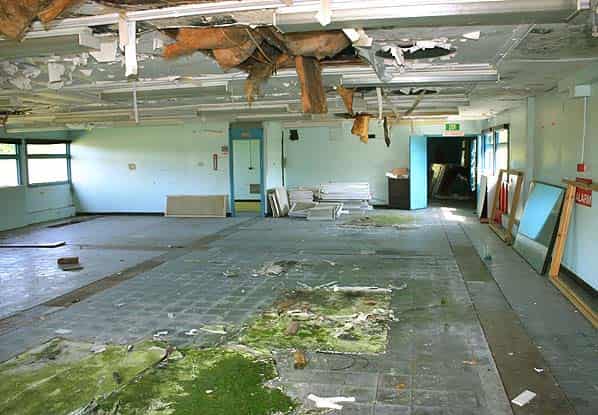
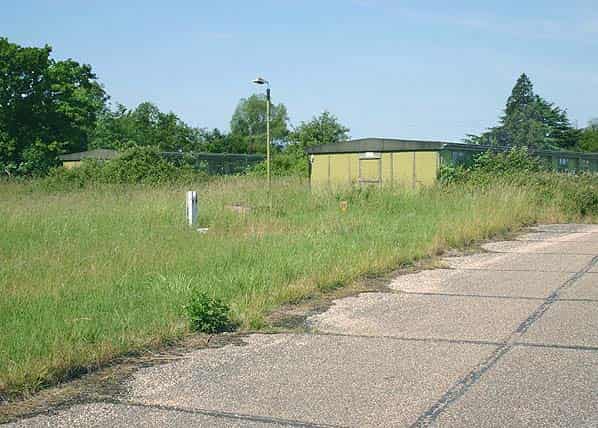
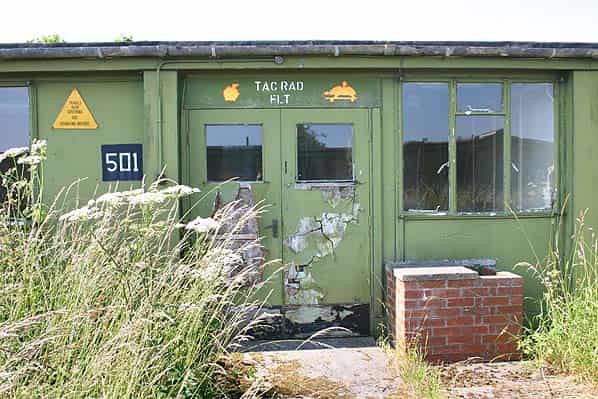
Turning left there are two prefabricated ‘H’ blocks, one either side of the road. The block on the left contained the main administrative offices, the offices of the base commander and engineering. The training and communications block on the right housed the telephone exchange, rooms included a library which also doubled as a cinema, mess rooms, kitchen and a rest room.
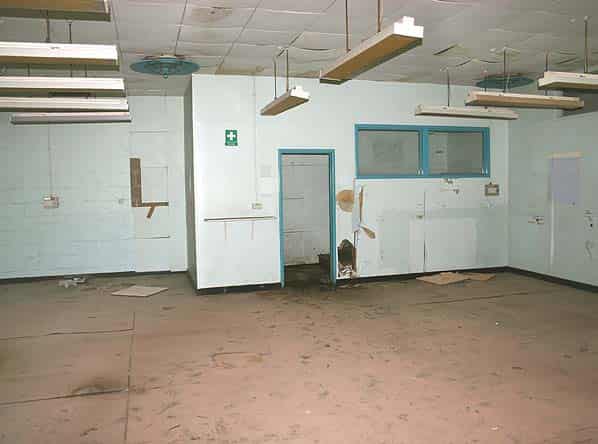
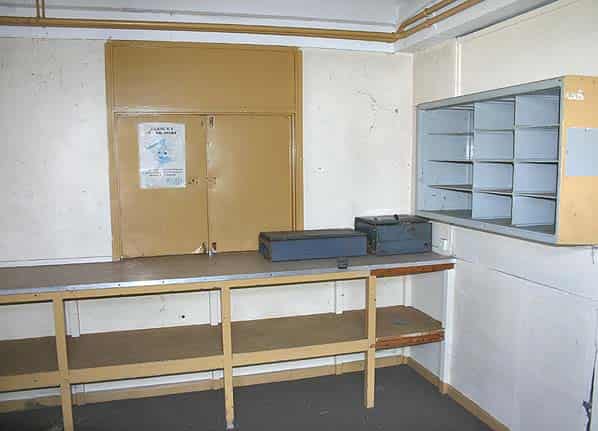
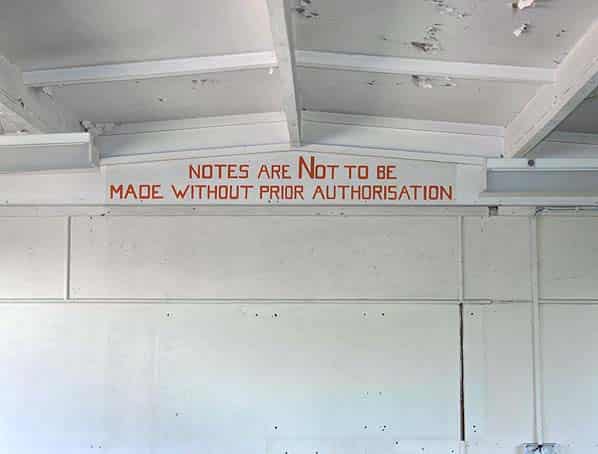
The H Blocks are now empty and derelict although still in reasonable condition. They have been stripped of all fixtures and fittings although some signage remains.
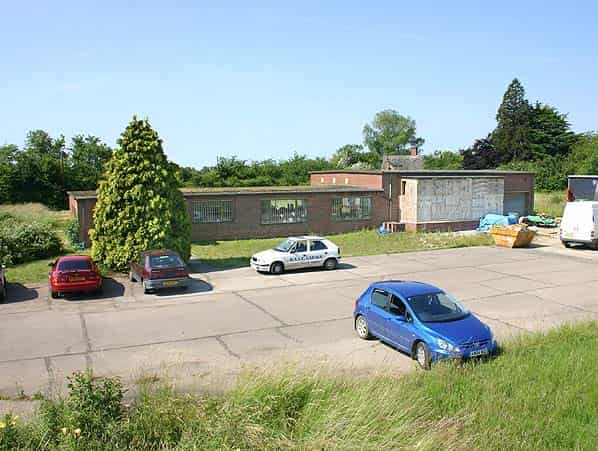
Beyond the ‘H’ blocks is the brick-built engineering block which has now been put to industrial use.
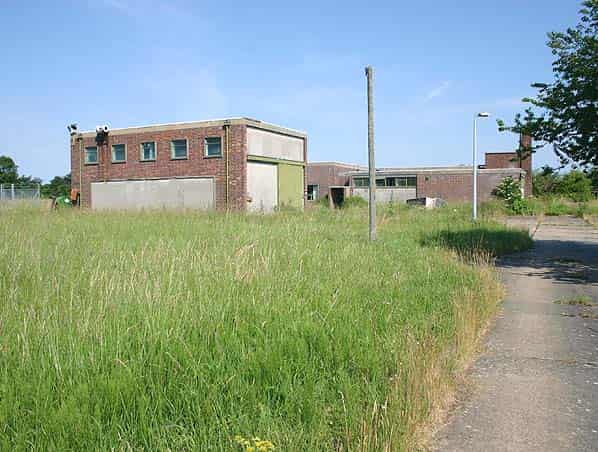
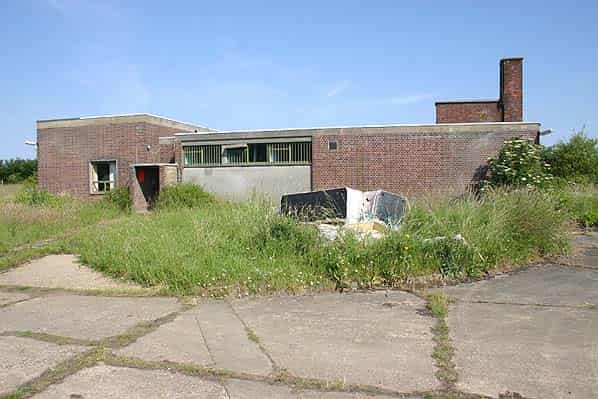
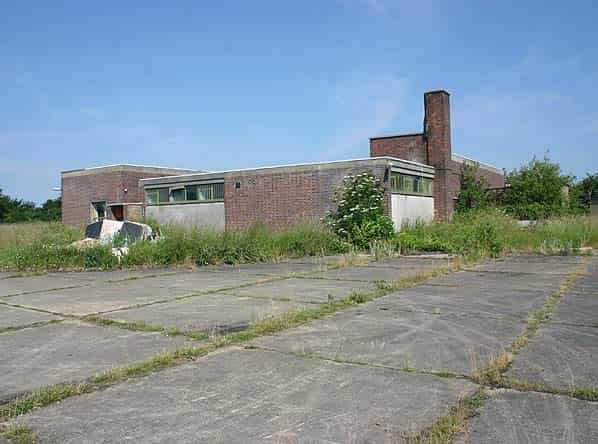
The technical site at the end of the second road is again of brick construction with a brick and timber extension on the west side.
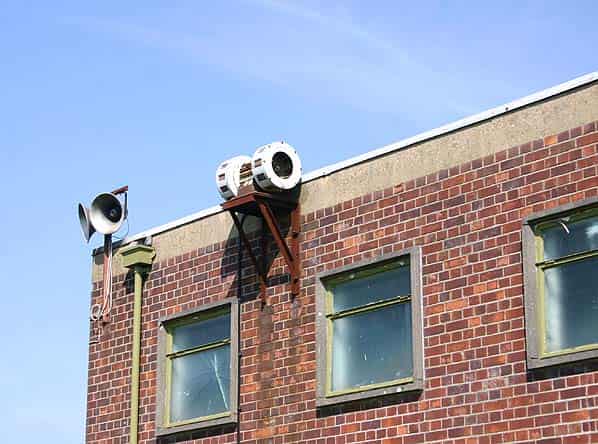
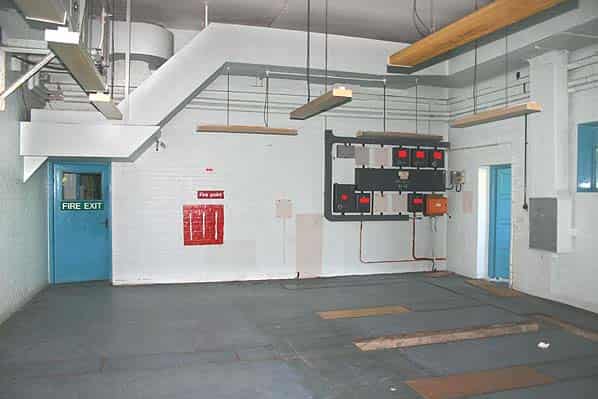
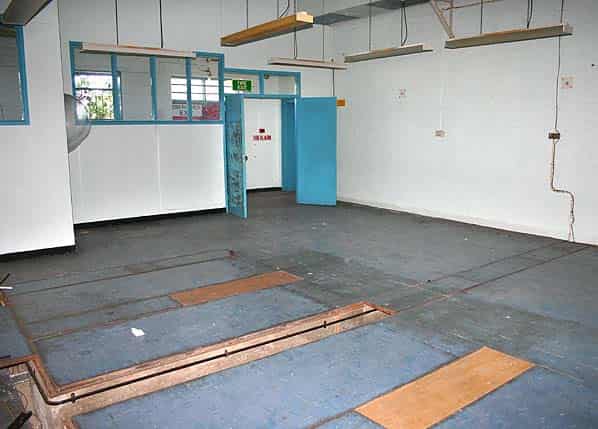
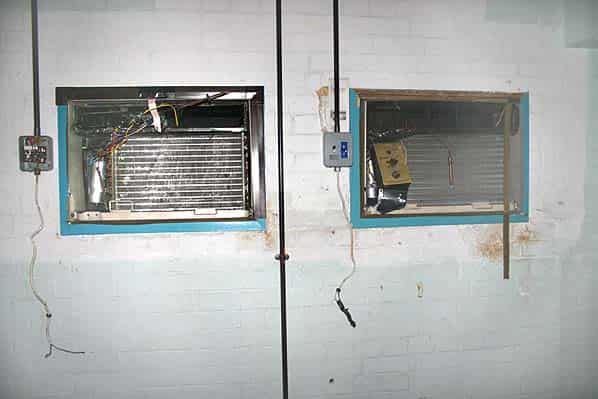
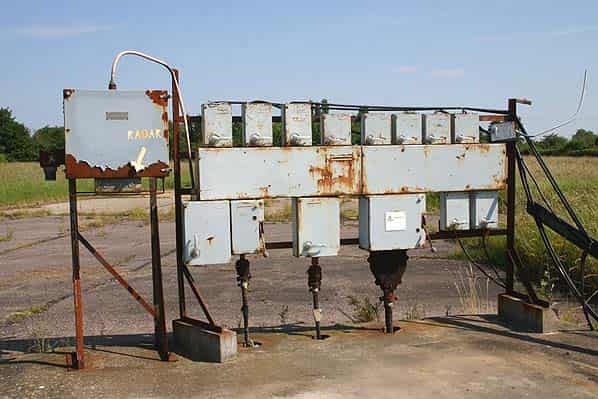
On the south side of the building is the standby generator block with a siren on the roof. This is locked and it is not known if the generators are still in place. The control centre has also been stripped of all fixtures and fittings with the exception of a small telephone distribution rack and some electrical switchgear. Marks on the floor indicate the position of the equipment racks. There is a small air-conditioning plant room in an adjacent building; this still contains its fan, trunking and electrical switchgear.
Additional hutting is sited on the east side of the Air Traffic Control Centre. A number of other buildings have now gone.
A later, wholly civilian CAA radar, also known as Anglia Radar, was set up at Stansted Airport. This has no connection with the earlier establishment at Wattisham and has now transferred to Aberdeen
Sources:
- Paul C. Low (Anglia Radar 1961 - 1964)
- Keith Ward
- Russ Milgate (1ACC)
- Air of Authority