Even before it had entered service the limitations of the Bloodhound Mark 1 were recognised. The main problem was the possibility of jamming of the Type 83 radar and the inability to deploy the missile to other locations.
To overcome these constraints, the Bloodhound Mark II was developed with trails beginning at RAF North Coates in October 1963 and at Woodhall Spa in Lincolnshire in 1964.
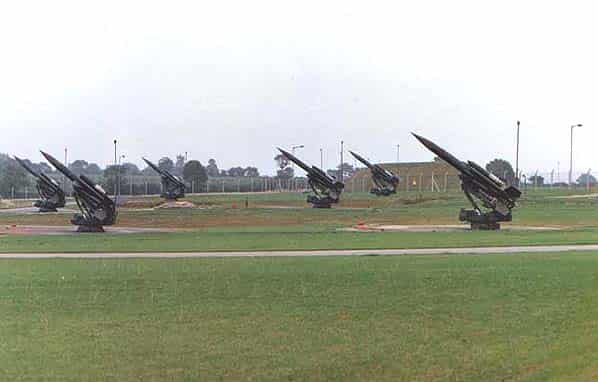
Although similar in appearance, the Mark II was a more versatile system with a major improvement to the target illuminating radar which was far less susceptible to jamming. The missile was given a larger warhead and had the ability to engage aircraft at higher and lower altitudes. The more powerful ramjet engines also gave it a greater range. The Mark II was capable of intercepting targets at heights of between 150ft and 65,000ft. It had a maximum range of around 115 miles with a minimum impact range at low level of 6.9 miles and a maximum impact range at high level of 86.25 miles. As in the earlier version, the missile was kept on track by a receiver dish in the nose cone that picked up a reflected signal from the target aircraft. But commands could also be issued from the launch control post during flight. Detonation was controlled by a proximity fuse. To overcome the problem of deployment the Mark II was a modular system which could either be permanently mounted on the launcher or operate as a mobile installation.
The first site to be developed solely for Bloodhound Mark II was on the east side of West Raynham in Norfolk with trials beginning in the summer of 1964. The missile squadron at West Raynham remained until September 1970 when it was moved to West Germany, but West Raynham was retained as a service centre and was known as the Bloodhound Support Unit. In the meantime, the units at North Coates and Woodhall Spa were also moved overseas and the stations closed.
In 1975, 85 Squadron was redeployed from West Germany to West Raynham, which became the headquarters of the Bloodhound Force in the 1980’s incorporating the existing Bloodhound Support Unit.
Subsidiary flights were later based at North Coates and Bawdsey in March 1976 and July 1979 respectively.
In 1983, with the stationing of Rapier units in West Germany, the air defences of the United Kingdom were strengthened by the redeployment of 25 Squadron’s Bloodhound Missiles at three airfields in East Anglia; Barkston Heath, Wyton & Wattisham.
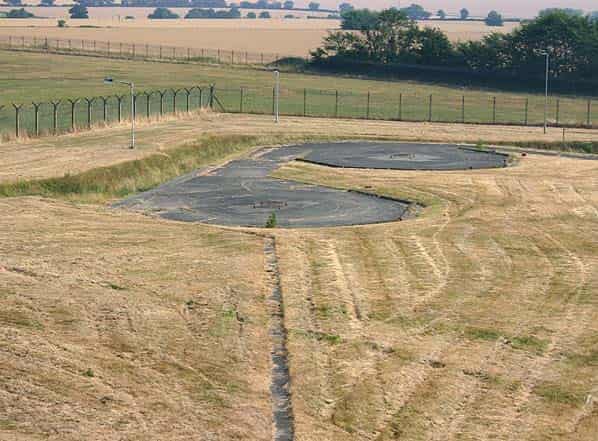
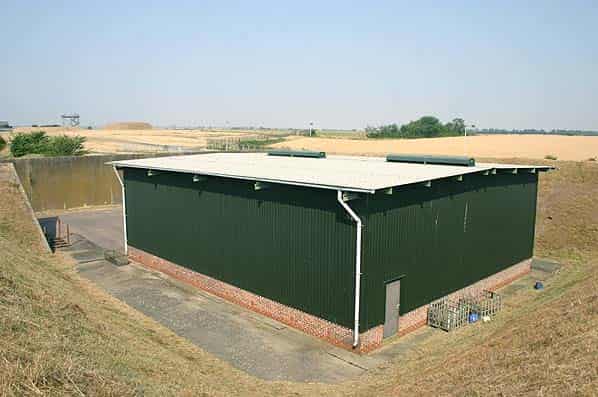
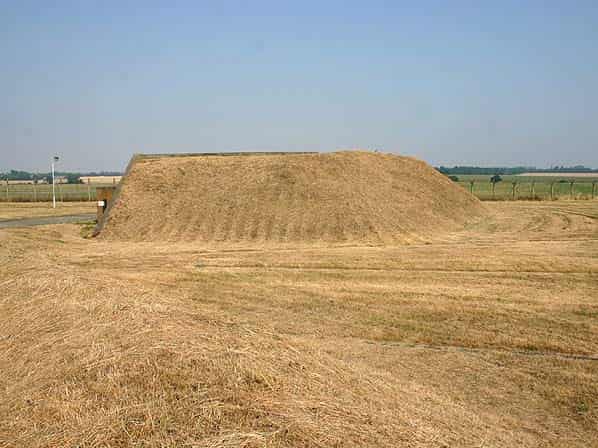
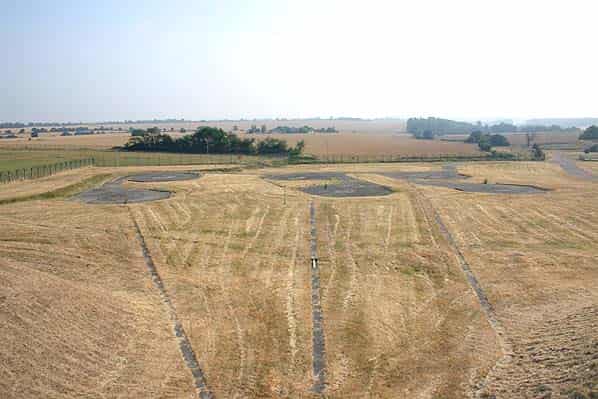
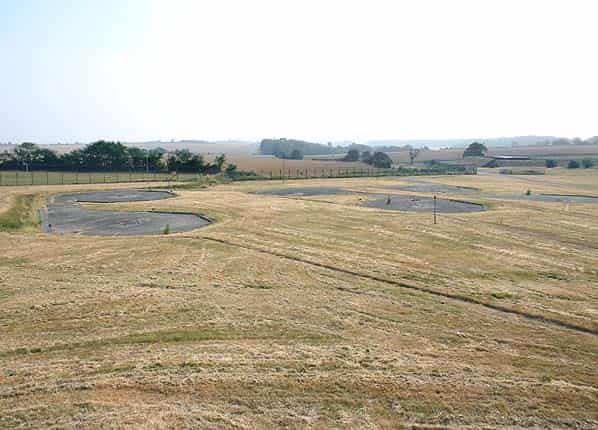
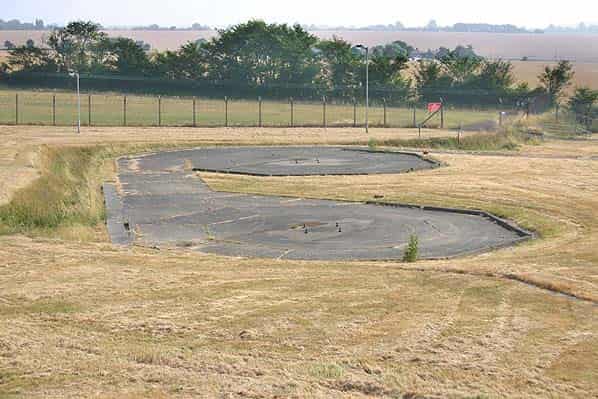
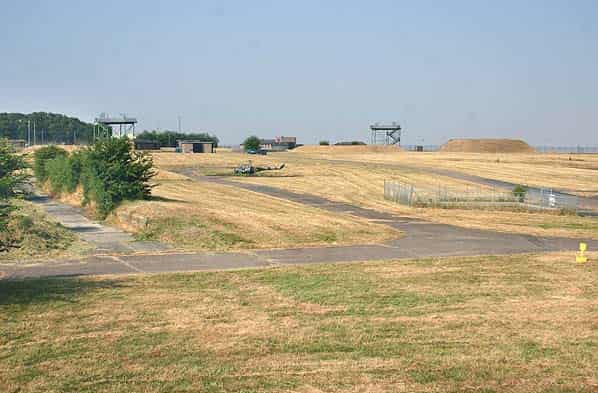
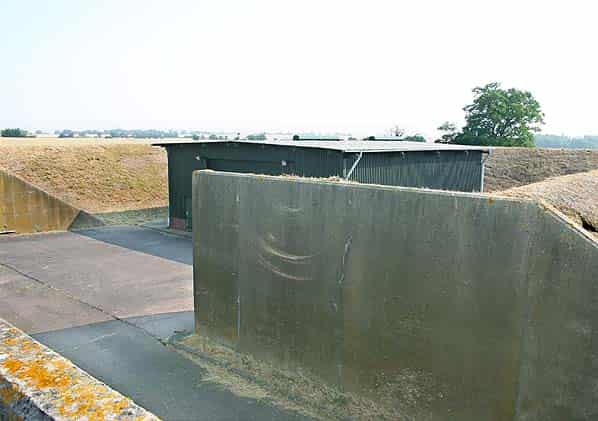
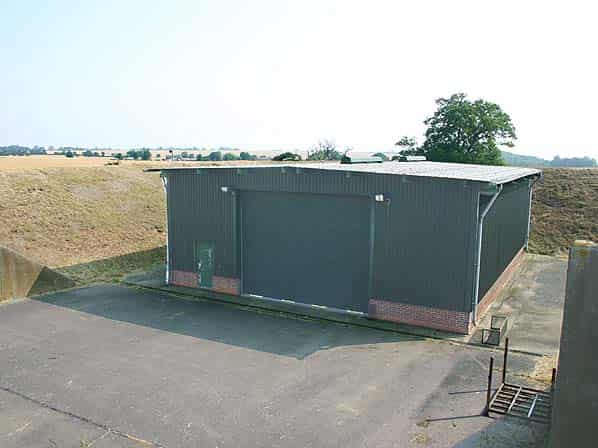
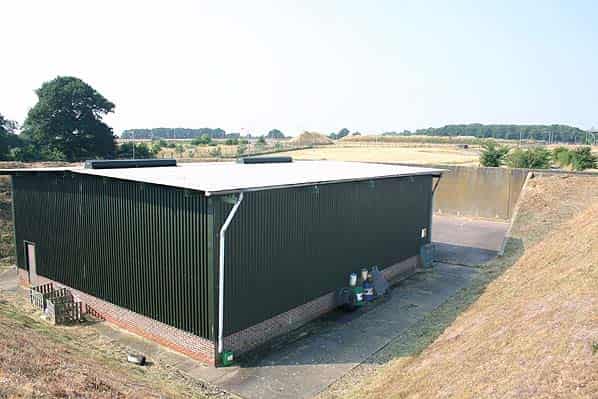
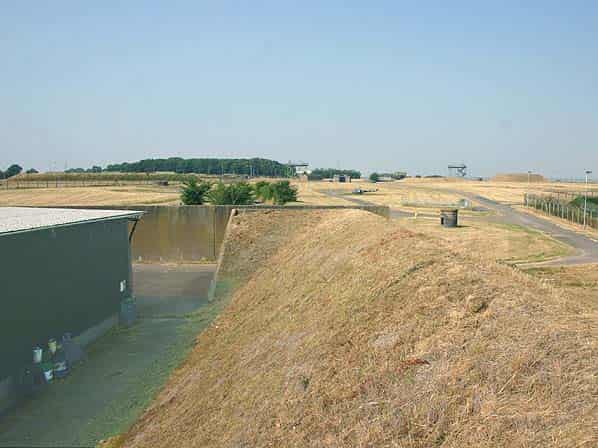
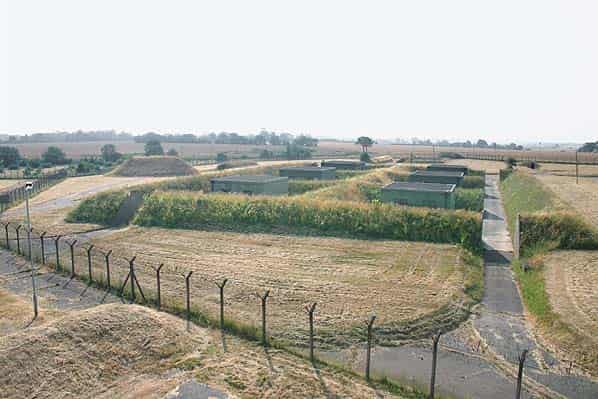
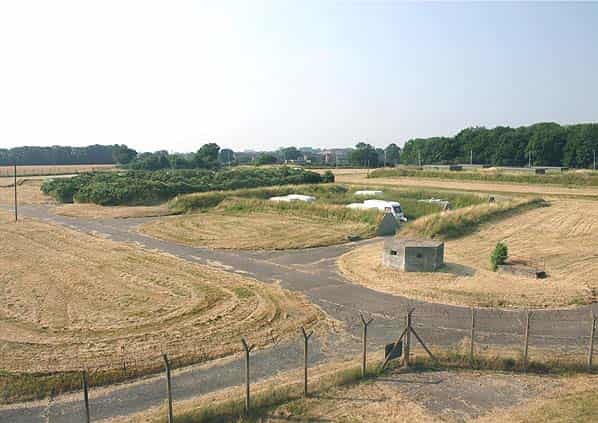
The three sites were chosen to ensure that the engagement zone of each missile station overlapped; none of the stations had any previous association with Bloodhound. In common with the existing Bloodhound stations no standarised layout was imposed at the three new sites, although there was a common range of purpose built facilities. Missiles were placed in groups of six, on eight sided pads linked by servicing tracks, while the arming sheds were steel-framed, clad in corrugated sheeting and surrounded by earthwork revetments. Other buildings were brick, and included picket posts next to the entrances, flight headquarters buildings and generator buildings.
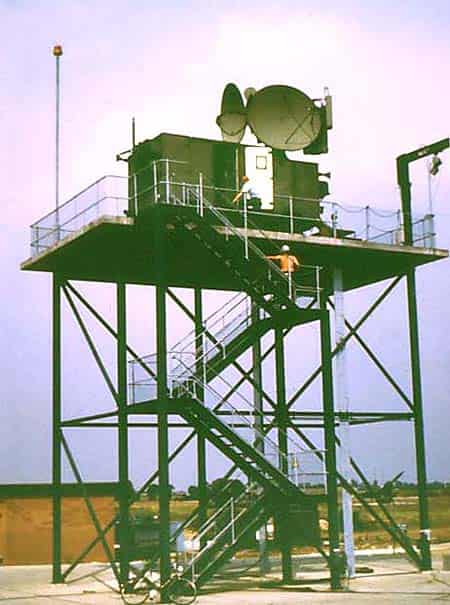
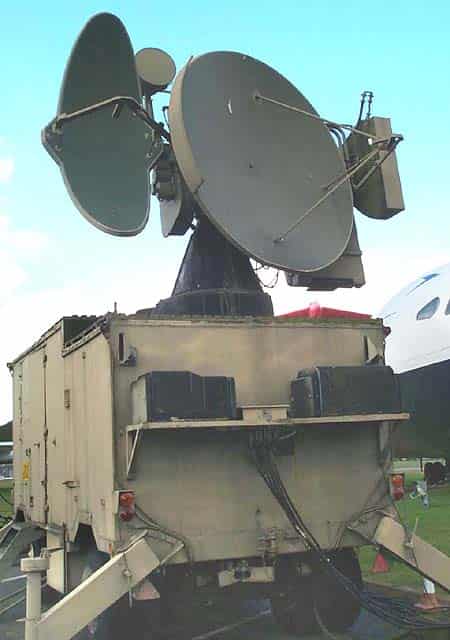
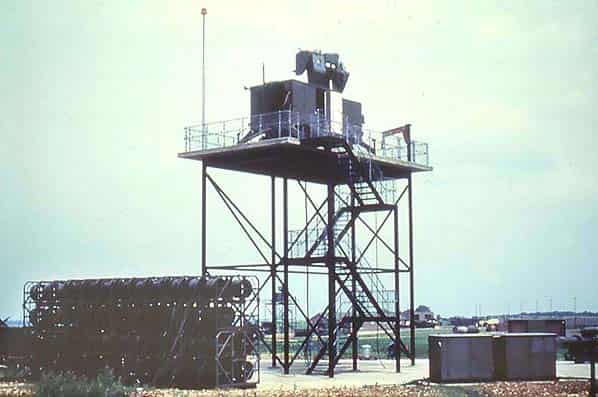
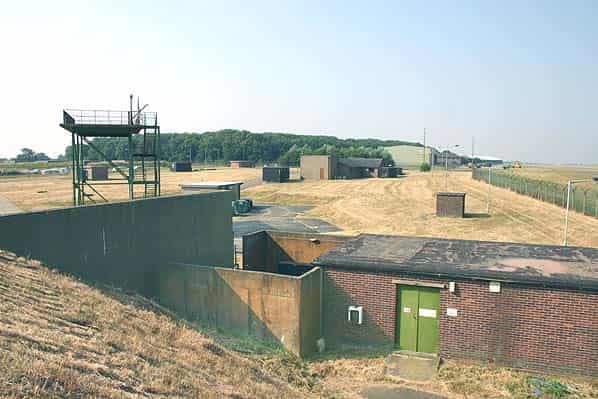
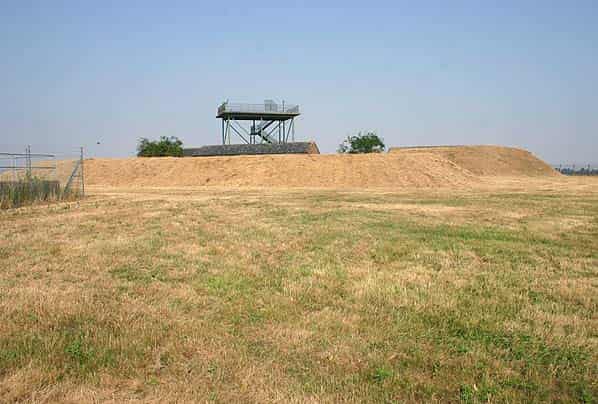
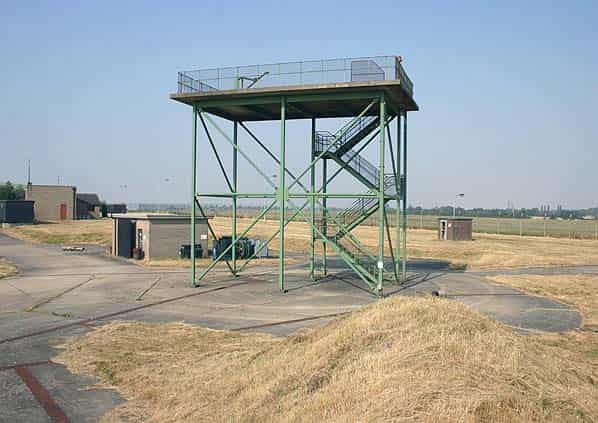
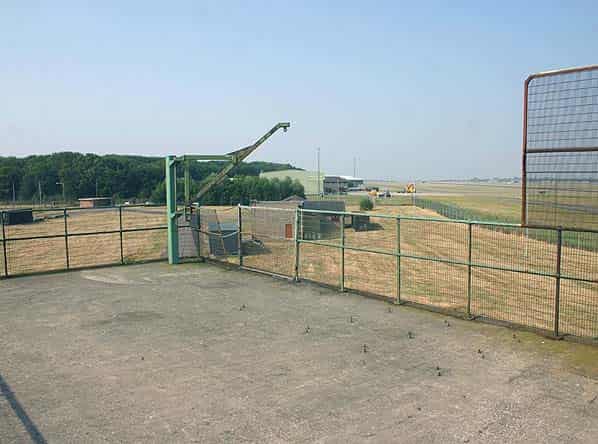
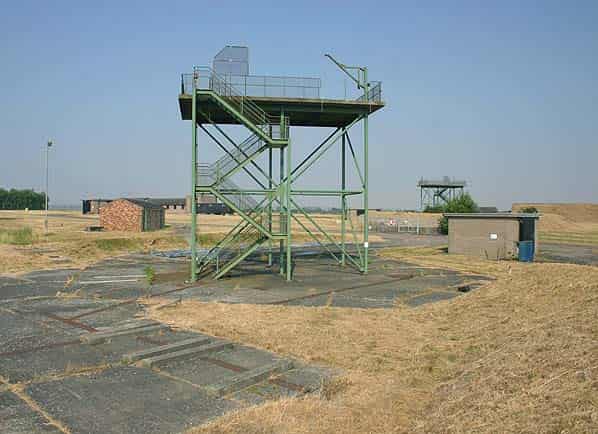
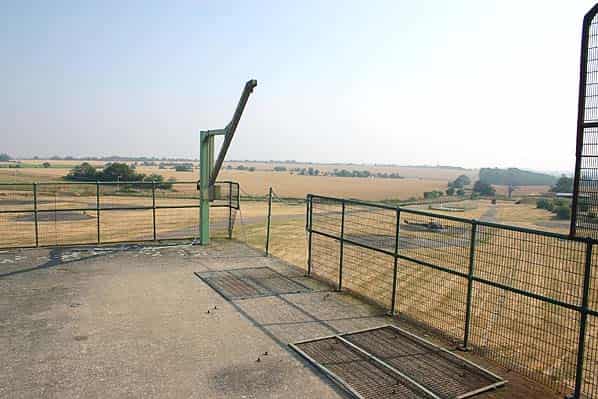
In place of the Type 87 Scorpion radar deployed at the earlier Mark II sites, the three new stations used a mobile Ferranti Type 86 Indigo Corkscrew/Firelight radar sets which, to avoid ground clutter, were placed on top of 30ft steel towers.
Warning of an incoming raid would be obtained from the Southern Sector Operations Centre at RAF Neatishead, using information from its long-range Type 84 or Type 85 radar.
A surface-to-air missile allocator would assign a target to a missile flight operations room, where it was allocated to a missile section’s engagement controller in one of the launch control posts (LCP). The engagement controller would then begin to track the target using Type 86 or Type 87 target illuminating radar (TIR) and the associated missiles would automatically move to face the target.
Once the reflected signal from the target was strong enough the computer would flash the ‘free to fire’ message on a screen and the engagement controller would be authorised to fire.
The constant upgrading of Bloodhound meant that even at the end of the 1980’s it was still regarded as an effective air defence system. To prolong its life into the mid 1990’s its missiles, support equipment and installations were once again modernised.
With the end of the cold war bringing a reduction in the threat to the United Kingdom the government announced in February 1990 that although Bloodhound continued to give useful service, it was becoming more difficult to maintain. At that time there were no plans to withdraw the missile from service immediately. However, to ensure more cost-effective management it was decided to concentrate the Bloodhound force at only two locations; RAF West Raynham and RAF Wattisham. The system was consequently withdrawn from RAF North Coates in April 1990, RAF Bawdsey in May 1990, RAF Barkston Heath in June 1990 and RAF Wyton in July 1990. It was intended that Bloodhound should remain at Wattisham and West Raynham until 1995, but in early 1991 it was announced that the Bloodhound Force was to be stood down and the squadron was disbanded on 1 July that year.
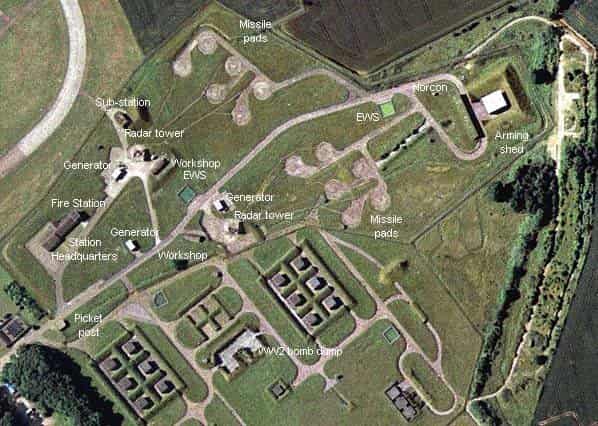
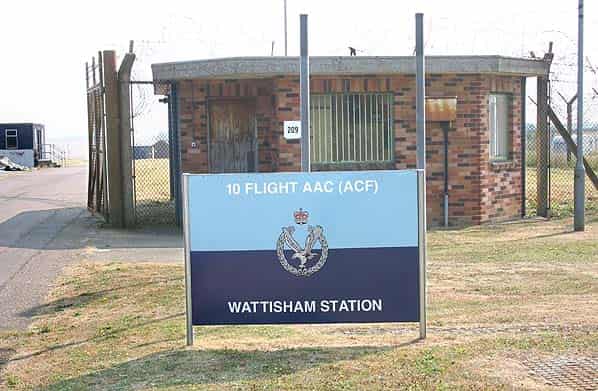
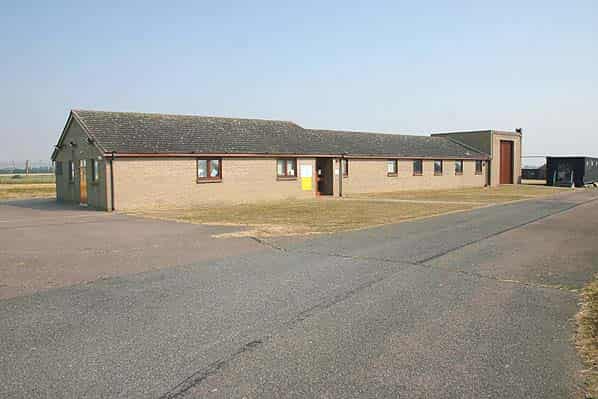
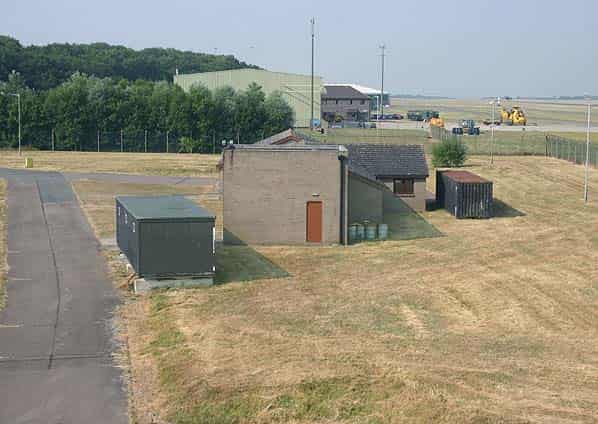
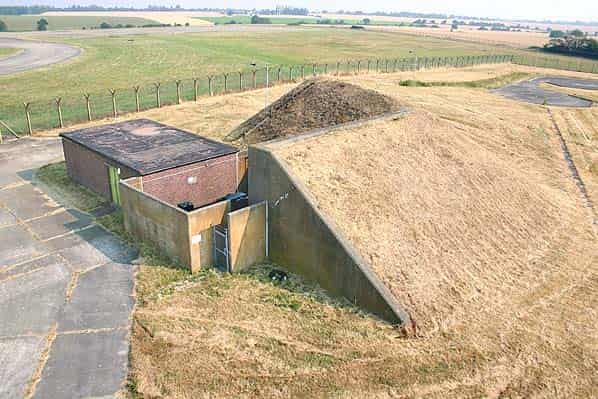
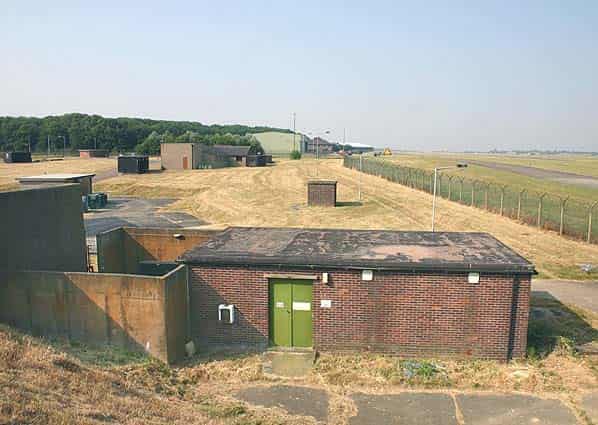
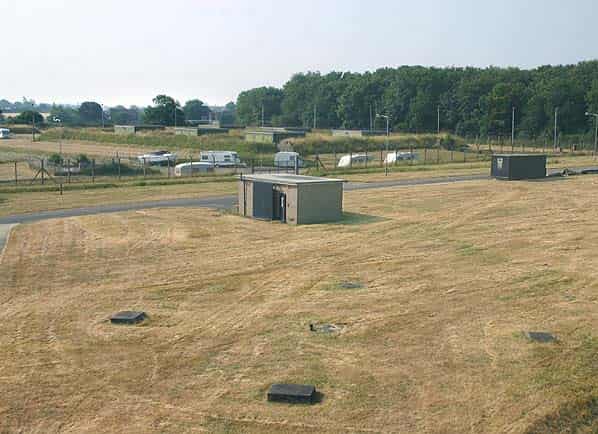
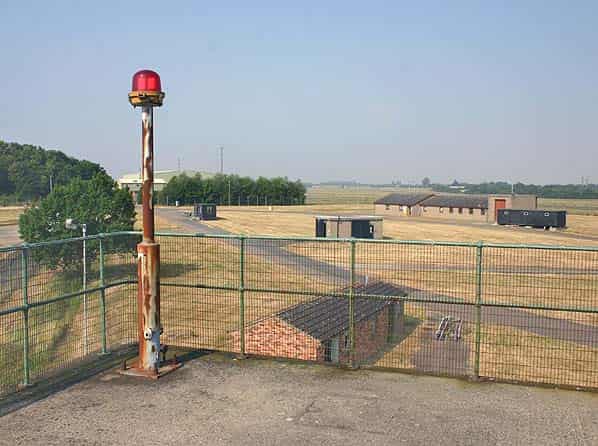
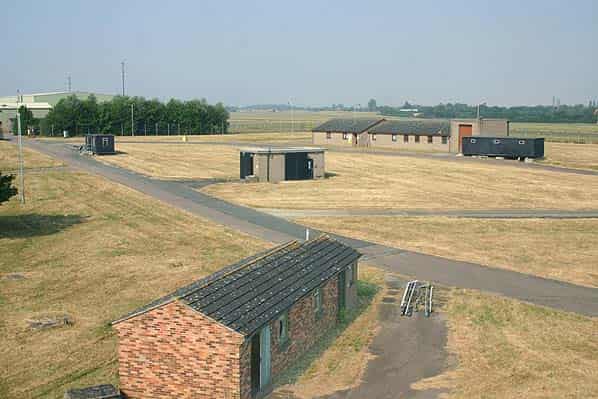
At the time of writing all the Bloodhound Mark II stations are largely intact. The Wattisham site lies on the east side of Wattisham Airfield within its own fenced compound with the only access through the Army Air Corps station. It is bounded on the north and west side by the airfield, on the south side by the old WW2 bomb dump (still within the airfield perimeter) and by farm land on the east side.
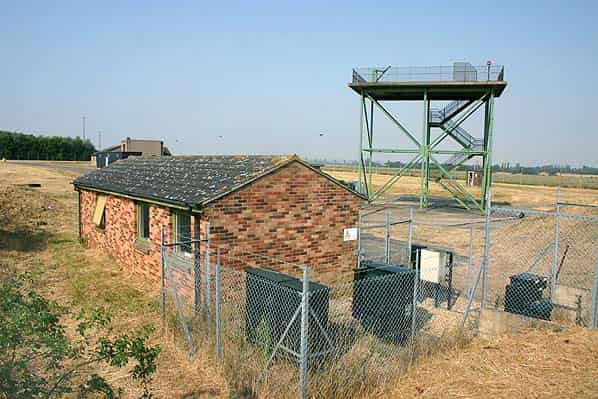
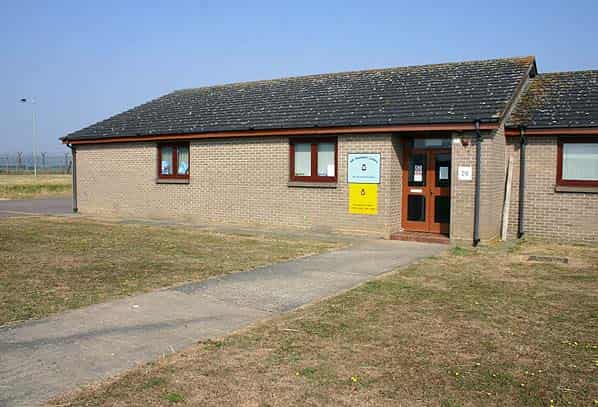
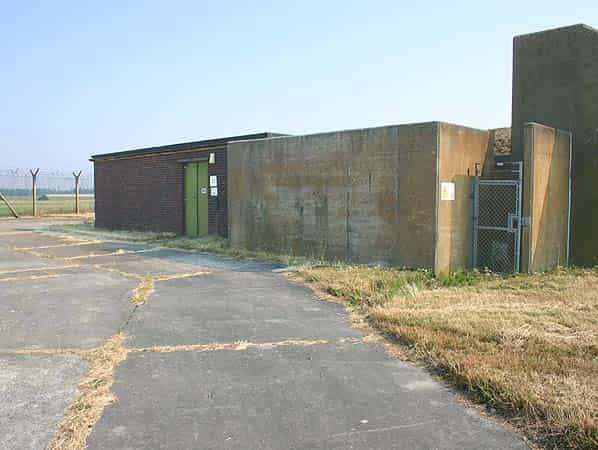
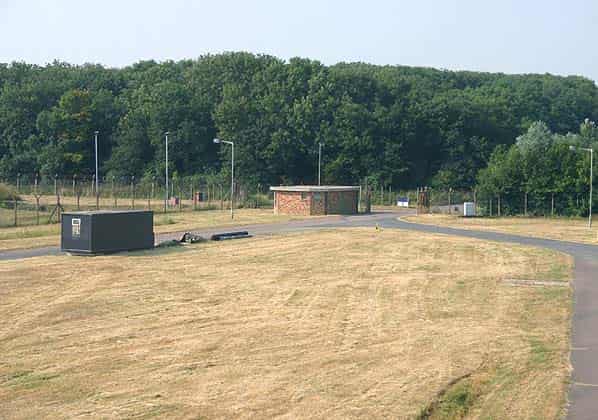
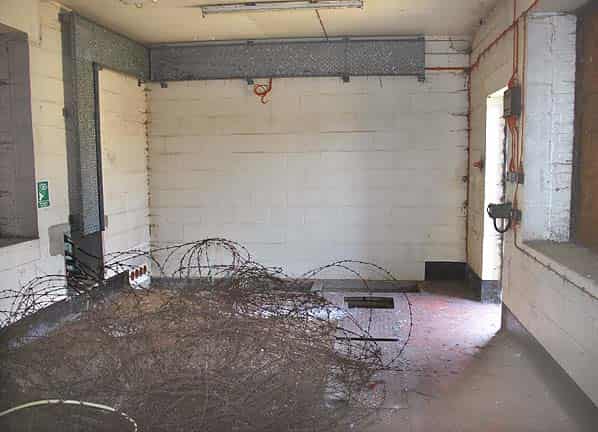
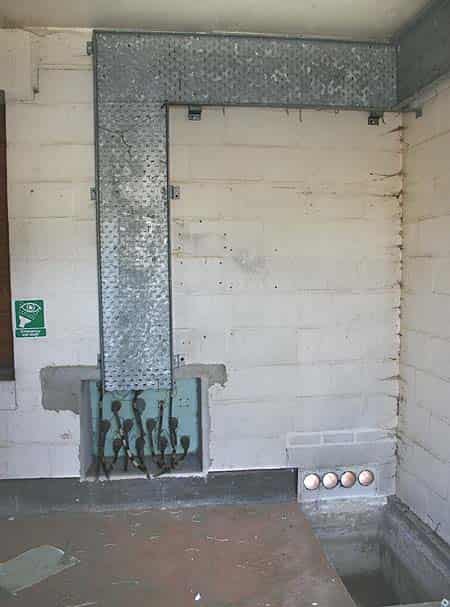
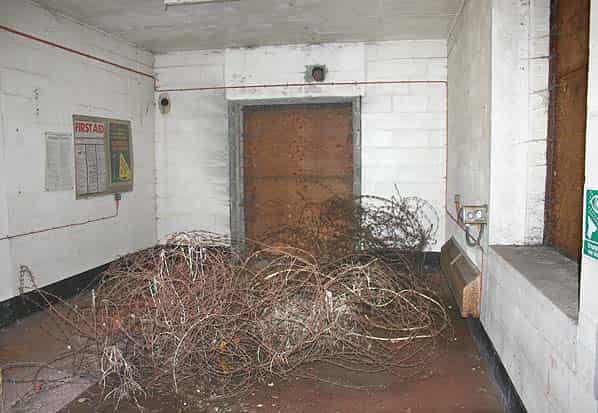
At present all the buildings are still standing but none of them are currently used with the exception of the station headquarters which is now the base of the Wattisham detachment of the Suffolk Army Cadet Force and 1287 (Wattisham) Sqn Air Training Corps. Other buildings are locked or sealed.
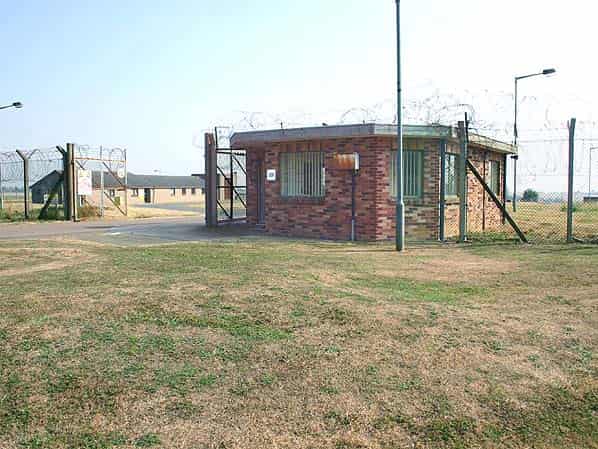
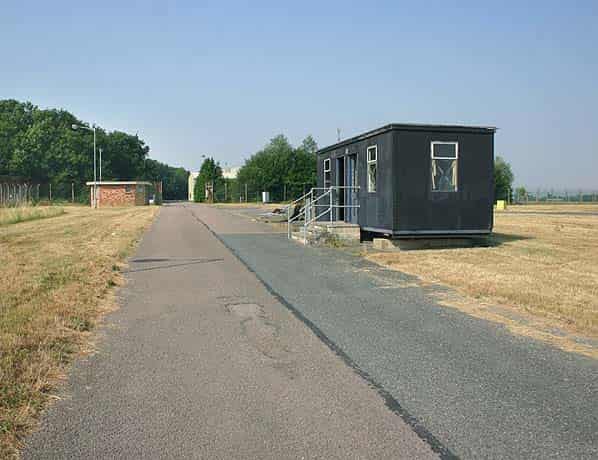
The entrance to the site is on the west side a short distance to the west of 22 Squadron’s search and rescue base. There is a brick picket post just inside the entrance after which the road splits to the two missile sections.
The road to the northern missile section passes the station headquarters which includes an operation room and alongside it the fire station which still has a siren on the roof.
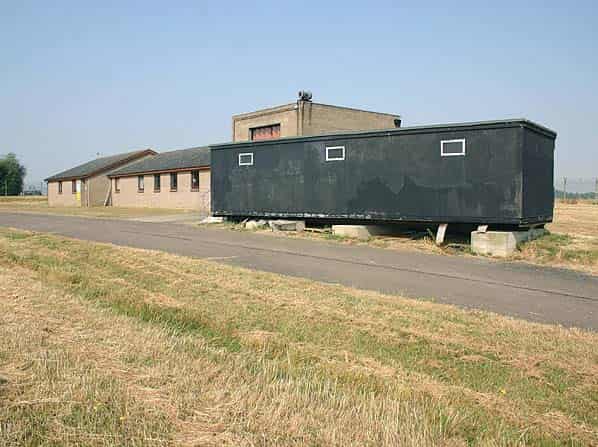
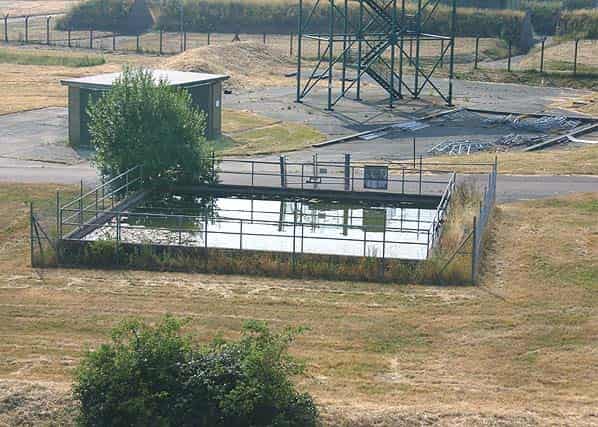
The two steel radar towers are adjacent to the two arms of the road each with a standby generator building alongside and a radar maintenance workshop nearby. There is also a static water rank, a semi-revetted sub-station and a third standby generator block close by.
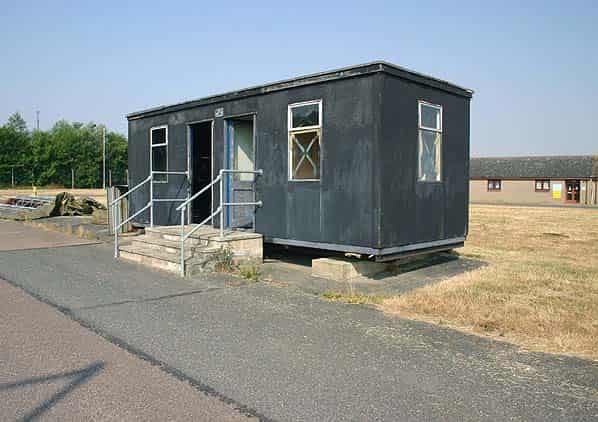
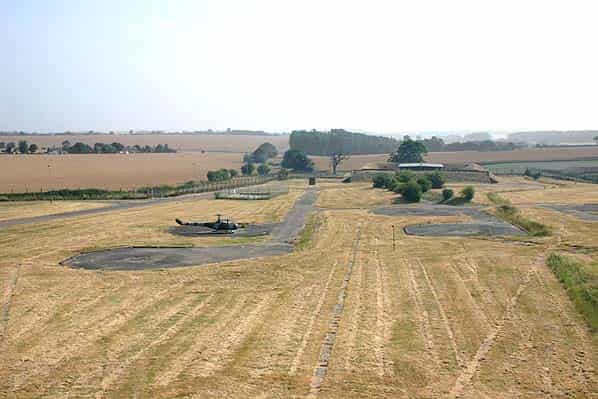
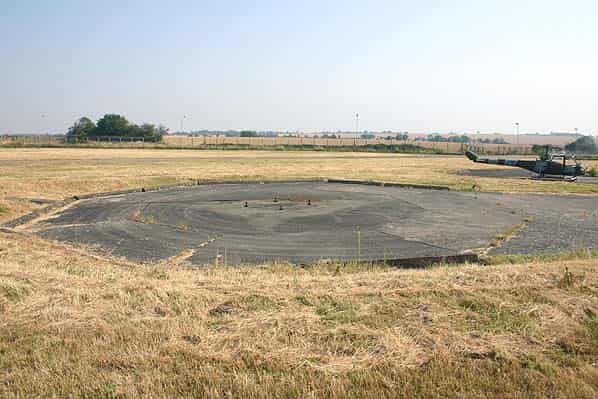
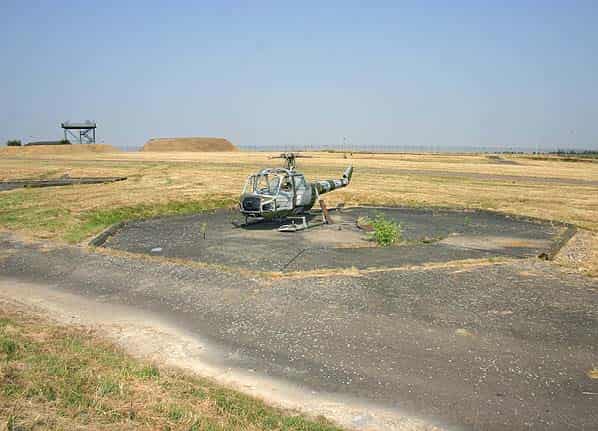
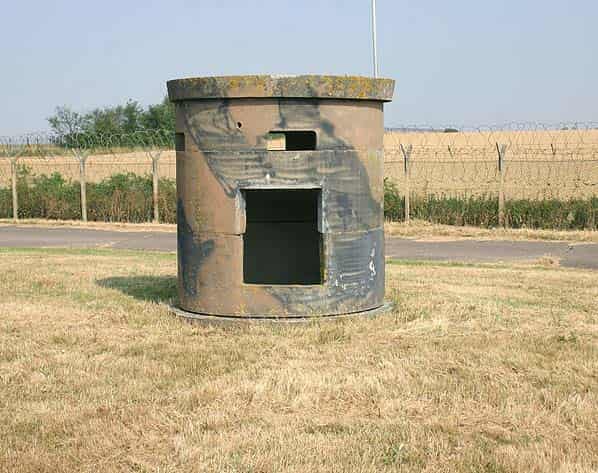
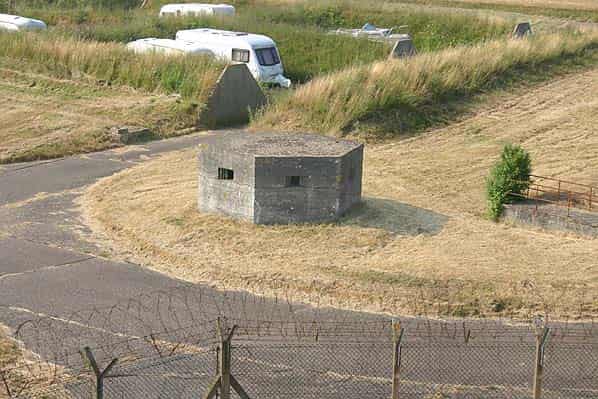
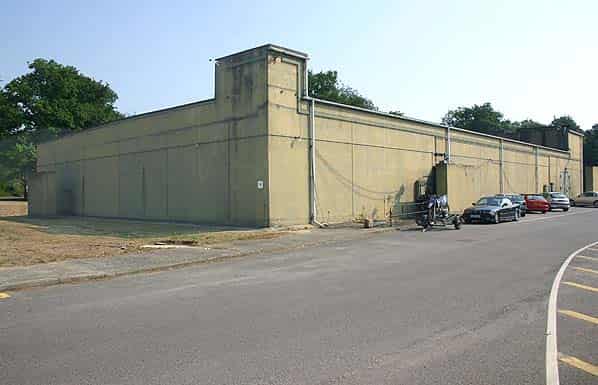
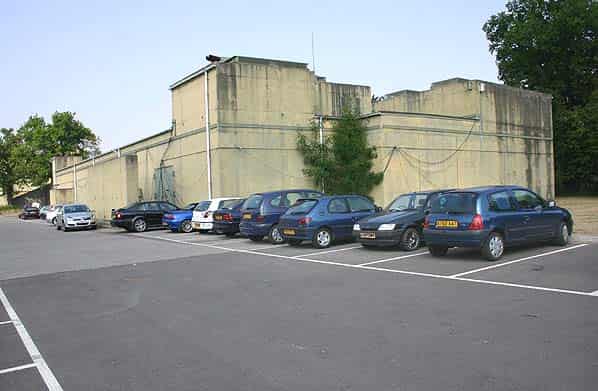
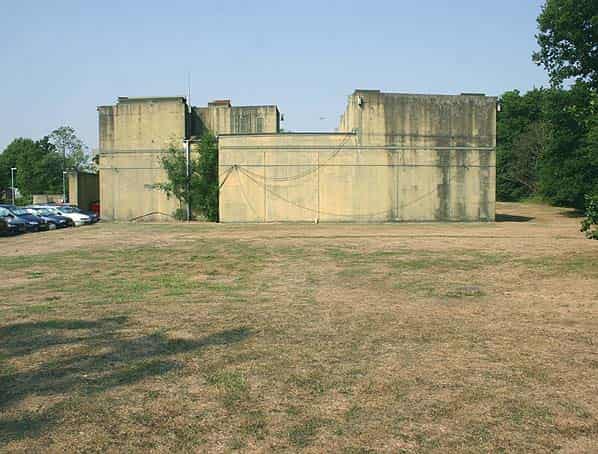
There are several black portacabins on the site, their purpose is unknown. Beyond the two towers are the two groups of six eight-sided concrete launch pads. An abandoned Scout helicopter is sitting on one of the pads. One hundred yards to the east of the pads is the large arming shed, revetted on three sides. Close to this there is a second static water tank and a Norcon pillbox.
A BRIEF HISTORY OF RAF WATTISHAM
The site for Wattisham Airfield was purchased in 1937 and a grass strip was built with four Type ‘C’ hangers. The station was handed over to the RAF on 6th April 1939 and on the 11th May; Bristol Blenheim bombers of 107 & 110 Squadrons arrived forming No. 83 Wing under the control of No.2 Group Bomber Command. Aircraft from both squadrons made the first Wartime bombing raid on the 4th September 1939, against German warships off Wilhelmshaven. The attack was ineffectual but half of the aircraft failed to return. Both squadrons flew many missions over Norway and Denmark during the German offensive in April 1940 and later flew tactical missions against German forces invading France.
In September 1942 Wattisham Airfield was handed over to the United States Army Air Force who laid new runways and taxiways. Initially it wasn’t used as a bomber base, becoming instead the central supply depot and maintenance base for United States air formations in Britain.
This necessitated the construction of a second technical site in the southern corner of the airfield. Wattisham resumed its operational status in May 1944 with the arrival of 479th Fighter Group from America. The Group consisted of three Squadrons, the 434th, 435th and 436th flying P-38J Lightning’s giving daylight bomber escort. The Lightenings were later replaced by the P51 Mustang. The Groups achievements were impressive with 432 enemy aircraft destroyed in one year.
Wattisham was finally handed back to the RAF on the 6th January 1946 and was placed on care and maintenance until August 1946 when Fighter Command took over control.
Post war, Wattisham remained a very active airfield. In November 1946 266 Squadron arrived flying Meteor F3’s; but their stay was short as the airfield was unsuitable for jet aircraft. To overcome this, the Air Ministry bought further land to build a longer 2000 yard concrete runway and in October 1950, 257 and 263 squadrons arrived flying the Meteor MK 8. Wattisham was ideally positioned as an interceptor fighter station being close to the coast but not on it. Wattisham was also scheduled to have a night fighter squadron but this never materialised at that time.
In January 1954, it was proposed that Wattisham should have two short range day fighter squadrons with nearby Rattlesden acting as their standby airfield. This was to be supplemented by a Meteor night fighter squadron with 125 Squadron arriving in June 1954 flying Meteor NF12’s and 14’s whose additional task was to attack fast enemy patrol boats venturing close to our coastline. By February 1955 the Meteor had been replaced by the Hunter Mk 2.
In 1957 with Britain’s ‘V’ bomber force fully operational and the increased threat from incoming missiles there was a cut back in fighter strength. 257 Squadron disbanded and a few months later 152 & 263 Squadron had moved to Stradishall. Wattisham was then prepared for the arrival of Lightenings.
In 1958, before the Lightening arrived, Wattisham became the home of 111 Squadron, ‘The Black Arrows ' display team followed shortly by the arrival of 56 Squadron flying day fighters. The vacant Night Fighter position was filled by 41 Squadron flying the Javelin MK 4 later replaced with Javelin Mk 8’s. This squadron remained at Wattisham until it was disbanded in 1963.
In 1960 both 56 and 111 Squadrons replaced their Hunters with the Lightning F1A finally arriving in January 1961 and upgrading to the F3 in 1965. 56 Squadron left Wattisham for Cyprus in 1967 and were replaced by 29 Squadron also flying the F3.
In September 1974,111 Squadron moved to Leuchars and on December 29 Squadron, also transferred to Coningsby. In January 1975, 56 Squadron returned from Cyprus to Wattisham with the Lightning F6 and by the May had been joined by 23 Squadron. Both Squadrons replaced their Lightning’s with the Phantom FGR2 in June 1976.
23 Squadron moved the Falkland Islands in October 1983 and a year later the reformed 74 squadron arrived flying the Phantom F4J. In the early 1980’s protected dispersals were built in the south west and north west areas of the airfield and hardened aircraft shelters (HAS) were built were later built in the north west area sufficient for two fighter squadrons.
In October 1963, 25 Squadron which had disbanded in 1962 was reformed at RAF North Coates as the first operational Bloodhound surface-to-air guided missile unit equipped with the Bristol/Ferranti Bloodhound Mk 2. In 1970, the Squadron moved to Bruggen with detached Flights based at Laarbruch and Wildenrath, remaining in Germany until 1983 when the unit returned to the UK with bases at Wyton, Barkston Heath and Wattisham.With the end of the cold war many Phantom Squadrons disbanded or converted to the Tornado F3.
Surplus Phantoms were stored at Wattisham ready for re-sale or for use as spares for the remaining squadrons.
74 Squadron swapped its F4J’s for the FGR2 in 1991. In July 1992, 56 Squadron was stood down and on the 1st October, 74 Squadron left to become a training squadron at RAF Valley and then on the 31st October 1992 RAF Wattisham stood down as a fighter base.
In March 1993 the station was taken over by the Army with the 3 Regiment Army Air Corps arriving in the summer of 1993 comprising three Squadrons of Westland Lynx AH7, AH9 and the Gazelle AH1 helicopters.
The last Phantom was airlifted by Chinook to RAF Neatishead where it served as a gate guardian until the closure of Neatishead in 2005 when it was cut up for scrap much to the dismay of the Air Defence Radar Museum who still occupy part of the Neatishead site.
In early 1995, 4 Regiment Army Air Corps joined 3 Regiment, with the same Lynx and Gazelle helicopters together with 7 Battalion REME, the army’s second line helicopter repair unit.
Wattisham now has the highest concentration of Army Air Corp aircraft anywhere in the UK. In August 2000 Wattisham’s first Apache helicopters arrived.
The last Phantom was airlifted by Chinook to RAF Neatishead where it served as a gate guardian until the closure of Neatishead in 2005 when it was cut up for scrap much to the dismay of the Air Defence Radar Museum who still occupy part of the Neatishead site. In early 1995, 4 Regiment Army Air Corps joined 3 Regiment, with the same Lynx and Gazelle helicopters together with 7 Battalion REME, the army’s second line helicopter repair unit giving Wattisham the highest concentration of Army Air Corp aircraft anywhere in the UK. In August 2000 Wattisham’s first Apache helicopters arrived.
The RAF presence still remains at Wattisham in the form of B Flight 22 Squadron, operating Sea King HAR3 helicopters in the search and rescue role.
Sources:
- Cold War - Building for Nuclear Confrontation - by Wayne Cocroft & Roger Thomas. English Heritage 2003 ISBN 1 873592 69 8
- Action Stations Revisited No 1 Eastern England - by Michael J.F. Bowyer. Crecy Publishing 2000 ISBN: 0 947554 79 3
- Wattisham Airfield Museum Society