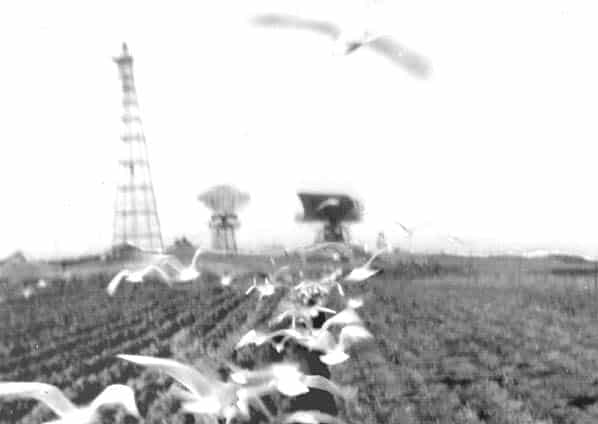
Trimingham Radar Station was established in late 1941 as an army coastal defence radar station for detecting German E-Boats and low flying aircraft; it was equipped with a CD Mk.4 radar.
Trimingham was also chosen as an ‘Oboe’ station equipped with Type 9000 equipment for navigational purposes to assist bombers to pinpoint European targets.
It was transferred from the War Office to the Air Ministry on 29.4.1942 becoming a Chain Home Extra Low (CHEL)/CD with a Type 54 radar on a 200 foot tower. The ‘Oboe’ equipment had been removed by 1945. In 1947 Trimingham was placed in the Northern Signals Area under 90 Group.
On 15.4.1948 Trimingham was placed in care and maintenance but was once again operational from 1.6.1949 and on 17.2.1950 the CHEL was transferred from 90 Group to Fighter Command and from 1.11.1951 was renamed 432 Signals Unit.
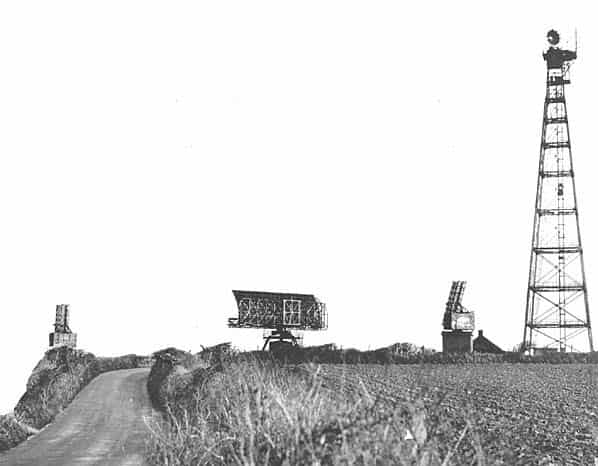
In June 1950 RAF Trimingham was selected for the ROTOR programme as a Centimetric Early Warning Station (CEW). In the provisional plan (17.12.1950) the station was to be equipped with, the Type 54 CHEL radar on A 200 foot tower one Type 13 Mk IV height finding radar on a plinth, one Type 14 Mk. 8 (on a plinth) and one Type 14 Mk. 9 (on a gantry) surveillance radars. The station was completed in November 1952 coming on line early the following year.
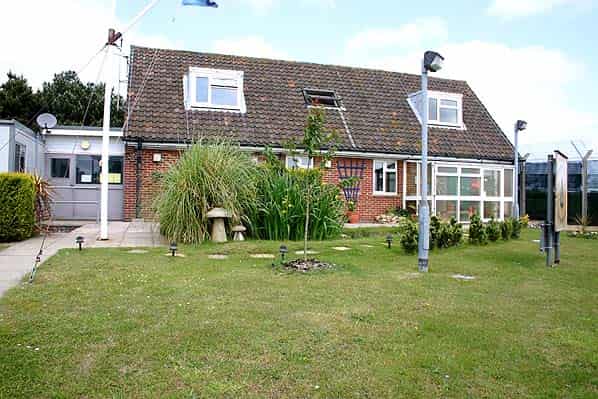
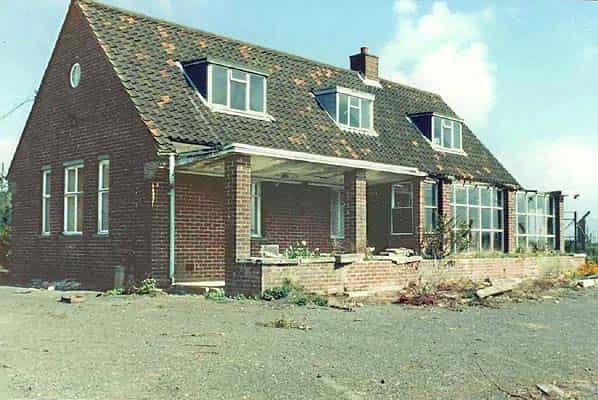
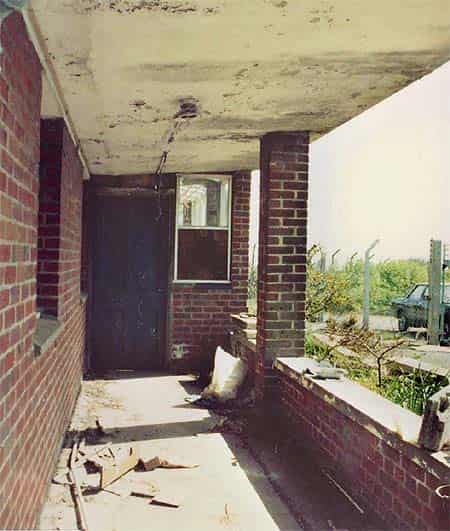
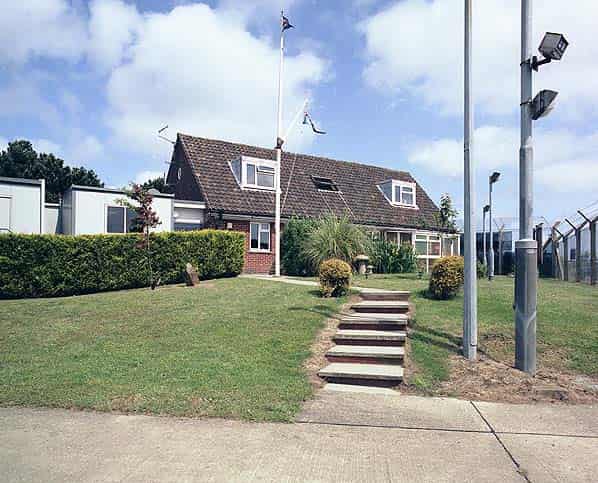
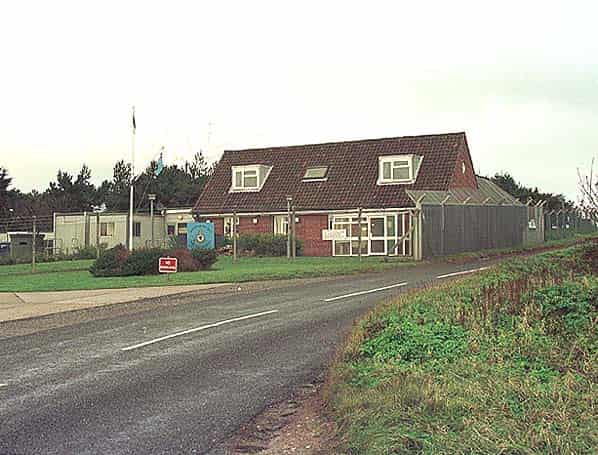
Operations were centred in an R1 single level underground bunker accessed from the rear of a standard ROTOR guardhouse/bungalow, consisting of a single storey building with a pitched tile roof and a verandah at the front. At the rear is a square stairwell and plant entrance with a flat roof. Internally there was a guardroom, armoury, stores and rest room.
In August 1952 Trimingham was selected as the location for the first production Type 80 Mk1 search radar. The installation of the new Type 80 was delayed and an American Type AN-FPS 3 (on a 25 foot gantry) long range radar and an AN/TPS10 height finder were installed.
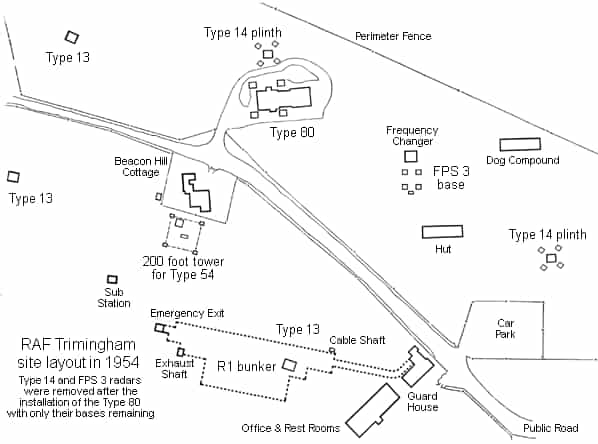
The Type 80 was finally installed in 1954 and handed over to the RAF on 10.2.1955 making the two Type 14’s redundant, these were dismantled and removed. This was one of five Type 80 Mk 1’s installed throughout the UK.
Trimingham was retained as a CEW station under the 1958 plan closing on 15.2.1961, it had also continued in its CHEL role utilising the Type 54 Mk3 during this period.
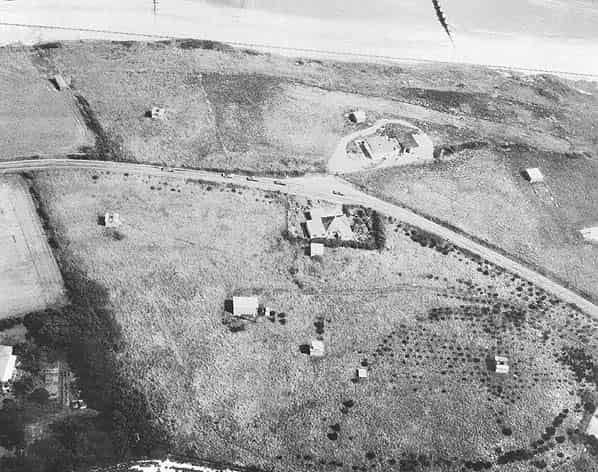
In 1965, air photographs show the station had been largely dismantled and all the radar arrays had been removed apart from the Type 54 behind Beacon Hill Cottage; but that was gone by 1972. By 1981 the station was closed and the site had been sold and the guardhouse converted into a private house.
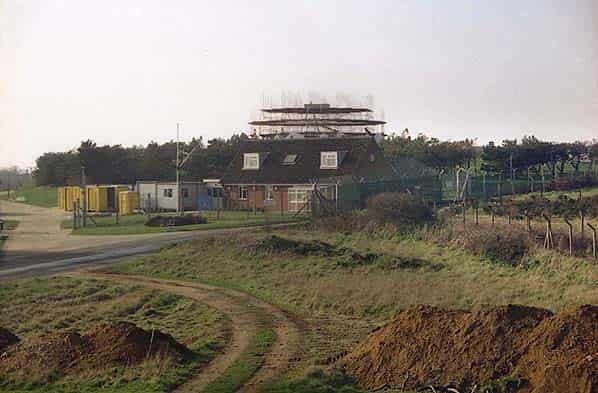
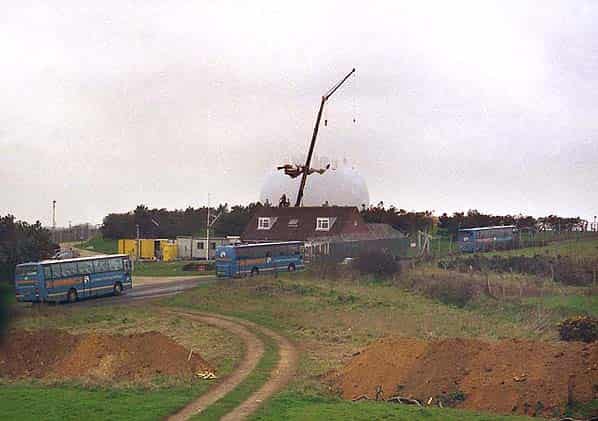
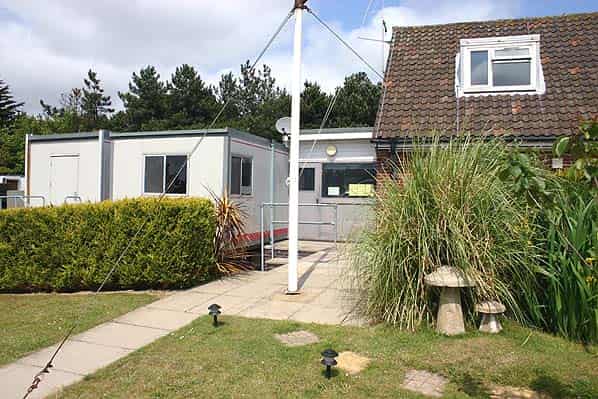
Trimingham was repurchased by the RAF in the late 1980’s with the installation of a Marconi Type 91 ‘Martello’ radar operated by 432 Signals Unit acting as a Ready Platform (along with RAF Hopton and RAF Weybourne) for the UKADGE Series II (Upgraded Air Defence Ground Environment) Radar System controlled from the R3 underground control centre at RAF Neatishead. The guardhouse was converted into crew accommodation, offices and basic mess facilities. An upper storey was created in the roof space and the external verandah along the front of the building was removed.
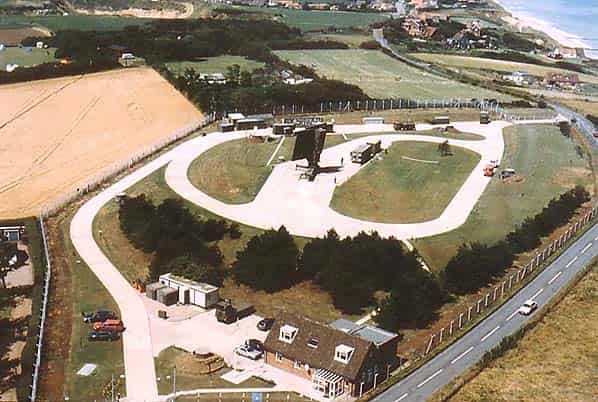
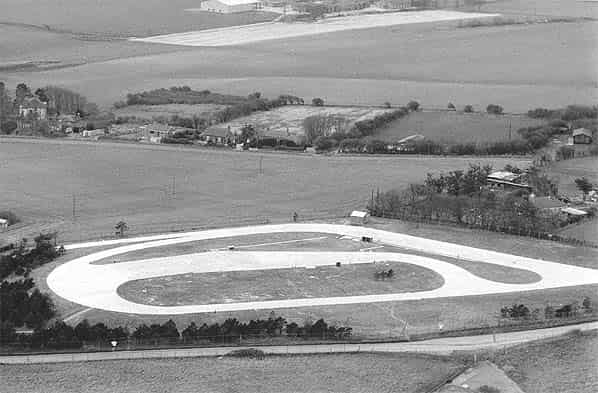
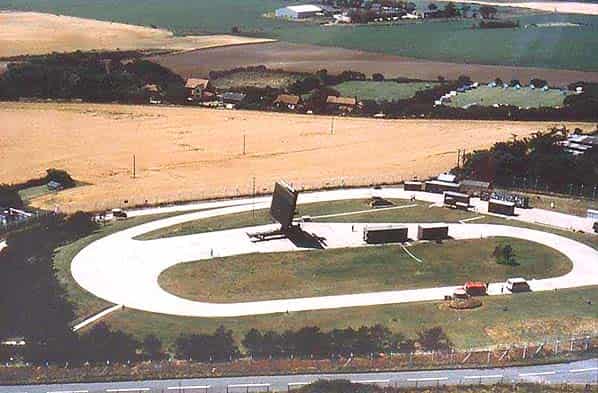
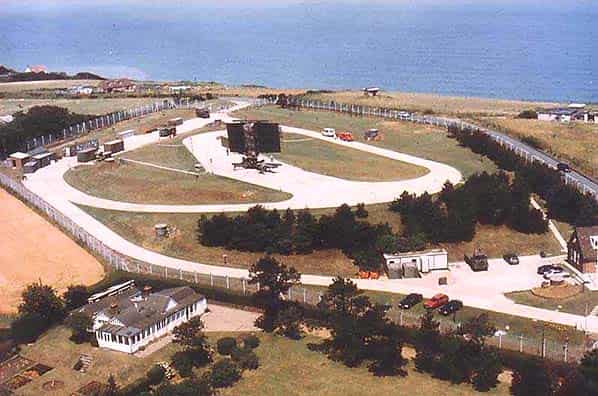
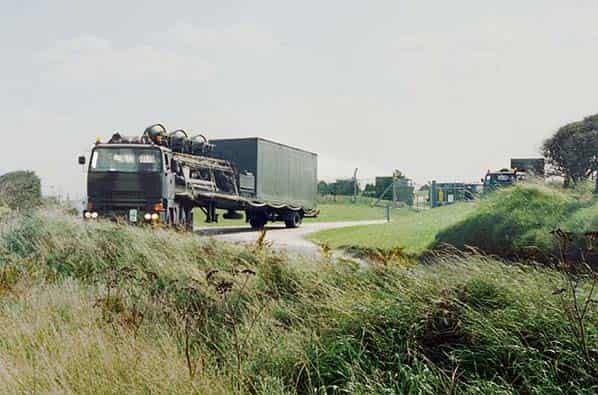
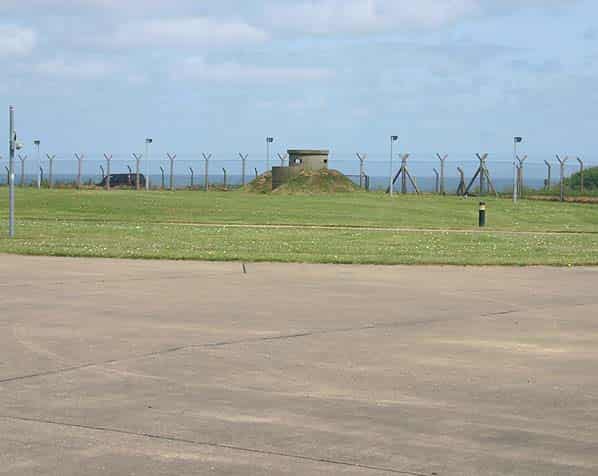
The earth mound covering the bunker was removed and the site shaved to the concrete roof of the bunker. This was then built up with the ready platform on top of a new grassed mound. Roads were then made to allow vehicle access to the top surface, on which the remote radars would be sited. In May 1987 the Type 91 there was sold to the Turkish Ministry of Defence and it was replaced by a Type 93 (Plessey type ADGE-305, NATO designation TGRI 50011) that had been moved from Hopton. Following the removal of the Type 93 Hopton closed.
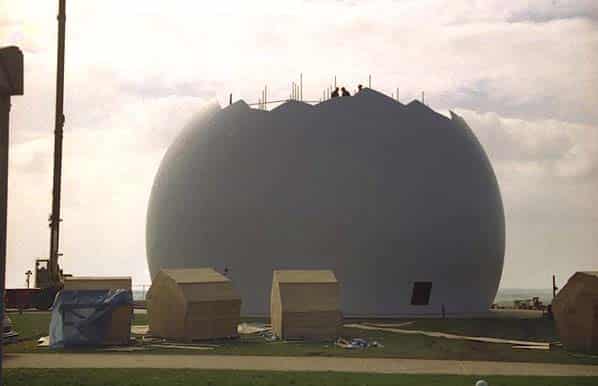
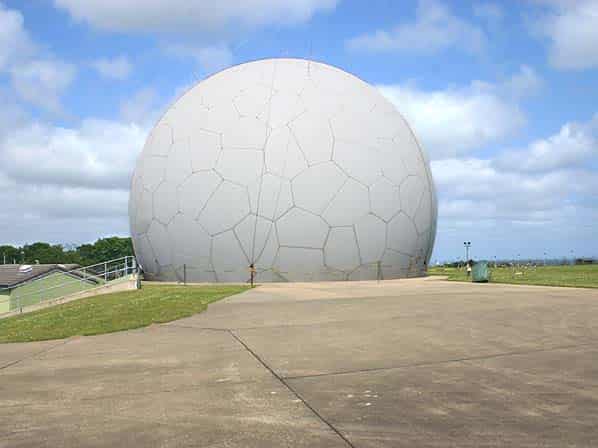
Although originally a mobile installation in December 1997 the Type 93 was given a permanent mounting with a Kevlon dome composed of irregular polygons erected around it. The Type 93 is still operational feeding data back to the Control and Reporting Centres (CRC’s) at RAF Boulmer in Northumberland and RAF Scampton in Lincolnshire. RAF Neatishead has now been downgraded to a remote radar head which is actually at Trimingham. Neatishead only being retained as the circuits from Trimingham pass through Neatishead.
SITE VISIT
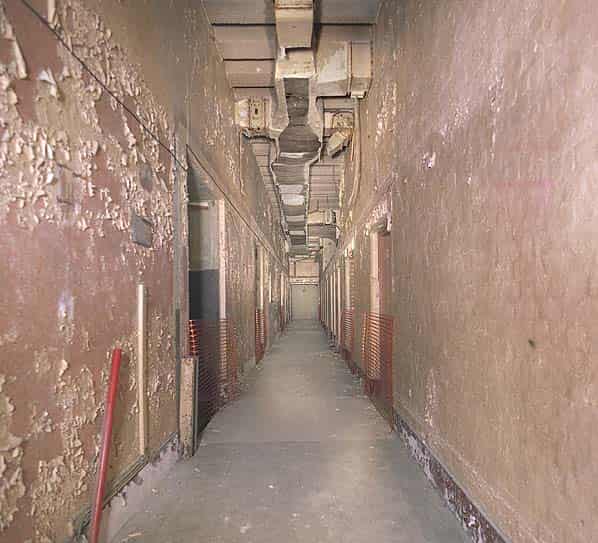
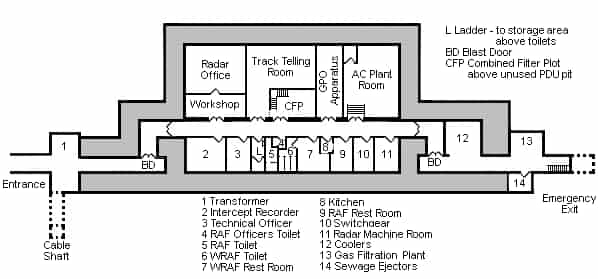
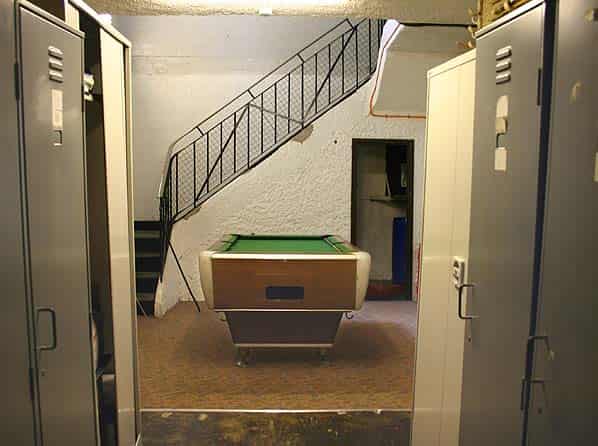
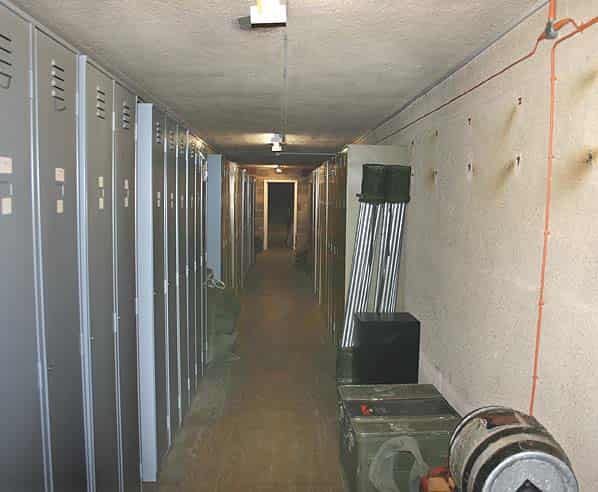
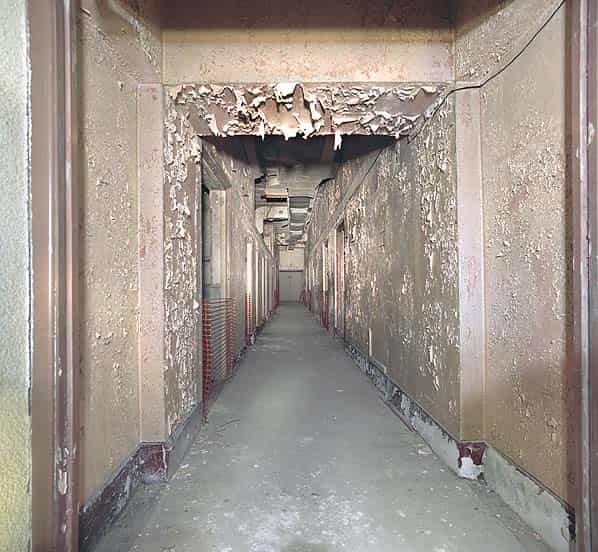
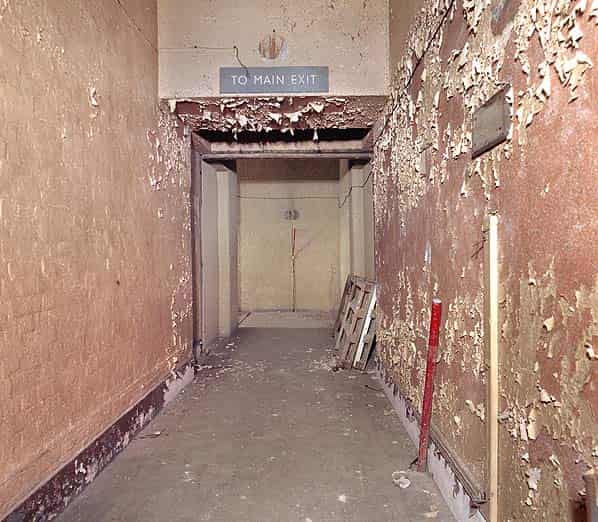
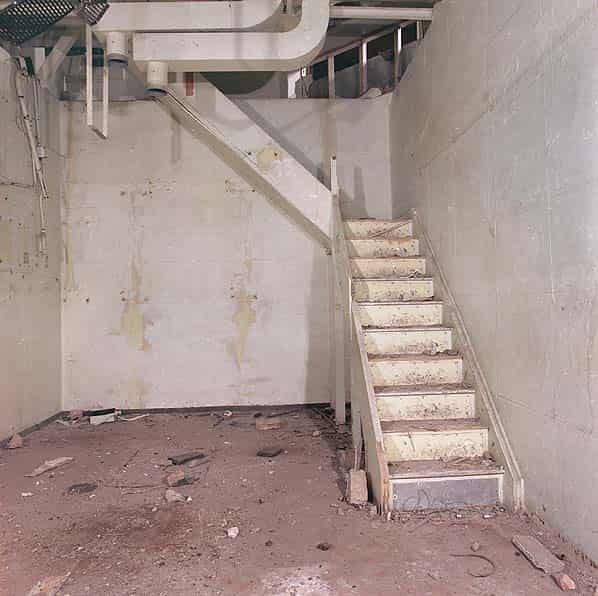
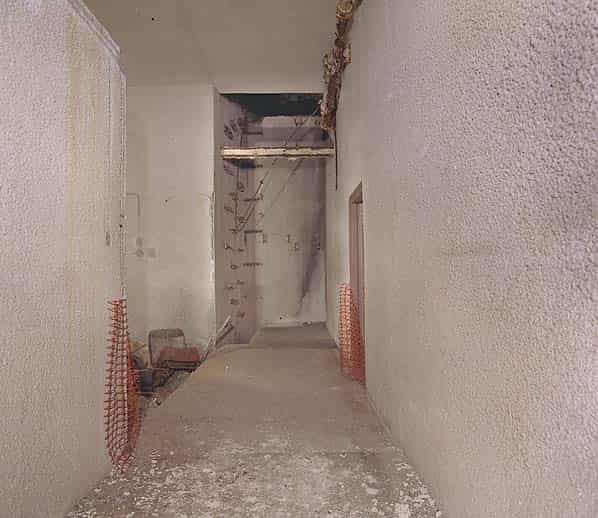
The guardhouse is still in RAF use and access to the R1 bunker have been retained. The stairwell is used as a recreation room with a pool table and the first section of the sloping entrance tunnel has been utilised as a locker room. A short distance along the tunnel a wall has been built across the passage with a wooden door. Beyond this the bunker is abandoned and unlit. At the end of the tunnel there is a transformer recess on the left and the cable entry point on the right. The passage then does a dog leg left and right into the main east - west spine corridor, there were originally blast doors at this point but these have now been removed. Some section of wooden flooring along the corridor have been removed and replaced with temporary plywood panels and the floor is largely solid with no under floor cableways and is safe to walk on.
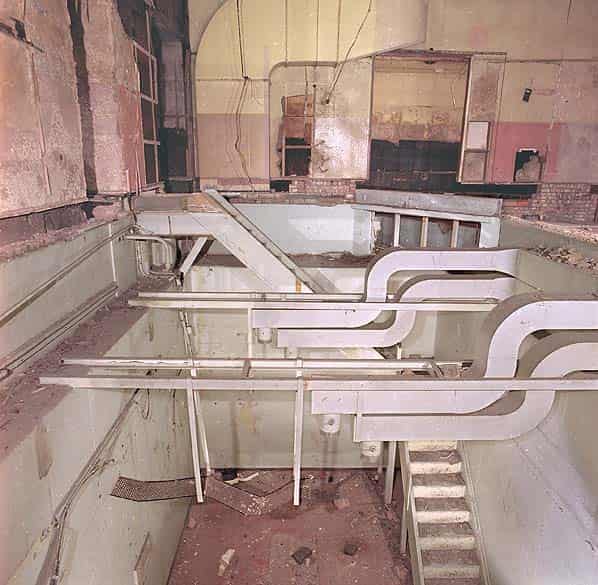
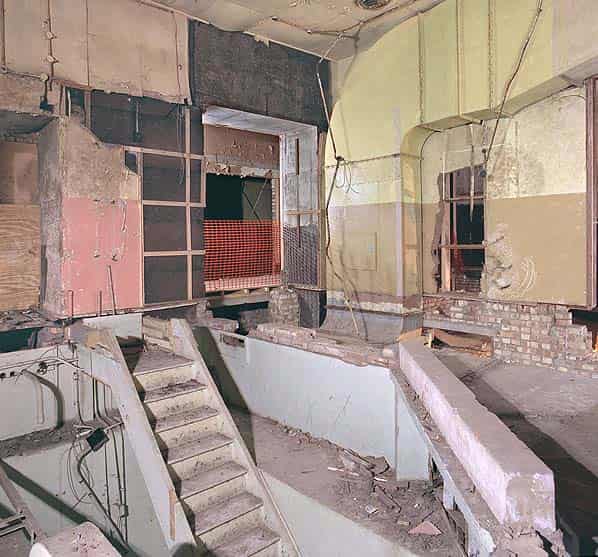
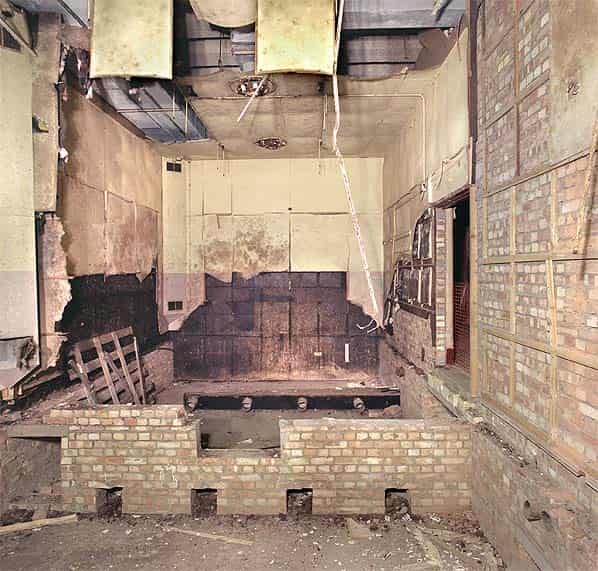
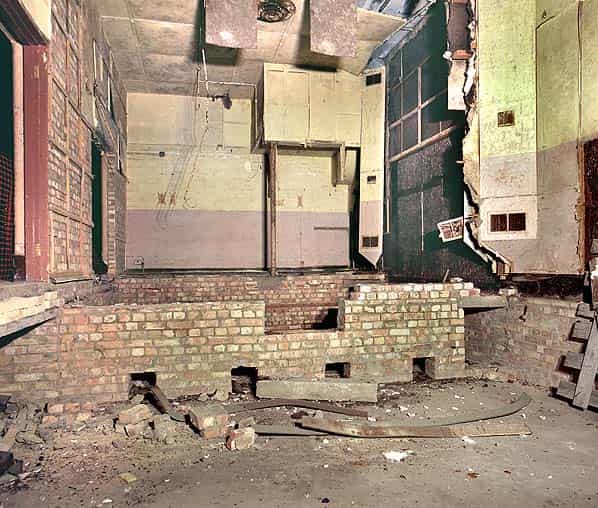
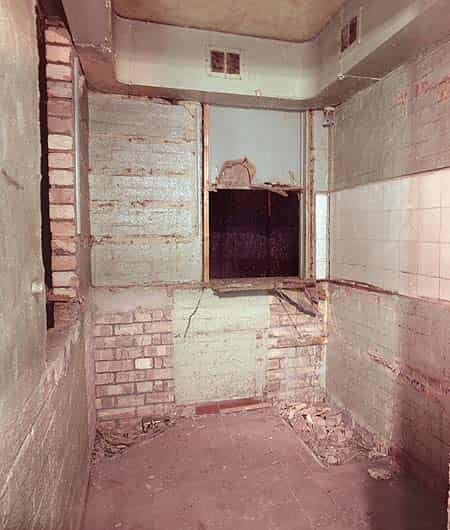
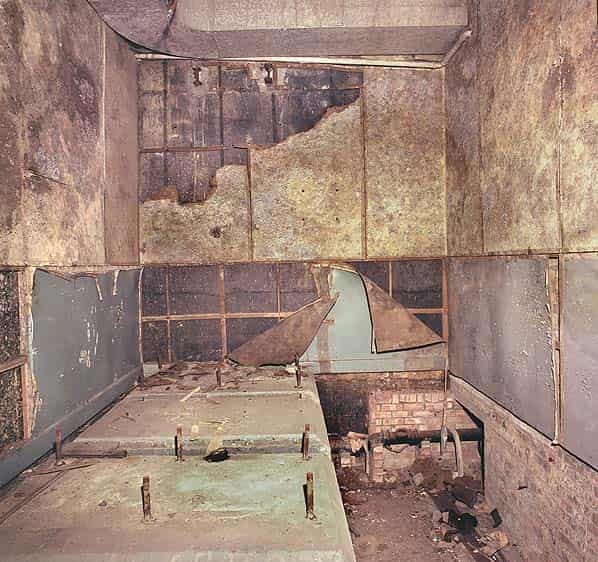
Many of the original partition walls have now been removed leaving two rooms on the left and ten rooms on the right. All the original teak secondary flooring has been removed from all the rooms on the left side leaving a three drop down to floor level from the corridor. The rooms have been completely stripped apart from the brick supports for the now removed wooden floor and ventilation trunking. The first entrance on the left led to the workshop and on to the radar office, the second entrance led to the Track Telling Room with a door back into the Radar Office. To the right of this entrance was the Central Filter Plot Room with a wooden staircase into a lower level room known as the ‘udder’. This was designed for the Kelvin Hughes display equipment and you can clearly see the two sets of AC connectors which supplied filtered/cooled air and removed ‘dirty’ hot air. These two sets of trunking would have serviced the two KH projection units, these would have had a large swivel mirror between them allowing either to be used to project a GSM to the projection table above and allow in-line servicing. This room would have also contained a small darkroom and film store.
The pit is dry and the wooden stairs are safe to use. The CFP had its own doorway into the corridor. The fourth doorway would have led to the GPO apparatus room and the final doorway led to the air conditioning plant room; this has been stripped of most of its plant, only part of the air handling system and a bank of filters remain in place. There was no secondary floor in this room with steps down from the corridor.
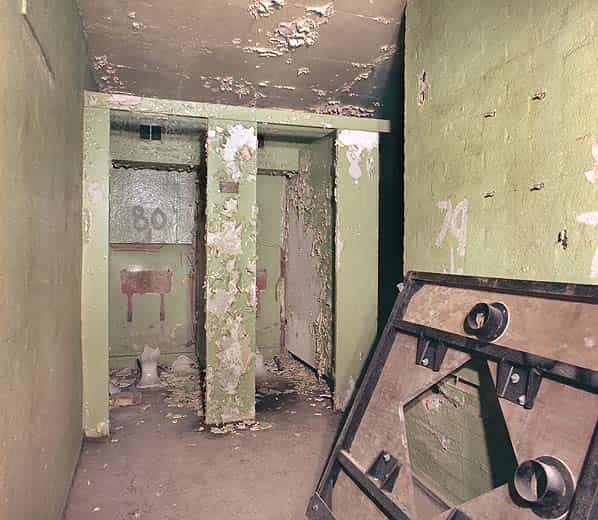
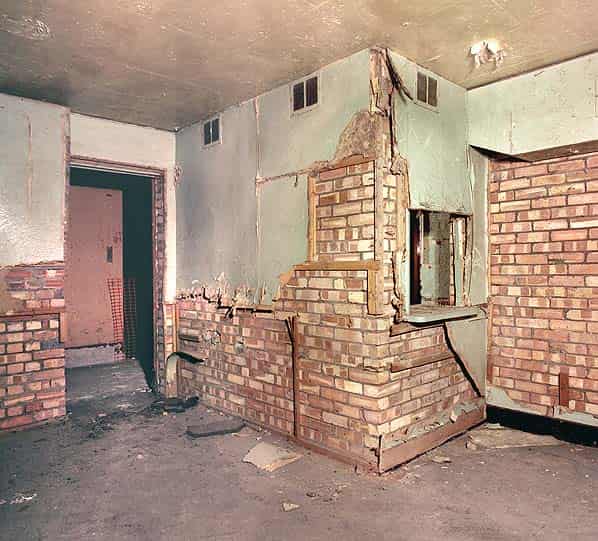
On the right the first doorway led to the intercept cabin and the second to the technical officers office; the wall between these two rooms has been removed. The next rooms are in the following order: store, RAF lavatory, Officers lavatory, WRAF rest room leading into the WRAF lavatory. There is a hatch from the WRAF rest room into the small kitchen. Beyond the kitchen is the RAF rest room with another hatch into the kitchen. The two remaining rooms are for electrical switchgear and then the radar machinery room.
Beyond the plant room the corridor dog legs right and left site of a second pair of blast doors past the air conditioning coolers (only trunking remains) and gas filtration plant (nothing remains) on the left. Opposite the filtration plant was the pump room (pumps removed) and sump. The tunnel then ends in a blank wall which would have contained a metal staircase of several flights leading to the emergency exit, this has been filled with rubble and soil and there is no evidence of it on the surface.
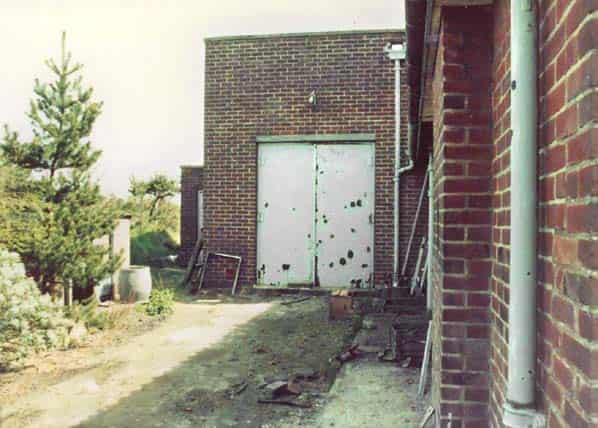
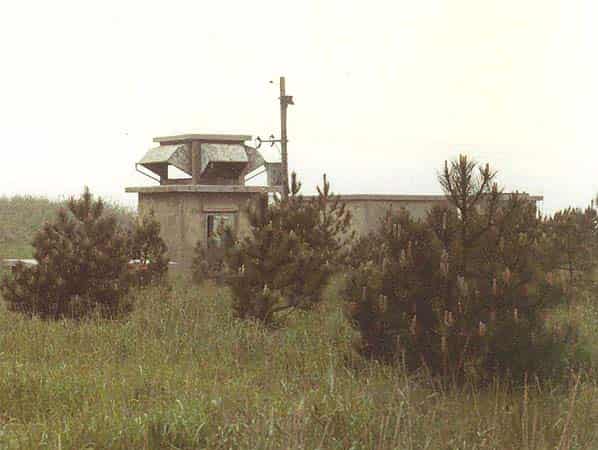
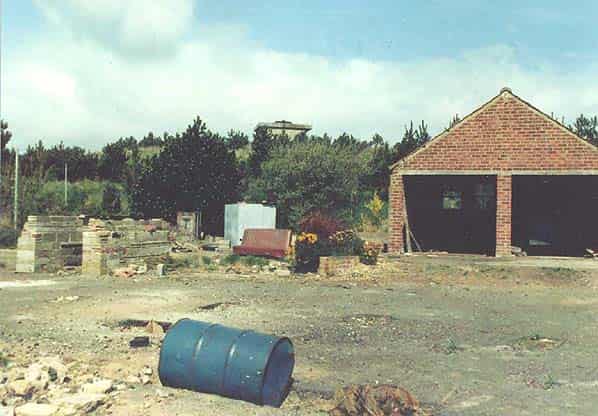
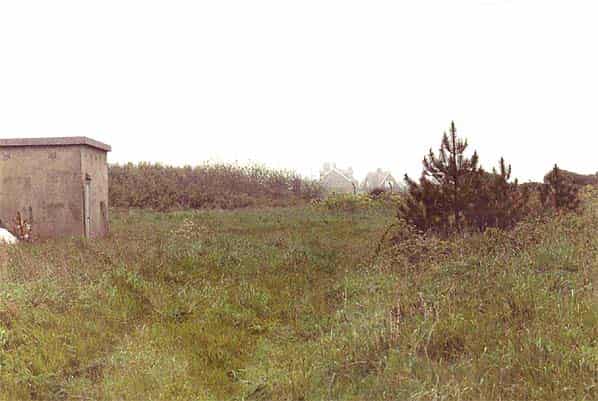
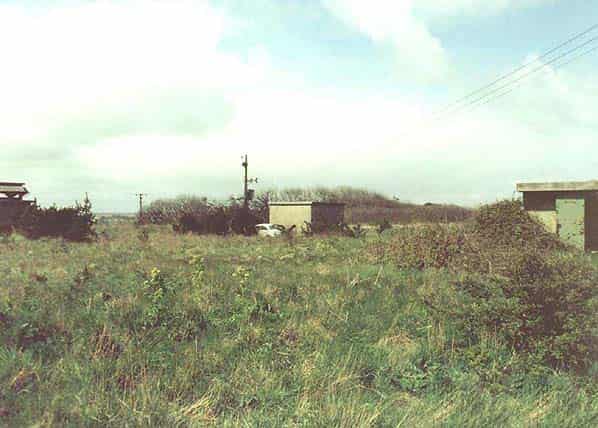
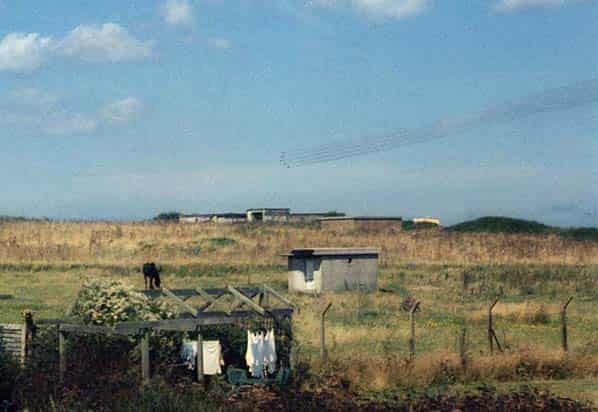
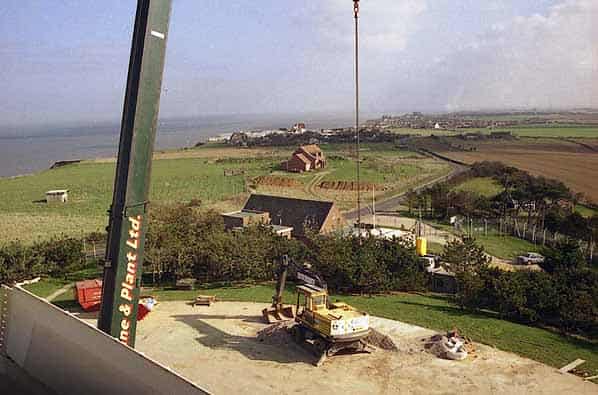
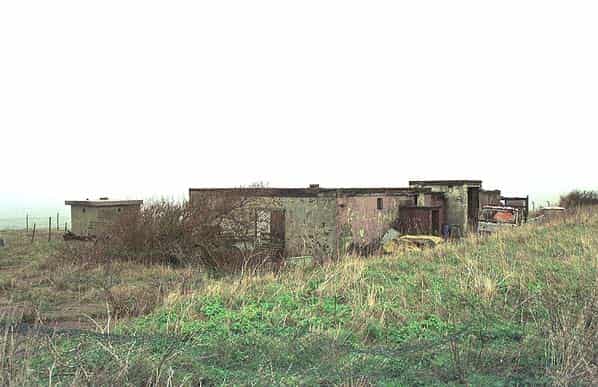
Trimingham is located on Beacon Hill on the North Norfolk Coast between Cromer and Mundesley. The site originally consisted of 10 acres on both sides of Mundesley Road but now only the southern part of the site is occupied by the RAF. Three radar plinths, two gantry bases and a frequency changer building all survive on the opposite (seaward) side of the road. There is also a large single storey brick building, this was the Type 80 Mk1 modulator building; there are also the bases of several WW2 huts. In recent years this has been put to farm use and the whole site has recently been securely refenced. The standby generator was located on the domestic camp which has now been completely cleared.
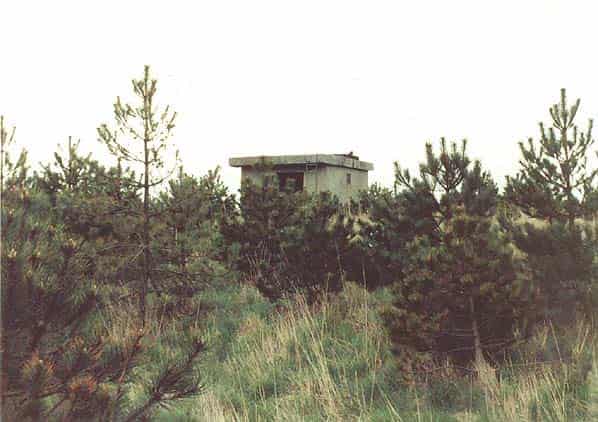
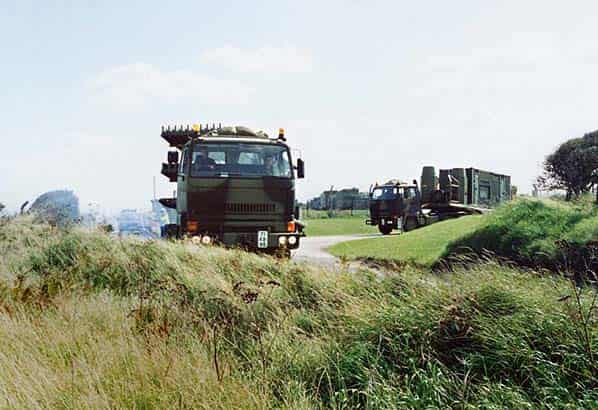
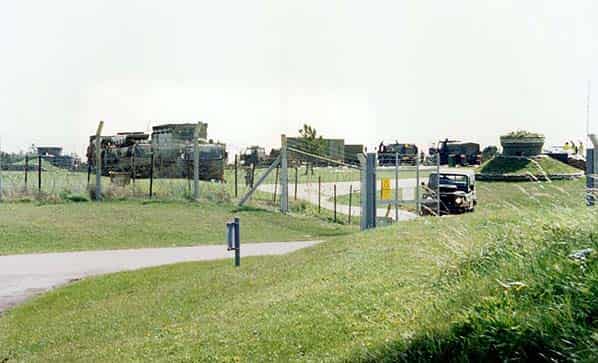
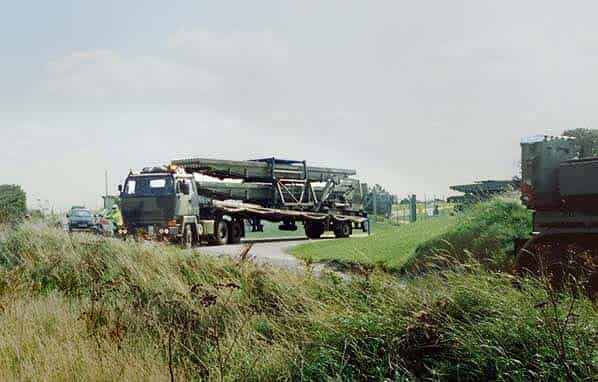
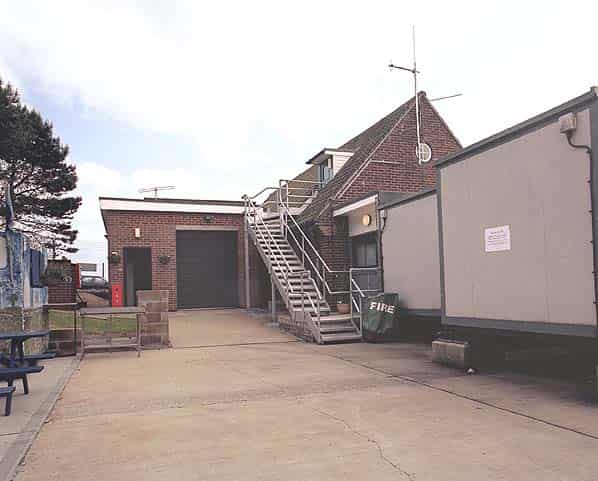
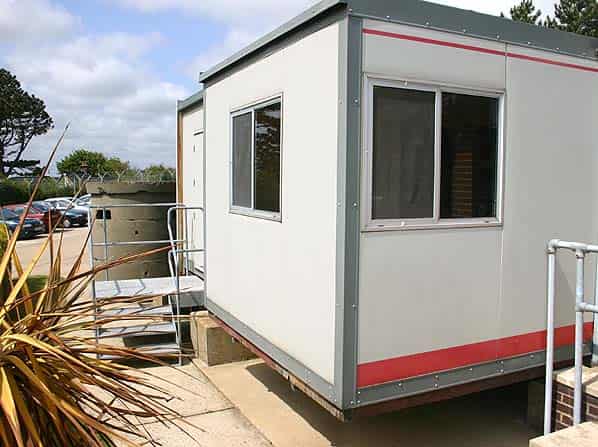
Externally a rest room, lounge and vestibule are located in a new portacabin to the south west of the guardroom. The site retains numerous metal containers for the once mobile radar head. There are also a number of small pillboxes made of sewer pipes around perimeter of the site.
Those present from Subterranea Britannica were: Nick Catford, Keith Ward, Bob Jenner, Robin Ware, Jane McGregor, Dan McKenzie and Mark Bennett.
Sources:
- RCHME Survey report on RAF Trimingham (1998) by Wayne Cocroft
- PRO Files AIR 29/167 & 168
- PRO Files AIR 2/10984 August 1952 listing equipment changes when Type 80 installed
- PRO Files AIR 8/2032 1 January 1954
- RAF Air Defence Radar Museum, Neatishead
- Bob Jenner
- Keith Ward