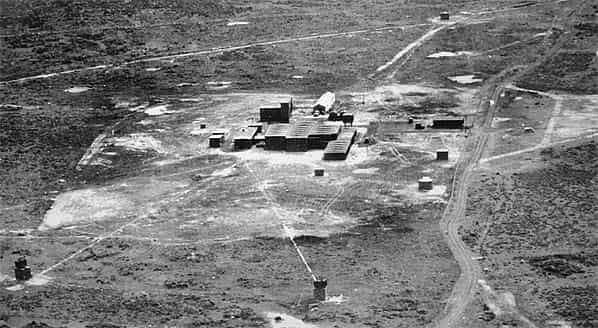
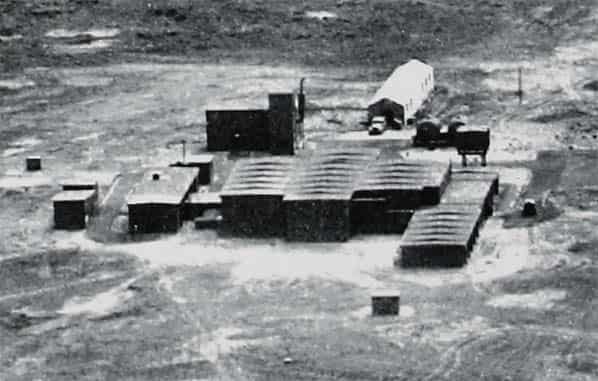
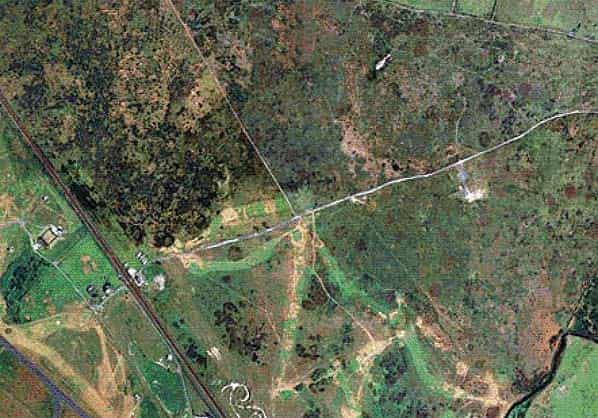
RAF Trewan Sands was established as a Ground Control Intercept (GCI) radar station (19G) during WW2. It went through the three stages of development: ‘mobile’, ‘intermediate transportable’ and ‘final’. Early stations (from 1940) had equipment on wheeled caravans and temporary wooden hutting; these were replaced by intermediate stations which had the aerial arrays mounted above and below a wooden gantry, with operations carried out from wooden huts.
Final stations, built from 1942, had brick operations blocks, known as ‘Happidromes’. These stations had a single rotating aerial array with the transmitter and receiver housed in a well below ground designated an R7. The happidrome became fully operational at Trewan Sands by 1943 replacing the intermediate GCI station. The Ground Controller working from his PPI (Plan Position Indicator) display screen would be able to talk directly to the pilots of the fighters they were controlling giving them directions to intercept the enemy aircraft that within the range of the aircraft’s own intercept radar.
The WW2 60 Group Wing Areas map (2nd edition) shows RAF Trewan Sands as being equipped with Type 7 and Type 21 radars. (A type 21 is a Type 13 and Type 14 acting together as one radar)
RAF Trewan Sands closed at the end of the war and was described on 6.12.1945 as in ‘caretaking’ mode with its future use as ‘caretaking’ (PRO File Air 25/686).
During the early 1950’s RAF Trewan Sands was selected as a GCI station in Phase 1 of the ROTOR Programme. The WW2 GCI station was demolished and the site cleared. Being a west coast station protected accommodation was not required and the station was provided with an R8 prefabricated SECO technical block of asbestos and wood fibre board construction. The completion date for the station, which was designated TES, was 23.10.1953.
As planned the station was to be fitted with the following radars two Type 13 Mk VI, three Type 13 Mk VII, one Type 14 Mk VIII, one Type 14 Mk IX, one Type 7 and one Type 11 mobile. A Type 80 was also to be installed at a later date, but even before the station came on line changes were announced.
Air 20/10699 Chapter 2 ‘Operation Rotor 2 Improvements In Radar Cover’ Nov 1953 paragraph 25 states ‘As indicated in Phase 1 of the rotor outline plan, a number of economies have already been effected at certain GCI stations in anticipation of the introduction of Stage 1A radar (Type 80). These economies included the deletion in 1952 of Type 7 and 14 radars at Skendleby, Trelever, St Twynnels and Trewan Sands. The deletion of these radars was confirmed in Air/12116 Outline Plan for the Introduction of high powered 10cm radar (Type 80). Paragraph 12/A states that Trewan Sands was awaiting the production of Stage 1A radar and that one Type 14 Mk VII, one Type 14 Mk. IX and one Type 7 were redundant.
It is unclear when Trewan Sands became operational and it is doubtful whether the Type 80 was ever installed as there is no evidence of the modulator building on an aerial photograph of the area probably taken shortly after the station closed. The station was certainly operational in August 1957 as it took part in ‘Operation Rejuvenate’, an exercise involving the R8’s at Trewan Sands, Calvo, Charmy Down and Comberton (Air 20/11323) but it had been dispensed with prior to the 1958 plan (Air 8/2932 Appendix C)
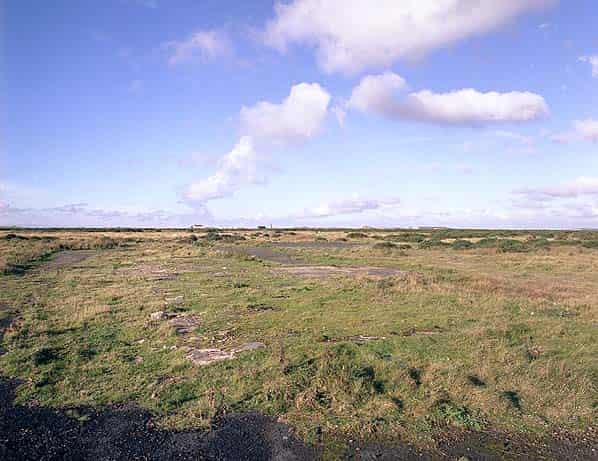
It is likely that the site was cleared shortly after closure and the only evidence remaining today are the concrete bases for the R8 technical block and the other major buildings on the technical site.
The station had no domestic camp as accommodation was shared with RAF Valley.
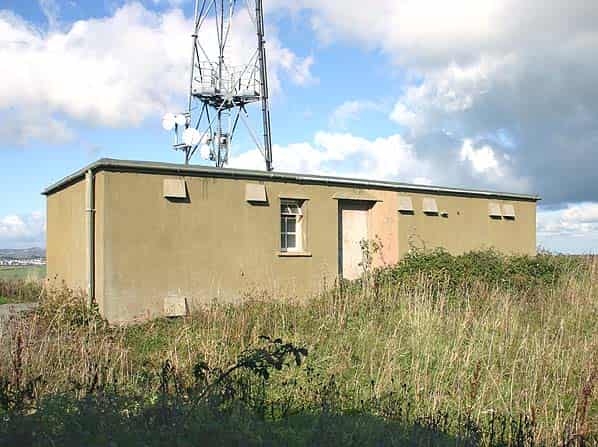
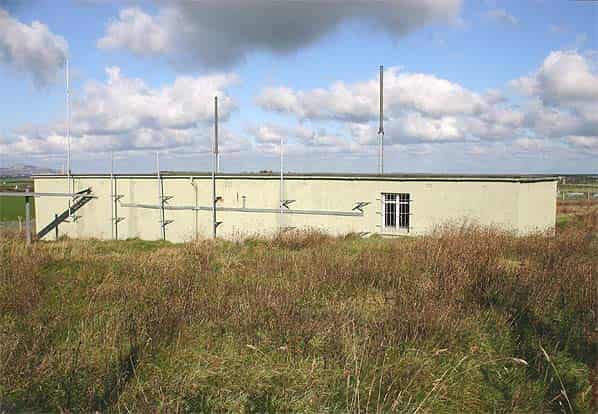
In order to provide communication between the controllers at RAF Trewan Sands and the intercepting aircraft, two VHF/UHF multi-channel radio transmitter and receiver blocks were built at remote sites. Transmitter and receiver blocks come in two sizes designated ‘small’ and ‘large’; those at Trewan Sands, which are both still extant, are ‘large’. Each block would have had a 90’ wooden aerial tower alongside. Both towers at have now been removed.
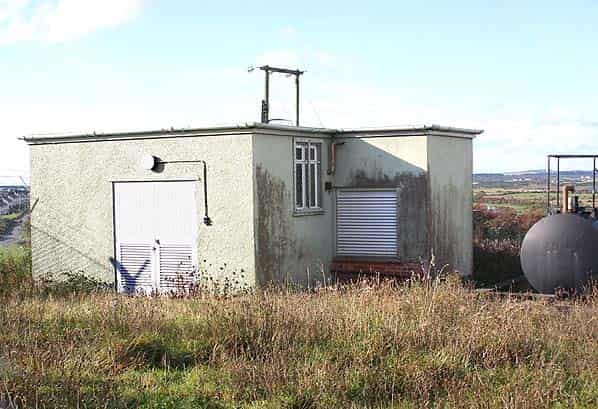
Each site consisted of two buildings, the operations building and a standby set house. As built, the transmitter building comprised the transmitter hall, mechanical and electrical room, store, workshop, staff room and toilet. The building at SH32587808 has been refurbished and is used for communications by RAF Valley; the standby set house is also in use.
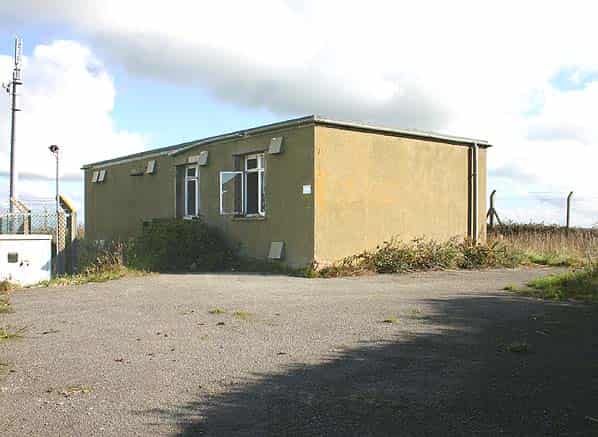
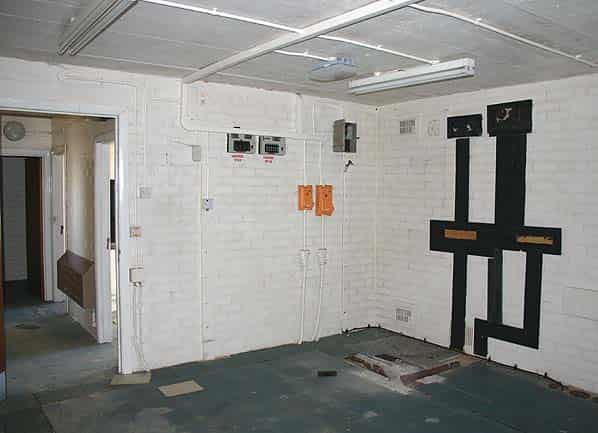
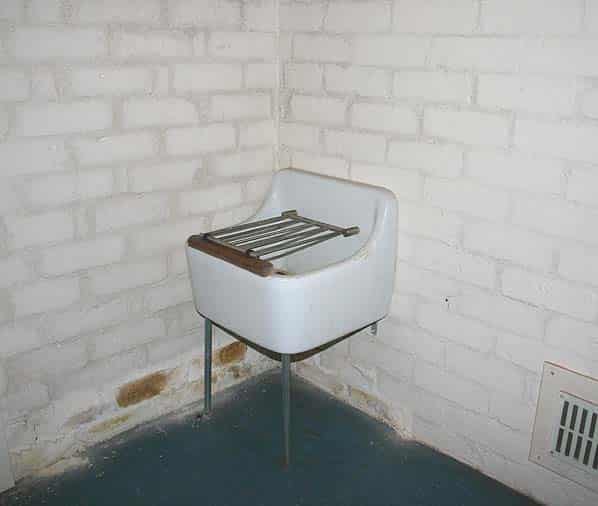
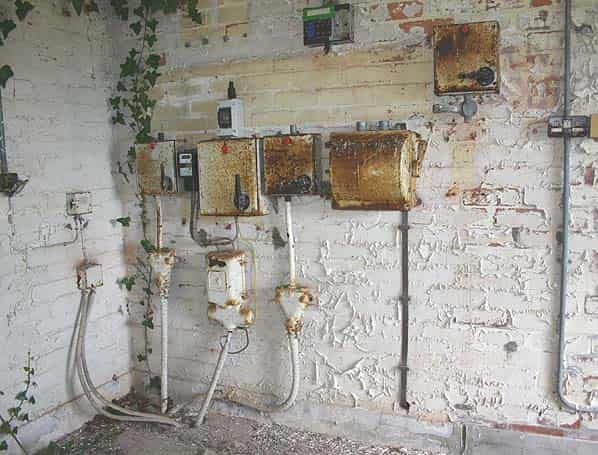
The smaller receiver building at SH31407894 comprised a receiver room, mechanical and electrical room, store, workshop, staff room and toilet. Externally there have been few alterations to the building although now empty and derelict it has obviously been put to later uses. The standby set house still retains some electrical switchgear but it is unclear if anything in the receiver building dates from the rotor period, except perhaps a low sink for washing out mops! There are now two cellphone masts in secure compounds within the main compound.
Sources:
- Bob Jenner
- Various PRO files