RAF Stenigot was opened in 1940 as an east coast Chain Home radar station. Stenigot provided long range early warning for raids from Luftflotte V and the northern elements of Luftflotte II along the approaches to Sheffield and Nottingham and the central midlands.
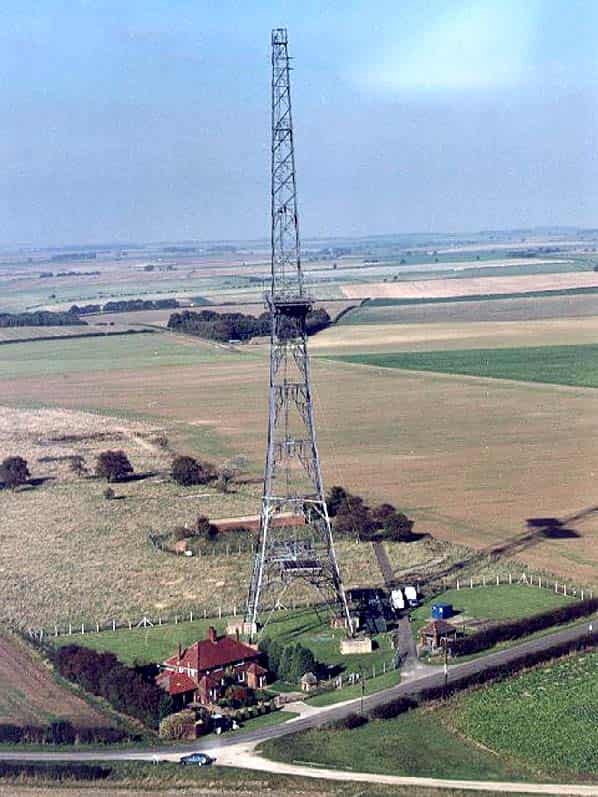
East coast stations were built to the same design as the experimental radar establishment set up at Bawdsey in 1936 consisting of a protected transmitter and receiver block with transmitter aerials suspended from four 350' steel towers and the receiver aerials mounted on four 240' timber towers. The operations blocks of an east coast CH are classified as Type A with a 5' 6" layer of shingle on the roof to disperse blast, and earth banks around them.
RAF Stenigot was also provided with a buried reserve which consisted of duplicate transmitter and receiver blocks at a dispersed location. The stand-by set house, which at Stenigot has now been demolished, was of similar construction.
RAF Stenigot was in Ludford Magna Sector (PRO file Air 25/681) under the jurisdiction of 73 Wing.
In 1941/1942 RAF Stenigot was also fitted with a GEE Ground Station Type 7000 (PRO file Air 25/681). GEE was highly effective and accurate as an aid to navigation, but it lacked the pin-point accuracy needed for a bombing attack on a selected target. A British scientist Alec Reeves developed a through-the-clouds bombing technique known as OBOE. By mid-1944 the principle of OBOE was combined with GEE and a blind bombing technique known as GEE H was developed allowing strikes to be made on difficult-to-hit targets. The station at St. Stenigot was upgraded to GEE H in the 1950’s with two identical operations blocks replacing the 1941 GEE hut.
After the war, the station remained operational as part of the ‘defended area’, a line of chain home stations running down the east coast from Flamborough Head in Yorkshire and along the south coast to Portland Bill in Dorset.
Some of those stations were unmanned, the rest were only staffed during daylight hours cognizant with the then-current as the Soviet threat.
Stenigot was retained as a CH station during the early stages (Phase 1 & 2) of the ROTOR 1 programme which was evolved in 1950 to re-establish an effective air defence radar network.
The existing equipment was modified and renovated to provide temporary cover during the construction of the new protected radar sites.
Following the full implementation of ROTOR Stenigot was taken off line and placed in care and maintenance.
In 1959, Stenigot was selected as part of NATO’s Ace High communications programme developed in the mid 1950’s.
Ace High was a tropospheric scatter/microwave link system providing an exclusive communications network comprising 49 tropospheric scatter links and 40 line-of-sight microwave links. It extended from northern Norway and through central Europe to eastern Turkey and included 570 voice, 260 telegraph and 60 data circuits at 84 sites.
There were five sites in Britain:
- Shetland Islands
- Mormond Hill near Fraserburgh (Aberdeenshire)
- Brizlee Wood near Alnwick (Northumberland)
- Detling near Maidstone (Kent)
- Stenigot (Lincolnshire)
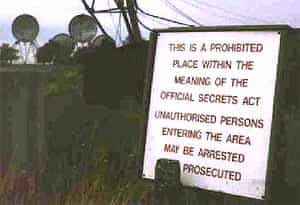
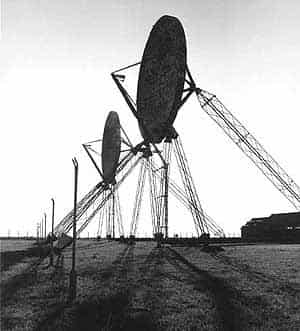
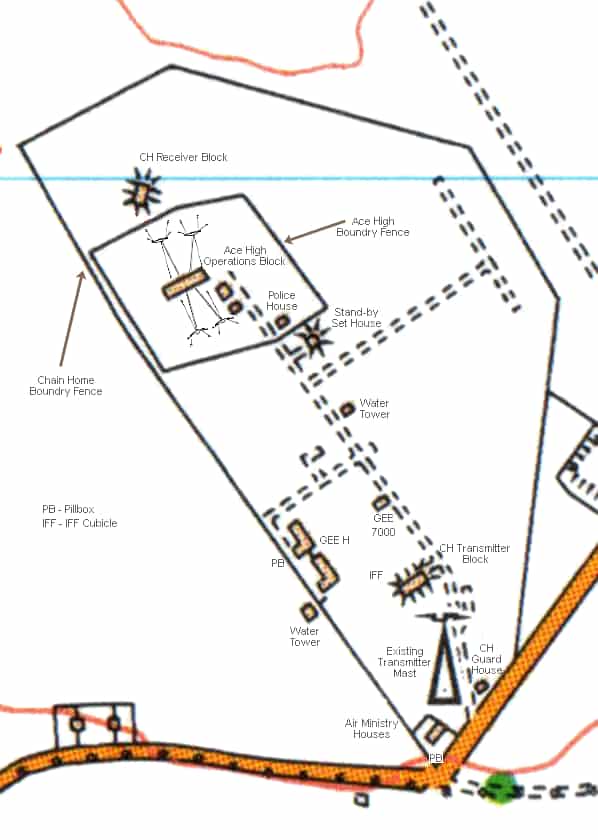
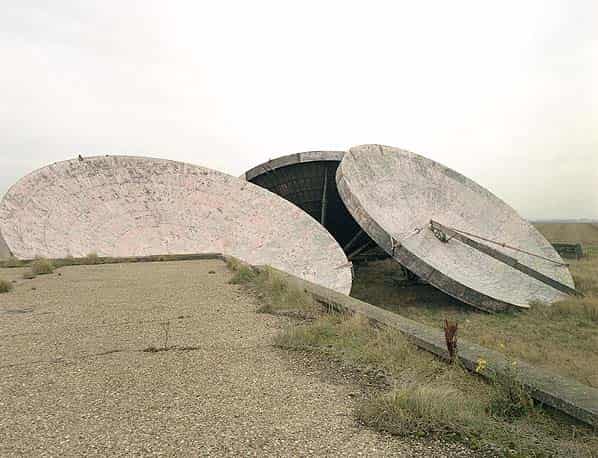
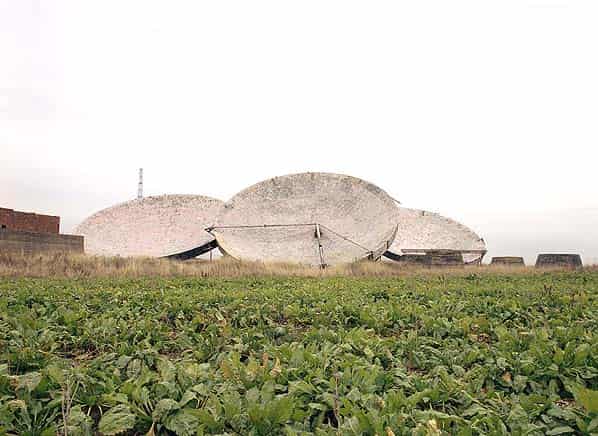
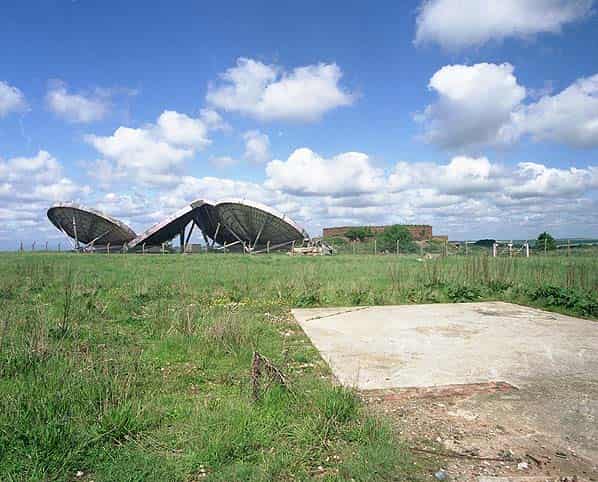
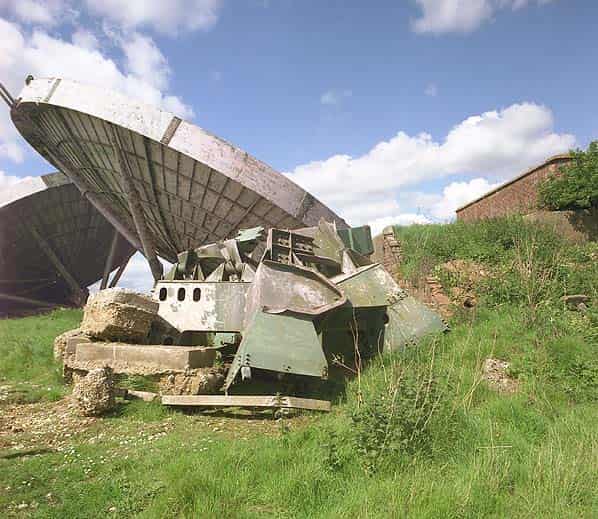
The Ace High station utilized 4.72 acres of the former CH site between the earlier transmitter and receiver blocks. It was enclosed within a security fence and provided with high intensity lighting. A two storey police house stood at the entrance gate part way along a track running north west from the road. The most prominent feature was two pairs of parabolic dish antenna, 60 feet in diameter supported on seven lattice steel girder legs.
The transmitters, receivers and power supplies were located in a single storey brick building between the pairs of dishes. With the development of new microwave communications technology in the 1980’s, tropospheric scatter systems became redundant and the Ace High network was abandoned in the early 1990’s and the stations closed.
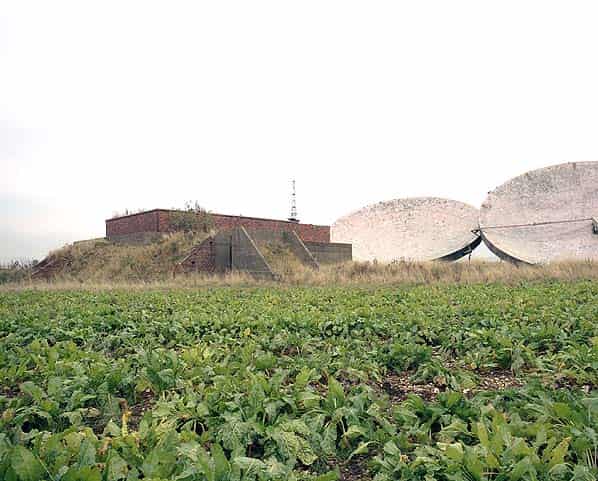
The equipment and buildings were removed in 1996 although the four parabolic dishes can still be seen lying on the ground close to the old chain home receiver block. All the other buildings connected with Ace High, including the police house have been demolished with only the concrete bases remaining to indicate their former positions.
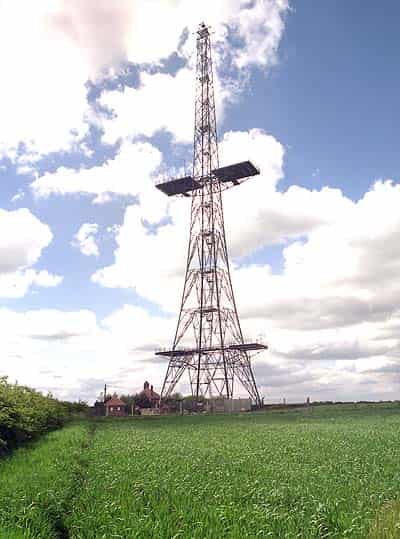
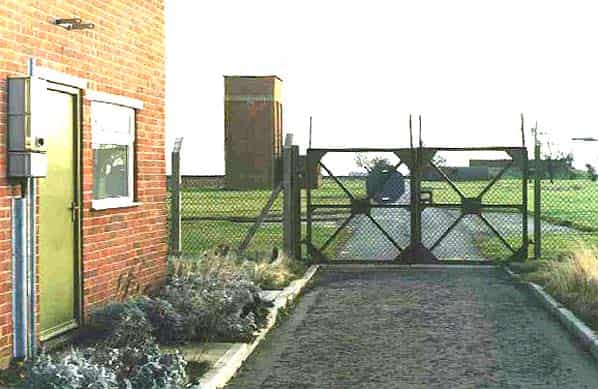
Several buildings from the 1940’s Chain Home station still survive however. The site is still fenced although readily accessible and used by local walkers. One of the four transmitter towers has been retained as a training mast for the Aerial Erector School at RAF Digby and is contained in its own secure compound including the original guard house; the bases of the other three towers can be seen nearby.
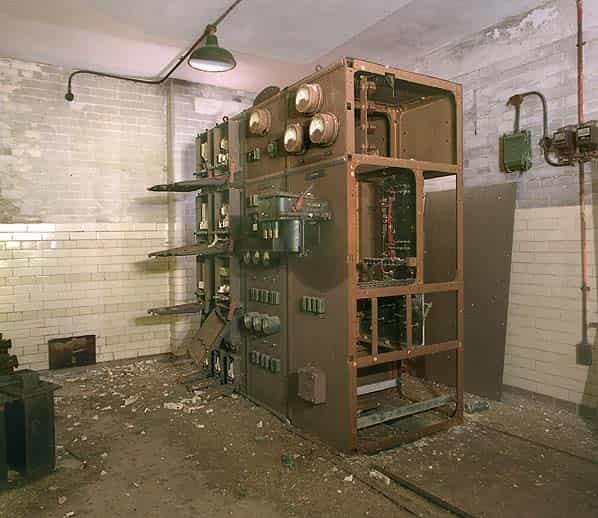
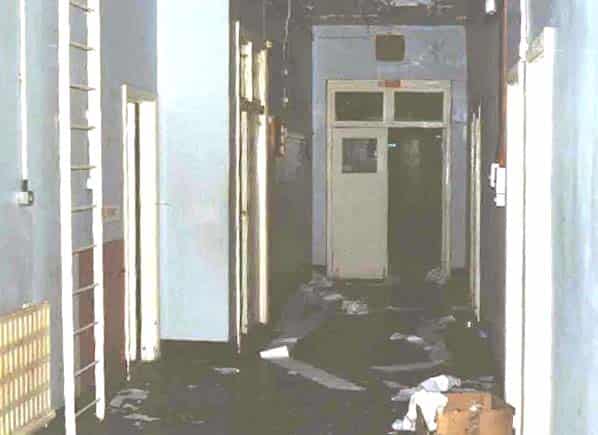
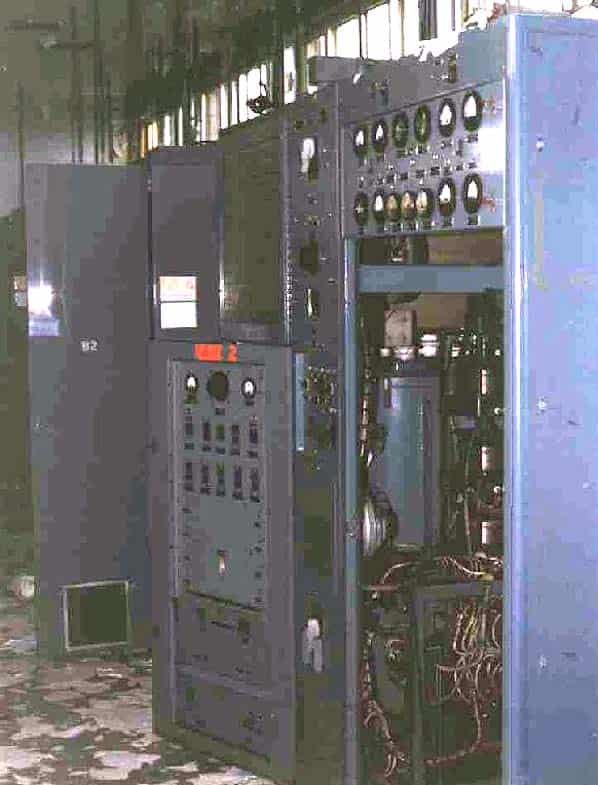
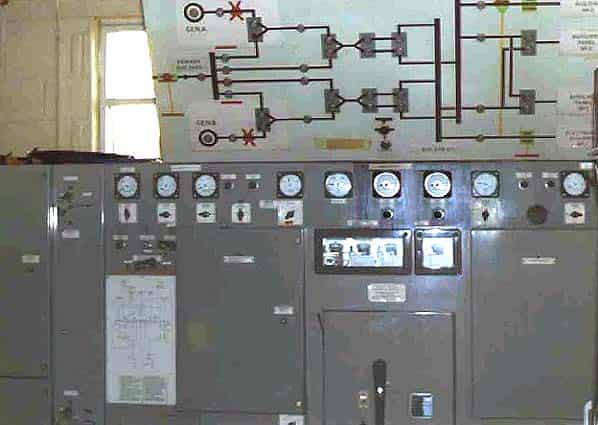
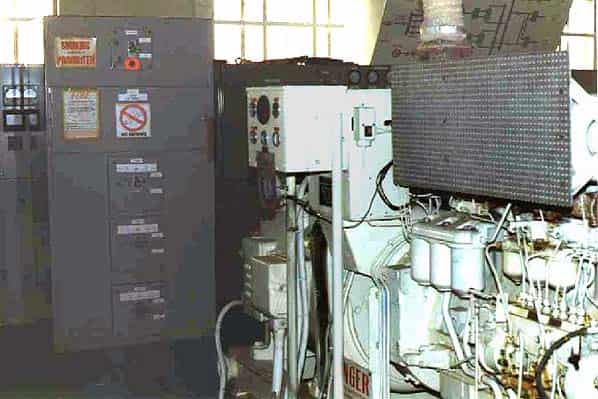
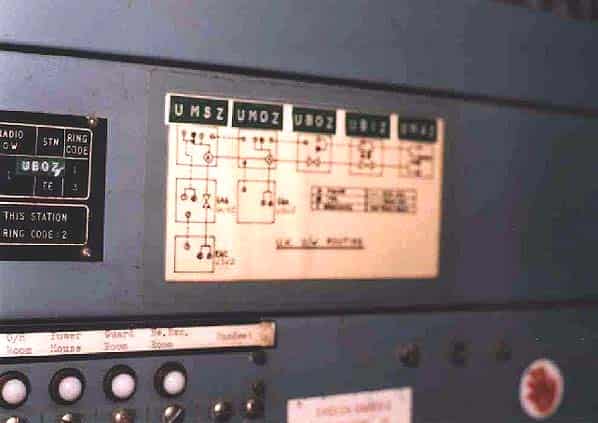
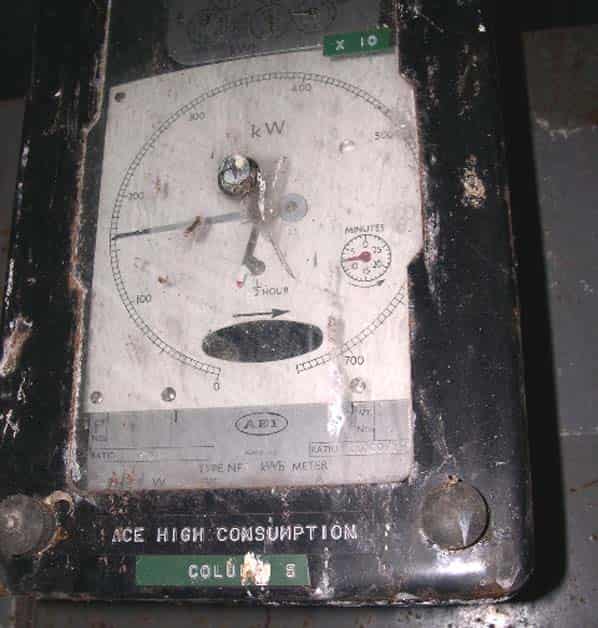
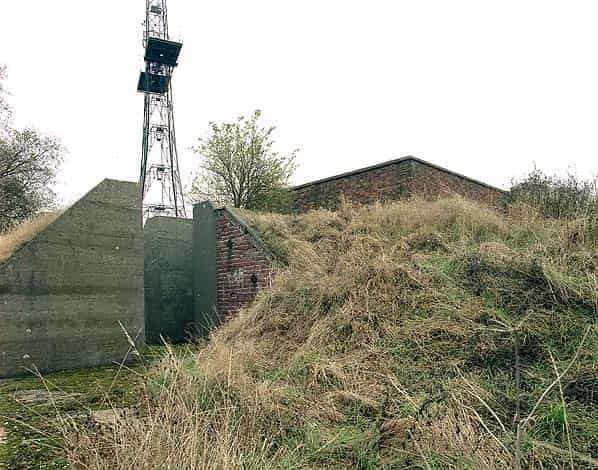
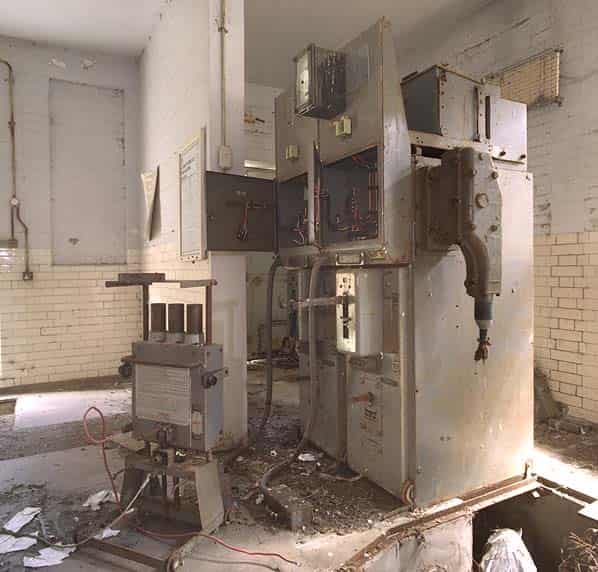
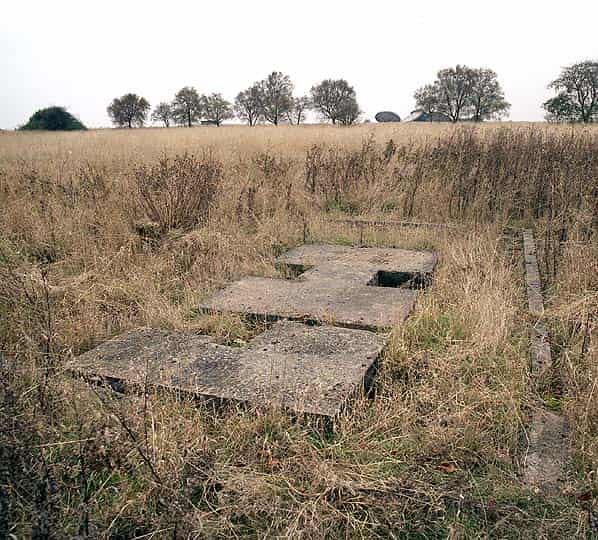
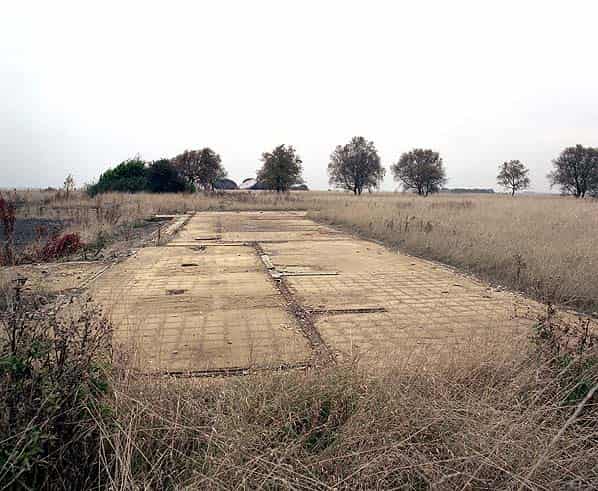
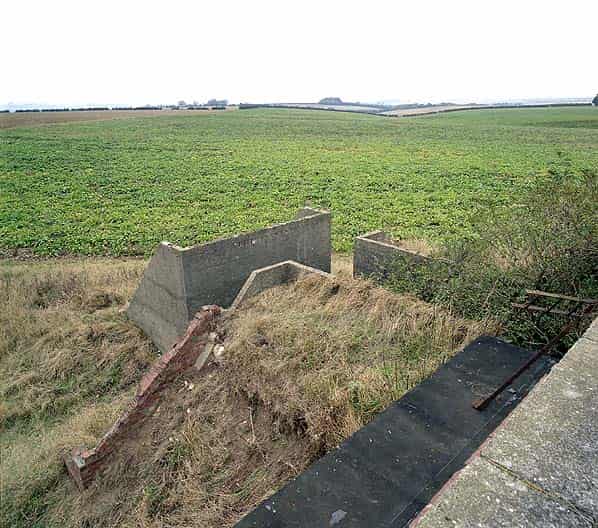
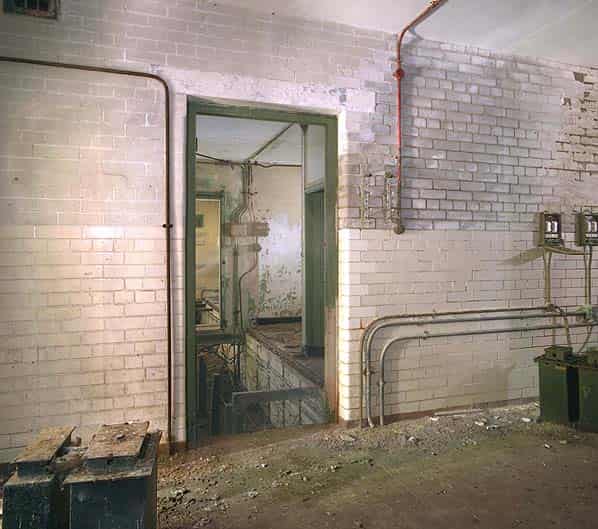
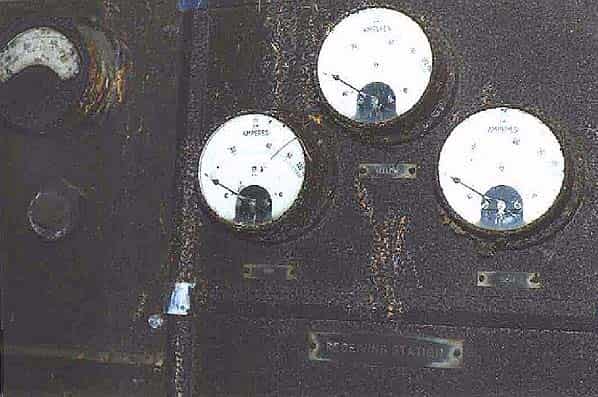
The transmitter block behind the mast also still stands although now enclosed within a chain link fence. It is a brick and concrete building surrounded by earth banks with blast walls protecting an entrance on two sides. Internally the room layout has been retained and a large electrical cabinet still remains in place. It is assumed this was part of the power supply for the Ace High system as there is a ‘Dymo’ label on the unit relating to Ace High. A few yards to the north west of the transmitter block is the base of the IFF cubicle with the characteristic base of the IFF aerial mast clearly visible and close to that the bases of the two GEE H operations rooms end on to each other. These two buildings were still standing until recent years and were probably demolished in 1996.
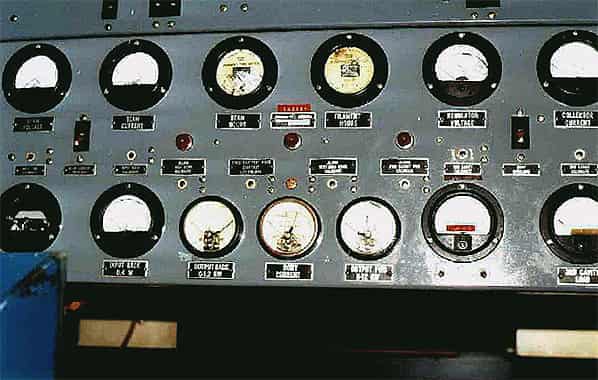
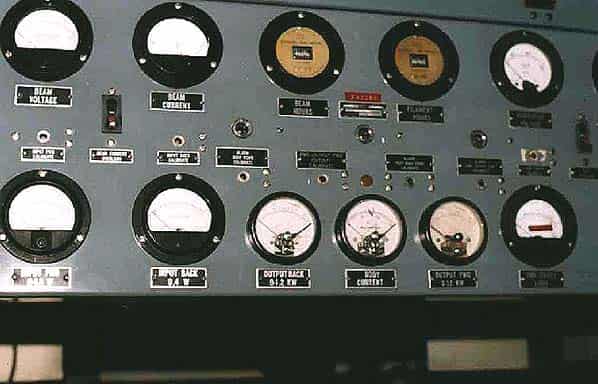
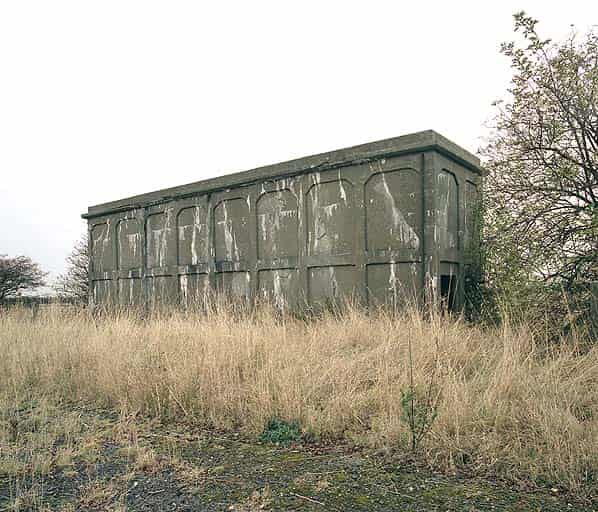
On the western perimeter a large rectangular water tower stands outside the perimeter fence and probably had nothing do with the station as there was another water tower (now demolished) within the chain home compound; a pillbox that once stood on the boundary to the north of this tower has also now gone. To the north of the site, behind the Ace High dishes the Chain Home receiver block, this is not fenced and is easily accessible. The building is of similar construction to the transmitter block although smaller. This two retains its original room layout and some original electrical equipment consisting of a three bay rack with dials, switches and relays, probably part of the power supply for the CH receiver; there is also some electrical switchgear on the wall. To the east of the block are four concrete bases for one of the wooden receiver towers. There is no evidence of the other towers as the land has now been cultivated.
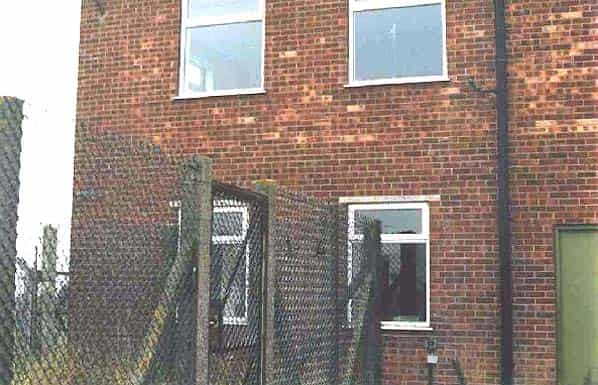
In the south west corner of the site at the junction with Manor Hill there is a pillbox and the two original air ministry wardens' houses which are now in private occupation. These would have housed the uniformed civilian staff responsible for guarding the site and manning the guardhouse.
Sources:
- Bob Jenner
- Graham Eckersall
- Andy Emmerson
- Cold War - Building for a nuclear confrontation 1946 - 1989. Published by English Heritage ISBN 1 873592 69 8
- 20th Century Defences in Lincolnshire by Dr. Mike Osborne ISBN 1 85753 267 8
- PRO Files AVIA 7/293, AIR 25/681, AVIA 7/1216 & AVIA 7/483
- RAF Digby Aerial Erector School web site