Following the outbreak of WW2 and the evaluation of the Chain Home (CH) and Chain Home Low (CHL) radars under operational conditions, a requirement were identified for control radar to aid the fighter interception of enemy aircraft.
The coastal CH and CHL radars all looked out from the UK, leaving a void inland, this void relied on the Observer Corps (later Royal Observer Corps) for overland reporting, which was not effective in bad weather or at night.
The Ground Control Intercept (GCI) was designed to fill this gap, providing inland coverage to Filter Rooms, Sector Operations Centres (SOC) and Gun Operations Rooms (GOR) in addition to the control of defence fighters combating enemy aircraft by day and night. The GCI station enabled fighter aircraft under their control to intercept hostile aircraft. after detection by the network of reporting Chain Home reporting radars.
The first GCI’s were mobile, at the insistence of the Air Ministry who required maximum flexibility from the equipment and were the first phase of a three part programme, i.e.: Mobile, Intermediate (mobile or transportable) and then Final.
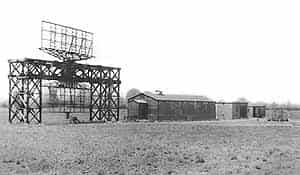
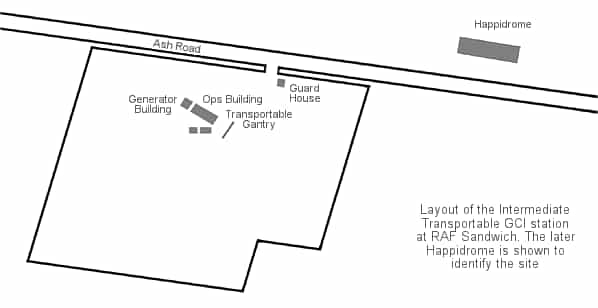
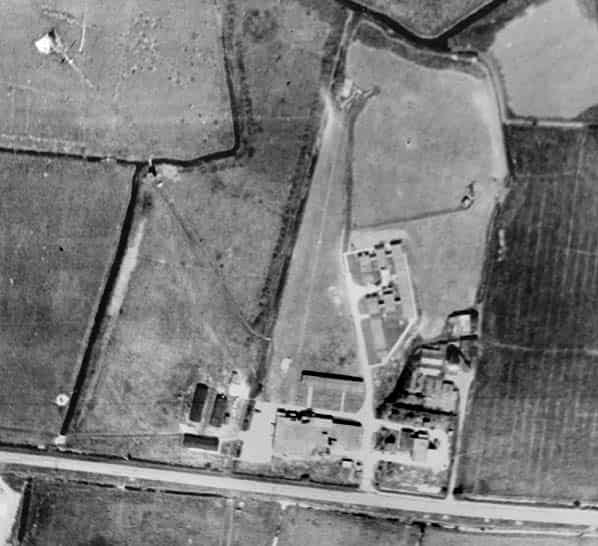
In April 1942 the construction of a new GCI radar station started at Sandwich on the south side of Ash Road to the west of the town, with an Intermediate Transportable GCI installation completed by August of that year using an AMES Type8b radar. Due to serious enemy jamming the GCI function wasn’t transferred from Willesborough to Sandwich immediately. Sandwich was not a self accounting station at this time, operating as a lodger unit did under the administrative control of RAF Manston.
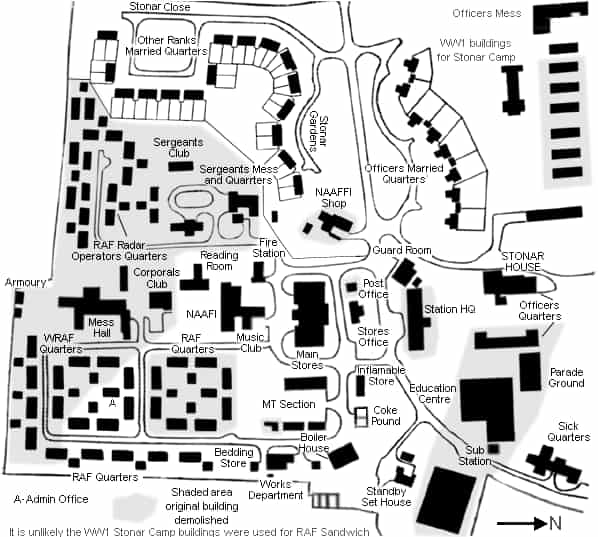
During WW1 Stonar Camp was built by the army on the south of Ramsgate Road to serve the Richborough Military Port. By the time RAF Sandwich was established this camp was vacant and it may have been used for accommodation. Other station personnel were billeted at houses in Sandwich and at the technical site which is an unusual practice. The Stonar Girls School moved out of the adjacent Stoner House in 1939 and the house was used for officers' accommodation.
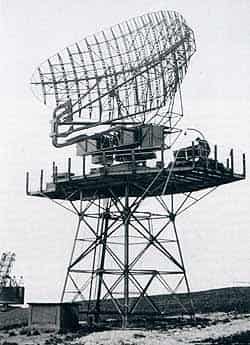
Intermediate GCI’s were the second stage, pending the construction of the permanent, brick built, multifunctional ‘Final’ GCI with the much delayed Type 7 radar array built over an underground chamber containing the transmitter, and capable of conducting several interceptions simultaneously.
By 1943 the station had evolved into a GCI ‘final’ with a brick operations blocks, known as a ‘Happidrome’ (named after a BBC comedy radio programme featuring a farcical music hall where nothing seemed to go as planned and nobody quite knew what was happening - much like a GCI!!). The new Sandwich GCI site on the north side of Ash Road became operational on 15 June 1943. Its task was control any interceptions within the south east corner of Kent.
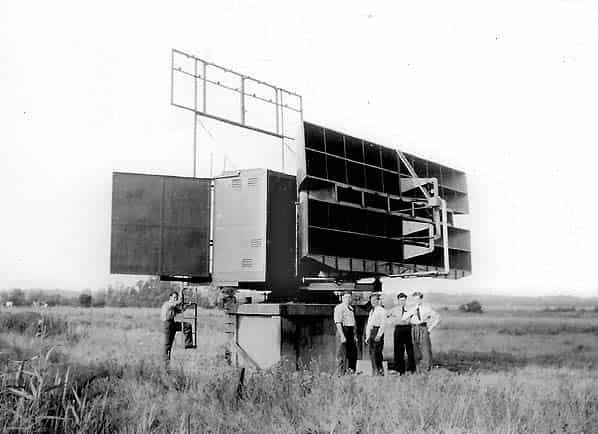
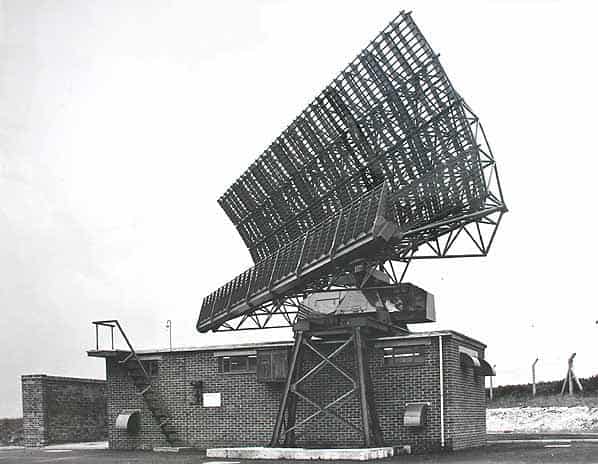
In December 1943, the installation of AMES Type 21 tactical control radar was started. This was the first installation of its kind and comprised an AMES Type 13 height finding radar together with AMES Type 14 search radar, both uniquely at this time mounted on plinths. The Type 21 was sited at selected vulnerable south east GCI stations to combat projected jamming of the 1.5 metre Type 7. Both the Type 13’s and Type 14’s were centimetric and operating on a different frequency. Development of the first AMES Type 13 began in September 1942 as a mobile height-measuring equipment but it was not produced in quantity. An improved Mark II version known as the Centimetre Height or CMH set was put into production in March 1943. A cheese aerial. By rocking the beam up and down, great accuracy and discrimination in height finding was possible. The need for similar performance in reading plan position led to the development of the Type 14, in which a cheese aerial was also employed. The Type 14 rotating aerial rotated in the horizontal position. The Type 14 section of the Type 21 installation at Sandwich was ready for service by 18th January 1944 and the Type 13 Mk. II was ready shortly afterwards.
The second installation was placed at Wartling and by June 1944 most of the important fixed GCI stations were equipped with Type 21 sets. It was found that the proportion of attempted interceptions resulting in enemy aircraft destroyed, or probably destroyed; during Window activity was significantly higher when the Type 21 equipment was brought into use. RAF Sandwich remained operational after the war and a Chain Home map dated March 1945 shows Sandwich as being equipped with Type 7 and Type 21 Mk II radars. In November 1946 Sandwich given the status of an independent RAF station. (Window was a jamming technique consisting of half wavelength strips of aluminium which were dropped in bundles from aircraft; it was shiny on one side and black on the other. When bundles were dropped every strip reacted as an aircraft to German radar).
On the formation of 60 Group (the organisation to control all radar matters) the country was divided into Group Wing Areas. By 1944 this had been adjusted to four areas with 70 Group in Scotland and the Islands, 73 Group in the Midlands, 75 Group in the Home Counties and South East England and 78 Group in the West Country. These areas were responsible for the technical support and administration (not to be confused with domestic administration which was the responsibility of he radar stations parent station). Operational command was still vested in Fighter Command thorough Group HQ’s and Sector Operations Centres. In November 1946, 75 Wing became Southern Signals Area.
In May 1947 there was a marked increase in night operations with three Bullseye exercises. On 9th May there was a free-for-all in which a GCI controlled Mosquito was used to carry out interceptions on all unidentified aircraft, an exercise that proved to be particularly interesting with all the Mosquito squadrons from RAF West Malling participating in these exercise. In addition to the night exercises there were two weeks of Metropolitan Flight Control.
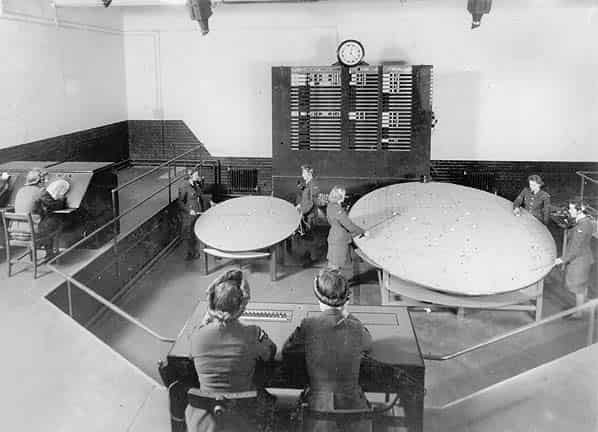
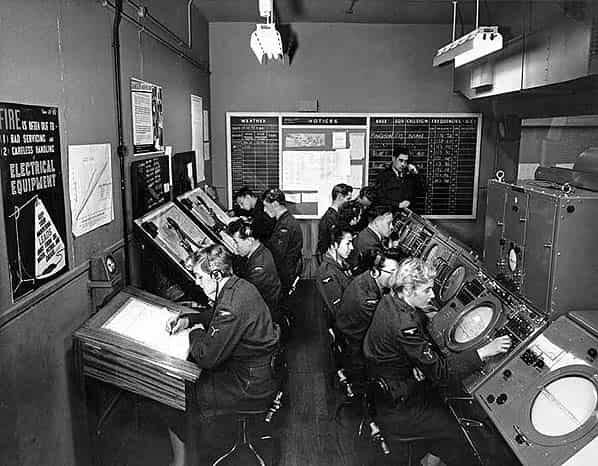
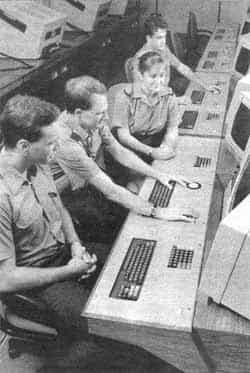
In June 1945 a fire seriously damaged the Happidrome ops room, resulting in the deployment of mobile type 13 and 14 to maintain radar cover. The existing Type 7 services were transferred to two rooms in the rest area as a temporary ops room at the opposite end of the Happidrome and were adapted and equipped as control and reporting rooms. The control room had one control position with the DR board, three DU5 radar consoles and a small plotting table. The reporting room has 3 DU5 radar consoles, two for PPI positions and one as a Type 7 radar height finder. The work of reforming the station’s radar facilities within the airmen’s restroom was completed by the end of May 1947 with the changeover to a static site taking place in July. After the fire the Sergeants Mess, RAF Police & cooks moved to the technical site where the Orderly Room was extended and an additional hut was built. In February 1947 some personnel were billeted at Creighton House, The Barn and River House, all in Strand Street but after a few months they had all moved to Stonar House. In August 1947 Sandwich was operational as a static site with a forward VHF relay installed for Trimley Heath at the GCI VHF site at Ash.
In July 1948 the Type 7, Type 14 and mobile Type 11 search radars were reported as being operational.
In 1948, the worsening international situation led the Air Ministry to decide upon urgent action to improve the United Kingdom’s radar defences. Following a period of intensive technical and operational study, in 1949 the Air Ministry decided to construct a new chain of radar stations in the UK. This was a far reaching plan designed to make use of the latest technology available, and to secure maximum freedom from enemy attack by relocating most of large number of mobile radar convoys for tactical use. The rebuilding of the radar defences of the UK was given the codeword ‘ROTOR’, and the supply of the mobile radar convoys was covered by the codeword ‘VAST’.
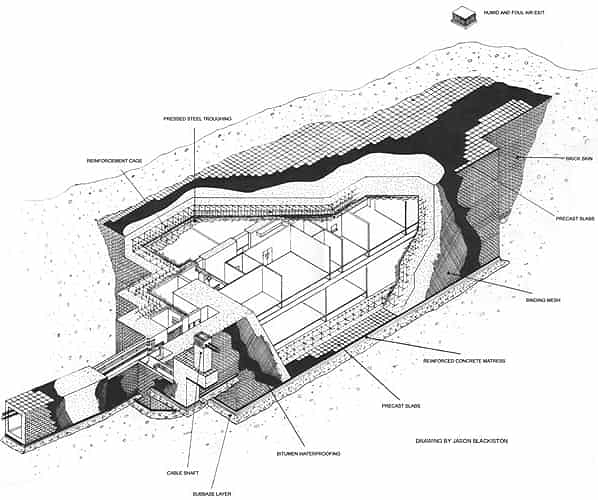
The ROTOR programme called for nearly 30 GCI stations, over half of which were built in R3 (underground) and R6 (above ground) two level bunkers, together with CEW and CHEL stations located in single storey bunkers designated the R1 and R2 respectively. Plot information from the new radar chain was voice-told to five R4 three level underground Sector Operations Centres.
RAF Sandwich was chosen to participate in the Rotor programme and was eventually to be relocated underground in a new two level R3 bunker at Ash, 1.5 miles to the south west; during the construction phase the station remained operational from the existing Happidrome. On 1st April 1950 the station became fully operational as a SOC/GCI radar station taking part in numerous exercises including ‘Easter Offering’ on 5th April and on the 16th April ‘Final Rehearsal’ opened the ‘Warming Up’ period for ‘Stardust’ from 30 April to 1 May.
According to CRPC/G 301 dated 14 Mar 1951, appendix C, Sandwich was to be a self accounting fully operational GCI station parenting the operational CEW site at St Margaret’s as well as the Chain Home stations at Dunkirk and Swingate which were retained for the first stage of the Rotor programme. The peacetime establishment of Sandwich was to have a total personnel of 370 comprising 15 RAF officers, 9 WRAF officers, 170 RAF other ranks, 174 WRAF other ranks and 2 civilians.
The same document shows the equipment installation of Rotor 1 Radar Stations, specifically the GCI stations, 25 stations are listed. Sandwich was given the Rotor site code YTM and was listed as GCI(A) station equipped with the following search radars Type 7 Mk 3, Type 79 Mk 1, Type 14 Mk 9, Type 14 Mk 8. The height-finding radars were 2 Type 13 Mk 6 and 3 Type 13 Mk 7. The Type 13 and 14 radars were mounted on 25' gantries or 12' or 8’plinths according to the site characteristics; one AN-FPS3 American search radar was also fitted. There were also facilities to ‘plug in’ four mobile reserve radars. All radars were phased in both rotation and pulse radiation. The ops display equipment included 19 Type 64 PPI displays with facilities to fit a further 3. In addition there were 5 Type 61 height and range displays for Type 13 signals and 6 Type 65 height and range displays for Type 7 signals. In February 1953 the operational element of RAF Sandwich was retitled 491 Signals Unit.
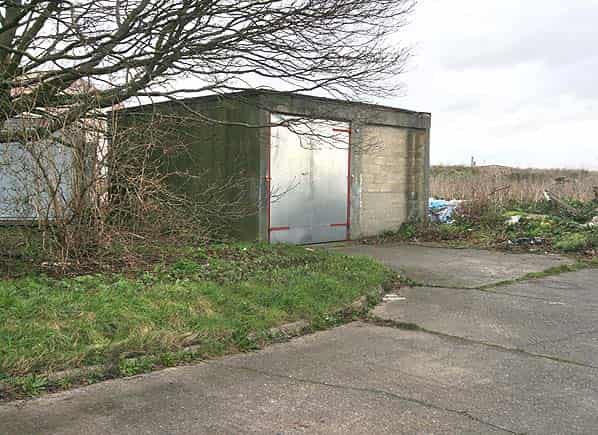
The underground operations room at Ash was completed on 8 May 1953 with operations moving to the new site in August 1954. On 25th October 1954 an IFF Mk 10 installation was brought into use in conjunction with a new Type 7 Mk III radar. During September 1956 two American FPS 6 height-finders were under construction at the station. A new camp was built to house the stations personnel adjacent to the former WW1 Stonar Camp on the south side of Ramsgate Road. Stonar House was within the camp and was used for officers accommodation but it is unlikely any of the remaining WW1 huts were used. A standby set house (generator) for the technical site was built within the camp.
In October 1956 RAF Sandwich assumed parenting responsibilities for 933 Signals Unit and in December 1956 the station took over parenting responsibilities from RAF Manston
The Rotor programme was quickly superseded with the coming of faster jet aircraft which meant the manual control and reporting, and filtering systems, used to pass information up to the Sector Operation Centre’s were too slow. Almost overnight the new Type 80 radar made parts of the ROTOR air defence system redundant. The Type 80 had a range of up to 320 miles compared to the 90 mile range of the Type 7. With this increased range fewer radar stations were required under the ‘1958 plan’. Type 80 radars were installed at many GCI stations including Sandwich.
Sandwich survived the cuts in the 1957 Defence White Paper and was to become a satellite control station in a sub sector, with RAF Bawdsey as its comprehensive radar and St Margaret’s as CHEL. Under the new proposals RAF Sandwich was to become a satellite radar station. To provide the best possible information it was to be equipped with a variety of new and upgraded radars. It was proposed that the station should have a new Type 80 Mk. 3 search radar to supplement the existing AN-FPS3 and Type 7 Mk. 3. An additional Type 13 height finder would supplement the existing Type 13 Mk. 6/7 and two AN-FPS-6. The R3 operations block was to be reorganised to house twenty-nine consoles with a maximum of eight control positions to oversee interception control, height finding, DRW (Defence Radar Warfare) reporting, aircraft reporting, surface reporting and radar office monitoring. Additionally the station was to be equipped with remote VHF transmitters and receivers for communication with fighters. In 1956 the establishment had comprised 27 Officers, 45 senior non-commissioned officers, and 350 junior NCO’s and aircraftsmen. The new scheme the station personnel would be reduced to 25 Officers, 49 senior non-commissioned officers, and 206 junior NCO’s and aircraftsmen. It is unclear if any work was undertaken to convert Sandwich for its new role as a satellite station.
In April 1958, 491 Signals Unit was formerly disbanded and RAF Sandwich closed. The station remained in use on a non-operational basis for RAuxAF FCU summer camps before the site was placed on care and maintenance on 20th September 1958. The GPO retained a presence in the bunker. The domestic site was completely vacated by 1st December 1958 although the married quarters were retained under the control of RAF Manston for use by families of airmen on overseas postings.
In 1959 the ‘1958 plan’ evolved into a system called ‘Plan Ahead’, which was intended to be a centralised and fully automated air defence system to meet the threat from manned bombers. In addition it was to co-ordinate Lightning interceptor aircraft and Bloodhound surface to air missiles, which were coming into service. It was, however, too ambitious for existing computer and data transmission hardware, and with fears of escalating costs ‘Plan Ahead’ was scaled down in 1961 under a scheme known as Linesman/Mediator. This was a comprehensive plan to integrate air defence and air civilian traffic control using common equipment as far as practicable - Linesman referred to the air defence aspects and Mediator to the air traffic control aspects.
In 1961 the now empty bunker was considered as a Sub Regional Control by the Home Office but the Air Ministry would not release it. In 1965 Kent County Council considered the bunker for a County Control but again the Air Ministry refused to release the site so the Council were forced to find an alternative location constructing their purpose built County Control at Springfield to the west of Maidstone in 1967.
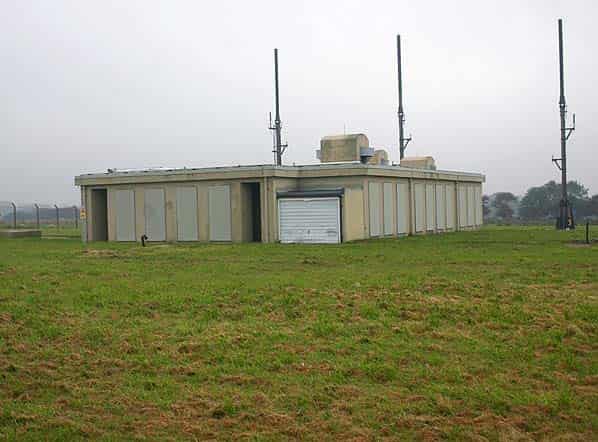
In 1965 with increasing civil air traffic the CAA had proposed siting a radar and air traffic control room at Sandwich as part of the Mediator programme. Part of the site was returned to its former civilian owners and the rest of the site (some 17 acres in all) including the bunker was transferred to the Civil Aviation Authority. All the earlier RAF radars had been dismantled; the CAA constructed two new rectangular buildings with gantries for the Marconi T264A primary radars and two circular buildings for the Secondary Surveillance Radar (SSR) these were previously called IFF.
The old GCI radar bunker remained empty and unused. The old RAF guardhouse had its roof removed and new single storey office annexe was built around it; a new operations room built in the new annexe. The new station was commissioned in 1967 controlling the Eastern approach to Heathrow and Gatwick. Although operated by the CAA, the station was also a reporting radar for the Linesman/Mediator system and as such supplied radar information for both military and civilian purposes. At this time the Kent Regional Health Board wanted to use the vacant bunker as a central record store for which it would receive a grant for civil defence purposes. However with the axing of civil defence money in 1968 they abandoned the proposal.
In 1974 following the completion of the final stage of the Linesman/Mediator Air Defence Data Centre and control room at West Drayton the manned CAA ops room at Sandwich was closed. One engineer was retained at Sandwich to service the remotely controlled radars. These radars were subsequently removed and the station vacated prior to 1980.
In 1979, with the issue of RAF Air Staff Requirement (ASR888), the UK Linesman was to be replaced by a new Improved Command and Communication System (ICCS) to be known as IUKADGE (Improved United Kingdom Air Defence Ground Environment). The contract to build the new system was awarded to UKADGE Systems Ltd (UKSL) - a consortium comprising Hughes Aircraft, Marconi and Plessey. The contract was formally signed in September 1981 with a planned completion date of August 1986.
During this period in 1980 the bunker was surveyed as possible replacement for the Dover Castle sub regional control but was found to be in poor condition with the lower floor flooded and it was also considered too small and would have to be extended.
A requirement of IUKADGE was for a GCI in the South East area; both the R3 bunkers at Wartling and Sandwich were both considered but that at Wartling was in too poor condition so Sandwich was selected. The site was reacquired from the CAA by the RAF for £250,000. The bunker was stripped out by the main civilian contractor Arup and two new bunkers were attached to the original ROTOR bunker to provide a protected power supply, fuel and water stores, and plant space. The rebuild of the bunker took two years and was the first of four reconstructed R3 bunker now redesignated R3A to come on line. The building work was the subject of much local complaint, because of damage caused by vibration to buildings surrounding the site, during the installation of sheet piling around the deep excavations. Local residents wanting to complain about the building works were met with blanket denials from the MoD that the work was anything to do with them, whilst the CAA told callers that they no longer owned the site and in any case the work was being carried out by the MoD!
The re-activated site, now to be known as RAF Ash, was not re-fitted with any defence radar and did not become a fully operational radar station, instead it found a role as a reserve CRC (Control & Reporting Centre) with the radar picture and data being piped from other radar stations. The new R3A structure was EMP resistant and the filtered air handling plant enabled operation in an NBC environment.
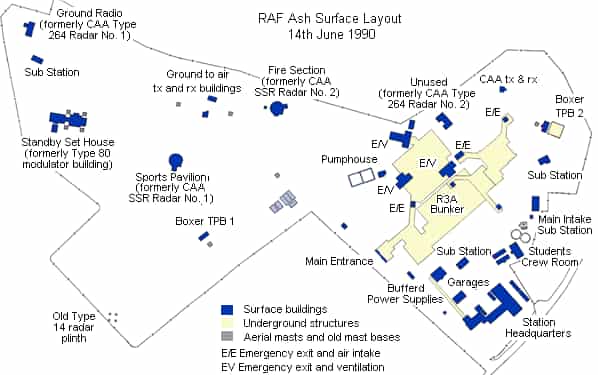
On the surface two Boxer microwave towers connected Ash to the Air Defence Uniter network. At Swingate, a former CH station (two of its three receiving masts still in use for military communications) also housed until the late 1980s an Ace High tropospheric scatter station and also RAF Ash’s UHF transmitter and datalink station. The two circular SSR buildings were retained: one was converted into the new station fire section and the other became a sports pavilion for use by units from RAF Manston.
To make more use of the station during peacetime, an OCU (Operational Conversion Unit) for IUKADGE staff was set up on site.
Like the rest of the IUKADGE system, the buildings were ready before the equipment to put in them was. The original finish date of August 1986 was long overshot with the system falling further and further behind schedule because of problems with both hardware and software. The originally specified DEC VAX 785 machines were replaced with the VAX 8650.Software conflicts nearly led at one point to the ditching of the specified language (reused NATO Air defence Ground Environment or NADGE software) in favour of CORAL 66. The rebuilding ground to a halt by the late 1980s owing to the reluctance of the contractors UKSL to proceed any further, alleging non-payment of sums said to be in the region of £50 million!
The MoD attempted to kick-start the project by injecting cash. On 1st April 1991, RAF Manston had assumed administrative responsibility RAF Ash when the first of the IUKADGE installations came on line for training purposes, and the entire system was handed over to RAF control in January1992. Even after this date, UKSL were still very much involved with IUKADGE. Ongoing software problems had to be fixed under warranty. The OCU closed on1st October 1993, the role passing to the School of Fighter Control at Boulmer.
In 1993 RAF Ash became the Ground Environment ‘Operational Evaluation Unit’ testing all new equipment for use in SOC’s and CRC’s: everything from computers, consoles and paperclips to light strips! Ash continued to operate as a data switching point for the whole system. In 1995 the ADGE OPU was transferred the Air Warfare Centre at RAF Waddington and Ash finally closed on 31st December. The site was sold off by the MOD in 1998.
Although the first of the new CRC’s to be rebuilt and completed, RAF Ash was never an operational air control facility. Indeed the bunker was never actually finished. In the new plant extension a corridor was built with a shaft to the surface through which the bunker’s three Rolls-Royce diesel generators could be lowered by crane and then moved on castors to the generator/switch room. The containerised generators duly arrived on site and were parked adjacent to the perimeter fence and there they have remained since 1984 - new and unused! The shaft was capped with a temporary corrugated tin roof. The reinforced concrete roof panels needed to cap the shaft permanently were placed alongside and, like the generators, remain unused.
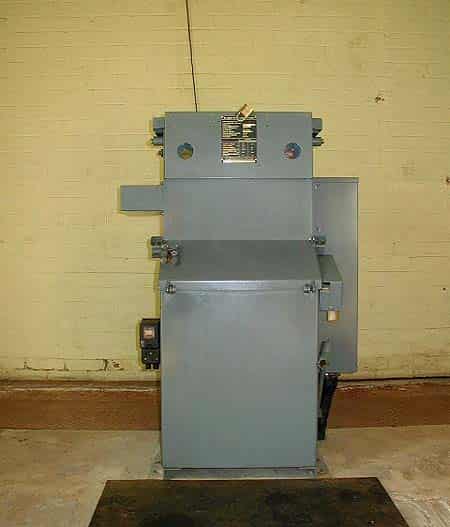
When the domestic camp was sold off following the first closure of the site, the Standby Set House there was disconnected. Therefore when the CAA took over the site it had to provide a new supply in the old Type 80 modulator building. This set was in working order until early 1997 when the starter motor broke. The set was declared unserviceable and orders were given for it not to be repaired. During October and November 1997 the site was quickly stripped of all operational electronic equipment and then placed for sale in February 1998.
The site was bought by A L Digital Ltd. on 24th July 1998 for use as a secure data centre. The company has since bought the hardened USAF command centre at Greenham Common for use as a secondary data centre and the former RAF Bawdsey radar station (another R3 bunker) at Bawdsey in Suffolk.
The company was owned by Adam and Ben Laurie the two sons of Peter Laurie author of Beneath The City Streets. A L Digital has allowed Subterranea Britannica into their site at Bawdsey but do not welcome visitors at Ash.
The site is now marketed as ‘The bunker’ and is run by businessmen Steven Joseph and Peregrine Newton who acquired the business and assets of AL Digital in 2004. The surface compound is also used as a police training ground.
RAF SANDWICH & RAF ASH TODAY
This survey of the Ash site was made during a visit in February 1998 prior to its sale. The former entrance tunnel from the bungalow still exists but is blocked off from the bunker. The old junction with the bunker is now a Seeboard electricity sub-station.
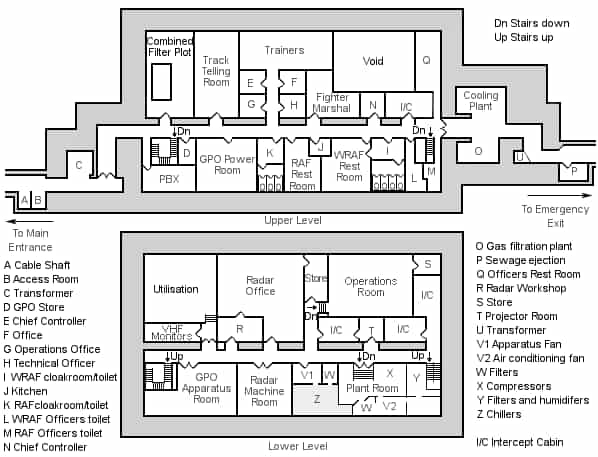
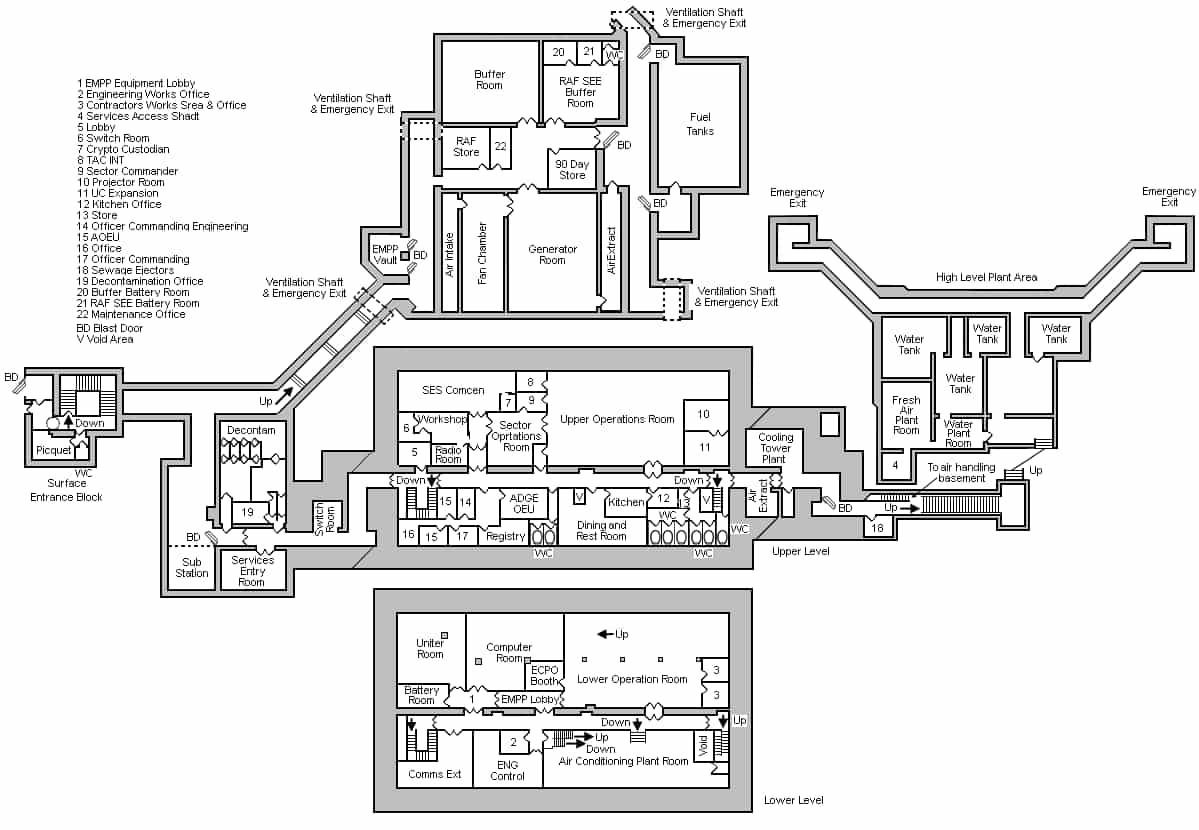
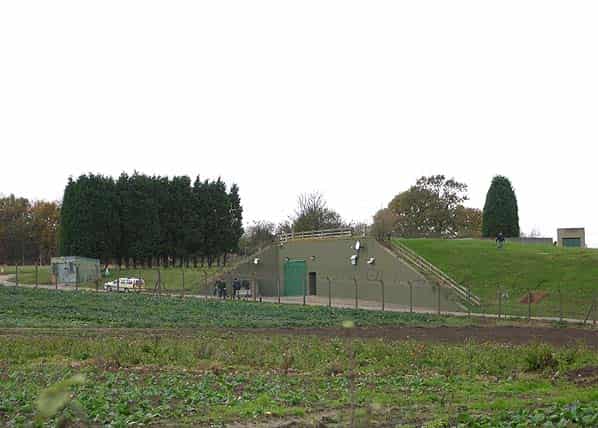
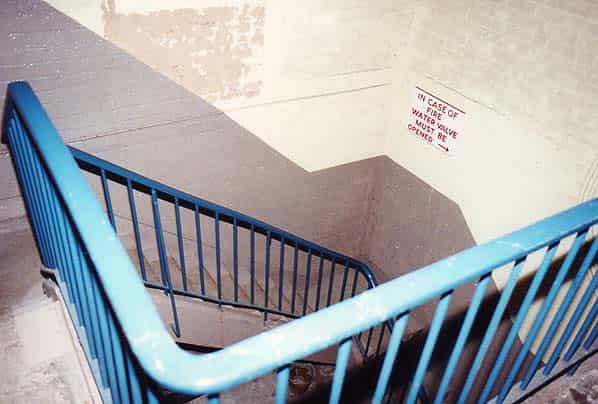
Entry to the bunker is gained from the surface through either a large vehicle-sized blast door or a smaller pedestrian entrance built into the side of the hill behind the administration block. This leads to a security ‘cage’ with a controlled turnstile at its exit. Once inside there is a large landing area with a metal staircase down to the bunker level and a winch for lowering stores into the bunker. A corridor leads to a vestibule which is located in the main entrance to the bunker and a corridor leads west to the plant area. The main entrance is a single thick steel blast door with double steel airlock doors behind. To the left is an airlock leading to a decontamination suite with dirty and clean areas. In the side of this corridor is an armoured window for the shelter marshal to check the identity of personnel entering the bunker under NBC conditions.
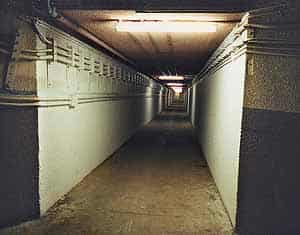
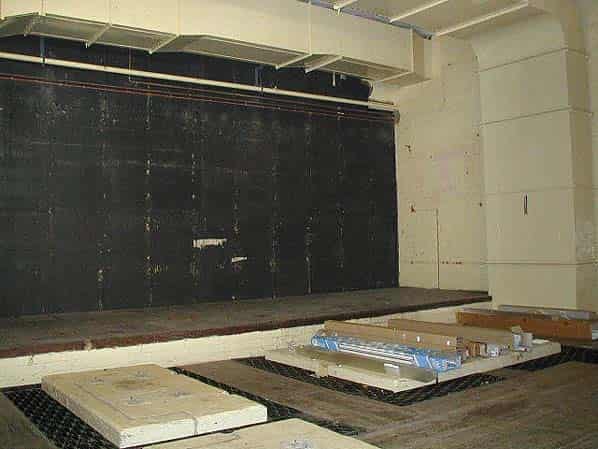
Inside the airlock a long corridor leads to another airlock, which has a blast door at its far end. Off this corridor on Level 1 on the left (west) side there is an operations room complete with empty consoles on three stepped floor levels. There are also two ‘electrically clean’ rooms, which are in effect steel rooms-within-rooms built to house sensitive electrical equipment, and code and cipher equipment. They were designed to prevent electronic eavesdropping on the equipment inside. Also in one of the rooms were three radar consoles with curtains to prevent civilian maintenance staff from seeing what objects were being monitored on screen.
On the east side of the corridor is a range of offices, an officers' mess, the kitchen and other ranks' dining area. Also on this side there are stairs to the lower level. On Level 2 there is another bigger operations room complete with empty consoles, again on the three different height levels. Along the east side of this lower level is the telecommunications equipment needed to connect to the British Telecom fibre optic cable network. Also next to this section is a large plant area housing the refrigeration, heating matrix and hydraulic control equipment. Across the other side of the corridor is another operations area.
On Level 1 the north or emergency exit leads on to another bunker built on top of the old ROTOR exit. This area, although protected by blast doors, has no airlocks. It houses water tanks and the air filtration plant. From here a corridor leads to a metal staircase to the surface.
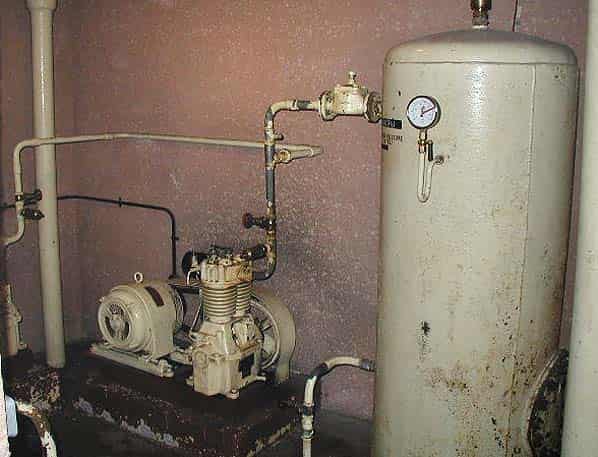
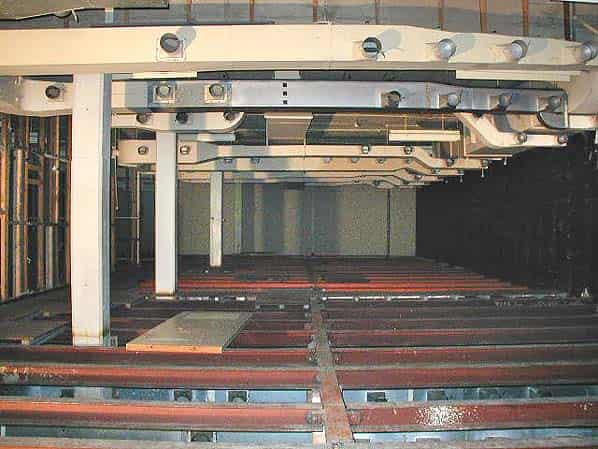
Back to the entrance vestibule: the plant area or west corridor leads to a massive new construction nearly as big as the original bunker. The plant area is in effect a large concrete box with two large two-storey corridors on two sides which act as inlet and exhausts for the generators. The inlets and exhausts are armoured louvres designed to shut if subjected to blast. As already mentioned, the generator room does not have any generators, although all the control equipment and engine beds are in place. On the exhaust corridor are the fuel oil tanks (now empty) and a very large blast door leading to the generator area. This corridor also leads to the surface shaft through which the generators would have been lowered. This area is also prone to leaking when there is heavy rainfall on the surface, the leaks being diverted away to a strategic collection of buckets by a Heath Robinson collection of tubes. Incidentally, although blast protected, the plant area was not airtight and under NBC conditions any repairs or maintenance would had to have been carried out in protective NBC clothing.
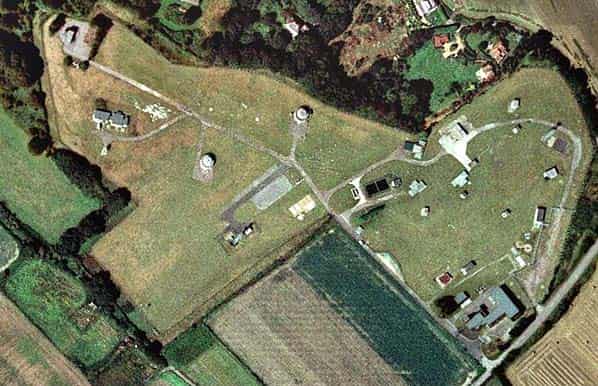
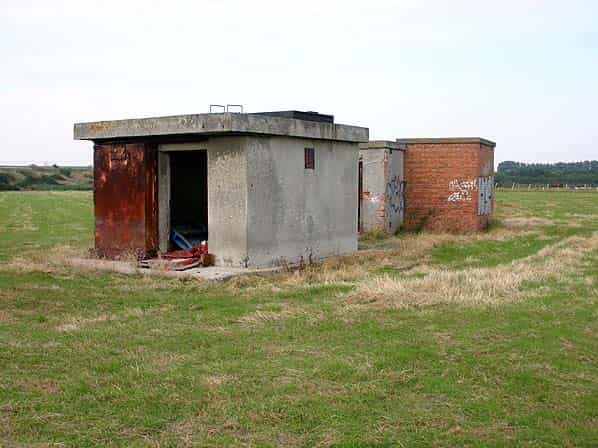
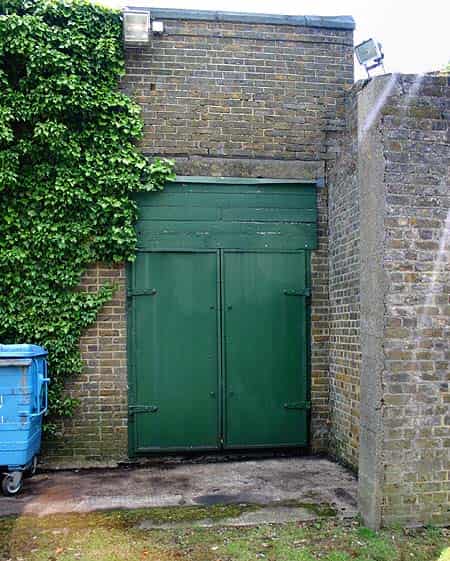
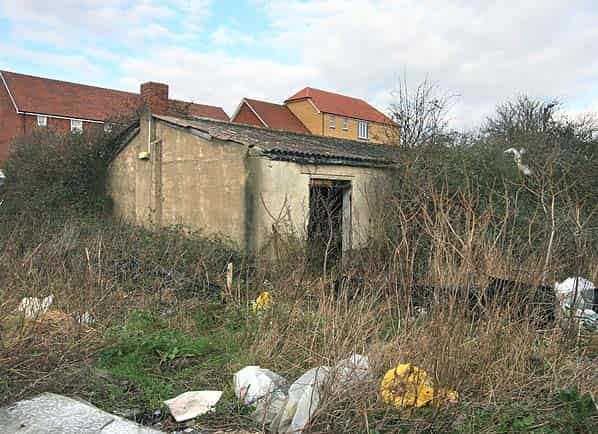
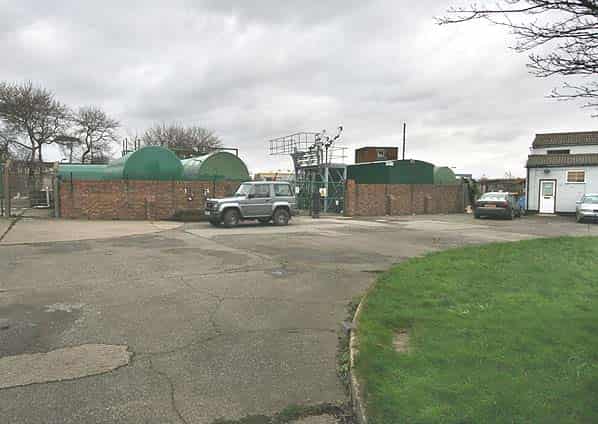
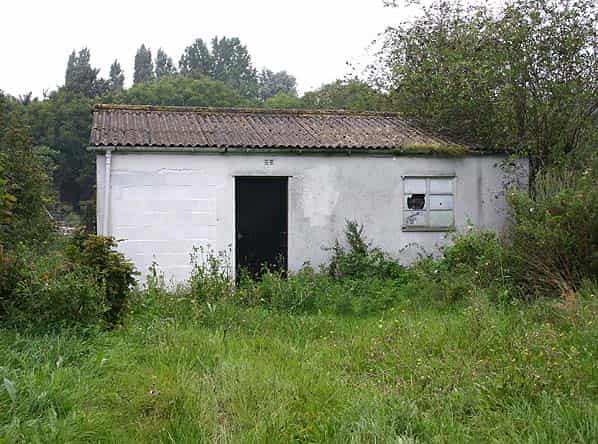
On the surface little of the old ROTOR site remains. Only the Type 80 modulator building survives and another building that was pressed back into service by the RAF as the station armoury during Ash’s latest spell in service, but is now empty. All the louvred vents on the surface were built during the 1983 rebuild. Two masts stand above the site although all the microwave dishes have now been removed. Cable & Wireless Communications now leases the south mast for use as a cell site. The two circular plinths for the CAA SSR radars are also extant. Some of these features can be clearly seen from outside the perimeter fence.
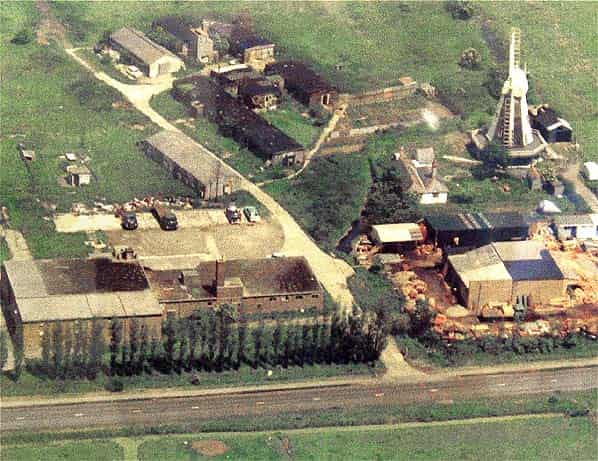
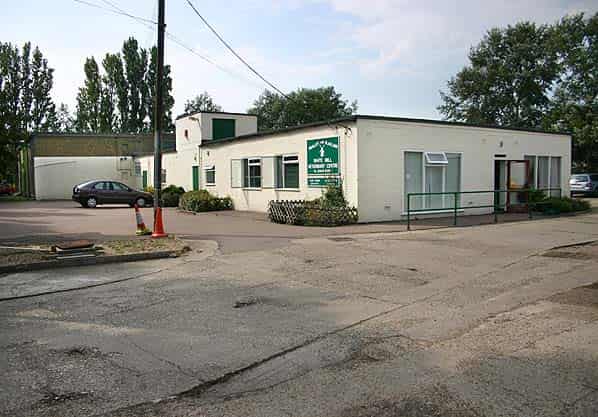
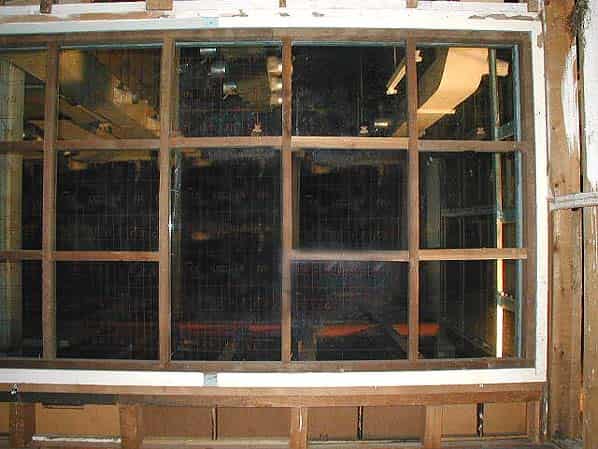
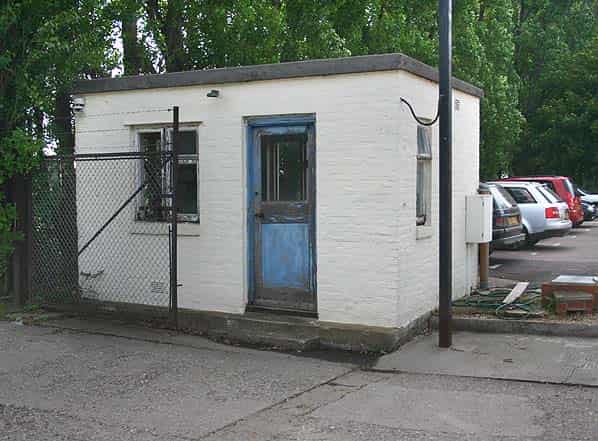
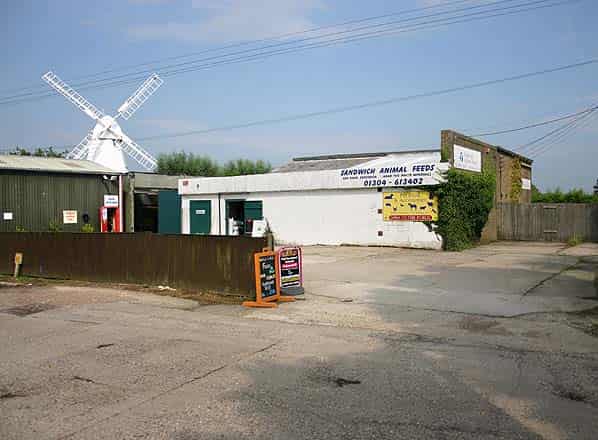
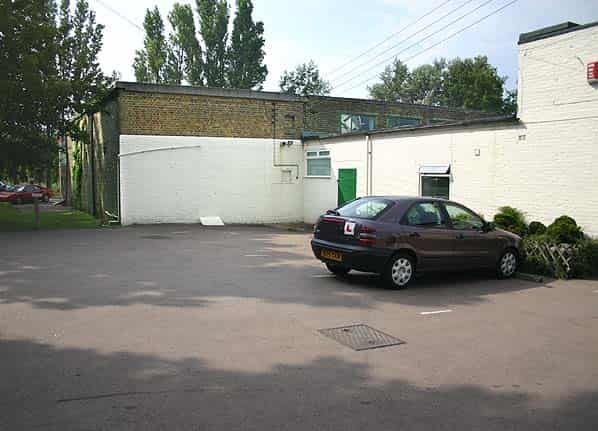
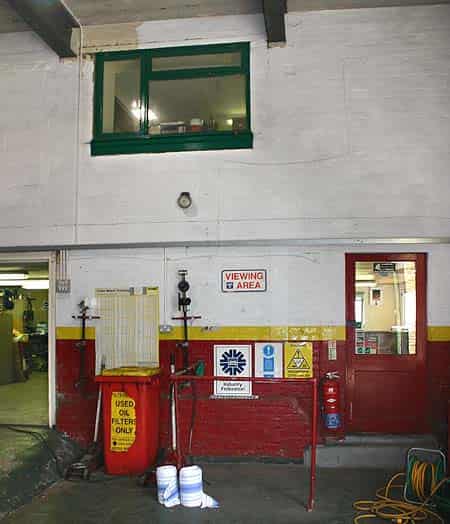
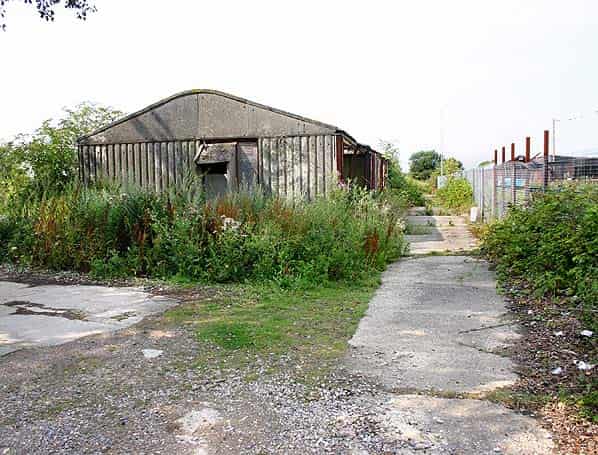
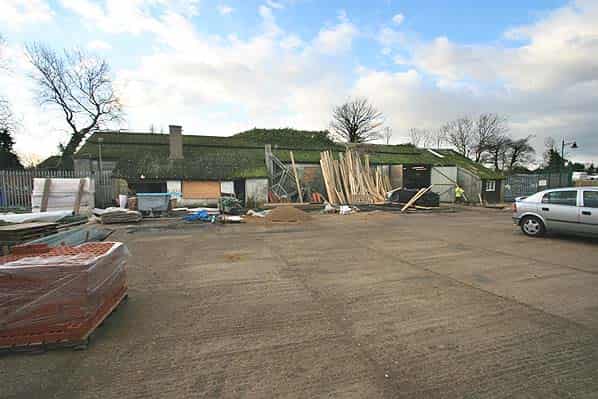
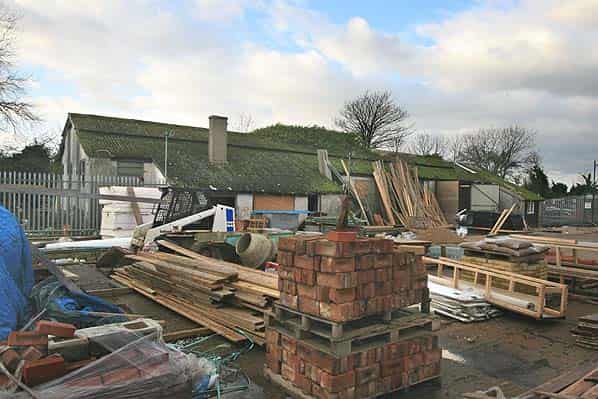
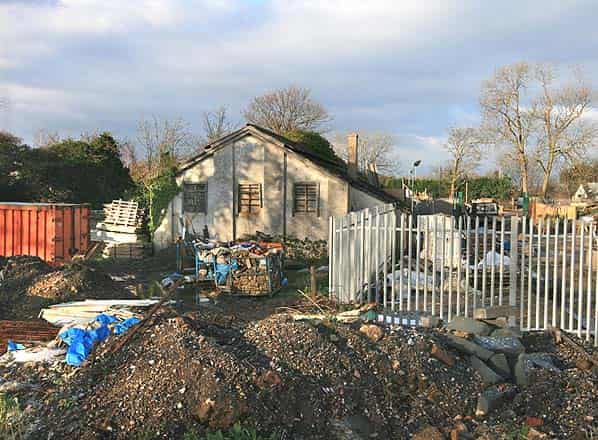
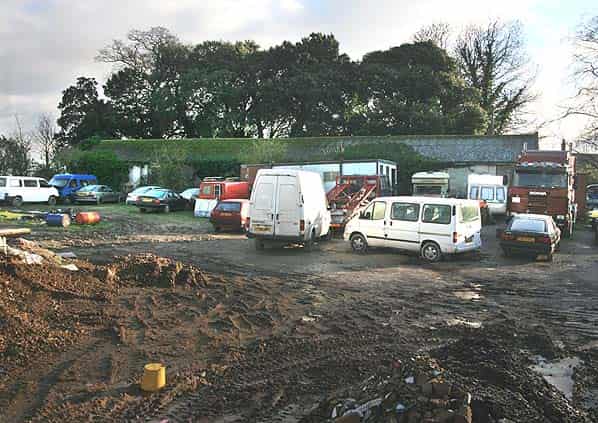
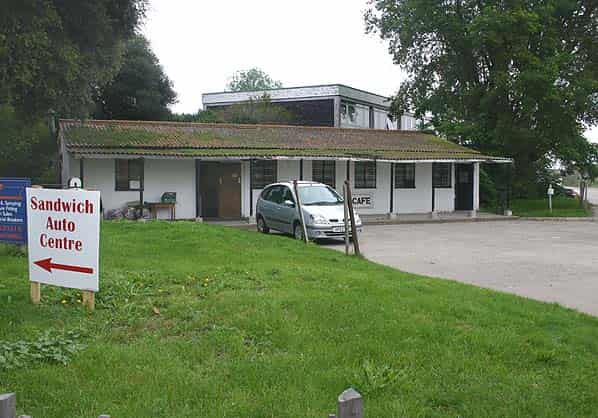
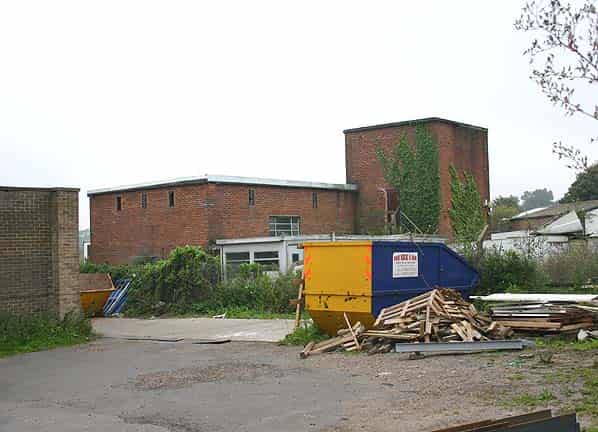
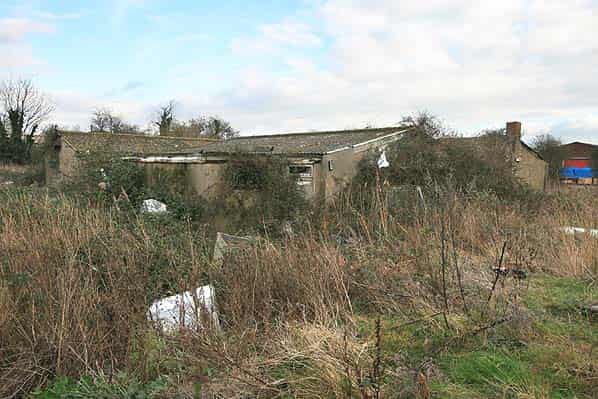
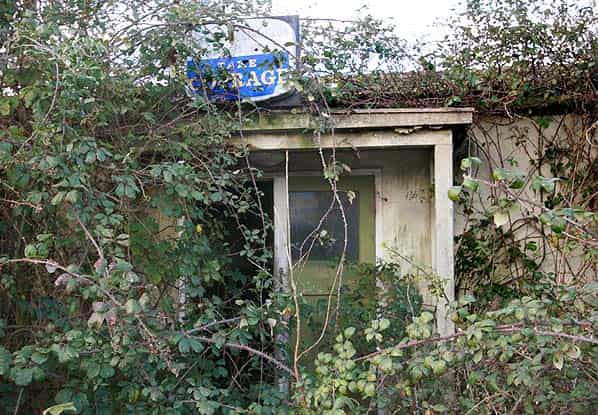
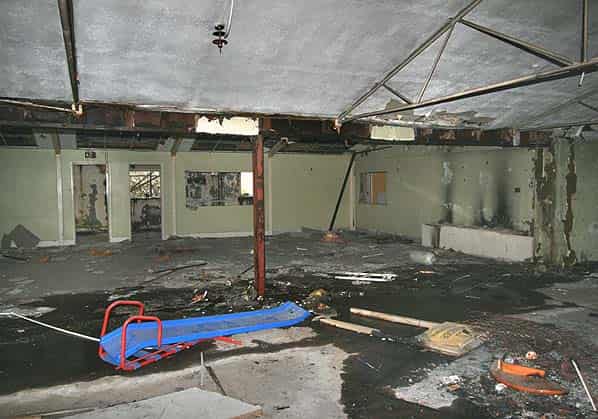
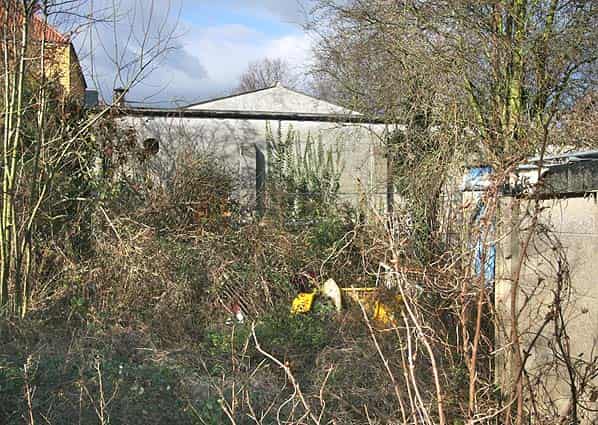
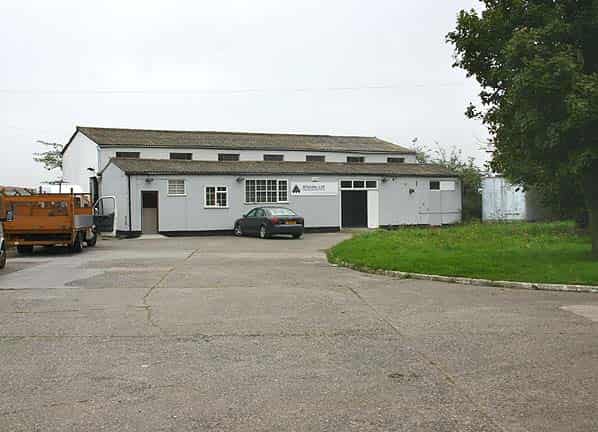
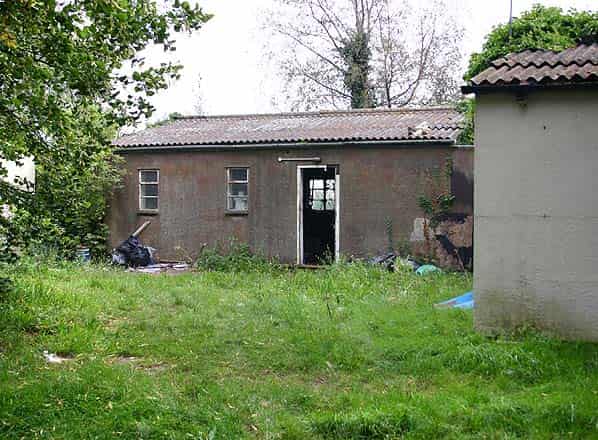
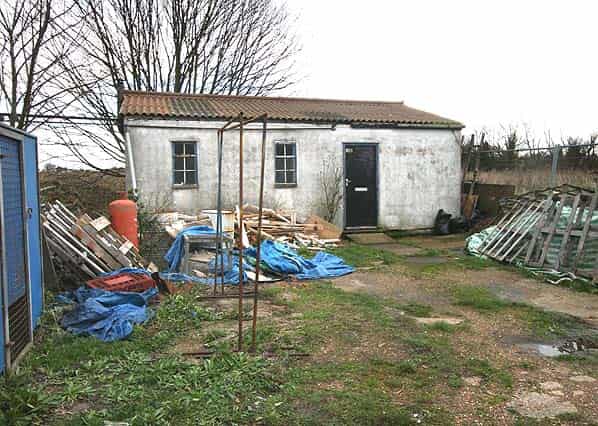
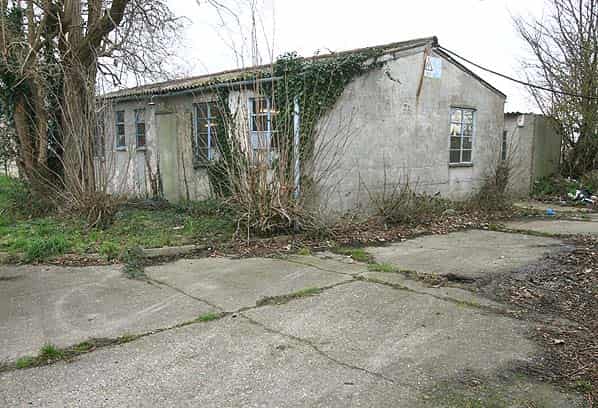
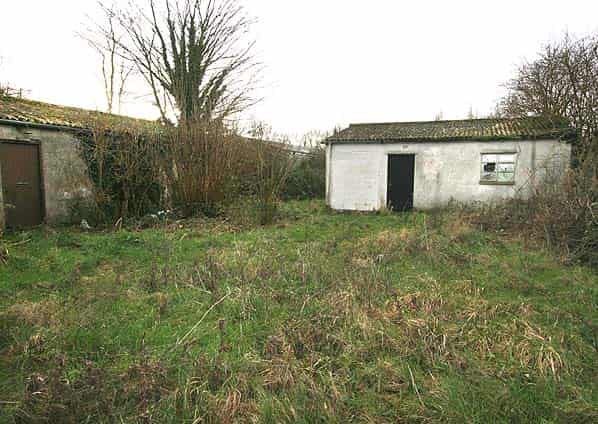
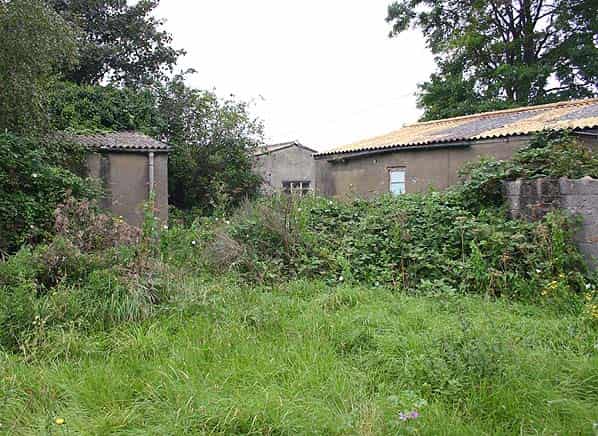
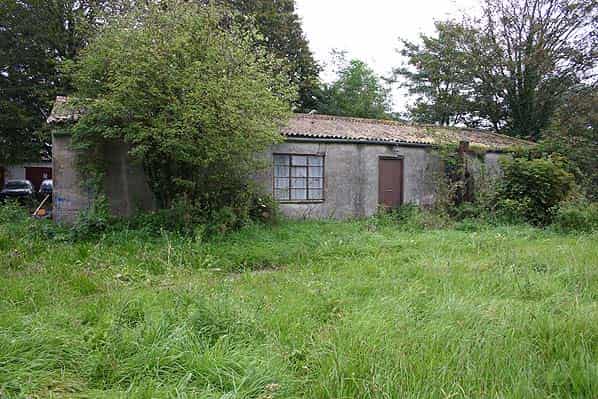
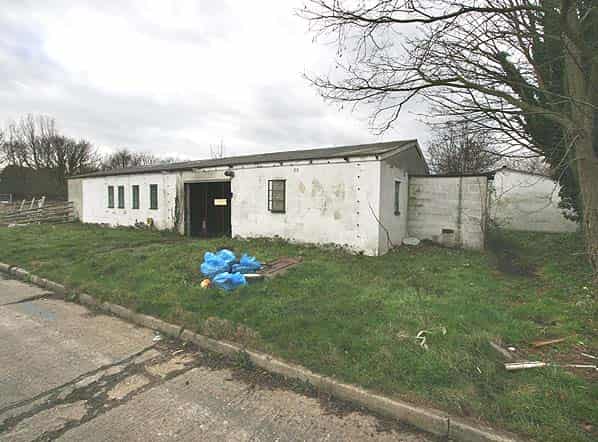
The site of the original GCI Intermediate Transportable installation on the south side of Ash Road has been cleared with no evidence remaining; the site is now occupied by a farm shop. On the north side of Ash Road, the later Happidrome survives between the road and the 1760 White Windmill. Externally there have been few alterations to the building which is now split into two parts. The administration end of the building is now painted white and is used by the White Mill Veterinary Centre. The two level reporting hall is used by Robinson Motors and externally is unpainted. One of the original wooden internal stairways survives as does one of the control cabins with its window overlooking the reporting hall. Another building on the site also survives and is now occupied by Sandwich Animal Feeds. At the entrance to the site the guardhouse is extant although now unused and two derelict admin huts survive in poor condition between the Happidrome and the windmill.
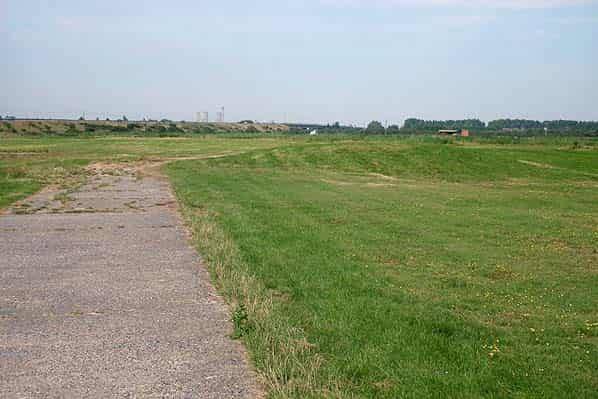
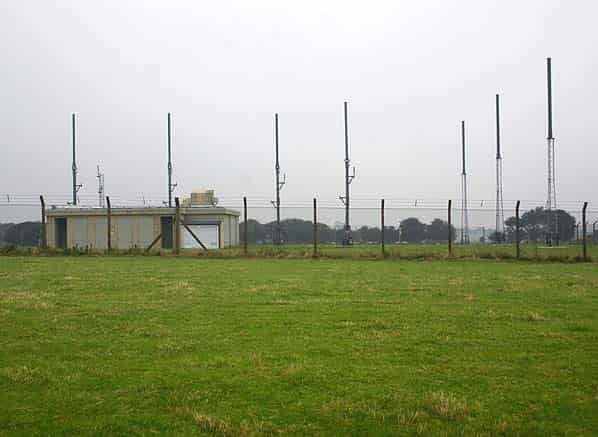
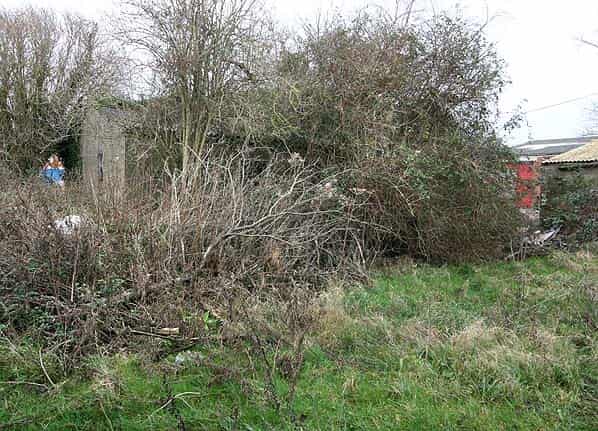
The Type 7 radar was located in a field to the west of the Happidrome on the north side of Ash Road. The original concrete access road survives but the radar pit has been infilled with a grass covered earth mound indicating its site.
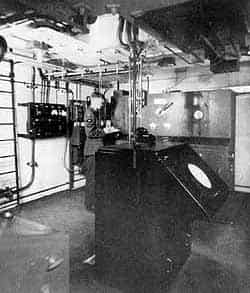
When RAF Sandwich was relocated to its new underground bunker a new Type 7 radar was provided this was located alongside the original WW2 structure 1.5 miles north east of the new site at Ash. The transmitter, receiver and motor for turning the aerial array were located underground in a bunker designated as an R7 and known as a ‘well’. During the ROTOR period two different types of R7 bunker were utilised. Where the Type 7 radar was located close to the R3 operations block it was housed in an R7 Mk II bunker which consisted of a single room. If the R7 was at a dispersed location a larger R7 Mk III was built which consisted of three rooms. Because of the distance from the main site, an R7 Mk III required its own IFF and an Mk 10 IFF was mounted on a Type 14 plinth, turntable and cabin this combination was known as a Type 79. This was located a short distance to the north of the R7 bunker with a small brick built electricity sub station alongside. The R7 was divided into three major rooms with the DC power room at one end, a rest room in the middle and the transmitter room at the opposite end; this would have housed two T3705 transmitters.
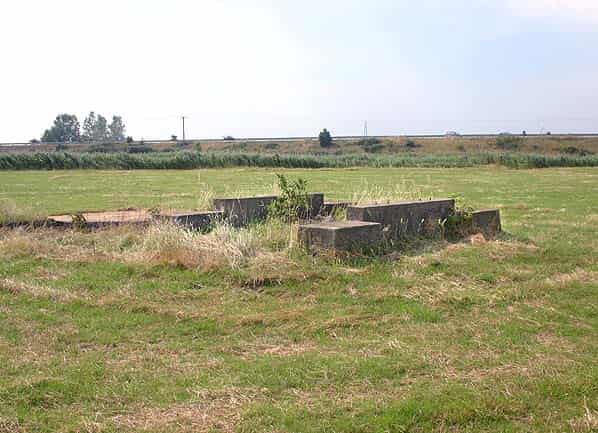
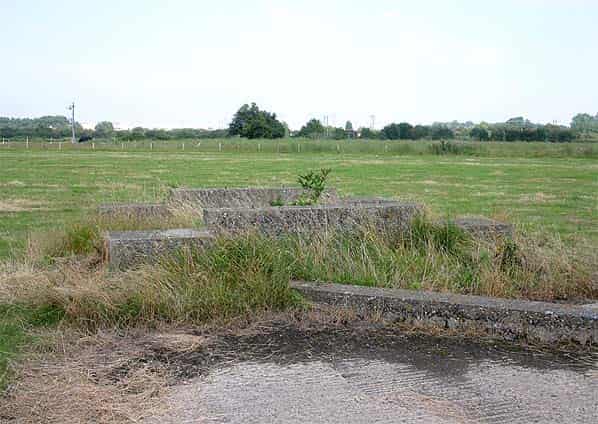
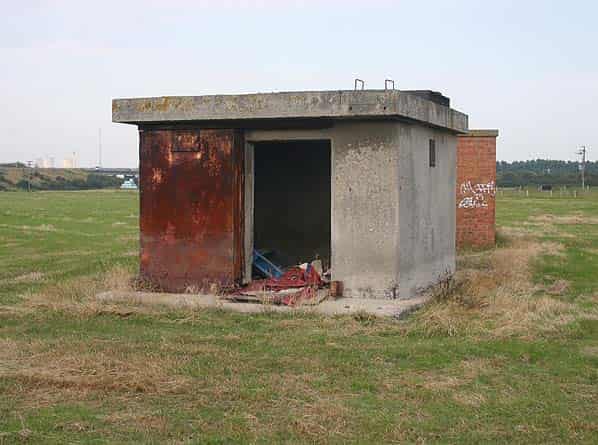
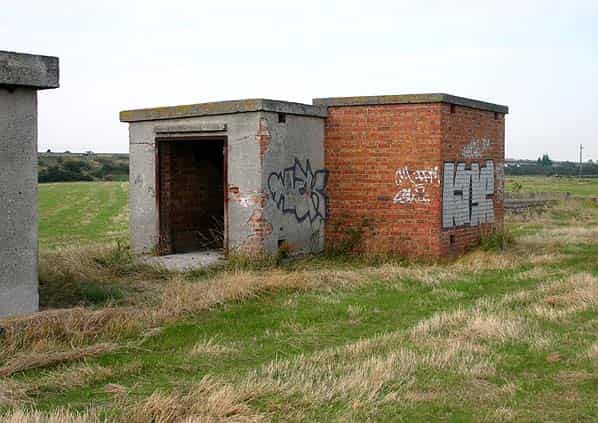
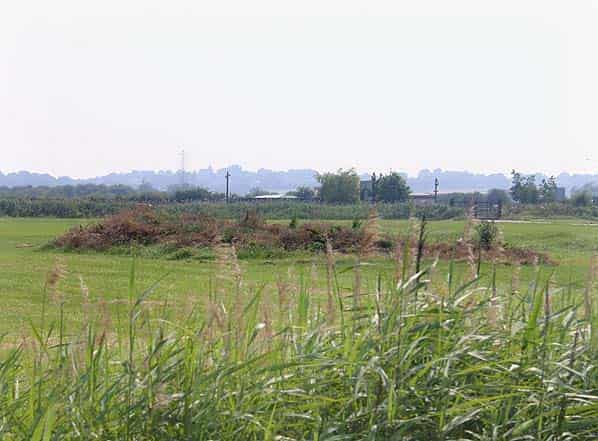
The second well has also been infilled with a larger grass covered earth bank indicating its position. The Type 79 radar plinth survives in good condition as does the adjacent sub station. Close by the two concrete supports for the WW2 Type 14 radar is also extant. Aerial photography indicates that the two Type 7 equipment wells were only infilled within the last ten years.
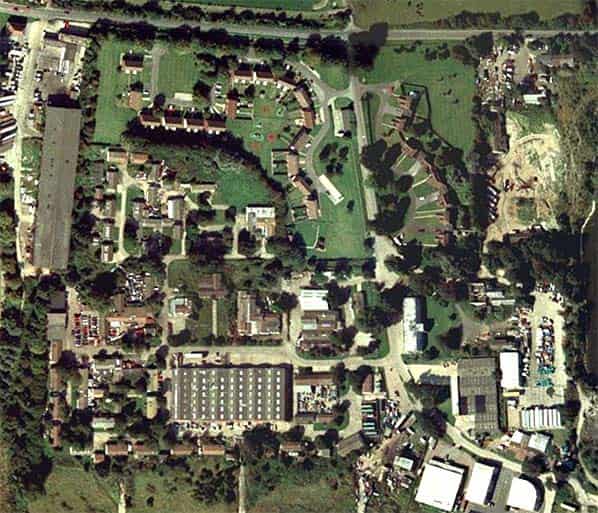
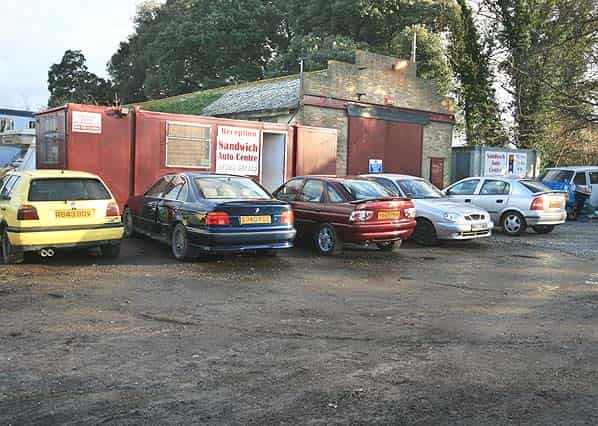
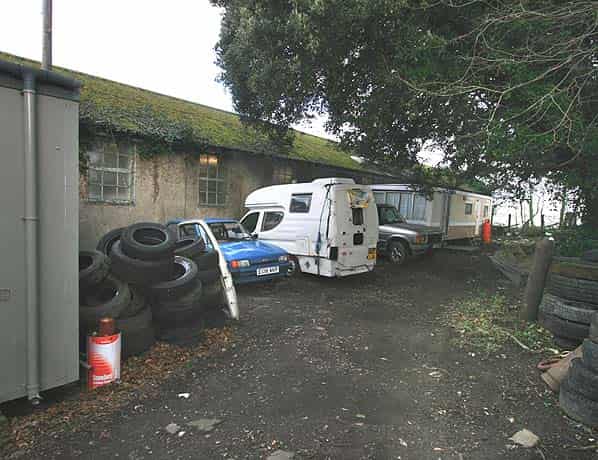
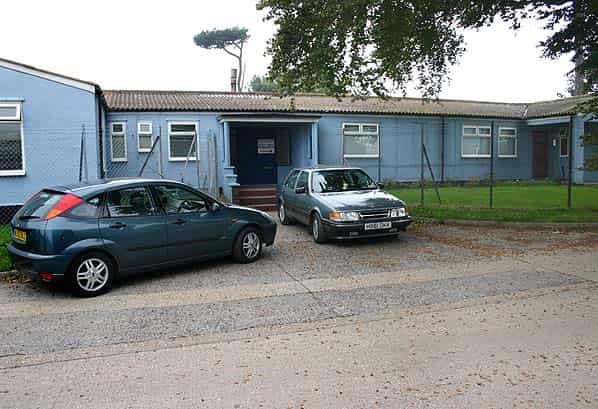
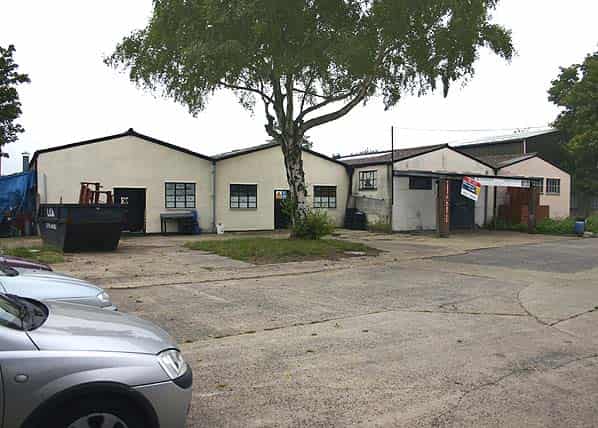
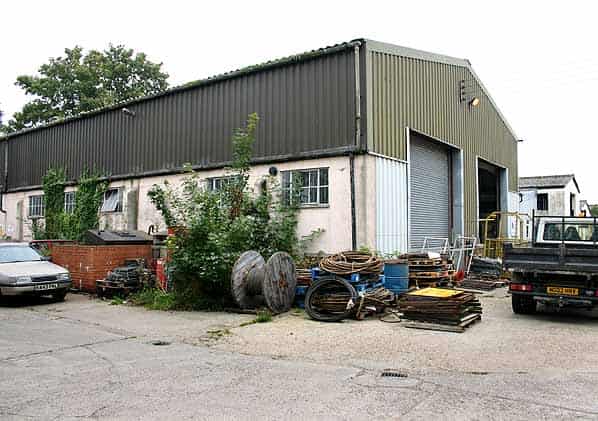
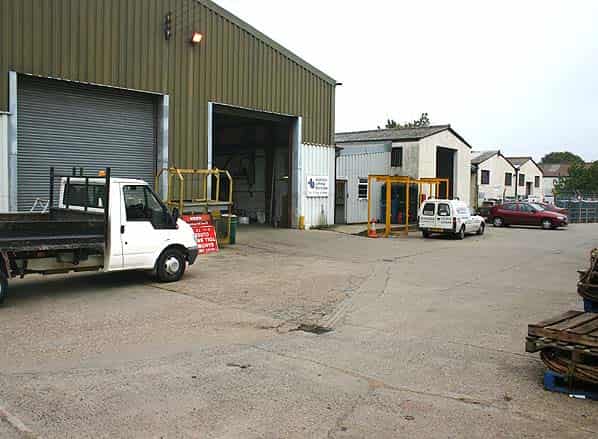
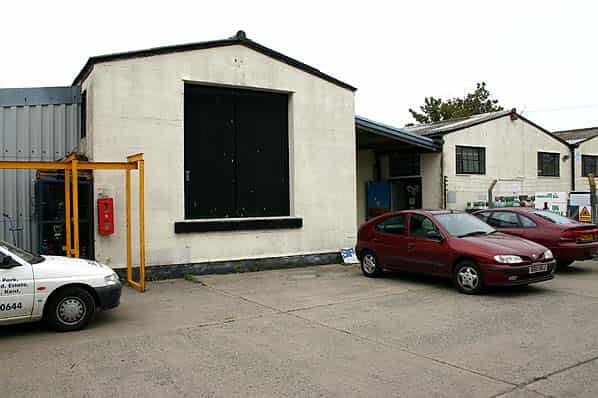
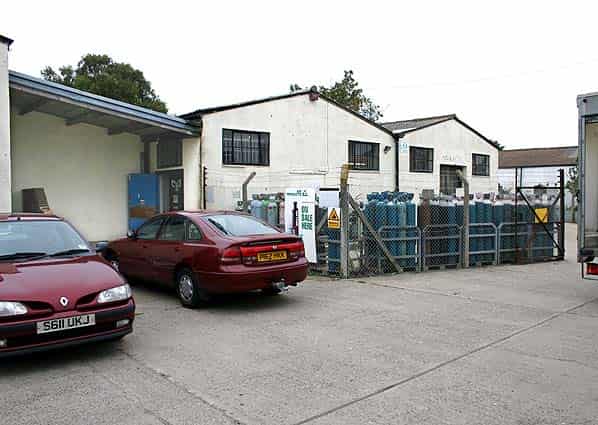
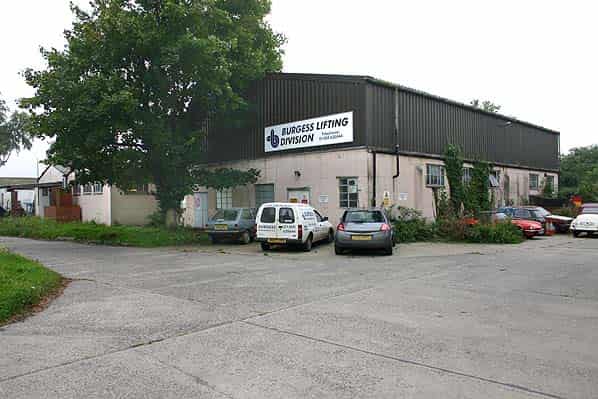
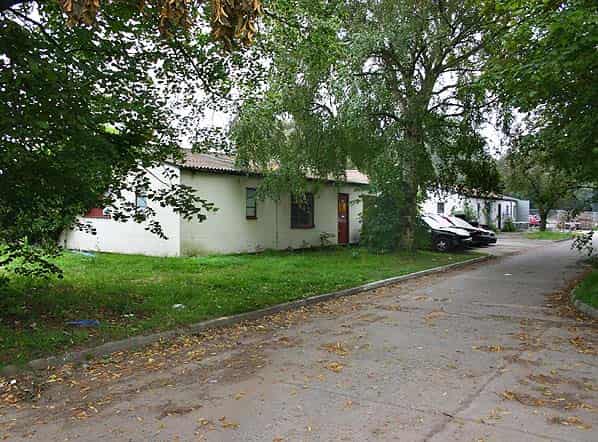
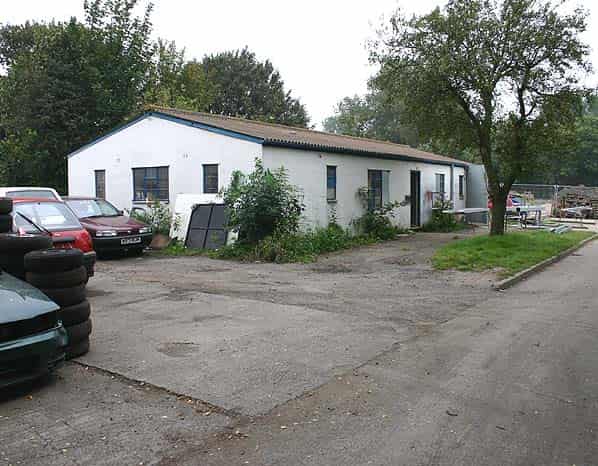
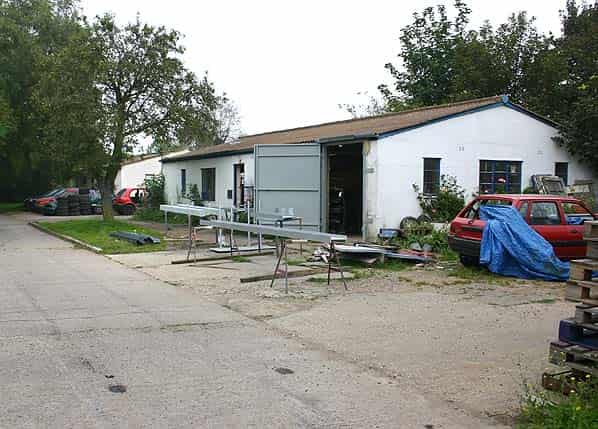
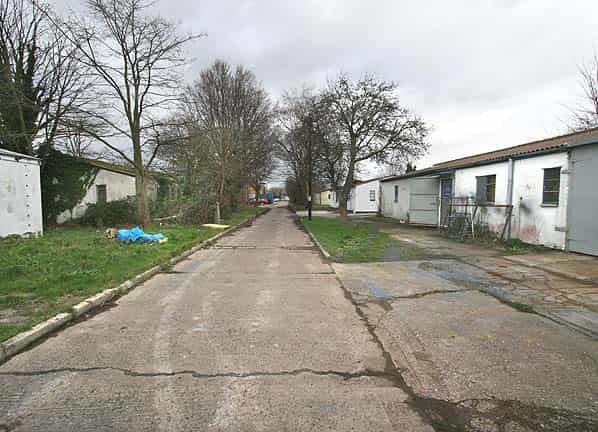
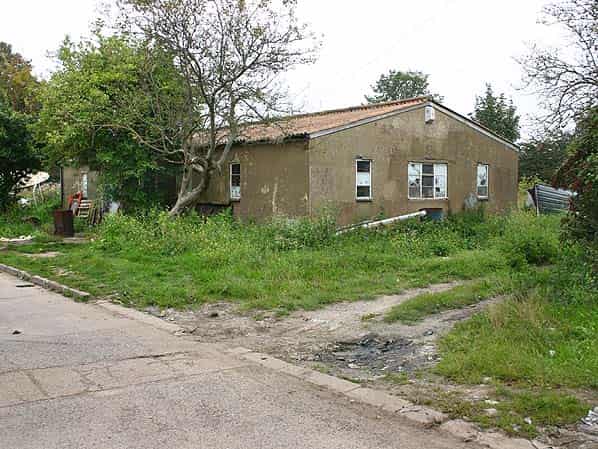
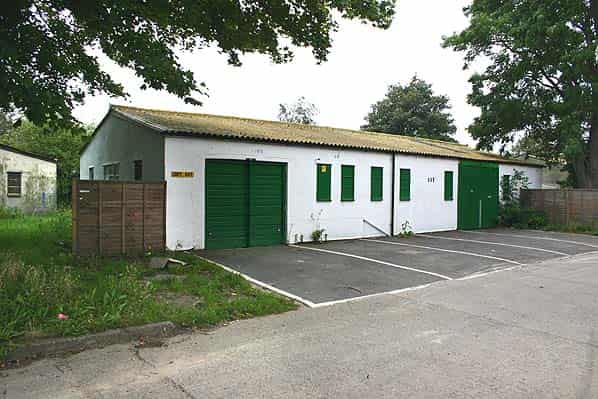
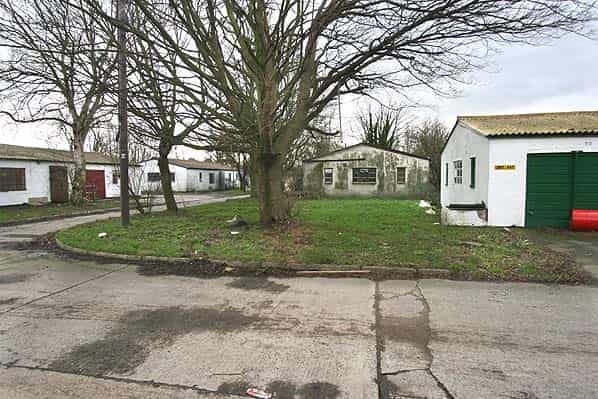
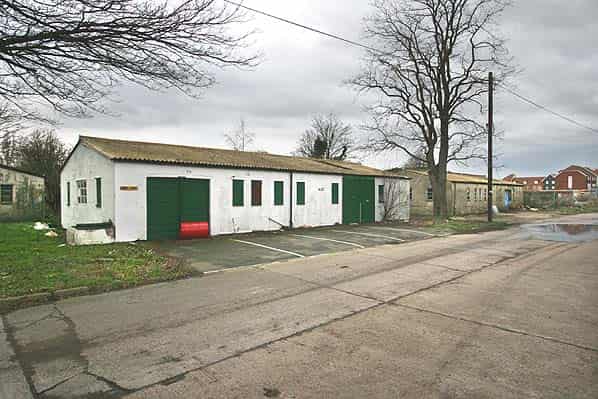
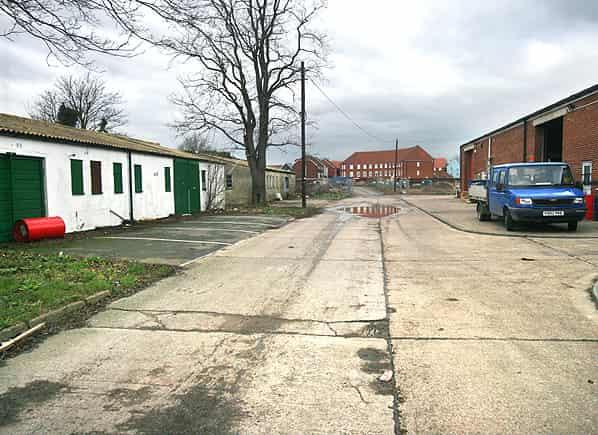
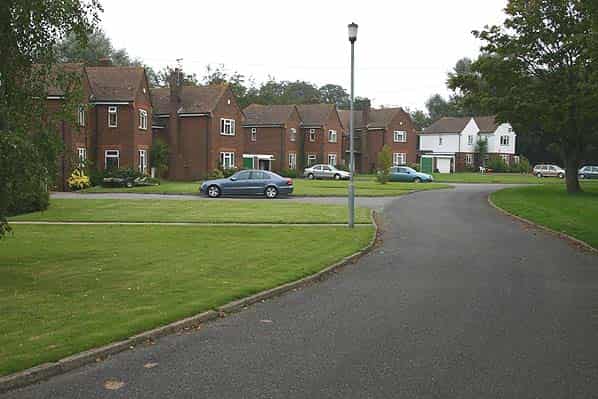
Much of the domestic camp on the east side of Ramsgate Road also survives as a light industrial estate. The married quarters are now in private occupation and now form Stonar Gardens (officers) and Stonar Close (other ranks).
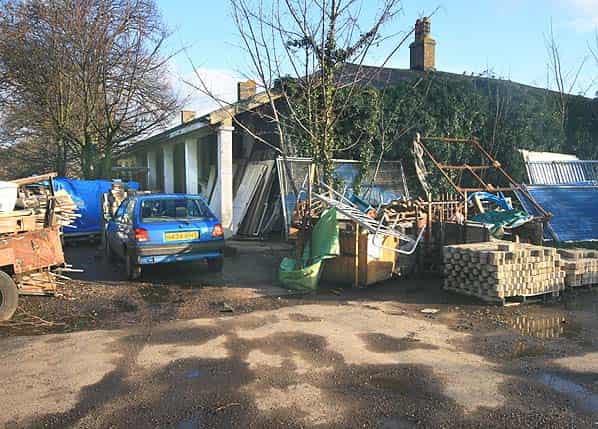
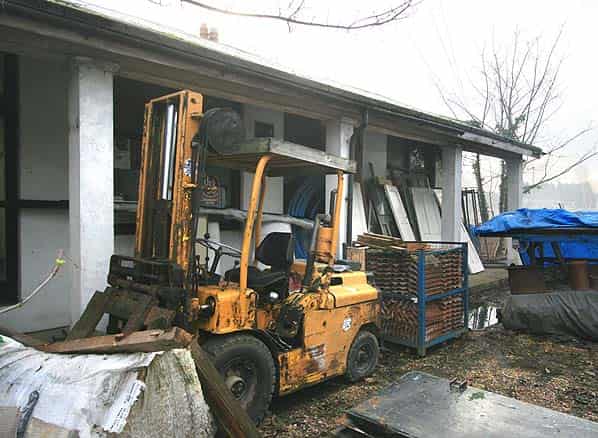
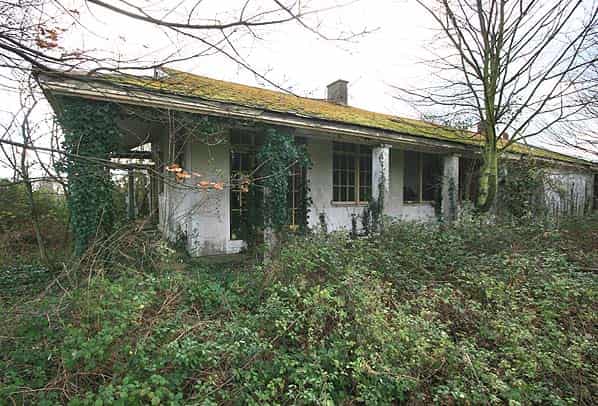
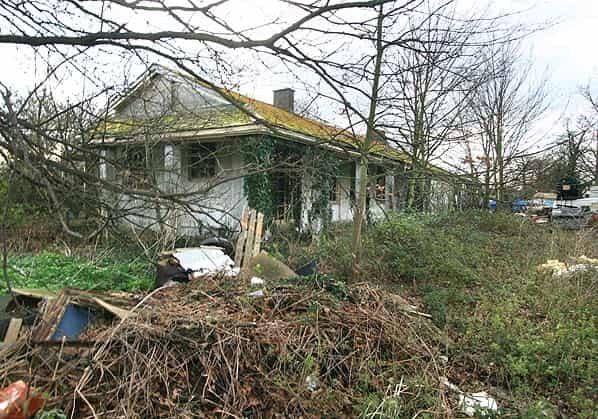
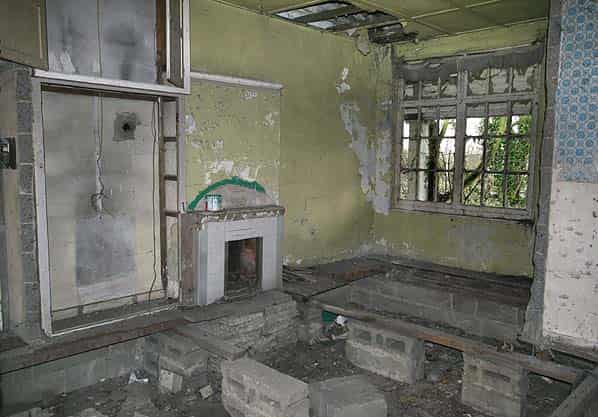
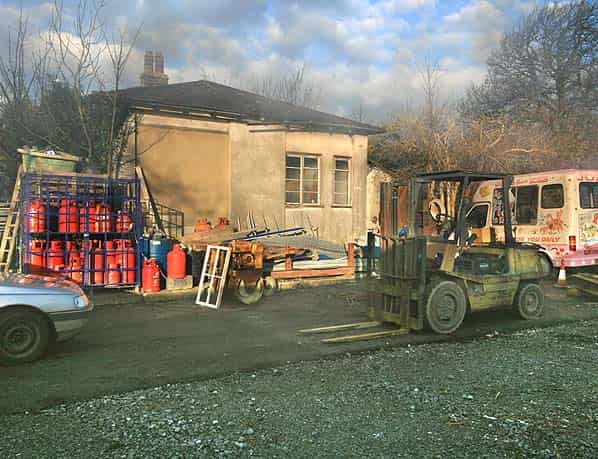
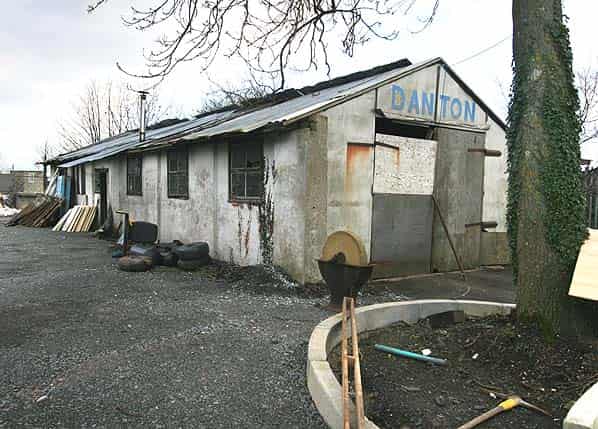
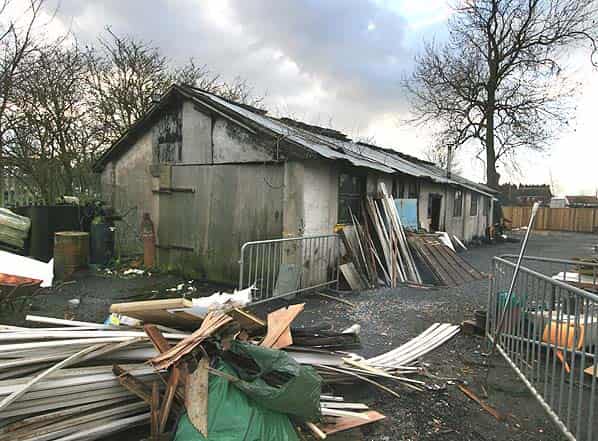
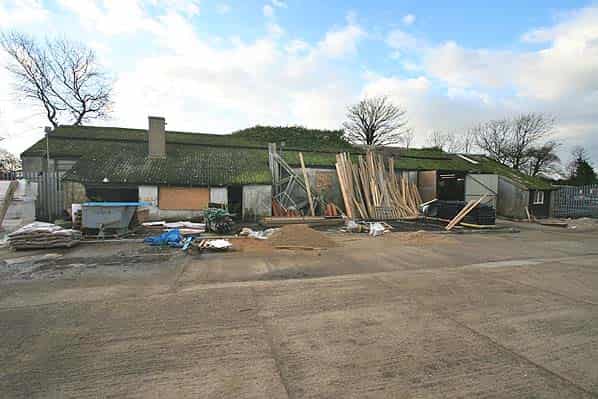
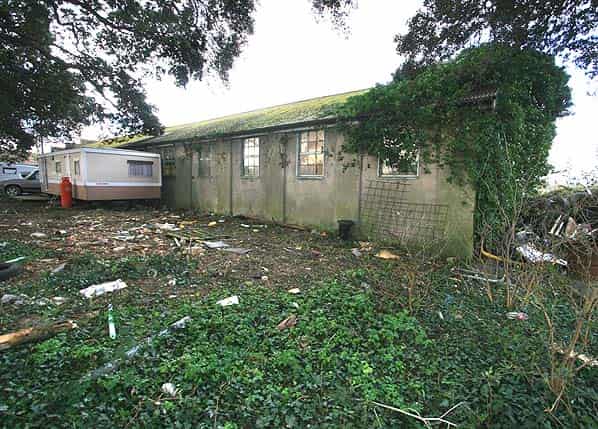
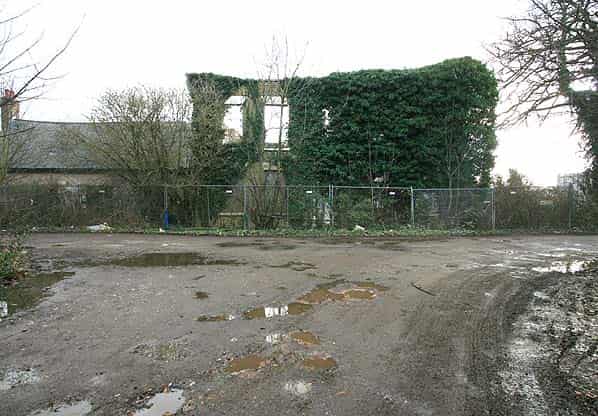
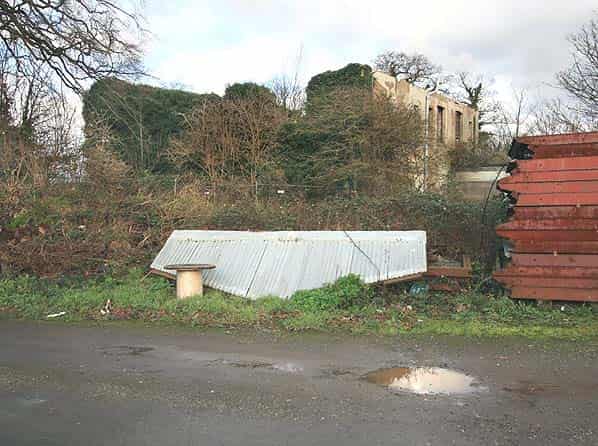
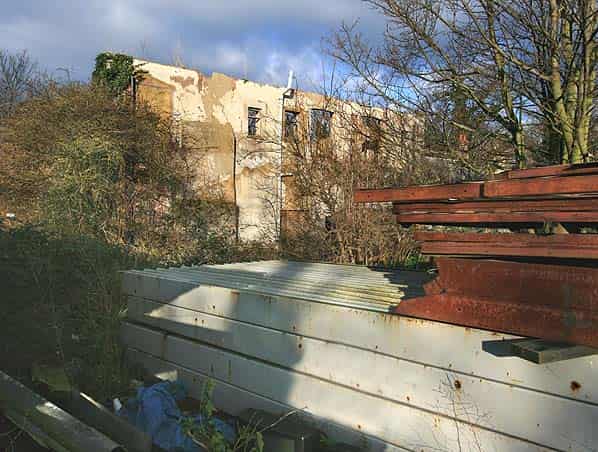
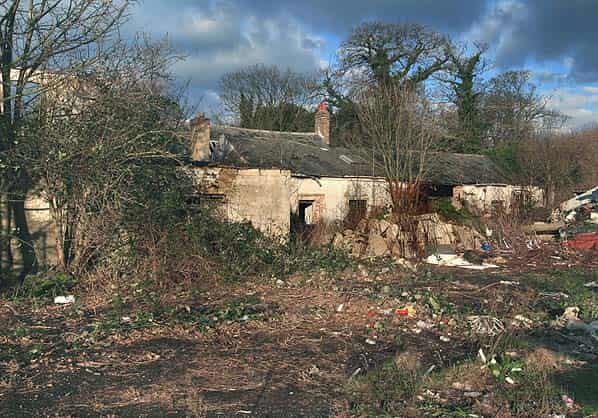
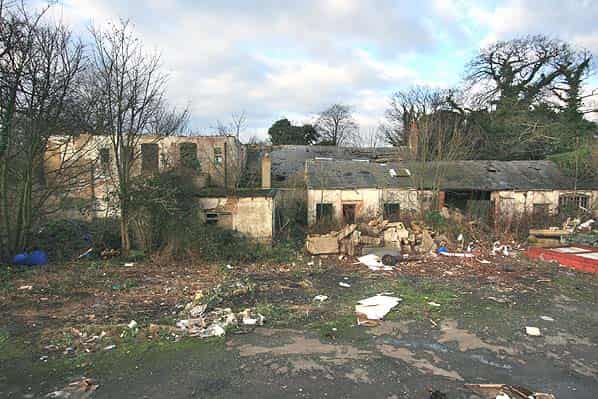
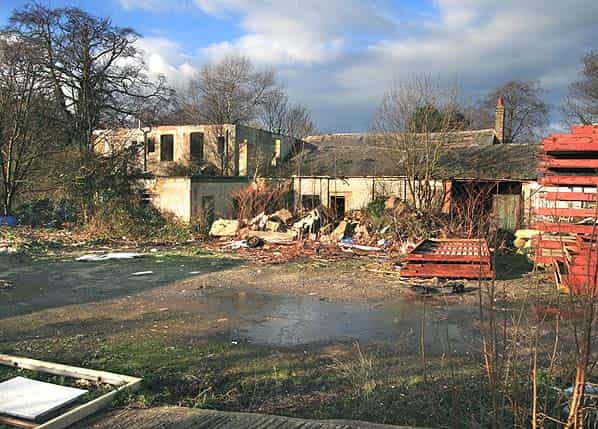
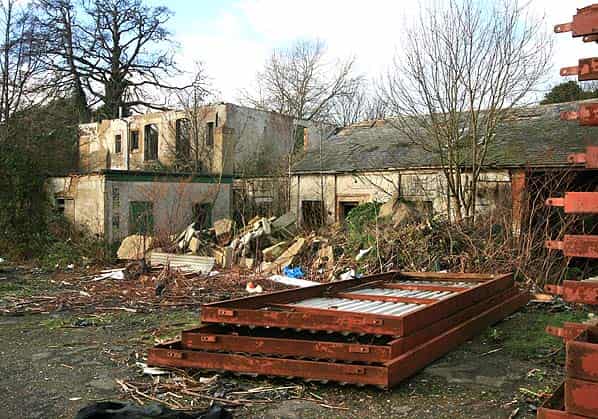
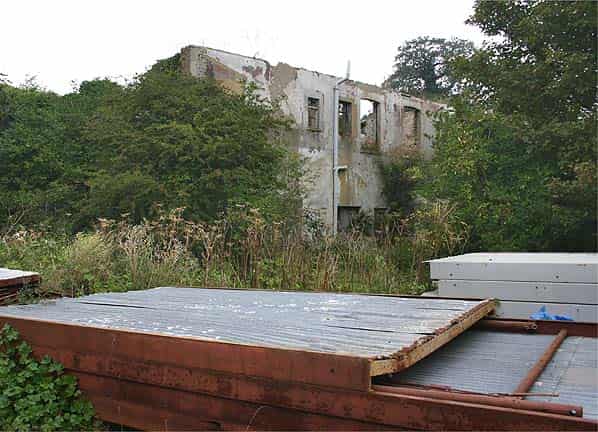
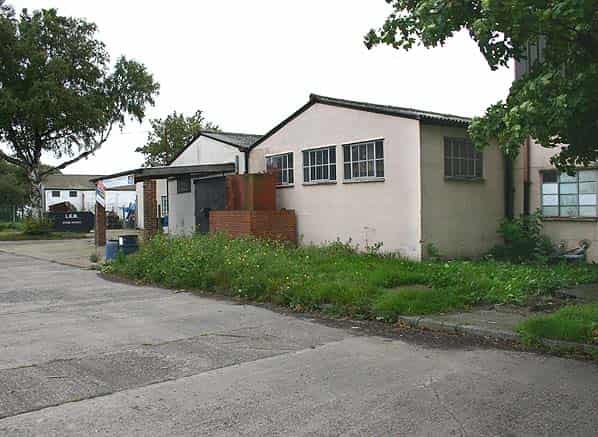
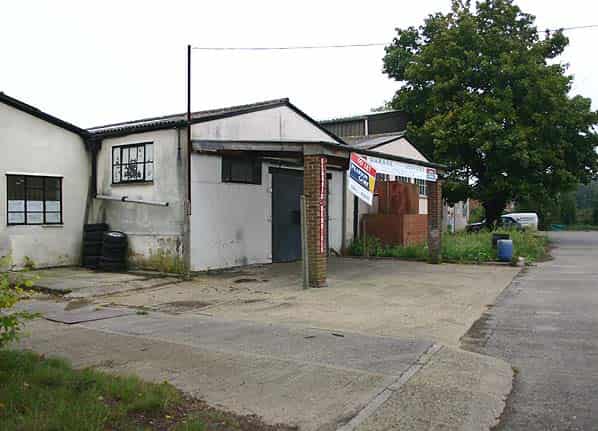
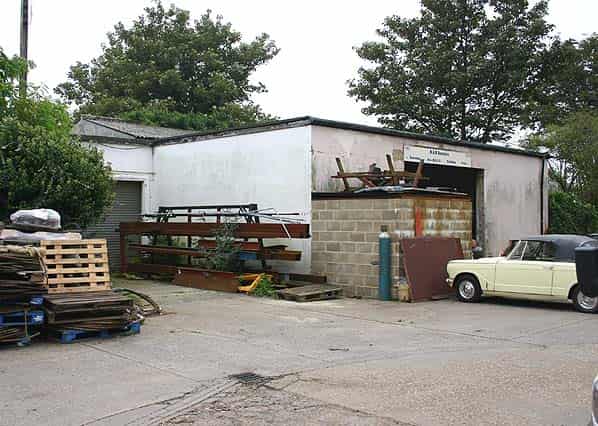
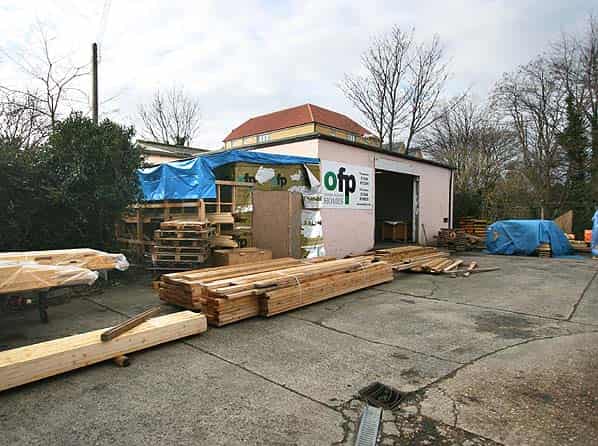
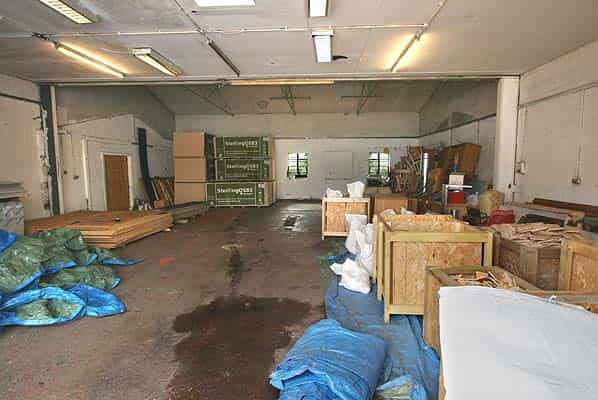
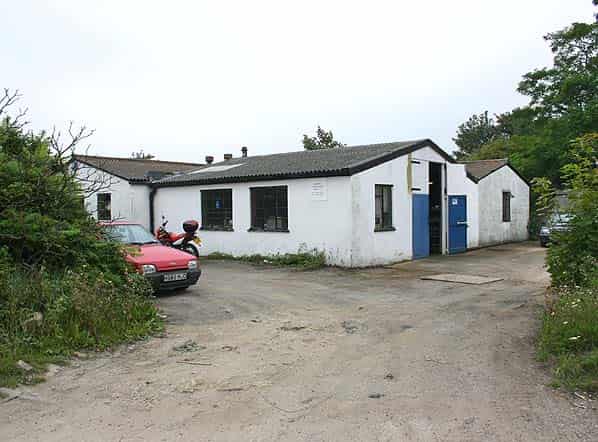
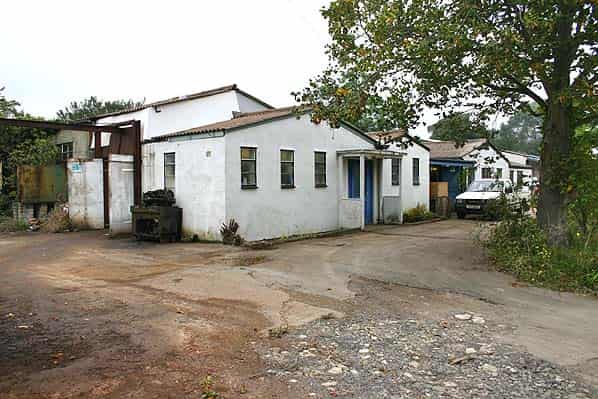
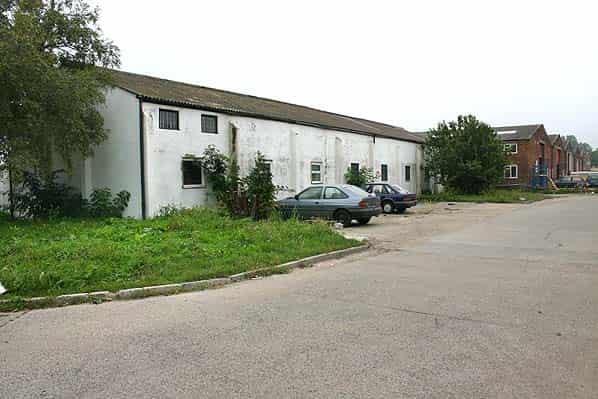
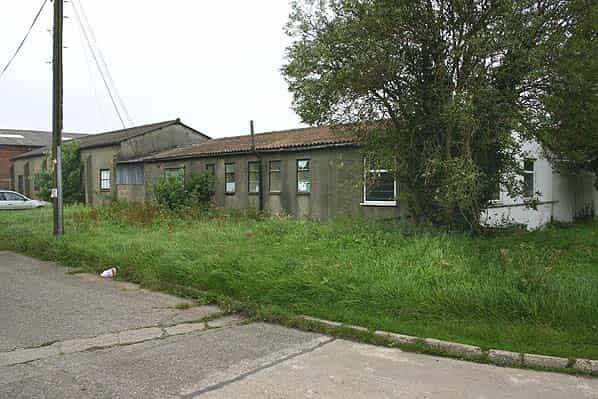
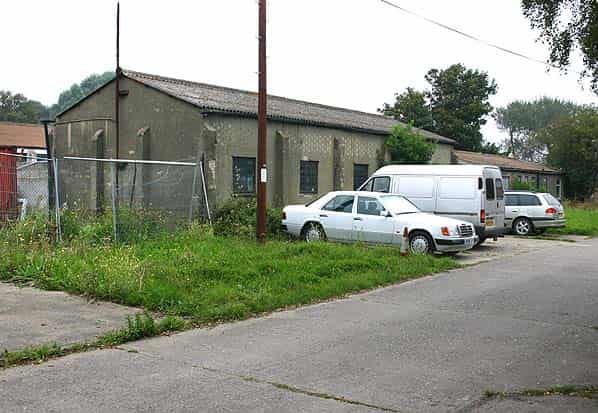
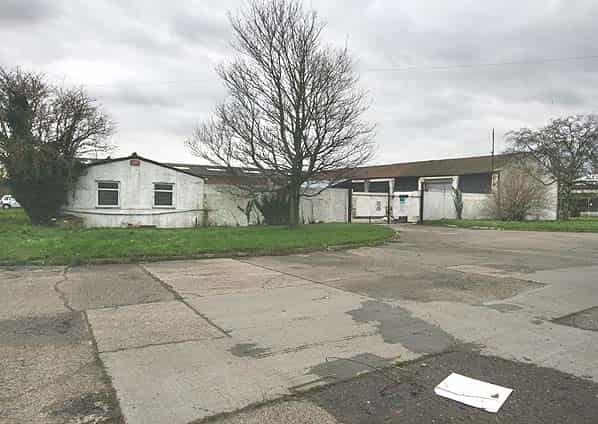
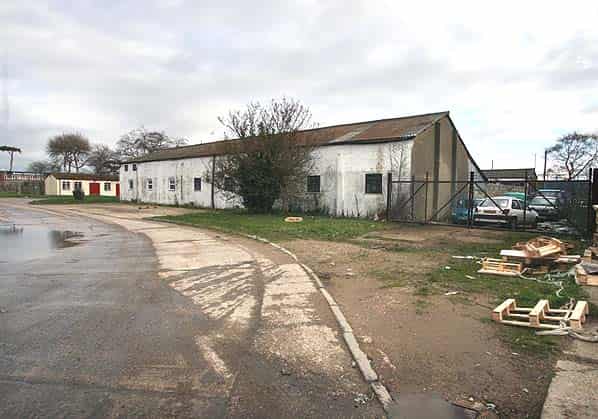
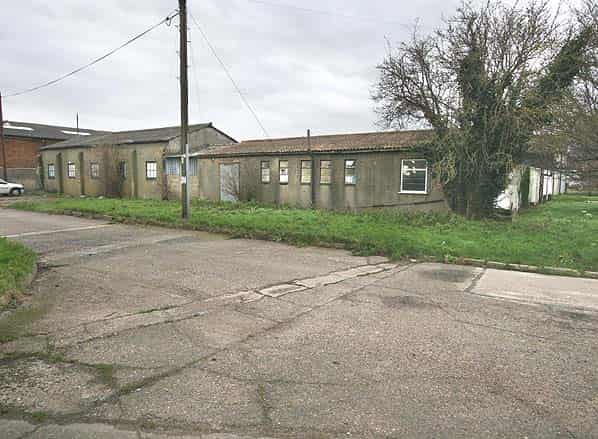
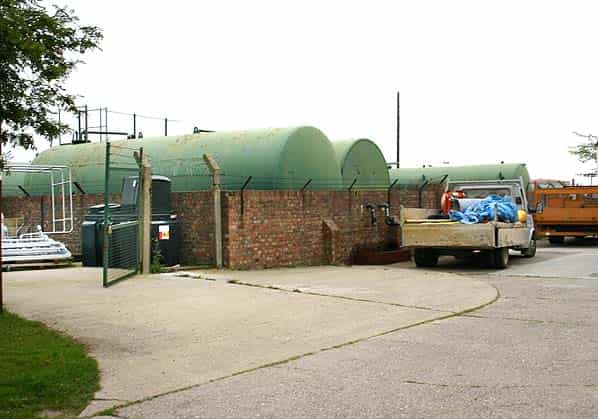
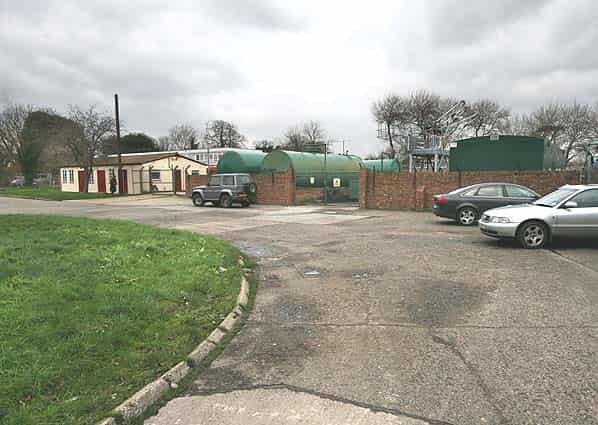
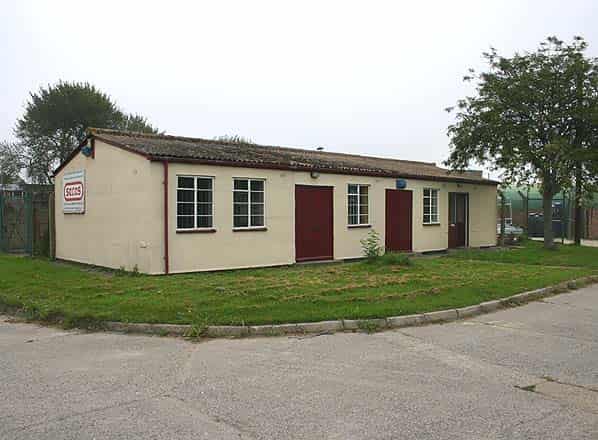
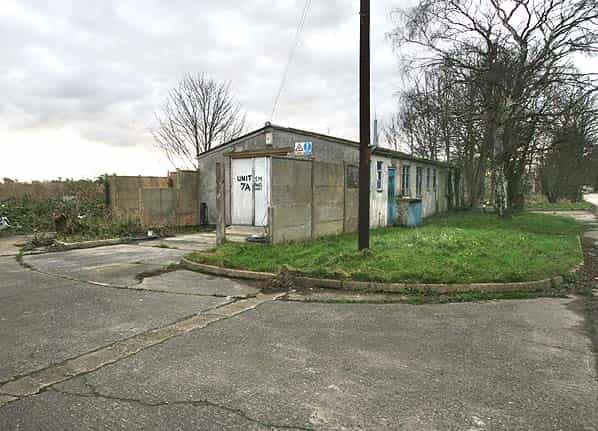
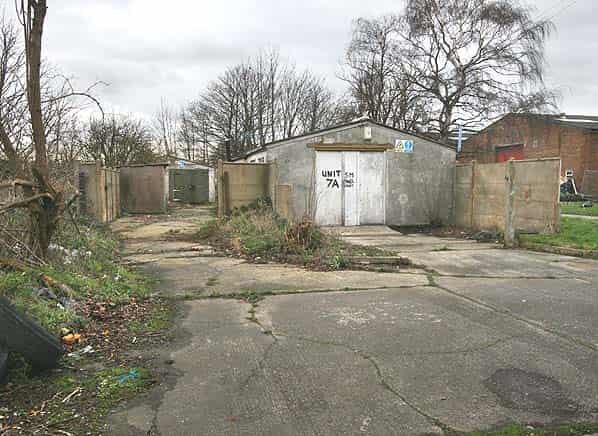
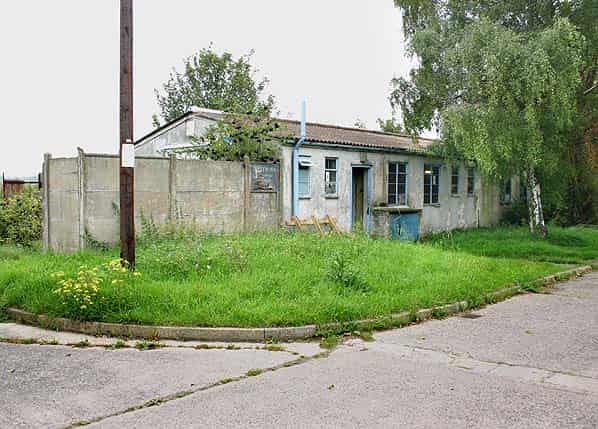
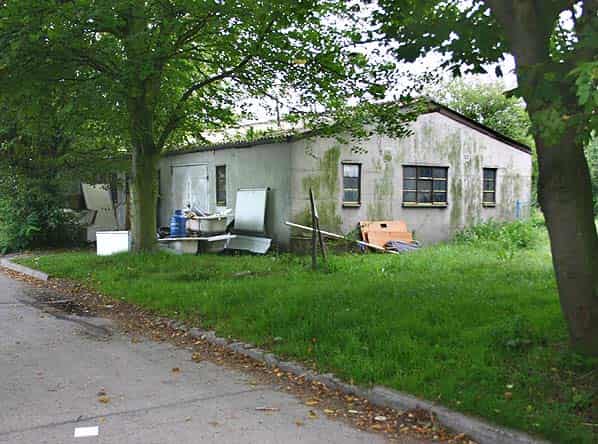
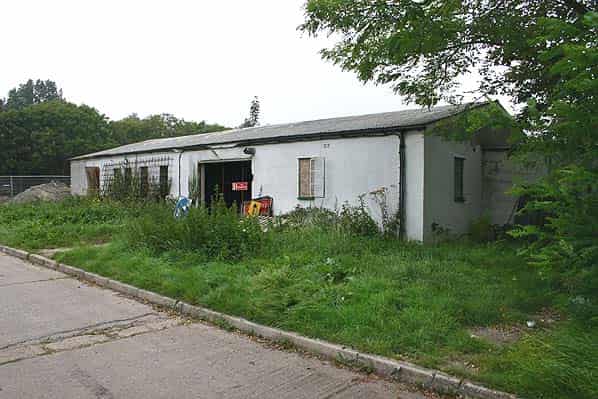
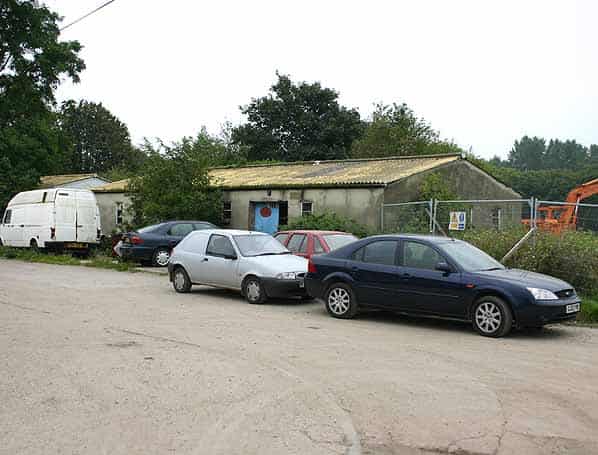
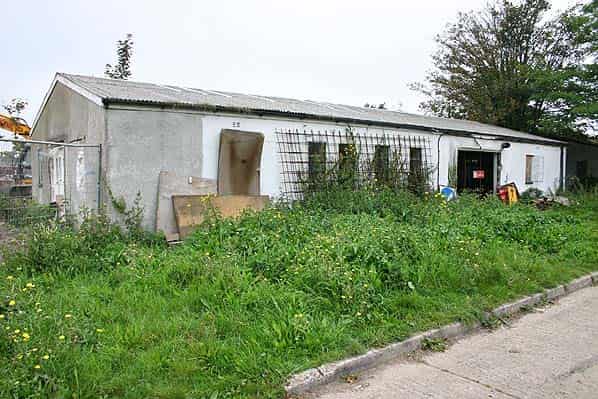
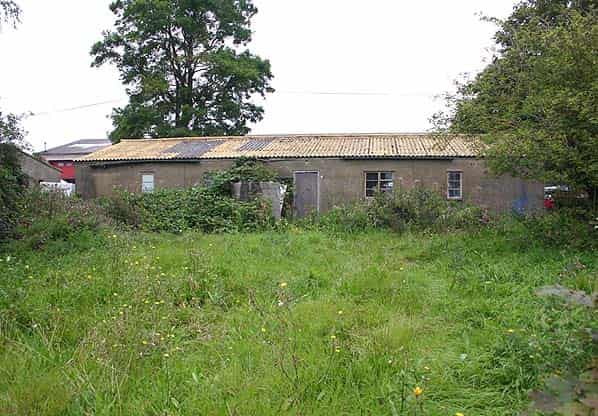
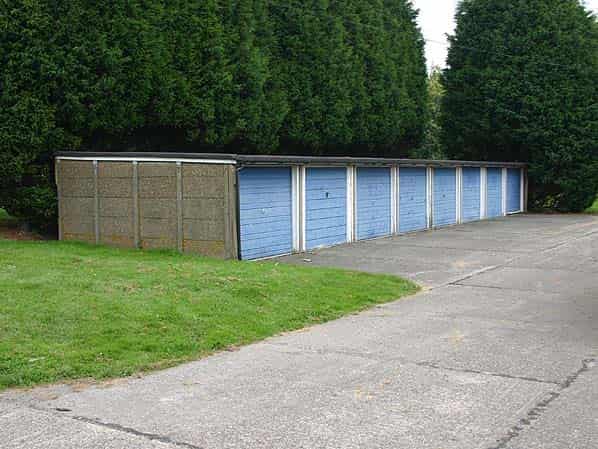
The hutted camp now forms the Sandwich Industrial Estate. In recent years the west side of the camp which was part of the industrial estate was demolished to make way for new luxury housing but many of the other camp buildings survive including the Standby Set House, Main Stores, MT Section, Sick Quarters, Fire Station and some of the WRAF accommodation blocks. The WW1 officers mess with its open verandah also still stands although derelict (apart from one wing) and in a very dilapidated condition. Some of the huts are now empty and further redevelopment of the site (RAF and WRAF quarters is expected) Stonar House itself which was commandeered during WW1 and used for Officers accommodation was destroyed by fire and is now just a shell although still a grade 2 listed building and currently for sale.
The future of the remaining parts of the domestic camp is unclear and much of the site is earmarked for redevelopment for housing.
Sources:
- A Chronological History of RAF Sandwich - Privately published by RAF Ash (1994)
- RCHME Survey Report - RAF Ash - published by National Monuments Record (1998)
- RAF Air Defence Radar Museum newsletters No’s. 9,13,33,35,36,39,40,41,43, & 49
- Various National Archive (PRO) files Air2/10984, Air29/2935, Air8/1630, & Air8/2032
- Bob Jenner
- Keith Ward
- Dr. James Fox
- David Mapley