As part of the post war Rotor programme, the Army AA Command commenced a programme of building 32 AAOR’s designed and built to service the new, fewer Gun Defended Areas (GDA’s) of the cold war. In 1946 a scheme called Nucleus was implemented to determine which guns sites would be used. Out of nearly 1000 heavy anti aircraft gun sites that were in use during WW2, 210 were to be retained and re-equipped as part of the Nucleus Scheme. By 1951 this had developed into the IGLOO scheme.
Igloo 1 sites incorporated some old WW2 gun sites and some new sites with concrete emplacements and other infrastructure either new or reused. Igloo 2 sites could have the same criteria as Igloo 1 but might only be provided with hard standings for the guns or might only be a site presurveyed by the Royal Artillery Survey Regiment with a GPO and power termination point installed. At Igloo 2 sites control rooms and magazines would be provided in Nissen accommodation kept with the guns at Anti Aircraft Ordnance Depots. A total of 78 sites were initially proposed with permanently mounted guns at 54 sites.
When fears of an attack on Western Europe heightened at the outbreak of the Korean War our air defences were considerably strengthened. The 1951 mobilisation plan for Anti Aircraft Command listed 684 sites although it is doubtful whether all of these were built and many would have been with mobile guns with limited preparation of the site in advance of mobilisation.
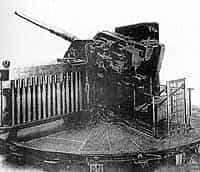
There were two calibres of post war guns, 3.7" and 5.25". The layout of newly built gun sites was slightly different to WW2 sites with the emplacements (2 - 8 guns but usually 4) laid out in a shallow arc.
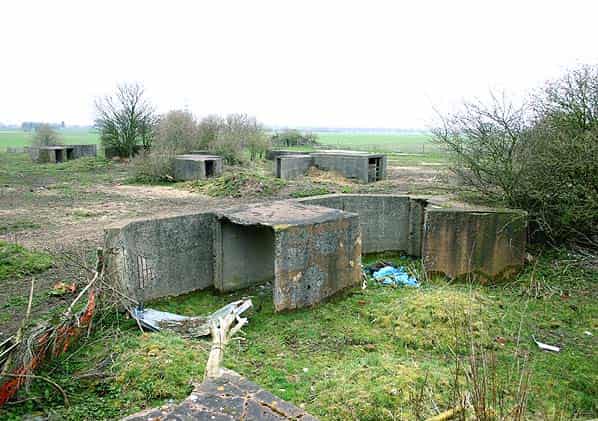
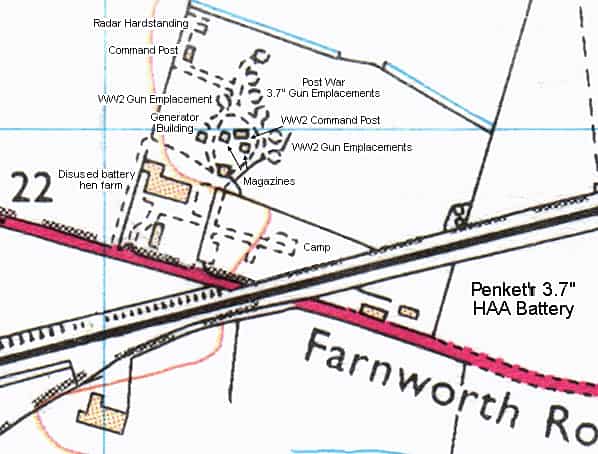
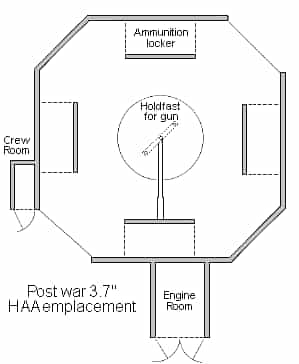
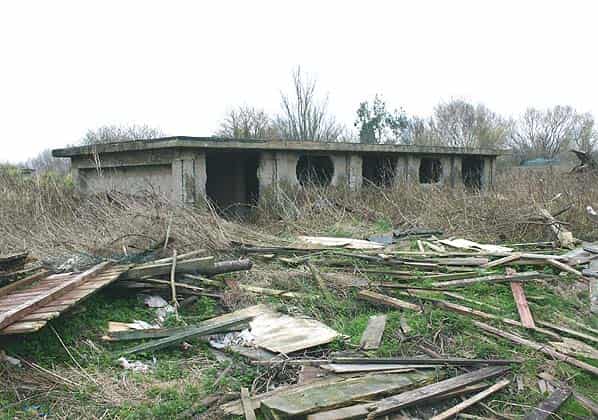
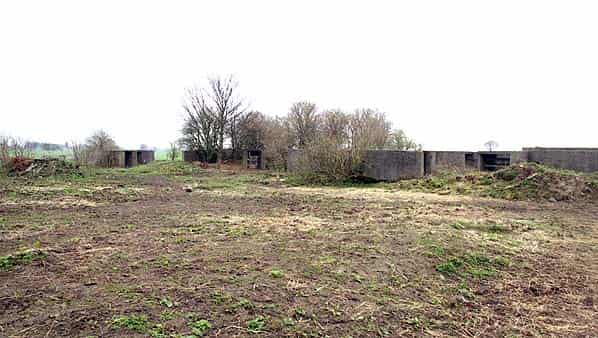
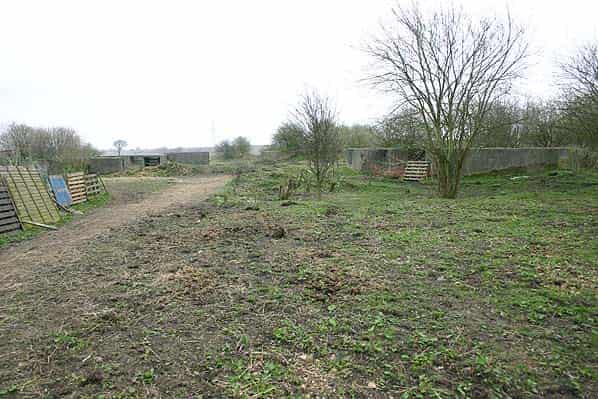
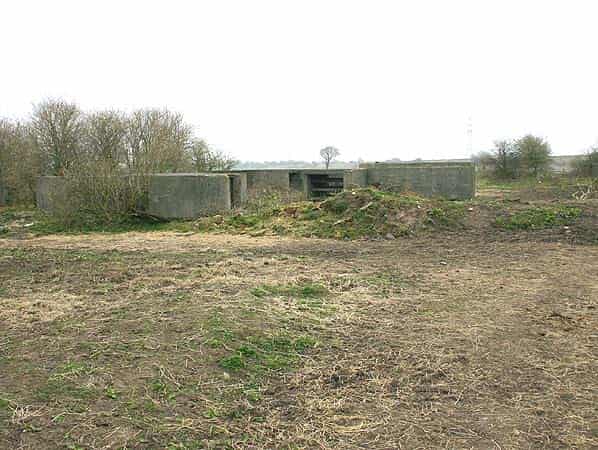
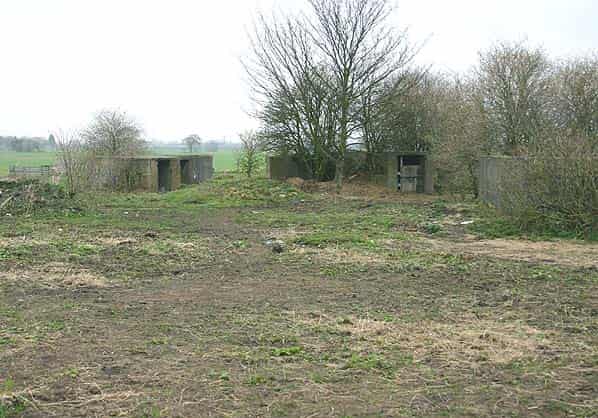
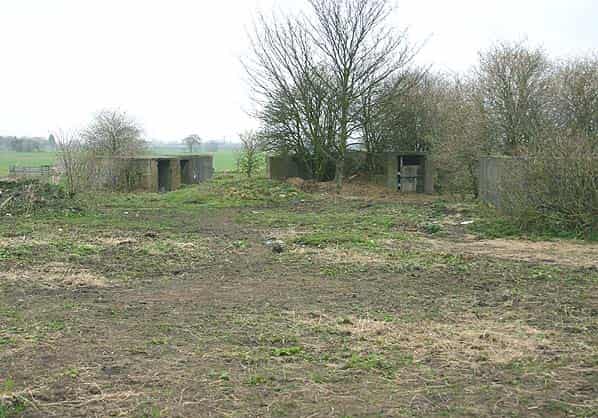
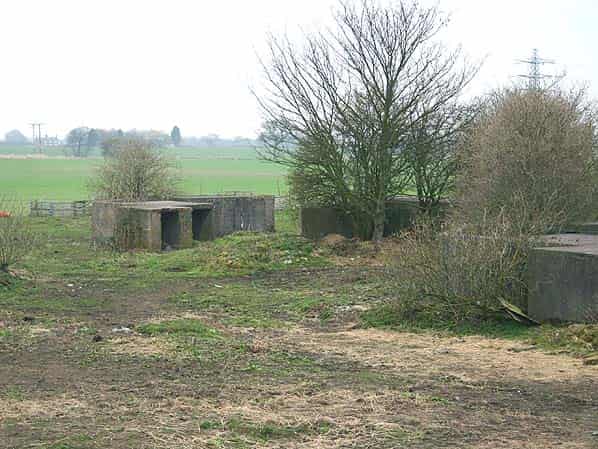
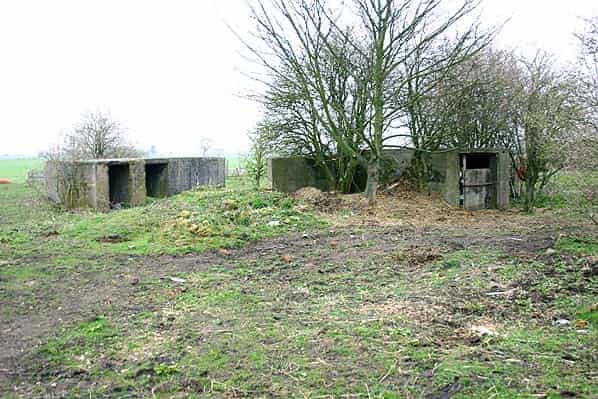
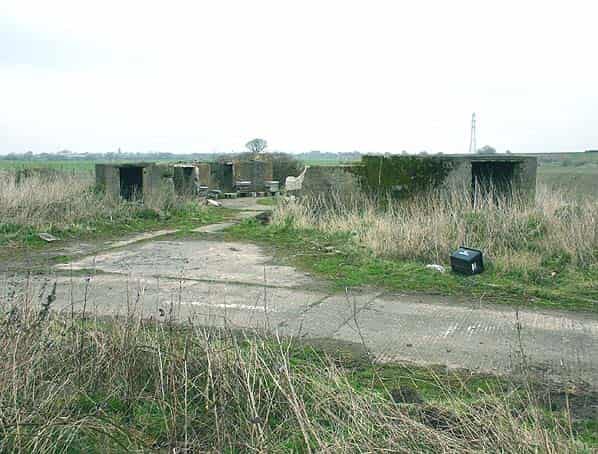
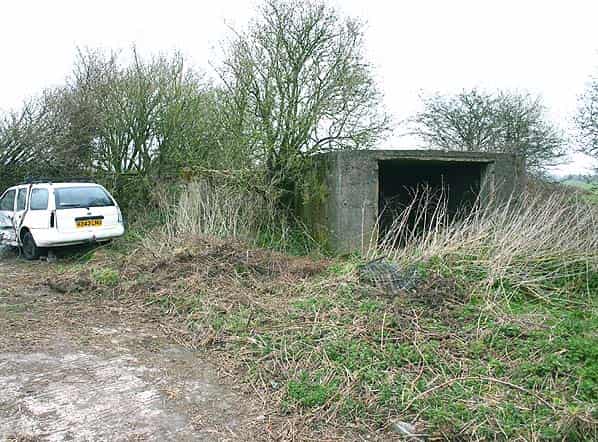
The Penketh gun site was a reused WW2 3.7" site. Four new 3.7" emplacements were provided laid out in an arc. In addition some of the earlier emplacements were modified and reused. The post war emplacements are eight sided in plan with two of the sides open for access.
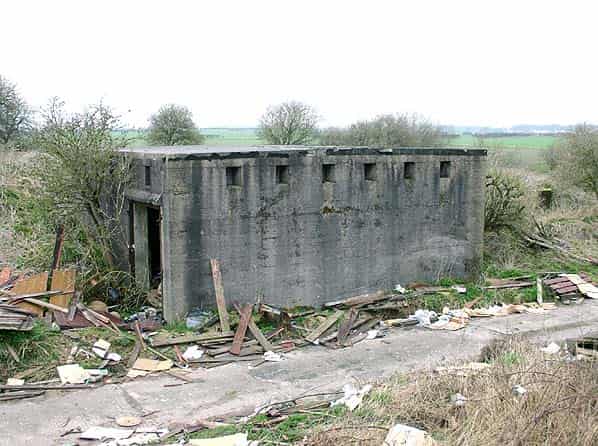
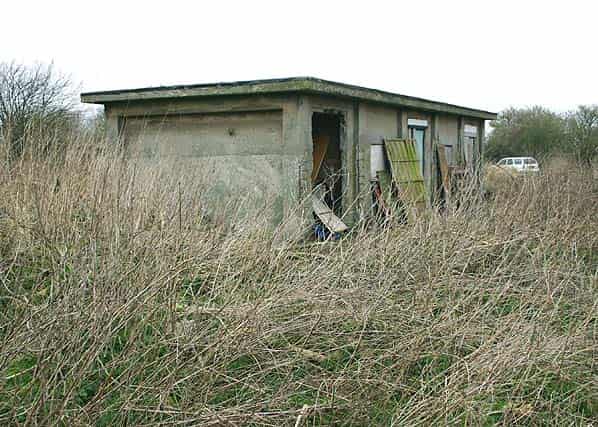
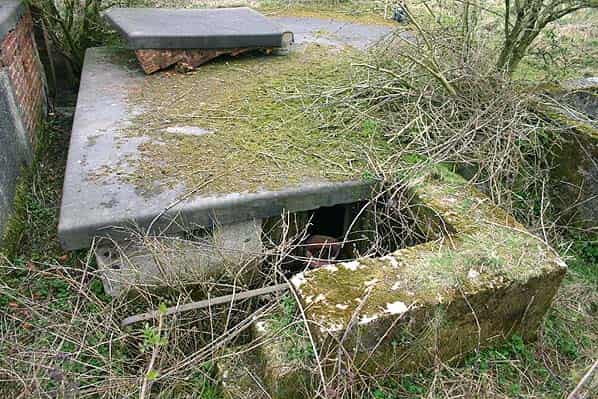
On the centre of each emplacement there is a gun mounting (holdfast) and four open ended lockers on the side walls for ammunition storage. (WW2 emplacements had six lockers) Two rooms were provided on the outside of the emplacement, one was a small crew shelter and the other an engine room with a motor driving a hydraulic pump for training, elevation and the automatic ammunition loading machinery.
In 1949 there was a proposal to develop a tactical control radar to feed data to anti aircraft gun sites. It was intended that the gun sites would be controlled remotely from the AAOR using radar data provided by two new radar sets, a fire control Radar No.3 Mk VII (Yellow River) and a surveillance Radar No.4 Mk VII which was known as Orange Yeoman, supplemented by a new No.11 Predictor.
Orange Yeoman was eventually trialled at Frodsham AAOR currently this is the only site at that it is known to have been installed at by the Army.
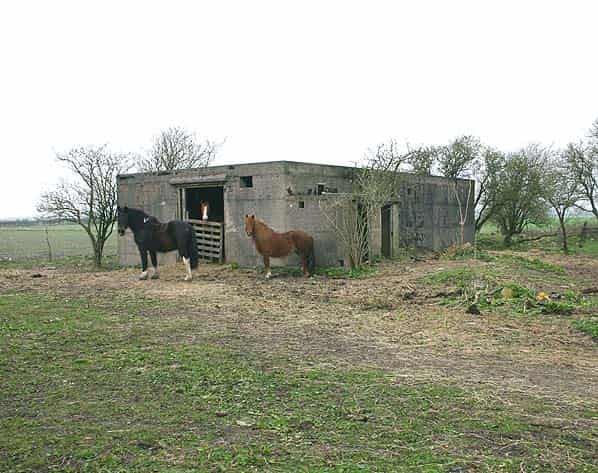
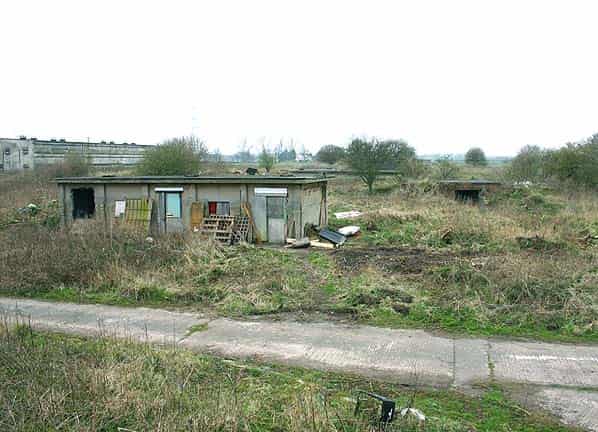
Six gun sites under the control of Frodsham were selected to take part in the trials. One of these sites was Penketh. The two WW2 magazines and generator house were reused but the original command post in the centre of the original four emplacements was replaced by a new building capable of accommodating the new No. 11 predictor. (An electro- mechanical ‘computer’, fed with radar data. After ballistic adjustments had been made i.e. (wind speed, temperature, air pressure etc.) it would predict a future position of the target which would be applied to the guns automatically as bearing, elevation, range and apply a fuse number to the automatic fuse setting machinery. Thus when fired the time of flight of the shell was taken into consideration and the shell should arrive at the same point as the target and at the same time.) This consisted of a long rectangular reinforced concrete building located some distance to the rear of the arc of four new emplacements. Two hard standings were also provided for the gun-laying radar.
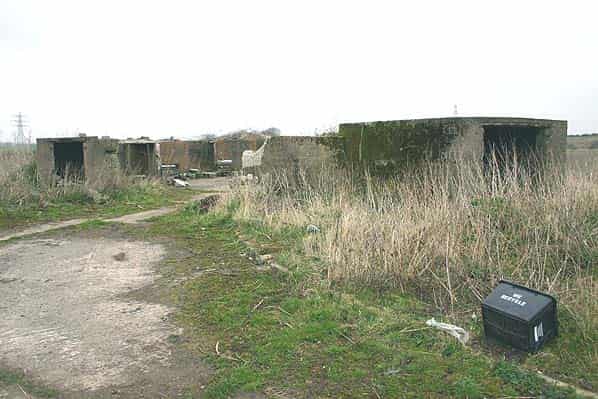
As well as the four new 3.7" emplacements, at least two of the WW2 emplacements were adapted for post war use and these were modified with a new engine room added to each emplacement.
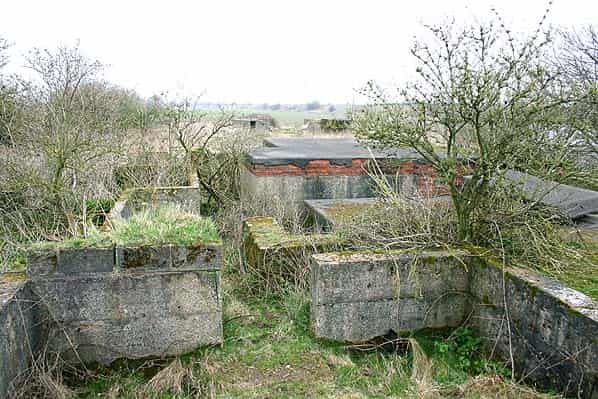
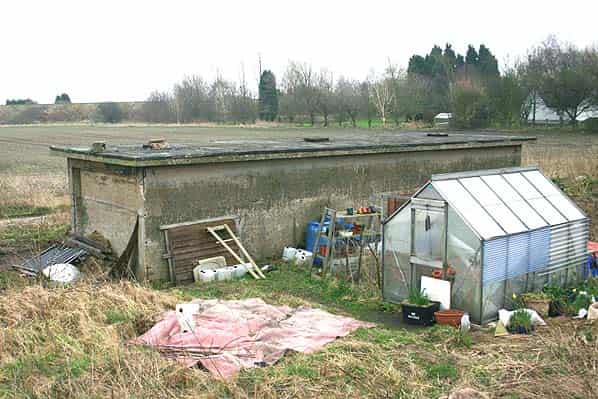
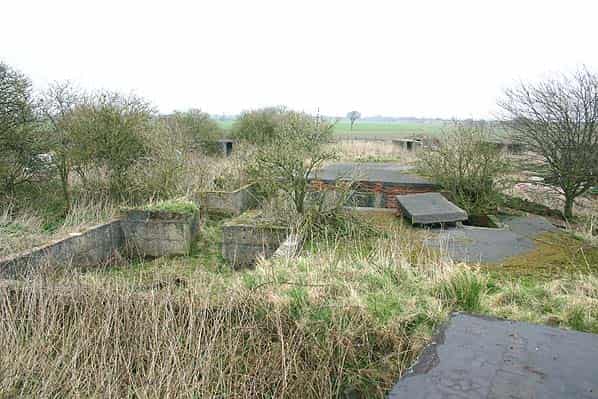
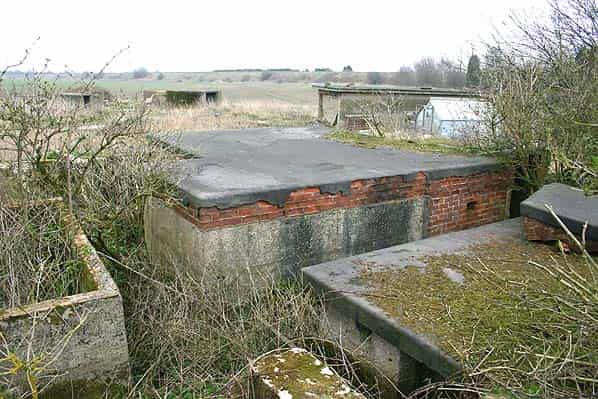
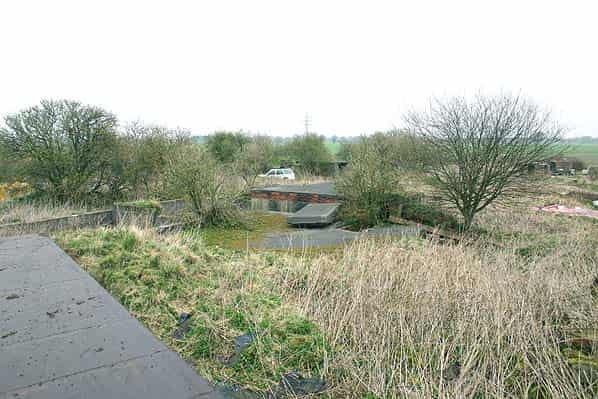
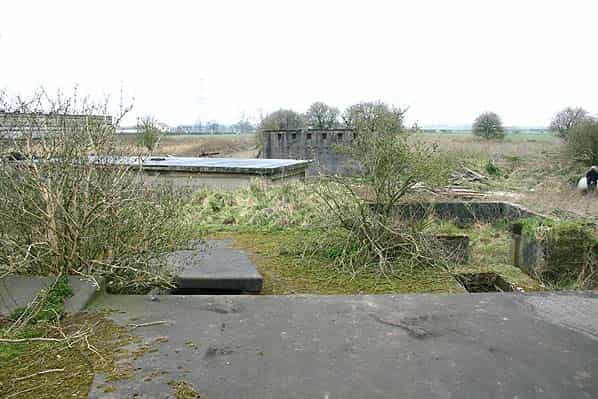
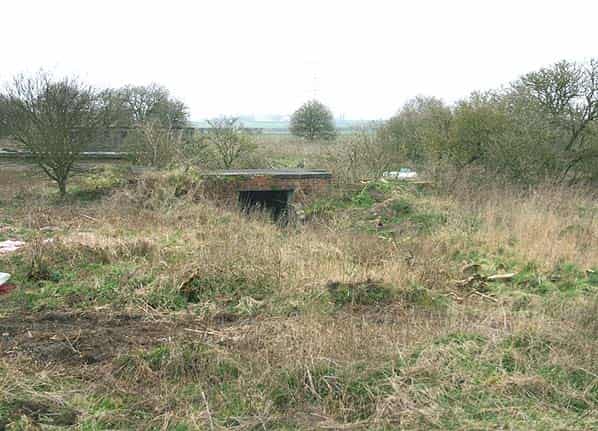
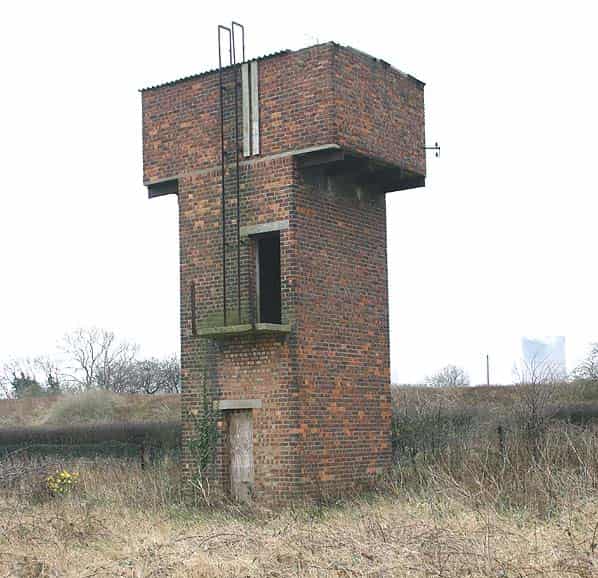
The Penketh site is largely intact and lies behind a disused two storey battery farm building. The generator house, two magazines and the original WW2 command post are derelict and the command post is partially flooded. The original WW2 emplacements are overgrown but largely intact clustered around the command post. At least two of them have clearly been converted for post war use with the addition of an engine room. This part of the site has been used for illegal tipping and is a mess. To the rear of this area are the post war emplacements and command post; this area is used by grazing horses. The command post is a stable and the four emplacements are generally clear of rubbish and in good condition. The camp on the south side of the road has been completely demolished with the exception of a brick built water tower which stands alongside the road. Numerous areas of hard standing for the huts can still be seen.
Sources:
- Keith Ward
- Bob Jenner
- Roger J C Thomas
- Cold War - Building for Nuclear Confrontation 1946 - 1989 (English Heritage)