The area of Devonport, south of the dockyard known as Mount Wise is rich in history and military remains. Very briefly, the founding of the dockyard in the 1690’s dictated the areas history from then on. During the early 18th century defensive works, known as ‘Dock Lines’ were built outside the dockyard walls, encircling them and enclosing an area of housing to the north and Mount Wise to the south. The lines consisted in the main of a wide deep dry ditch that ran from Stonehouse creek in the south to the Hamoaze in the north.
A redoubt was built at the summit of the ridge that ran across Mount Wise and a series of gun batteries were laid out to protect the dockyard and to prevent access to the Hamoaze from Plymouth Sound. This redoubt later became a naval signal station, equipped with a shutter telegraph connecting to the Admiralty in London. A military barracks and a laboratory were built behind the redoubt.
Until the late 18th century, Military control of the Plymouth Garrison was vested in the Military Governor, who resided, with his deputy, in the ‘Citadel’ to the east of Plymouth Hoe.
Naval control was exercised by the senior Admiral present in the Hamoaze anchorage from his Flagship. The dockyard was under the supervision of an Admiral Superintendent who resided in the dockyard.
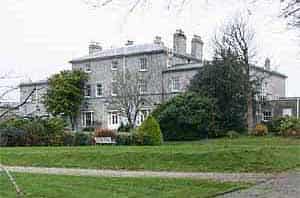
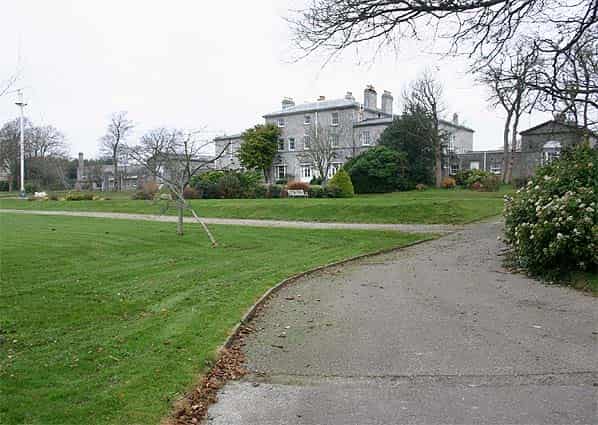
This changed, with the building at Mount Wise of a new Government House for the Military Governor and at the beginning of the 19th century Admiralty House, for the Port Admiral who had moved ashore from his Flagship.
The post of Military Governor was abolished in 1842. Government House was then occupied by the army GOC, Western District. By 1915, the military presence on Mount Wise was diminishing with the removal of the Western District (by now Wessex District) to Salisbury, Wilts and the transfer of the whole of Mount Wise, including the redoubt, to the Admiralty. Government House now became Admiralty House, residence of the naval Commander in Chief (C in C), Plymouth and the old Admiralty House became Hamoaze House, later HQ of the Major General, Royal Marines until 1993. On 8th November 1943 the Americans set up the United States Advanced Amphibious Base at Queen Anne’s Battery, Plymouth. The Commanding Officer, Captain C F M S Quimby USN occupied Hamoaze House together with Admiral Moon,USN until September 1945 when the base was decommissioned.
Prior to the outbreak of World War 2 in 1937, proposals were made for a protected joint service HQ in the dry ditch near to Hamoaze House consisting of a single storey structure with a 20 ft concrete and shingle overburden.
By 1939, this plan had been widened to provide an Area Combined HQ (RN & RAF) at the following locations:
- C in C Plymouth at Mount Wise
- C in C Portsmouth at Fort Southwick
- Flag Officer Rosyth at Pitreavie Castle
- C in C Nore at HMS Pembroke (post war HMS Wildfire)
These HQ’s, built to withstand a direct hit by a 500lb bomb, would house the Naval and Air Force commanders together with an army representative. Also accommodated, would be the Fortress Defence HQ (Coastal Artillery) and Air Defence HQ (Anti Aircraft Artillery)
Construction began in 1939 at Mount Wise on the previously chosen site in the dry ditch, but the plan was now for a two storey structure. As an interim measure, a temporary combined HQ was set up in Eggbuckland Keep, an early fortification in northeast Plymouth, together with the Fortress Defence HQ.
The naval command at this stage was C in C Plymouth and Western Approaches. A decision had already been made to re-locate Western Approaches HQ to a safer and more central location, initially to be on the Clyde the final choice was Liverpool where Derby House had been taken over and strengthened , opening on 17th February 1941,with the appointment of Admiral Sir Percy Noble as the first C in C Western Approaches and following the decision to split the command, the transfer to Derby House of No 15 Group, RAF Coastal Command from Lee on Solent under the command of Air Marshal Sir L H Slatter
This transfer of function resulted in work at Mount Wise being halted at the half-way stage, however, in view of the large costs already made and in anticipation of the return to Plymouth of Western Approaches HQ post war, it was decided to complete the project as a protected HQ for C in C Plymouth and Fortress Defence HQ. It was fully complete by early 1941and contained the following:
- C in C Plymouth
- Fortress Defence HQ
- AA Gun Operations Room (GOR)
The Fortress Defence, Fire Control moved, in 1943, to Wembury Battery where it remained until the end of the war. The GOR moved to Eggbuckland Keep at the same time, moving on to Crownhill Fort in 1948.
By 1942 planning for D Day was well underway. An outcome of this was the requirement for a series of protected tactical communications facilities at a number of strategic locations to serve all allied commitments.
At Mount Wise this resulted in the construction of a series of underground tunnels beneath the lawn of Admiralty House by 695th Artisan Works, 172nd & 178th Tunnelling Companies, RE and 99th & 828th Pioneer Companies, PC.
Blasting began on 15th December 1942 (disturbing the C in C in the adjacent Admiralty House) however technical problems and some minor subsidence of the Admiralty House lawn, temporarily stopped work during March 1943. Work was recommenced on construction and fitting out until the spring of 1944 when the tunnels finally became available.
Known as the Plymouth Underground Extension (PUE) it held radio, telephone, telegraph and voice frequency (vf) terminals connected to, among others:
- Army Command and District HQ’s
- Adjacent US Army/Navy HQ’s
- Surrounding naval Sub HQ’s
- Combined HQ’s Portsmouth/Western Approaches
- RAF Command & Group HQ’s
- RAF SW & NW Switching Centres
- Trafalgar & Rotunda SAC exchanges in London
- Government Communications Centres at Cheltenham/Bletchley Park
- US Transportation Centre, Plymouth
- SW Airfields, Radar & Radios Stations
- City & County Police/Fire/Civil Defence Controls
Following the successful Invasion of Europe and the cessation of hostilities the main Bunker continued as HQ C in C Plymouth.At the end of the war, No 15 Group, RAF Coastal Command was disbanded on 1st April 1945 and when the second and last C in C, Western Approaches, Admiral Sir Max Horton retired on 15th August 1945. Western Approaches ceased to exist as a separate command with the function, if not the title, returning to the C in C Plymouth. The Tactical School also closed.
On 4th April 1949 NATO was formed, one result of which, was the UK, C in C, Plymouth. becoming double hatted as NATO, C in C, Eastern Atlantic. Which roughly corresponded to the old western approaches area.
In 1951, while the C in C, Plymouth and his staff were fully occupied implementing the new NATO commitments, Captain G Roberts. RN, the officer responsible for the setting up and running of the Western Approaches Tactical School at Exchange Buildings, adjacent to Derby House, was sent for, to evaluate, update and re-organise the Mount Wise HQ, now entitled ‘Maritime HQ, for its new expanded duties.
In 1955 some blast protection was added to the entrances and ventilators.
From 1951 to at least 1961, Mount Wise, was HQ of C in C Plymouth in both of his roles and contained the following elements:
Joint Operations Room
Upper Floor (glass fronted cabins)
- Flag Officer/Chief of Staff
- Air Officer Commanding/Senior Air Staff Officer
Lower floor
- Naval & Air plotting tables
- Naval State Boards Air State Boards
- Convoys Aircraft Availability
- Independents Aircraft Task Board
- Enemy Submarines
- Own Naval Forces
- Task Force Organisation
- Duty Naval Commander With Switchboard with direct communications to Adjacent MHQ’s each local sub area command and all RAF radar stations in area.
- RAF Controller Direct communications to AOC/SASO. Group Captain 15 Group. Joint Intelligence Section, MET Officer. Duty Signals Officer and main floor of Joint Ops Room.
Elsewhere
- Intelligence Office
- Naval Records Section To log and file incoming/outgoing operational information Air Records Section As above
- Shipping Section: 1) Shipping Room 2) Shipping Movements and records room. To liaise with civilian and military authorities to Provide up to date picture of Merchant Shipping
- Mine Counter Measures
- Operations Room
- Civil Defence Section - provides general picture of civil defence situation in are/sub area and to keep shipping informed of fallout conditions
- Meteorological Section
- Communications Section Provided joint signals facilities
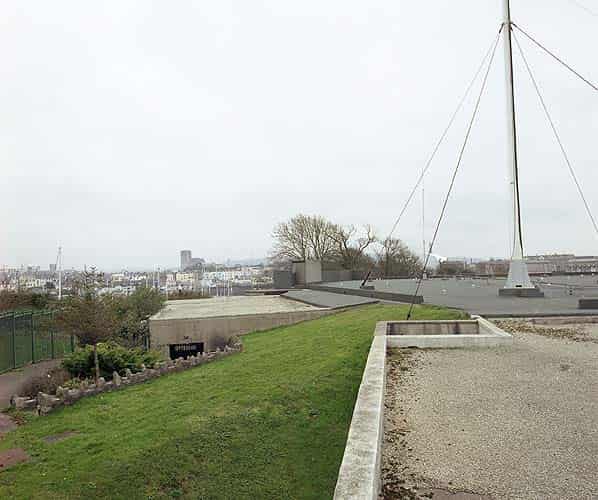
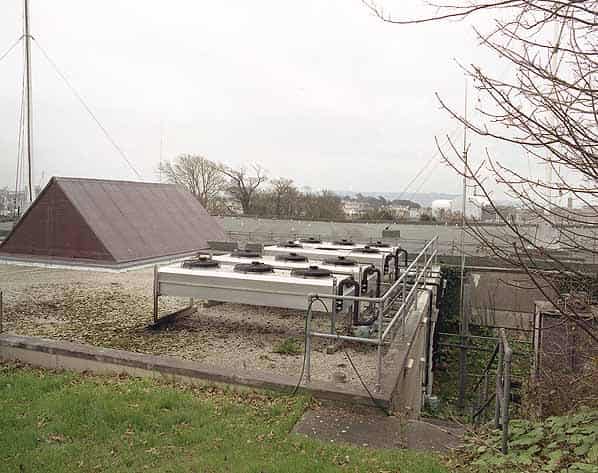
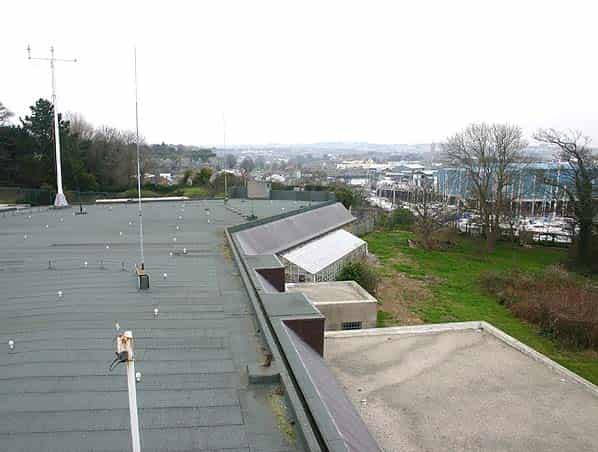
The roof of the MHQ provided an aerial farm for many antennae and a direct microwave link to the naval wireless station at Fort Staddon.
The location and manning of the Intelligence Office raised several problems, not the least of which was the shortage of experienced officers for intelligence work. With the authority of the Admiralty, Roberts recruited RN Volunteer (Special) Reserve [RNV(S)R] officers with war experience together with senior and junior rates to provide a fully trained staff to man the HQ during any emergency, resulting in Roberts being appointed ‘Captain RNR’ in charge of Maritime Headquarters Reserve, HMS Vivid.
By the mid 1980’s it was recognised that the MHQ was completely out of date with regard to modern NBC standards and consideration was given to completely rebuilding the PUE as a modern self-contained state of the art complex. Investigations showed that the cost of this would be prohibitive therefore the existing MHQ would undergo a complete overhaul and update to modern standards.
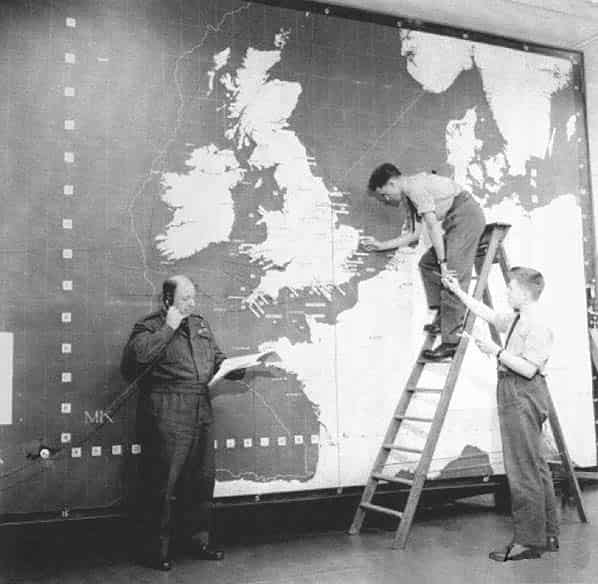
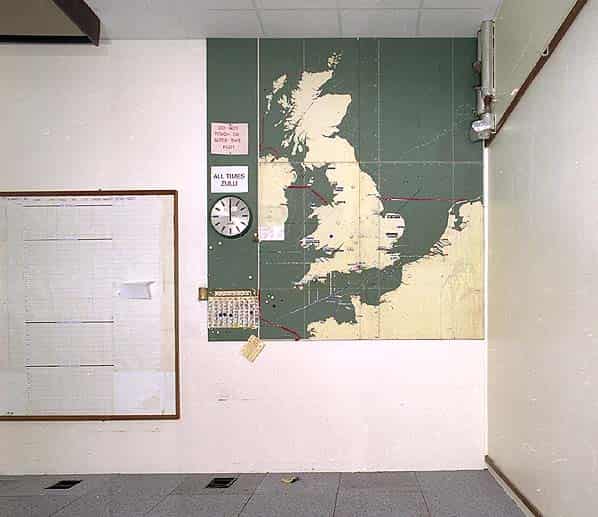
But first, starting in 1985, an interim upgrade was commenced with a new computer based system replacing the old WW2 wall maps and plotting practices. During this period the two level joint operations room was reduced to one level by the insertion of a false ceiling and the blanking off of the glass fronted cabins known as the ‘Eagles Nest’. Further updates of the computers occurred during 1988.
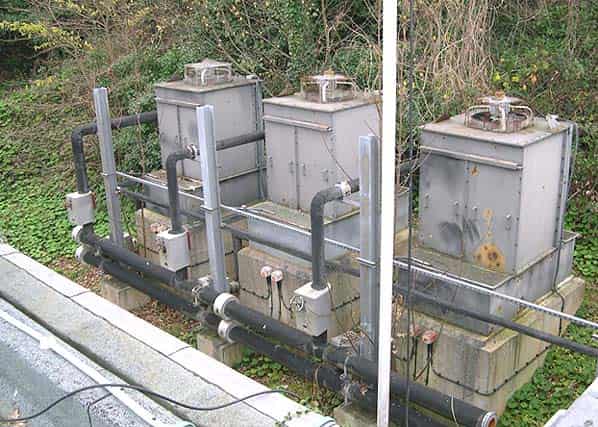
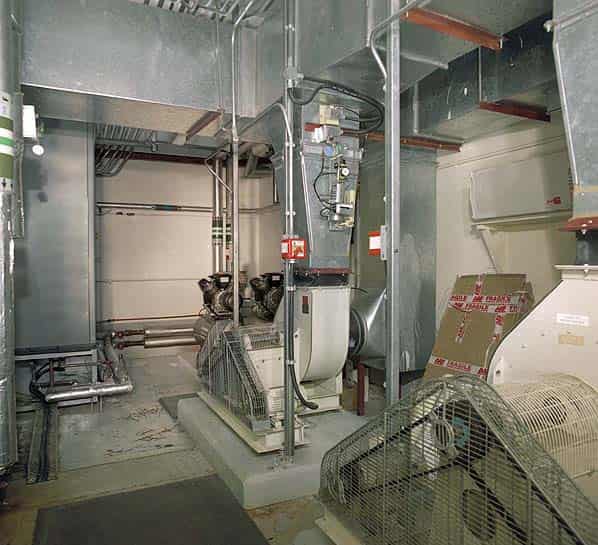
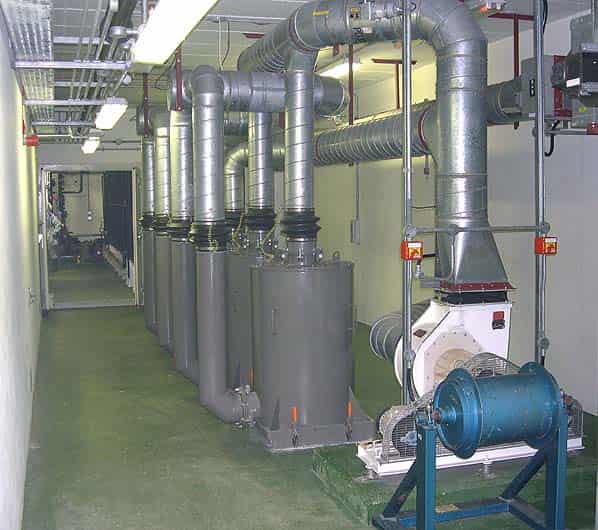
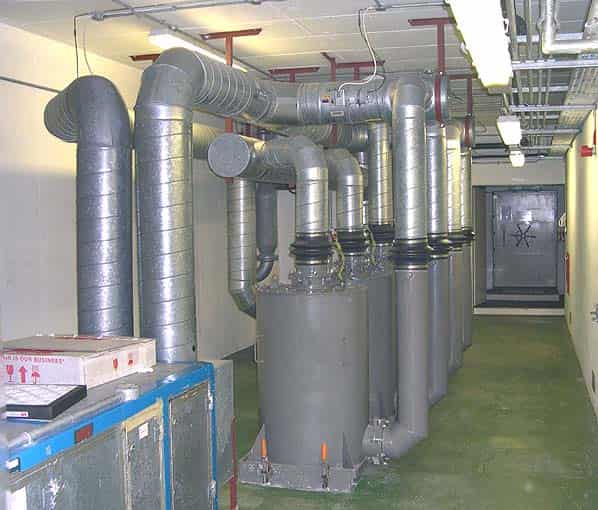
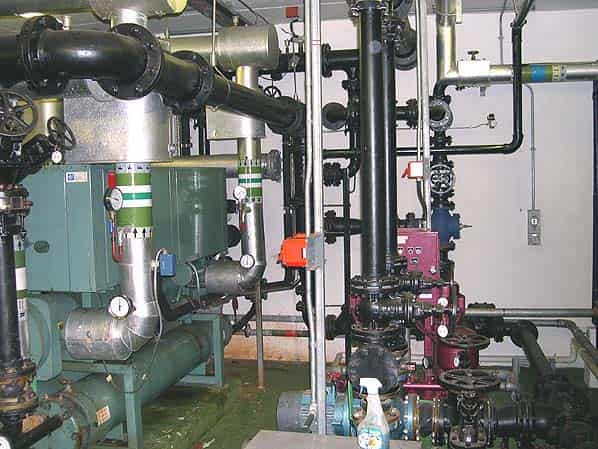
It was during 1990/91 that major building work was undertaken. New diesel generators, fuel tanks and electrical services were re-sited in the unused tunnels of the PUE with new modern ventilation, air conditioning and filtration plant being located between the MHQ and the PUE. This resulted in the old generator plant room at the end of the C in C’s garden becoming disused. Also at this time, the entrance tunnel that emerged outside Hamoaze House was blocked and sealed along with several areas of the tunnels that had become unsafe, backed filled and secured from the complex.
Post war, the MHQ remained the HQ of the C in C Plymouth until that post, together with that of C in C Portsmouth, was subsumed into the post of C in C Naval Home Command based in Portsmouth. The two C in C posts were re-graded as Flag Officers. The C in C Home Fleet had moved ashore to HMS Warrior at the old RAF Coastal Command HQ at Northwood on the outskirts of West London. The C in C Home Fleet was re-titled C in C Western Fleet before becoming, in 1971, C in C Fleet. In 2004 C in C Fleet relocated from Northwood, which by now become UK Permanent Joint Headquarters, to a brand new purpose built HQ on Whale Island (HMS Excellent) in Portsmouth Harbour thus drawing previously dispersed elements together on one site. This new HQ is an administration HQ. Command remains at Northwood.
Upon the abolition of the post of C in C Plymouth, the MHQ became the HQ of Flag Officer Plymouth until, in turn this post went and the whole of the dockyard and barracks become HM Naval Base, Plymouth, under the command of a Commodore, who is answerable to the Chief of Fleet Support at Bath. The naval base is also known as HMS Drake, previously the name of the barracks only. Other users of the base are:
- Flag Officer, Sea Training (FOST), responsible to C in C Fleet
- Commodore, The Development Flotilla, local representative of C in C fleet
- Captain, 2nd Submarine Squadron (SM2) with 7 Trafalgar class submarine answerable to Flag Officer, Submarines at Northwood
- Southern Diving and Explosive Disposal Unit
Various lodger units have occupied the MHQ since the 1950’s, including RAF Rescue and Coordination Centre (South). This unit also occupied its own HQ at RAF Mount Batten. HMS Vivid relocated to its present location, within the dockyard walls at Granby Gate in 1996.
A military Nuclear Reporting Cell was established in the 1960’s, staffed by RAF/ROC personnel; it provided fallout information to the MHQ and remained in operation until about 1993.
During May 2003 the Devonport Communications Centre (Commcen) made a temporary move into the MHQ to enable their dockyard base to be refurbished and modernised.
When they returned to the dockyard at the end of 2004 the MHQ finally became empty and surplus to requirements and was handed over to Defence Estates for disposal and through whose good offices our visit was arranged.
DESCRIPTION OF THE MARITIME HEADQUARTERS & PLYMOUTH UNDERGROUND EXTENSION IN DECEMBER 2004
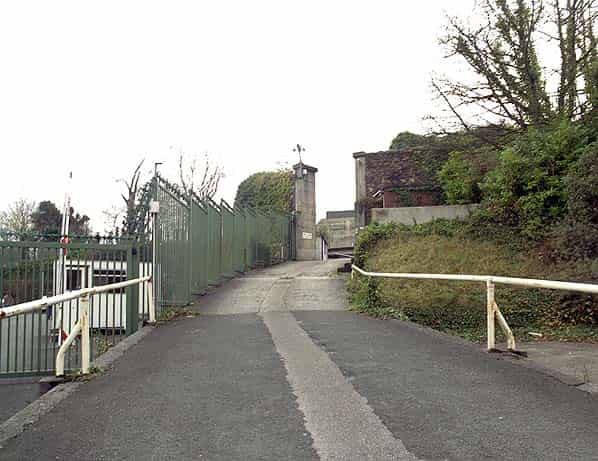
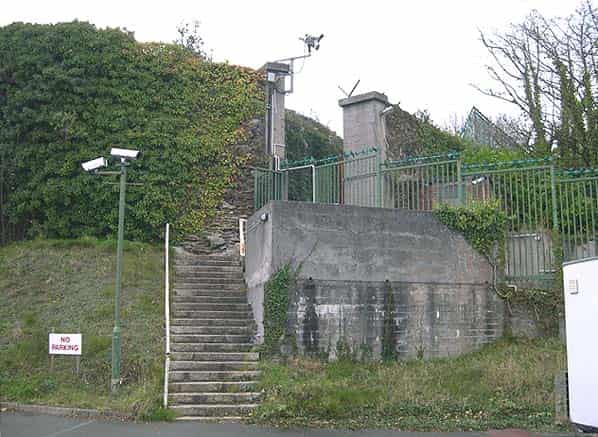
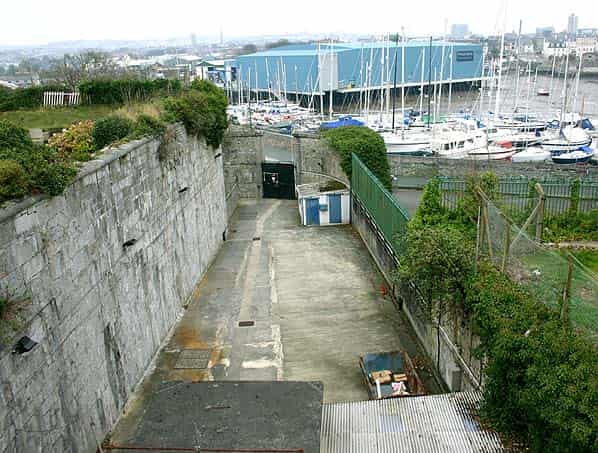
The main entrance into the Maritime Headquarters (MHQ) at the Mount Wise complex is in Richmond Walk, on the south west side of Plymouth overlooking Stonehouse Creek. The Maritime headquarters was built within an existing deep dry ditch at one end of the ‘Dock Lines’ built to defend Plymouth in the 18th century.
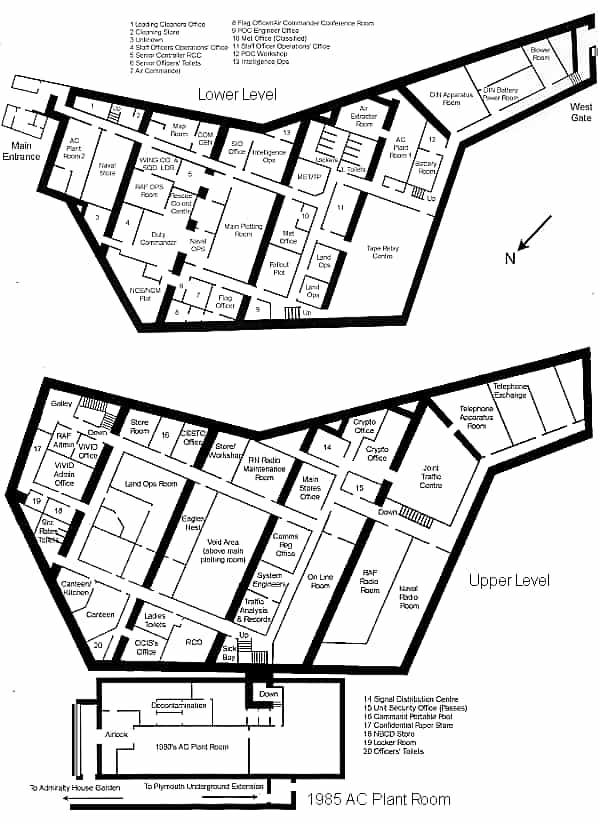
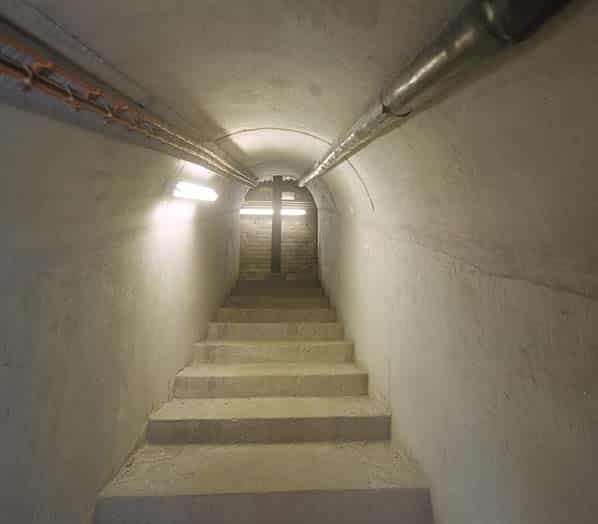
The MHQ consists of complicated nine sided two level bunker built within the dry ditch. The land to the south east of the dry ditch is lower than that to the north west so the back of the MHQ is completely below the top of the ditch while at the front the upper storey is exposed. Behind the MHQ and beneath the lawn of Admiralty House a network of underground tunnels approximately sixty feet below ground called the Plymouth Underground Extension is connected to the MHQ by an inclined tunnel and steps.
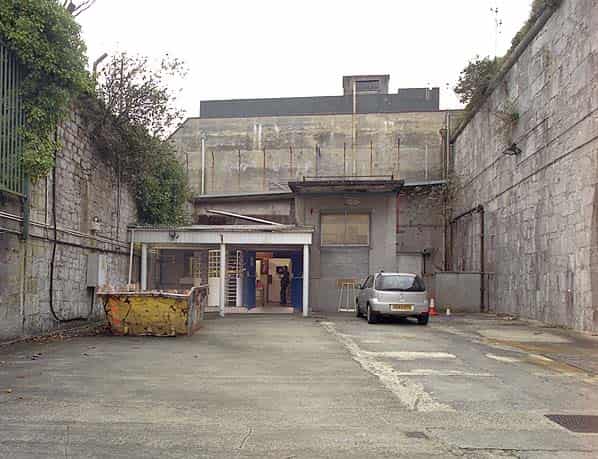
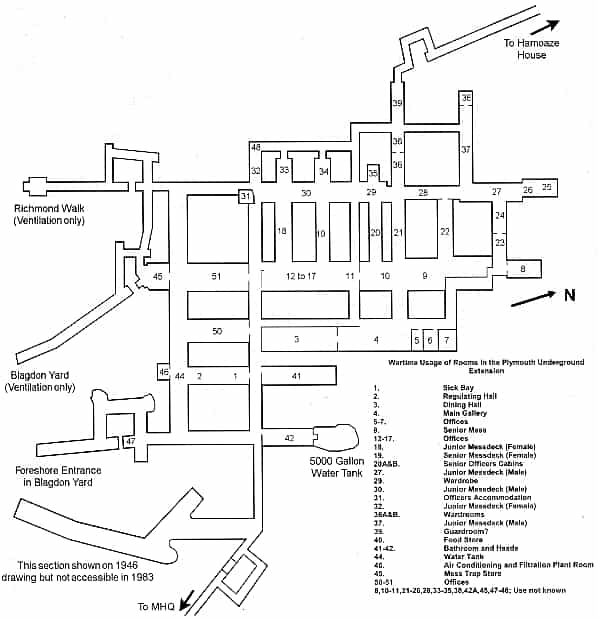
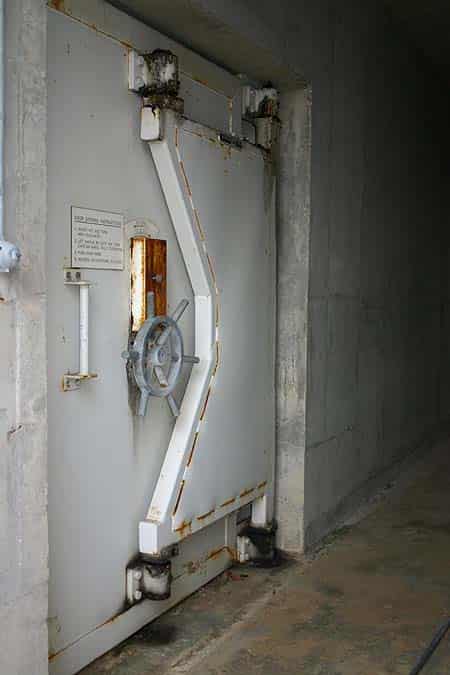
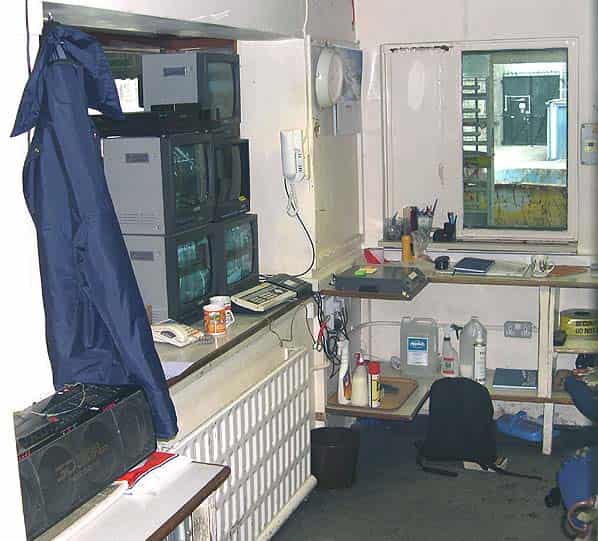
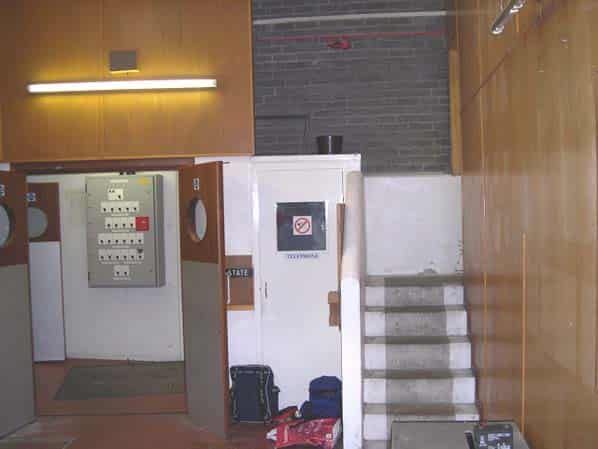
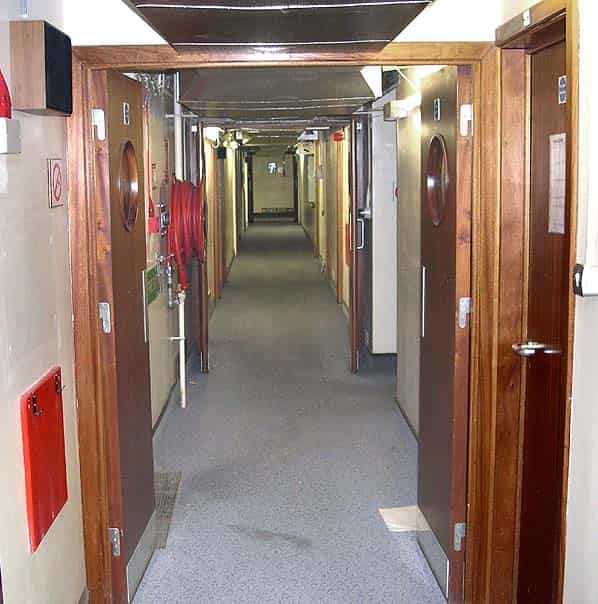
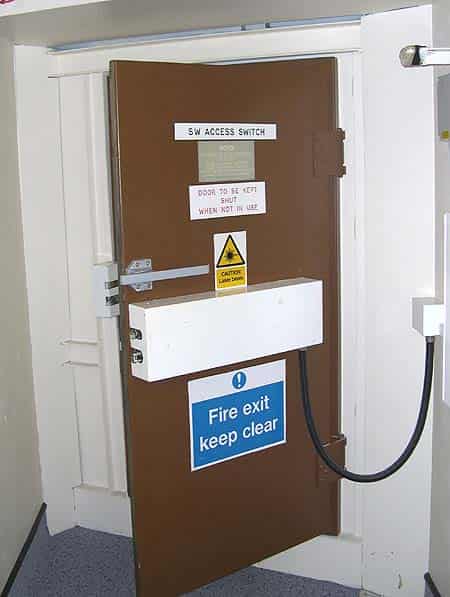
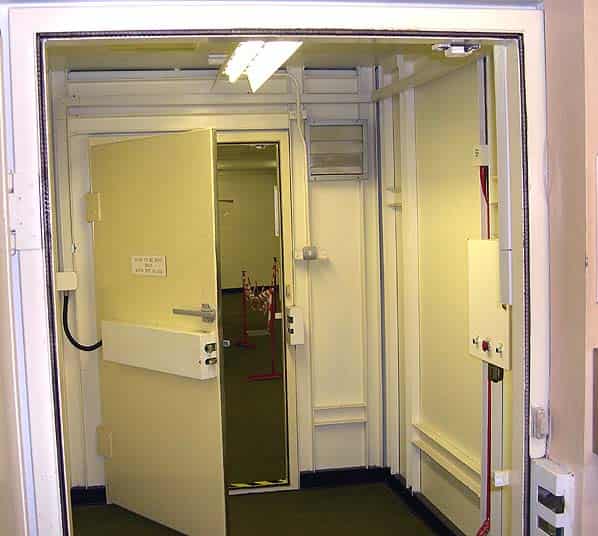
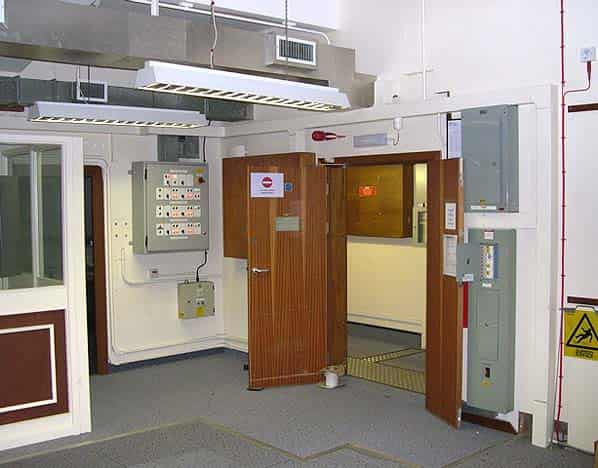
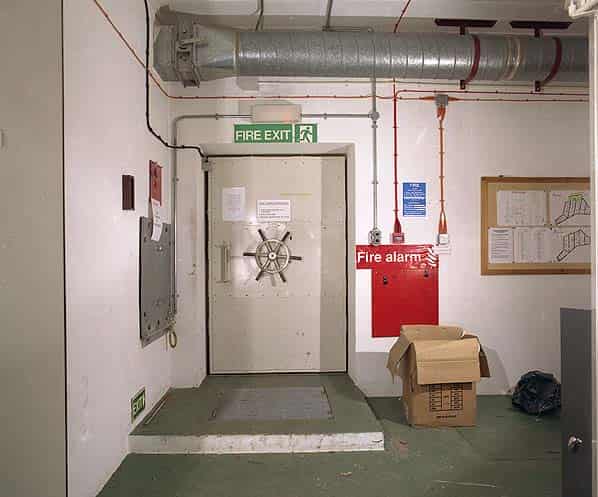
From Richmond Walk a steep road passes the car park and leads through an arch through gates to an inner courtyard at the end of the dry ditch. At the back of the courtyard is the main entrance to the MHQ with two turnstiles and beyond a guard room. Steps from the guardroom lobby lead up to the armoury and a workshop. From the lobby there is an airlock into the lower floor of the bunker. Reference to the plans will illustrate the complexity of the room layout of the bunker.
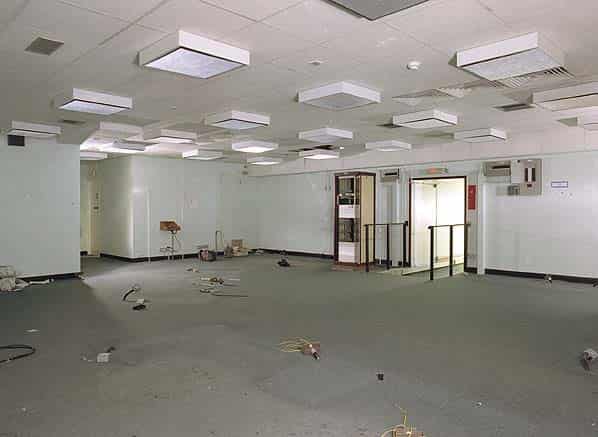
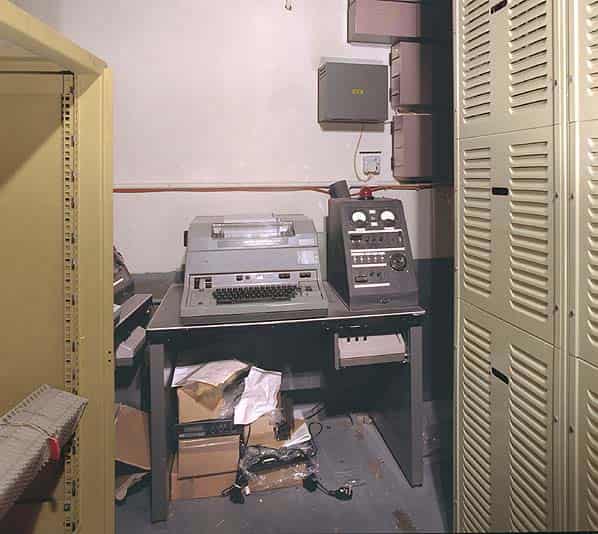
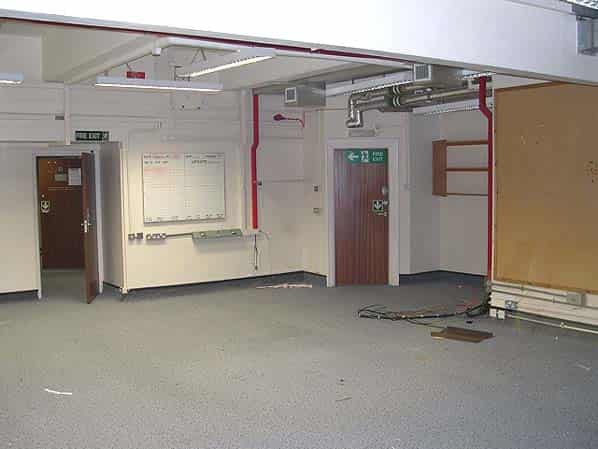
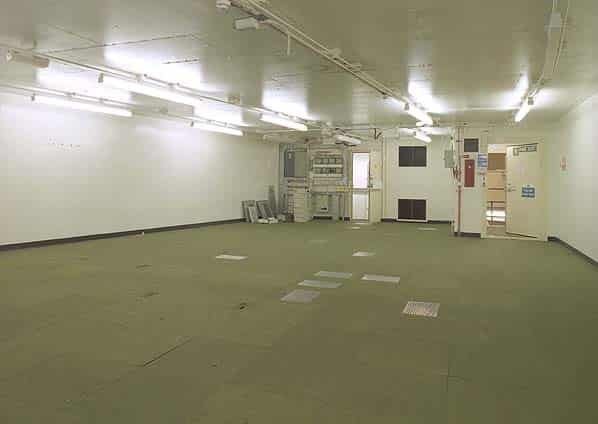
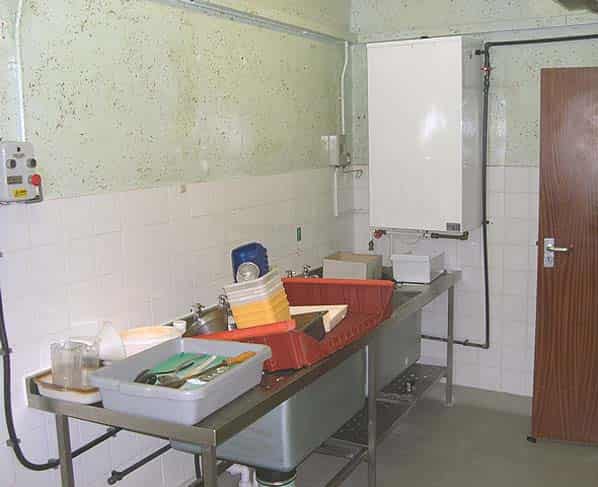
At the time of our visit in December 2004, many of the rooms have been completely stripped of original fixtures and fittings ready for disposal but all of the plant and equipment in the BT/GPO frame room is still intact and in use. Other equipment rooms have been partially stripped.
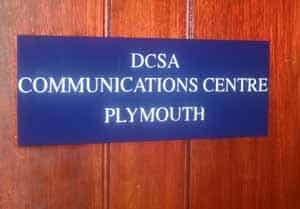
Much of the remaining equipment and plant dates from the 1990/91 refit with some alterations being made when the Devonport Communications Centre moved into the MHQ in May 2003 when one of the larger rooms on the lower flow was refitted as their Commcen. This room has been stripped bare apart from a number of wall boards relating to ‘broadcasts’ and on the door DCSA Communications Centre Plymouth (DCSA is Defence Communication Services Agency). One equipment rack is also still in place.
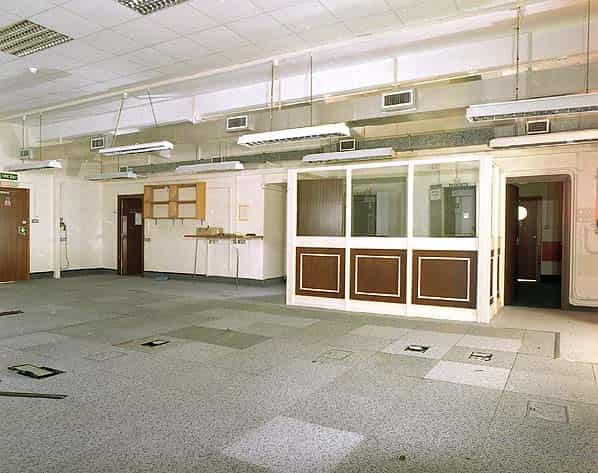
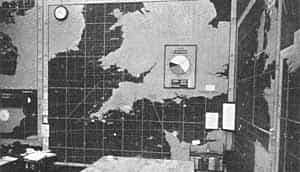
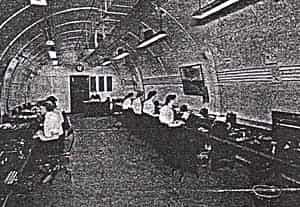
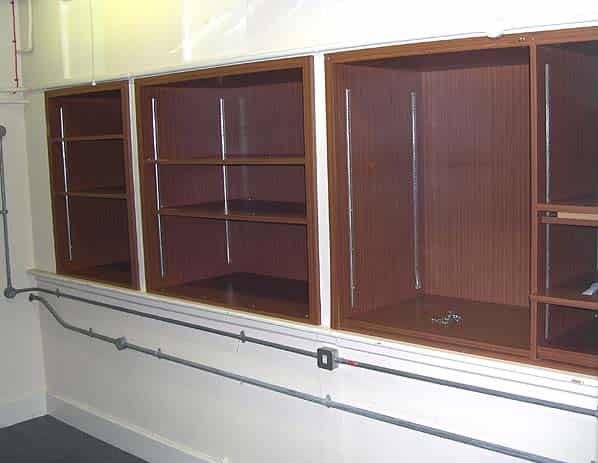
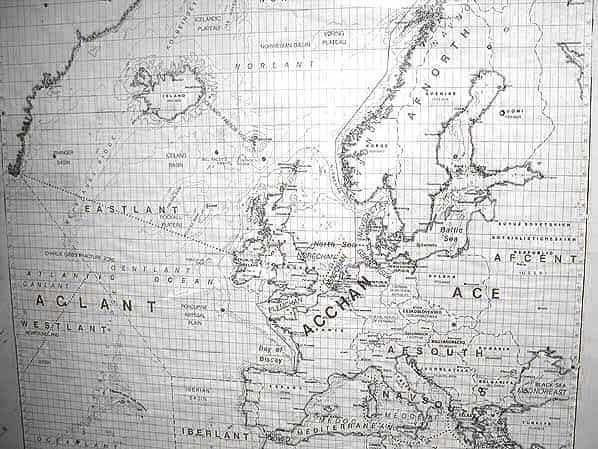
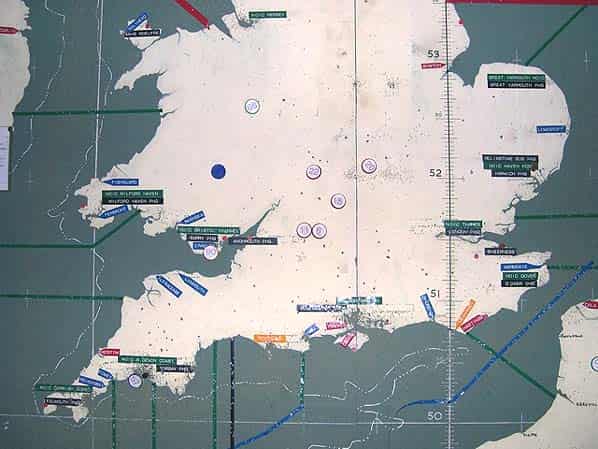
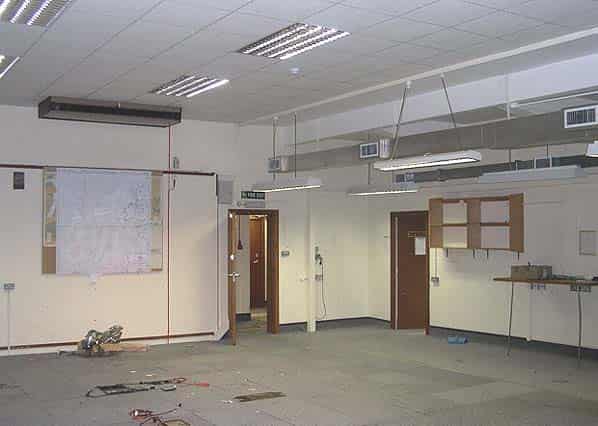
The heart of the bunker was the joint operations room which, as built, spanned both floors with three glass fronted cabins projecting into the upper level on a gallery overlooking the two large wall maps. During the 1985 refit a false ceiling was inserted reducing the height of the room to one level. On the upper floor the glass fronted cabins known as the ‘Eagles Nest’ have had the glass walls paneled to form a series of cupboards within the three rooms.
It is not possible to enter the void above the false ceiling. On the lower floor below the blanked off cabin, a single glazed cabin remains in place with sound proofed telephone facilities, it is unclear if this is retained from the original room or is a new structure. At one side of the room a number of ceiling panels have been removed and it possible to see one of the original wall maps still spanning both floors. The main map of Europe also spanned both floors and was located in front of the cabins. This original map appears to be still in place having been cut down to a smaller size to fit the reduced height of the room.
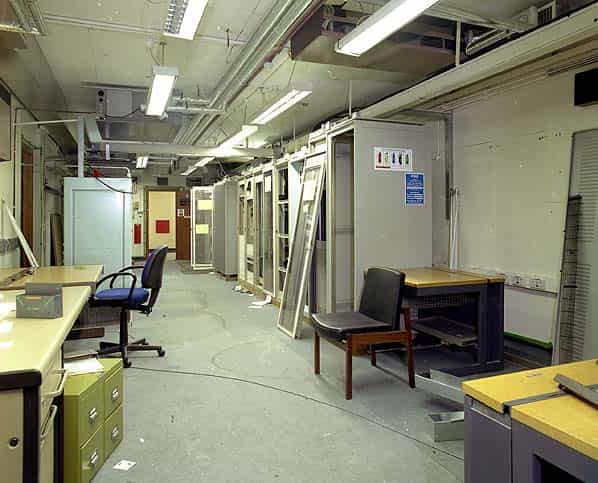
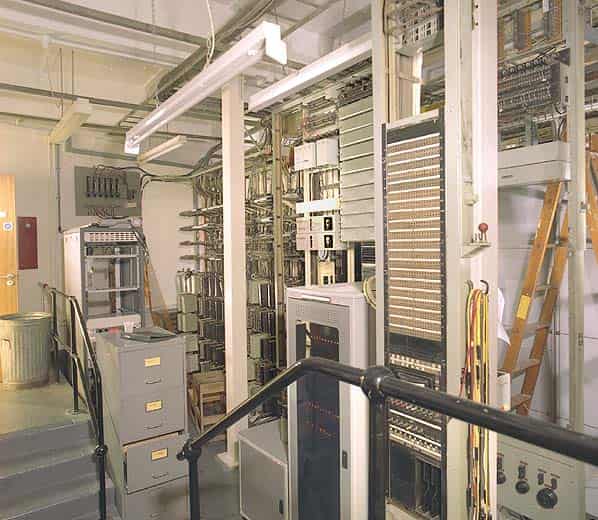
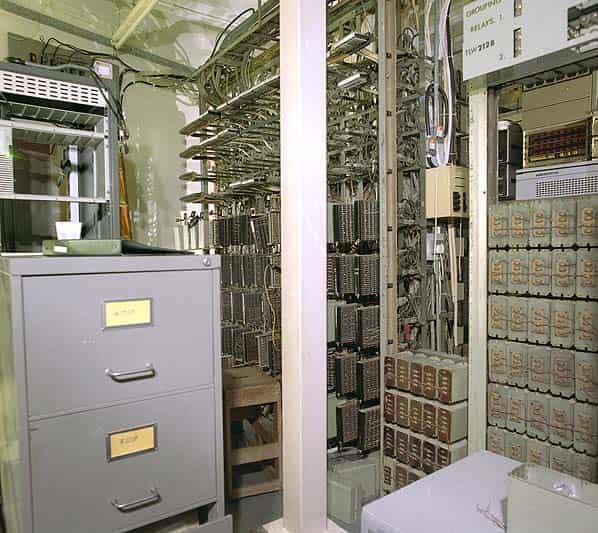
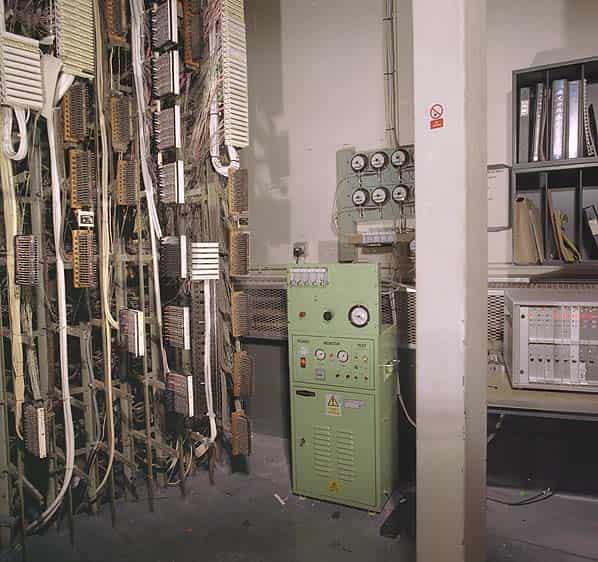
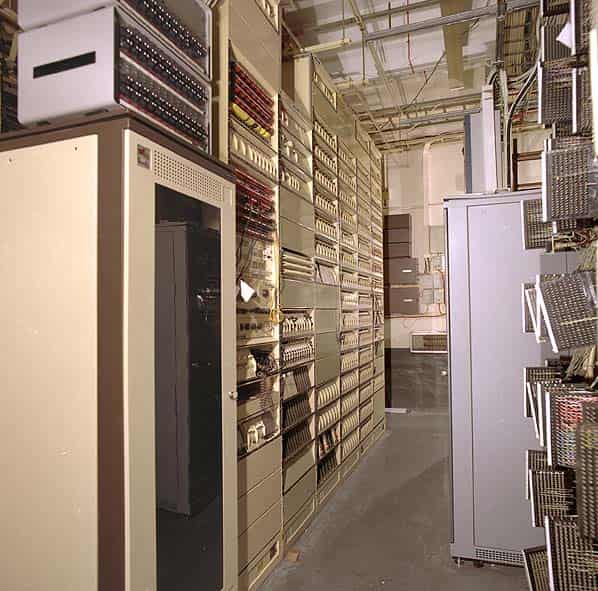
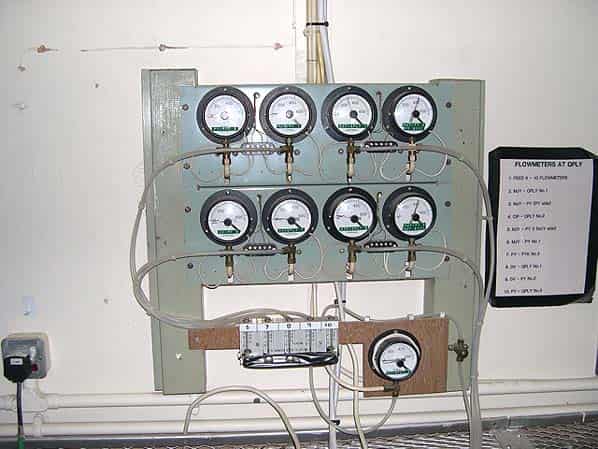
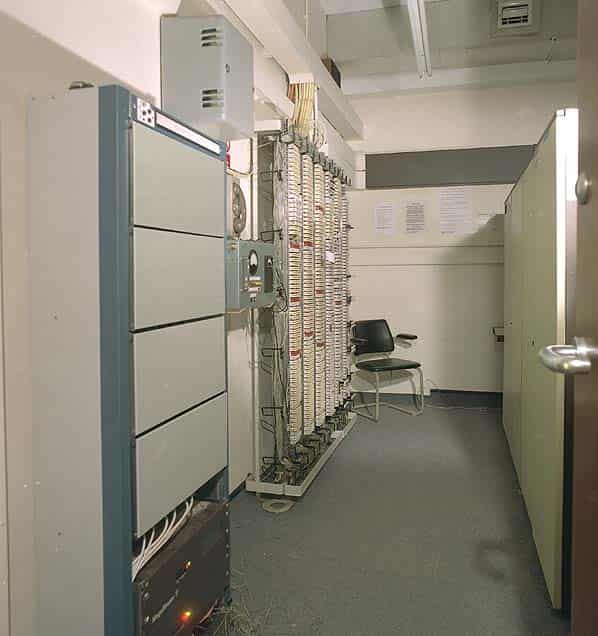
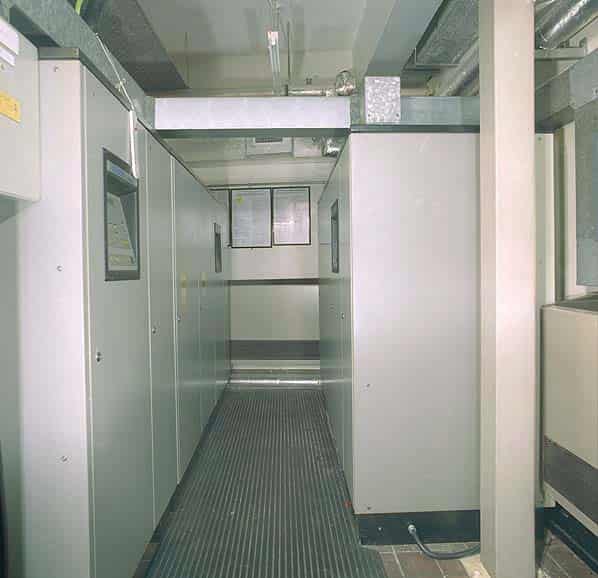
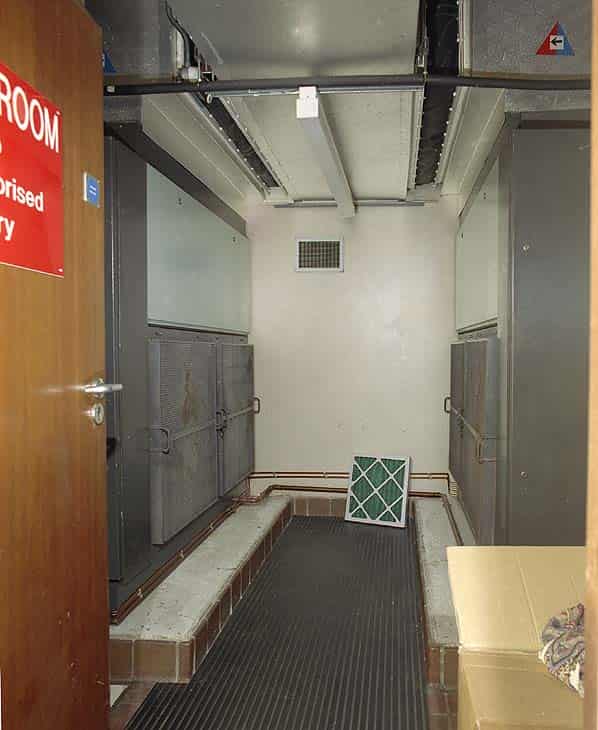
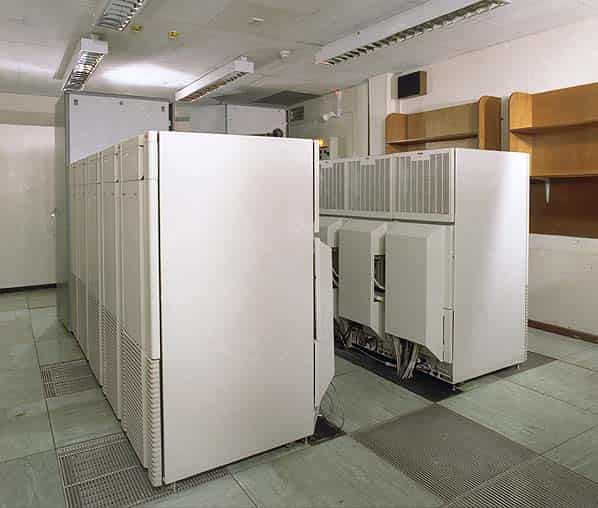
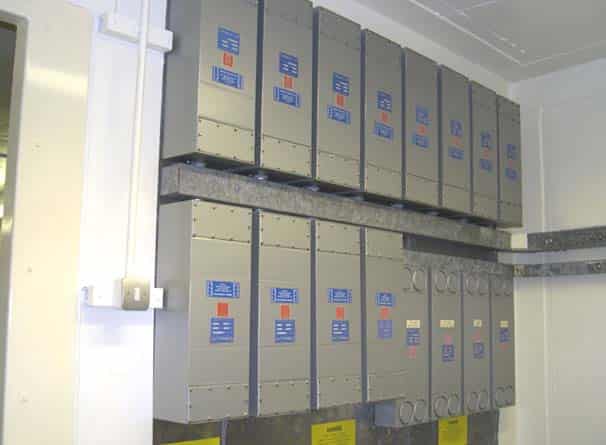
The BT frame room is virtually intact and still ‘live’. Equipment includes an old-style Main Distribution Frame (MDF), new style Krone-type distribution boxes, a relay patch bay for interconnecting circuits with patch cords and several bays of repeaters in Type 62 practice racks. There is also cable pressurisation equipment comprising a compressor with pressure monitoring dials above. A workshop bench has some kind of 19" equipment case under repair. In an adjacent room is the UPS (uninterrupted power supply) for the bunker consisting of racks of lead acid batteries that would have maintained a continuous power supply to the bunker in the event of a sudden power loss. The UPS would have run the Comcen for five hours. These batteries would only be required until the standby generators were brought on line but could have supplied power to the bunker for a short period if there was also a failure in the generators. Two air conditioning plant rooms are also located on the lower level, both complete and still in use.
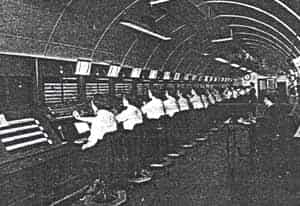
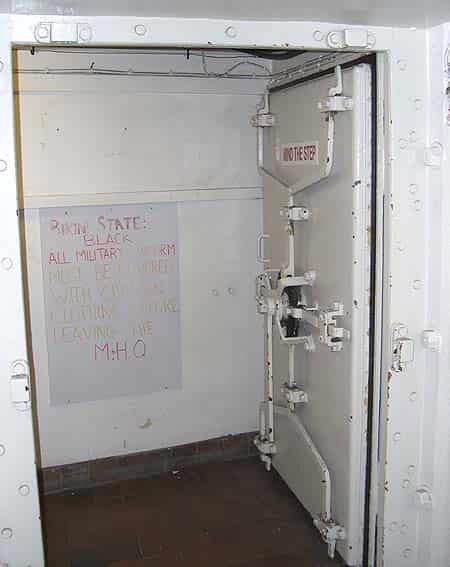
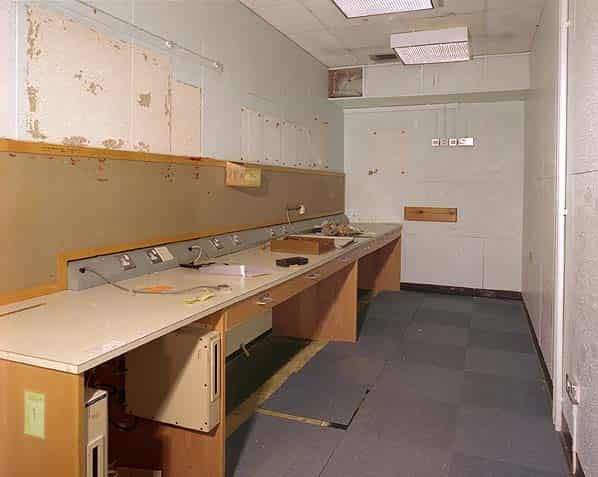
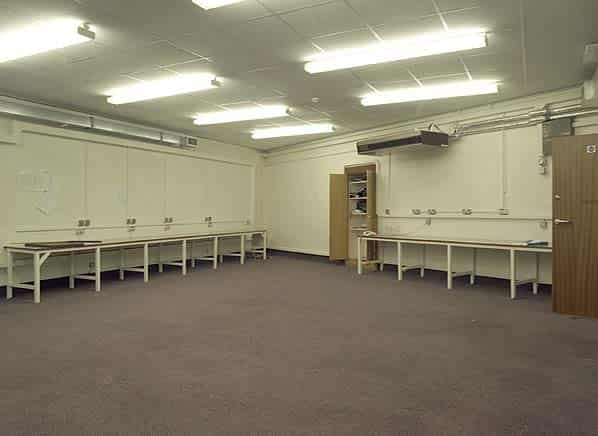
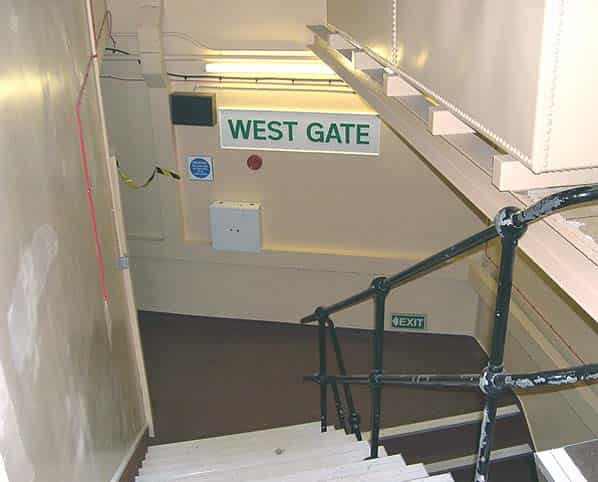
On the upper level most of the rooms had been offices and are now stripped bare. One of the larger rooms was the radio room which still contains a large number of equipment racks. It would appear no attempt was being made to remove the racks although they have been stripped of any valuable or sensitive components. Near the west stairs there is a suite of rooms that housed the ‘South West Switch’, a communications relay network. The suite is entered by an airlock into an electronically secure zone. The rooms have all been stripped of any original fittings but one large room has a long table along two walls which would have been the operators positions.
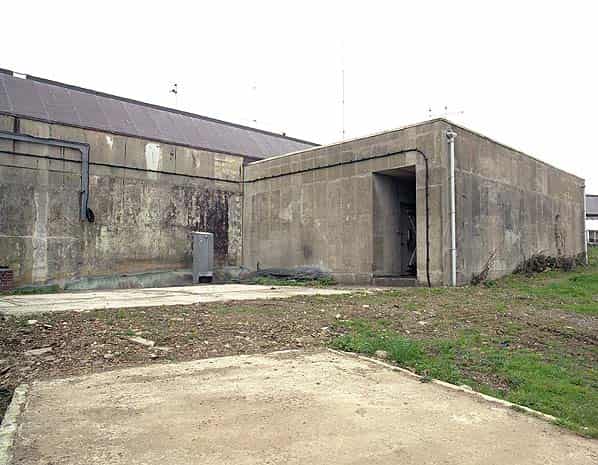
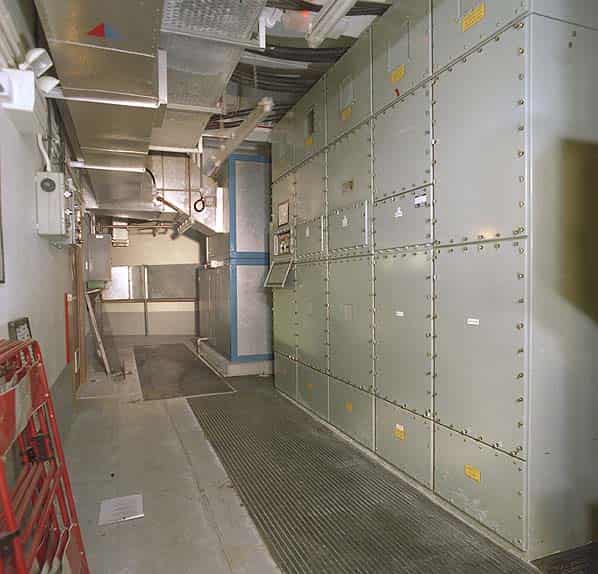
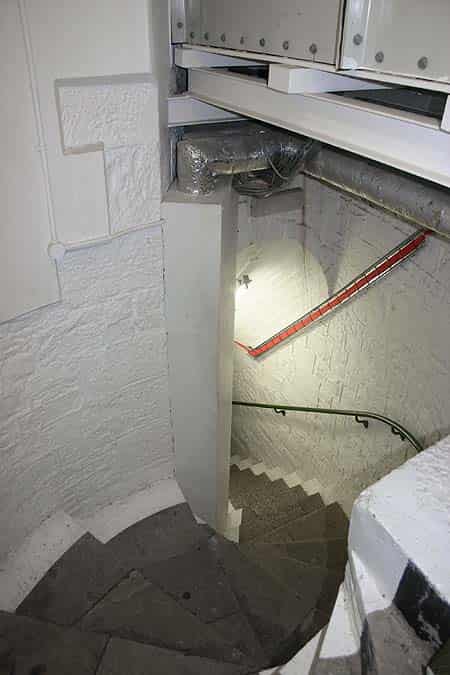
From the upper floor a stairway leads up to a third sub level projecting above the level of the dry ditch. This was added during the 1990/91 rebuild and houses further air conditioning and filtration plant. From here there is a second airlock giving access to the roof of the bunker, the grounds of Admiralty House and the network of underground tunnels (PUE).
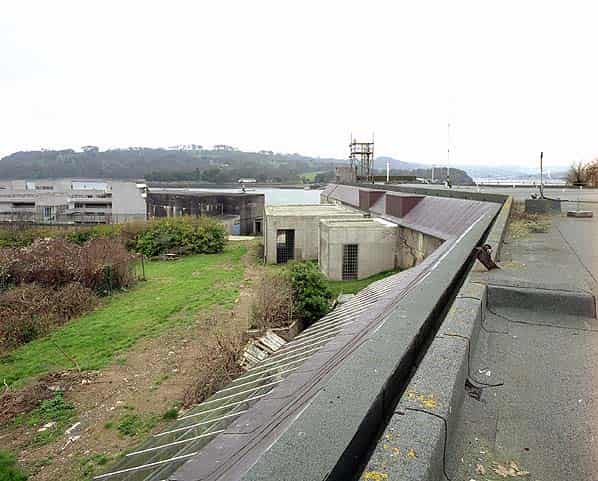
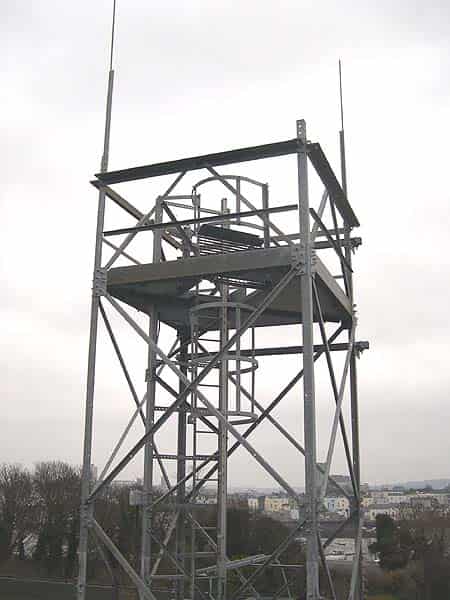
On the roof the bases and fittings for numerous aerials and two emergency exits from the MHQ can be seen and at the southern tip there is a short microwave tower with line of sight to the wireless station at Fort Staddon.
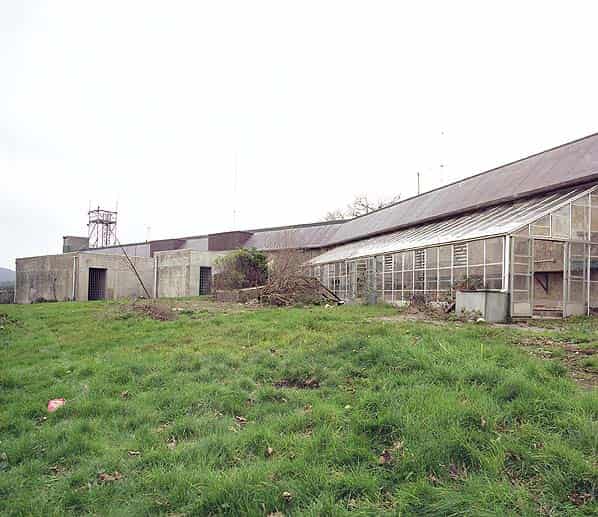
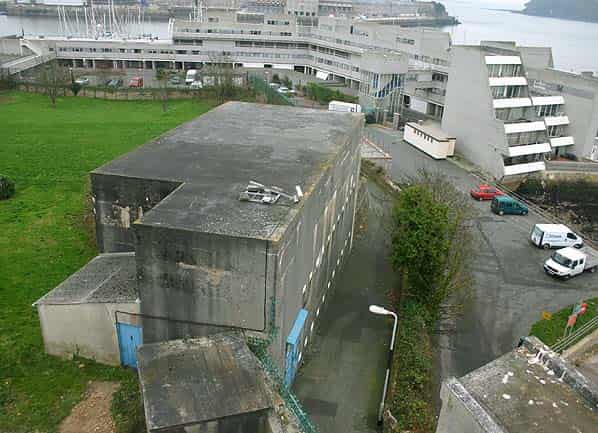
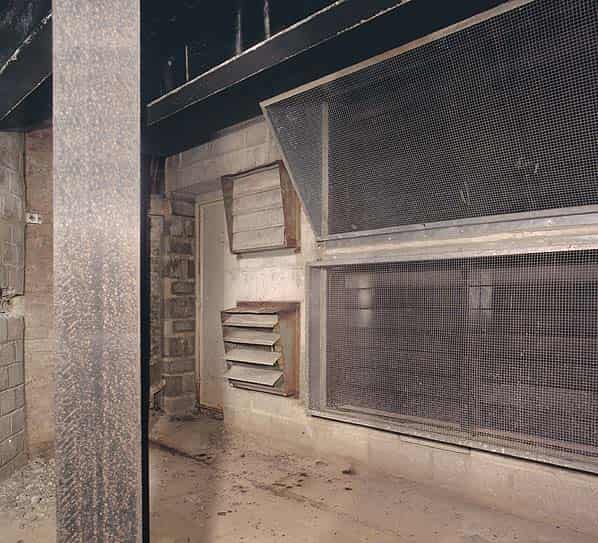
From the roof the original WW2 generating station (now relocated to the PUE) can be seen in the Admiralty House Gardens immediately south of the west entrance to the MHQ. This consists of a large windowless concrete blockhouse. There are two smaller concrete structures projecting from the MHQ with grilled openings forming part of the ventilation system.
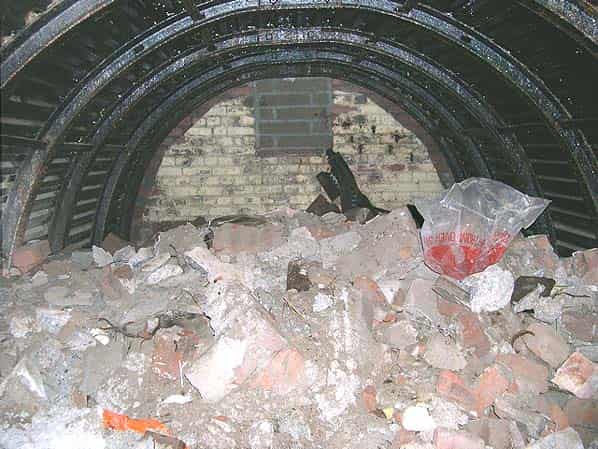
The main entrance to the PUE was at the south west corner of Hamoaze House, now a non residential support centre. This tunnel has been blocked at both ends and is partially back filled.
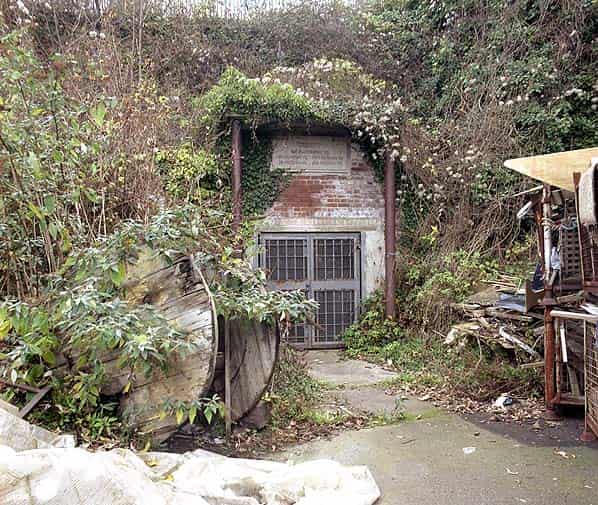
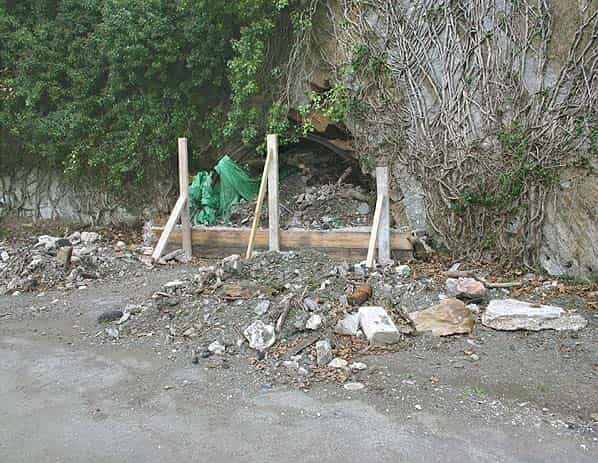
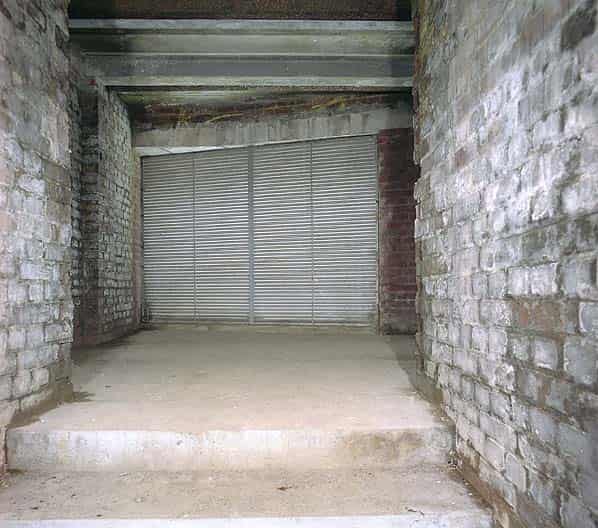
Of the four remaining ways into the tunnel complex only two are now accessible, one being the previously mentioned access through the MHQ. The other three access points are on the foreshore, two in Blagdon’s Boat Yard (which was built on spoil excavated from the tunnels) and one in Richmond Walk. One of the adits in Blagdon Yard is retained for emergency egress and has a securely locked and alarmed with a grilled gate. A stone tablet above the portal is inscribed to the Tunnelling and Pioneer Companies that excavated the tunnels. The other two foreshore adits have been permanently blocked but are still used for ventilation.
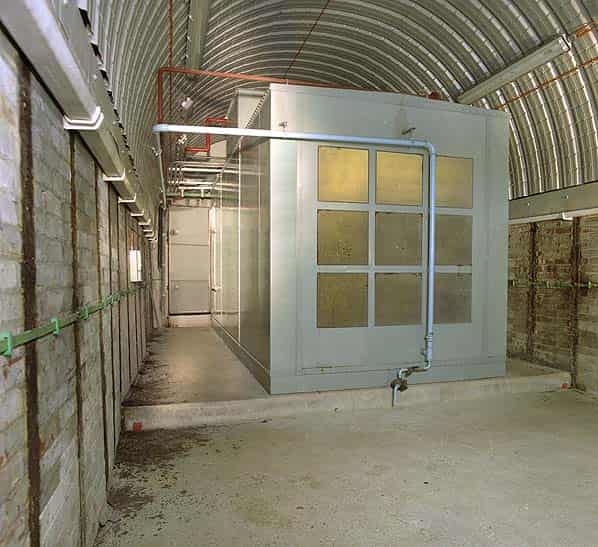
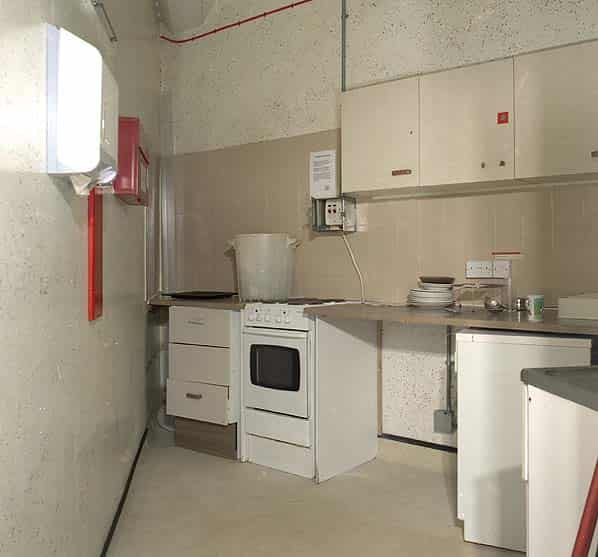
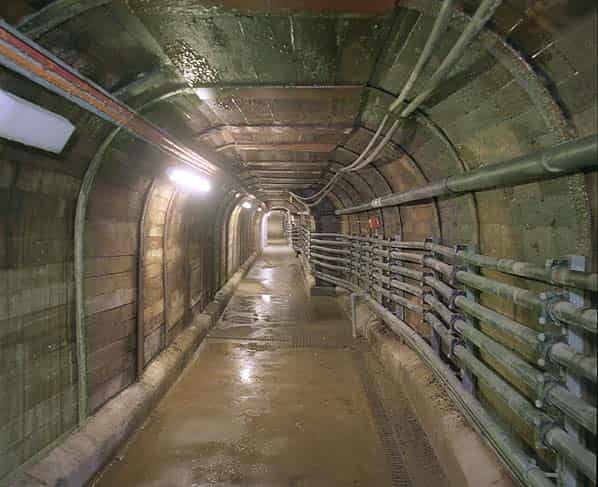
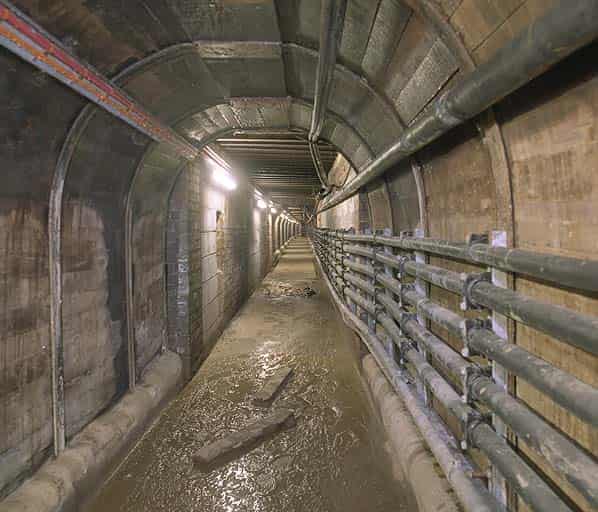
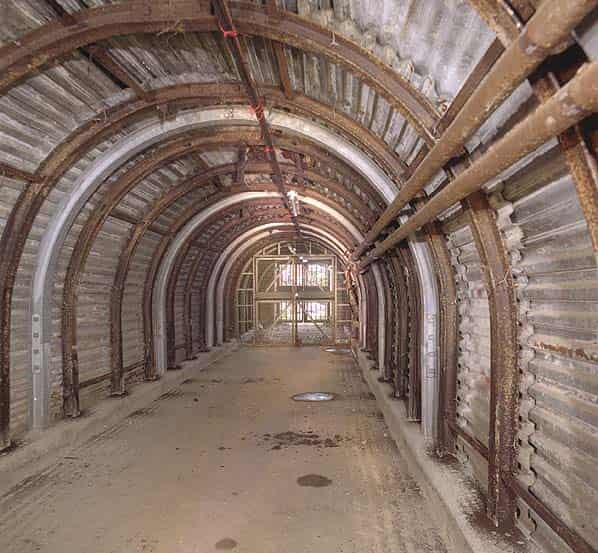
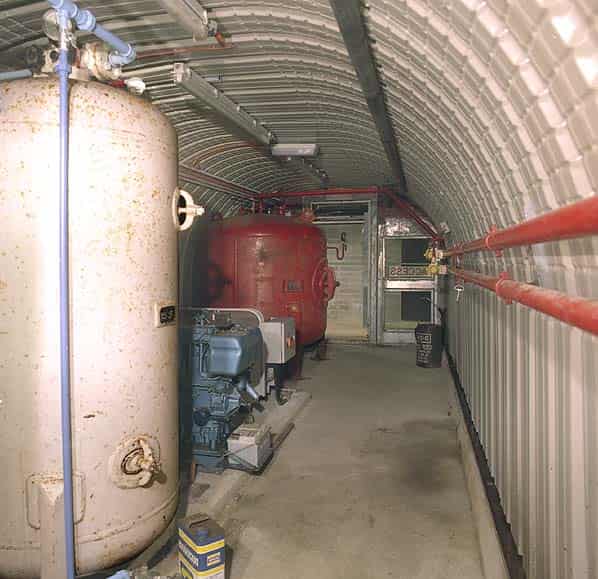
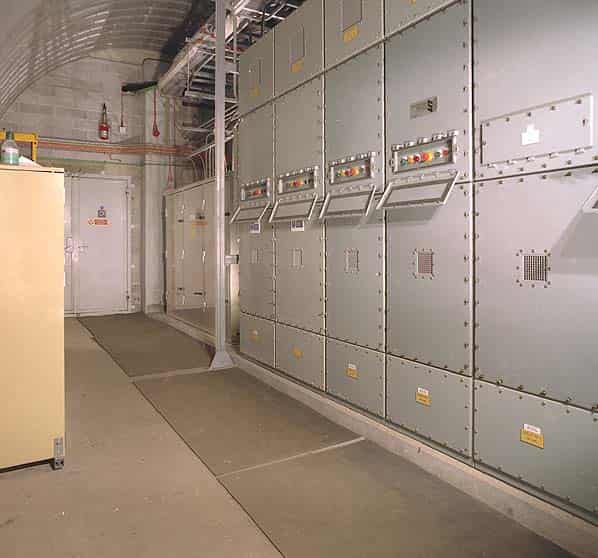
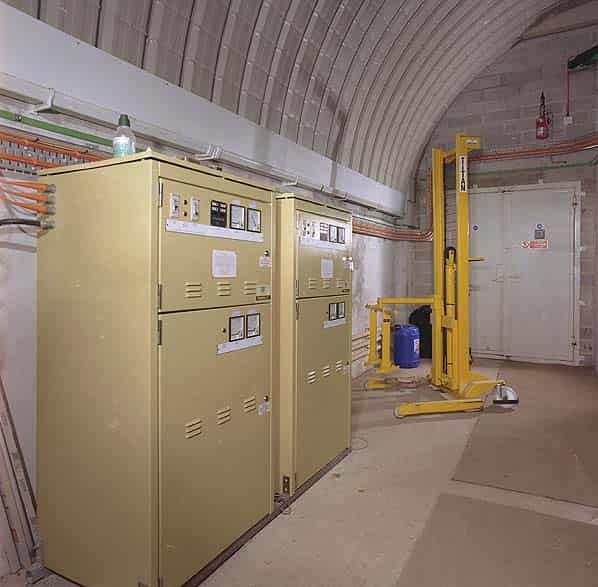
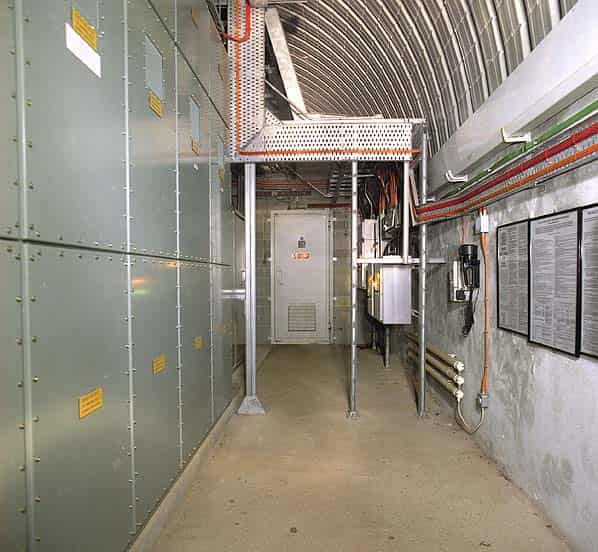
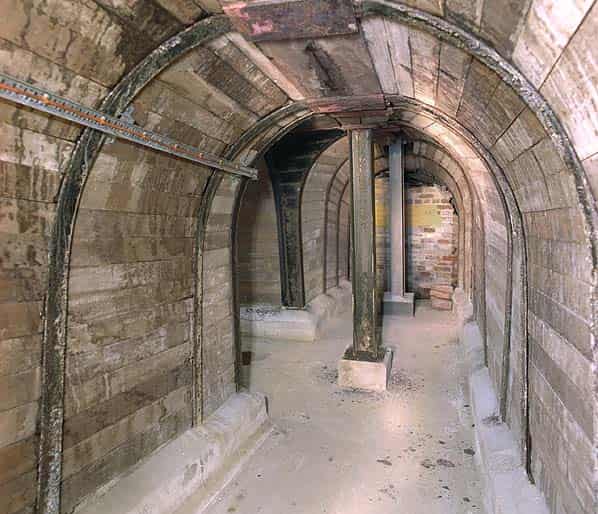
The tunnels were excavated as a protected communications centre prior to D Day and also provided protected accommodation and mess facilities. In the 1990/91 refit of the MHQ a section of the tunnels were refurbished to house the new standby generators and associated electrical switchgear for the MHQ above.
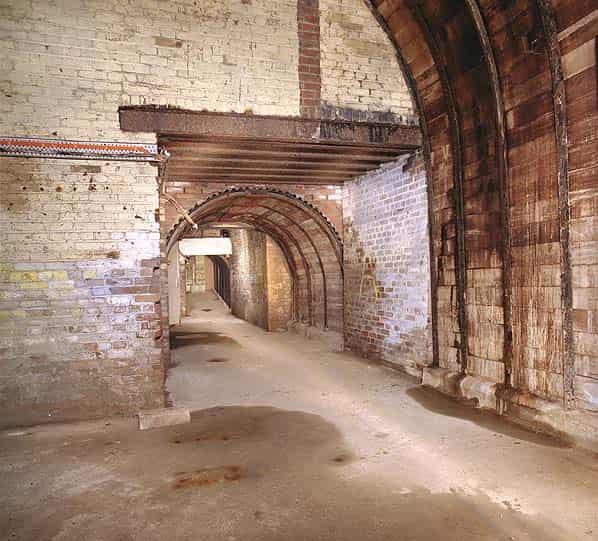
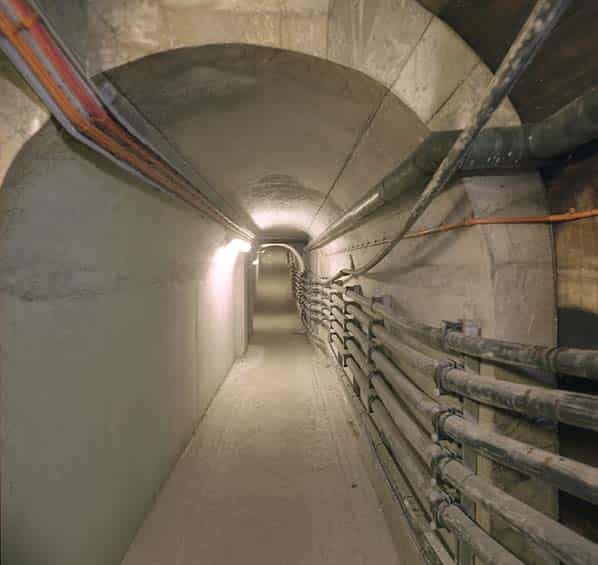
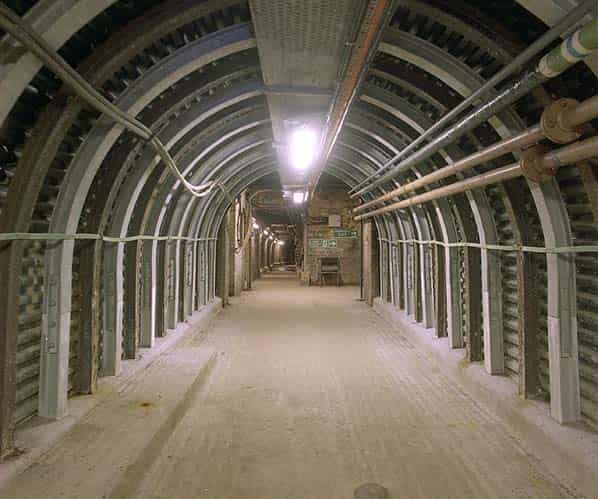
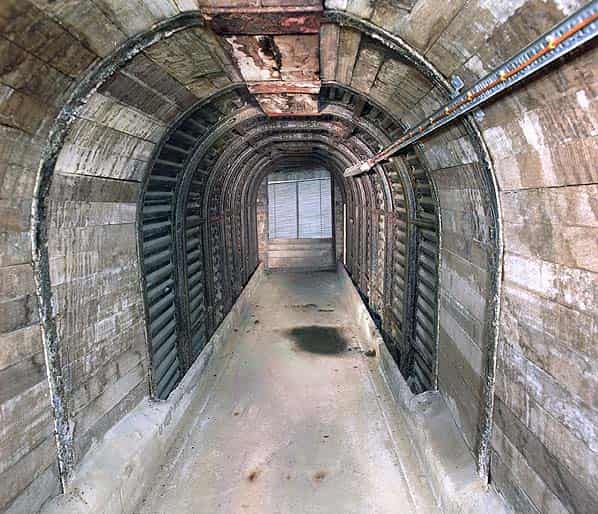
At the bottom of the main stairs down from the MHQ there was originally a dog leg in the passage to provide added blast protection, this has now been bypassed and the entrance tunnel now leads straight into the main east - west spine ‘corridor’.
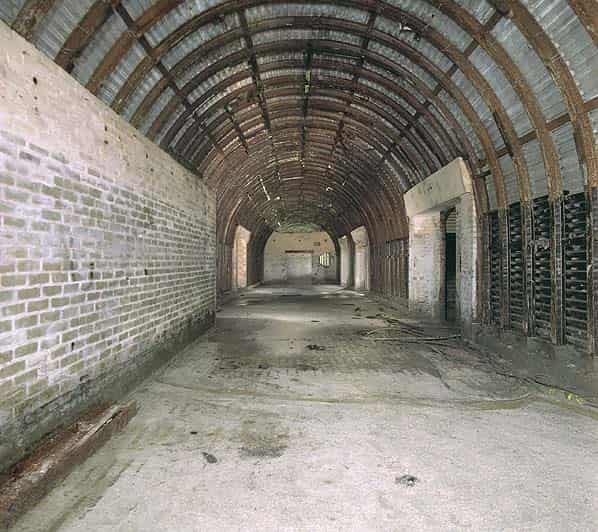
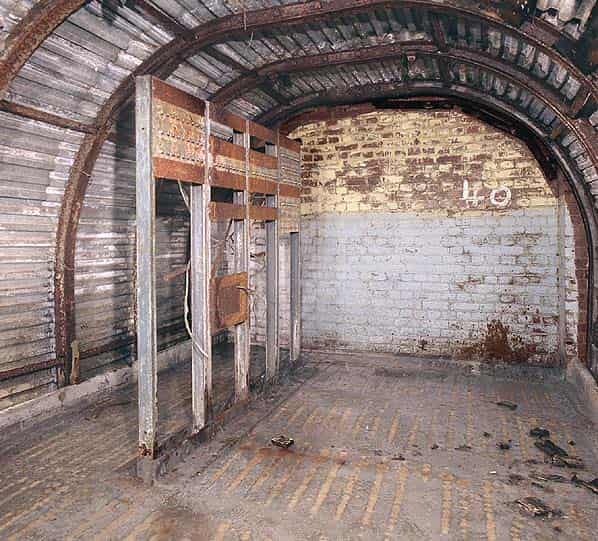
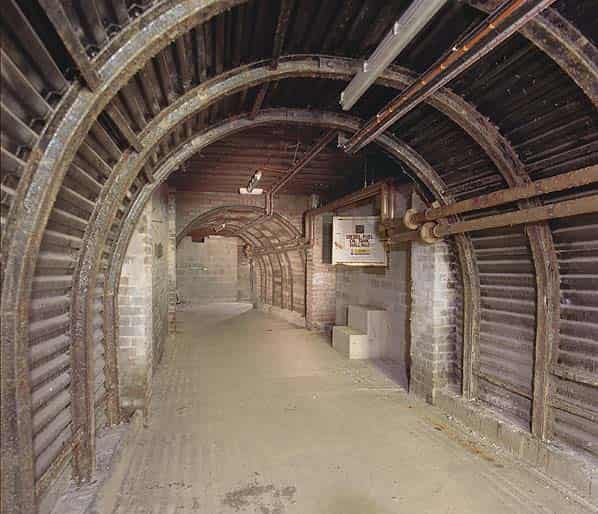
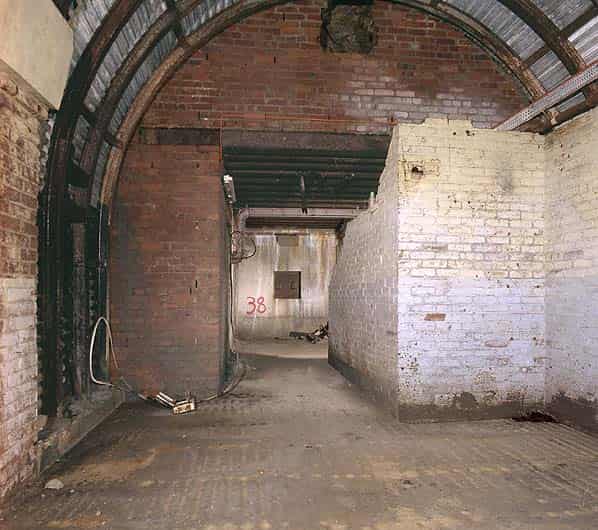
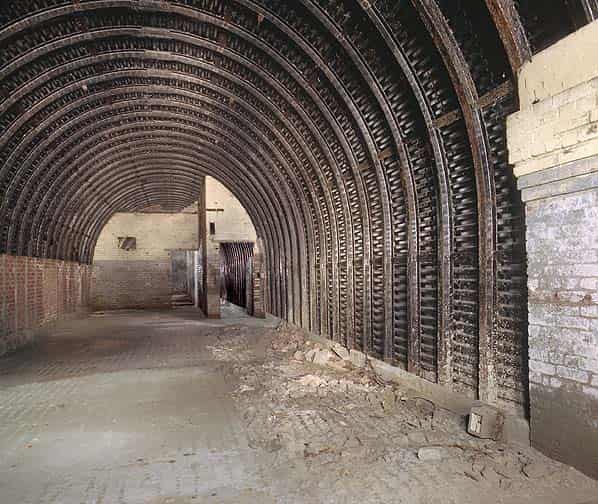
All the tunnels to the right (north) of this spine ‘corridor’ have been disused for many years, some have been bricked up while others are blocked with wooden planks. At least two of the passages are still open giving access to the entire disused section. These tunnels, which are now unlit, are laid out in a grid pattern with three main north - south tunnels linked by numerous cross passages. The tunnels vary in height and width with the middle north - south passage being at least fifteen feet high with several brick partition walls dividing the tunnel into several large rooms.
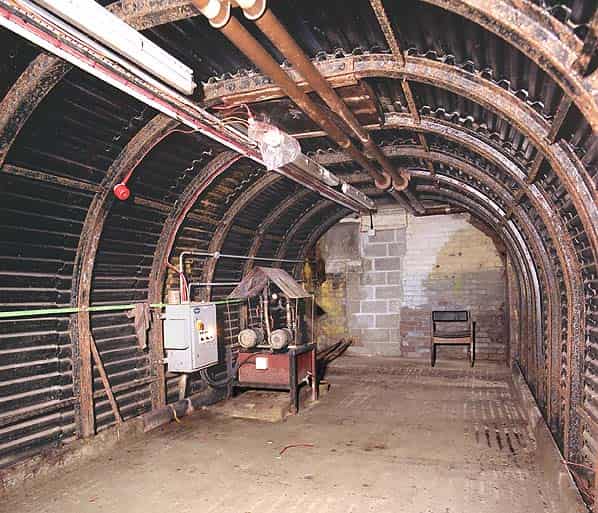
All the tunnels on this side of the complex have been stripped bare apart from one short side tunnel which still has an old (1940’s) four bay patch board standing upright in the centre of the floor.
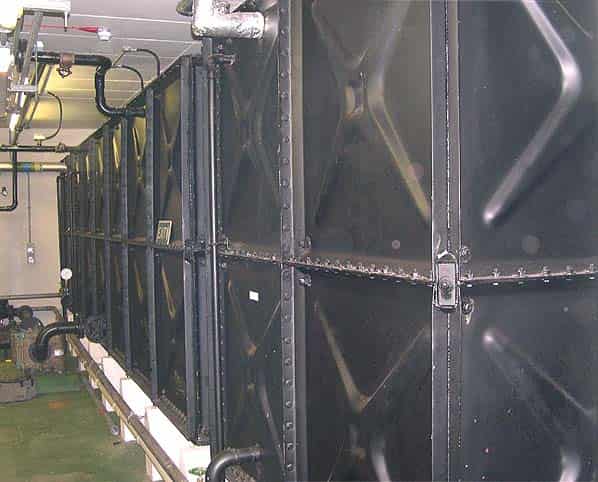
Back in the spine ‘corridor’, at the first crossroads the way on to the right has now been blocked, this was a short passage to the 5000 gallon water tank. To the left a tunnel leads through a dog leg to the emergency exit in Blagdon Yard.
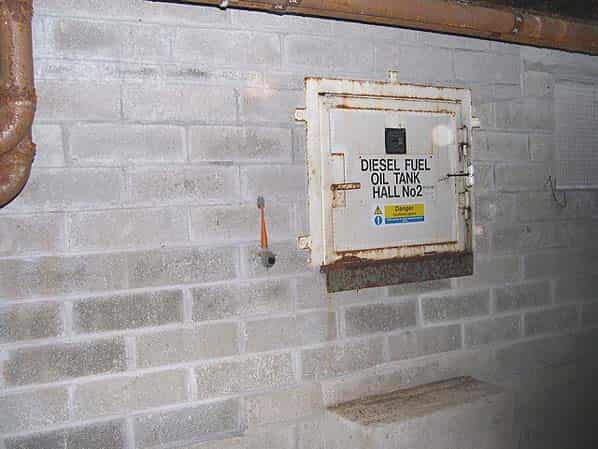
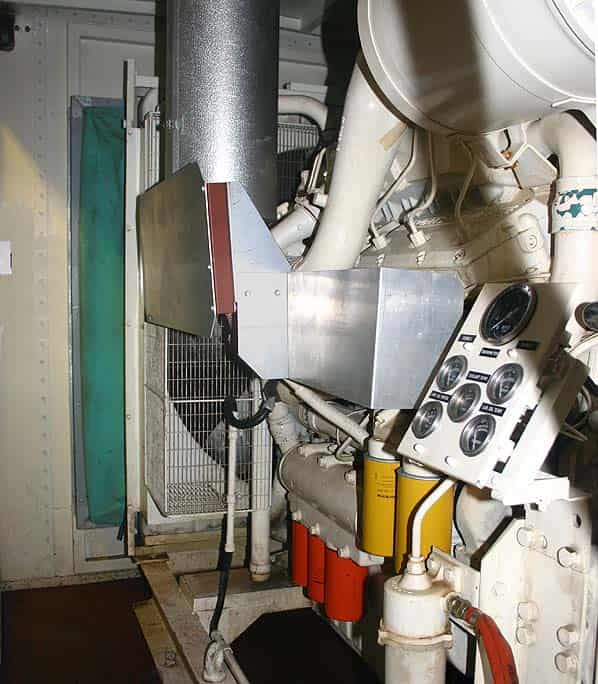
A short distance along this passage there are two small doors on the right hand side labeled ‘Diesel Fuel Oil Tank Hall No. 1’ (and No. 2). Each door leads to one of the 3700 litre diesel tanks which have been installed in a tunnel parallel to the spine ‘corridor’. This tunnel has been divided into two unconnected sections. The fuel tanks are at the eastern end with the two diesel generators at the western end.
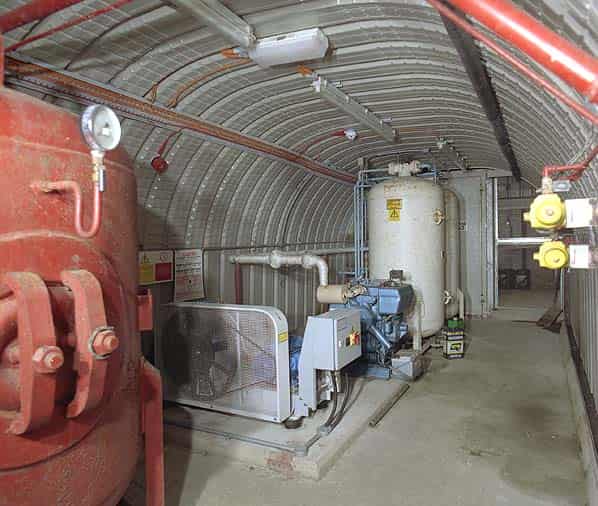
Three short cross passages on the left (south) side of the spine corridor have been reused in the 1990/91 refit when the MHQ was upgraded. The first room is a transfer pump room for diesel fuel the name on the door reads ‘Diesel Fuel Oil Transfer Hall’. From here fuel can be pumped out of the fuel tanks in the adjacent tunnel into the header tanks in the generator hall. The second passage contains two compressors feeding three reservoirs and the third room contains a large rack of modern electrical switchgear, all current. A door at the back of this room leads into the generator hall in the parallel tunnel described earlier. Each of the two diesel generators is housed within a small room within the generator hall.
At the end of the main spine ‘corridor’ there is a ‘T’ Junction. Right leads to the disused section of the tunnel network and the blocked tunnel to Harnoaze House. To the left the passage leads to another door into the generator hall and beyond that the tunnel splits each arm leading through a dog leg for blast protection to the two blocked adits on the foreshore. Each adit is fitted with a metal louvered grille for ventilation.
Sources:
- Keith Ward
- Andy Emmerson
- Dr John P Salvatore. Plymouth Historic Environment Officer
- Roger Thomas. English Heritage
- PRO Files ADM 1/11119, ADM234/804, ADM 1/11581, ADM 1/17557, ADM 1/9536, AIR 20/1047, WO 166/12075, WO 166/12227
- Resurgam. Archaeology at Stonehouse, Mount Batten and Mount Wise
- Defence of the UK - WW2. HMSO
- The Historic Defences of Plymouth
- HM Naval Base - Press Office.
- HMS Vivid
- Captain Gilbert Roberts RN and the Anti-U-Boat School (Mark Williams)
- Max Horton and the Western Approaches (W S Chambers)
- Navy News
- Defence Estates