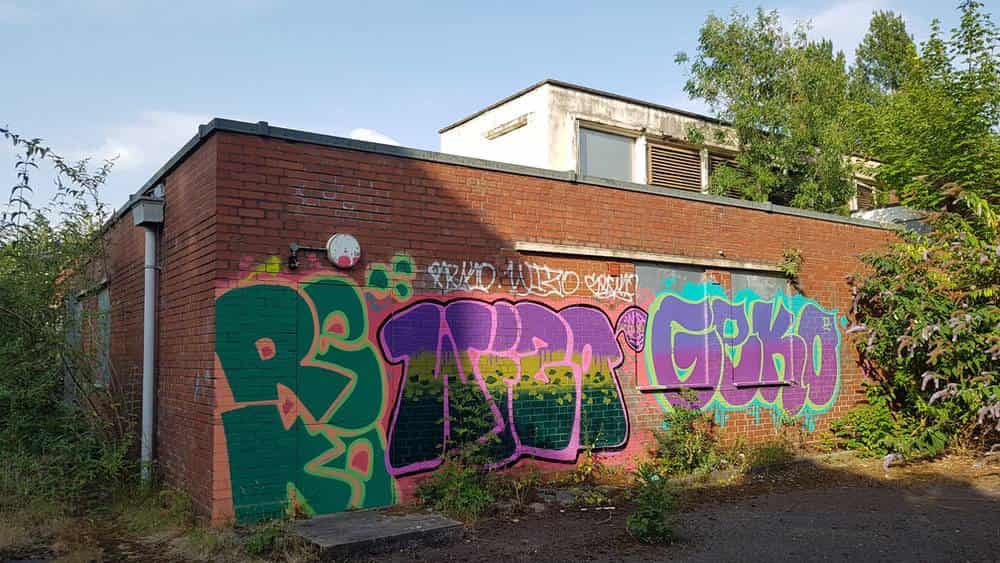
Known to BT as Lyndon Green TRS (telephone repeater station) or Birmingham/G, this building is one of the handful of protected repeater stations constructed during the Cold War period. Its life as a functioning BT building having almost ended, the company allowed a visit for study and photography purposes.
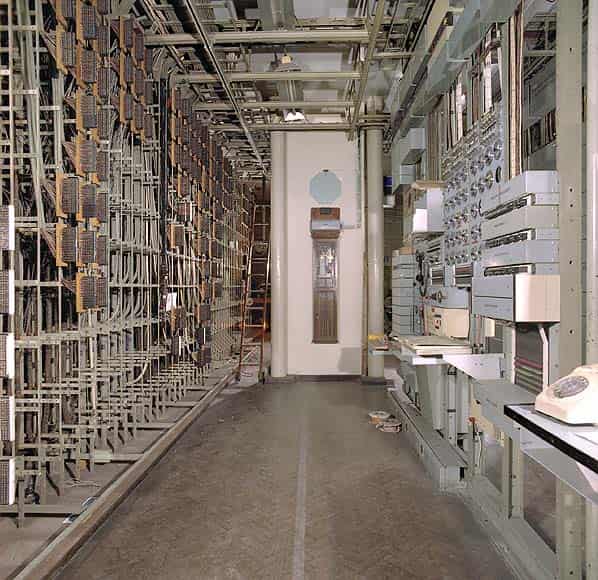
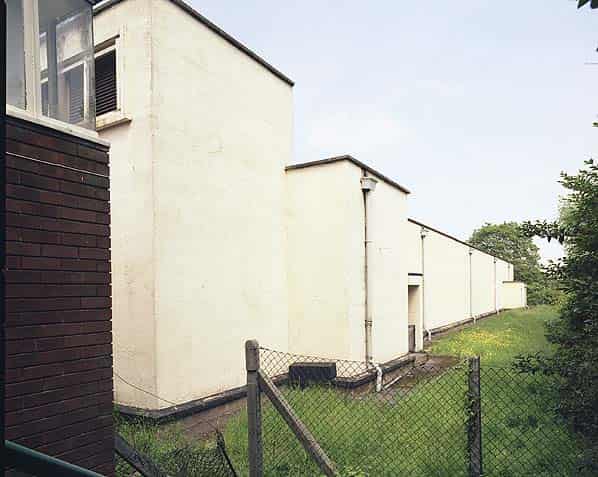
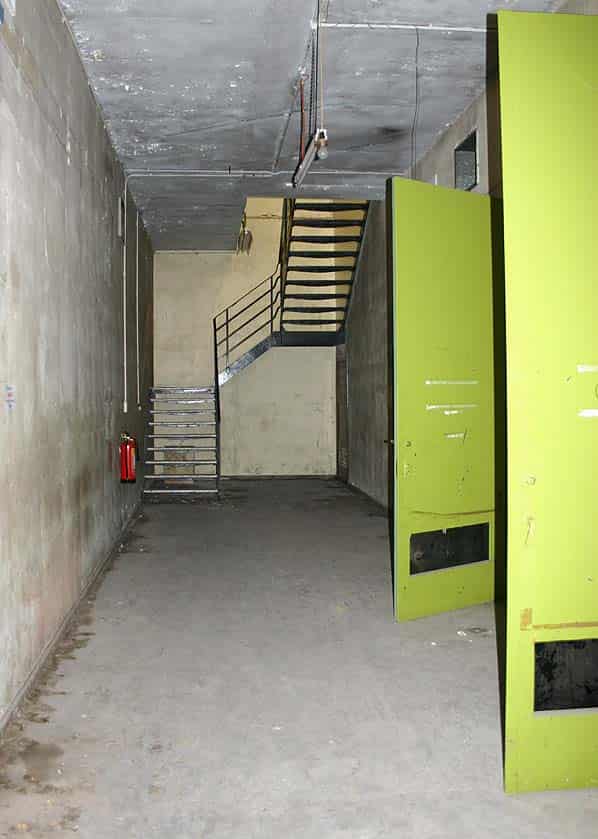
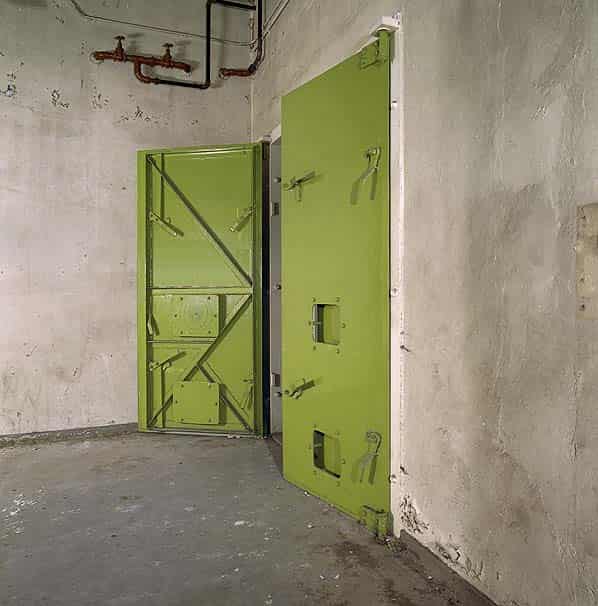
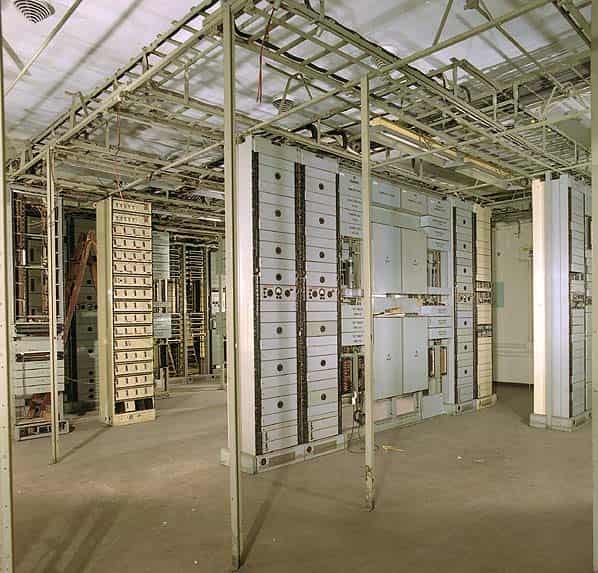
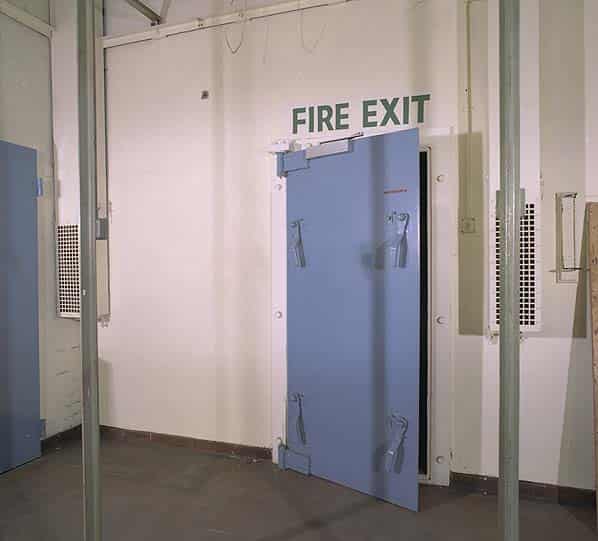
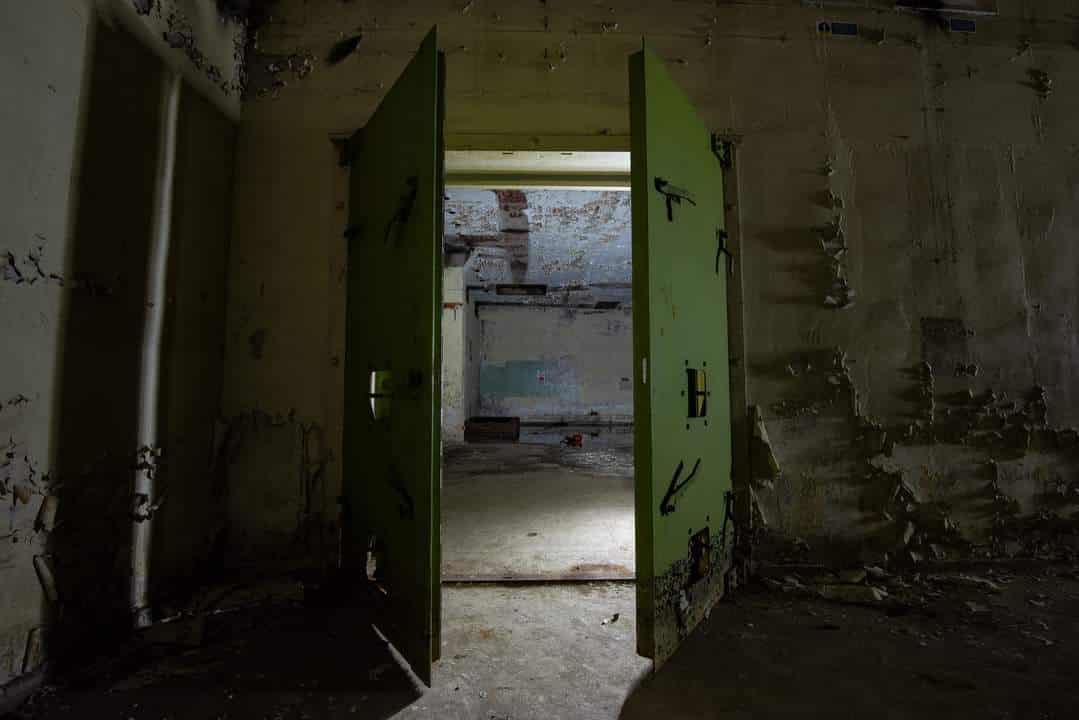
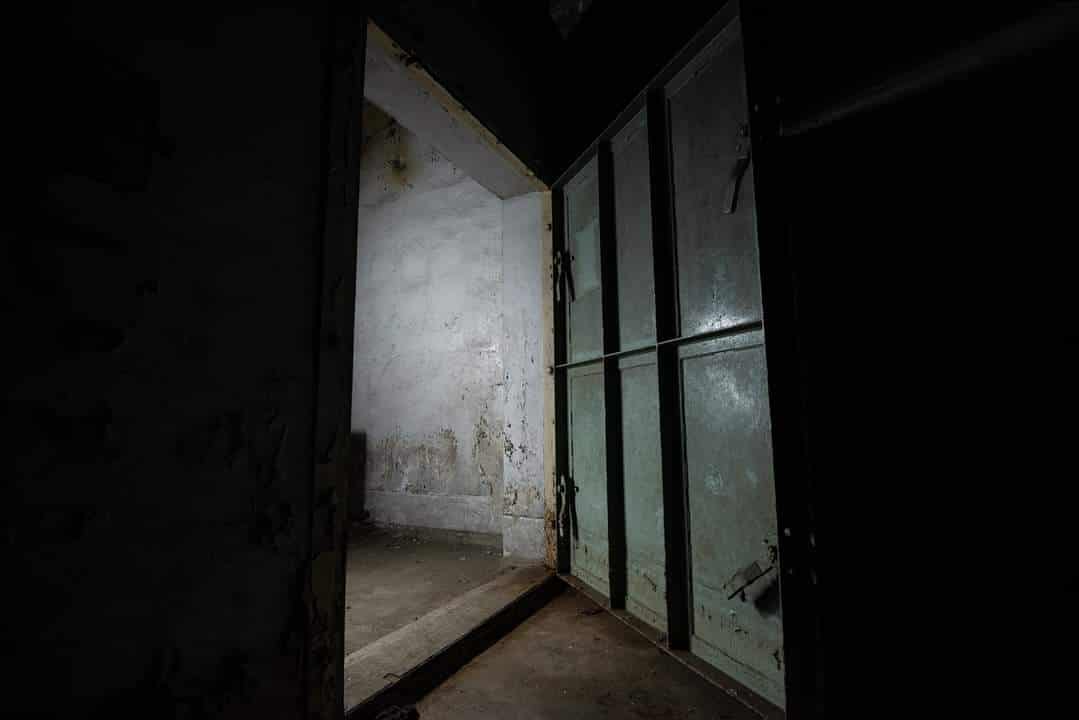
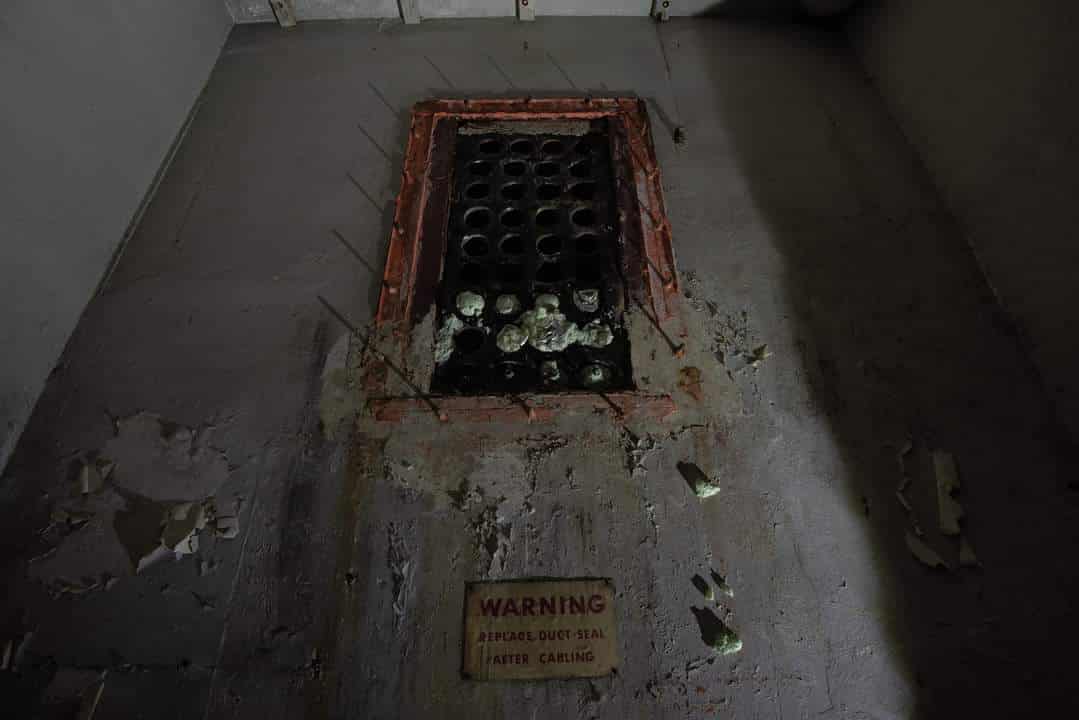
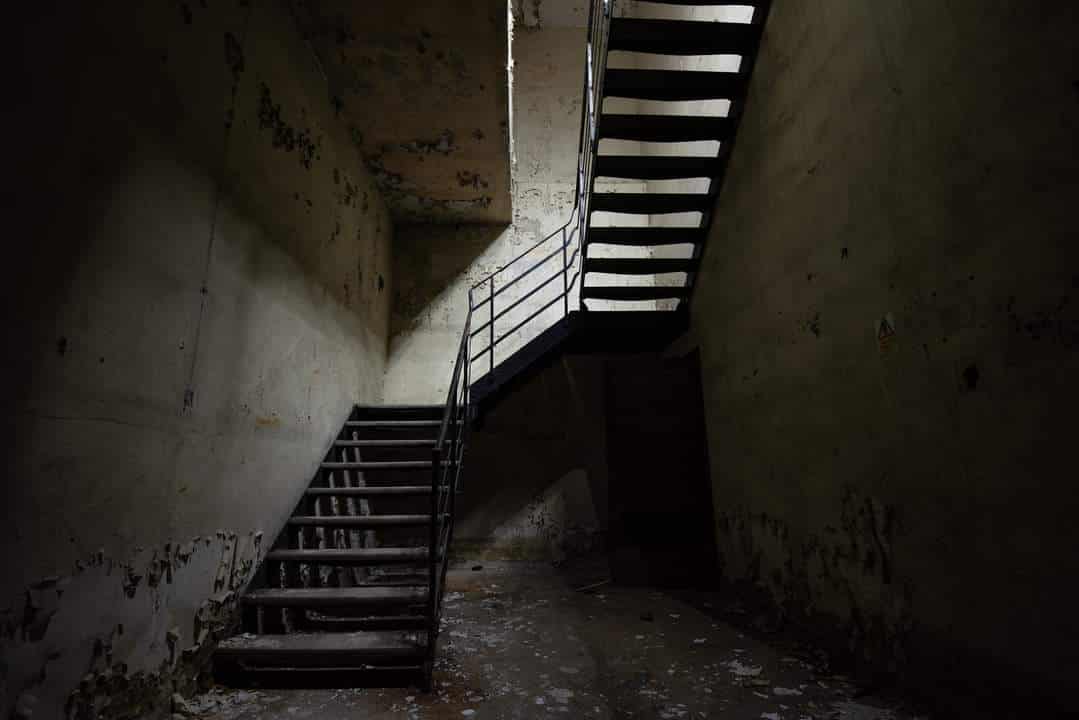
Lyndon Green was known technically as a PR1 (protected repeater station, type 1), comprising a two-level bunker with heavy blast doors. It is semi-sunken, with the main distribution frame and active equipment on the ground floor and power plant and ventilation system in the basement below ground.
It is located in an island site between the Coventry and New Coventry Roads at Sheldon, where the west and eastbound carriageways of the A45 road diverge, some distance south-east of the locality known as Lyndon Green. The postal address is 53 New Coventry Road but there are gates into the repeater station yard from both roads.
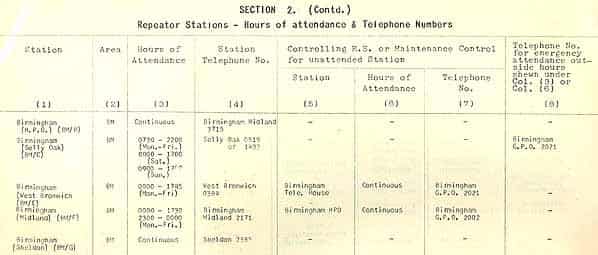
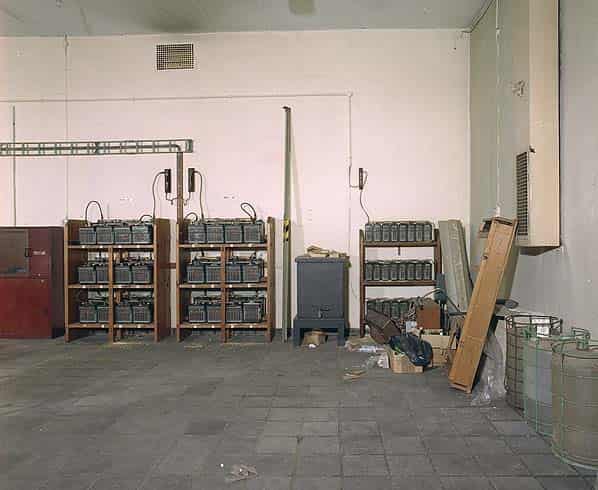
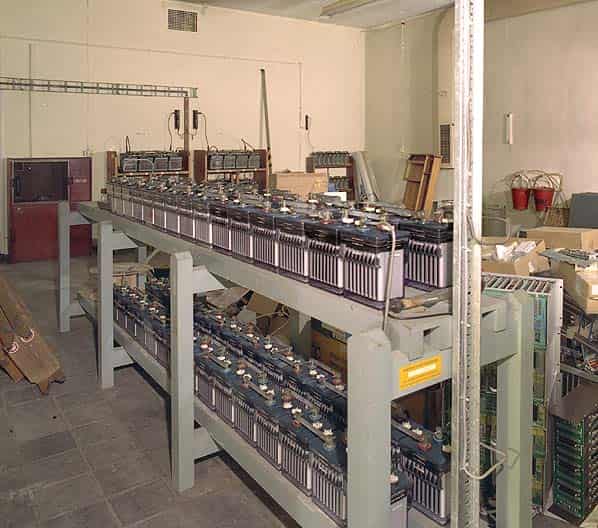
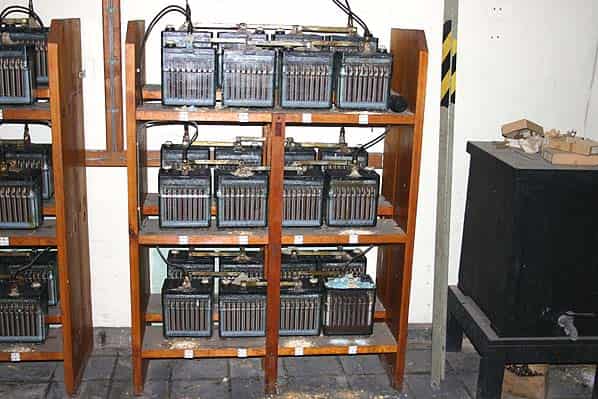
Repeater stations were locations where the signals on telephone cables were amplified to counteract the electrical losses that tend to make speech fainter. The majority of repeater stations were located at intermediate places between telephone exchanges. Lyndon Green is on one of the main trunk telephone (and television) cable routes between London and Birmingham, having a number of important circuits passing through it. It was constructed at a time when all repeaters (amplifiers) used thermionic valves (vacuum tubes), which required far more electrical power than the solid-state amplifiers of today. Accordingly the repeater station had a substantial power plant, with its own electricity substation, a large generator (removed some years ago) and storage batteries. The station had equipment stores, a test desk, repair workshop and eating/recreation facilities.
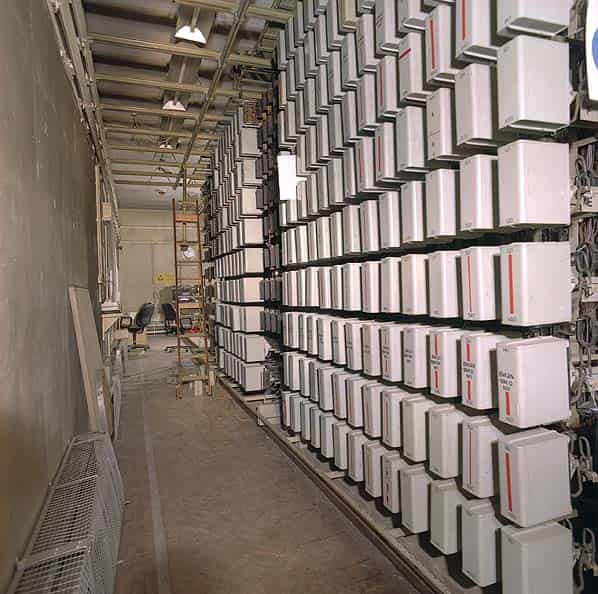
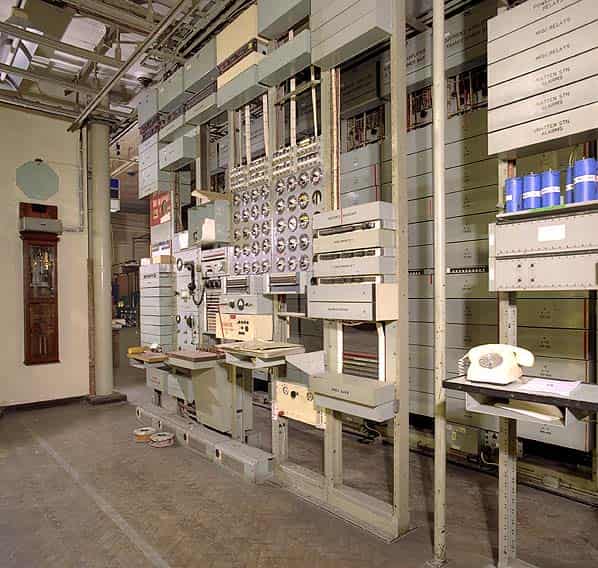
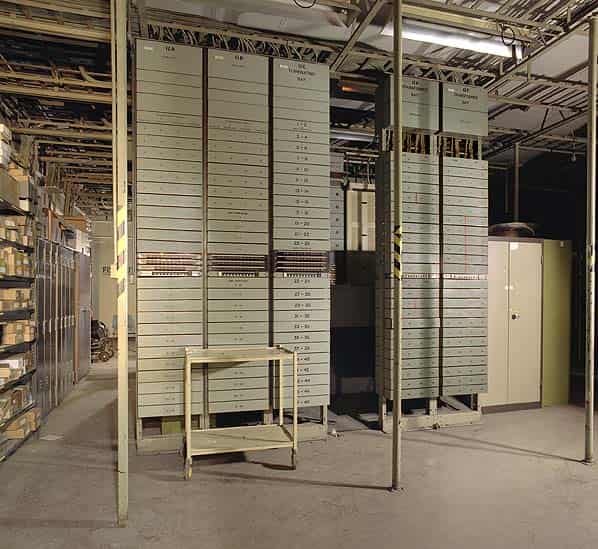
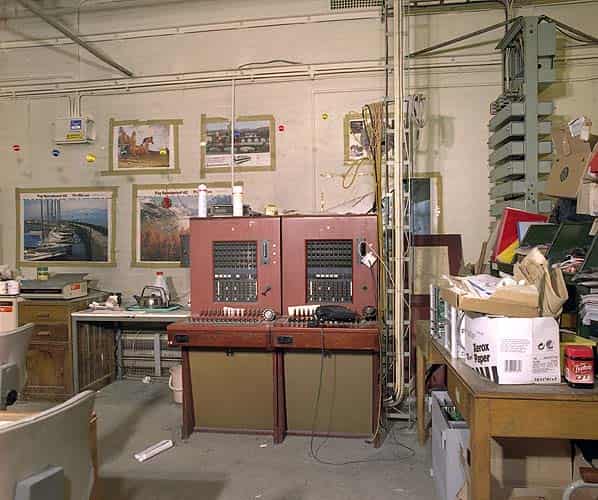
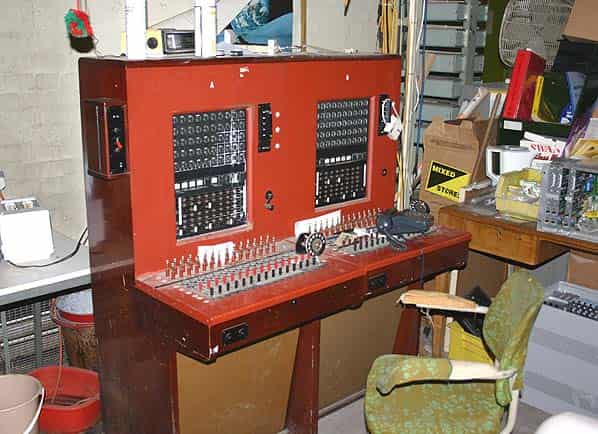
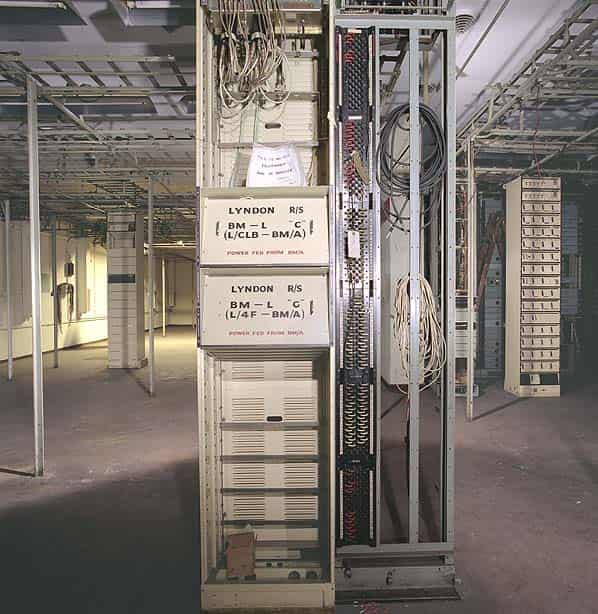
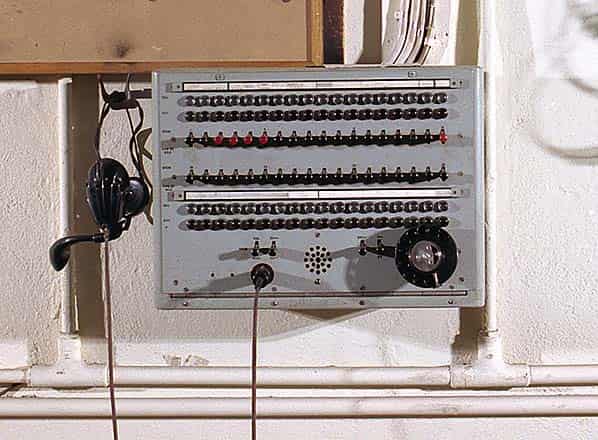
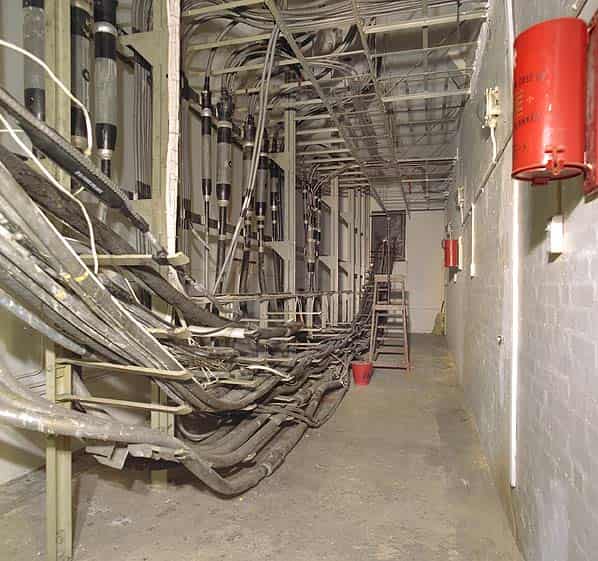
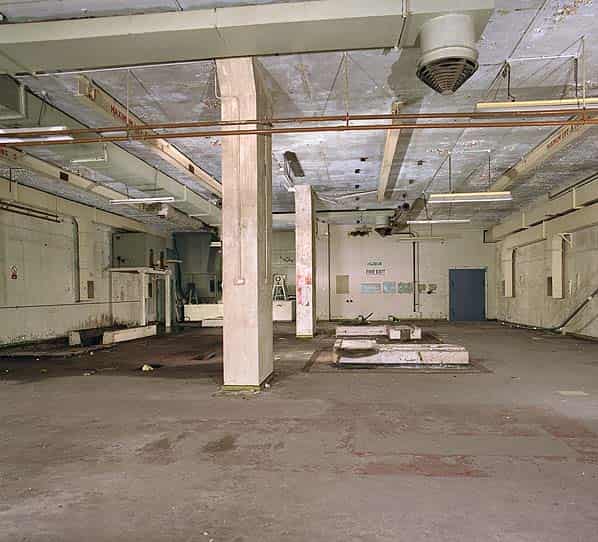
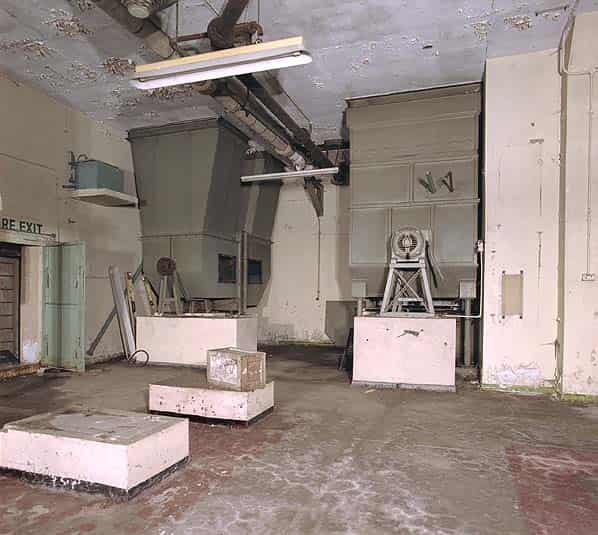
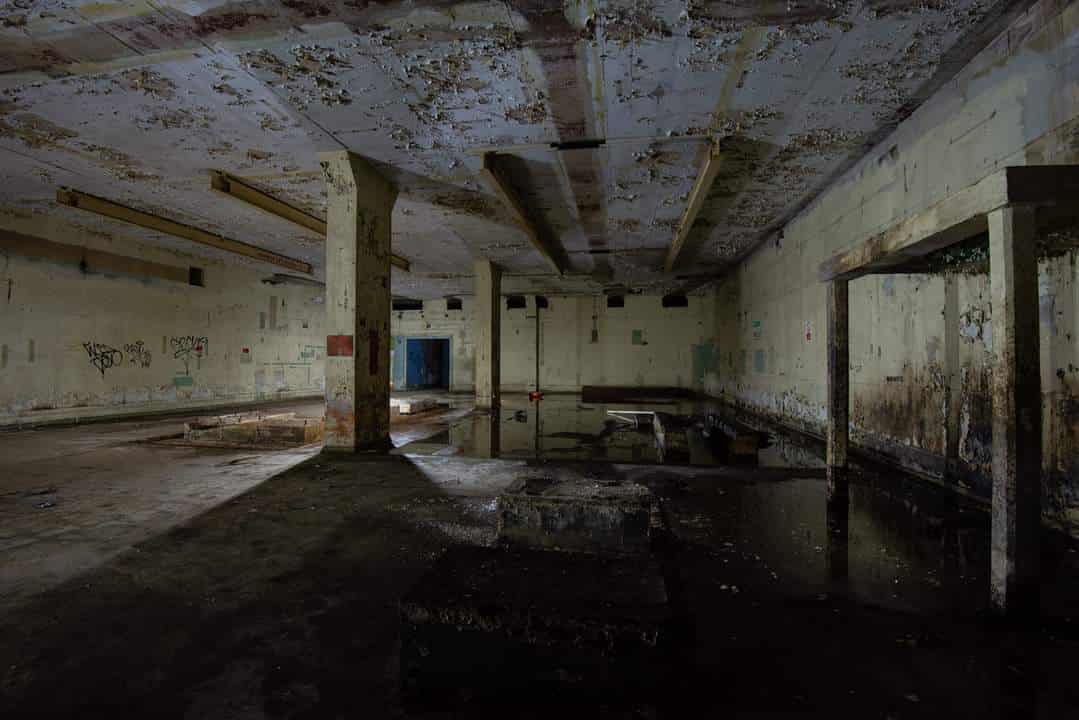
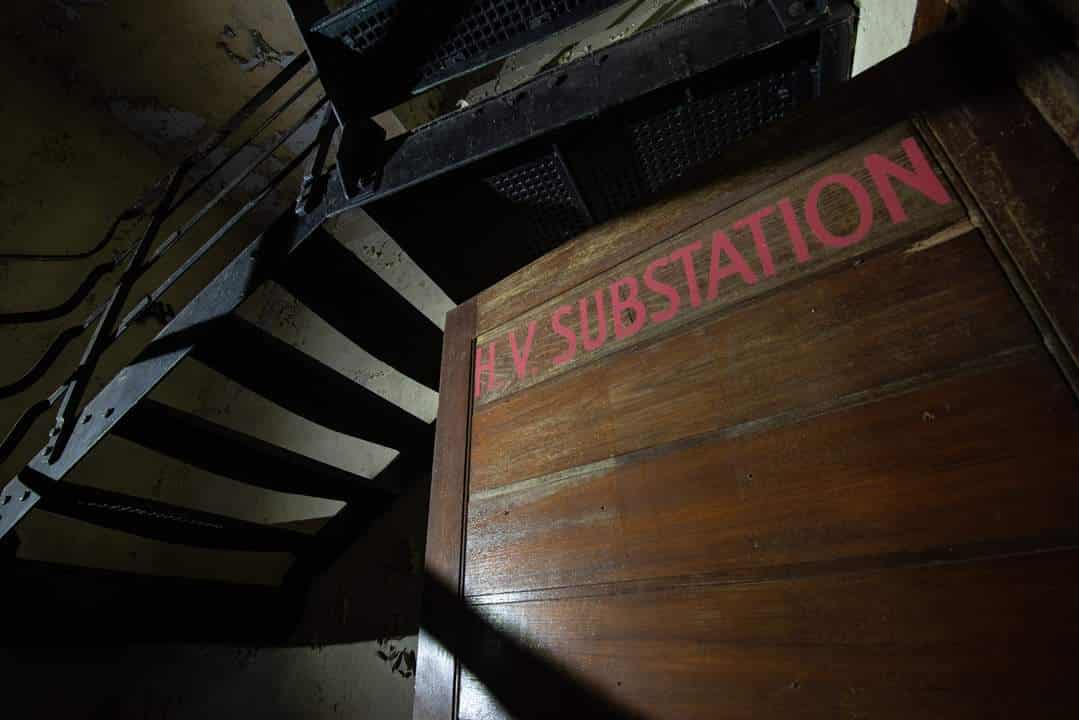
At the time of our visit the repeater station was in split occupation, the BT half largely disused, having previously been used as a store (the property is likely to be sold later in 2004). A number of operational circuits still ran through the place. Features noted on the ground floor included the Battery Room, the Main Distribution Frame, amplifier racks, the ‘service PBX’ (manual telephone switchboard serving the location, equipped with standard exchange lines and a number of Trunk Sub connections), the repair area and the valve store. In the basement were the High Voltage substation, the cable chamber (where underground cables entered the building) and a large room that had once housed the generators and the air extraction plant.
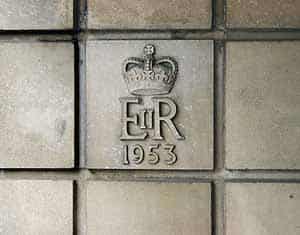
The facility was opened in 1953 and on account of its strategic importance it had a low profile.
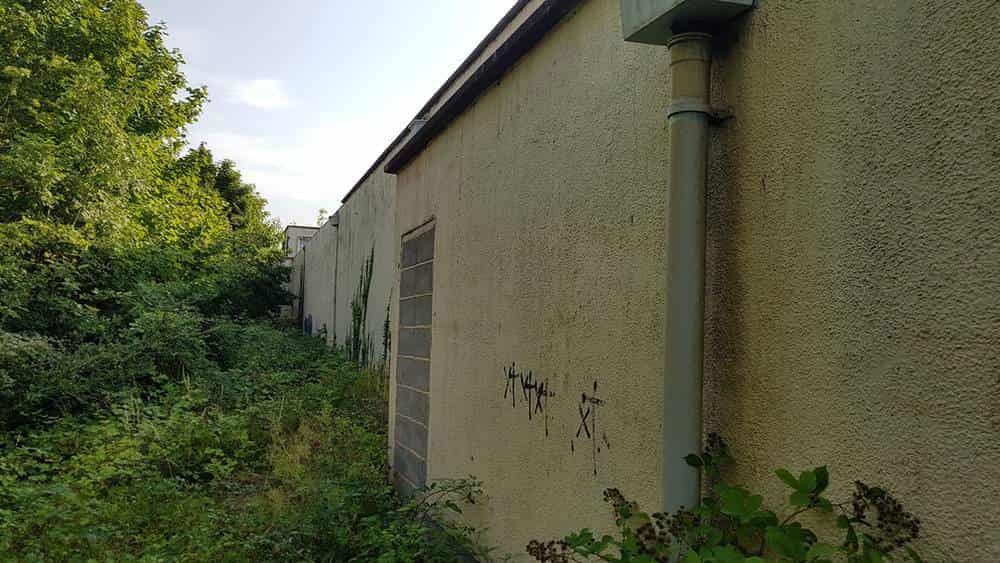
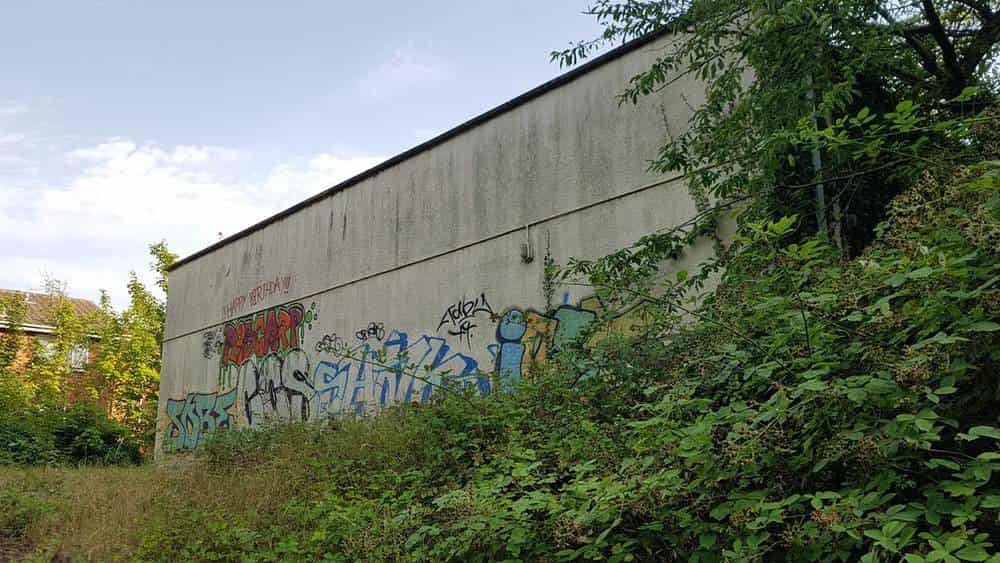
Its nondescript appearance gave no clue to what lay behind the locked gate, although passers-by could have deduced its telecomms connections from the sign on the wall or the vehicles parked in the yard. Few people could have known that this building had been built at great expense to maintain communications through Birmingham in the event of atomic war.
Lyndon Green was one of a number of repeater stations built between 1951 and 1956 as a result of a Treasury paper entitled United Kingdom Telecommunications in War Published in 1949.
This recommended that some £2.75 million be spent over five to six years on a scheme for strengthening the telecomms facilities needed for defending the country. One element of the Post Office defence programme (as this become known) was the so-called Birmingham ring main, comprising “protected installations of transmission equipment on about a 5-mile radius with interconnected cabling to enable permanently through communications to bypass the city centre”. Protected in this context means that the buildings and other features would be sufficiently robust to remain intact if a single atomic bomb fell on the centre of Birmingham.
Construction of this ring main scheme appears to have been patchy, with hardened or ‘protected’ repeater stations erected in Birmingham at Lyndon Green (south-east) and to the north-west, at Queslett (but not elsewhere). Both of these were Type 1 stations (Type 2 was larger). The total number of PR1 and PR2 stations constructed around Britain is usually given as eight but it is becoming clear that a greater number were in fact built (details will be given in a subsequent article).
How Lyndon Green and the rest of the telephone network was intended to function under atomic war conditions is a matter for speculation, since the Post Office war instructions of the time are not available for inspection. One might imagine that the network would eventually shrink down to the switchboards of the emergency manual switching system (EMSS) and the small number of ‘Trunk Sub’ subscribers connected to them (and to the normal manual switchboards above ground). Once electricity from the grid was lost, exchanges would keep going for a while using their batteries and emergency generators. The bulk of the public telephone network would have been disconnected altogether previously and it is possible that the automatic trunk exchanges would provide connection between EMSS locations. This, however, is only speculation.
Our thanks are offered to the BT for making this visit possible.