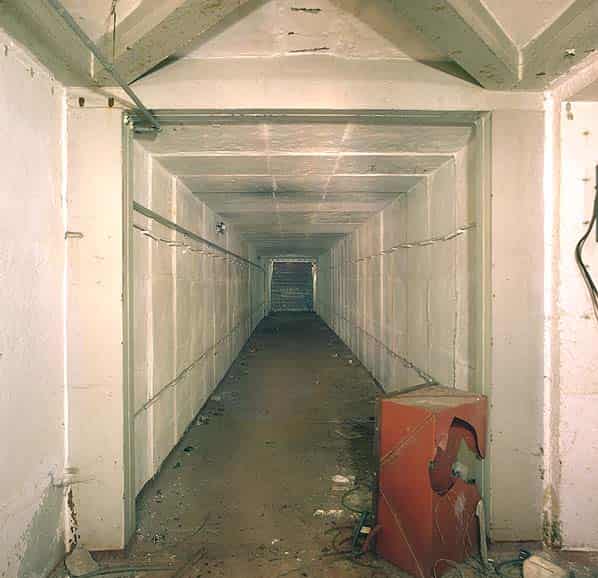
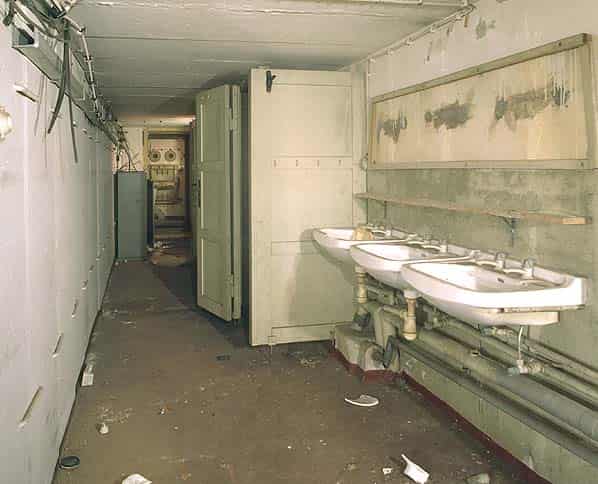
The Stasi bunker at Körbelitz served the Magdeburg district of East Germany. Its main role was as a communications intercept bunker, one of four surviving such bunkers, of which there were formerly 15. It intercepted signals (mostly encrypted) along the West Germany - West Berlin autobahn cables.
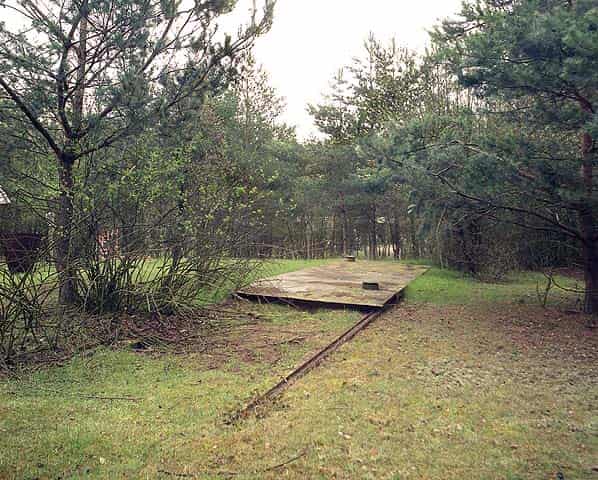
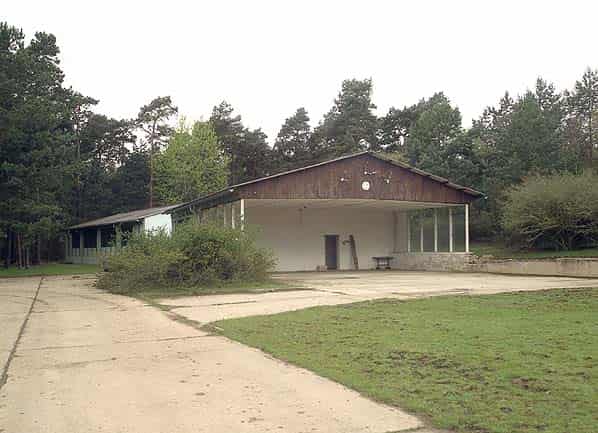
The cover story locally was that it was a - ‘country estate.’ Within grounds of private house in forest N of Körbelitz - Wörmlitz road 14 km NE of Magdeburg. The original house is still standing and derelict and the owner is erecting a new house alongside. There are pillboxes and traces of electric fences in grounds. There are also dog-runs and a concrete kennel.
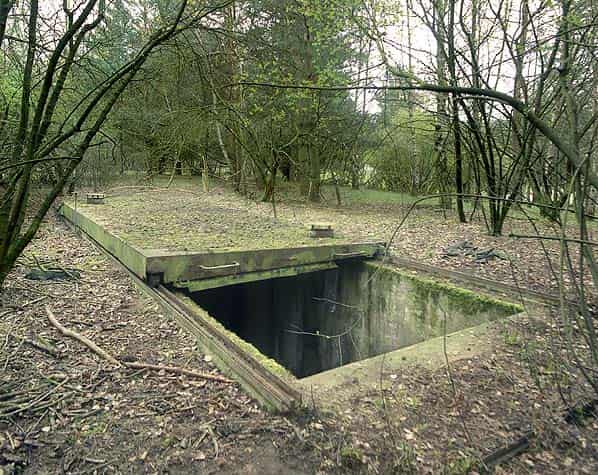
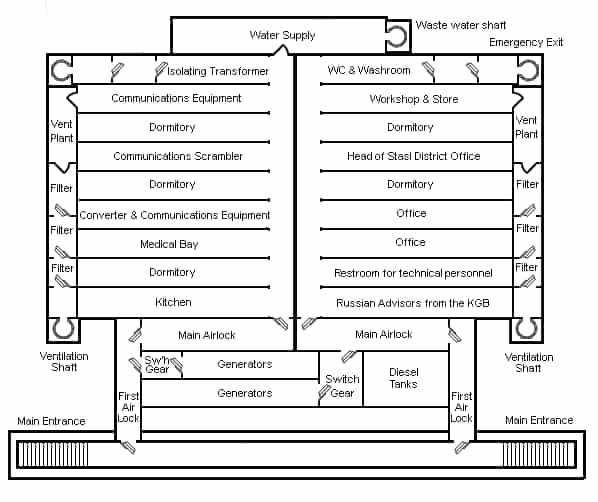
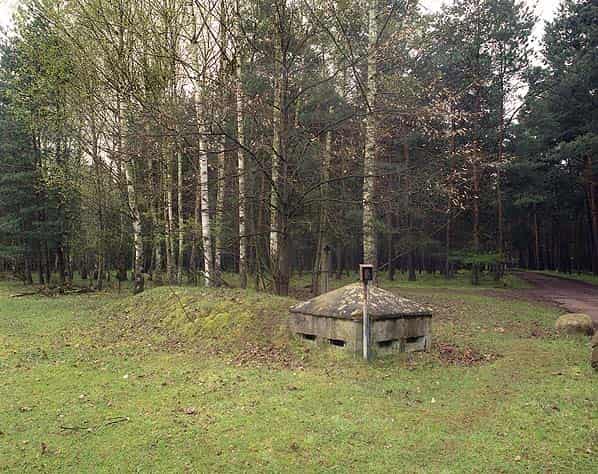
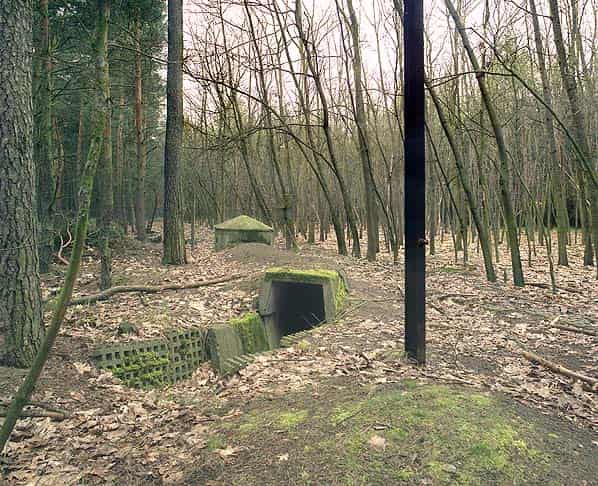
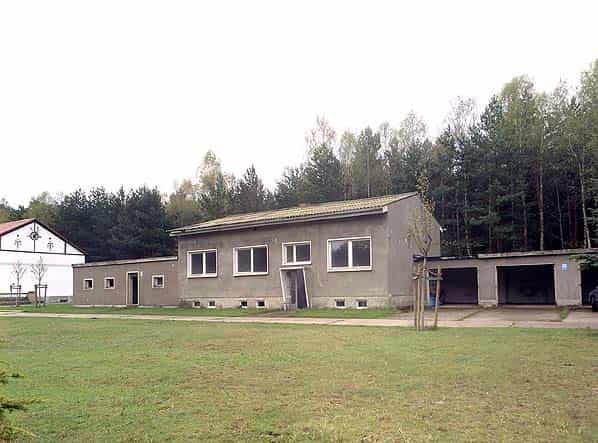
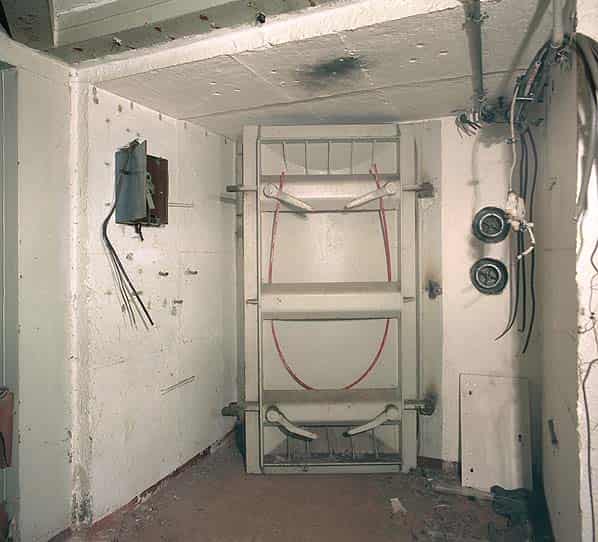
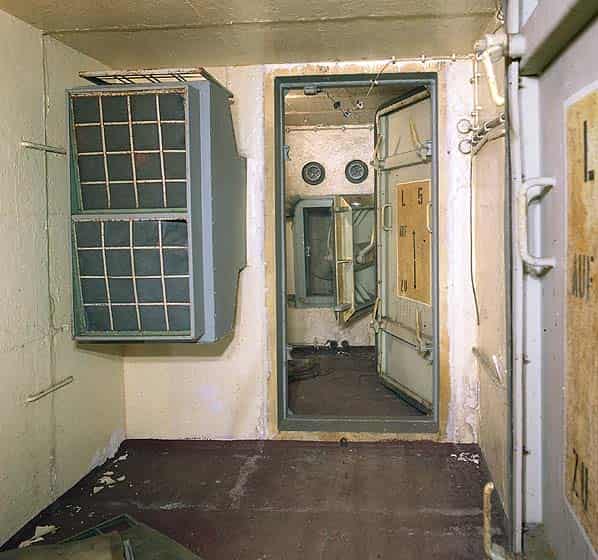
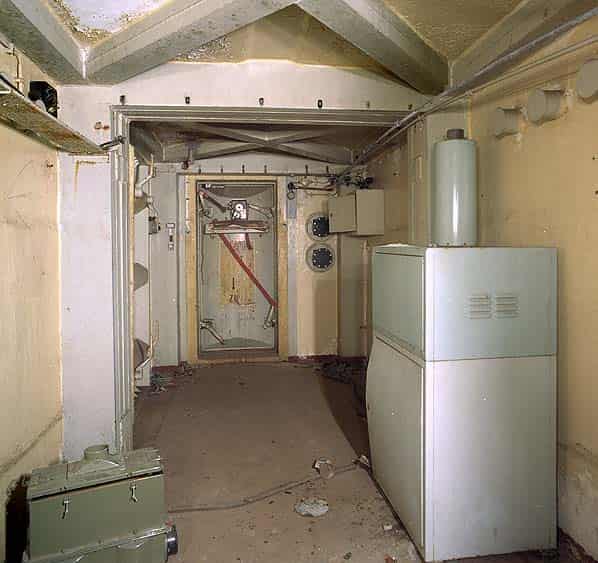
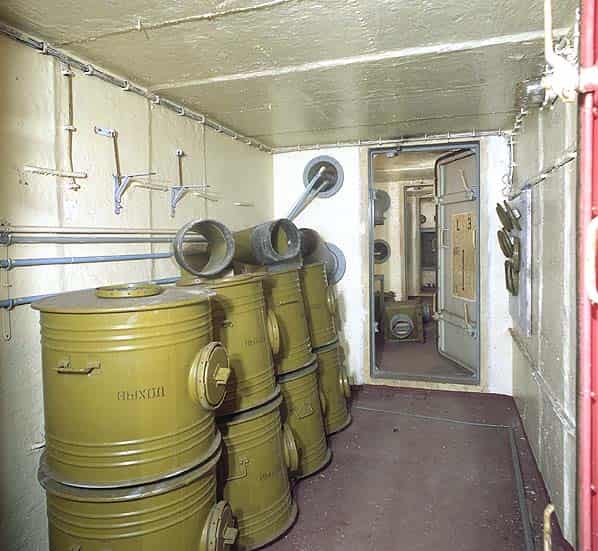
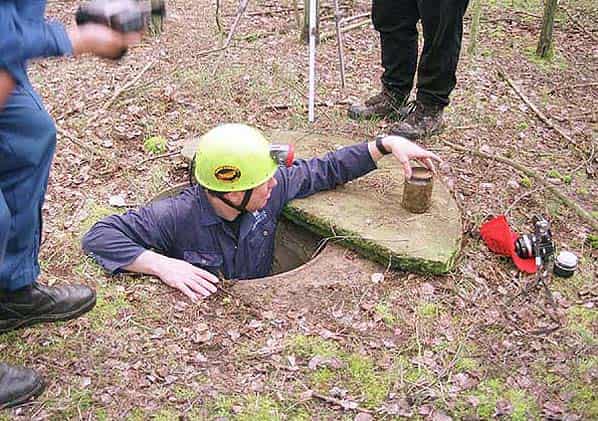
The main entrance is in the truncated end of a transport shed with two subsidiary entrances with horizontal sliding steel doors in woodland to north. In other extant Stasi bunkers these two entrances form the main entrance and are housed inside a single storey building. There are also escape hatches and various intake & exhaust services protruding from the ground. There are Russian air filters and manually operated and motorised blast/gas-tight doors.
It might have accommodated c. 40 men in wartime, with supplies for 7 - 14 days. Cable taps were normally handled/recorded automatically in seven-man shifts.
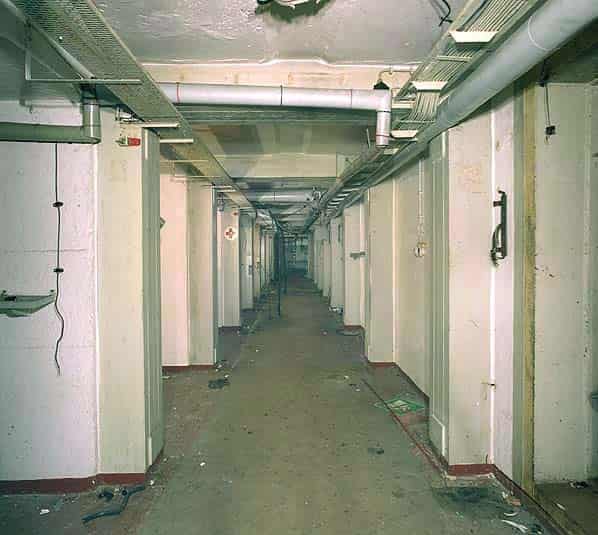
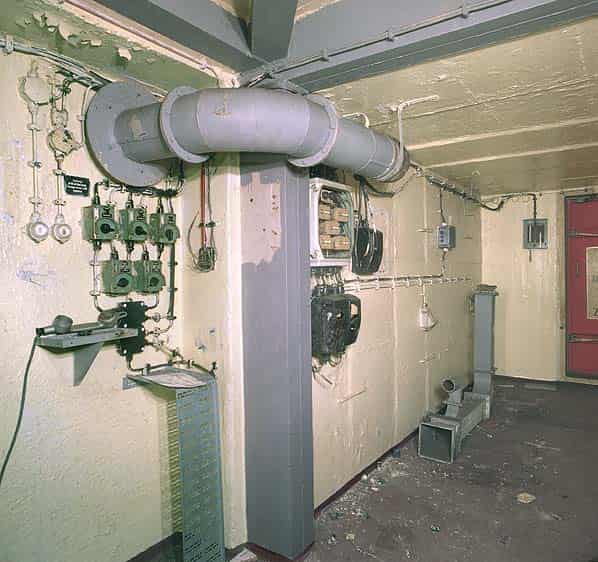
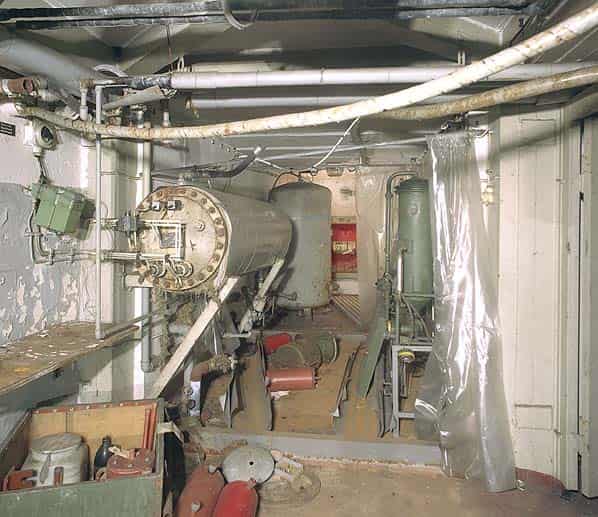
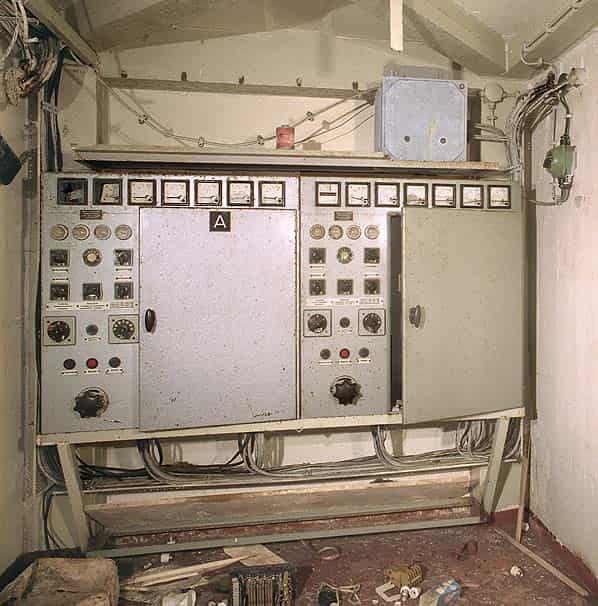
The Bundeswehr used the bunker it until 1994 and the new re-unified German currency was stored here before issue. The bunker has been stripped out and vandalised by local people, although crates of un-issued Russian gas masks remain as do one of the standby generators, switchgear and some of the other plant.
Local geology is seven metres of sands and gravels overlying impervious clays. Water table is at a depth of about six metres. A now-enlarged steep-sided pond was originally dug for fire-fighting purposes. The bunker is of cut-and-cover construction and was constructed at night for security reasons.