The final stage of the ROTOR Programme (Rotor 3) was to provide radar cover for the north and west of the British Isles which were still exposed to attack and to give low and surface level cover over the Atlantic, the absence of which prevented effective action against low flying enemy aircraft. Three new CEW stations were to be built at Aird Uig, Faraid Head and Saxa Vord equipped with Type 80 Mk 2 and Type 13 radars. The new CEW operations buildings were to be above ground, heavily built and designated R10, similar in internal layout to the underground R1 bunkers.
Rotor 3 included five new Chain Home Extra Low (CHEL) stations equipped with Stage 1 radar equipment to enable detection and tracking of low flying aircraft. (Stage 1 comprised Type 7 Early Warning [E/W] GCI, Type 14 E/W search radar E/W or Fighter Control [CEW station], Type 13 H/F and a Type 15 [mobile Type 7] - radars from this list were installed as required) The proposed stations were at Kilchiaran, Murlough Bay, Prestatyn, Snaefell and West Myne (demolished). These were to be heavily built operations blocks, designated R11; the above ground version of an R2 bunker.
Two new GCI stations were also proposed as part of the Rotor 3 programme, each equipped with a Type 80 radar and R8 prefabricated operations block. One at Ballywooden (Killard Point) in Northern Ireland and the other at Wick on the Scottish east coast.
It was hoped that The ROTOR 3 programme would be complete by 1957 and all technical aspects were classified as ‘Super Priority’.
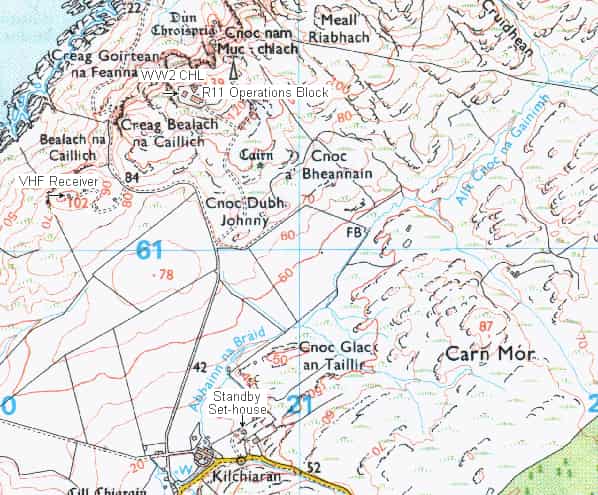
The site chosen for RAF Kilchiaran was occupied during WW2 by a Chain Home Low radar station, this closed in 1945. A ‘secret file’ on RAF Kilchiaran was raised 0n 18.05.1953 listing the facilities that were to be provided. An above ground R11 technical block was chosen because of the adverse weather conditions; a prefabricated R8 SECO block would have been the preferred option. Two radars were to be provided, one Type 14 on a 12' plinth and one type 13 on a 9' plinth. A medium voltage switch house was to be provided on the technical site with the standby set house at NR208603, close to Kilchiaran Farm house.
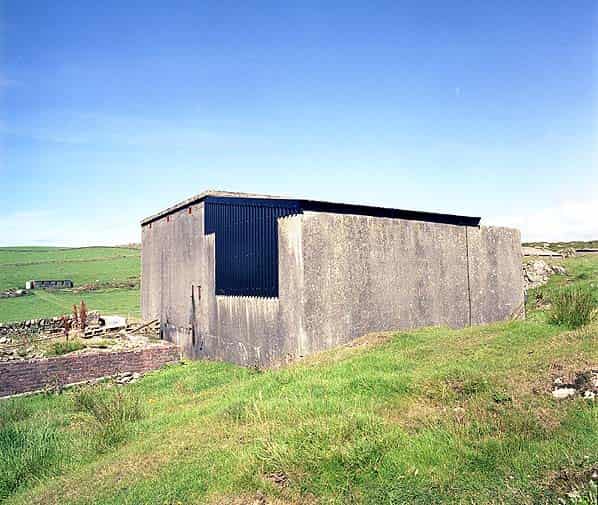
A ‘small’ VHF transmitter block with a 90' tower was to be built at NR296616, 80 yards north east of the technical block with a ‘small’ VHF receiver block with a 180' tower at NR203611 on part of the WW2 Chain Home Low site, 450 yards south west of the technical site.
No dogs or post and wire fence were required due to the site topography and there was to be no special provision against attack. There were to be no married quarters with personnel being billeted in hotels in Port Charlotte and Bridgend.
The transmitter and receiver blocks were complete 17.12.1953 and another PRO file shows the height of the receiver tower as 120', 60' lower than originally proposed.
Construction of the technical site commenced in 1955 with an estimate drawn up in November 1954 showing the expected cost of construction: £31,700 for the R11 building alone and the total cost anticipated at £160,000. By the target completion date of April 1956 some ROTOR stations had already closed down and the introduction of the ‘Comprehensive Radar Station’ as part of the ‘1958’ plan had no place for Kilchiaran. Despite the large outlay, the station had a very short operational life; on 11.7.1958 the station was reduced to inactive status with all AMWD assets being removed.
RAF KILCHIARAN TODAY
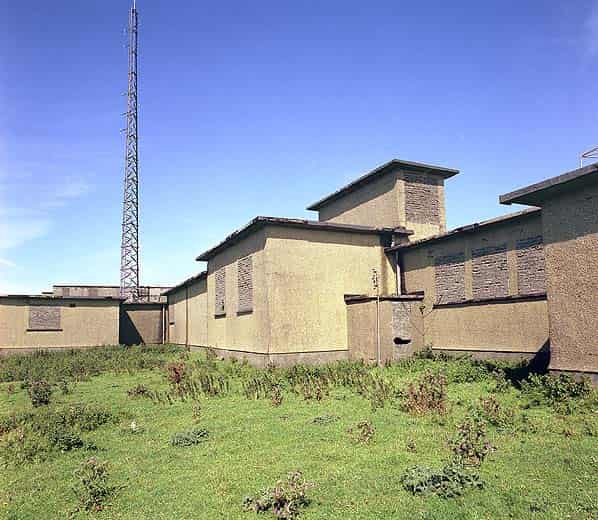
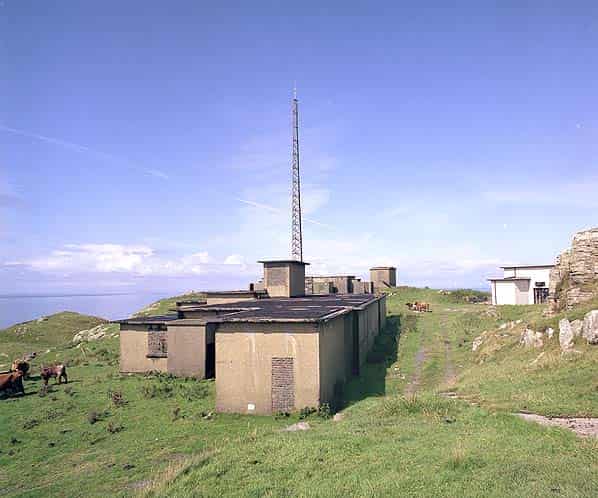
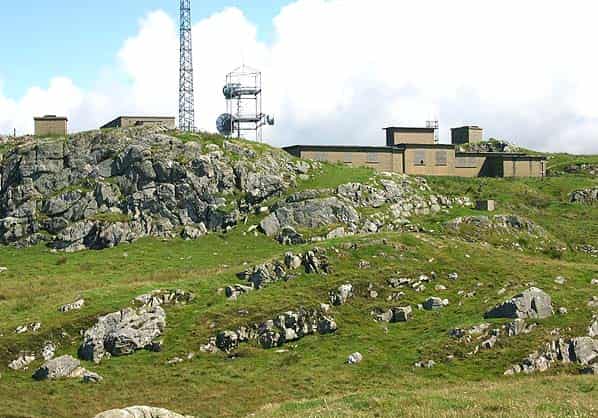
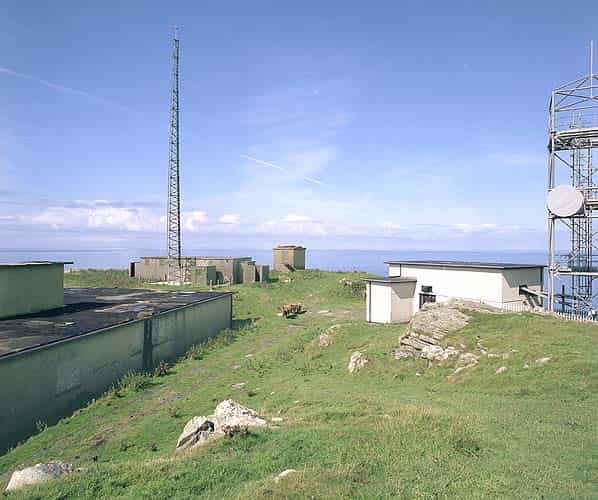
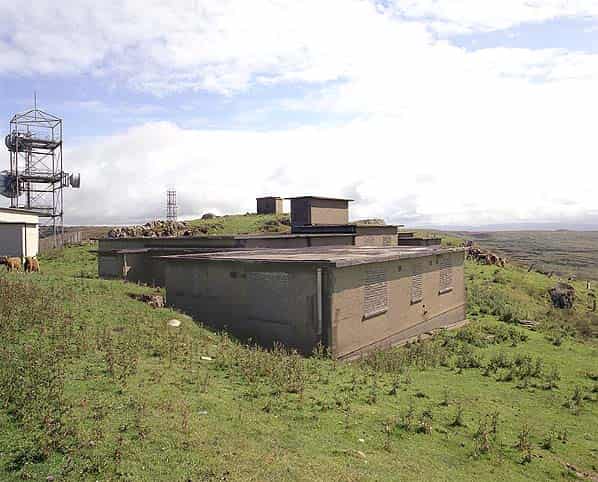
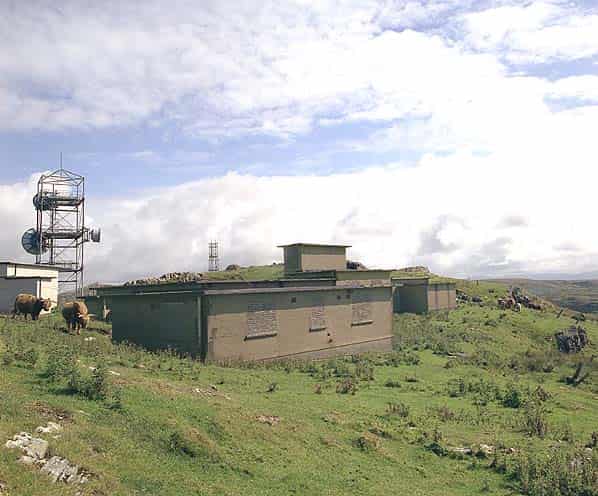
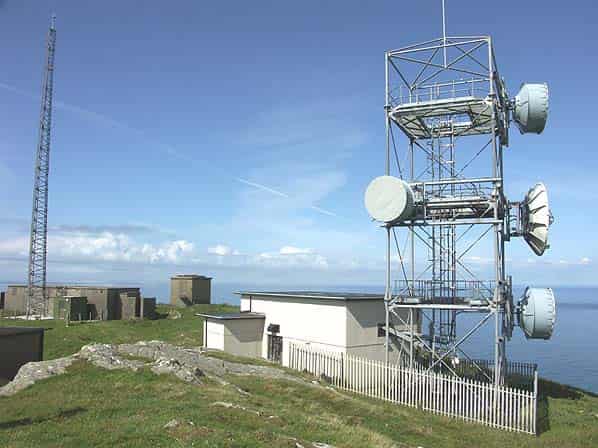
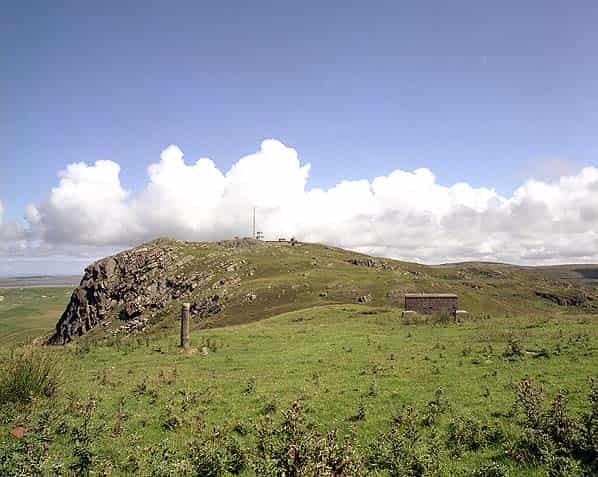
The technical block at RAF Kilchiaran is located on Creag Goirtean Na Feannaige, a 139 metre high outcrop 1.5 kilometres due north from Kilchiaran Farm. A dirt track terminates at a BT microwave tower, adjacent to the R11 technical block.
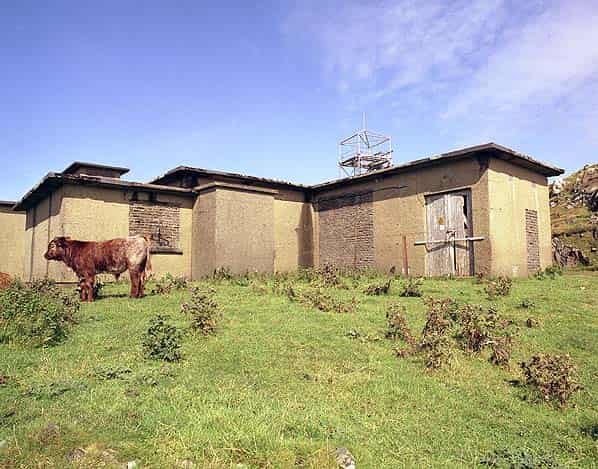
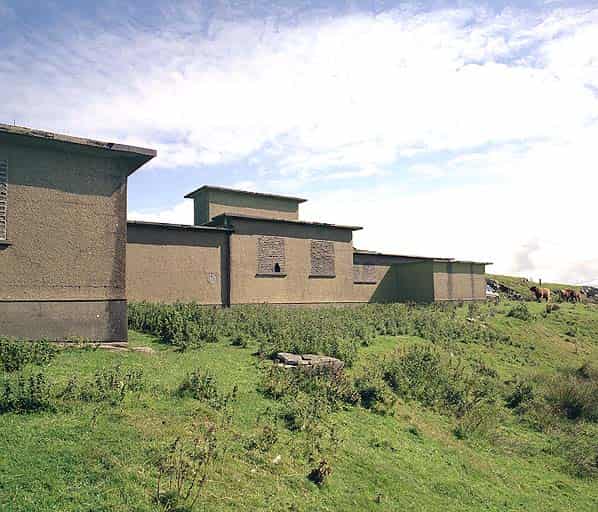
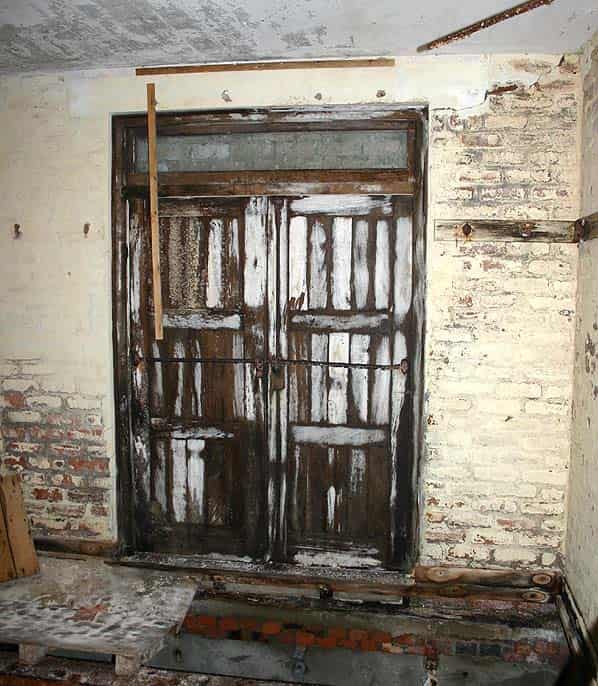
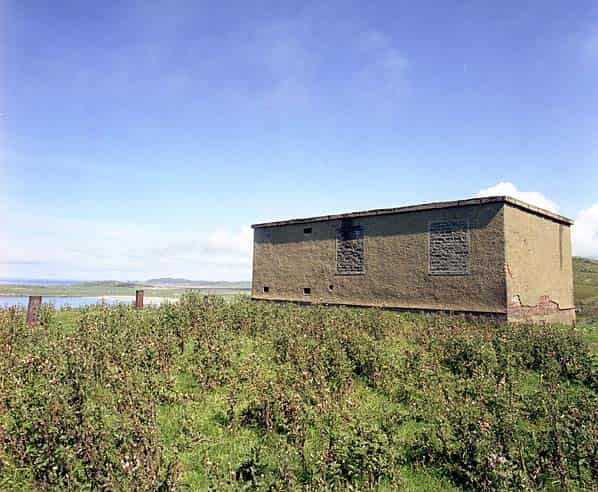
Externally the R11 is in good condition. All the windows were bricked up by the RAF before they vacated the site and the main entrance door is securely locked.
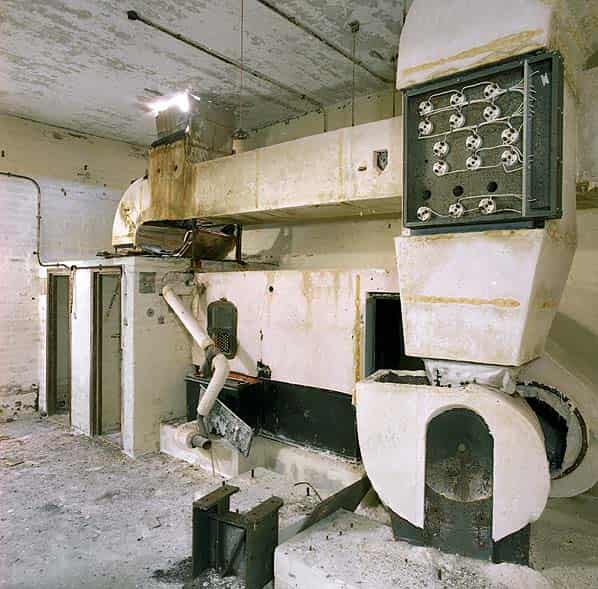
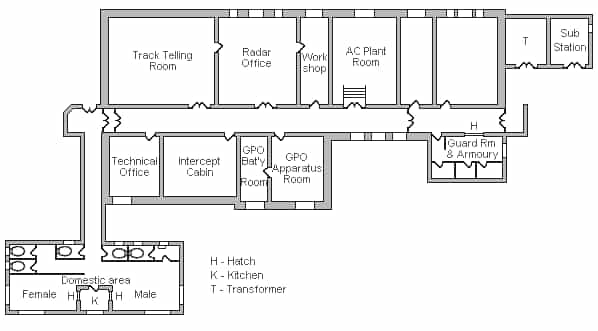
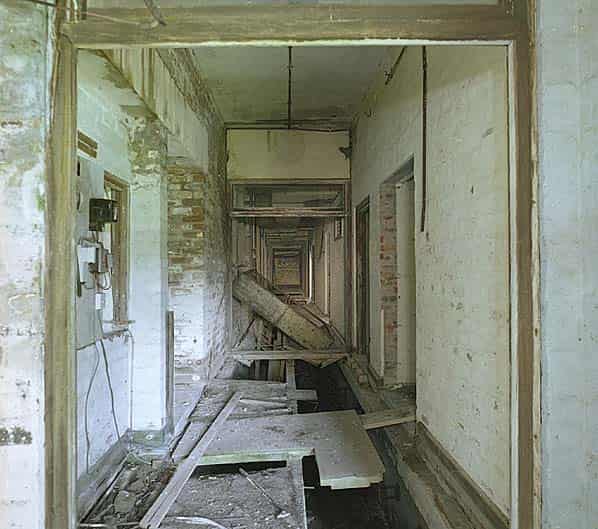
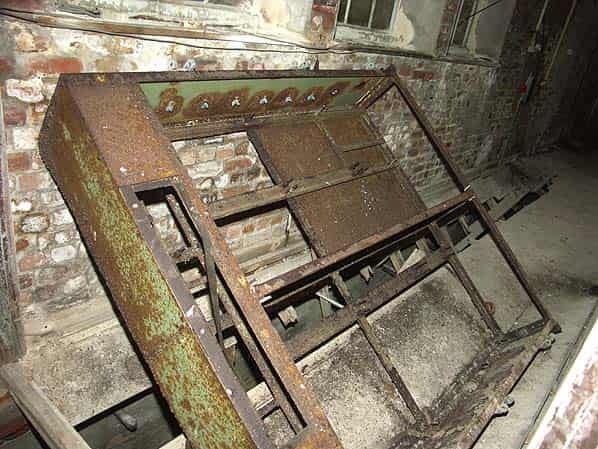
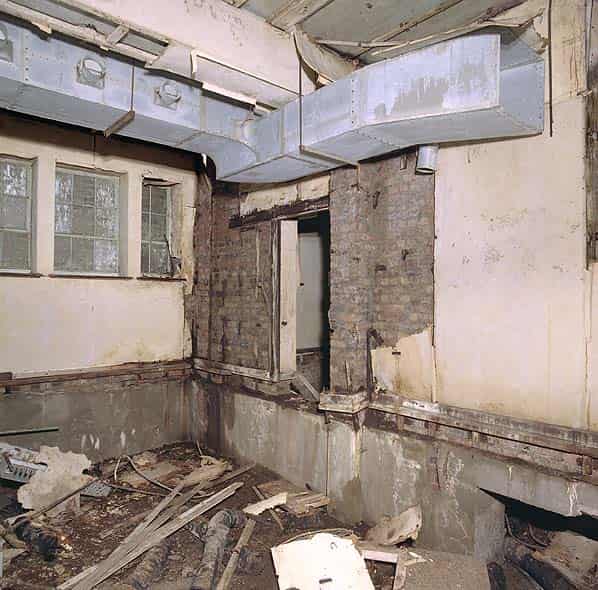
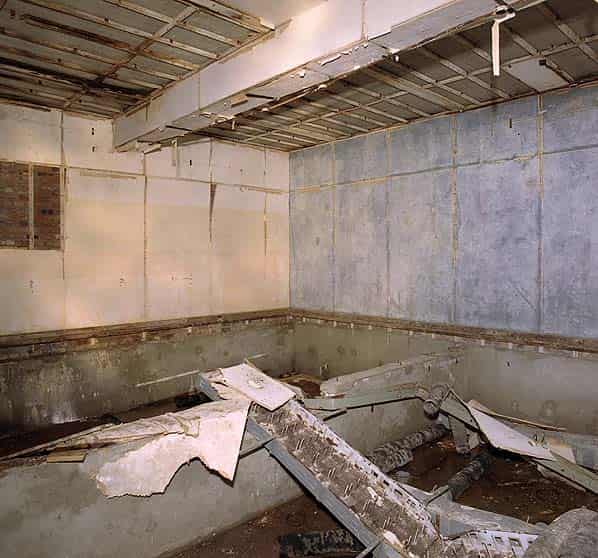
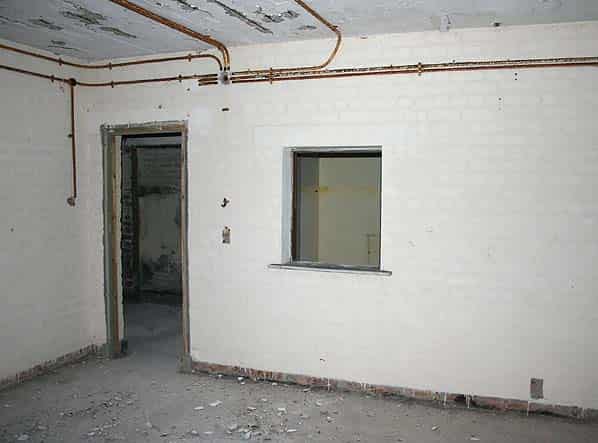
Internally the building has been almost completely gutted; most of the teak flooring in the corridor and most of the rooms has been removed making progress through the building difficult. Much of the underfloor cable trunking is still in place, as is the ventilation trunking suspended from the ceiling in most of the rooms.
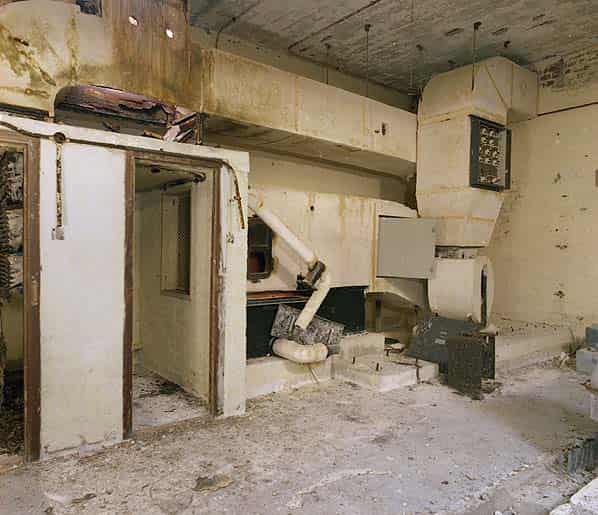
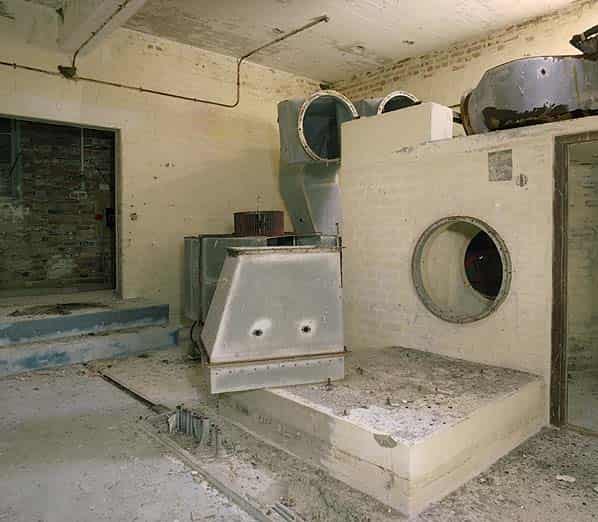
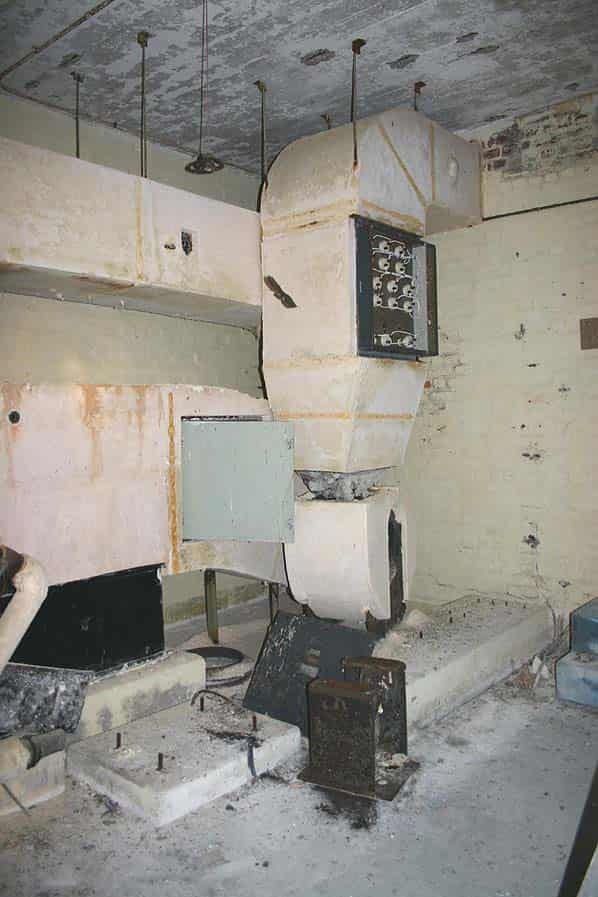
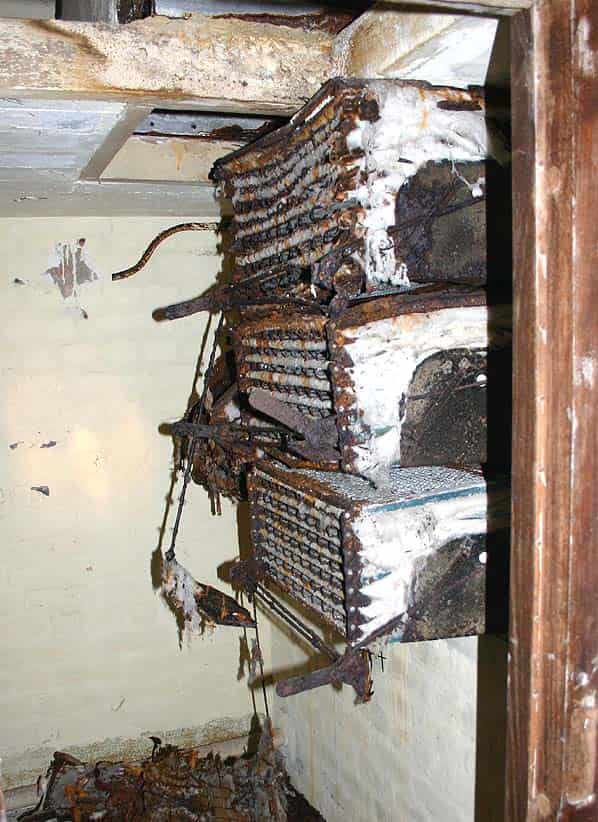
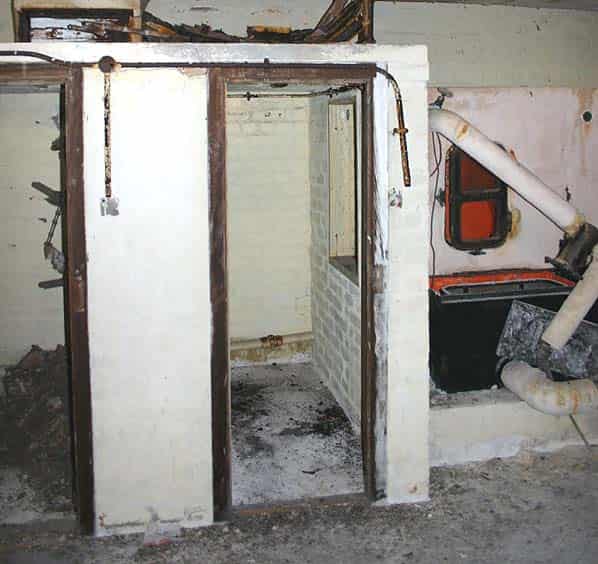
The Air Conditioning plant room did not have a false timber floor and is accessed down a short flight of concrete steps. Much of the plant is still in place including fans, filter banks and metal trunking running through to the air intake and exhaust on the roof of the building. The filter banks are located in two small brick built rooms located on either side of the plant room.
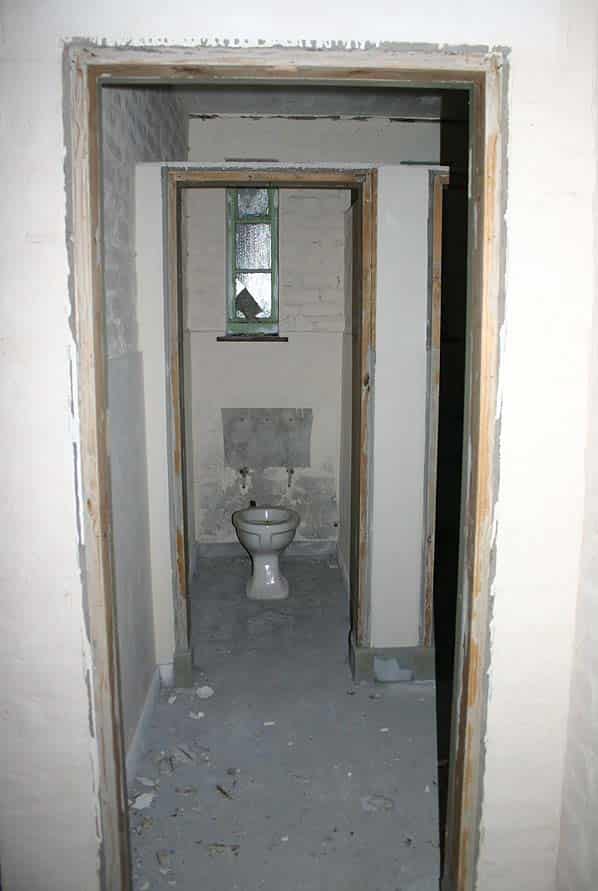
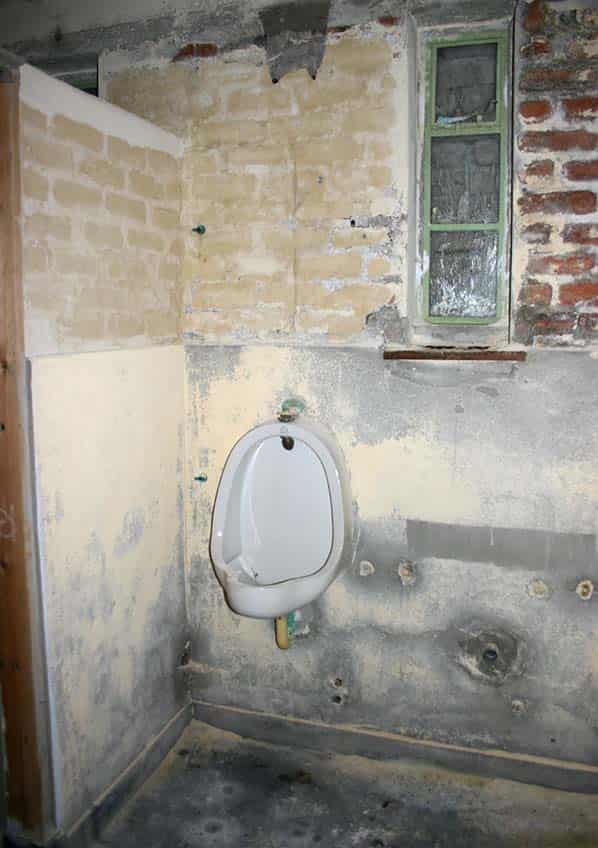
The domestic rooms are located at the north end of the building, at the end of a short side corridor. This area comprises male and female toilet cubicles and a male and female rest room, each with a serving hatch into the tiny kitchen. The kitchen like the rest of the building has been completely stripped of its fixtures and fittings. Some of the WC pans remain intact as does the single male urinal. This part of the building has a solid concrete floor.
At the south end of the main spine corridor, close to the entrance is a series of small rooms. The largest room has a hatch into the spine corridor, this would have been the guard room, one of the other rooms would have been the armoury. Again these rooms have a solid concrete floor. The sub-station at the south end of the building is still in use and is securely locked.
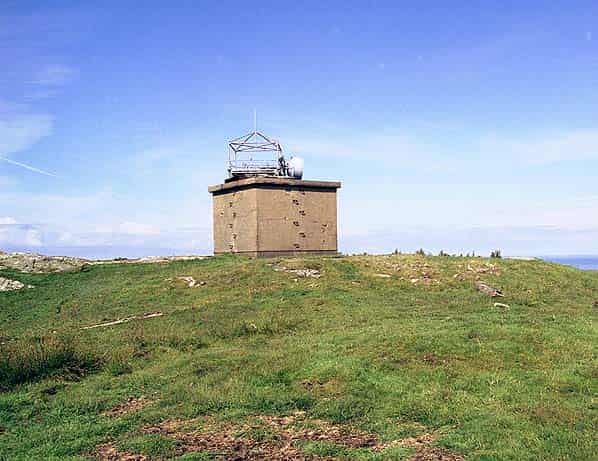
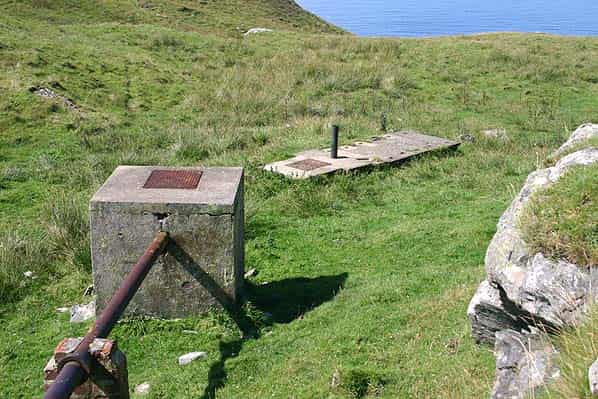
The two radar plinths are still in good condition and have also been bricked up to prevent access. Each has step irons giving access to the roof and there is also evidence of an external ladder. The taller (12') Type 14 plinth has a short flight of concrete steps for access. The Type 14 plinth stands a few yards ro the north of the WW2 CHL technical block; this is now empty and disused.
BT microwave equipment is now housed in one of the Rotor buildings on the north side of the technical block; this is now painted white. This building is only found at stations with an R11 technical block and at Snaefell the building had been used as a standby set-house..
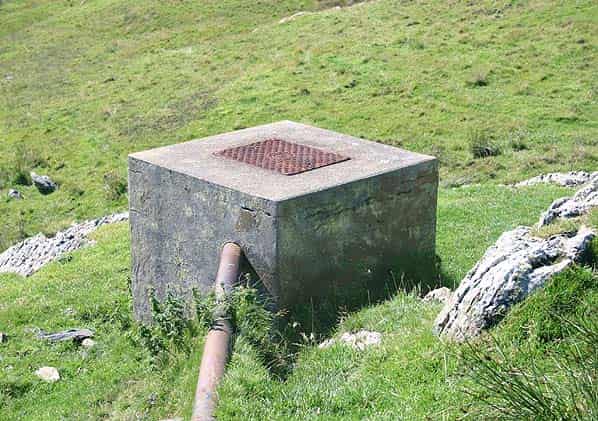
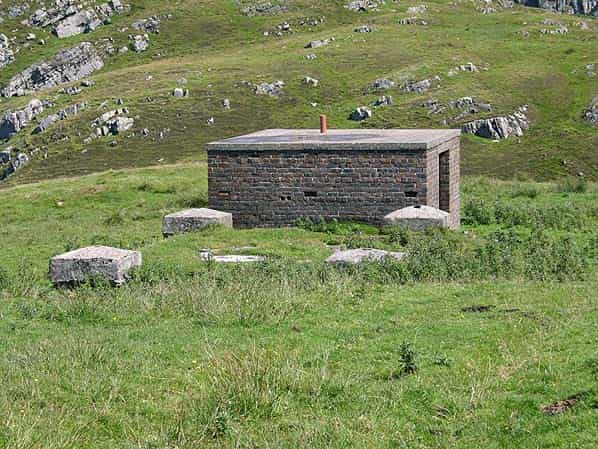
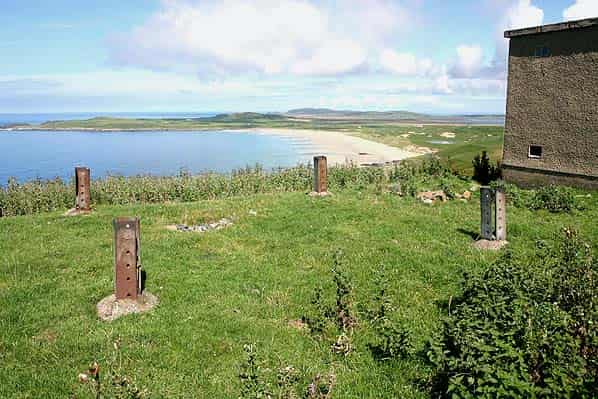
The VHF receiver block is located at 102 metres high, on top of Bealach Na Caillich, another craggy outcrop 450 yards to the south west of the technical site. This consists of two buildings, a ‘small’ (standard designation) brick built receiver building with the base for the 120' wooden aerial tower alongside. The windows and doorway have all been bricked up. The standby set-house stands 50 yards to the east. The building is open and has a concrete plinth for the generator. There is another, larger, aerial mast base alongside this building. This may have been a WW2 structure or it may be the base of the 180' mast originally planned for the station.
A third concrete building and some hut bases can be seen a short distance to the east, these definitely date from WW2 and were part of the Chain Home Low radar station.
The main CHL operation block is on the west side of the R11 but a PRO file lists the VHF receiver as being on the site of a former (WW2) CHEL.
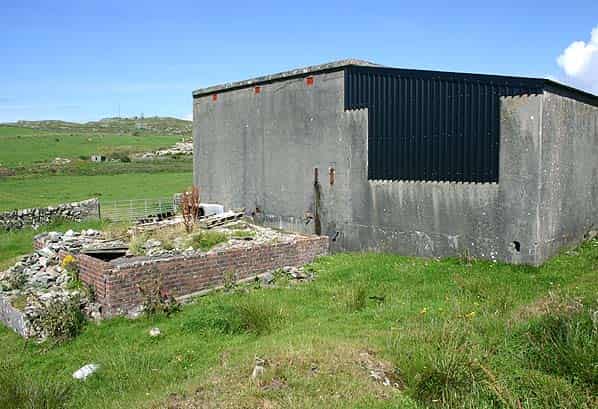
The stand-by set house still stands within the WW2 CHL domestic camp, close to Kilchiaran Farm house in Kilchiaran village.
The concrete building dates from WW2 and was refitted for rotor use in the 1950’s It has now been stripped of any original fixtures and fittings and has been put to agricultural use. An underground power cable originally linked this building with the standby-set house serving the airfield at Port Ellen. This cable is still in place.
A number of other buildings from the CHL domestic camp still stand with the concrete bases of further buildings clearly visible
Those members of Subterranea Britannica taking part in this visit were Nick Catford, Martin Briscoe, Keith Ward and Mark Bennett.
Sources:
- Bob Jenner
- Keith Ward
- Ian Brown
- PRO Files: Air 20/10699 Appendix E & Appendix K, Air 2/12063