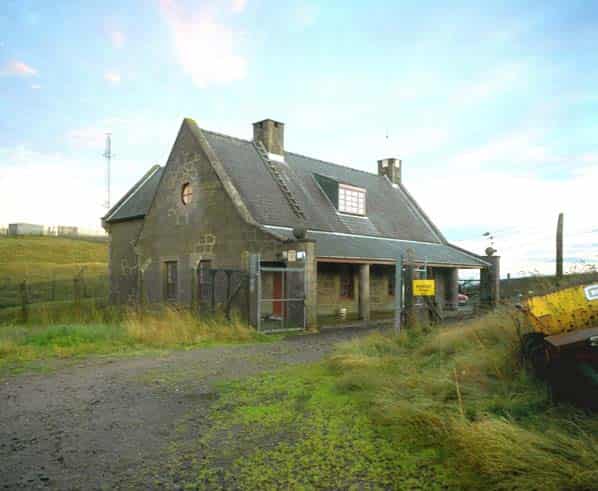
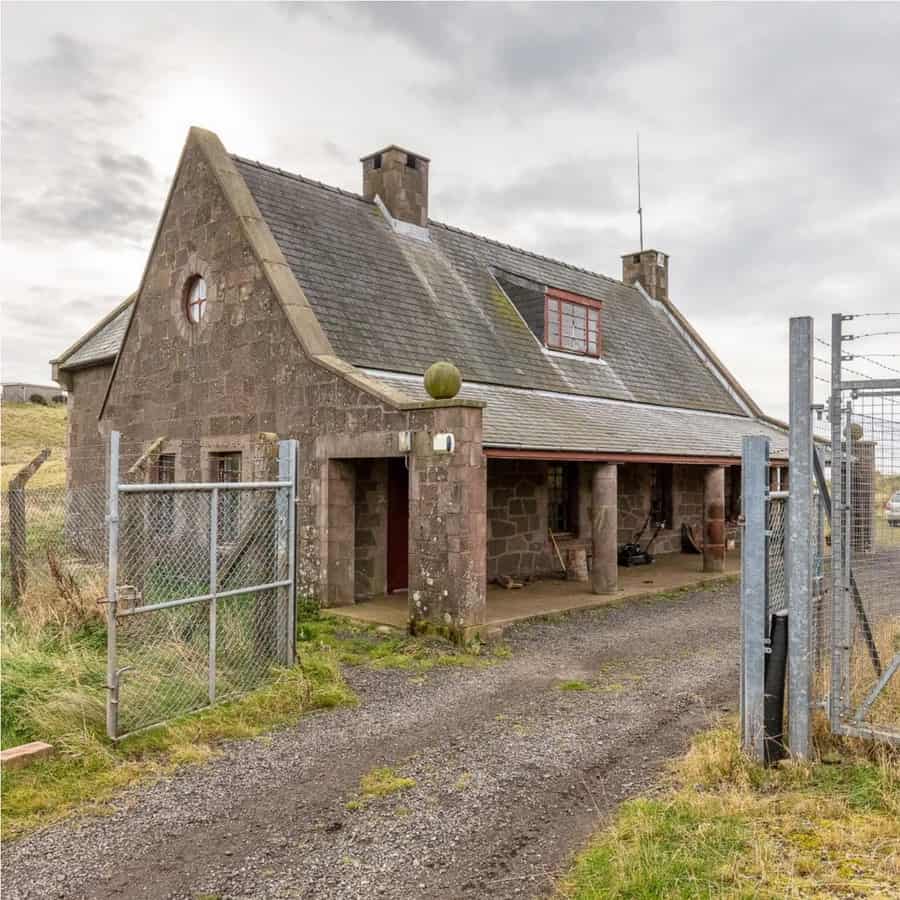
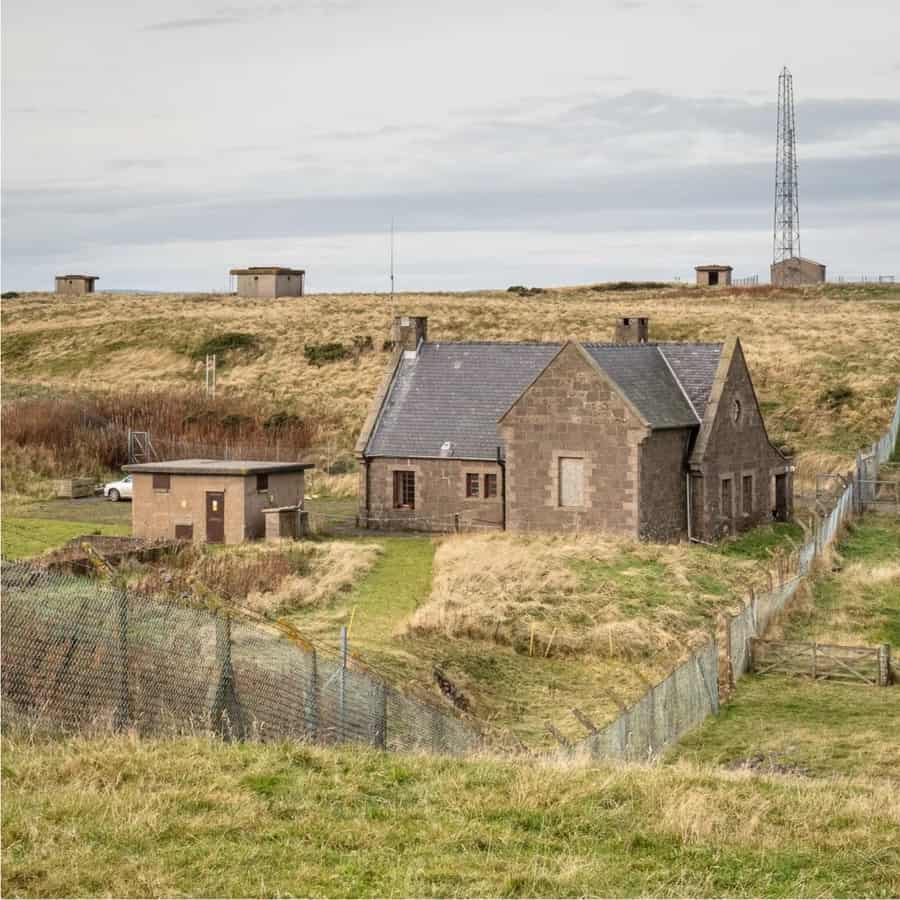
The Inverbervie CEW (Centimetric Early Warning) Radar Station was built in 1952 and was designated an R1. It consisted of a single storey bunker accessed from the standard design guardhouse/bungalow built of local stone. It had three type 13 and 2 type14 radar systems, one mounted on an overhead gantry.
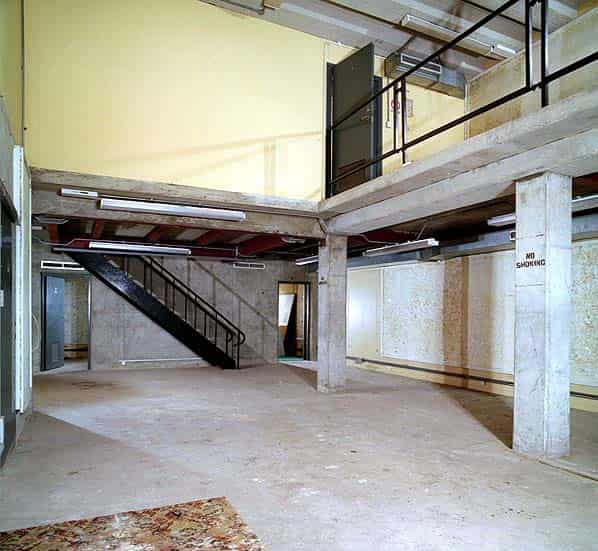
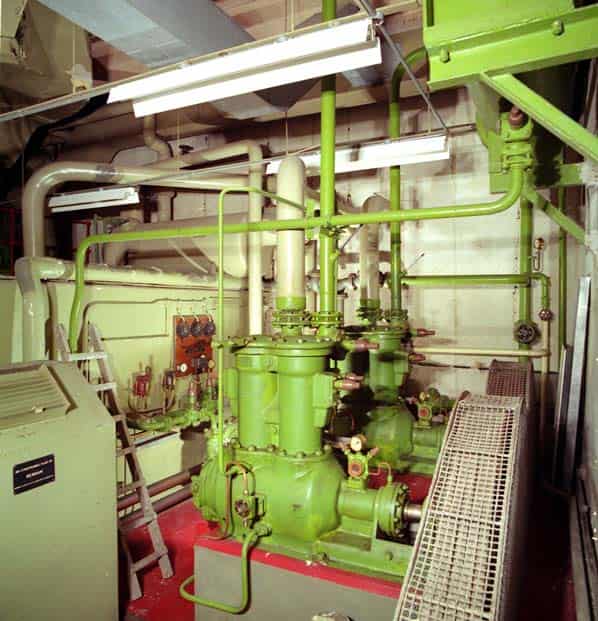
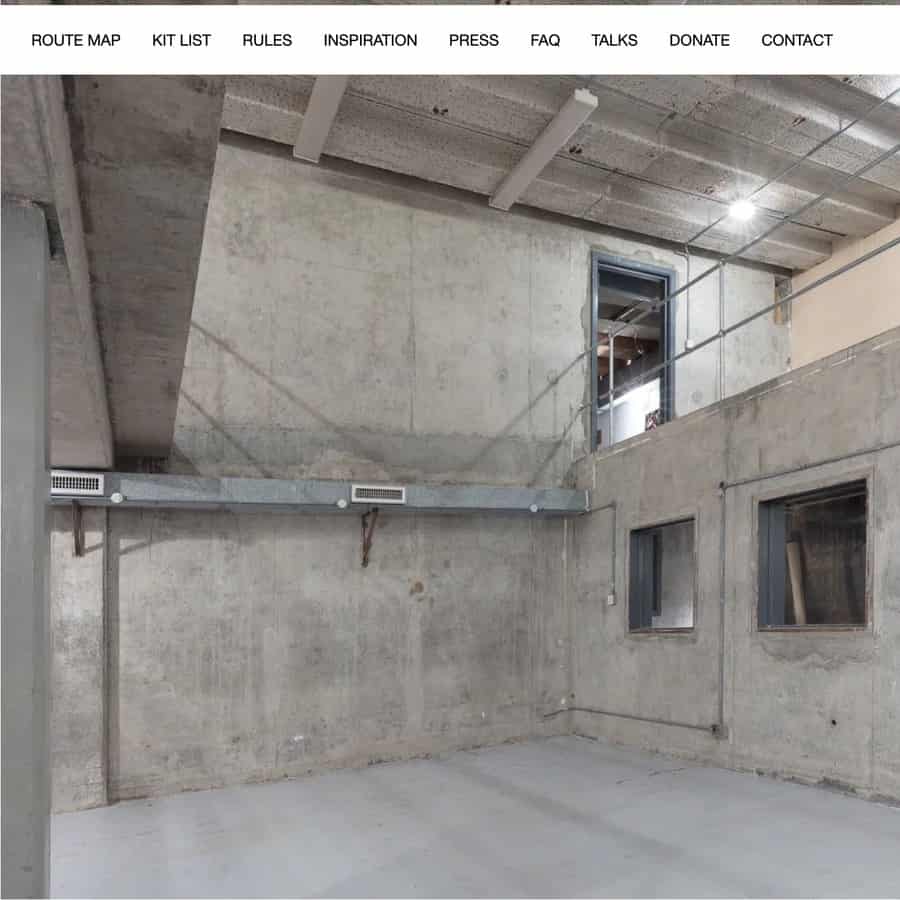
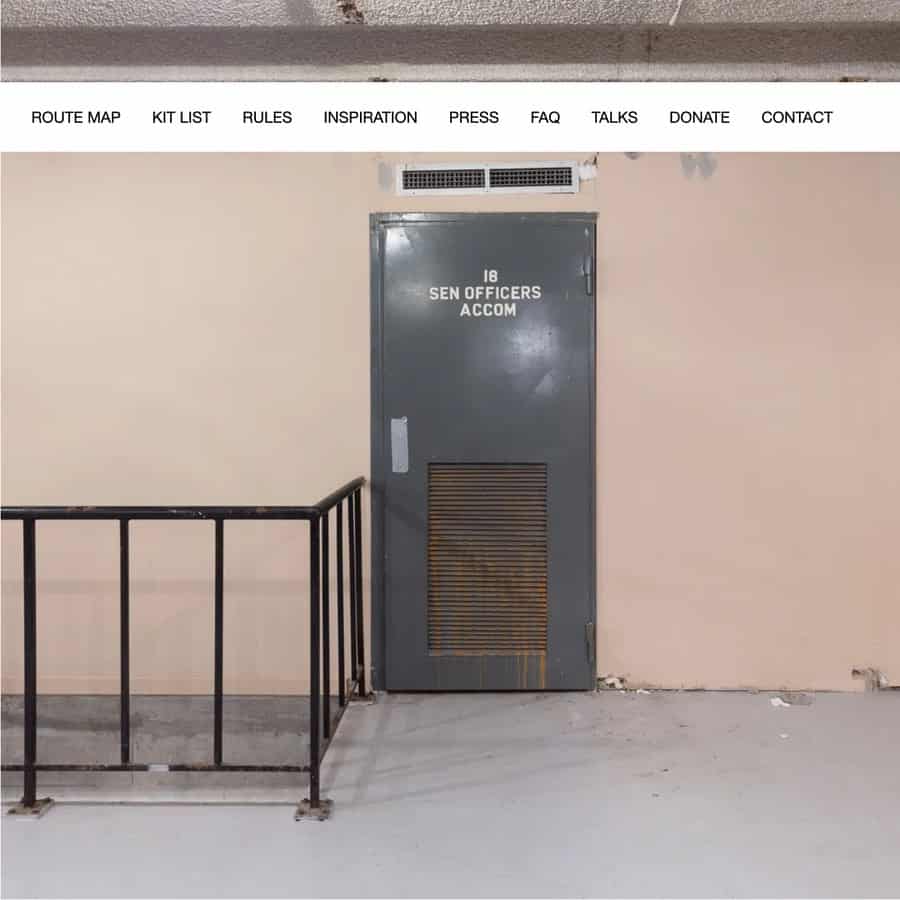
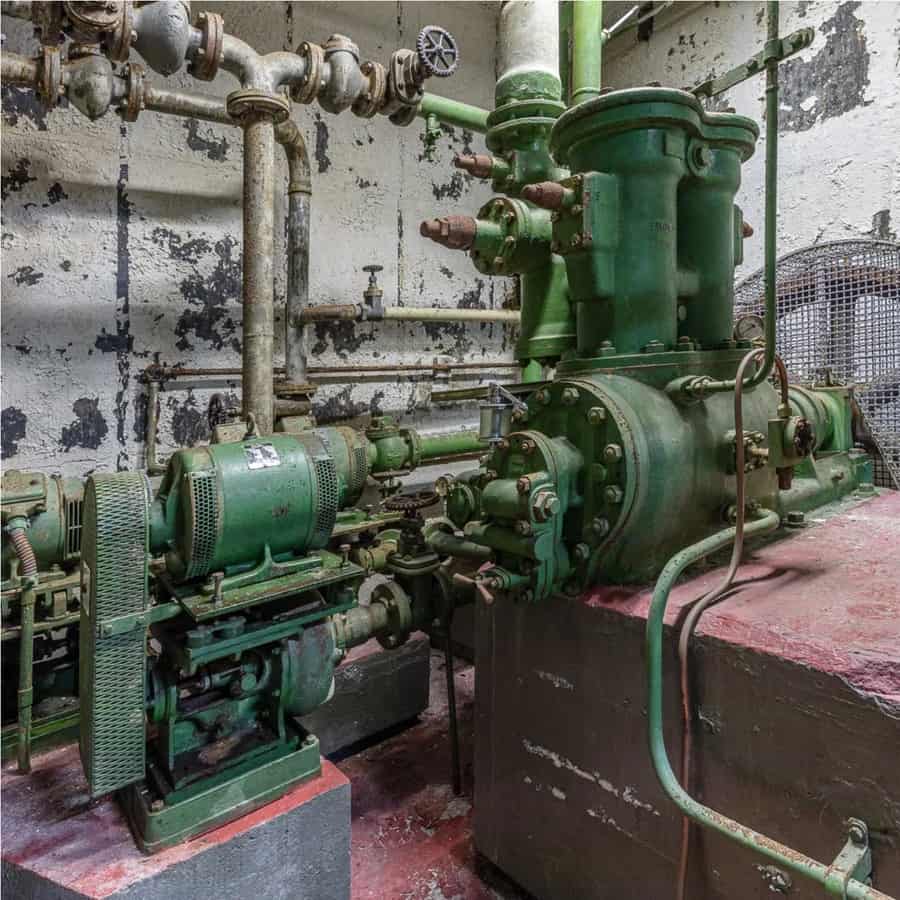
In the 1960’s the site was taken over by the US Navy working in conjunction with nearby RAF Edzel where the US Navy’s security group had their Oceanographic Monitoring Station monitoring the North Sea and the coast around the north of Britain. During this period the bunker was substantially modified and converted into two levels. This was done by removing the original floor and lowering the height of the rooms, in this way it was possible to squeeze a second level into the same space without altering the structure of the bunker. The US Navy moved out in 1978 and the bunker remained empty for six year until 1984 when it was taken over as the Armed Forces Standby HQ to Craigie Hall. The bunker was finally closed in 1993 and purchased by the current owner in 1999. Despite the US modification the plant room remains in original condition and is the best surviving example of its type (CEW / R1). It would appear that the American’s did not use the AC Plant, utilising only a small number of the original fans to provide ventilation.
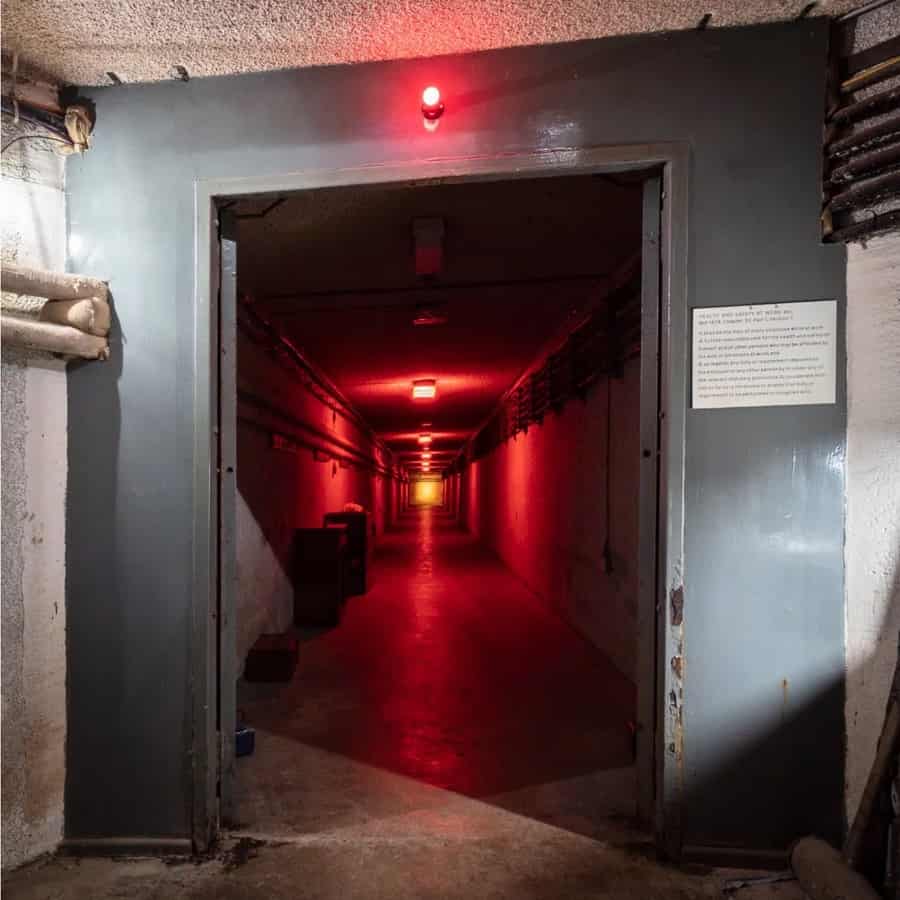
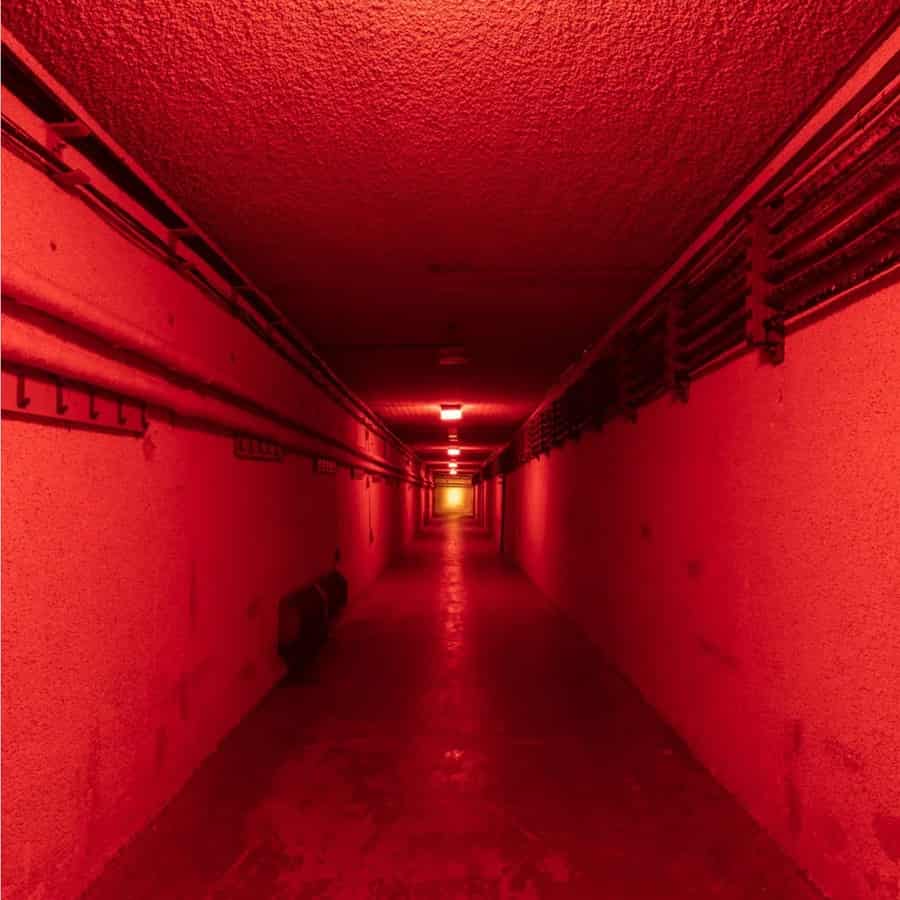
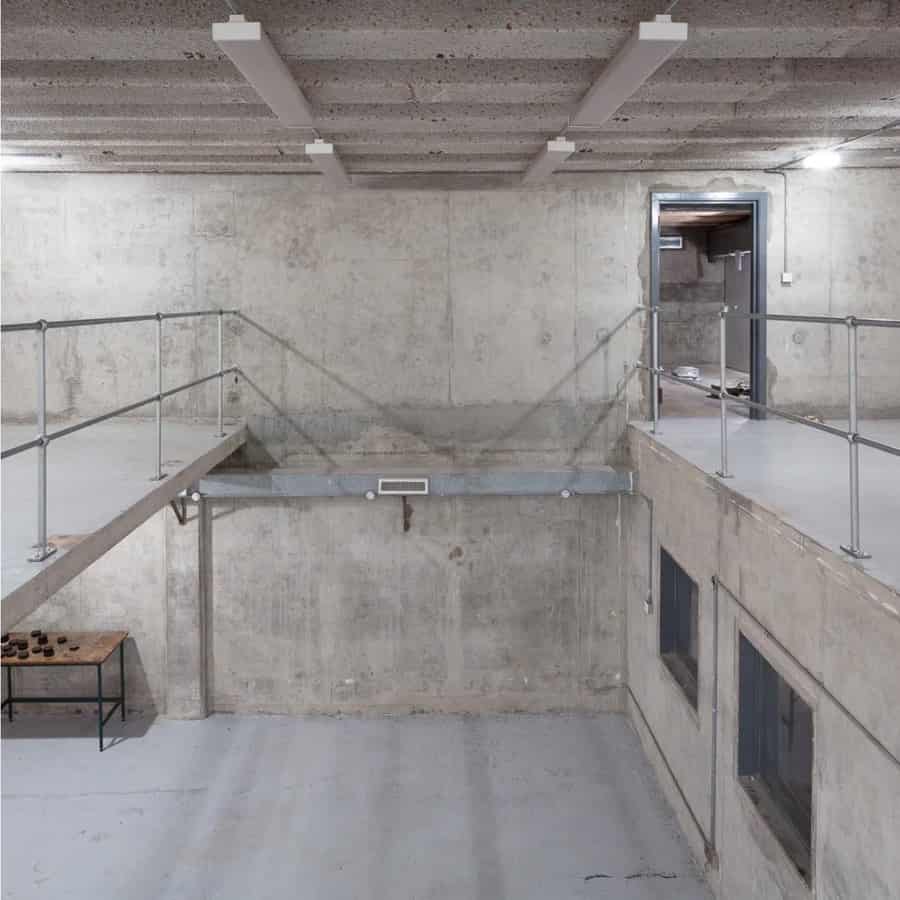
Most of the other rooms have been completely altered, there is a new kitchen and new toilets with one very strange anomaly; both the male and female toilets have a urinal. On the opposite side of the main spine corridor is the new two storey control room with an open balcony overlooking the ‘well’ and room windows (on both floors) which also overlook the ‘well’ on the other side.
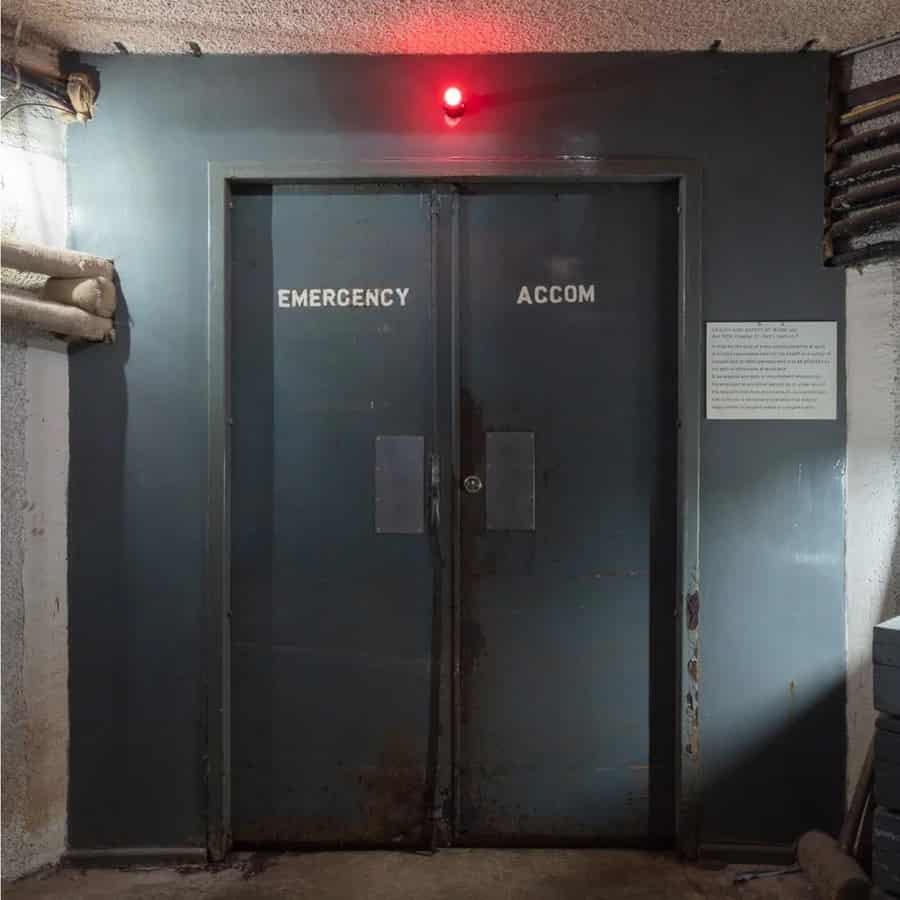
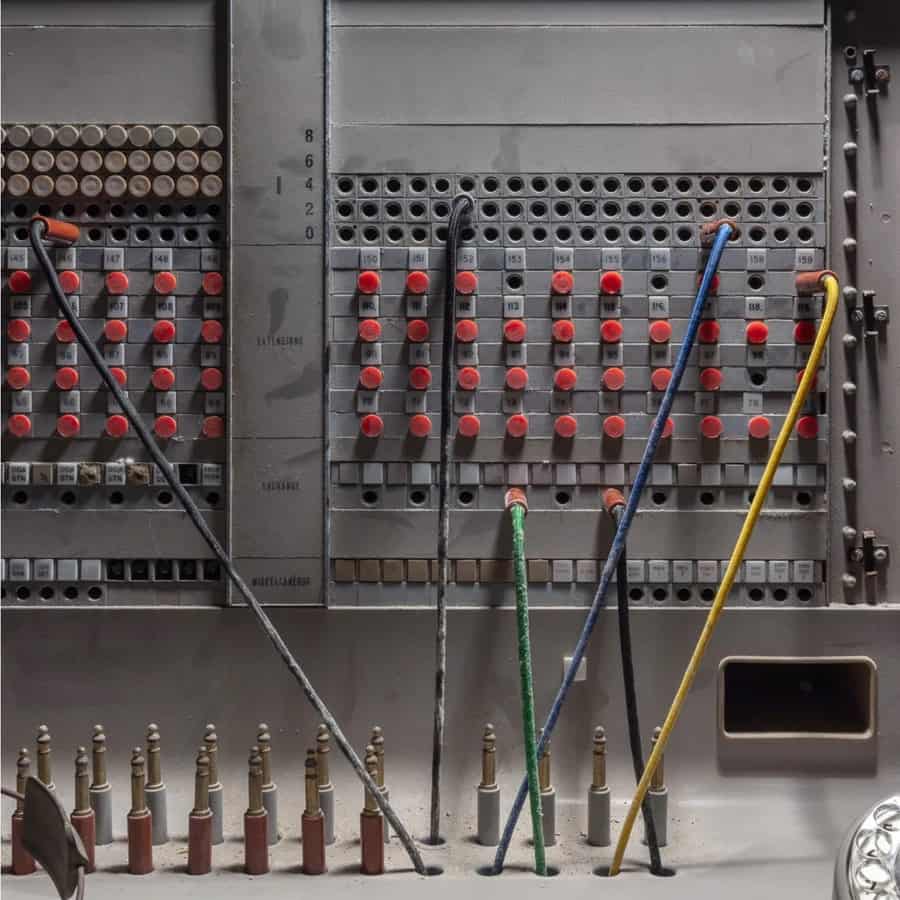
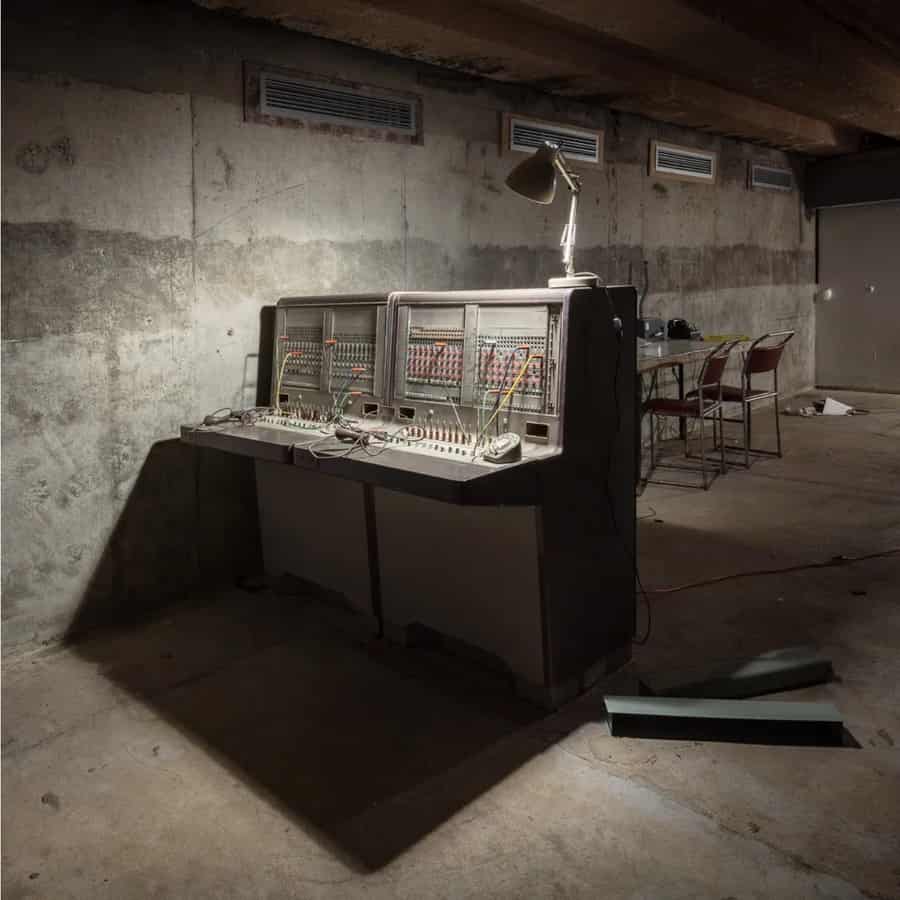
Two manual switchboards are still in place in one room, very similar those that were noted at another AFHQ at Henley. There are numerous other items of control equipment remaining which will need further research and investigation to interpret. The bunker is a little damp in places but is generally in excellent condition and is lit throughout. On the surface the 5 radar plinths remain intact the most interesting being the Type 14 where a low gantry straddled the small control building which still contains its original 50 c/s and 500 c/s switching racks and cable termination blocks. Four massive concrete blocks that supported the gantry stand around the building. The mound over the bunker is fairly unobtrusive set in a low valley on top of the hill, at the far end of it is the small emergency exit blockhouse.
The site is private and very secure, with two mean and hungry Alsatian dogs patrolling the grounds (24/7). The owner has made it clear he wouldn’t welcome visitors.