Hope Cove was a World War II radar station. In the early 1950s it was revamped as part of the RAF’s ROTOR air defence scheme. It was one of five stations equipped with a type R6 (semi-sunk) bunker. The others were Hack Green, Langtoft, St. Twynells and Treleaver.
In the late 1950s the site was taken over by the Home Office and the R6 bunker was turned into a Regional Seat of Government (RSG). Later it became in turn a Sub-Regional Control (SRC), Sub-Regional Headquarters (SRHQ) and Regional Government Headquarters (RGHQ) under various Home Office schemes.
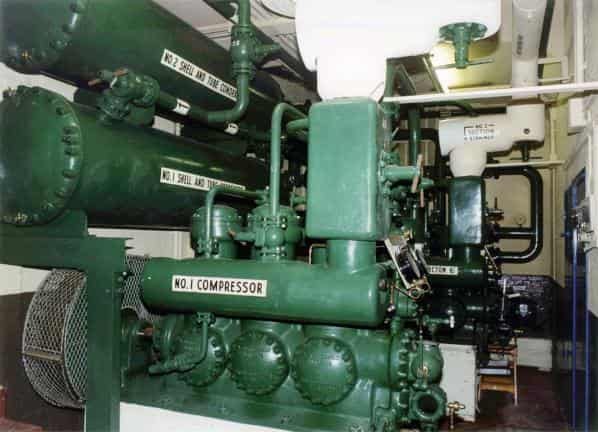
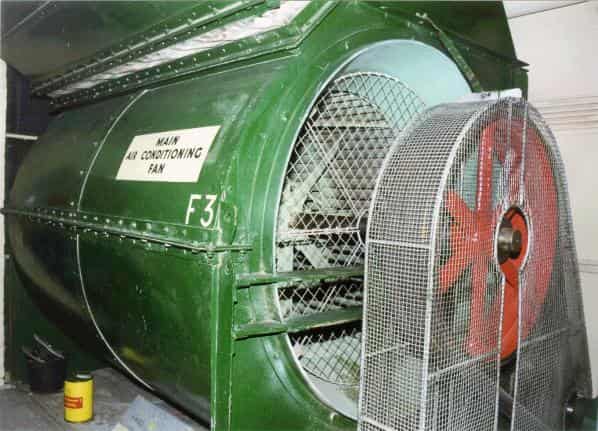
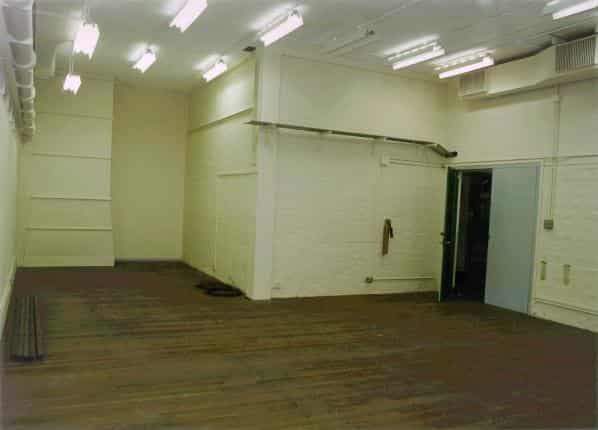
Reports that the bunker was totally refurbished in the 1970s and that it is almost identical to Hack Green are untrue. Apart from relatively minor improvements to electrical wiring and communications, most of the facilities date back to the Rotor era. The building still has its original air-conditioning plant, and most of the teak false floors are still in place.
This site is also known as Bolt Head and, as an RSG, was codenamed Gull Perch.
SITE VISIT REPORT
Wednesday morning saw 6 SB members visit the former ROTOR R6/RGHQ 7.2 bunker at Hope Cove in Devon. Nick McCamley, Richard Challis, Dan Mckenzie, Tony Page and myself joined Nick Catford who organised and led this trip for a very early drive along the M4 and M5.
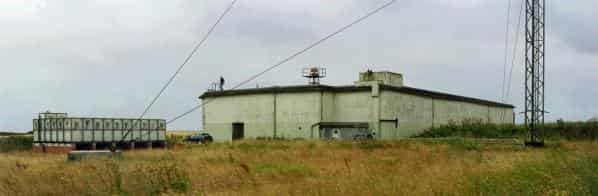
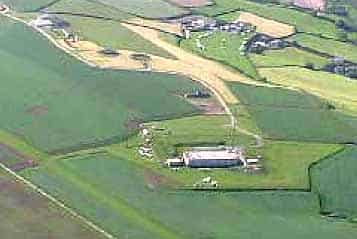
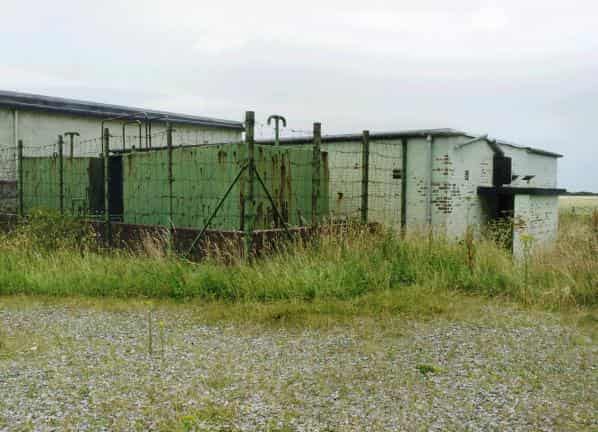
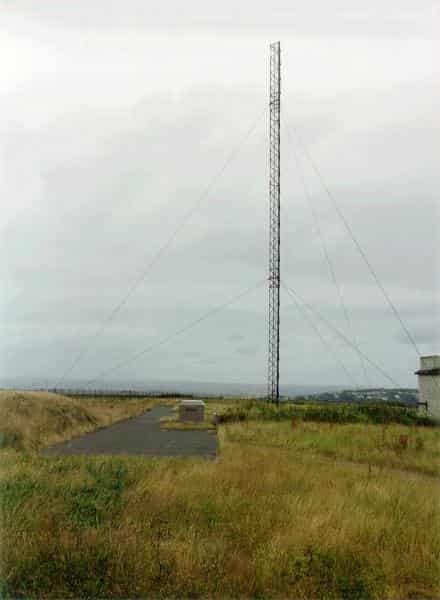
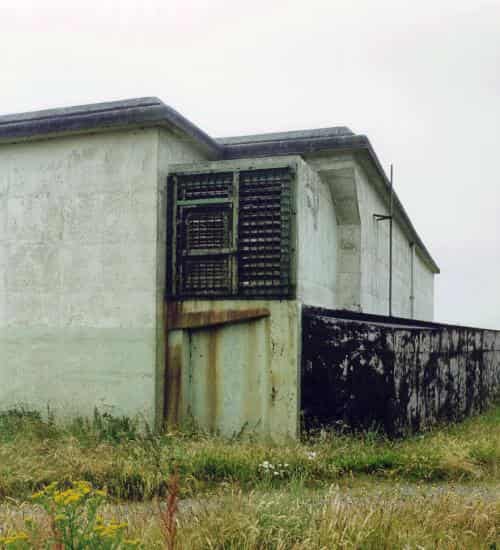
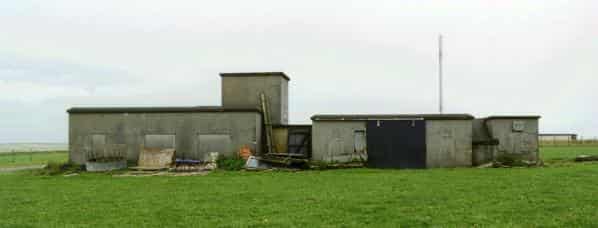
The bunker is built in an outstanding position on high ground near the Devon coast on the site of the former RAF Hope Cove. Virtually nothing of the RAF station remains apart from one building that is now used by the farmer for storage. The bunker is positioned away from the road behind the farm area and is within a double ring fence. The total site is 4.78 acres.
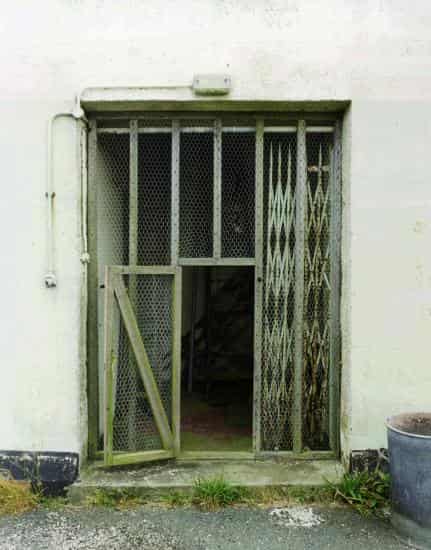
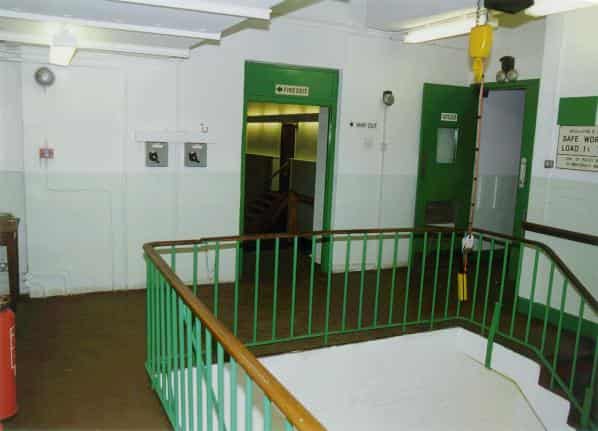
The bunker is reached by a long drive from the narrow single track road which passes a number of farm buildings. The gate in the first fence is open and following the drive way we arrived at the second gate which was locked. Some of the fencing on the inner fence was in need of repair and there were 2 patched holes. Once the keyholder arrived we were able to drive up to the bunker. The structure is an R6 semi-sunken blockhouse with 900mm thick walls. Outside there are 2 original fuel tanks on the far side of the bunker and a very large water tank (1980’s) near the entrance door. The bunker is entered at ground floor level through a doorway which an attempt has been made to make secure with chicken wire and wood. There are the remains of a scissor action shutter door in this area that obviously used to be fixed over the doorway. Turning immediately right you climb approx. 12 steps to a double width blast door (original). There is a small motorised crane attached to the ceiling in this area. Passing through the door you enter into a small reception area and turn left into the main corridor of the upper floor! This is one of a number of curious features of this bunker. Immediately on your right is a set of steps down to the lower floor with another crane attached to the ceiling to lift items up the wide staircase between the floors.
We’ll start on the upper floor……
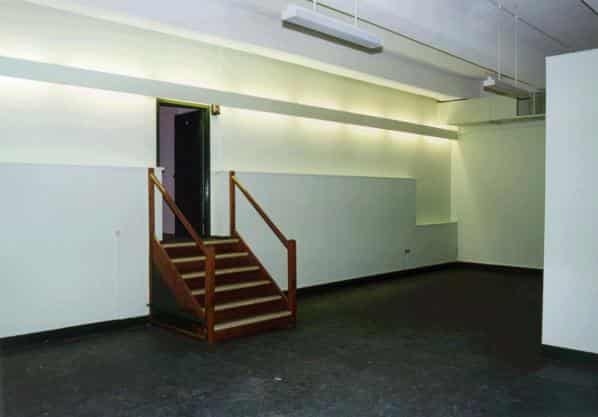
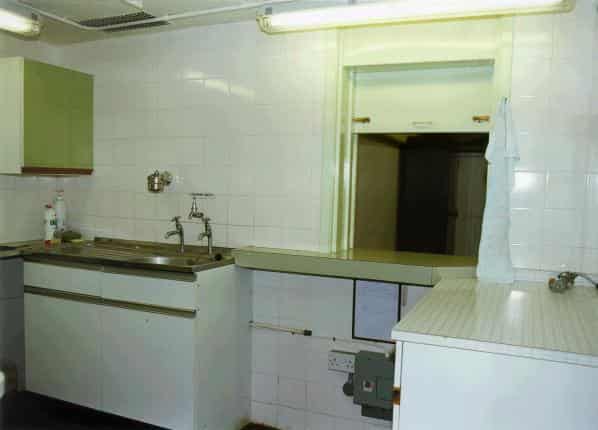
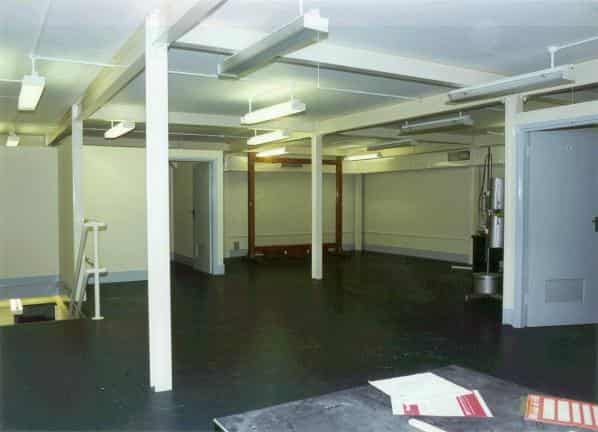
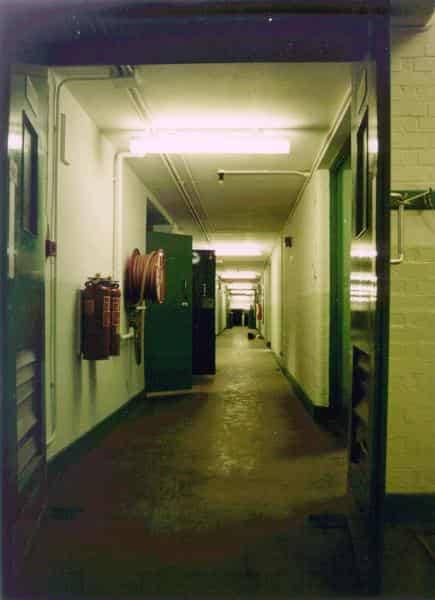
All the rooms on this floor were located off this corridor which ran the length of the bunker. The first door on the left led into a room which had steps down to a sunken floor and had steps up again at the far side into another room. This room was totally empty as was every other room on this floor. Carrying along this corridor there were numerous rooms along with the male and female toilets and showers which were all in working order but we had been warned that the water quality was poor.
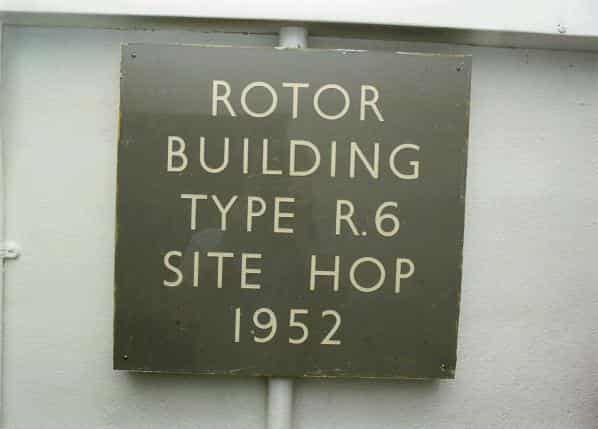
A sign on the wall stated ‘ROTOR R6 HOP’. (HOP is the ROTOR Plan code for this site)
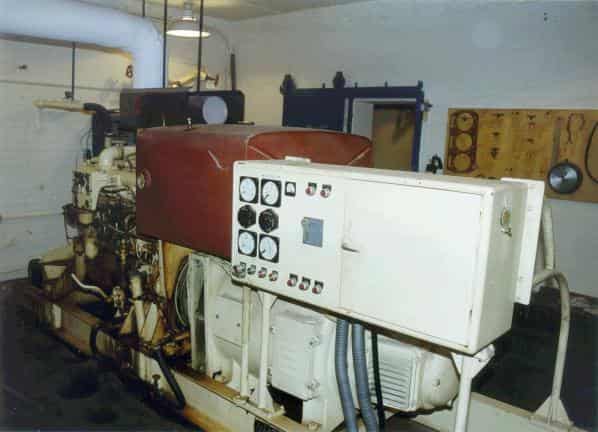
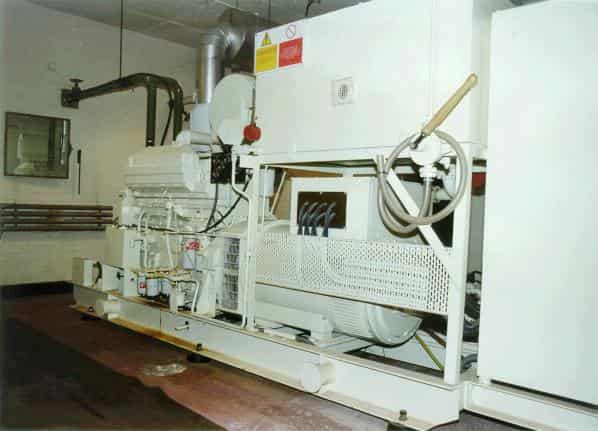
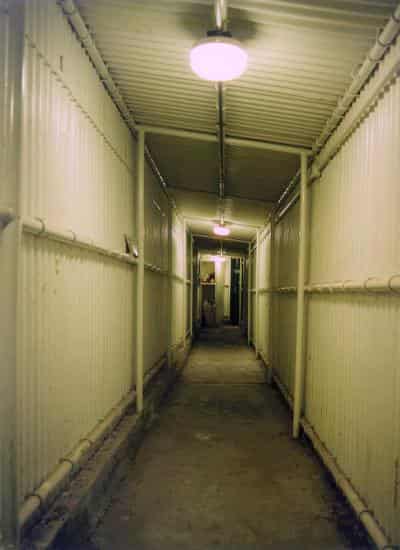
At the end of this corridor were steps down to the lower floor and passing through the blast doors there was a further set of steps down to the right which led outside the bunker and into a pre-fabricated ‘lean-to’ corridor (externally covered with 2ft of reinforced concrete added in the 1980’s) which led to the generator room (original). This still housed 2 fully functional (if noisy) generators which were providing the power for our visit to the bunker. Fuel was supplied from the 2 tanks outside.
Retracing our steps we climbed back up the stairs and passed the end of the corridor and went through a blast door into a room with a substantial black coloured tank which almost filled this room (the ‘Cyclone’). There was a couple of pumps in this room.
We re-entered the bunker and retraced our steps along the corridor to a large hatch in the floor. We lifted the hatch and descended the steel rung ladder into a large cable-way (fully lit) which contained a few cables running the length of the bunker.
We returned to the far end of the bunker and descended the steps to the lower floor.
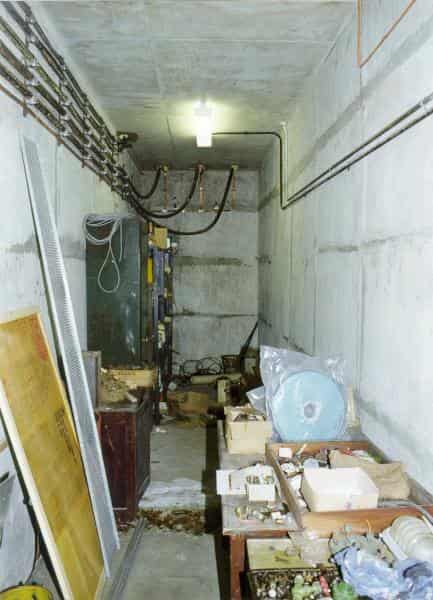
At the bottom of these steps were a few steps leading down to a room that had been used as a workshop and contained a bench grinder machine. Just to the left of this room was the electrical plant and switch room which was fully equipped and in reasonable condition. Going back up the steps we were now at the end of the lower floor corridor.
As with the upper floor all the rooms were off this corridor and the bunker is totally dry and in excellent condition throughout.
Walking along this corridor there were more empty rooms of varying descriptions and about half way along on the left was the heating and venting plant room. This still contained the compressors (which still worked) and a huge amount of plant most of which was serviceable.
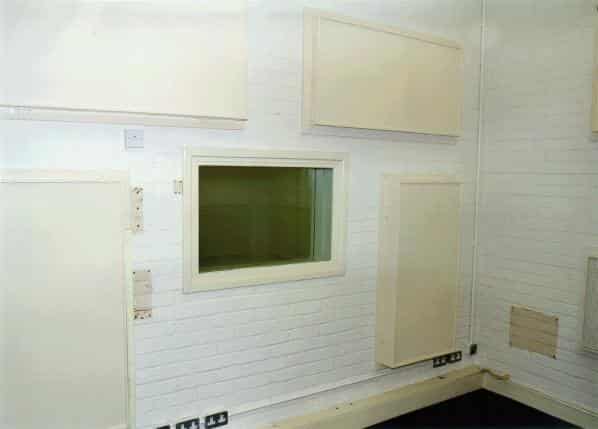
On the other side of the corridor were 2 re-inforced doors with heavy duty locks. Going through these doors we enter what was obviously the communications centre. Off one of these rooms was a small set of stairs that led down to a small area that had 2 doors off it. One of these doors led to the former BBC studio and the other to the control room. Both these rooms were stripped but still had some acoustic damping on the walls.
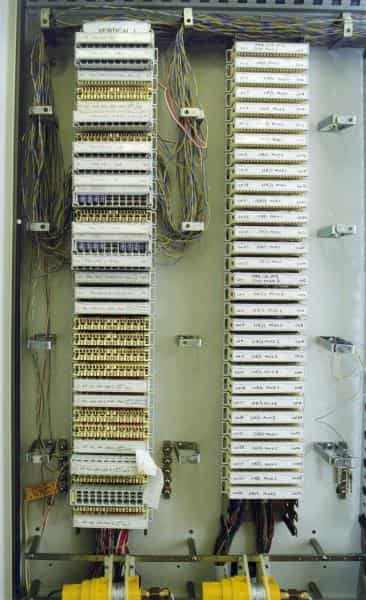
Leaving the studio area and going up the few steps on the opposite side of the small sunken area to those we entered by, we come to the BT room. This still had some of the racks left on the wall but was otherwise empty. There were signs on the doors in red forbidding smoking in this area. At the end of the corridor we climbed the stairs and were back at the main entrance area by the blast doors.
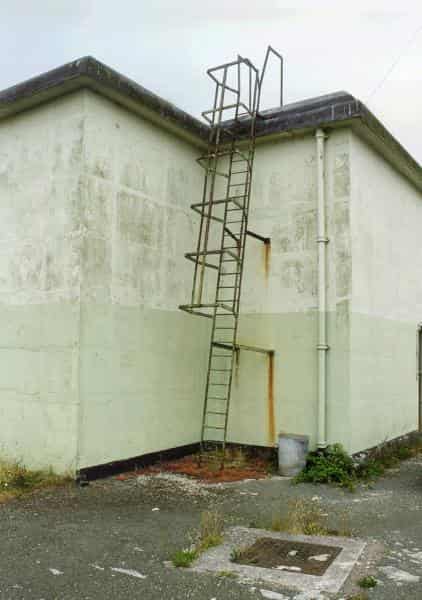
Outside we managed to climb the very rusty ladder to the roof and had a spectacular view of the surrounding area. Externally the bunker is in good condition.