The site was acquired by its present owners in 1998 after laying idle since 1992 when it was vacated by members of the ROC and the UKWMO. In 1998 the site was heavily overgrown, the surface administration buildings had been badly vandalised and the bunker, although still secure was partially flooded on the lowest level and was very damp. Although the water has now been pumped out it has proved impossible to plug the leaks and in wet conditions up to 45 gallons of water have to be pumped out per day.
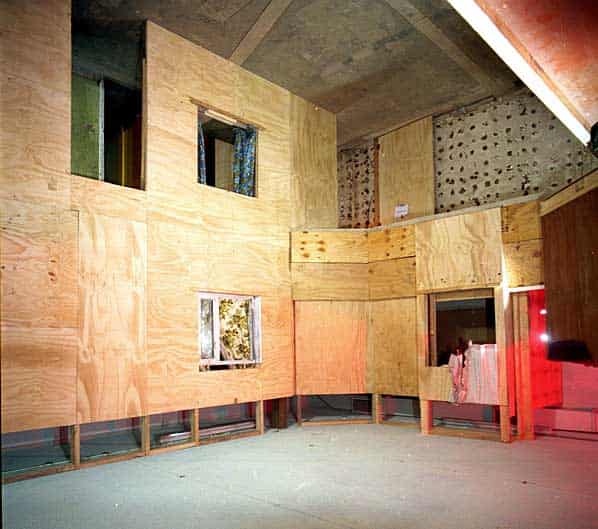
The company that bought the site intended and still use it for the manufacture of specialist ammunition, much of it supplied to the police and they have recently equipped the bunker as a rapid intervention skills police training facility. It contains 20 ‘furnished’ rooms comprising a ‘house’ with 7 CCTV Infra-red cameras and VCR facilities, a ‘bungalow’ and a ‘flat’. On the day of our visit there was a contingent of Met Police there for training and a party of West Midlands police inspecting the facilities.
The ROC Group HQ is of the semi-sunken variety, opening in 1960. This was a new site on part of the former RAF Fiskerton. The group had, from 1947 - 1960, been located within RAF Waddington to the South of Lincoln. Administration was located in a purpose built prefabricated block alongside with a long brick building that was used as a store. The admin. block has now been renovated as the company’s offices with changing and debriefing rooms for the police at the rear.
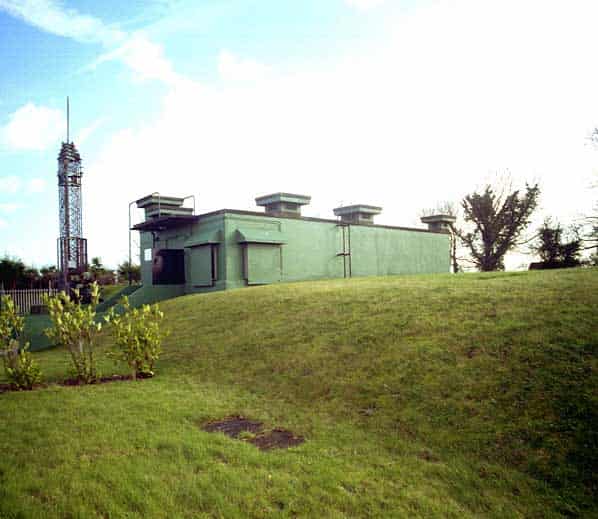
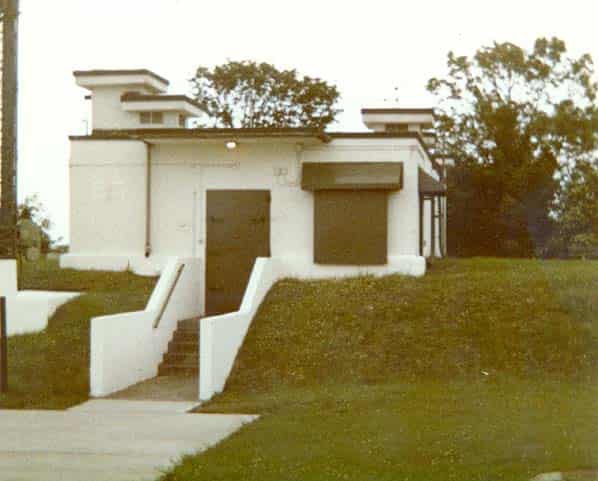
The bunker is covered with turf (and mole hills) with the emergency exit facing onto the road and a small entrance block, painted green, at the far end. There is a pump up aerial mast alongside the entrance and a GZI mounting on the roof of the block. On top of the turf there is a FSM & BPI mounting and close to the emergency exit a standard ROC underground post entrance hatch. This was the original emergency exit which would have involved the use of a ladder but this was replaced by the current emergency exit when the centre was modernised.
Going through the entrance door there is a short corridor with the filter room on the right hand side and a decontamination (stripped out) room on the left hand side. Straight ahead were the three water tanks, two have been removed leaving a drop to the second level where a certified shackle point has been installed for abseiling. The stairs down to this level are to the left. At the bottom of the stairs a short passage leads round a corner to the main spine corridor running the length of the bunker and out through the emergency exit.
The first room on the left contains the sewage pumps, mounted below floor level with a metal grille covering them. The female and male toilets follow. The female toilets have been stripped out but the male toilets have been left intact for police training although as there is no longer a water supply to the bunker they no longer function. The male and female dormitories are also on the left hand side and these have been stripped out and converted into multiple rooms.
The first room on the right hand side is the plant. Some of the ventilation plant is intact but new trunking has been installed in this room as the system has been reversed and is now used for extraction. Original ventilation trunking is still retained throughout the rest of the bunker. The compressors are all intact on the opposite side of the room. At the far end a door leads into the stand by generator room. Unfortunately the generator was sold in 1998.
The next room is the kitchen which still retains most of its appliances with a serving hatch into the canteen which has now been divided up into a number of training rooms. At the far side of the former canteen are steps down to the lowest level.
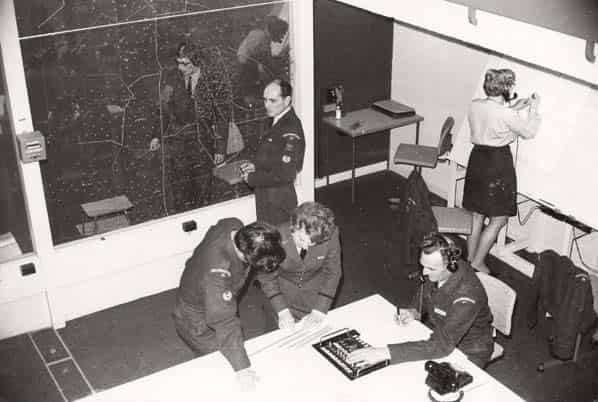
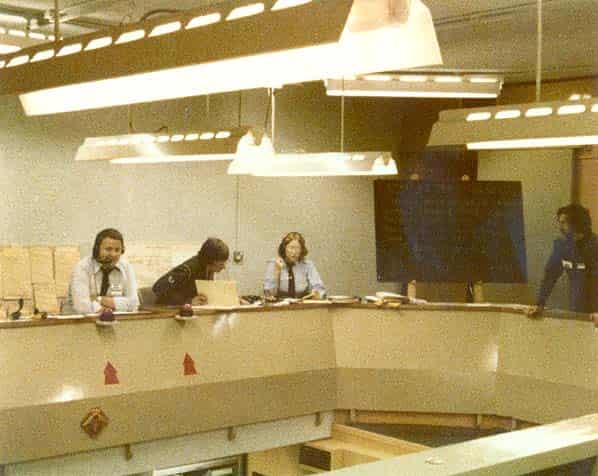
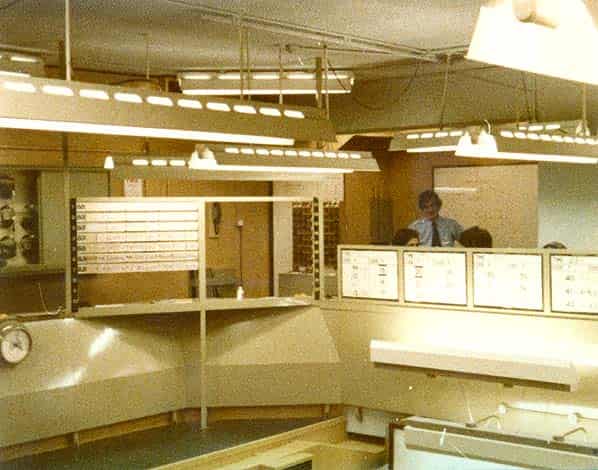
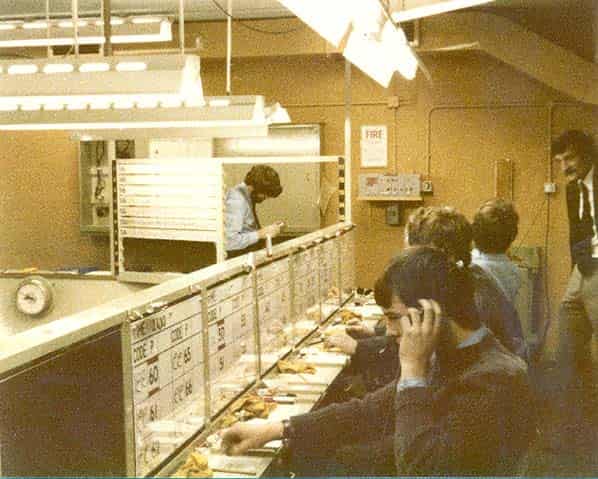
Returning to the main corridor the next room is the BT equipment room followed by the original control room consisting of an upper gallery around three sides of the well. When the centre was modernised a false floor was constructed across the gallery and a new control room added at the lowest level. This false floor has now been removed and the two storey ‘house’ now stands in this area. At the far side of the gallery is a second set of steps down into what was the new control room. This is a long room which an officers room at the far end. It has now been divided into two long thin rooms, one containing a training rig allowing up to five doors to be breached in succession and the other a firing range for testing the ammunition manufactured on the site.
Although the owners allowed this visit and photographs to be taken they have stressed that they would not welcome further visits and have even turned down a request for a visit by a group of former local ROC members at the request of the police and the council.
A large blue UKWMO sign which used to stand at the entrance to the site now hangs on the wall in the board room.
Those taking part in the visit were Nick Catford, Dan Mc Kenzie, Andrew Smith and Tony Page.