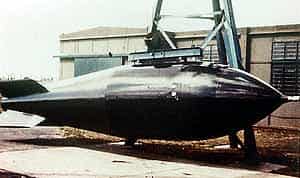
In the early l950s the former RAF Faldingworth was selected for development as a dedicated storage and maintenance facility for nuclear weapons, in particular for Blue Danube, Britain’s first nuclear bomb. An second facility was built at Barnham in Suffolk. Faldingworth was completed by 1957 and was able to supply a number of squadrons at airfields on the east side of the country.
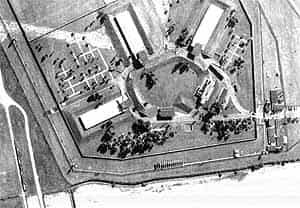
The two sites are similar. Faldingworth, which came under the control of No. 92 Maintenance Unit, covers 23 acres with a roughly five sided pattern with projecting bastions that allowed the whole of the perimeter to be seen from the internal patrols. Added security was achieved by building watch towers at the corners. Inside the perimeter mesh fence which was topped with barbed wire there was a second concrete panel wall, also topped with barbed wire.
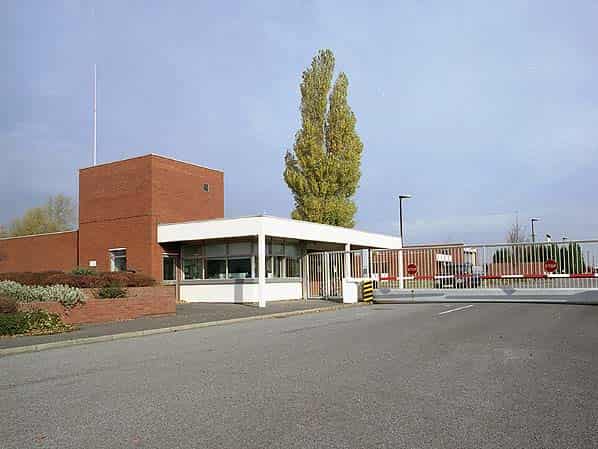
The guardroom and other many of the domestic and other buildings were located within the outer perimeter fence but outside the inner compound with access to the inner sanctum through a pair of sliding electrically operated gates mounted on rails. Dogs were allowed to run loose within this area.
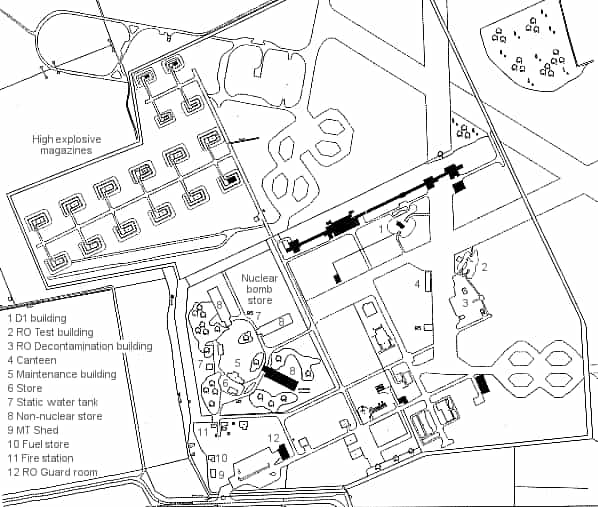
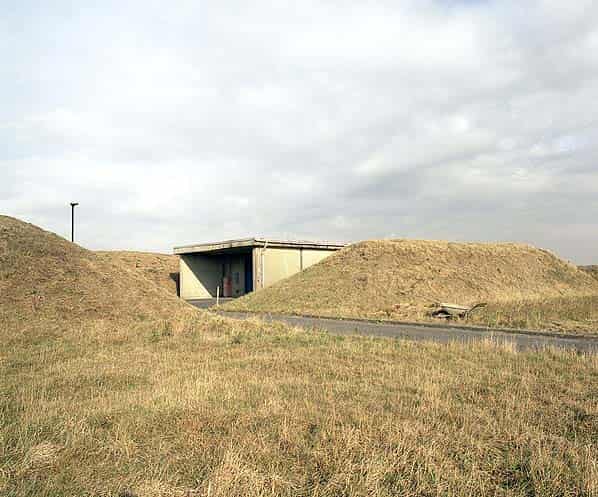
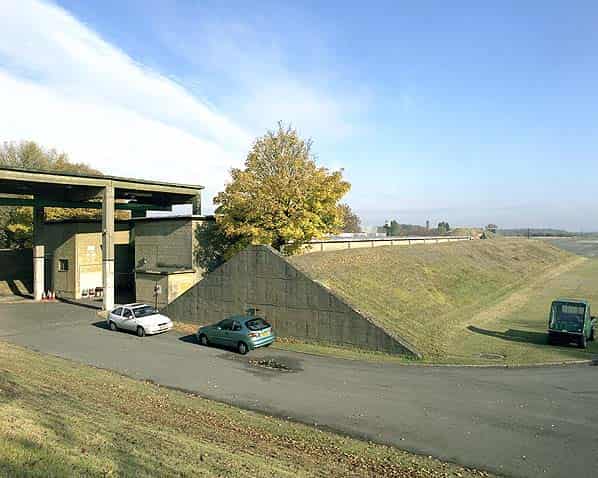
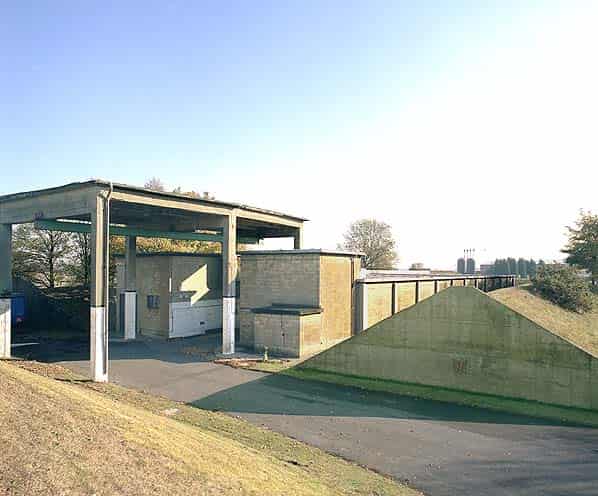
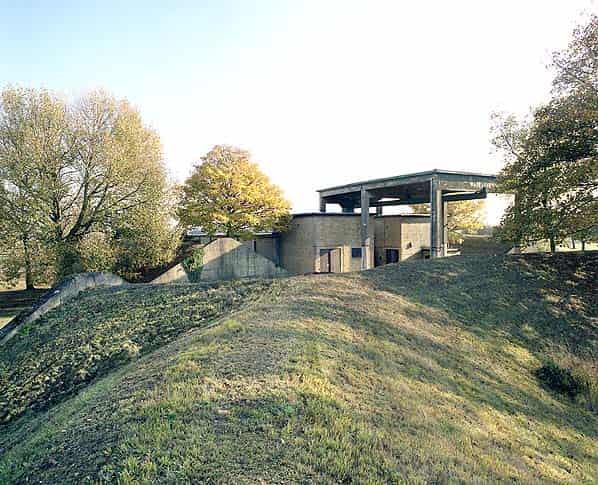
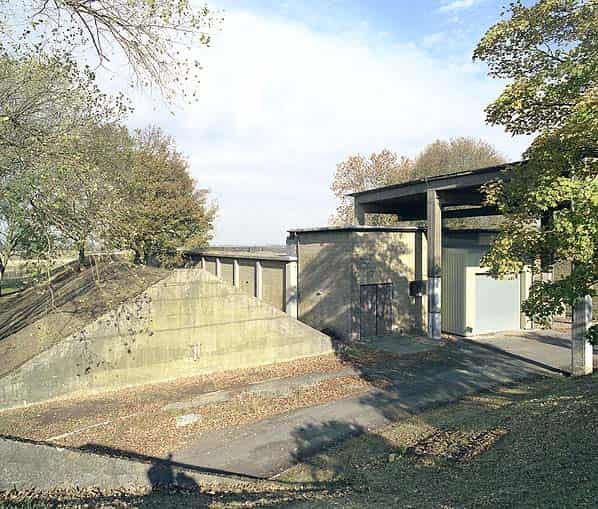
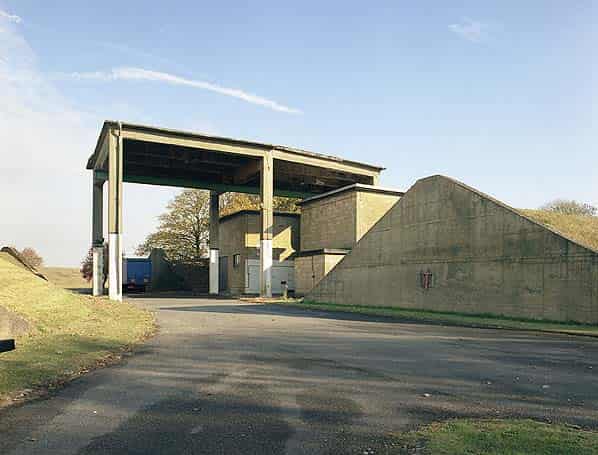
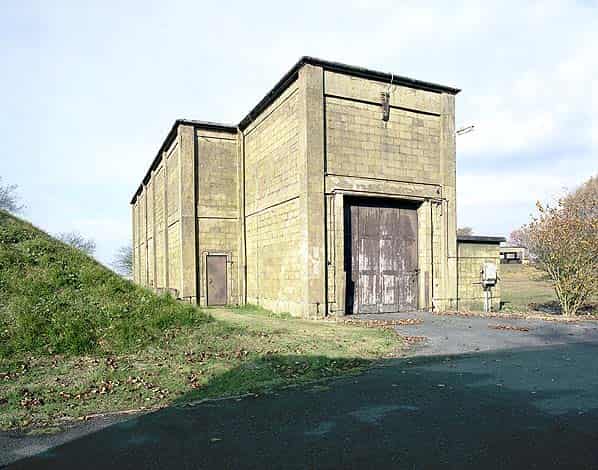
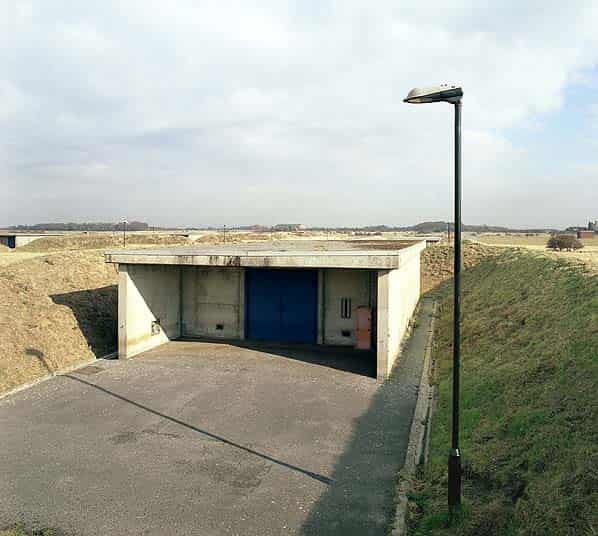
The weapon storage area consists of three different types of buildings, 3 large protected blockhouses for the storage of the non-nuclear components, these being the outer bomb casings and the high explosive parts of the bomb.
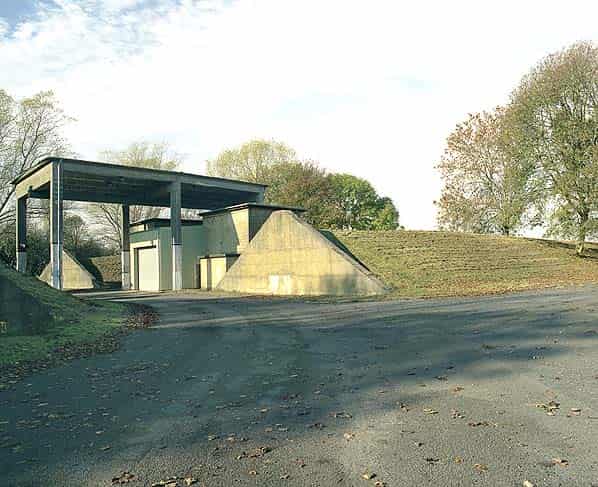
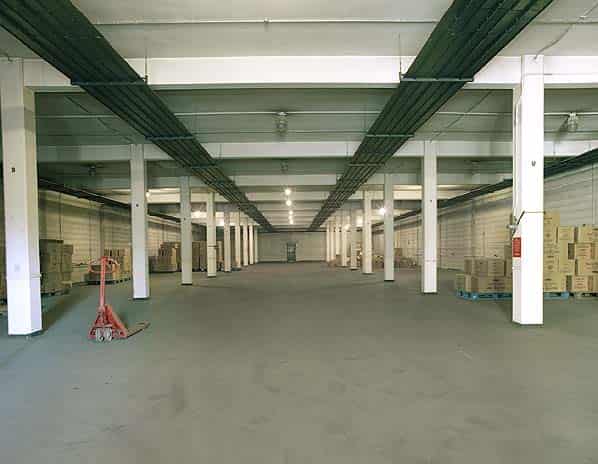
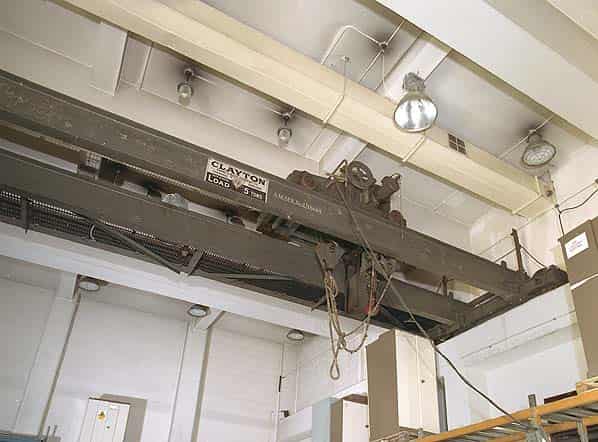
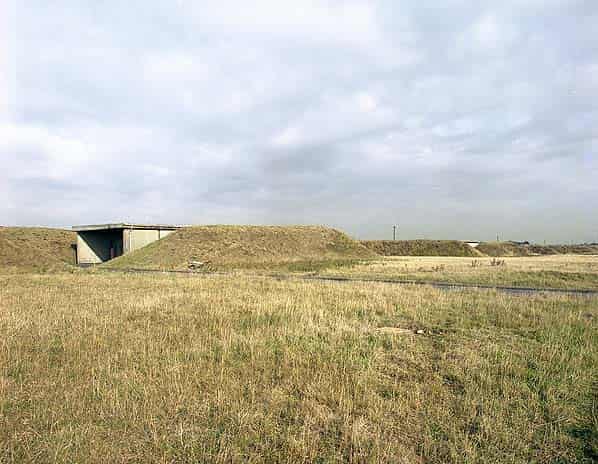
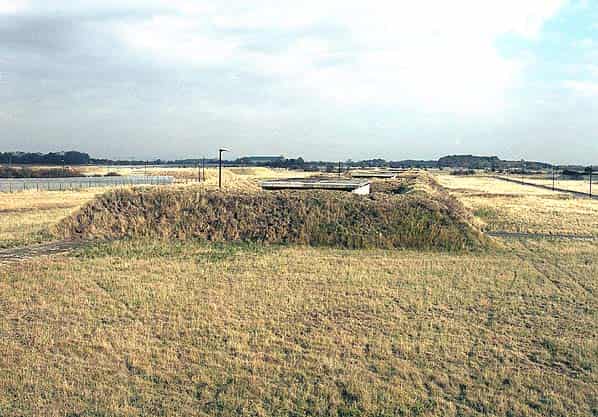
The three stores were arranged around an internal loop road with grassed earth banks along three sides of each building. At the entrance to each store there is an overall roof supported on concrete pillars with a gantry crane for lifting the heavy Blue Danube bombs from the large delivery trucks. Rooms to either side of the entrance housed ventilation plant for the blockhouse. Each rectangular storage blockhouse was 58 metres x 18 metres divided into 11 bays long by 3 bays wide with two internal lines of supporting concrete pillars.
The three storage buildings have been retained at Faldingworth and are now used for secure storage. One remains in original condition while another has been completely refurbished with a lowered ceiling and new fluorescent lighting; the third is currently empty awaiting refurbishment.
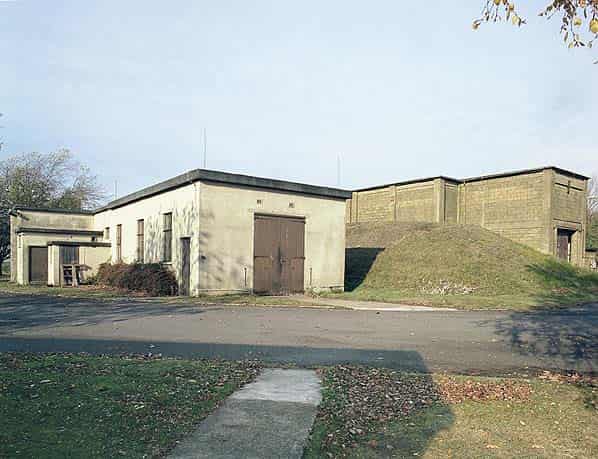
The fissile cores were stored in 57 small buildings known as ‘hutches’, set within a hexagonal revetted area with blast walls grassed earth banks and trees.
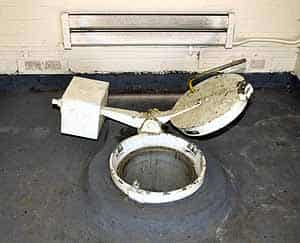
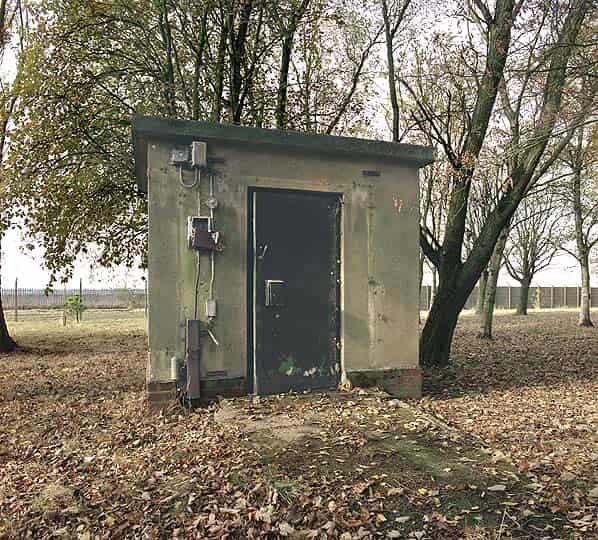
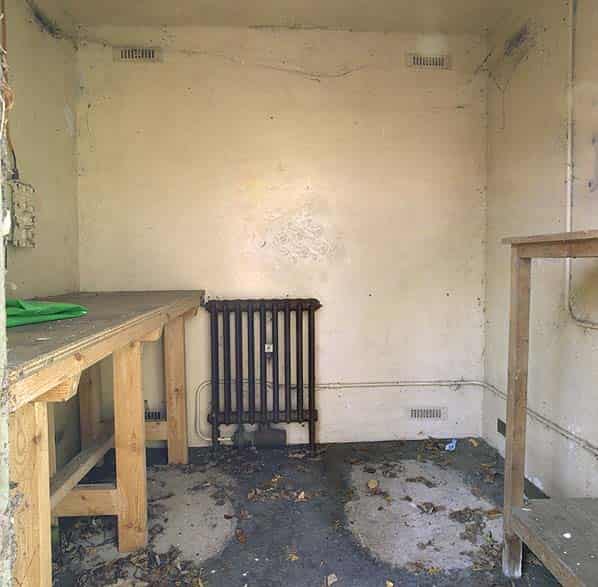
The ‘hutches’ were arranged in five groups between the non-nuclear stores with the buildings linked by walkways to the compound ring road. There were two types of buildings, Type A (of which there were 48) buildings would have held a single core and Type B buildings would have held two cores. The hutches are built from rendered concrete blocks with a flat concrete roof. The metal faced wooden doors were fitted with locks with additional electrically operated bolts that could be operated from the main control room. The cores were held in stainless steel containers mounted in an aperture in the concrete floor.
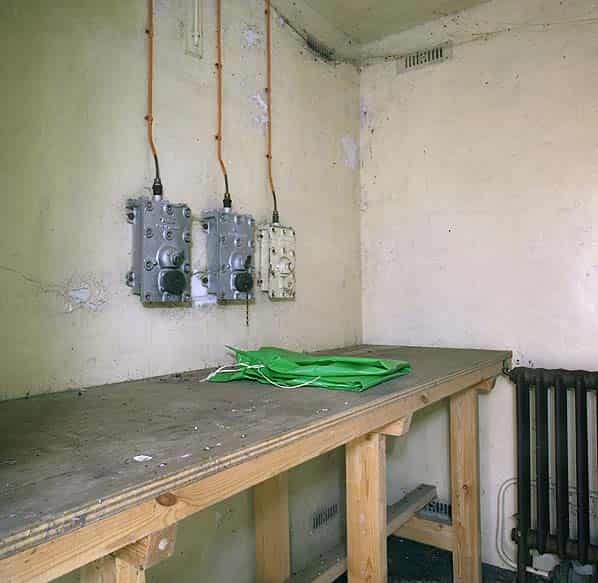
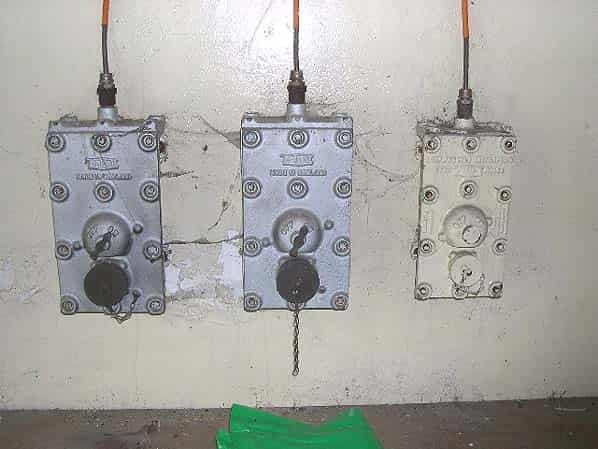
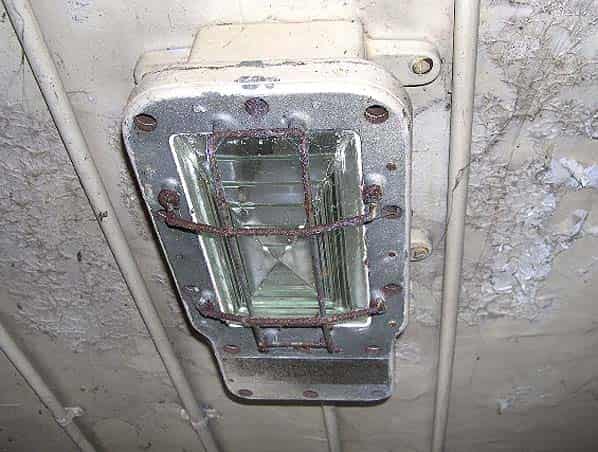
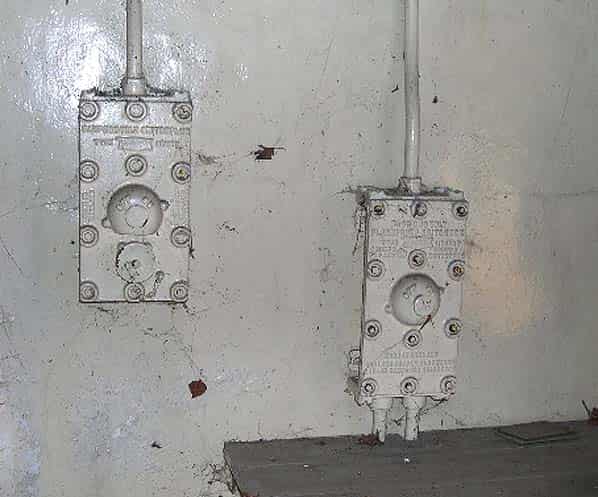
Added protection was achieved by surrounding the building with copper earth straps. Each hutch had a sealed intrinsically safe bulkhead light in the ceiling and intrinsically safe electrical switches. Faldingworth had sufficient storage capacity for 132 fissile cores although it’s likely that only a small number were ever stored there.
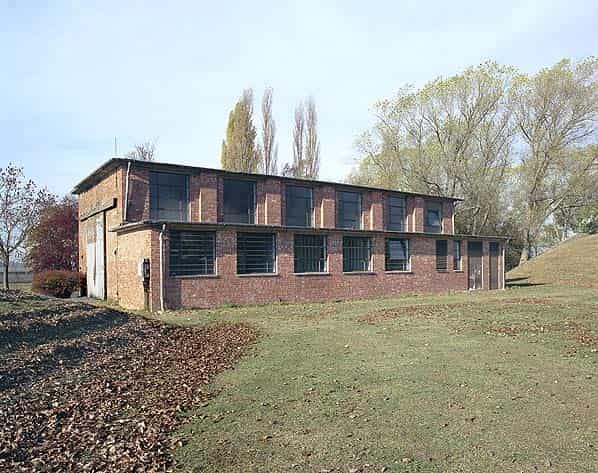
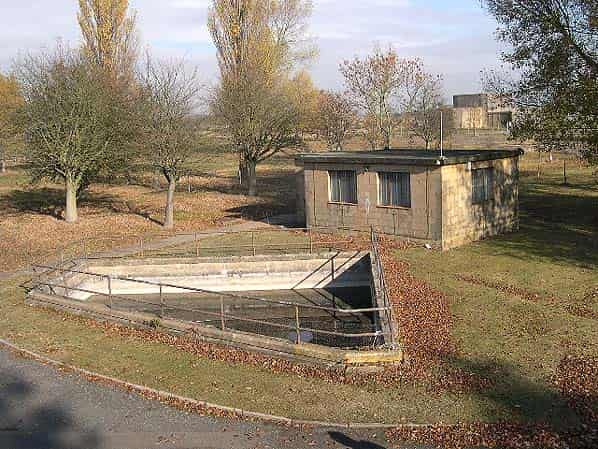
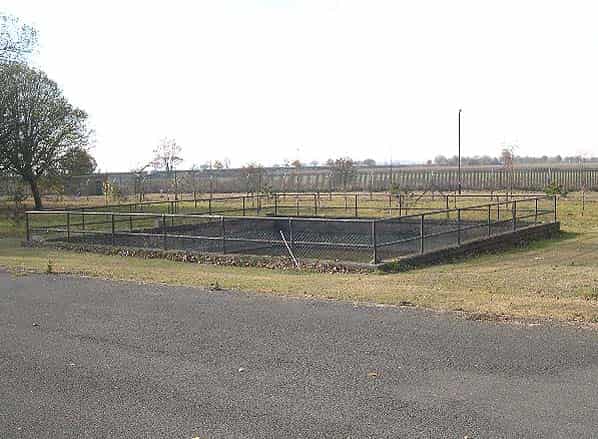
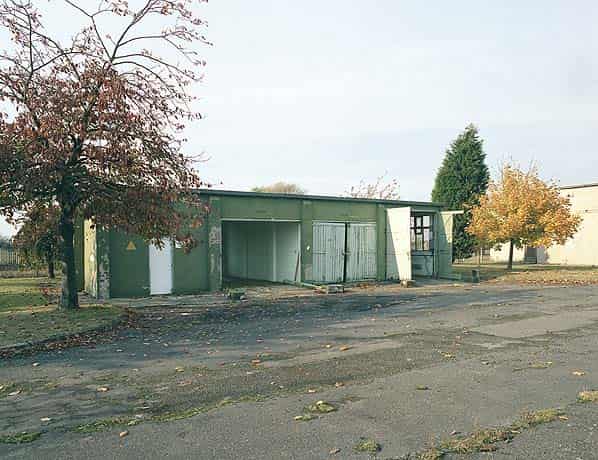
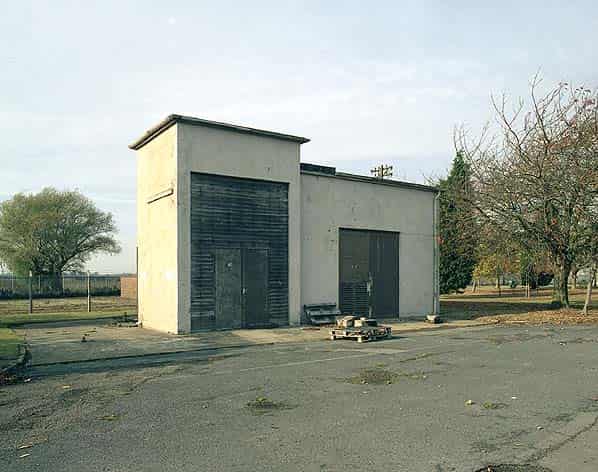
Most of the hutches have been demolished but three have been retained and preserved although they are derelict and empty. The maintenance building has also been retained and is used for storage. The inner compound wall and gates have all been removed.
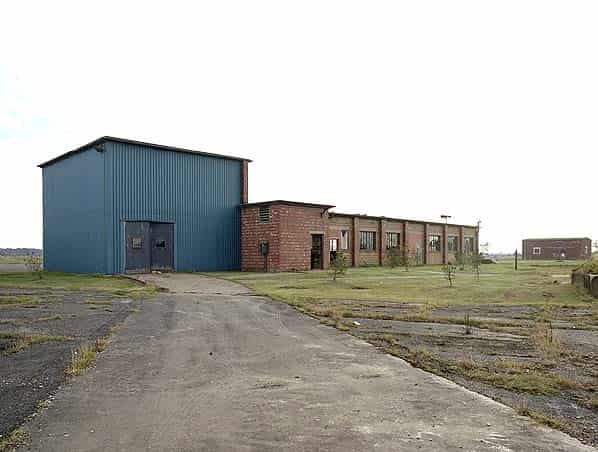
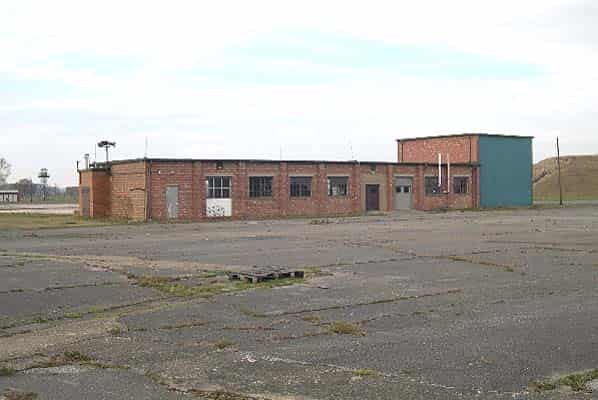
Of the other building in the inner compound, one was for maintenance and refurbishment. This was located just inside the main gate behind a high concrete blast wall; the Blue Danube required a lot of regular maintenance to keep it ready for use. The building could be entered through two air locks, one located at each end. The building immediately behind housed electrical and ventilation plant and a photographic darkroom.
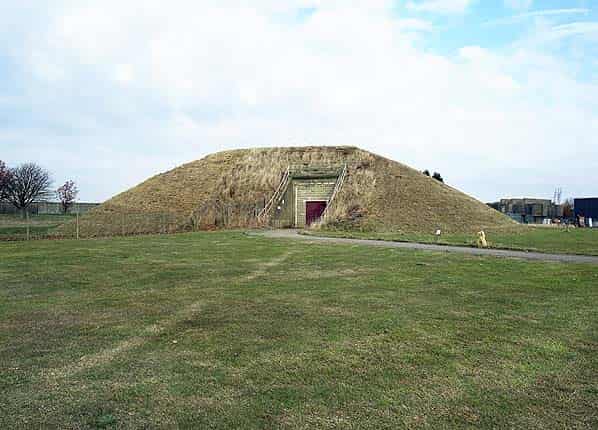
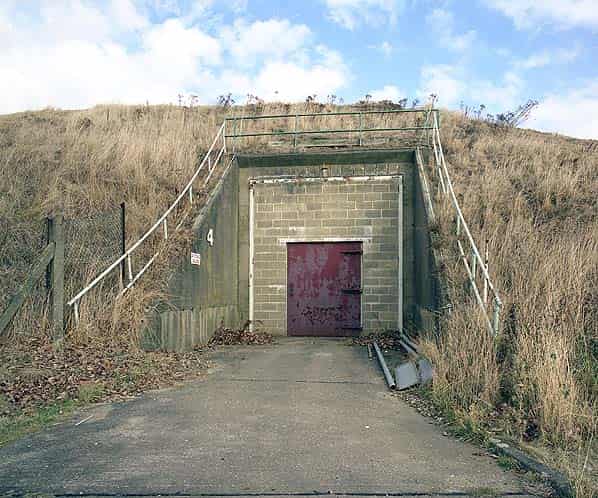
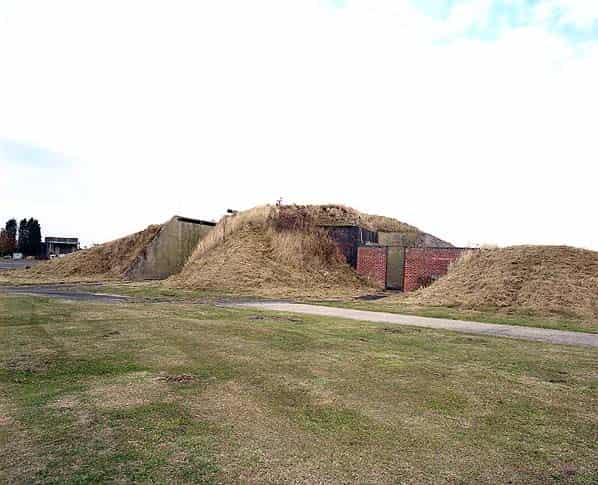
Faldingworth also acted as the operational store for RAF Scampton and two hundred yards to the east and outside the inner compound is a Type D1 mounded preparation building where nuclear weapons were assembled before being taken to the stores; it could hold two Blue Danube bombs. The building consists of a rectangular reinforced concrete blockhouse mounded over with soil and grassed. The original roller shutters have now been replaced with a conventional steel hinged door. The bunker is now also used for secure storage.
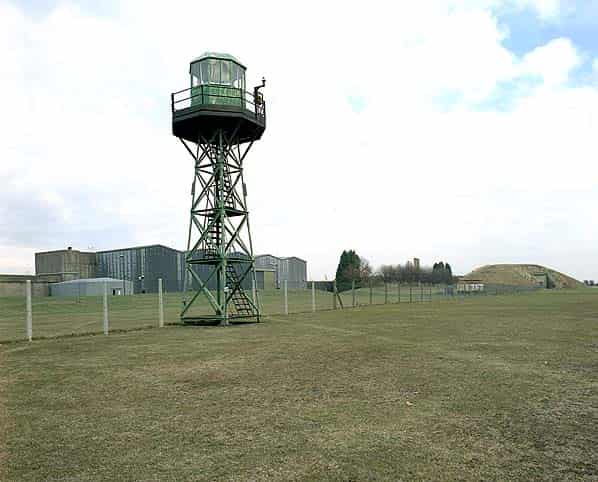
Between the D1 building and the inner compound one of the original watch towers has been retained and preserved; originally there were 22 similar towers around the site. Other original buildings on the site include the MT shed, fire station and a fuel store, these were once outside the outer compound at the original RAF entrance to the site.
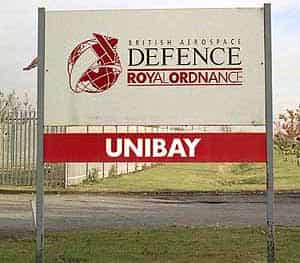
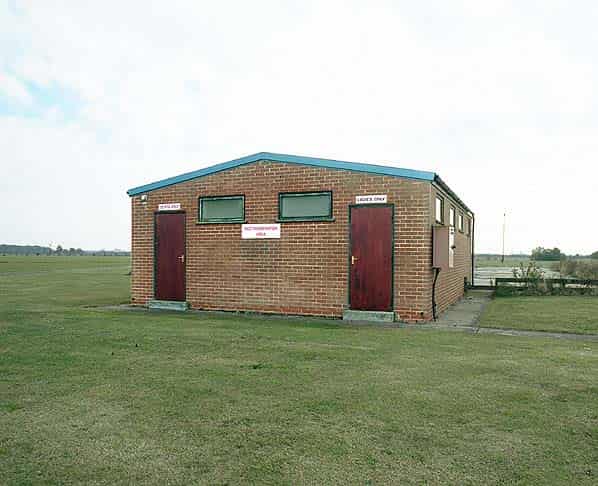
After 1969, following the withdrawal of free falling nuclear bombs, Faldingworth became obsolete closing in 1972 when the site was no longer required by the RAF. It was eventually acquired by BMARC and OERLIKON weapons manufacturers (subsequently owned by Royal Ordnance, a division of British Aerospace) who occupied the site as a test and production facility. Several early structures survive from this period including a test building, divided into five bays, mounded over and grassed. There is a mounded blast wall to protect the entrance to the bays. Alongside there is a brick decontamination block with separate entrances for men and women; a kitchen and canteen also stands nearby.
During this period the site was also used as a conventional high explosive store. 16 magazines were provided for this purpose and these are located in the north west corner of the site. Each consists of a revetted compound with grassed earth banks laid out in two lines of 6 magazines and two lines of 2, accessed from two spine roads. Within each compound there is a reinforced concrete magazine; these are still used for secure storage.
Many new buildings were constructed in 1984 and the present guardhouse dates from this period. Royal Ordnance used Faldingworth for secure armament storage and experimentation until 1996 when it was put up for sale.
It was eventually sold to Unibay, a secure storage company although many of the buildings were leased back to the Royal Ordnance who remained as sitting tenants; their present use of the site is outside the parameters of this report. The site was once again sold in autumn 2003 although Royal Ordnance remains in residence. Other buildings are now leased to various companies for secure storage. it is also used for a range of other purposes, including firing range and explosive testing, research and development, and film production. The site is manned, heavily guarded and patrolled 24 hours a day and remains in a very well maintained condition with all grass revetments being regularly mown.
In 1999 the main runway remained intact and a single B1 hangar also survived. The major area of the airfield, some 470 acres, was sold for agricultural use in 1998.
Sources:
- Bob Jenner
- Keith Ward
- Cold War - Building for nuclear confrontation 1946 - 1949 by Wayne Cocroft and Roger JC Thomas