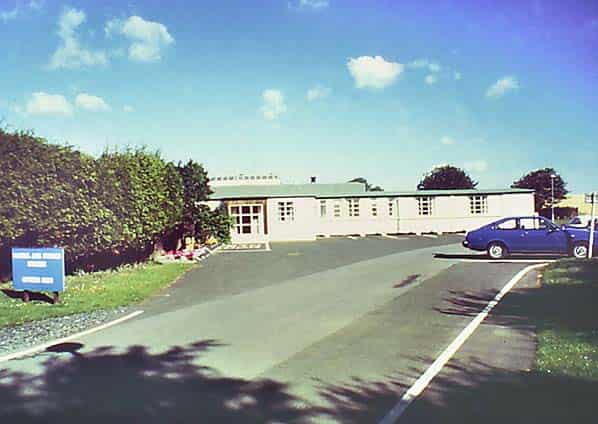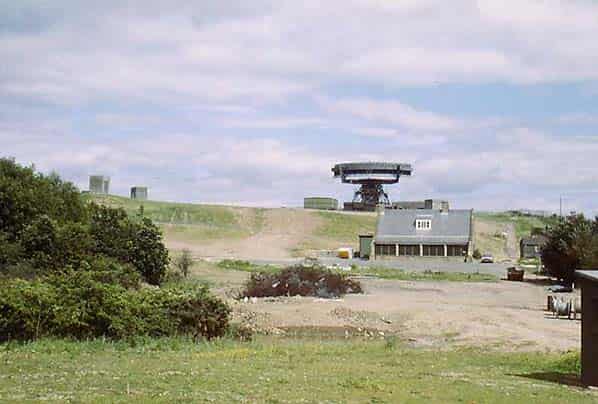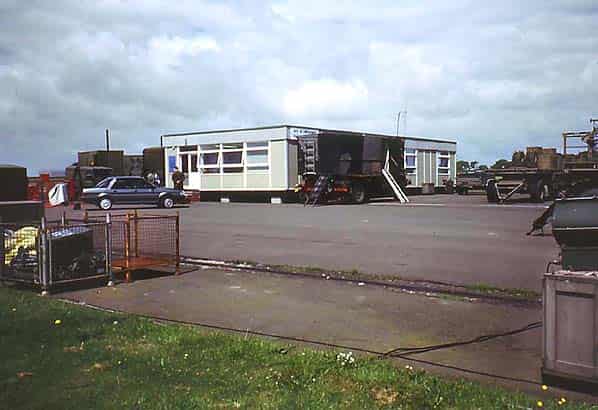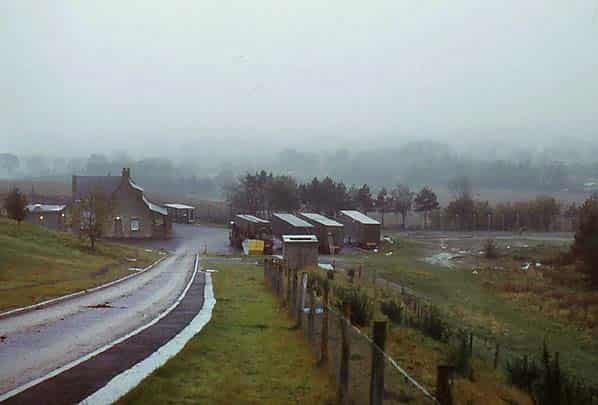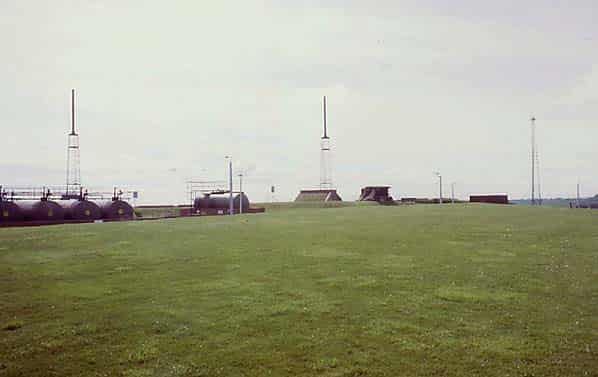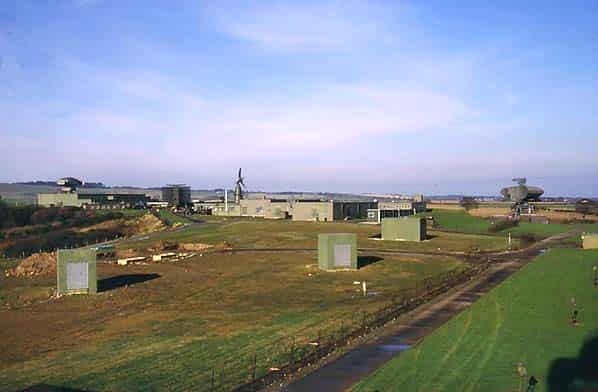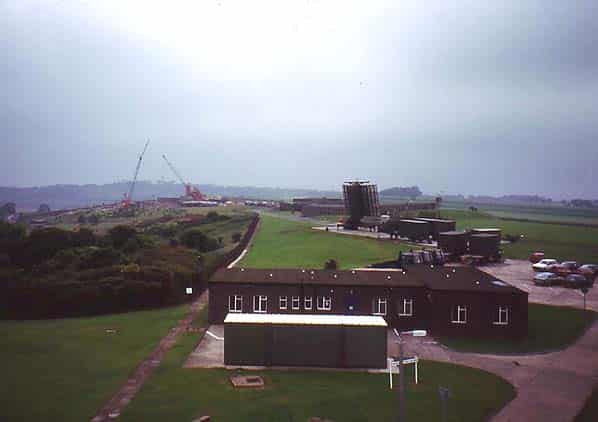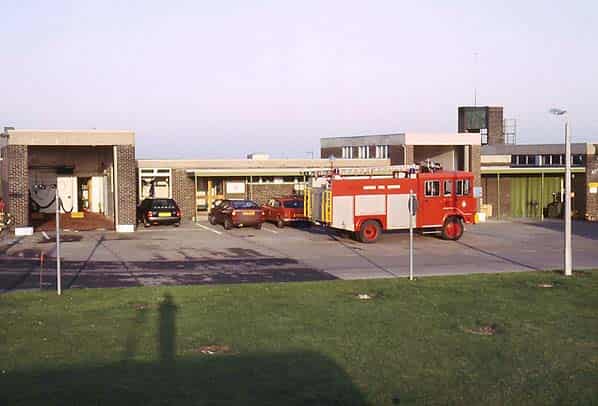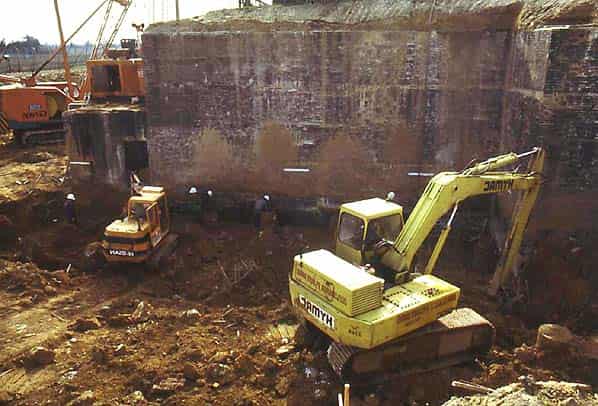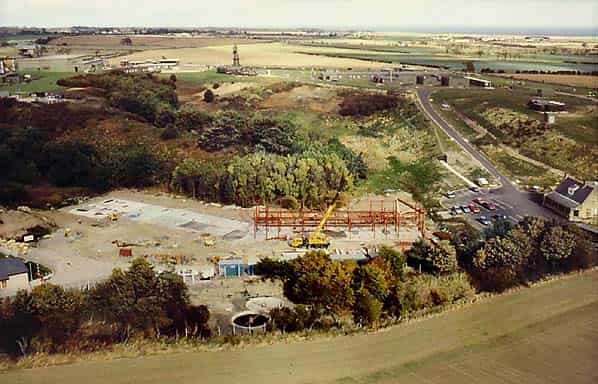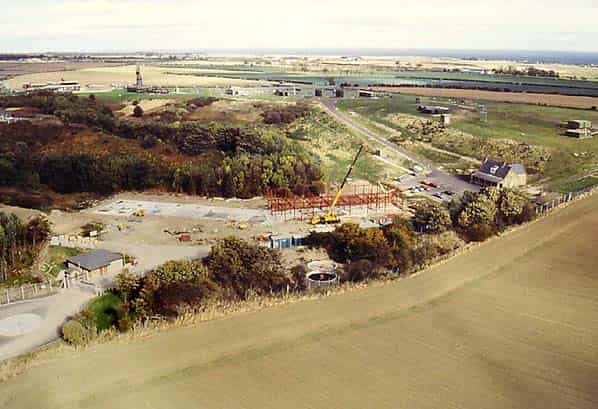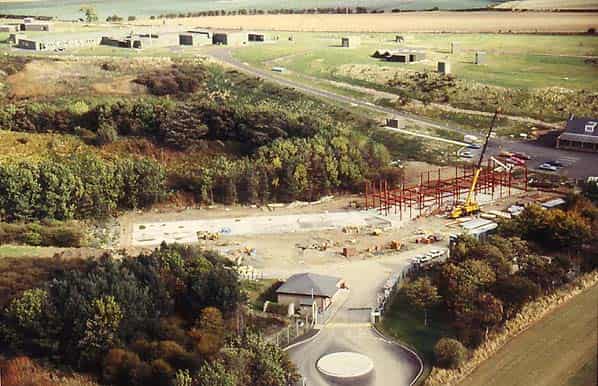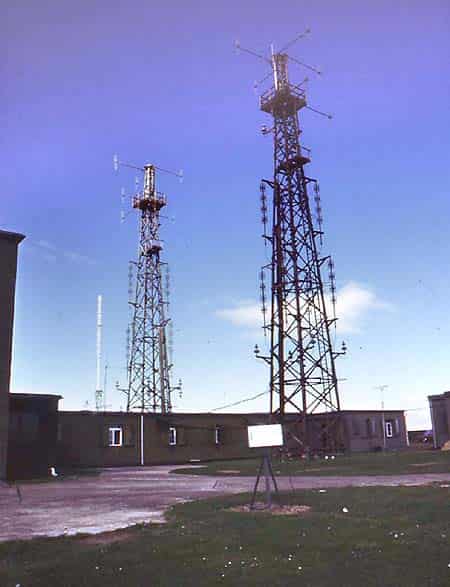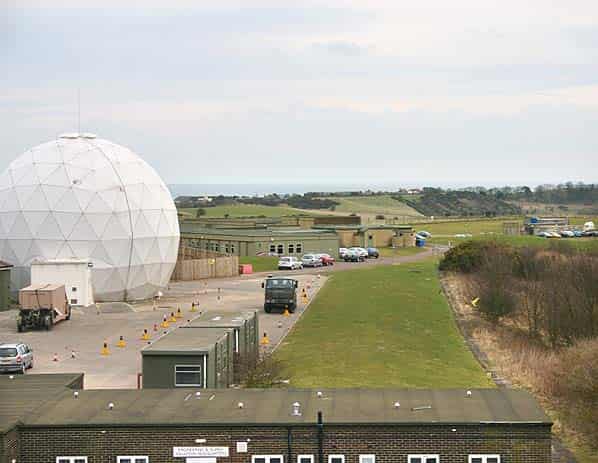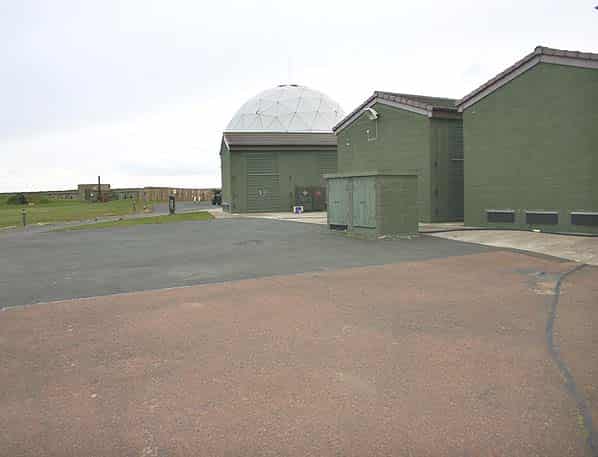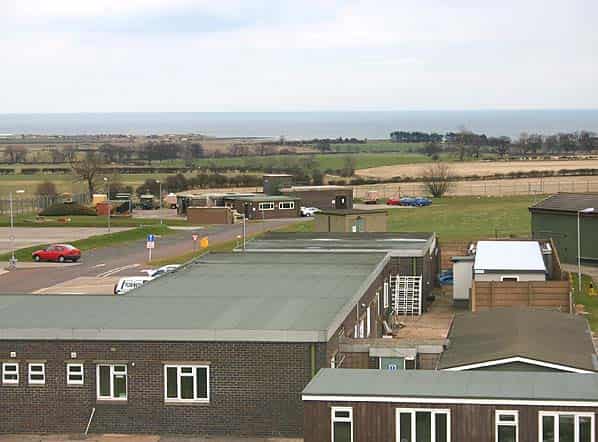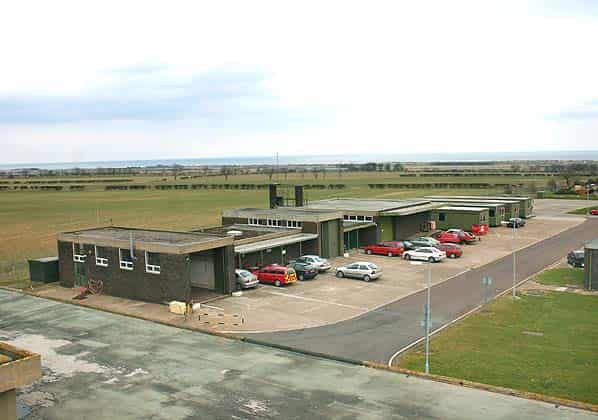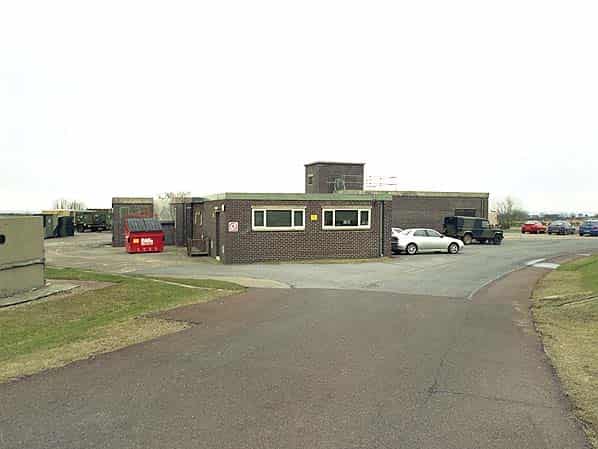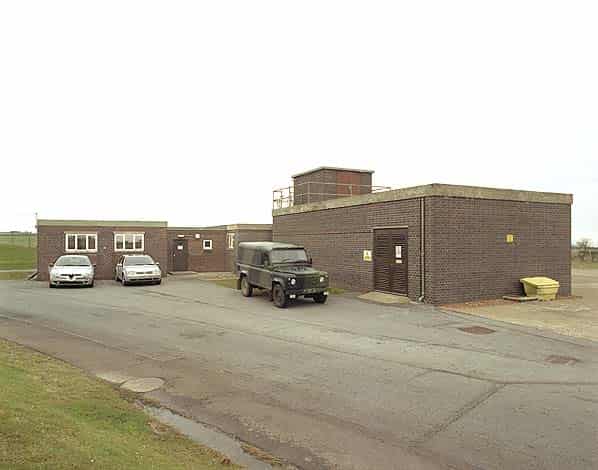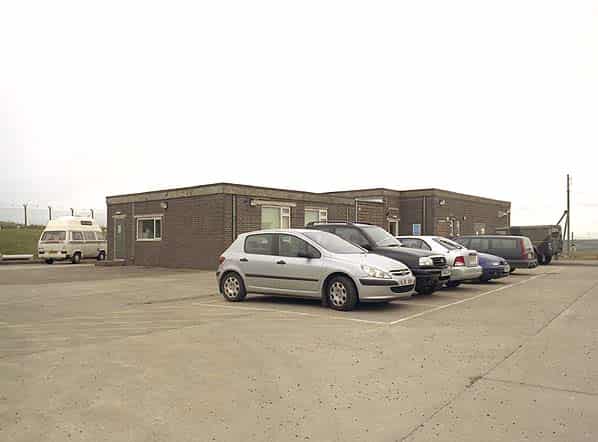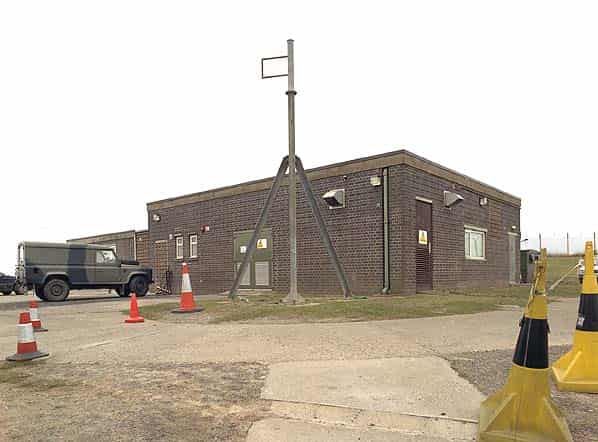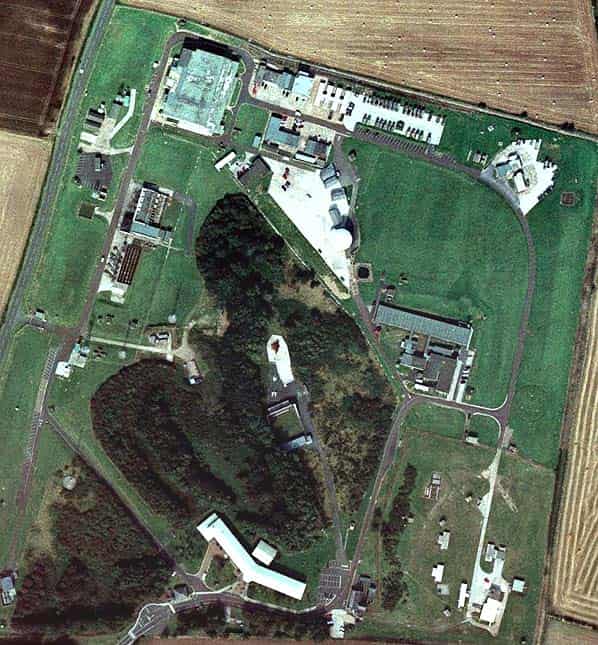
By 1950, the threat of the Atomic bomb had caused a serious rethink in the organisation of air defence and a plan, codenamed ROTOR, was instituted to replace many of the existing stations with new protected underground operations rooms. Boulmer was specifically built on a new site as part of the Rotor programme but it did replace an existing WW2 Final GCI (happidrome) station at Northstead which had been fitted with a Type 7 search radar.
A site chosen for the new Ground Control Intercept (GCI) station was close to an existing airfield (RAF Boulmer) which had been returned to agriculture at the end of WW2.
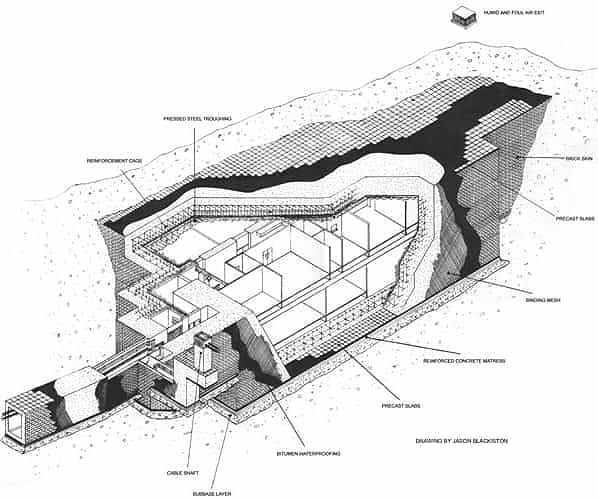
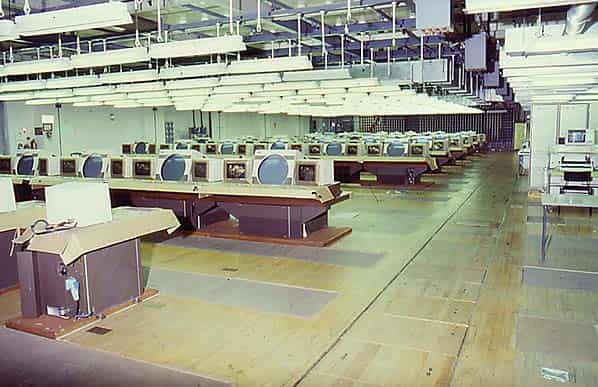
The station was to have a two level underground operations room designated as an R3. The R3 was never intended to survive a direct hit from a nuclear weapon but was designed to withstand a near miss from Russian pattern bombing with 2,200lb armour-piercing high explosive bombs (BRAB) dropped from 35,000 feet.
The target date for completion of the station was 21st August 1953 and although not complete, the station opened on time with limited capabilities using an American AN/FPS3 long-range search radar and an AN/TPS10 height finder. The station was known as 500 Signals Unit under the control of RAF Acklington and part of 13 Group.
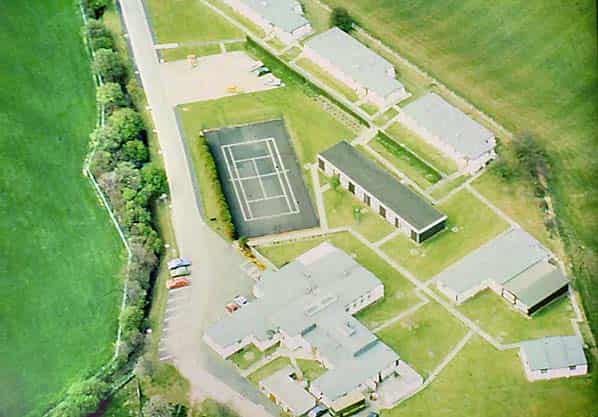
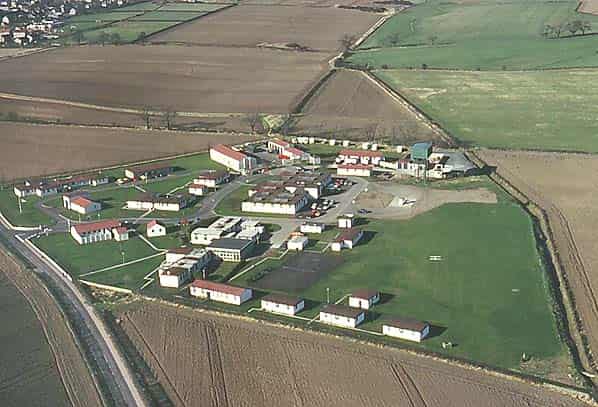
The R3 was complete and the site fully operational in September 1954. RAF Northstead closed and the personnel moved to the new domestic site at Boulmer. This was divided into two sites accommodating ‘officers & NCOs’ and ‘other ranks’. The accommodation was Seco hutting with a married quarters estate.
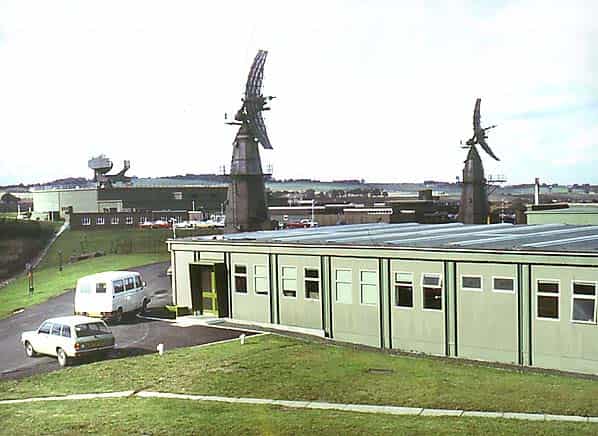
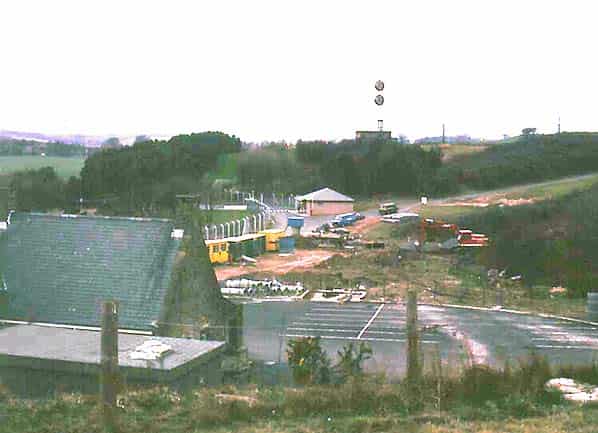
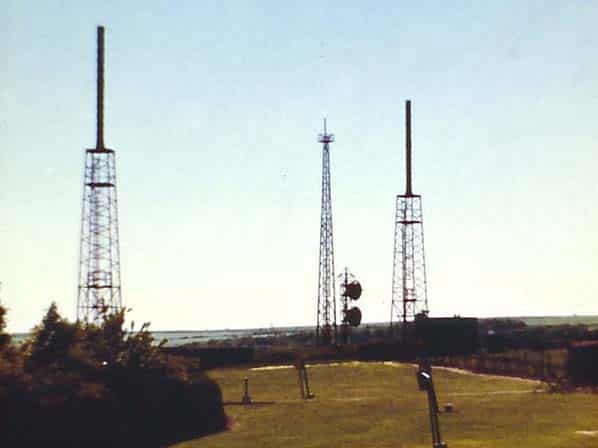
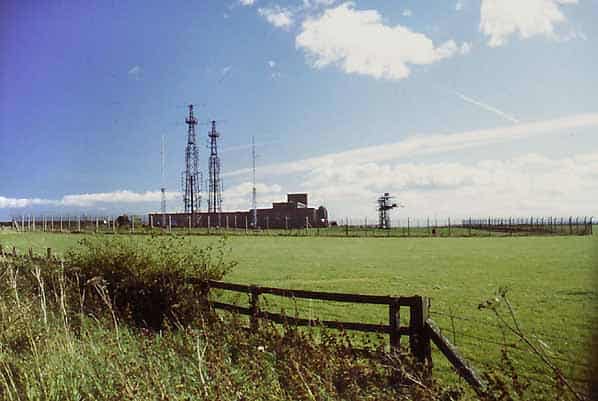
The Type 7 radar at Boulmer was remotely sited a mile to the east of the technical site on the old airfield (now Field House Farm) with a ten core coaxial cable linking it to the R3. The transmitter, receiver and motor for turning the aerial array were located underground in a bunker designated as an R7 and known as a ‘well’. Because of the distance from the main site, this radar required its own IFF and an Mk 10 IFF was mounted on a Type 14 plinth, turntable and cabin. This arrangement of IFF and plinth was designated Type 79. This was located a short distance to the east of the R7 bunker with a small brick built electricity sub station alongside.
Remote VHF transmitter and receiver blocks were also sited at High Buston and a standby set house (generator) for the technical site was located at the ‘other ranks’ domestic site. Mobile reserve sites were also selected and prepared. Two CEW reserve sites at Embleton Moor and Christion Bank and an unknown GCI reserve site.
As built the following radars were fitted:
- 1 Remote Type 7 Mk III above an R7 well with a T79 IFF.
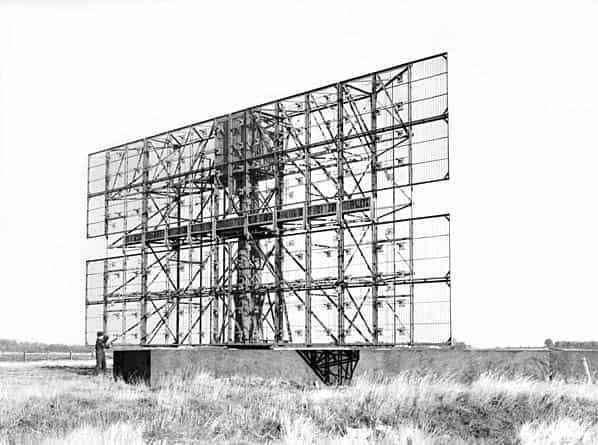
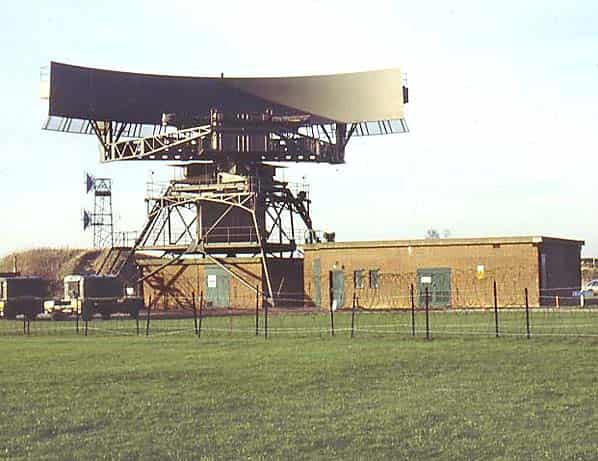
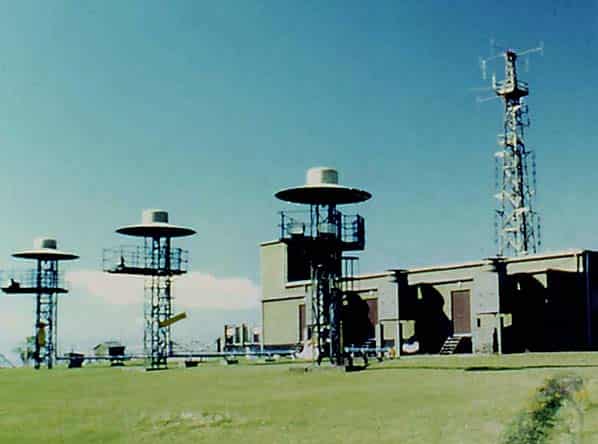
- 4 Type 13 MK VII mounted on 9' high concrete plinths.
- 2 Type 13 Mk VI mounted on 12' high concrete plinths.
- 1 Type 14 Mk VIII.
- 1 Type 14 Mk IX.
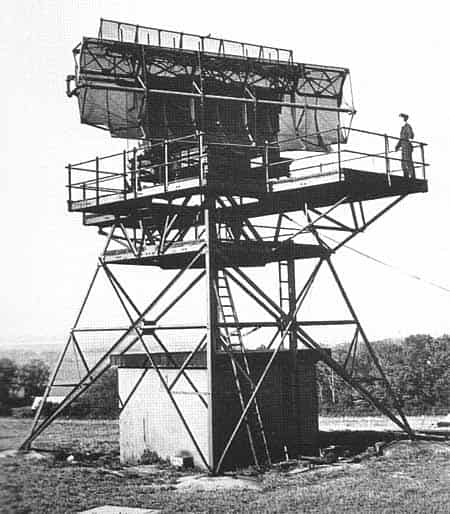
- 1 Type 54 Mk 3 mounted on a 200' tower for Centimetric early warning (CEW).
- 1 Type 79 Mk 1.
The underground operations room was ready for occupation in 1954 with the station coming fully on line as RAF Boulmer.
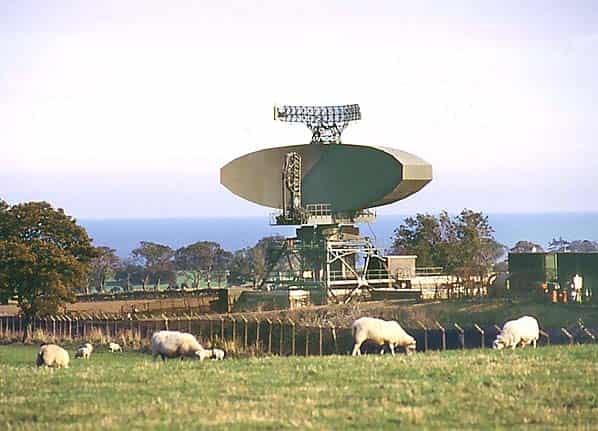
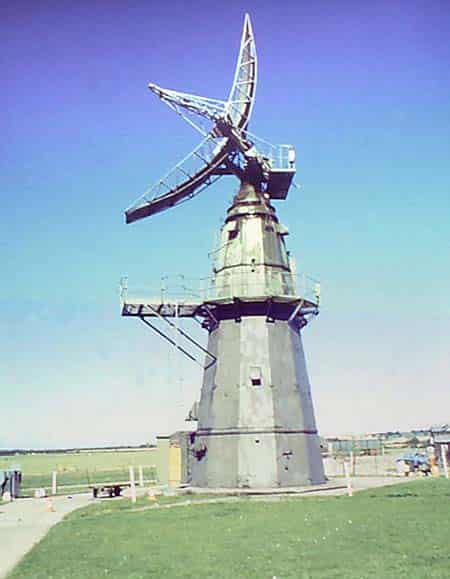
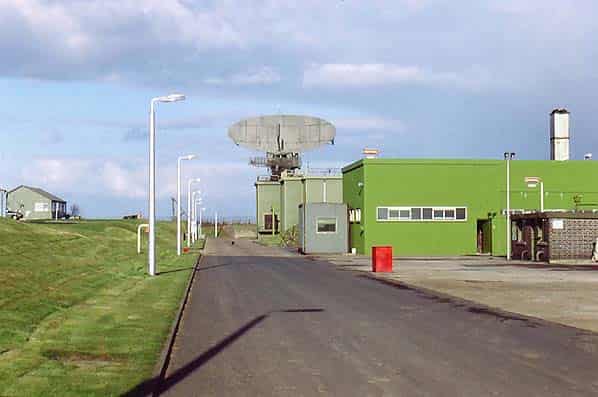
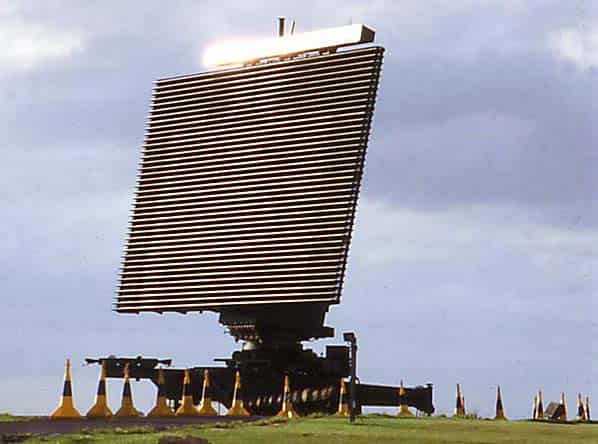
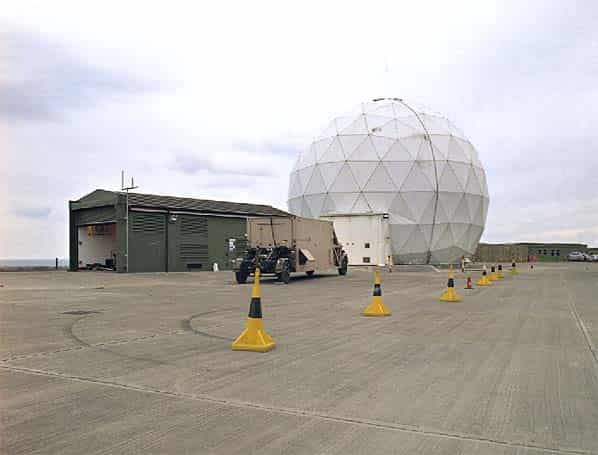
Due to supply and development problems with the introduction of a ‘home-grown’ long-range Centimetric Search Radar (Type 80) the station continued to use the American AN/FPS3 long range search radar and an AN/TPS10 height finder but in January 1956 a Decca Type 80 Mk. III search radar was finally installed and undergoing acceptance trials. The Type 80 was developed in the early 1950s from an experimental design based on the Type 14 Mk VI under the project code name Green Garlic; it replaced the earlier Type 7
Almost overnight, this radar made earlier air defence radars (dating from WW2) mostly redundant. The Type 80 improved the range of the station considerably with a range of up to 320 miles compared to the 90 mile range of the Type 7; this instantly made some of the earlier equipment obsolete. Following the installations of the Type 80 the two Type 14 radars were dismantled and removed. The Type 7 was kept in reserve in case of breakdown or maintenance of the Type 80.
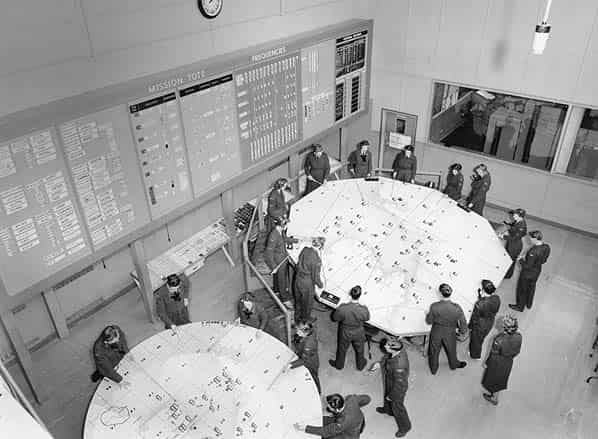
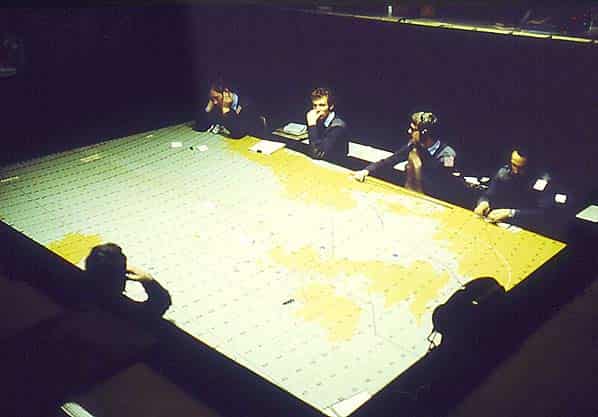
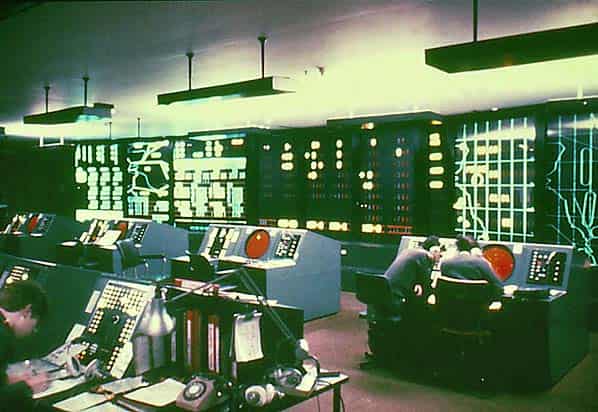
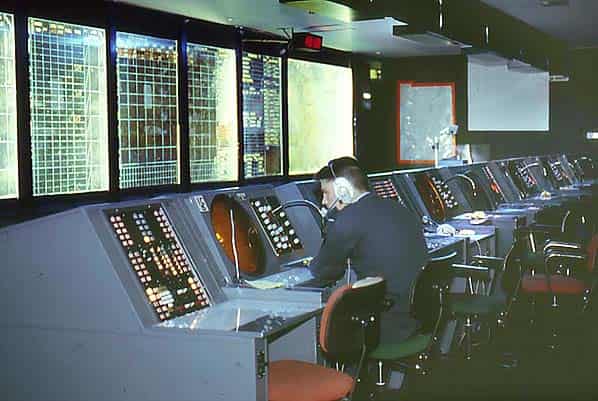
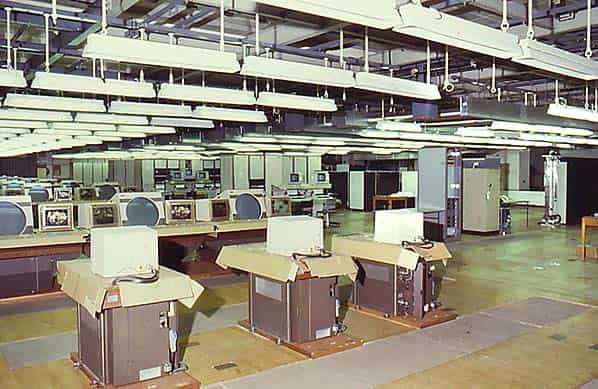
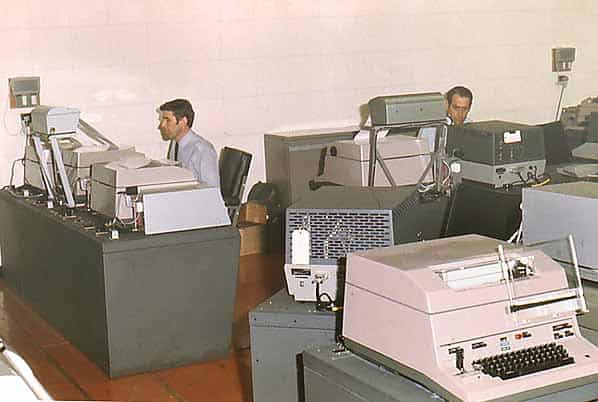
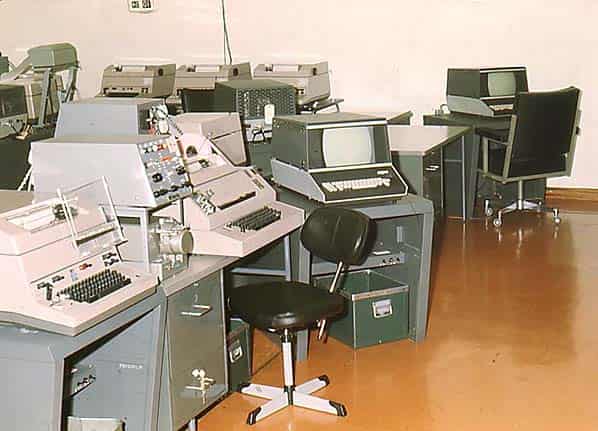
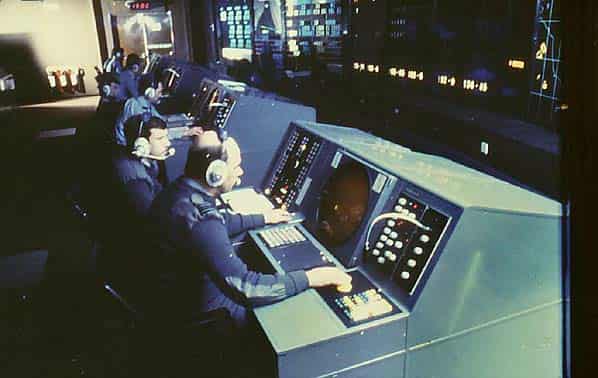
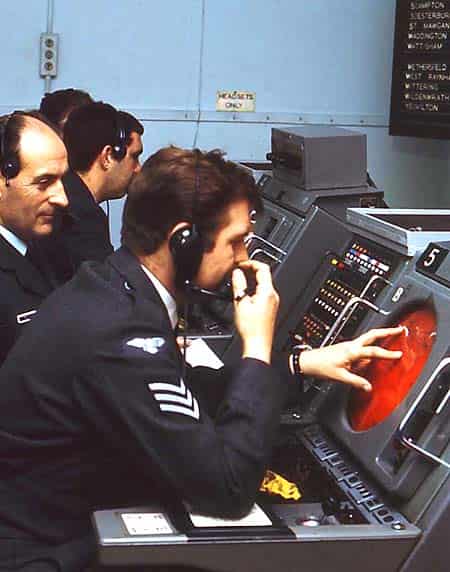
Inside the R3, dramatic changes were also taking place. The large two storey operations room was superseded by a much smaller control room constructed on the top floor at the opposite end of the building. This included a ‘well’ in the floor for a photographic display unit (PDU) which allowed radar pictures to be projected up into a plotting table above. This apparatus, located in the room below was a Kelvin Hughes Photographic Projector; this comprised equipment that could record the radar image on 35 mm film, develop, fix and dry the image and then project it up on to the plotting table in the control room on the floor above. The displayed image was only one minute behind real time. The PPI image from a high intensity cathode ray tube was projected on to the film through a focusing lens. Each revolution of the radar antenna took 15 seconds and it took this time to expose the film to a full revolution. At the end of the sweep, the frame would be moved on to be developed, whilst the next frame was exposed.
When the frame moved on at the end of the next sweep the image was fixed, it then moved on again to be dried.
Finally, the frame moved on once more where it was projected, via a mirror, to the underside of the frosted glass plotting table on the floor above. Meanwhile the next frame to be exposed had been following on through the process, so at the end of the next revolution this frame was projected, 15 seconds after its predecessor. As frame after frame was displayed on the map the plotters in the pit could place markers on the map to indicate friendly or hostile aircraft.
By December 1956, the main role of the station was a reporting role for Northern Sector and a standby reporting role for Eastern and Caledonian Sectors and for Killard Point in Northern Ireland.
The station took part in Exercise FORMULATE in 1956. This involved 21 Meteors making a simulated attack from Germany on Northern Sector. The Type 80 performed well, although it was adversely affected by cloud cover, but the limited range of the Type 7 proved to be a handicap. RAF Seaton Snook also took part in the exercise using Type 7 and Type 13 radars and during the exercise 432 Light Anti Aircraft regiment defended the base.
In the 1956 Signals Plan, Boulmer was designated as one of 9 Master Radar Stations, RAF Anstruther was a satellite of Boulmer. In April 1957 it became a comprehensive GCI station. In November 1957 RAF Boulmer became 13 Group Control Centre, responsible for the GCI stations at RAF Buchan in the north of Scotland, RAF Killard Point in Northern Ireland and limited commitments from RAF Patrington (Eastern Sector MRS). It also assumed the role of Sector Operations Centre from RAF Shipton which closed.
Under the 1958 Signals Plan, Boulmer was retained as the 13 Group Control Centre and Headquarters, a Comprehensive Station and Master Radar Station responsible for Buchan, Hackett (Benbecula) and Killard Point and the CEW stations at Saxa Vord and Aird Uig. This plan was later abandoned in favour of the Linesman/Mediator system with 3 SOC’s at Buchan, Boulmer and Neatishead.
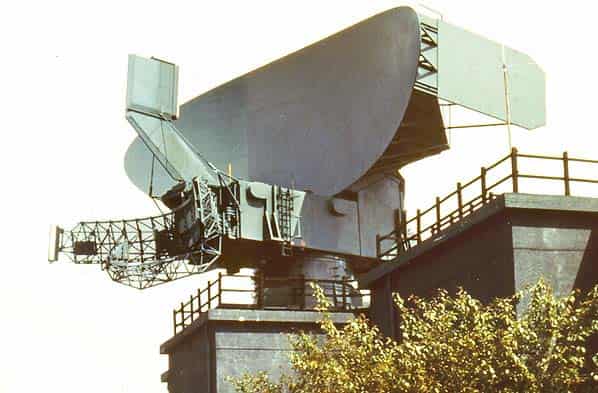
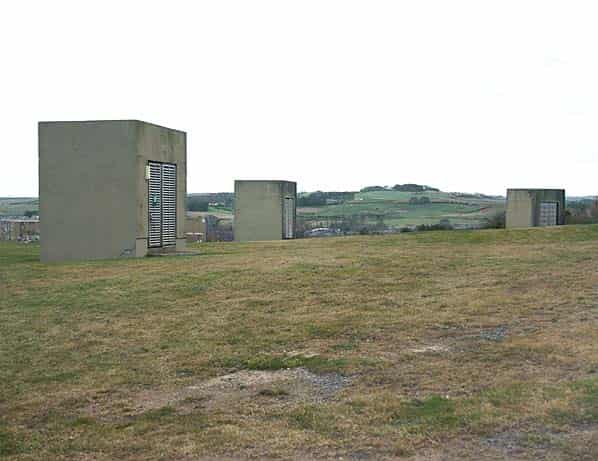
As part of the 1958 Plan, Boulmer was selected to be upgraded with the installation of new high powered Type 84 Surveillance radar mounted above an R17 modulator building. This increased the range of detection and was able to penetrate the latest Soviet jamming technology. The Type 84 was unable to establish height so two HF200 height finders were also added.
In 1966 the following radars were operational under Linesman/Mediator: Type 80, Type 54, 2 X HF 200 Height finders, Type 84 and 2 X AN/FRS6.
In addition work also started on the installation of a Type 85 radar. This too was able to cut through the Russian jamming with a range in excess of 200 miles; it was also equipped with banks of transmitters and receivers which could rapidly change transmitting frequencies to deter hostile blocking attempts. In order to achieve this performance it required a set of five powerful diesel generators which would have been capable of supplying sufficient power for a large town.
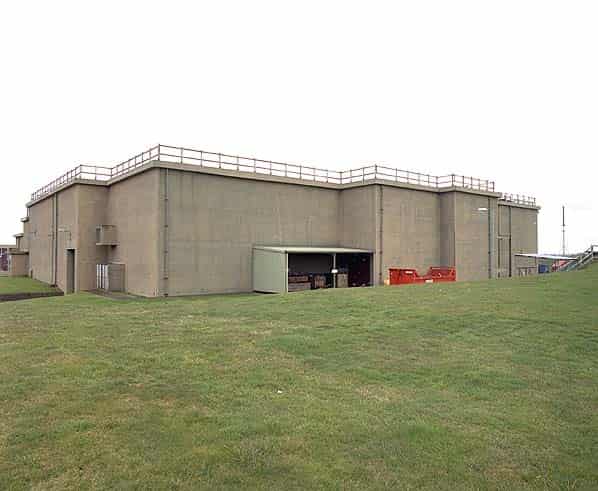
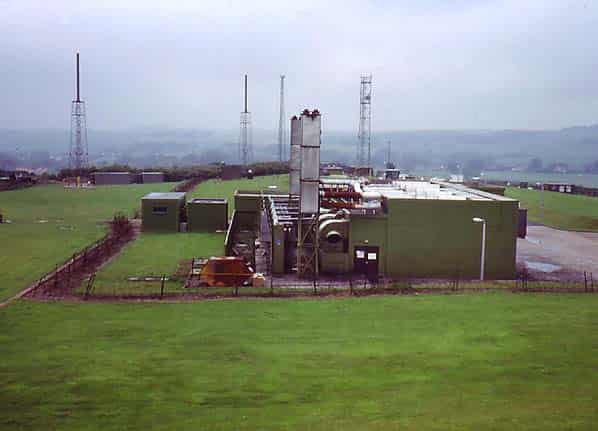
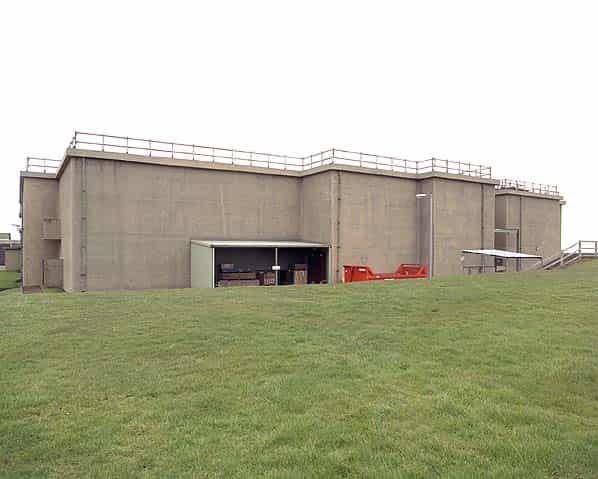
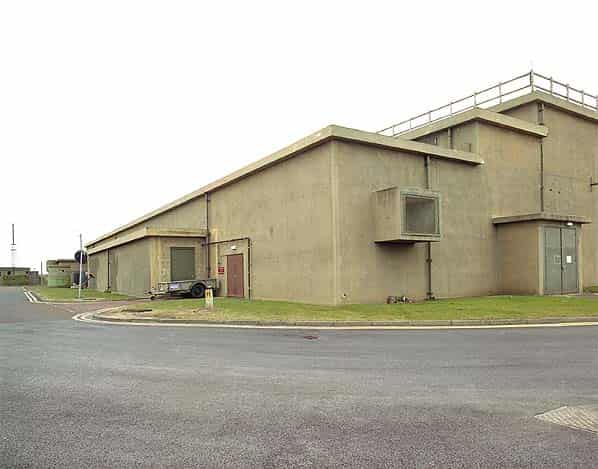
This radar was housed in a massive 3-storey R12 concrete technical block with a second block alongside housing the generators. Flight trials started in August 1967, but the radar did not come fully on line until 1968. The R12 was one of three around the county, the others being at Neatishead and Staxton Wold.
In a further attempt to deter Soviet jamming, a passive defence system known as ‘Winkle’ was introduced on 1965. This consisted of a high speed aerial mounted above an R15 data handling building.
This system, known as RX12874, worked with the Type 85 to establish the position of a jamming source.
In 1971 a nuclear reporting cell was operational at Boulmer.
The same year Border Radar was established at Boulmer, this was a joint military/civil facility providing air traffic control services to coordinate civil and military traffic. Although still operational until the late 1980s, this closed when West Drayton took over control
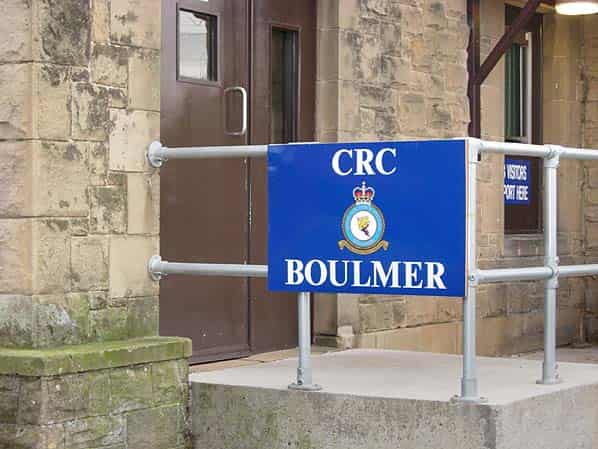
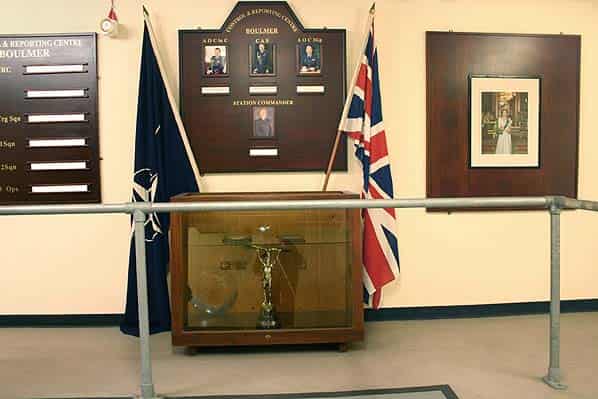
Boulmer was now part of SLEW/UKADGE a centralized air defence system for the UK. By 1974 the station had been upgraded to the Northern Sector Operations Centre (SOC) and a Control and Reporting Centre (CRC). By this time command was maintained centrally at two sites, West Drayton and Strike Command HQ, High Wycombe and control was allocated to three CRCs at Neatishead, Buchan and Boulmer. The sites were linked together so that one could take over from any other in an emergency.
In 1978 RAF Boulmer took on a new additional role as a search and rescue station following the closure of RAF Acklington, a role that it still fulfills today.
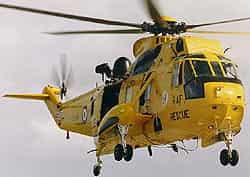
Initially the station was equipped with Westland Whirlwind helicopters but in December 1978 these were replaced by the Wessex and then the more versatile Sea King. Search and rescue is located on the domestic site 1 mile east of the technical site.
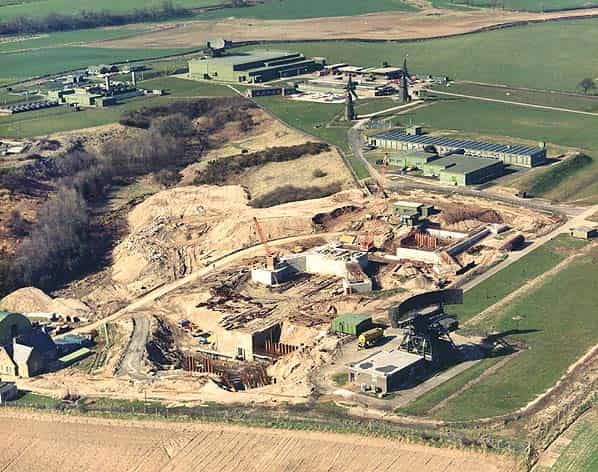
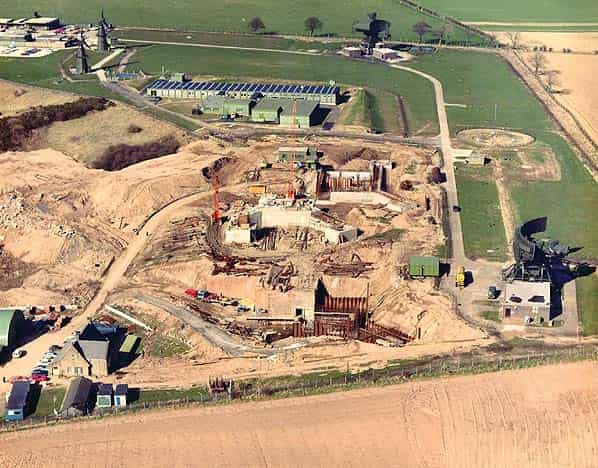
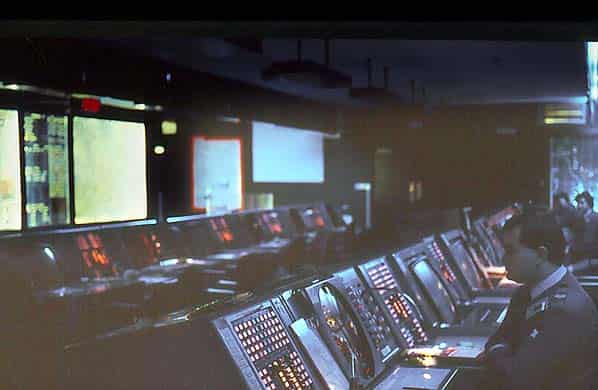
The next major change came in 1982 when the R3 bunker was vacated and rebuilt as an R3A. During this period the CRC was relocated to an above ground facility while the work was carried out. The Boulmer Interim facility, or BIF, is still in place and until recently was the home of No 1 Aircraft (No 1 Air Control Centre) Control Centre (No 1 ACC).
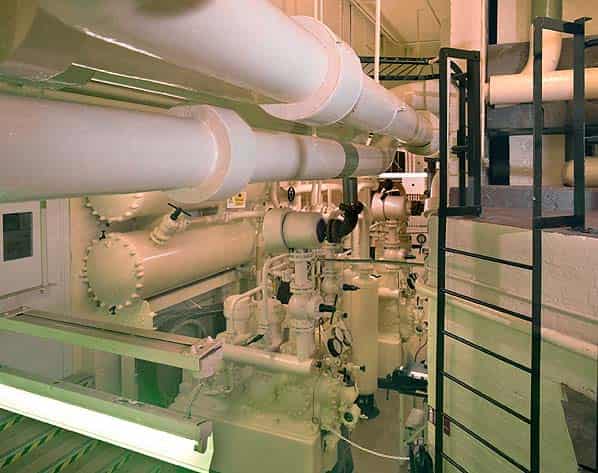
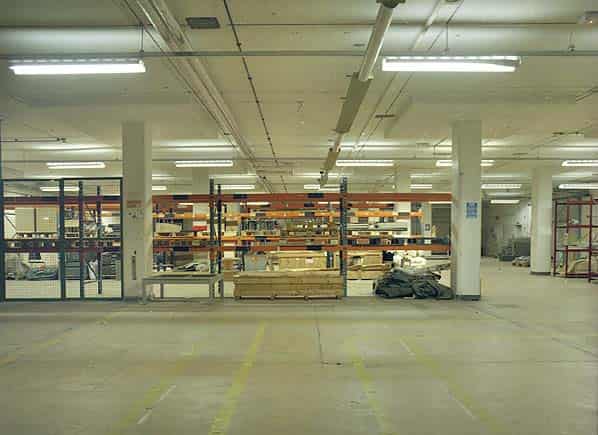
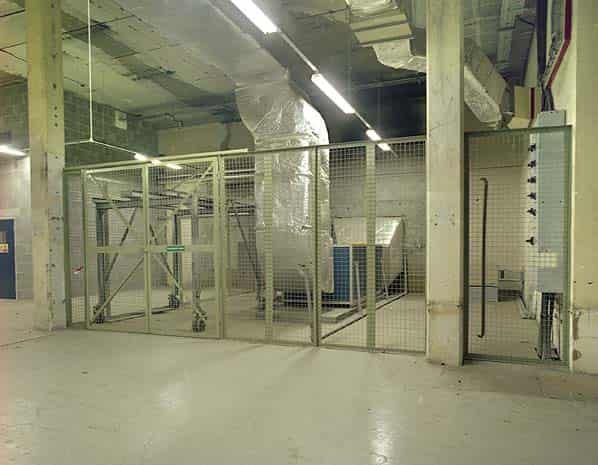
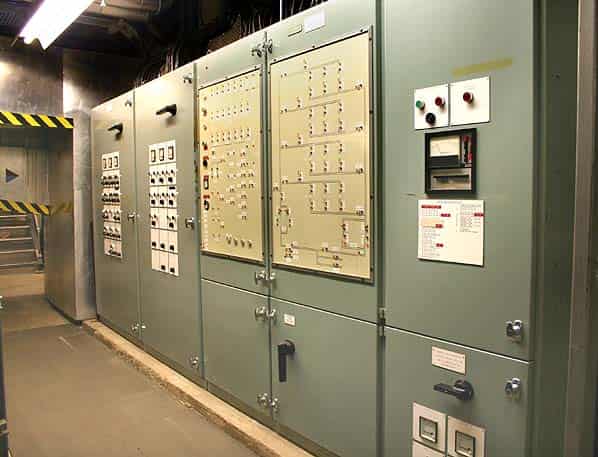
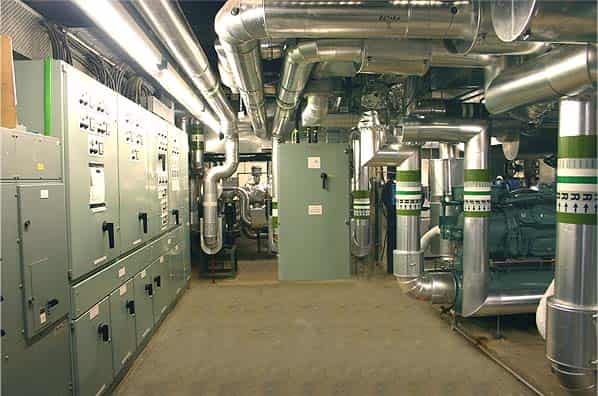
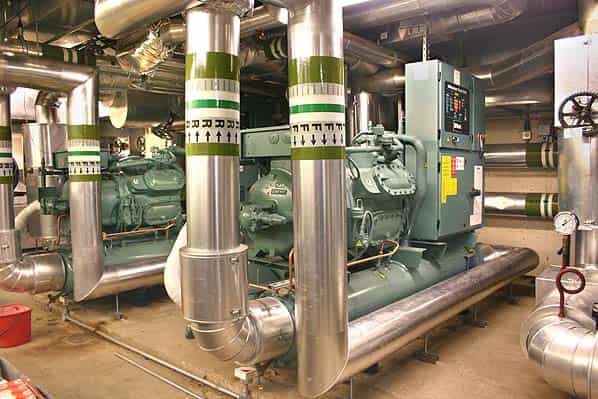
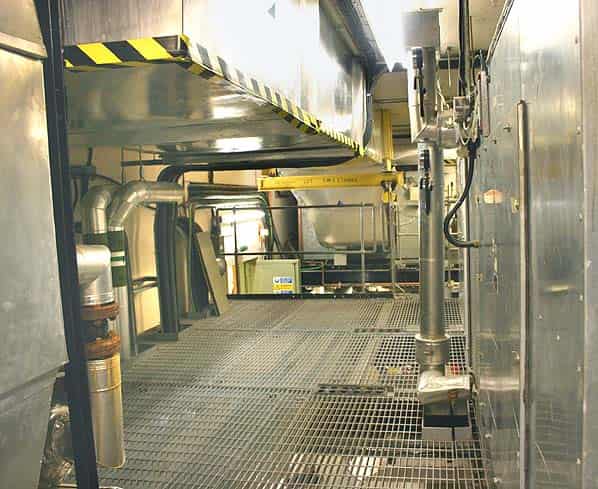
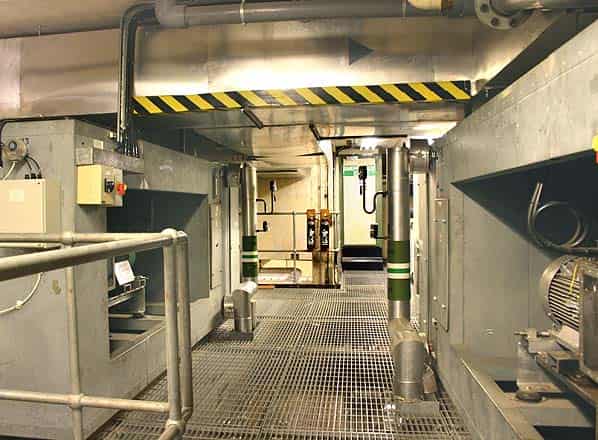
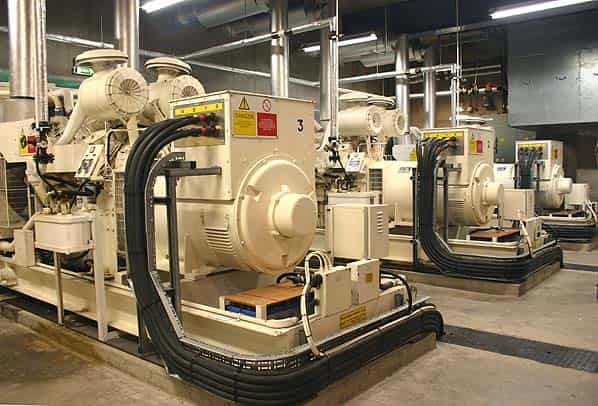
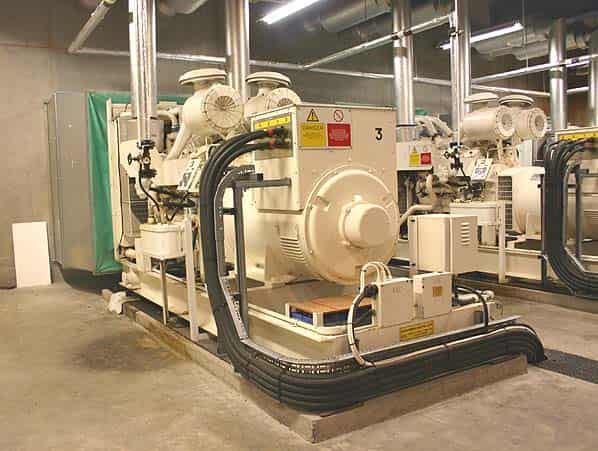
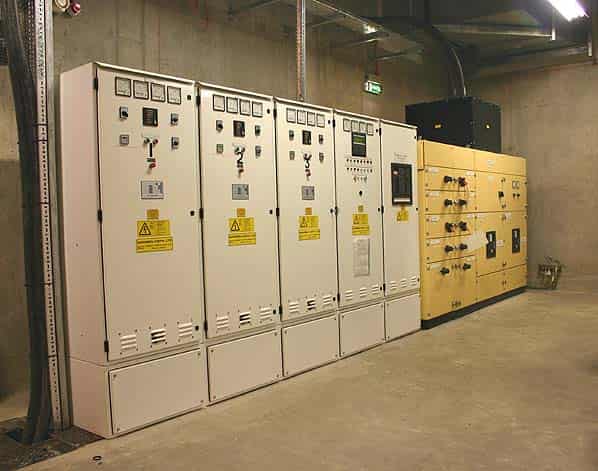
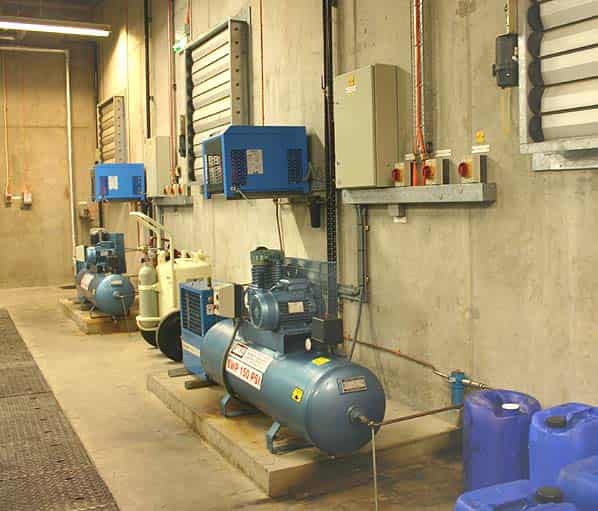
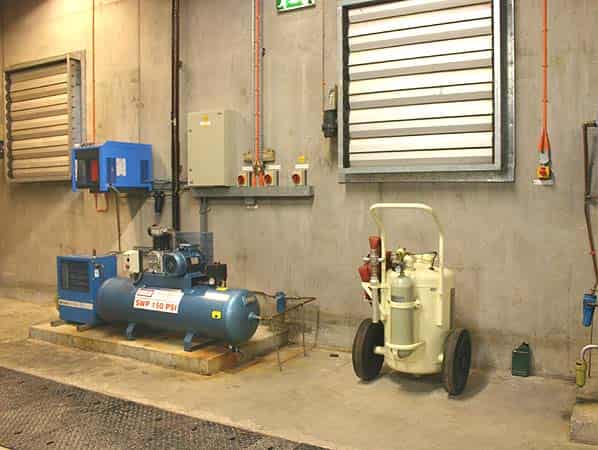
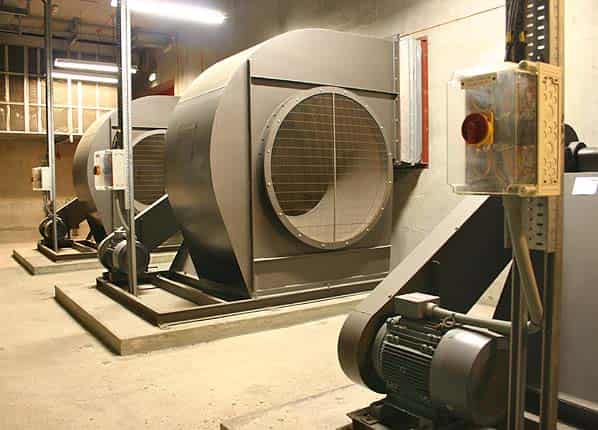
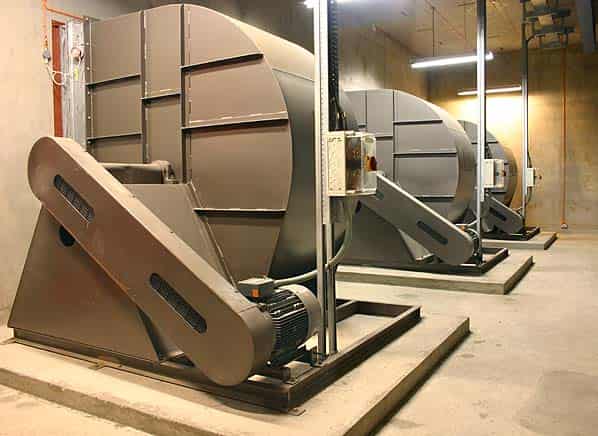
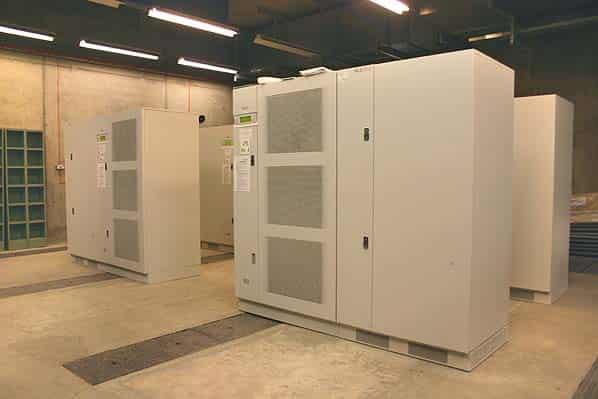
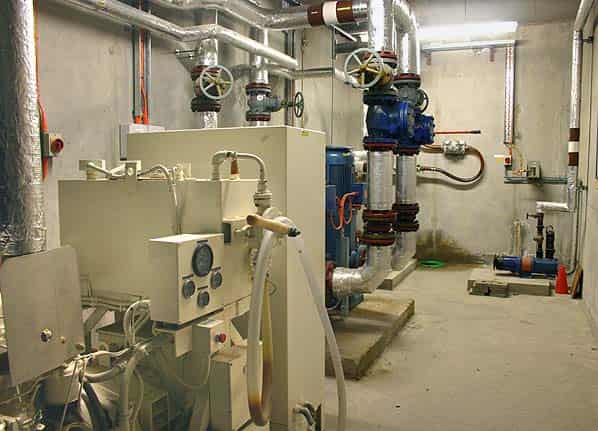
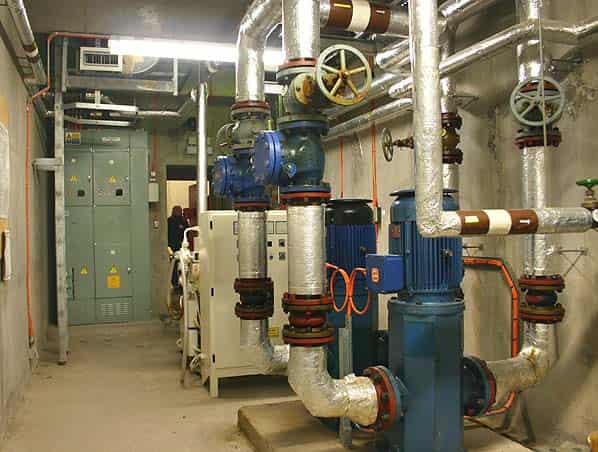
The alterations were substantial and involved the excavation of the underground R3 structure. The original two-level operations room was converted into two single-level operations rooms. New plant rooms, air intakes and vents were also added almost doubling the size of the existing structure; this included standby generators which had previously been located in a separate building on the domestic site. At the entrance to the core of the bunker, a new suite of decontamination rooms was added capable of handling the full gamut of nuclear, biological and chemical threats. Folding bunks were also fixed to the corridor walls for emergency sleeping in the event of the bunker being sealed. Further details of this work will be found in the description of the R3A below. Similar refits were undertaken at Neatishead, Buchan and Ash.
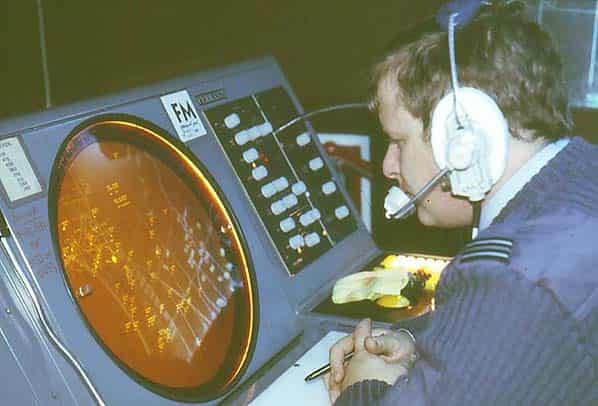
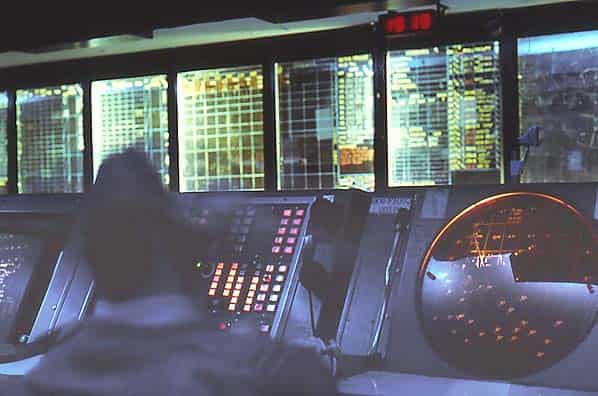
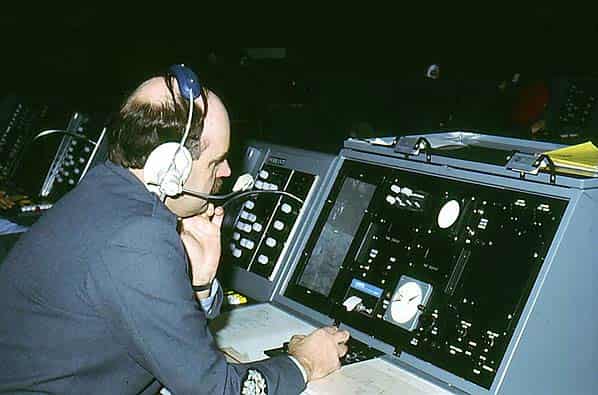
Following the extensive refurbishment, installation and testing of the highly advanced Integrated Command and Control System (ICCS), the R3A was returned to operations as a limited CRC in 1992; however, by this time the cold war had all but ended and control and reporting was downgraded and concentrated at Buchan and Neatishead, each with their own geographical areas of responsibility, roughly split north and south of Newcastle. Within their own areas, the CRCs received and processed information provided round-the-clock by military and civilian radars to produce the Recognised Air Picture (RAP). In addition to this radar data, the CRCs also exchanged information using digital datalinks with neighbouring NATO partners, AEW aircraft and ships.
However, the production of the RAP was only one part of the CRC’s duties, the second being the control of aircraft. While Fighter Controllers provided the tactical control required for our Air Defence aircraft to police the UK’s airspace in peace and war, they were also involved in the peacetime training of the RAF’s Air Defence assets. Moreover, Fighter Controllers also provide support to Ground Attack forces when undertaking training with their Air Defence counterparts, and close-control of Air-to-Air Refueling missions. During this period Boulmer was retained as a standby facility able to take over should either Buchan or Neatishead be taken off line.
By the end of the 1980’s the Type 84 radar was redundant and was dismantled and sold for scrap in September 1989. The Type 85 remained in use until October 1990, though it too was dismantled in November 1991. The radars were replaced by the smaller Type 90 series which, although smaller, utilised modern technology giving them a greater range while using considerably less power. Being small and mobile they could easily be hidden from attack and quickly moved to provide early warning wherever it was needed.
In 1990 the School of Fighter Control moved from West Drayton to Boulmer and was located on the technical site.
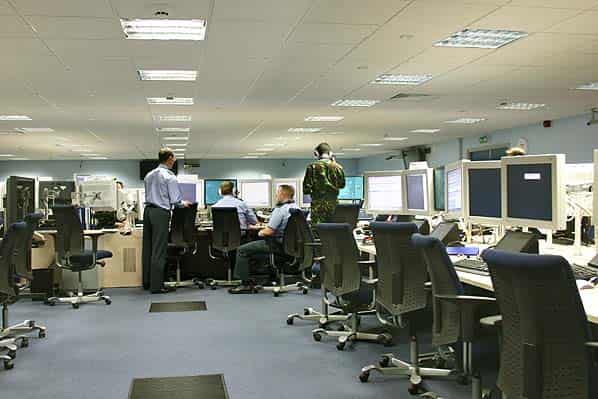
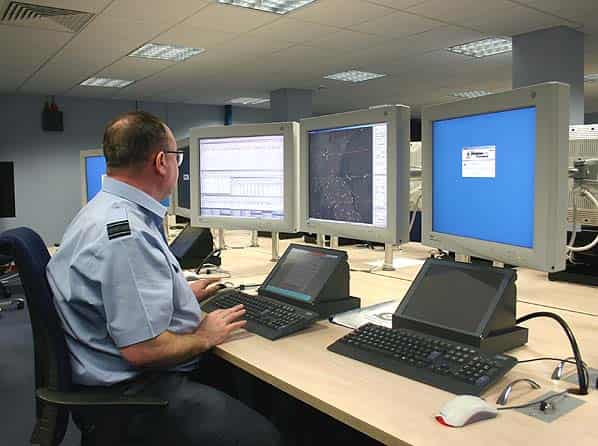
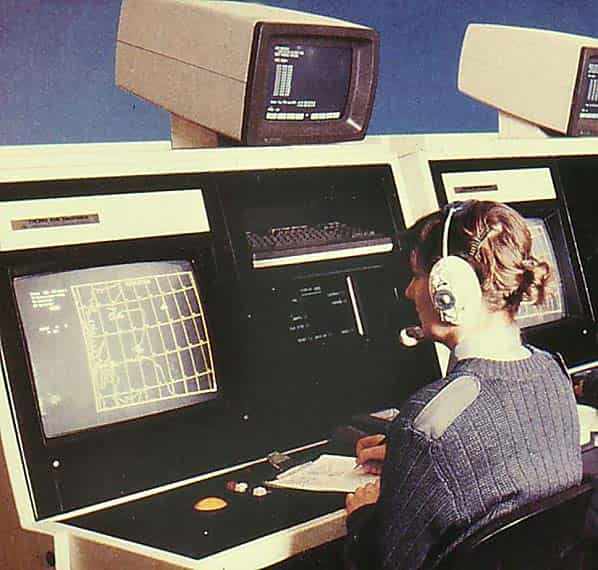
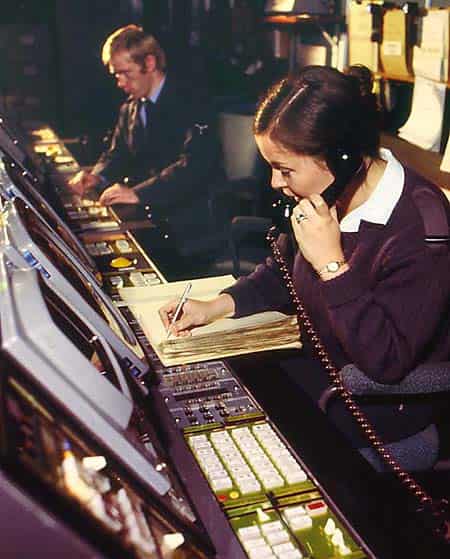
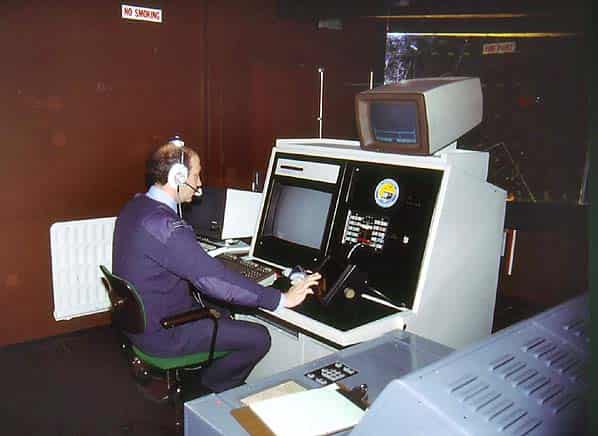
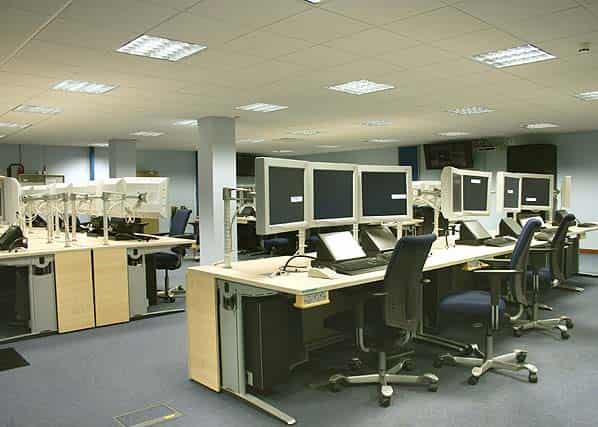
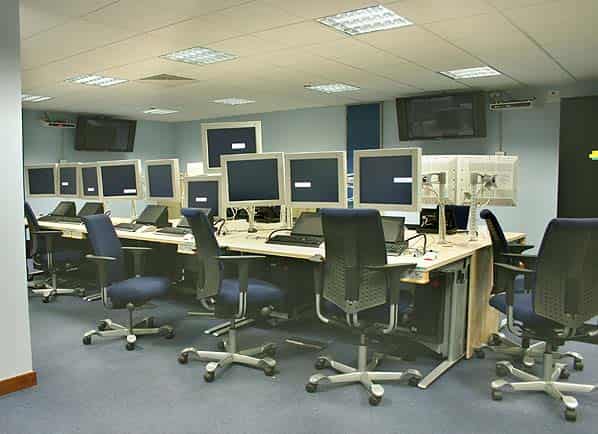
Further alterations took place in 2002 as part of the UKADGE Capability Maintenance Programme (UCMP). This £60m refit included the removal of the original consoles in the two operations rooms which have been replaced with a new ‘off the shelf’ computer systems with flat screen monitors.
Primary Contractors for this refit were IBM for the data handling and display, and Frequentis for the communications systems. After the refurbishment, the CRC was back on line on 16th August 2004 and on 1st September 2004 Boulmer took over control and reporting for the whole country with the draw down of CRC Buchan. In order to develop the UK Command and Control System (UCCS), and demonstrate proof of concept, an additional, aboveground operations room (known as ABACUS) was installed at the same time as the underground system at Boulmer. It was originally intended to use this as the standby facility until Neatishead could be refitted. ABACUS is fully integrated into UCCS, and can operate independently or as part of an integrated system. Thus it would be that the UK ASACS would retain 2 CRCs, albeit both at Boulmer for a brief period.
However, in late July 2004, even before the new Boulmer CRC was fully operational, it was announced that Neatishead would not reopen as a CRC and that RAF Boulmer would close by 2012, with the majority of its functions transferring to a new CRC at RAF Scampton. Shortly after this announcement, No 1 ACC undertook an interim move to RAF Kirton in Lindsey, a former Fighter Command base in Lincolnshire. The move to Kirton was completed in early 2005, and the new Scampton CRC became fully operational early in 2006. Opportunities now exist for personnel employed at either unit to be cross-trained on the other’s equipment.
At present both CRC’s share responsibilities for Control and Reporting but due to perceived difficulties with funding for Scampton, a review was announced into the decision to close Boulmer. It may continue as is, but it is more likely that it too will eventually close in favour of a second above-ground facility that could allow the Fighter Controllers and Fighter aircraft to be co-located.
RAF BOULMER TODAY
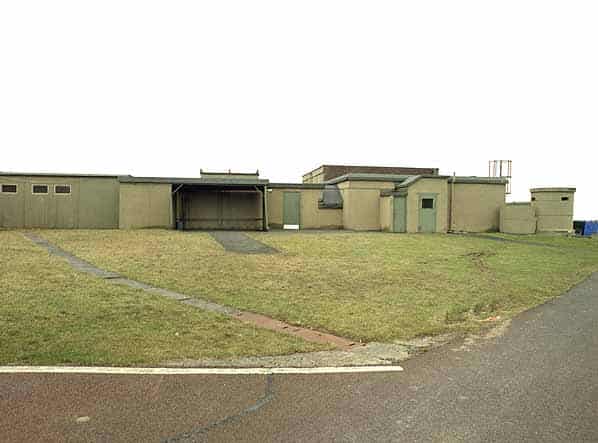
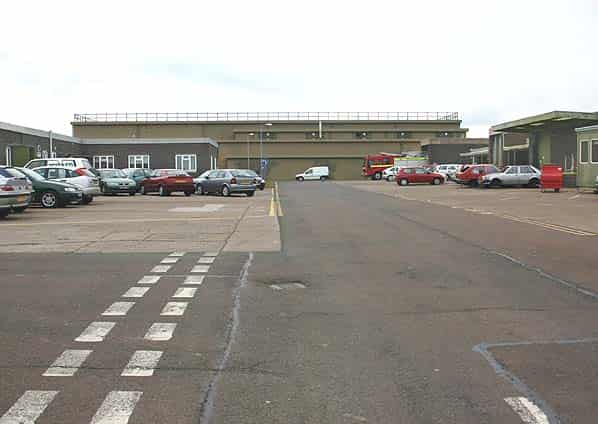
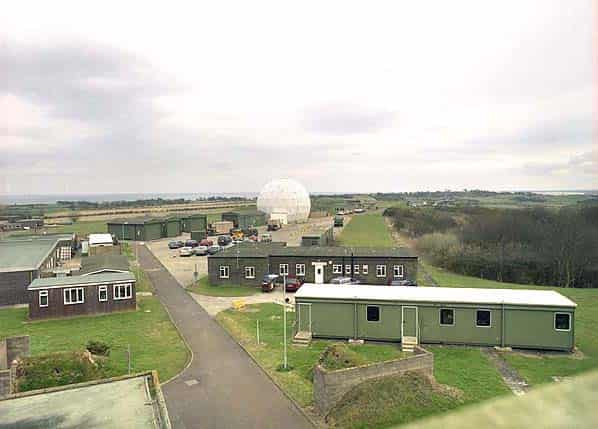
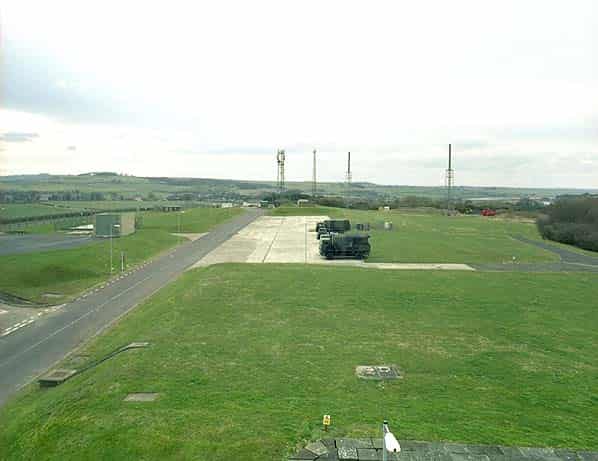
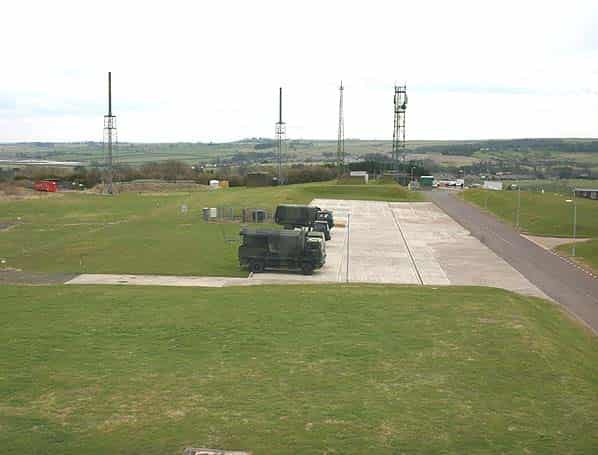
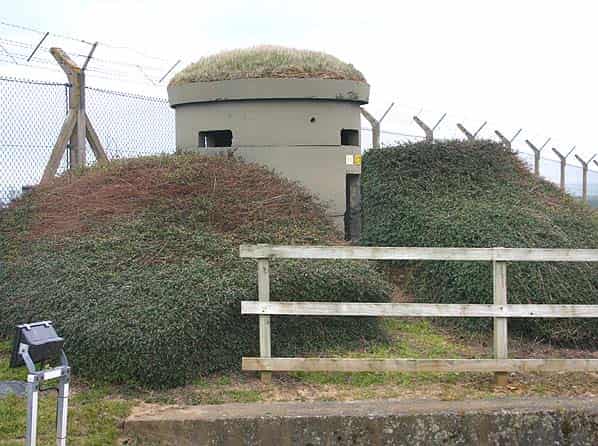
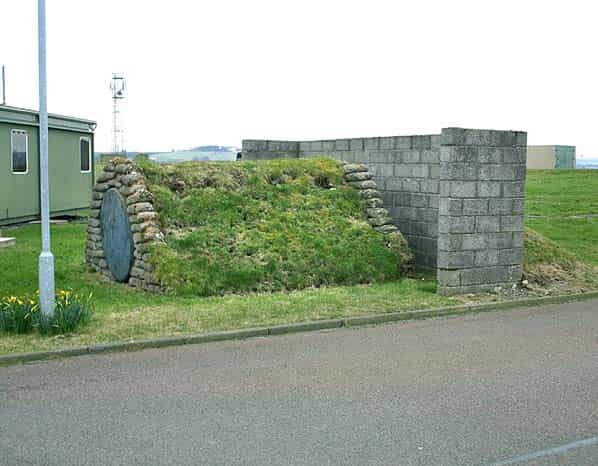
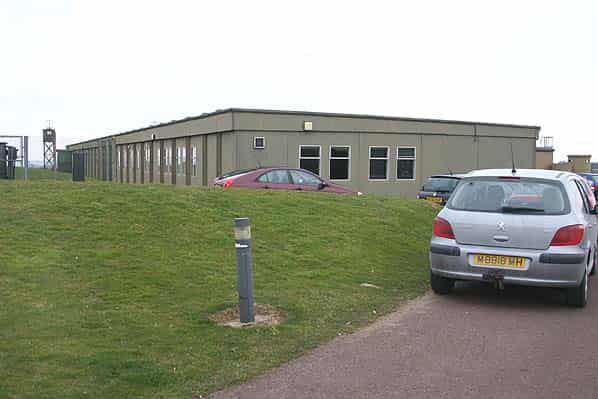
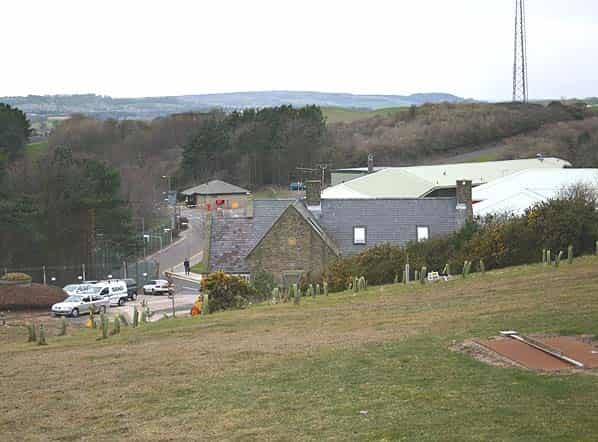
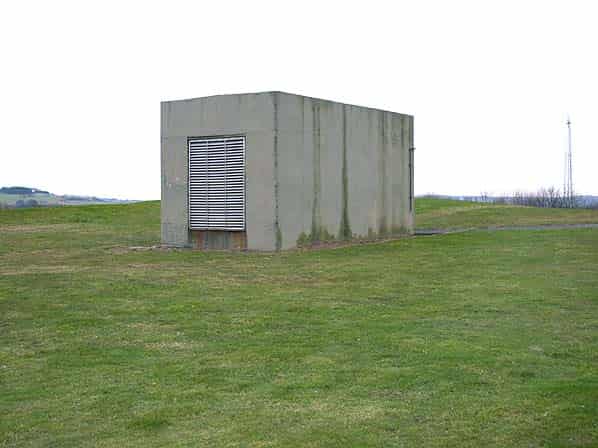
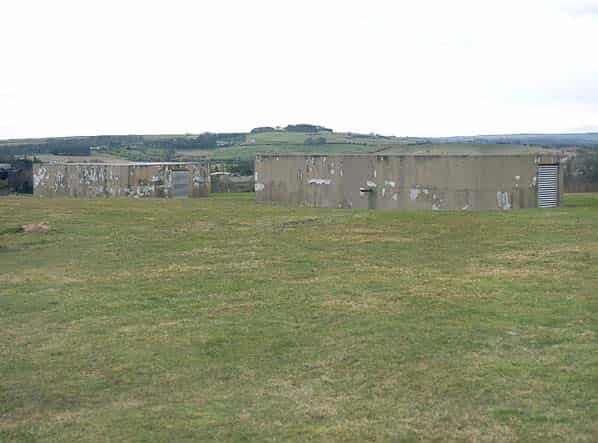
Although Boulmer’s role has changed radically over the years many of the buildings from all periods survive and some have been put to new uses. The R7 bunker on Field House Farm survives although in recent years it has been covered over with soil and its site can only be determined by a slightly raised area covered with thick grass. The adjacent IFF plinth and powerhouse have been demolished.
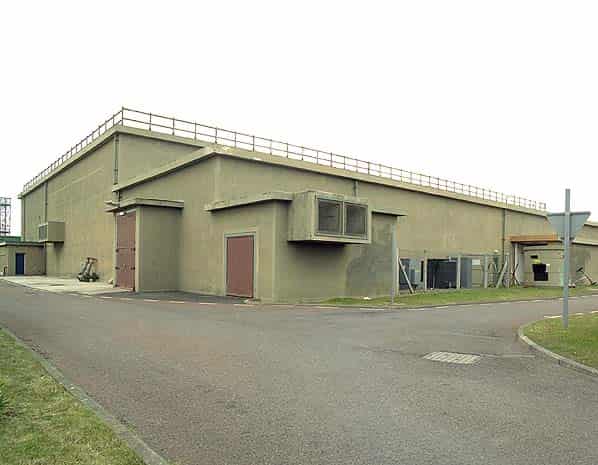
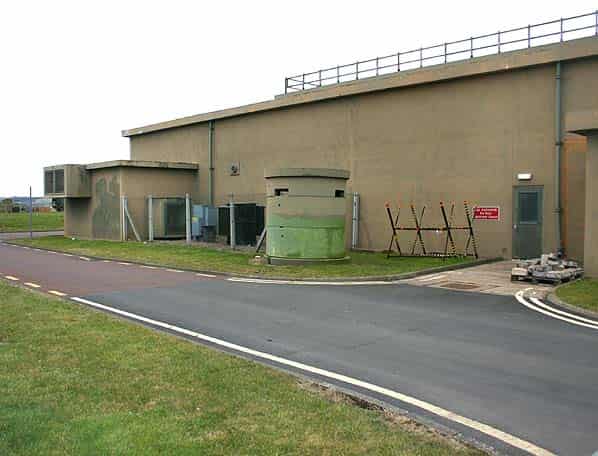
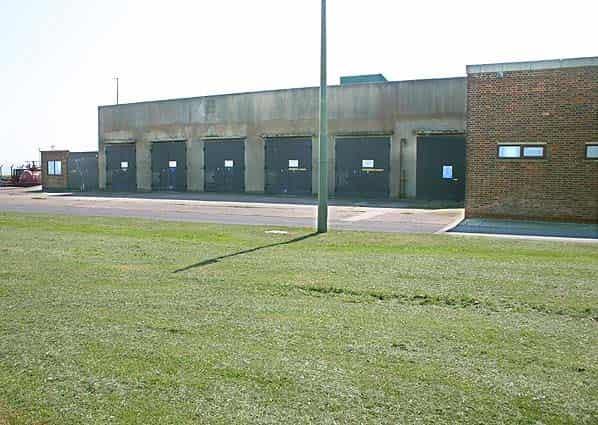
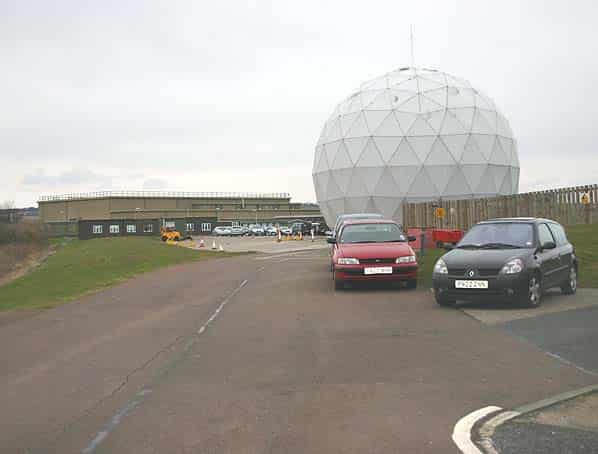
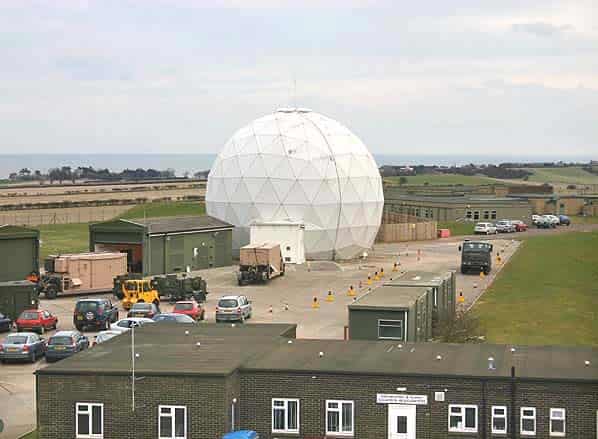
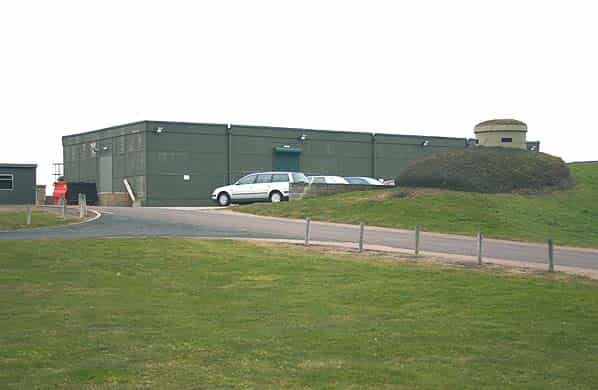
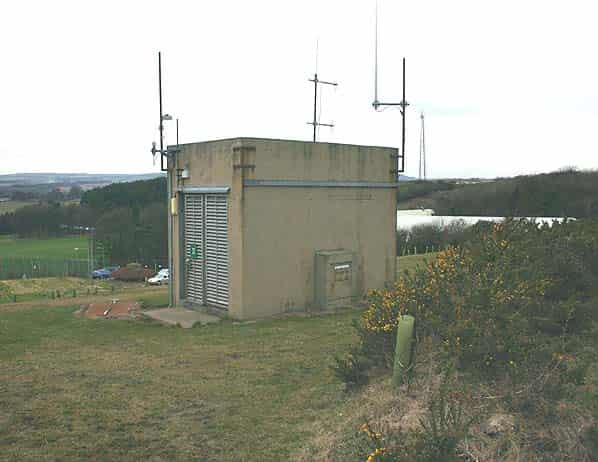
On the technical site the Type 80 and R17 modulator building also survive as does the R15 data handling building. All of these are well within the technical site and cannot be seen from a public road. The most obvious survivor is the massive R12 which can be clearly seen from the adjacent road.
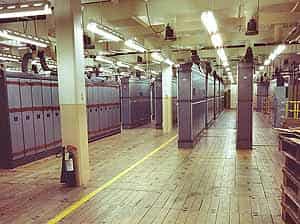
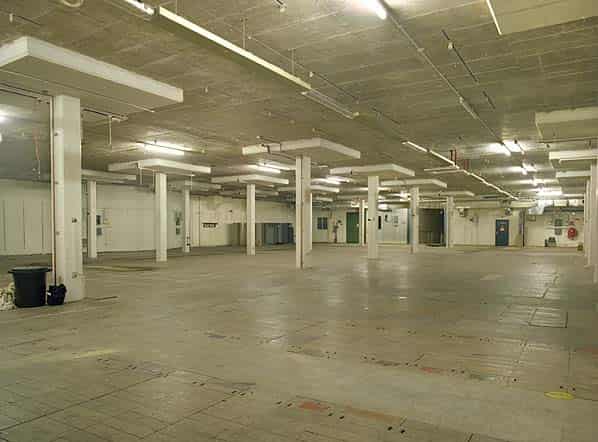
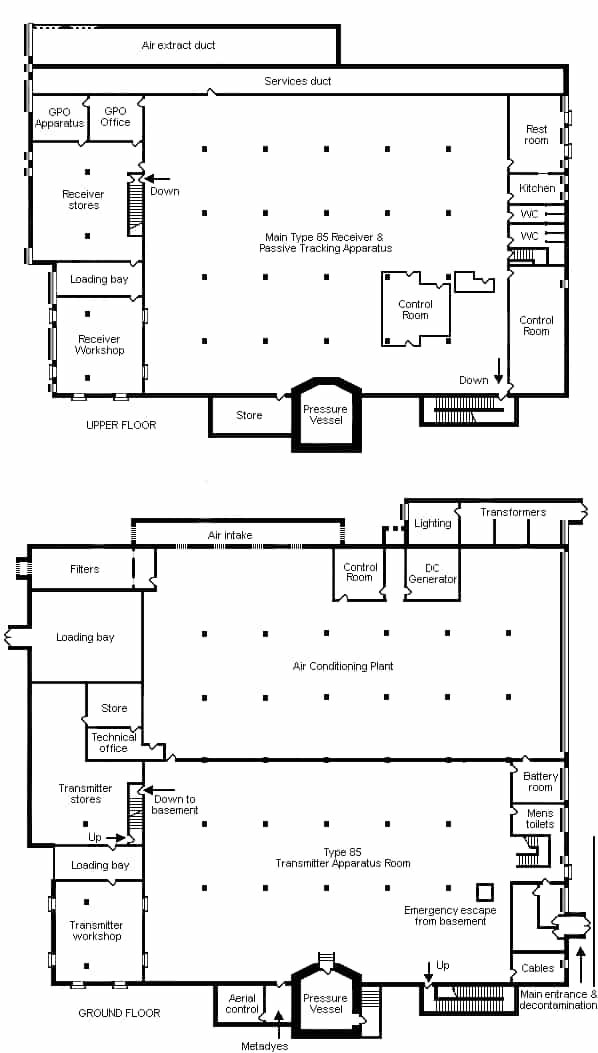
The three-storey building consists of three vast halls surrounded by a number of smaller rooms. On the ground floor, the building was roughly divided in two with the two large rooms housing the Type 85 transmitter apparatus and the air conditioning plant. The upper floor consists mainly of one large room which housed the Type 85 receiver and passive tracking apparatus.
The half height basement contained some apparatus and was latterly used as a nuclear fallout shelter for the station. The Type 85 array was mounted on the front of the roof beneath a two-storey ‘tower’ which contained the waveguides.
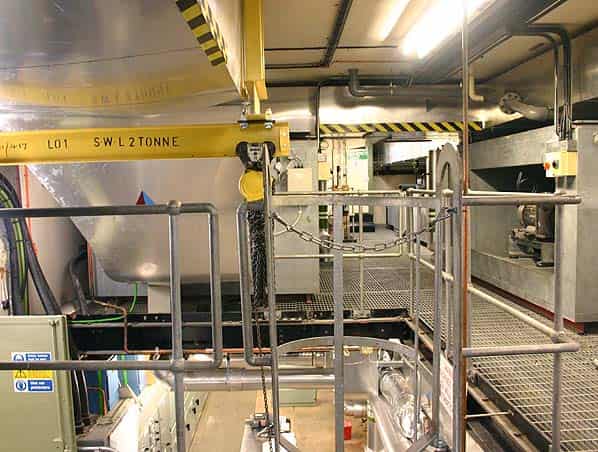
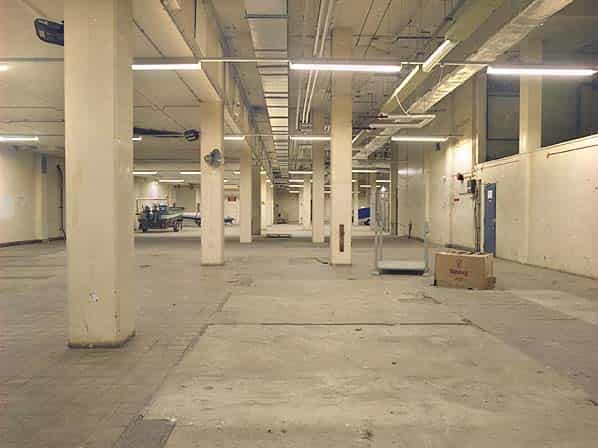
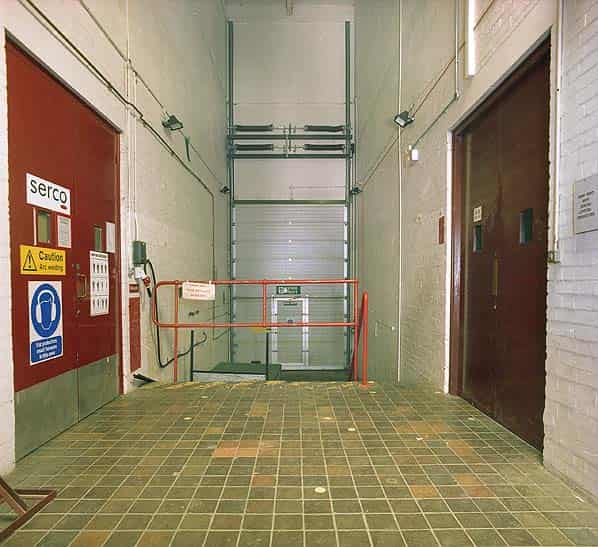
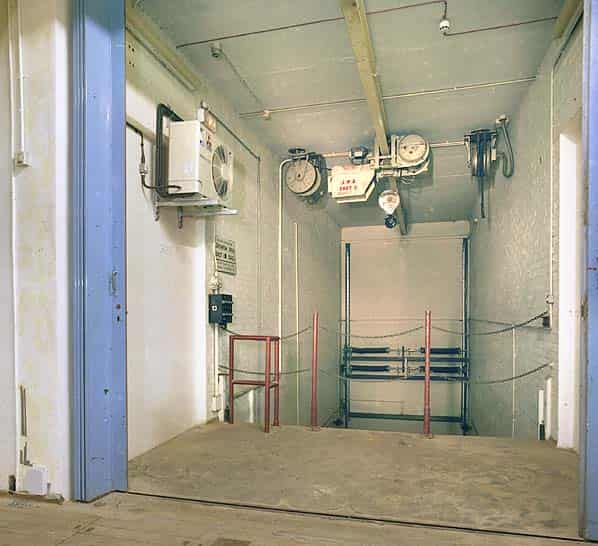
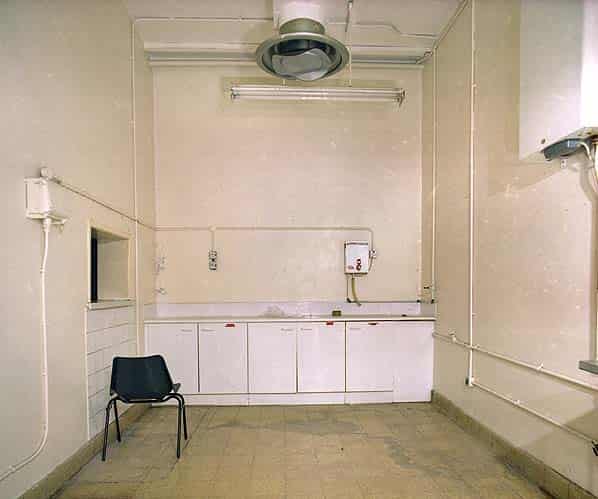
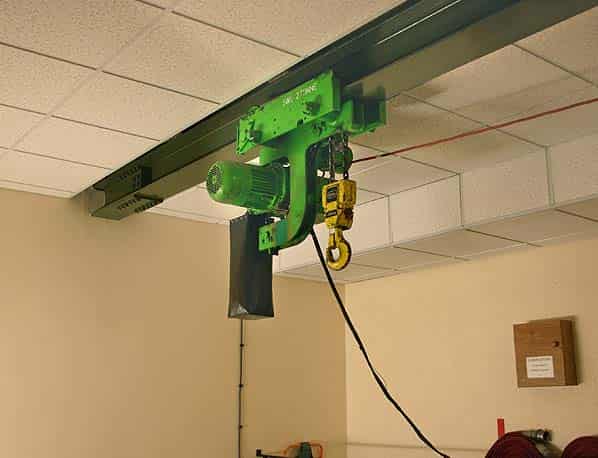
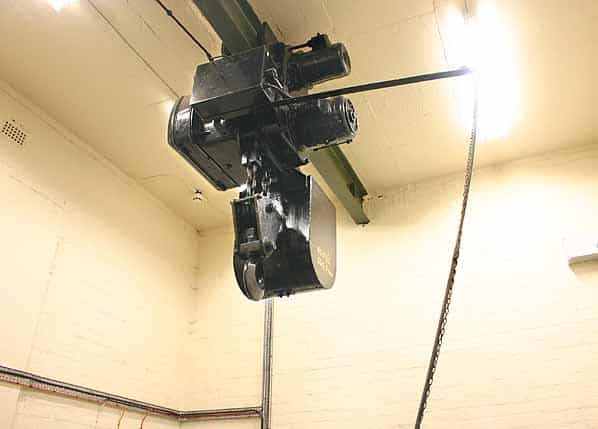
The building has now been completely stripped of any original fittings and is little more than a shell. The kitchen on the upper floor retains some of its fittings with a serving hatch into the adjacent rest room/canteen. The two-storey loading bay still retains its power hoist.
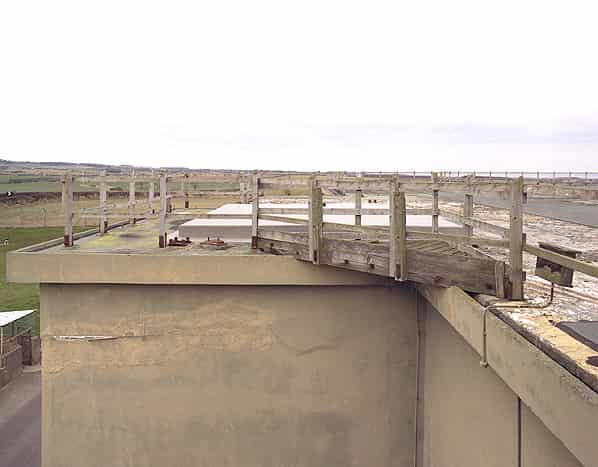
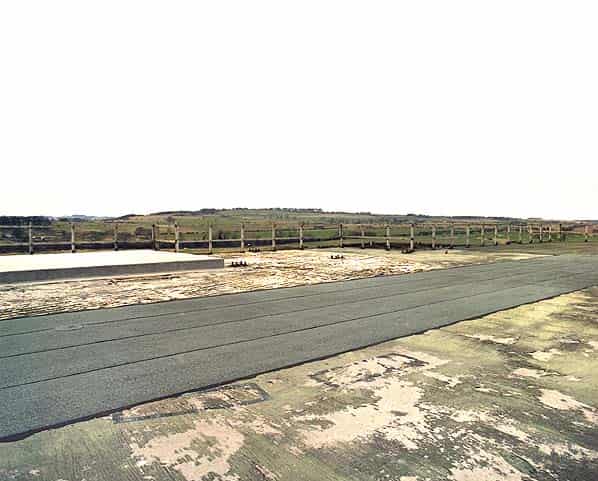
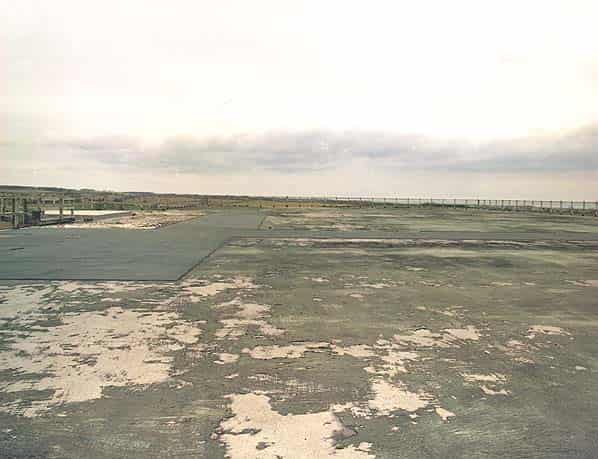
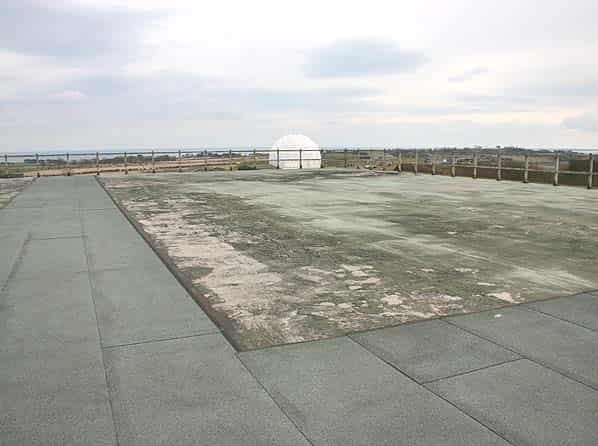
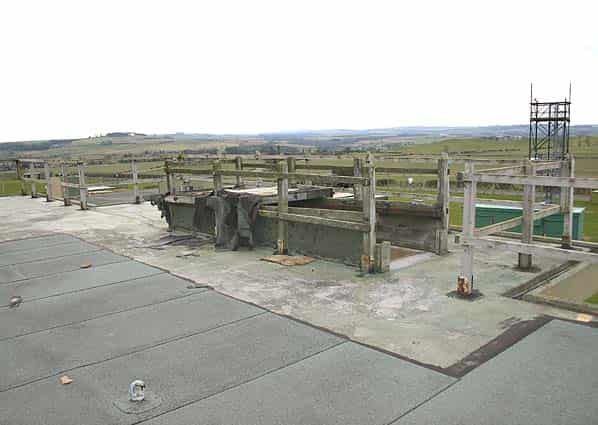
The roof of the building gives a superb view overlooking the station. Its most recent use has been as a tent drying and storage facility for No 1 ACC.
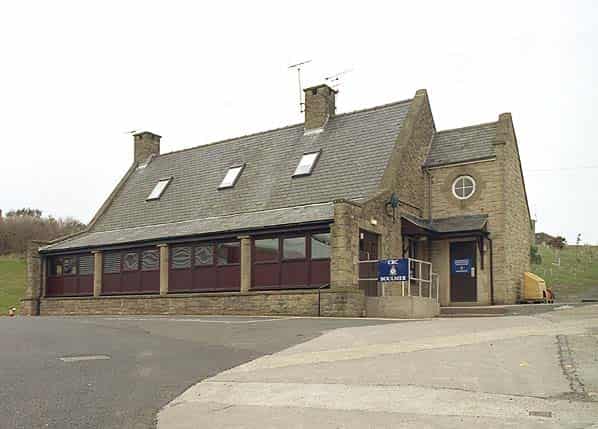
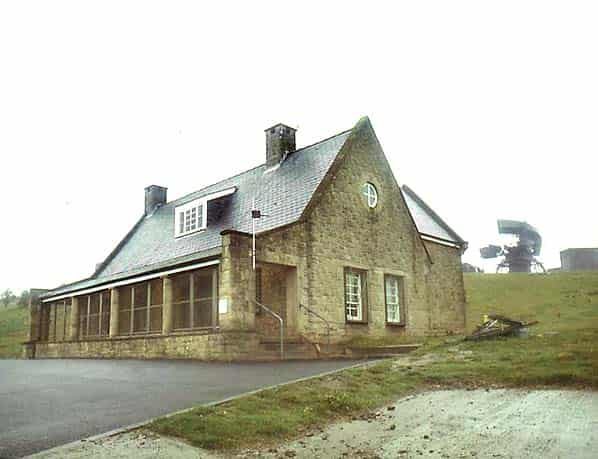
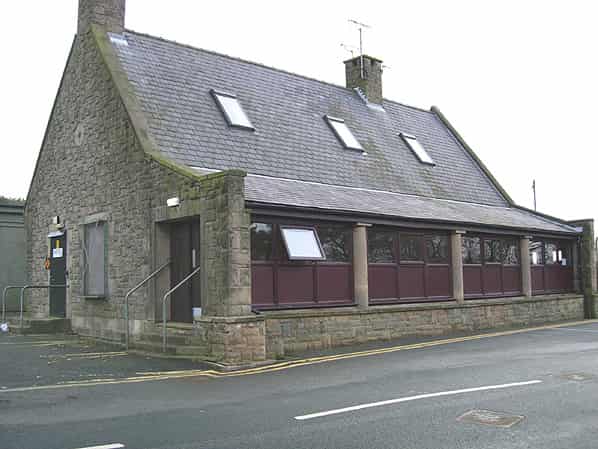
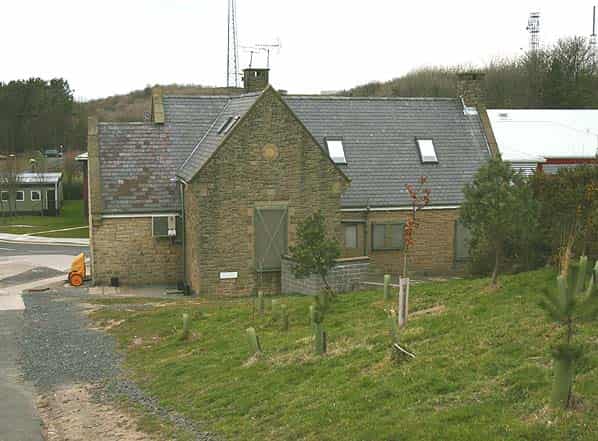
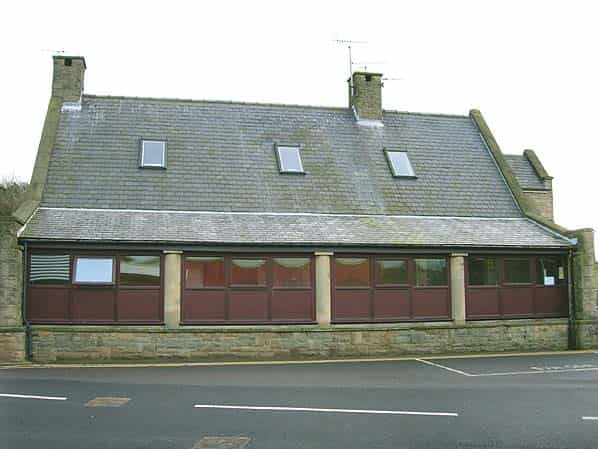
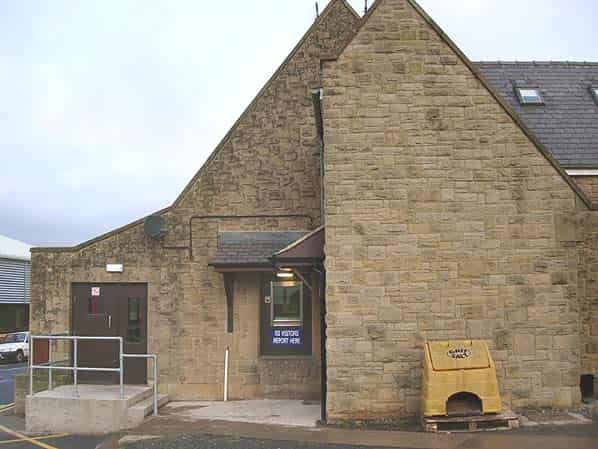
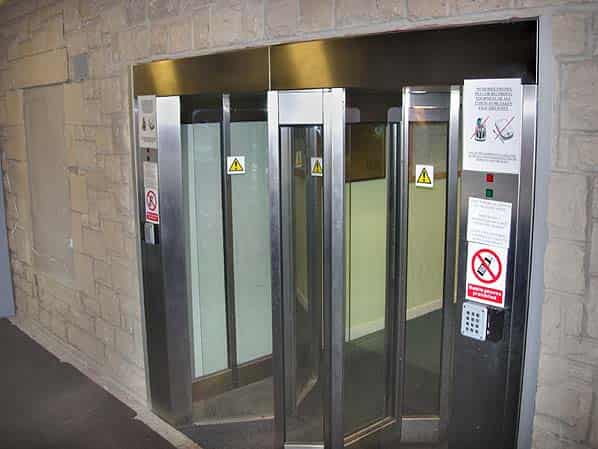
The original stone-built guardhouse has been retained as the main entrance to the R3A although the original verandah has been built-on to, to create extra rooms. The water tanks in the roof have been removed and dormer windows to the rear have been added to provide new office space. The original stairs at the rear of the guardhouse give access to the entrance tunnel.
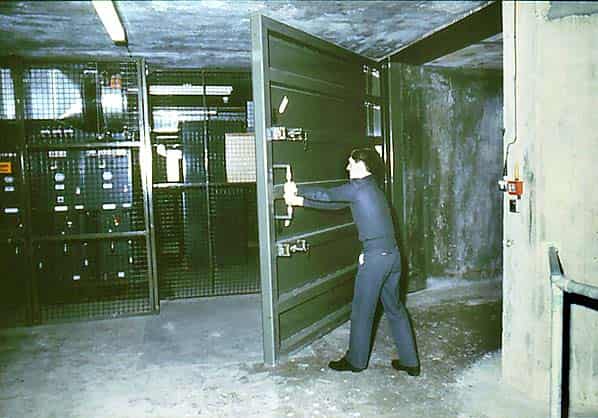
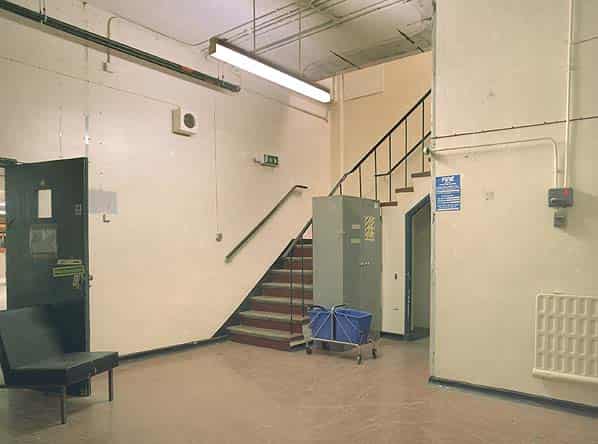
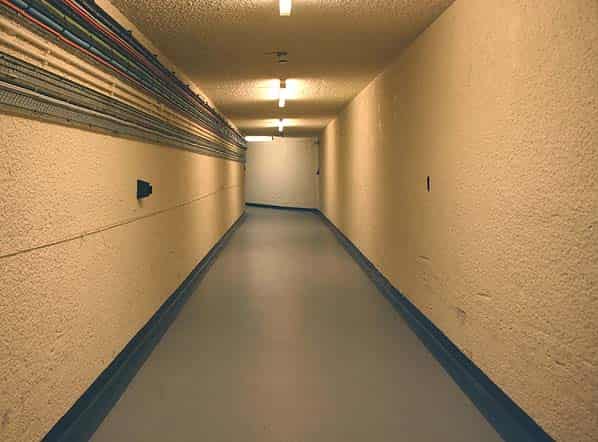
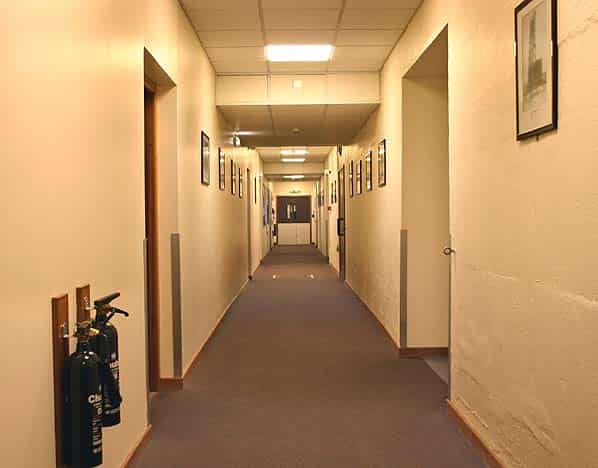
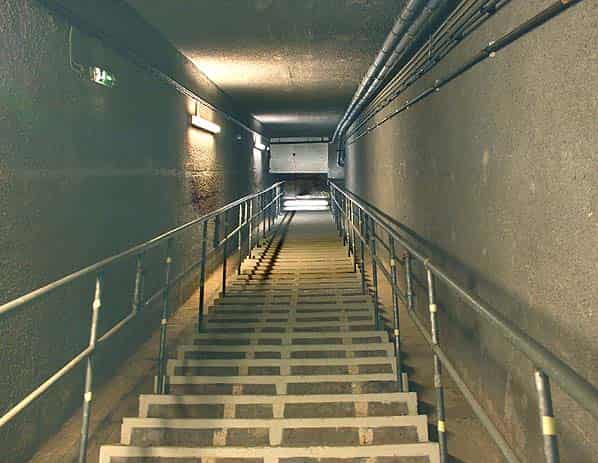
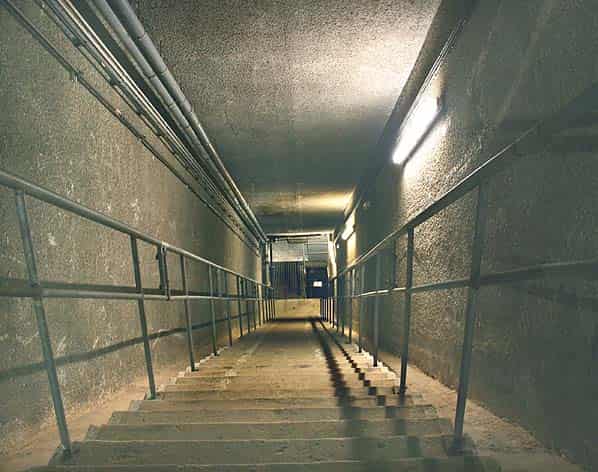
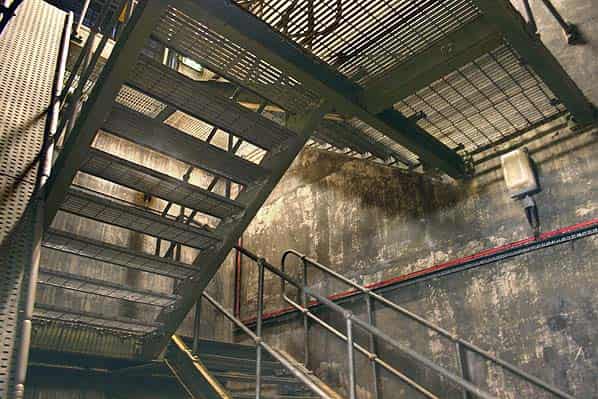
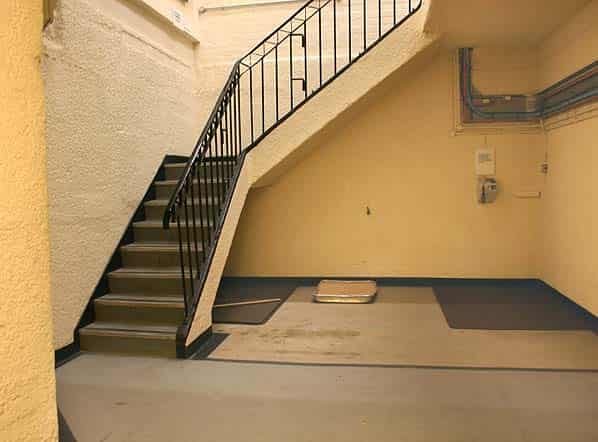
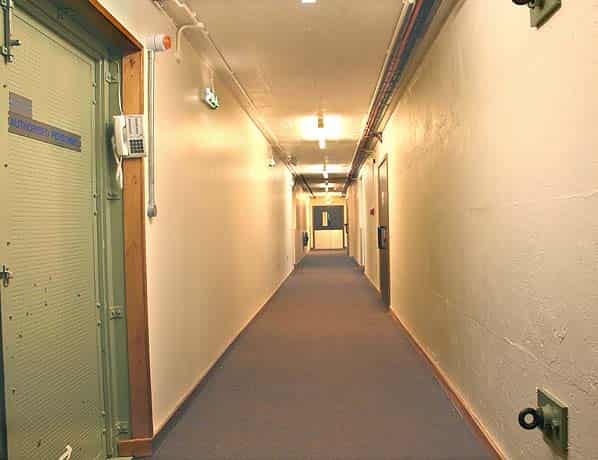
The area that would have housed the ROTOR period transformers has been converted into office space. Evidence of the old blast doors still remains on the bend in the corridor; beyond the dogleg is the top of the main staircase at one end of the central spine corridor. The original plant hoist over the stairwell still exists.
The major changes to the top floor consist of the removal of all of the floors within the operations room and a new suspended floor. The kitchen has been adapted to provide very basic mess facilities; restrooms are still roughly in their original configuration the only difference is the level of segregation is not so strict. Many of the other rooms on the upper floor have now been converted to office space.
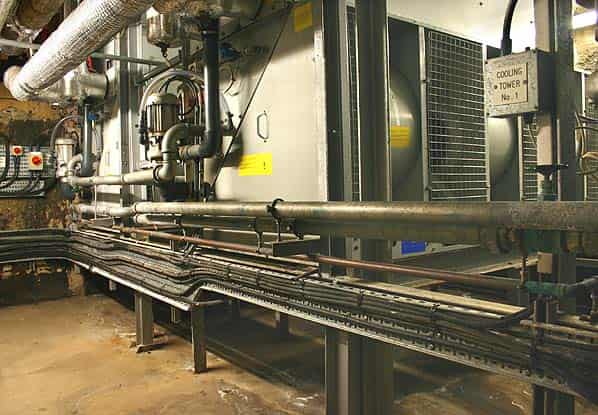
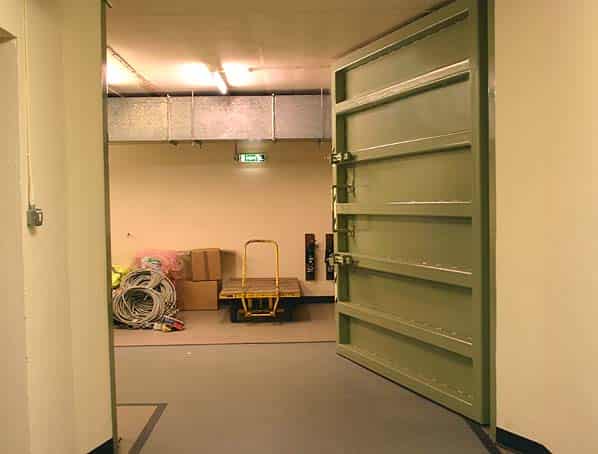
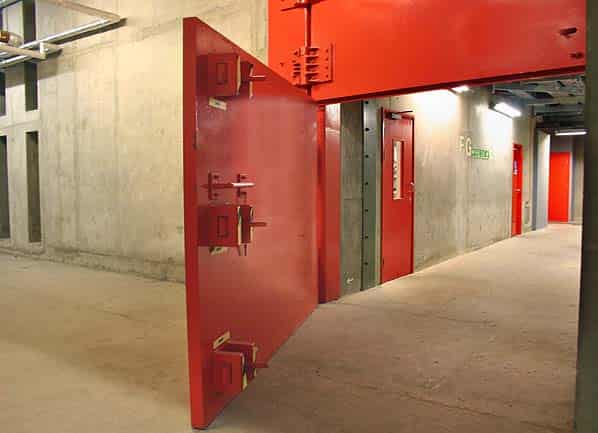
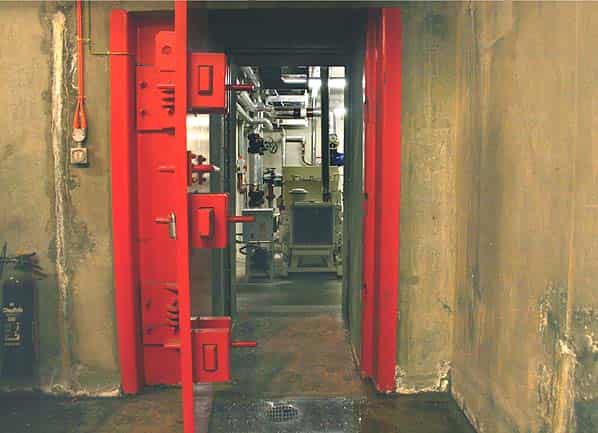
Moving out through the doors past the stairs at end of the upper spine corridor there is another substantial pair of blast doors in the position of the original 1950’s doors. Turning through the dogleg into the exit passage is the chamber where the original ‘Cyclones’ (providing cooled water to the AC plant) were once fitted. A very sturdy 10mm welded steel plate blocks off the bay where the cooling fans (at the base of the ‘Cyclone’) would have sat. At the top of the original emergency exit stairs a new tunnel has been added leading two exits, one to the left and one to the right. Further rooms are to be found on this level for air conditioning and filtration plant
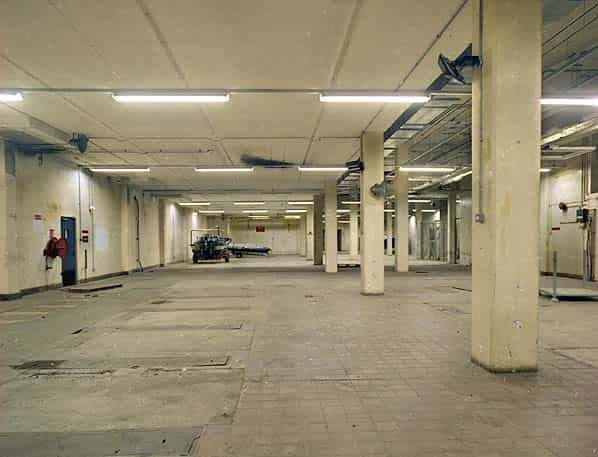
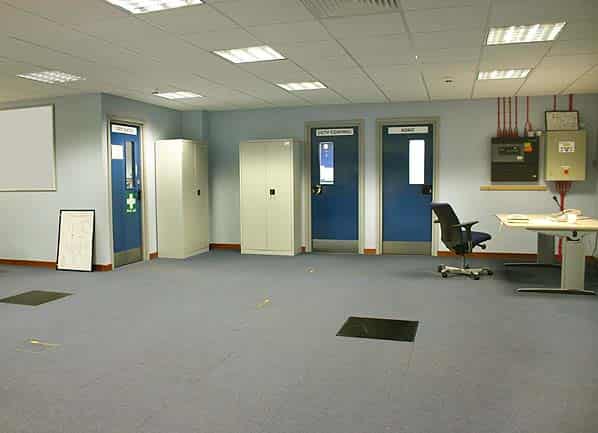
The whole bunker has been gutted throughout of most of the original 1950s fittings and a whole new air conditioning system and plant room installed. Some walls had been removed from the original layout.
Opposite the plant room is the Lower Operations Room; this has the floor on the same level as the lower corridor. During the ICCS era, this ops room was stepped, with the senior people in the organization on the upper levels, looking over their subordinates. However, that has all changed under the UCCS.
The Master Controller in overall charge of CRC Operations now sits in the centre of this room, with his senior executives (Planning FA and Surveillance Director) close by. Either side of the center bank of consoles sit the Surveillance and Weapons Teams respectively.
The Surveillance Team produces a Recognised Air Picture (RAP) for the whole of the UK Air Policing Area, whilst the Weapons Team controls fighters and tankers in support of peacetime training or Quick Reaction Alert Missions. The most notable thing about the modern ops rooms, apart from the new technology, is the sheer brightness. Daytime light levels, despite being an aspiration for the ICCS, were never achieved. With UCCS, however, the levels of light in the ops rooms are very high indeed - during the winter months in this part of the UK, it is probably brighter underground than it is on the surface!
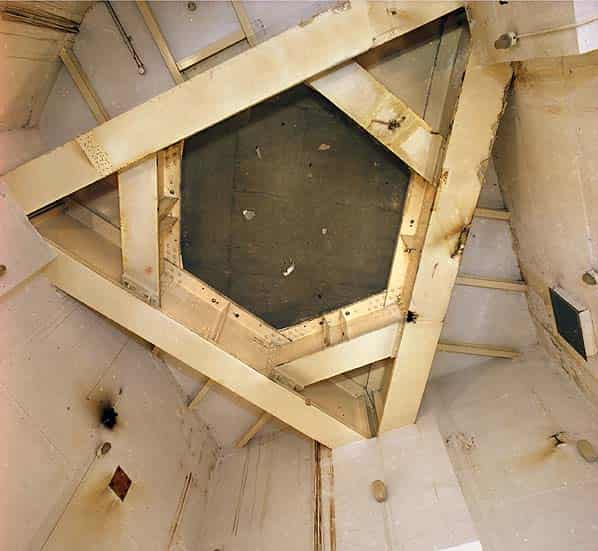
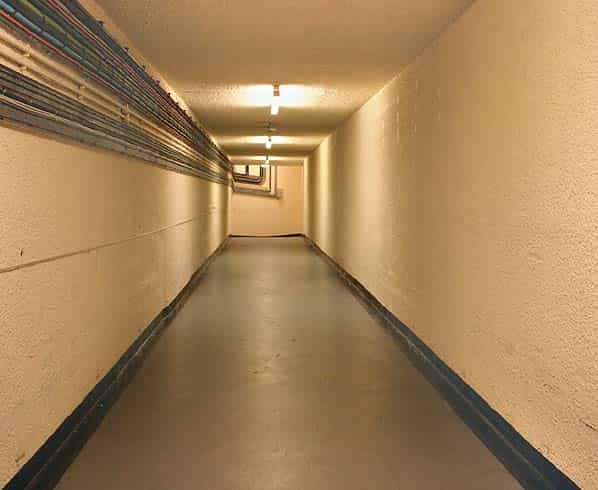
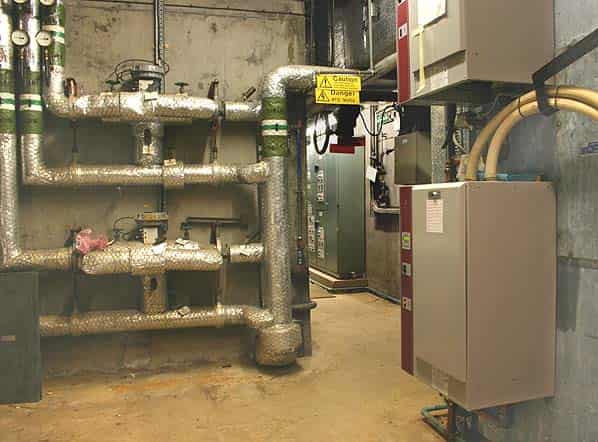
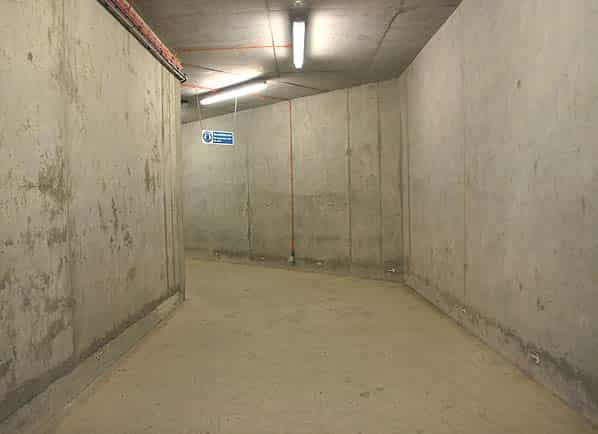
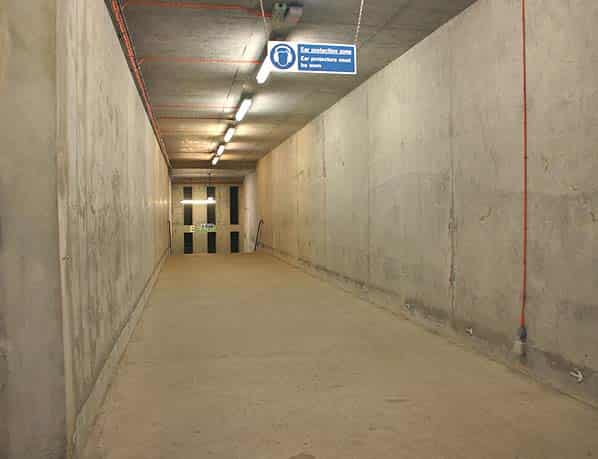
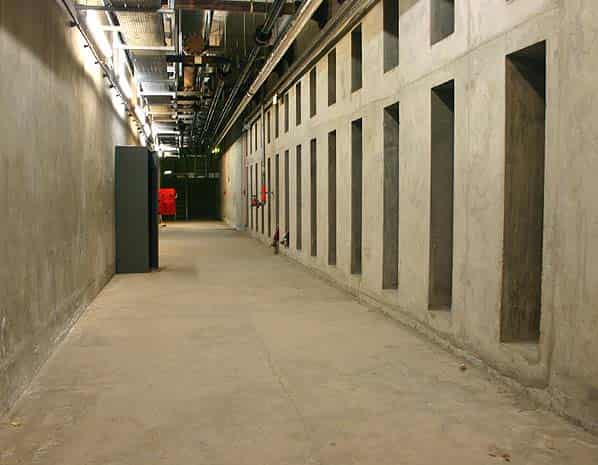
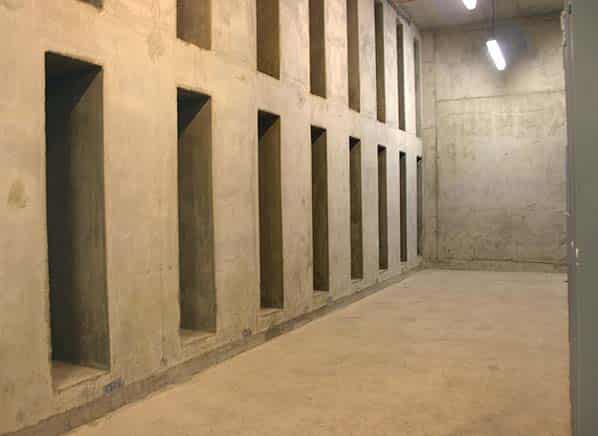
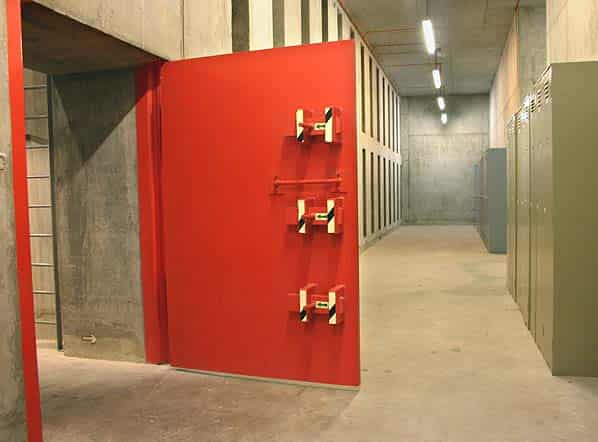
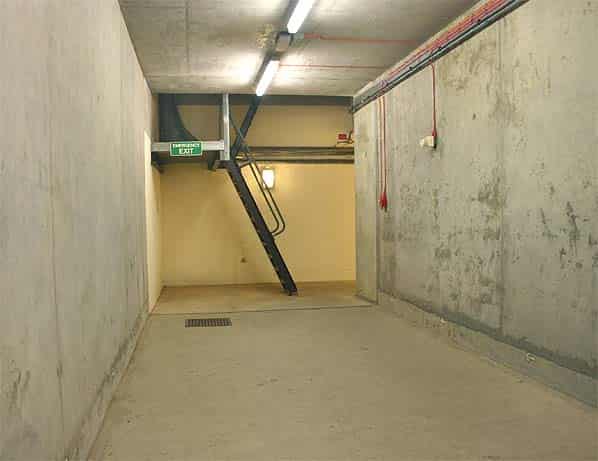
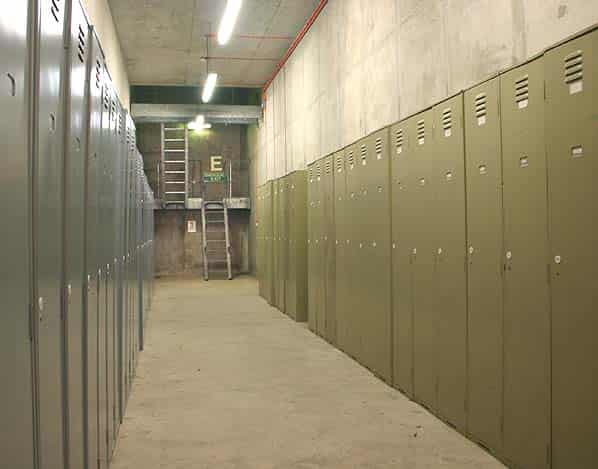
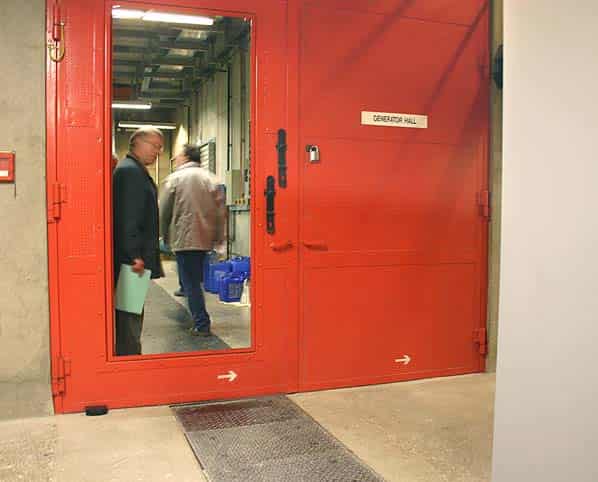
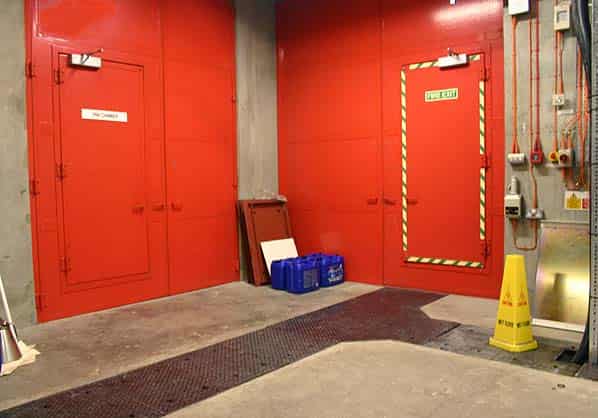
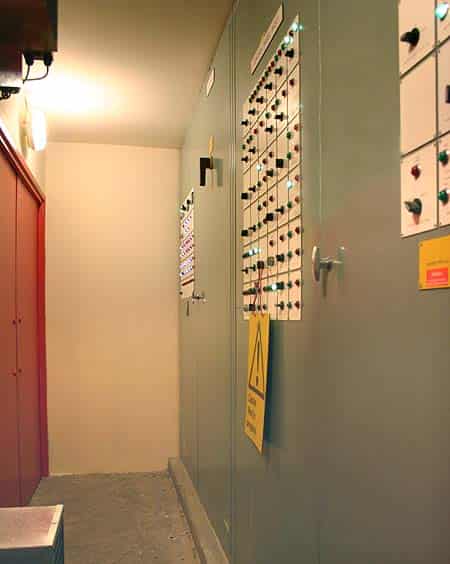
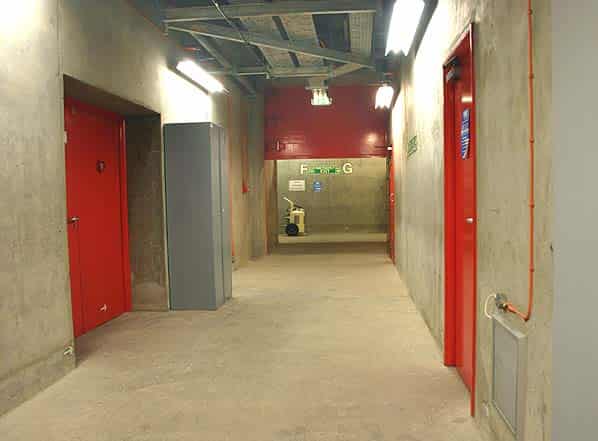
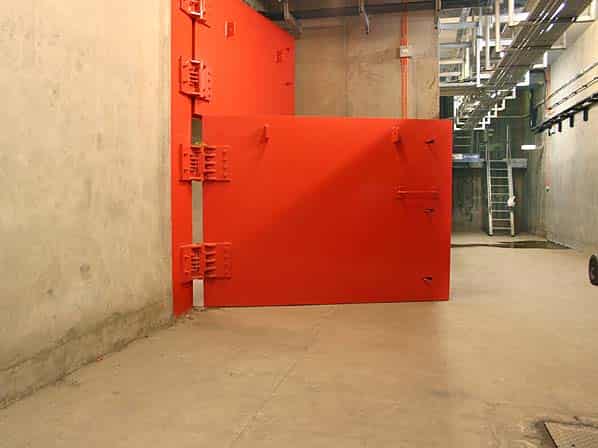
Back at the intersection in the main corridor a tunnel leads to the new plant rooms. Passing through a substantial blast door there is a long plain concrete corridor with a small mezzanine floor above providing access to a ventilation tower that was evident on the surface. Following this corridor down there is a large chamber with various red painted blast doors to the right and workshops and stores to the left.
The sheer size of this second bunker is wholly impressive as it is at least as big as the original ‘R3’ itself.
Sources:
- Bob Jenner
- Keith Ward
- Graeme Harris
- Air Defence Radar Museum