Beachy Head, the most southerly point on the chalk cliffs to the west of the town of Eastbourne, East Sussex, has a long history as a location for observation and warning.
In 1826 a local vicar by the name of Rev. Jonathan Darby erected a light in a cave to the west of Beachy Head above the high water mark, at the foot of the cliffs. The cave below was accessed by the Reverend through a shaft to the bottom, down which he was lowered by some of his parishioners. This light provided warning to ships blown towards the rocks below by the relentless South Westerly gales. It undoubtedly saved many lives. A improvised light tower was built on top of the cliff in 1828 adding more range to the light. This structure gave way to the Belle Tout Lighthouse made famous by the Media due to its moving on rails away from the eroding cliff edge and repositioning. Belle Tout was abandoned in the early 1900’s to be replaced by a new Lighthouse built on the rocks below the Head to the East, due to the location high on the cliff often being obscured by fog. The Lloyds Corporation established a watch station on the Head in 1877, to monitor the movement of passing vessels, using an arrangement of coloured flags for communication. It remained in use until the outbreak of the Second World War when it was requisitioned for use by the R.A.F. who installed a Radar Station on the surrounding land, which was part of the network of Chain Home (CH) stations around the country.
After the Second World War activity slowed upon the Head and almost returned to normal with tourists returning to the area after 6 years of closure, to enjoy the popular hospitality of the Beachy Head Hotel. Aerial photographs of the surrounding area taken in 1949 still show craters from bomb damage close to the area of the Signalman’s Cottages and Hotel. Further West tank tracks and shell holes mark the landscape defining the area below Belle Tout that was used as a firing range. This took its toll on the old Lighthouse, which was a ruin after the war.
The start of the cold war reintroduced Beachy Head’s importance as a strategic lookout. In 1950 under the Air Ministry’s top secret plan designated ROTOR that provided radar cover for the United Kingdom in the event of an attack from the air, negotiations started between the Air Ministry and the Ministry of Town and County Planning, to build a " control and reporting station" on the cliffs. The M.T.C.P was having none of it to start with, who seemed to put objections to the Air Ministry at every turn.
This infuriated the Air Commodore in charge of the program who wrote in reference to the Planning authority “If the principle to be applied is that our defences are to take second place to public amenities, then the public should, I suggest, be reminded that instead of rambling over the Sussex Downs, they may be rambling over the Russian Plains with the cheerful prospect of digging salt when their hike is over.”
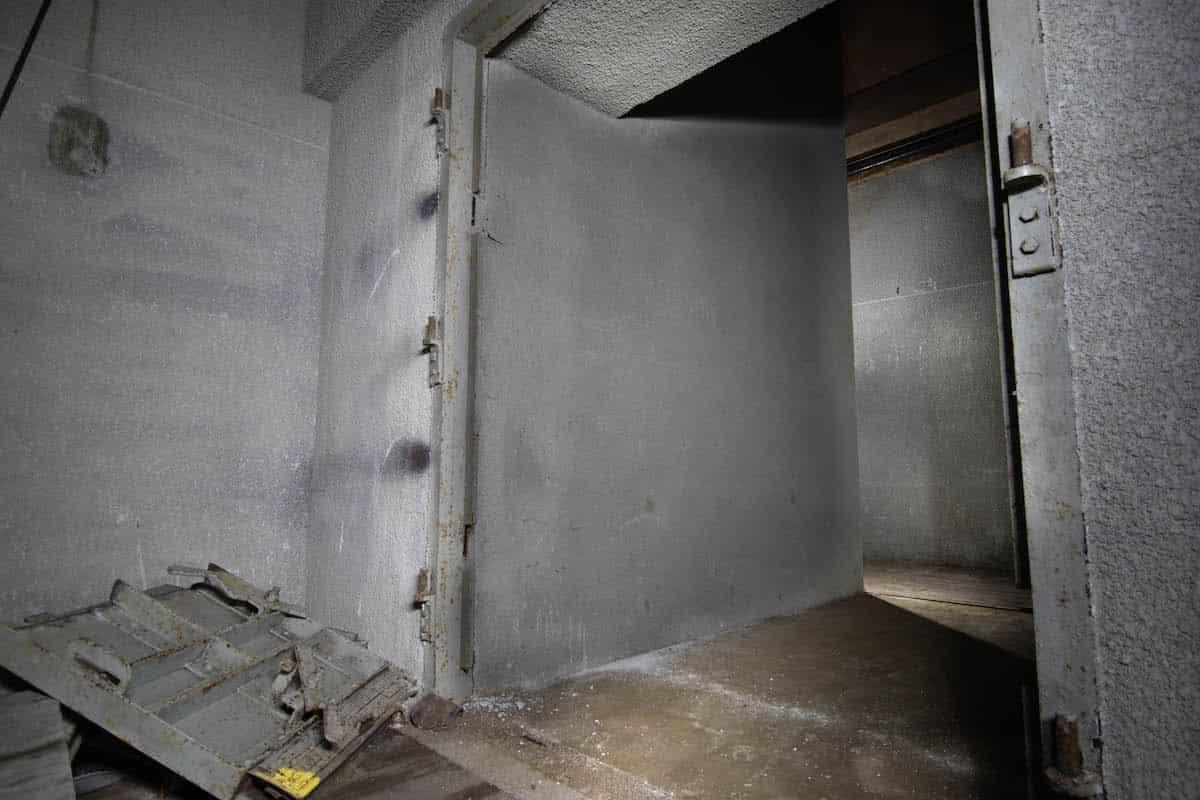
Negotiations continued until a compromise was reached. The local planning authority sat in a closed session on the 21st of September 1950 and approved the construction of a “Air Ministry Radio Station”. This led to the leasing of 4 acres of land on the cliff top directly opposite the Beachy Head Hotel to the Air Ministry. The proposed station was given a code of " Site No. 3" (later coded ‘HEB’) to designate itself within Rotorplan. It was to be of an R1 type underground construction providing Centrimetric Early Warning (CEW) capabilities.
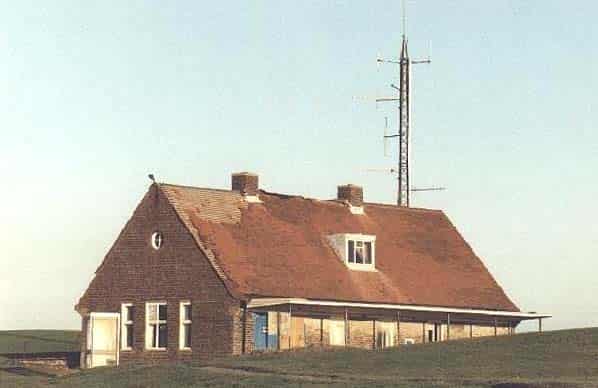
The works were awarded to George Wimpy a local civil engineering contractor, who by early 1952 had the hardened underground installation and the surface buildings completed. A domestic site for R.A.F personnel was constructed within the town of Eastbourne at a site in Rangemore Drive. (This still survives to this day as the local Air Cadet unit).
Auxiliary power was provided by the provision of a purpose built generator house built to resemble a barn on one of the nearby Council farms. Fitting and testing of the technical equipment was finally complete on the 18th December 1952 when the station was handed over to Fighter Command from the Ministry of Supply.
On the 19th December 1952 the RAF fitters, mechanics and operators commenced a fourteen day familiarization of the new ROTOR equipment that ended on the 5th January 1953. Beachy Head was now an operational station. In the summer of 1954 local residents of Eastbourne noticed the construction of a new bigger radar array upon the cliff. Beachy Head had received the new Type 80 Mk1 radar, installation works were completed by 5th September 1954.
Beachy Head was put on engineering standby on the 1st November 1957, finally closing in 1960.
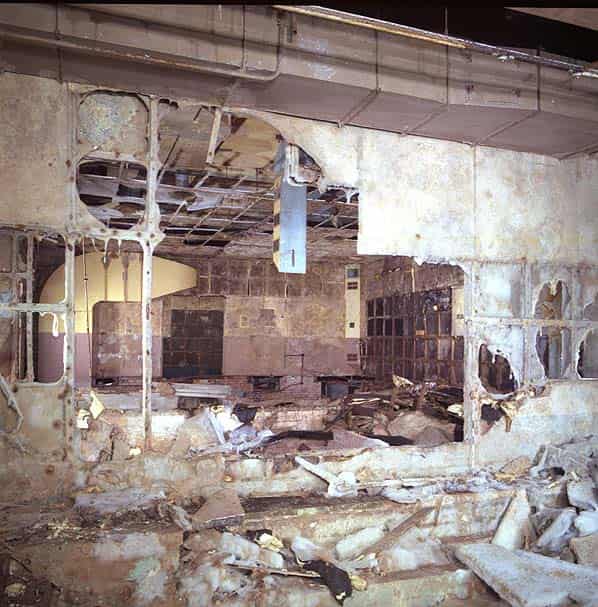
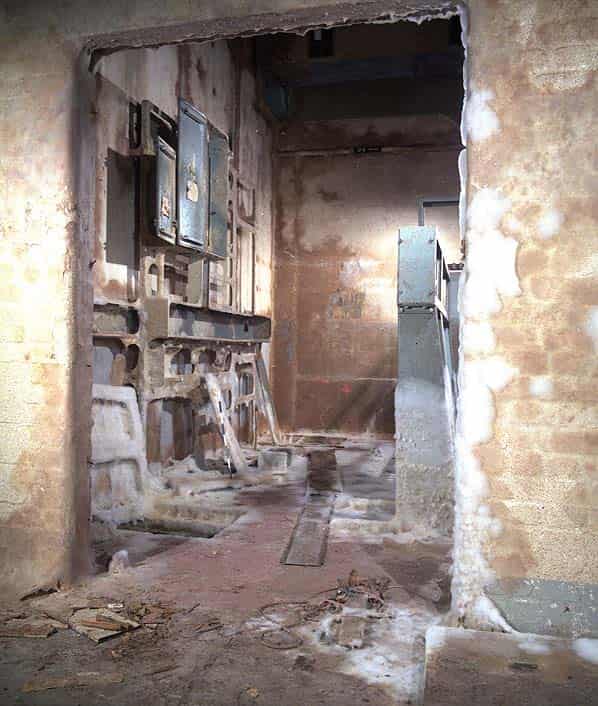
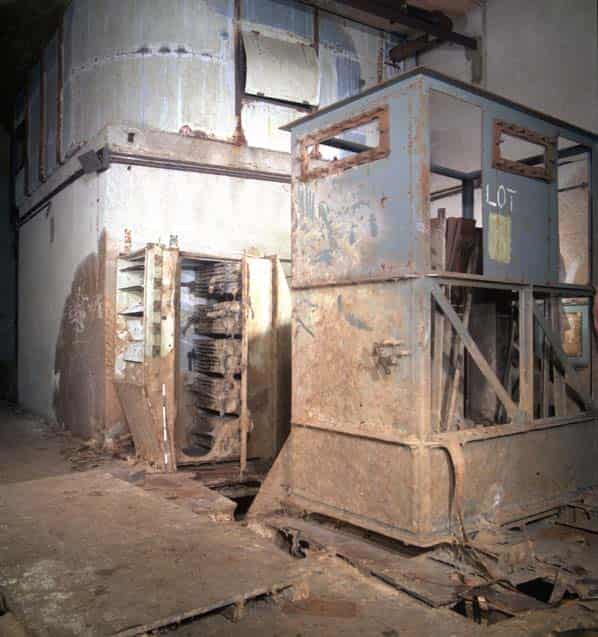
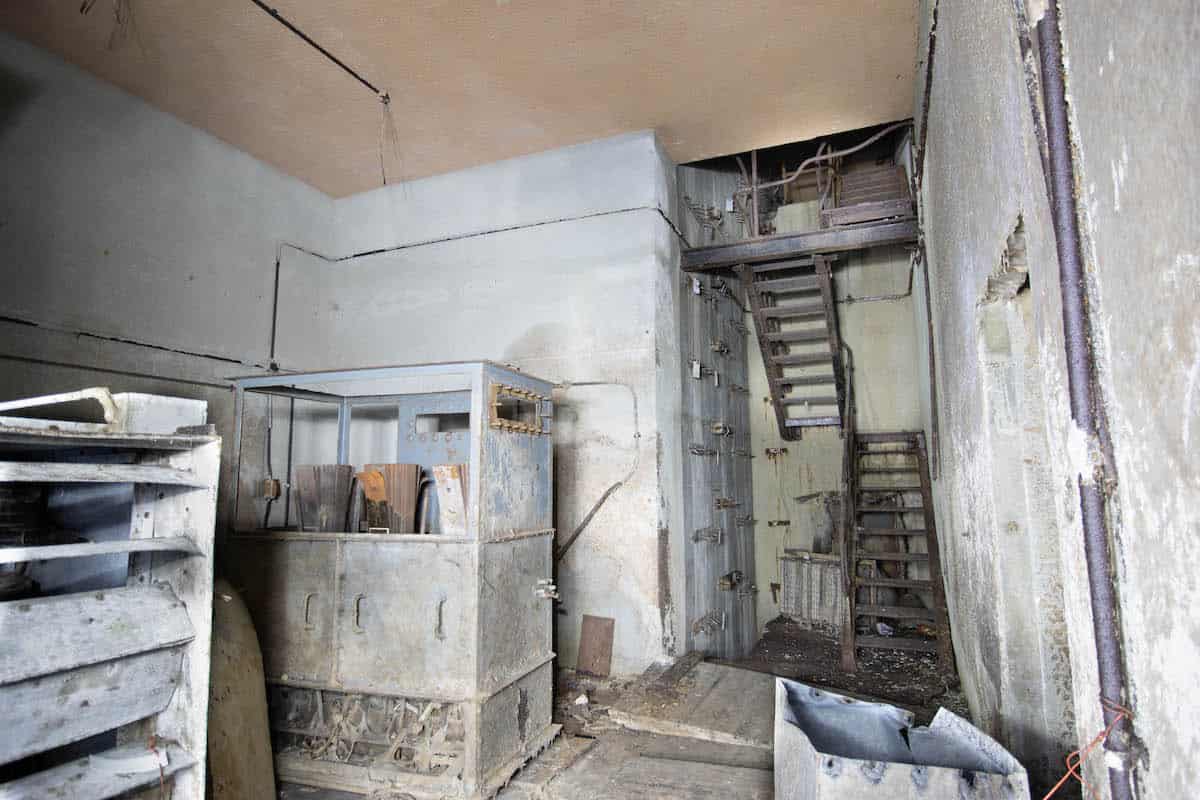
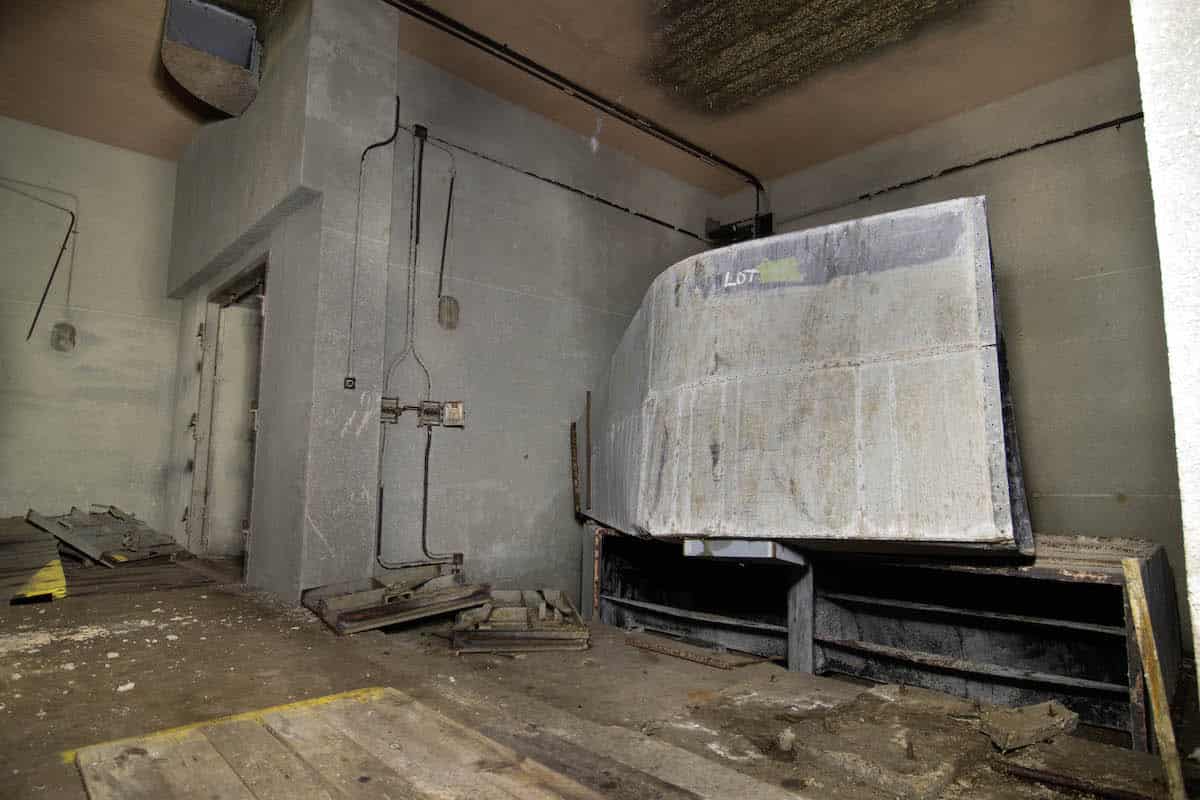
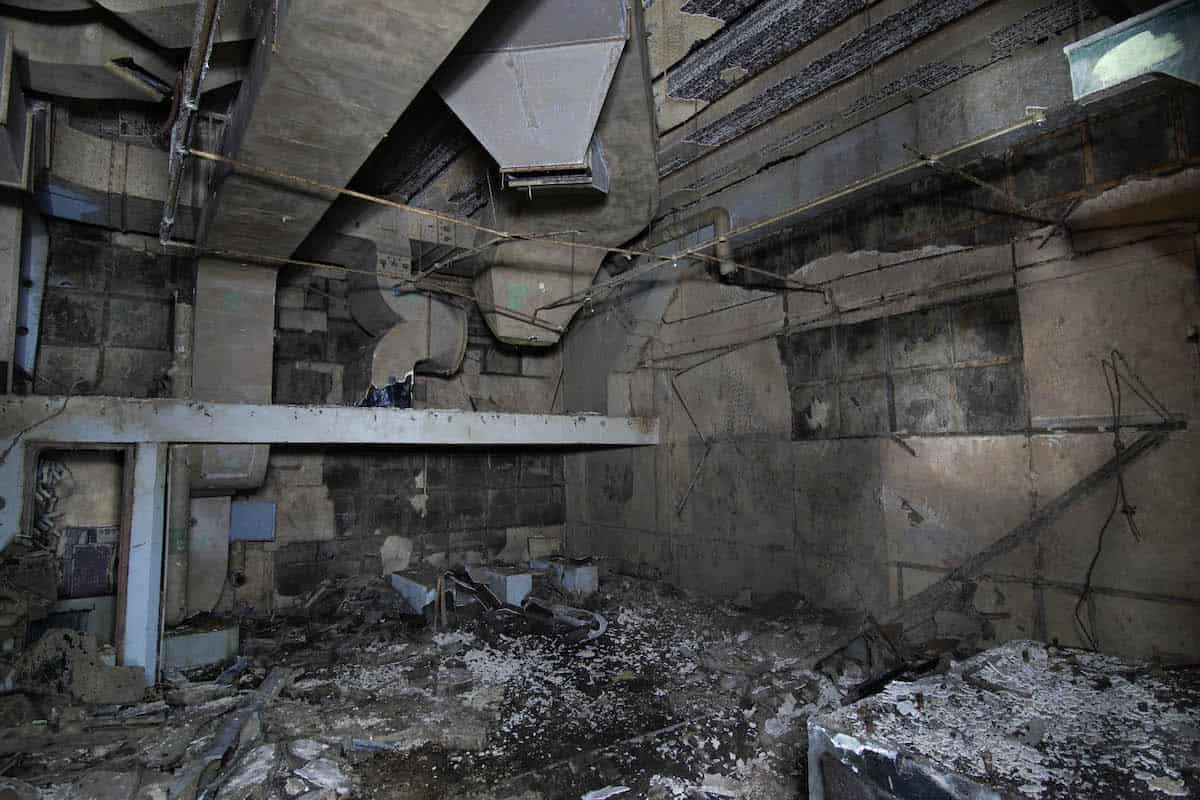
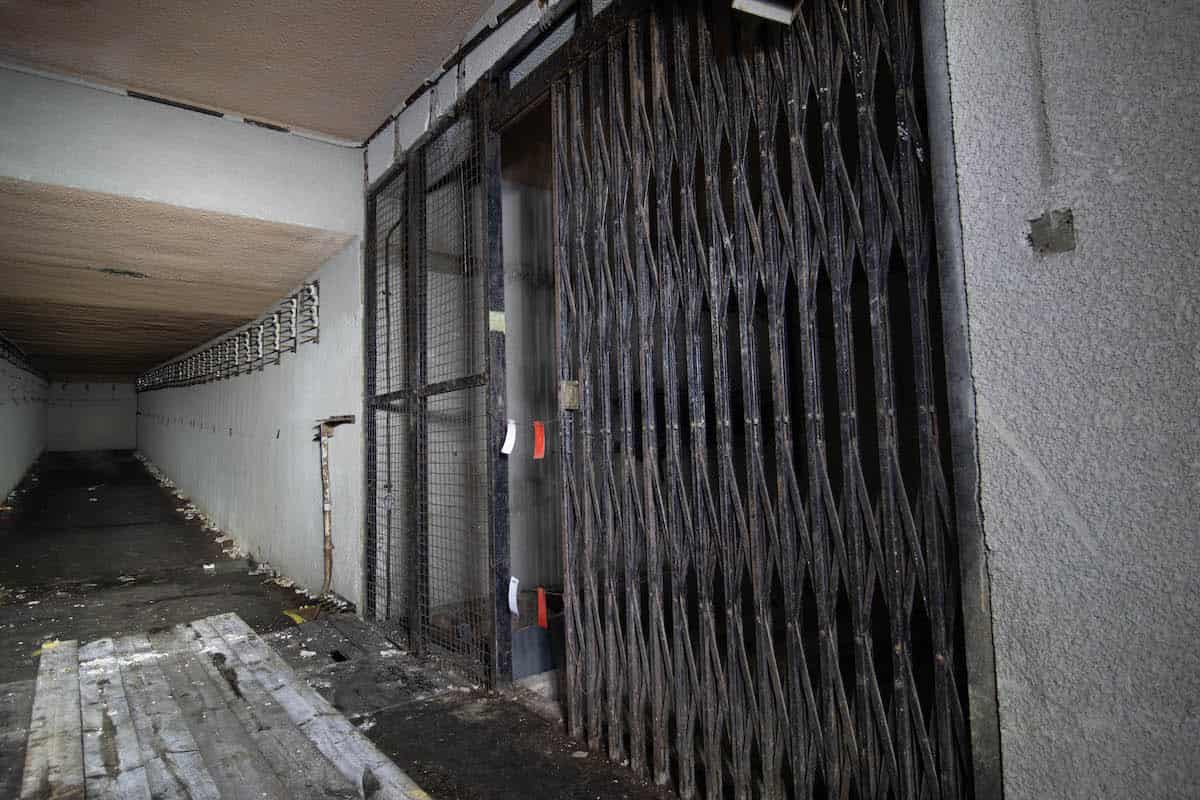
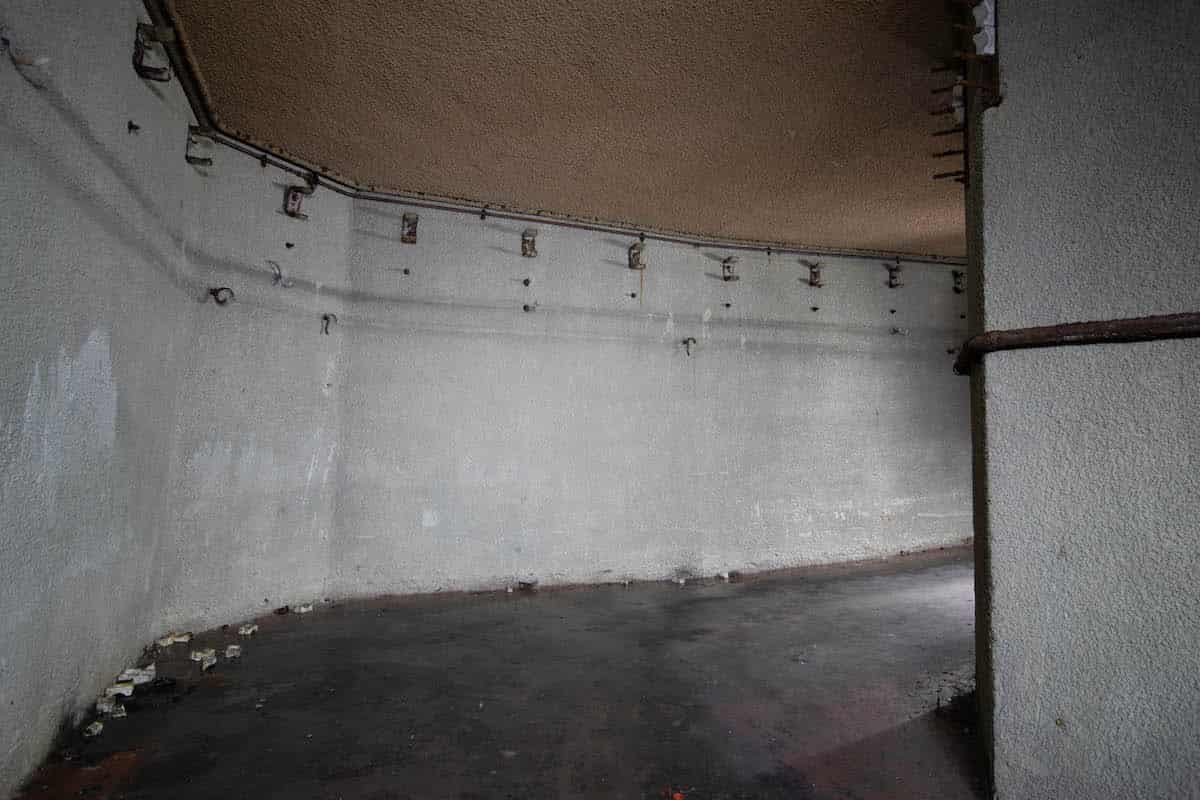
In August of 1960 the Air Ministry advertised a public auction and distributed catalogues listing the redundant plant and electrical equipment at Beachy Head. The town Clerk, Mr. Busby who was also the civil defence controller was incensed at the move. He had been writing to the Ministry for two years trying to obtain the station as a local civil defence control room. The Ministry had always told him that the station was not redundant and it still was required for the defence of the country. Officials from the Home Office intervened and a meeting between all three parties was held in Eastbourne. It lasted for more than 3 hours. Finally the Air Ministry agreed to stop the sale. Despite Mr. Busbys hard work in stopping the auction, Beachy Head never became a civil defence control room for Eastbourne due to financial implications. The equipment was eventually auctioned off and the bunker gutted of anything valuable.
The local Police adopted the guardhouse at the entrance to the compound, it made an ideal site due to the existence of the RAF police dog kennels. Its central location was perfect for the downland mounted policeman P.C. Harry Ward and his horse “Jumbo” who was very popular with the tourists. Stabling was moved from the west to its new site within the compound of the guardhouse. From his new location Harry Ward was in a better position to attend the cliff rescues that were part of his duties as a patrolling officer. Harry was lowered many times over the cliff edge on primitive rescue equipment to recover suicide victims and dogs that had fallen and become lodged on the ledges below.
Early one Sunday morning, late September 1963, members of the Demolition team of the 21st SAS Territorial Regiment started to clear the surface buildings. The buildings proved to be stronger than first expected so the team packed in more explosives and tried again. Demolition had to be abandoned until the next day when the manager of the nearby Hotel complained that his windows had cracked. The task of clearing the remaining buildings at this stage was taken over by the South Coast Demolition Co. of Eastbourne.
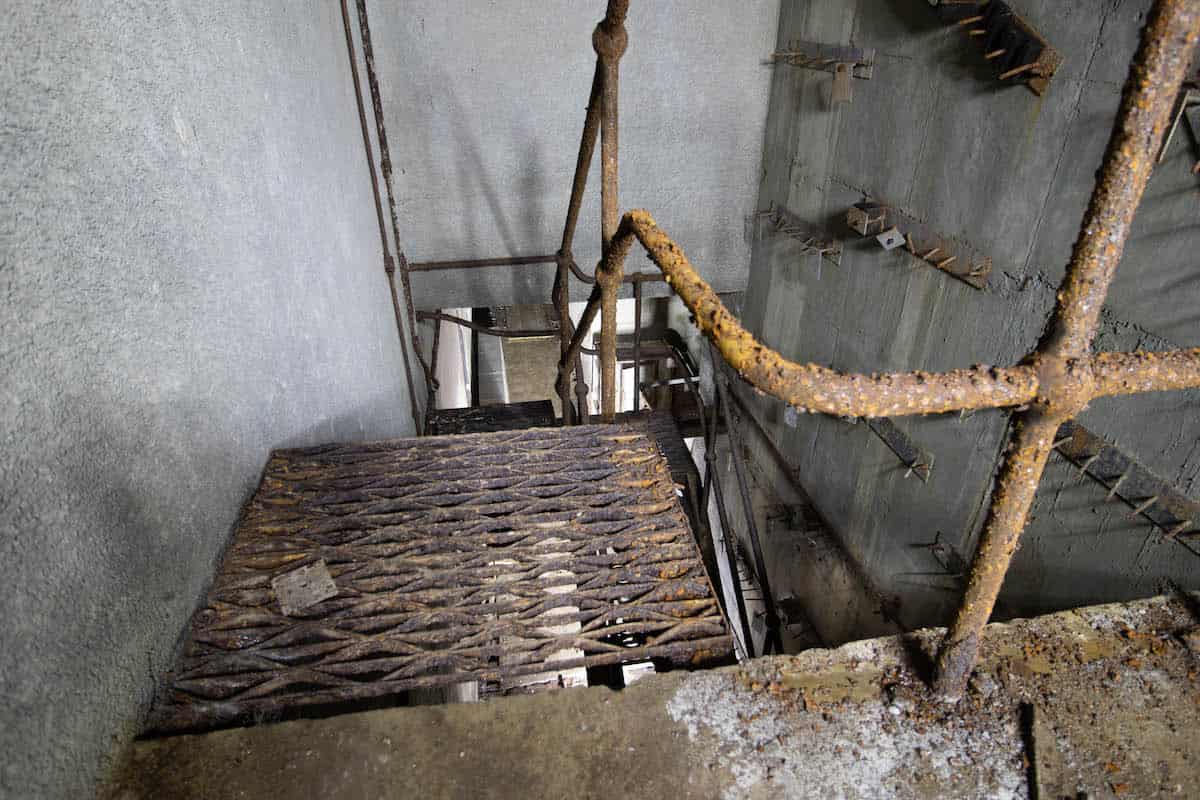
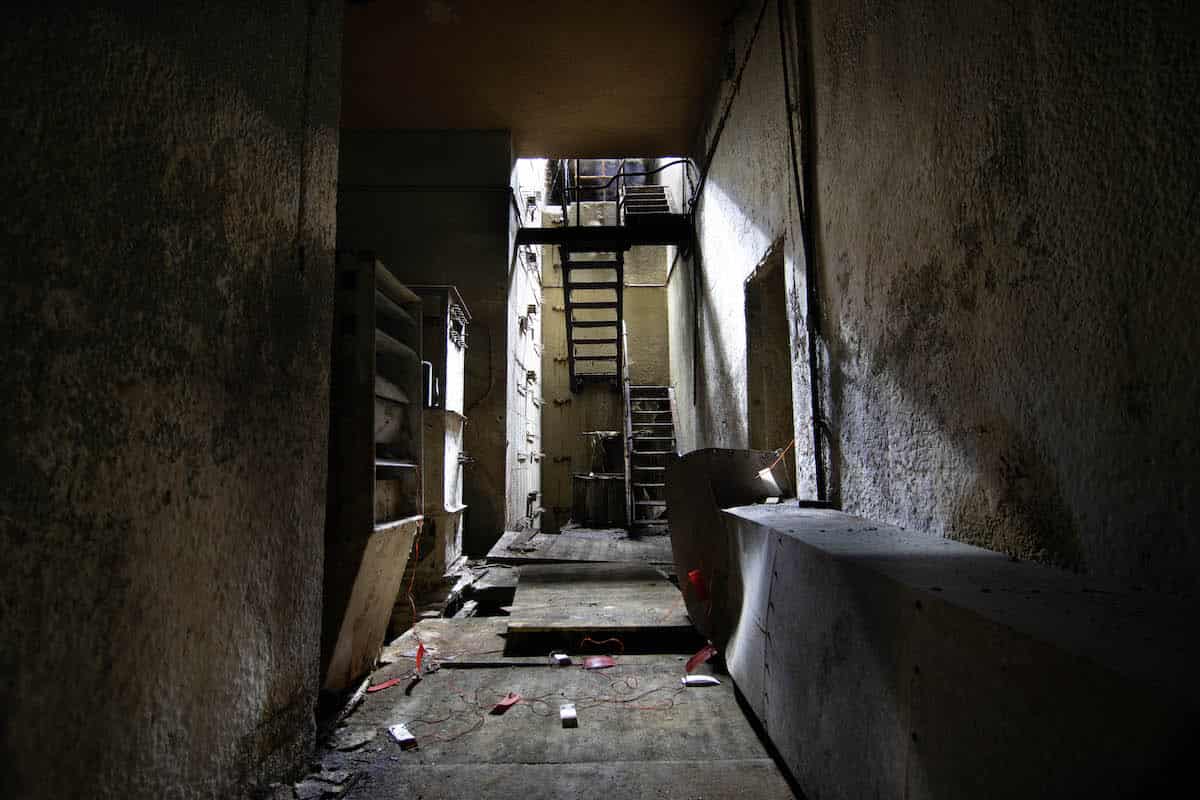
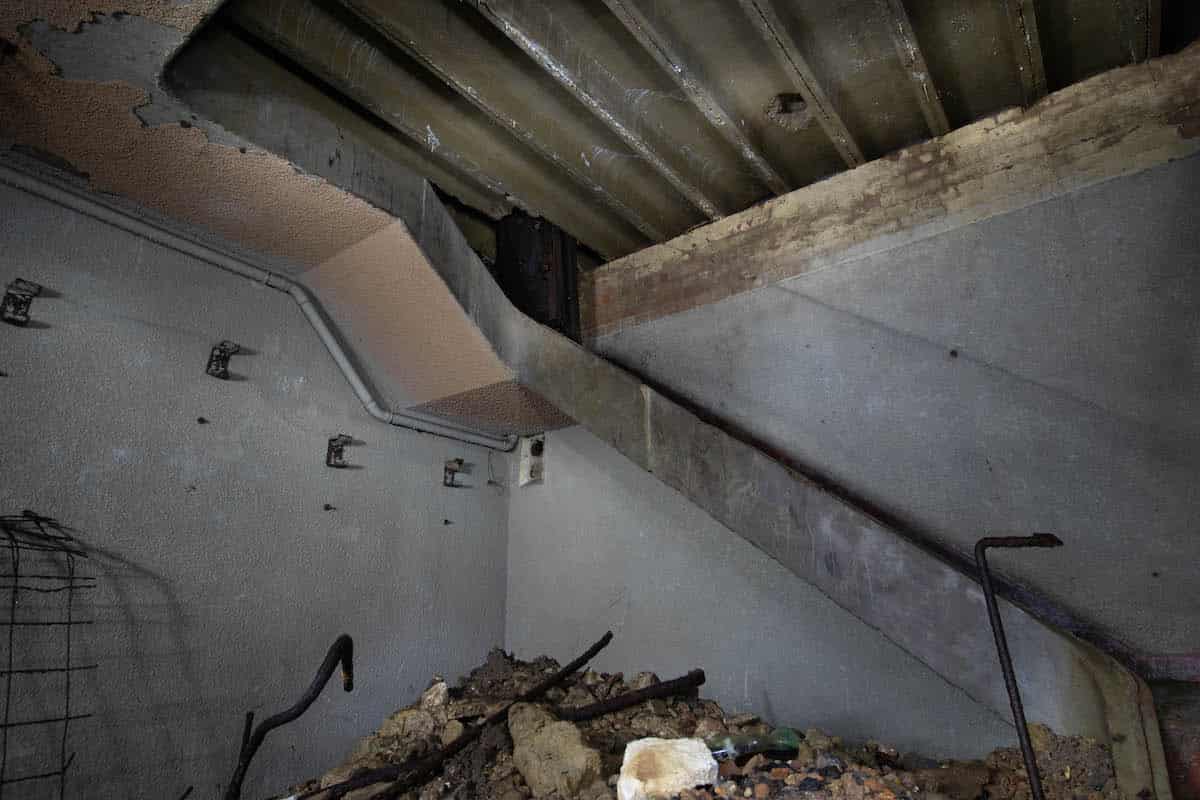
All above ground was cleared except the guardhouse. The stairwell access behind the guardhouse was demolished, this was capped along with the emergency exit, humid air exit and the cable shaft. The only way into the bunker was via a small manhole set into the concrete slab placed over the stairwell.
When P.C. Ward retired the local coastguard took over the guardhouse along with the cliff rescue duties. The bunker hit the local headlines again in the early 80’s when a plan was put forward to turn it in to a seat for local government, this was rapidly forgotten when the estimate for works was submitted by the Borough Engineer’s. In 1988 a private company approached Eastbourne Borough Council with view to restoring the bunker as a tourist attraction, unfortunately this also did not work out.
In 1996 the guardhouse was demolished during extensive remodeling of the buildings at Beachy Head, the coastguard moved across the road into a purpose built station next to the Hotel. The compound that was cut into the mound where the guardhouse stood was filled back to profile and grassed over. Access was still available to the bunker for interested parties through the manhole, but due to vandals constantly breaking off the padlock’s it was locked again and buried under two tons of soil. One night a determined gang dug down to the hatch and broke in. The next day a large tree trunk was pushed down the hole by a JCB and back filled with chalk thus sealing the bunker.
Little exists to give away the location now apart from a few concrete slabs around the site. Many tourists stand now upon the mound above the bunker looking out to sea, unaware of what is below their feet.