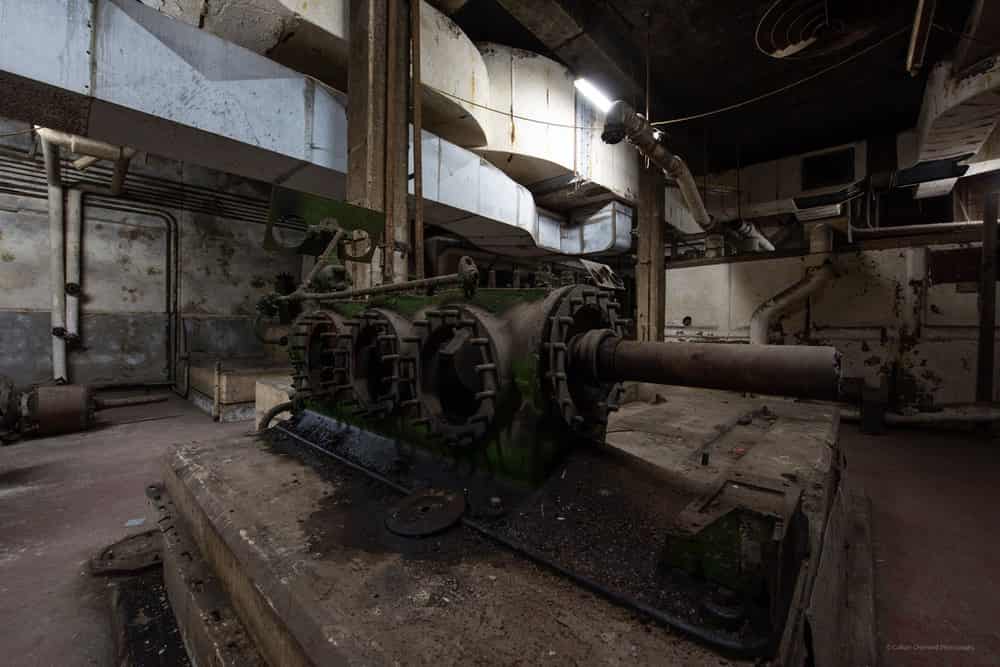
Barnton Quarry consists of two distinct, although connected, structures. The first is the surface building, shown in the photo above. This was built during the Second World War and was used as an Operations Room within the Turnhouse Sector of RAF Fighter Command.
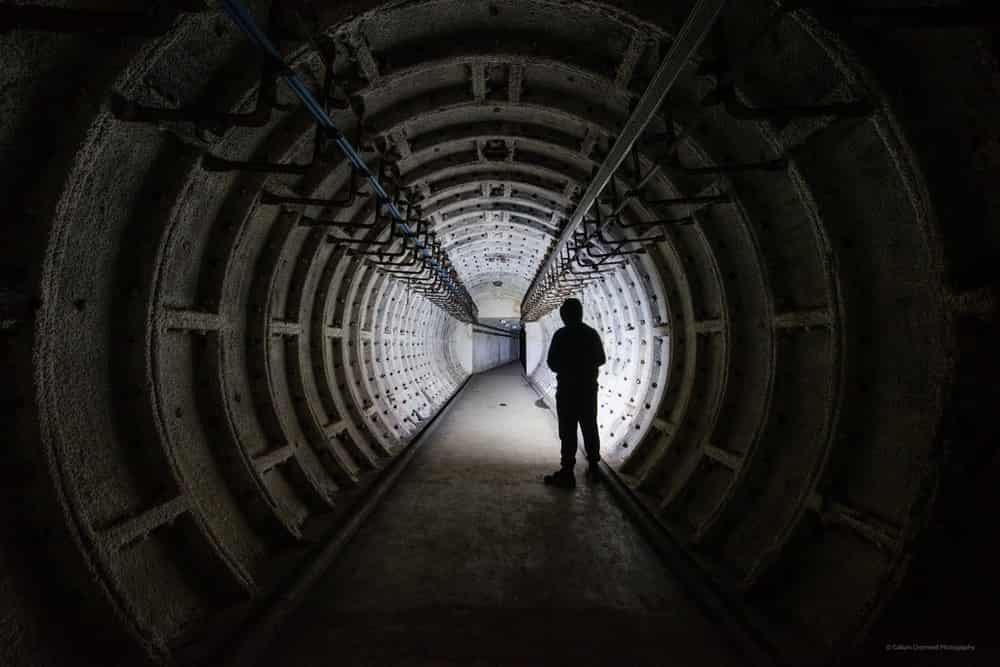
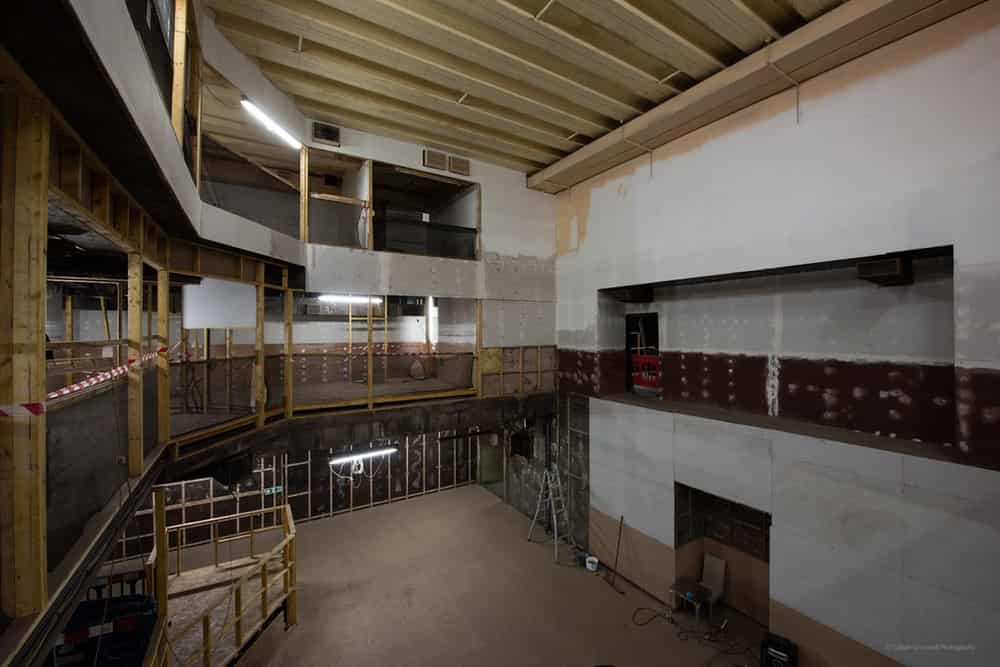
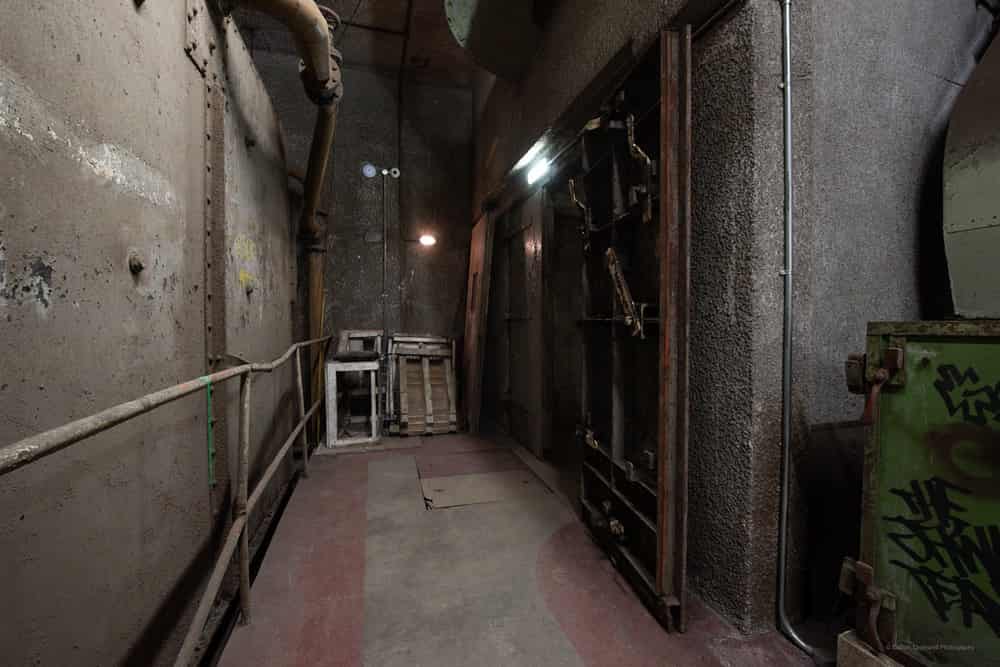
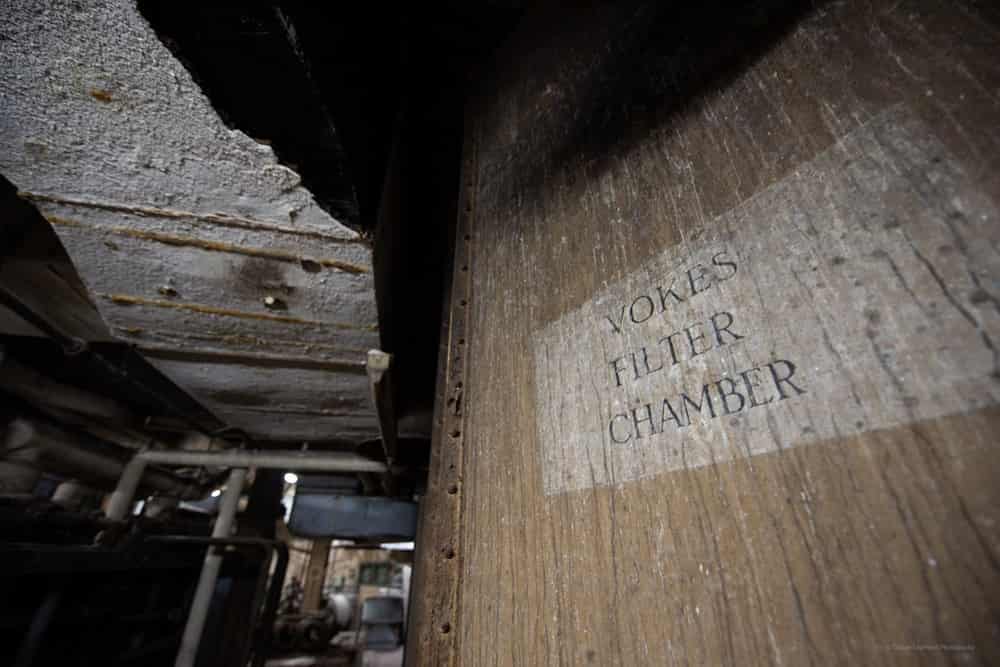
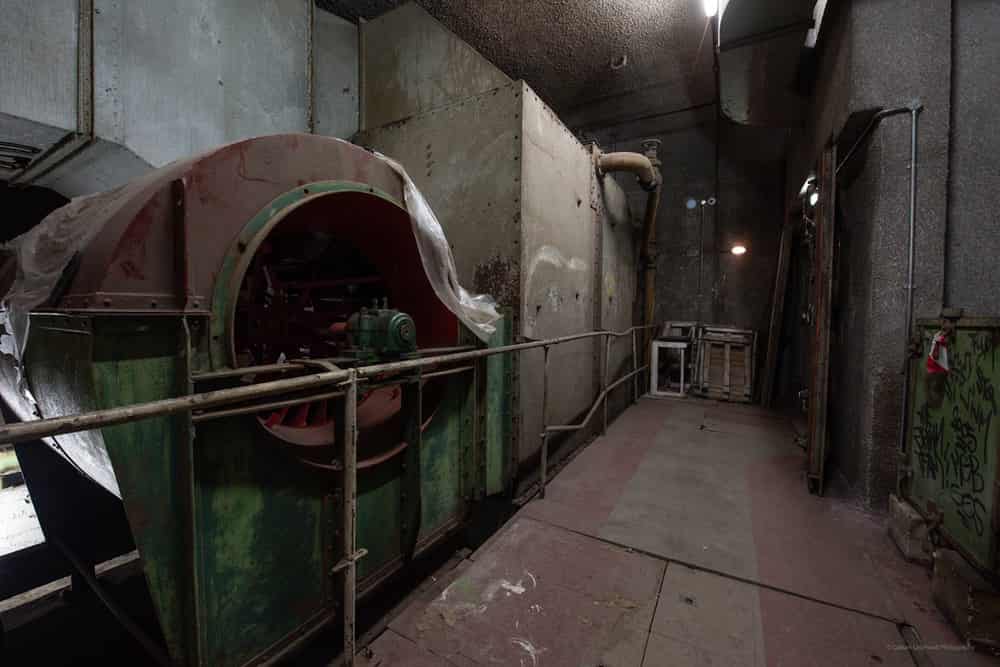
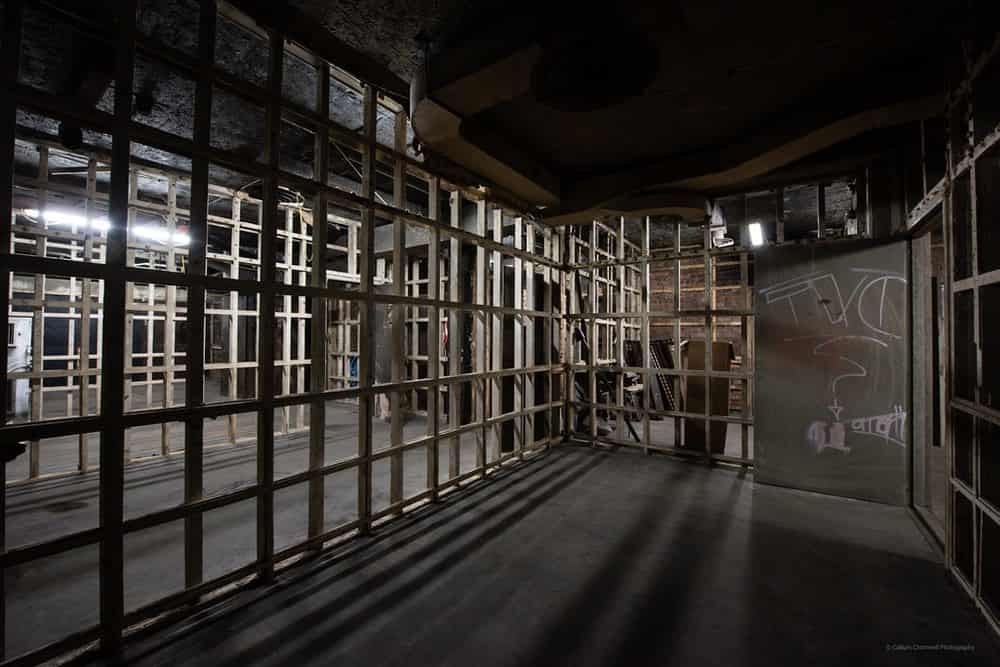
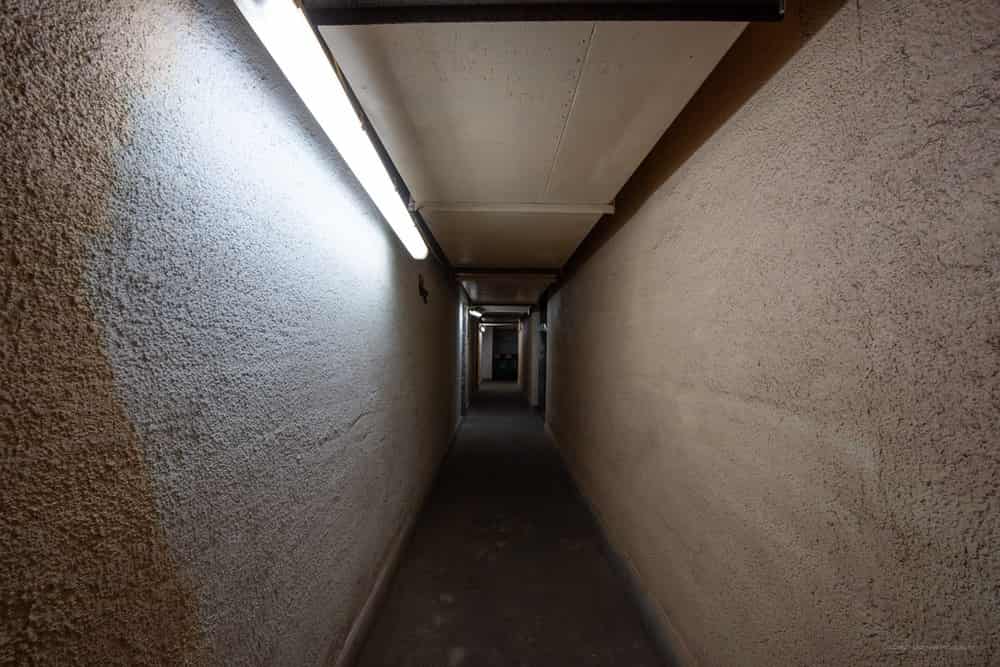
The second structure is the underground R4, which was a three-level building built in 1952 and given the code letters MHA. This was used as the Sector Operations Centre for the Caledonian Sector, receiving information from radar stations across Scotland, including that at Anstruther. However, the delays involved in passing information from radar station, to SOC, to sector station from where fighter aircraft would be scrambled, were too great in the jet age. Potentially hostile aircraft would be able to penetrate the air defences before fighters could intercept them. The development of the long-range GCI (Ground Control of Interception) Type 80 radar meant that early warning and also control of fighter aircraft could be handled from a single radar screen. Consequently, the whole ROTOR air defence system became obsolete and all the Sector Operations Centres were no longer required.
It was a few years later before the redundant underground complex was reused when, in the early 1960s, Barnton Quarry became a Regional Seat of Government. Although a supposedly secret government building, the existence of the nuclear shelter was made public on Good Friday, 1963, when a group known as Spies for Peace revealed details of fourteen RSGs throughout the country. Barnton Quarry remained an open secret in the Edinburgh area and CND even made protests outside the entrance to the site.
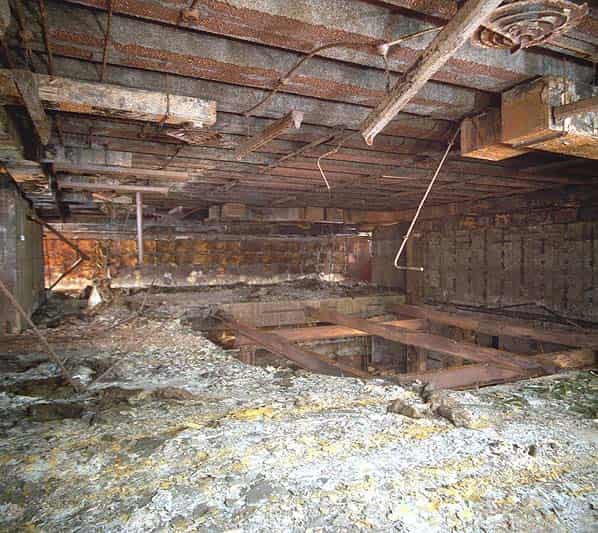
Lothian Regional Council inherited Barnton Quarry in 1984, selling the property in June 1987 for £55,000 to a Glasgow developer. The site was put on the market again in August 1992 but before it could be sold the interior was largely destroyed by fire. Since this has released asbestos fibres throughout the underground rooms it is extremely unlikely that the site will ever be used again. It remains redundant and dereliction seems to be the likely outcome.