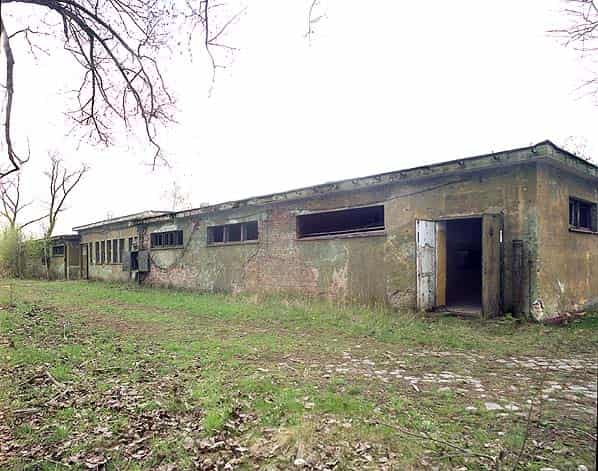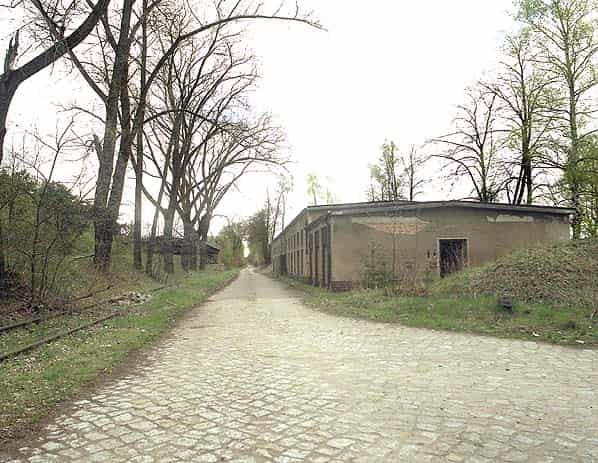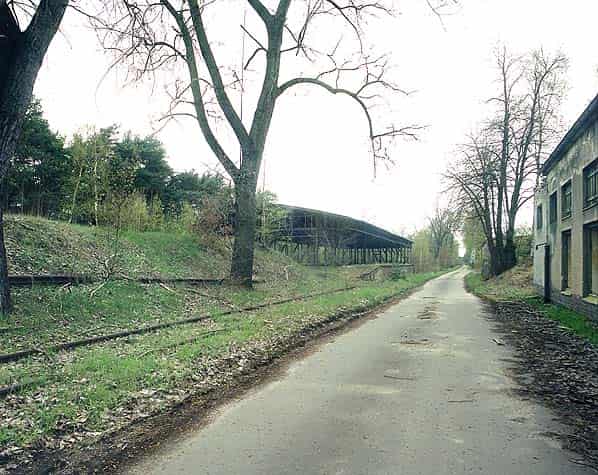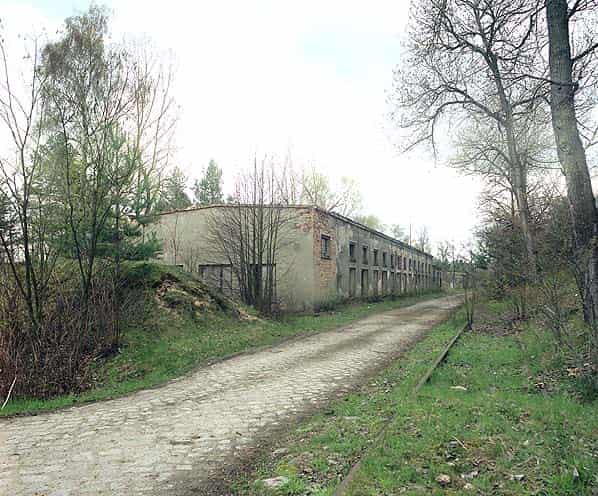
The Altengrabow Training Area, parts of which are still used by the Bundeswehr (German Army), is about 33 km SW of Brandenburg. It is approached via Drewitz (where a rail siding serving military purposes terminates) and Dörnitz. The Russian sites at the northern part of the training area are unguarded, although patrolled occasionally by a civilian ranger.
This was formerly a German (WW2) and later Russian military training area and ammunition storage site. During the cold war it was under the control of the Russian Third Shock Army based at Magdeburg. The Third Shock Army had four tank divisions and one motorized rifle division. 10 Guards Tank Division were based at Altengrabow.
An important communications bunker was co-located on the site. This was under direct command of HQ Soviet forces in Germany, the western group of forces at Zossen Wünsdorf.
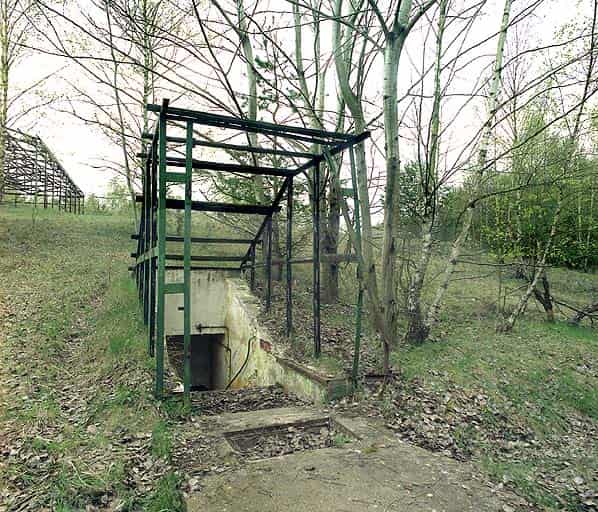
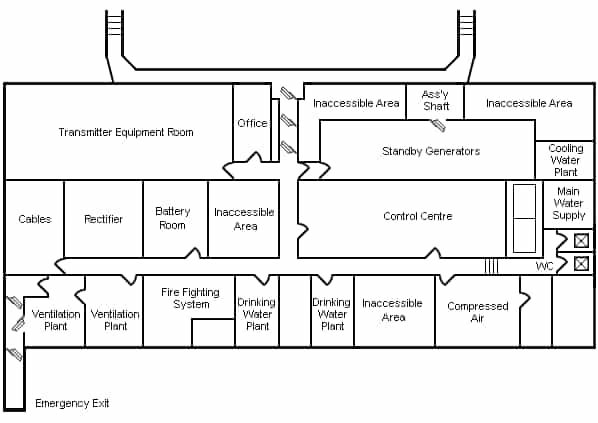
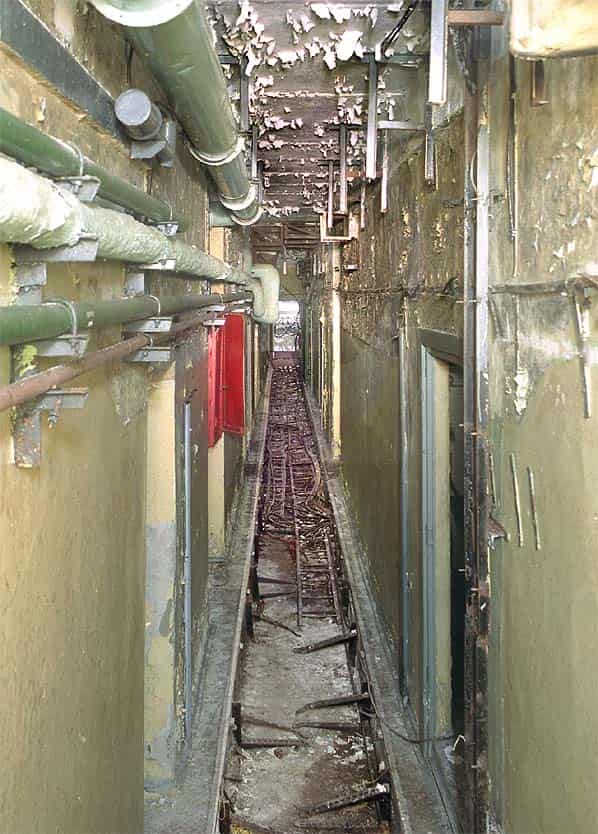
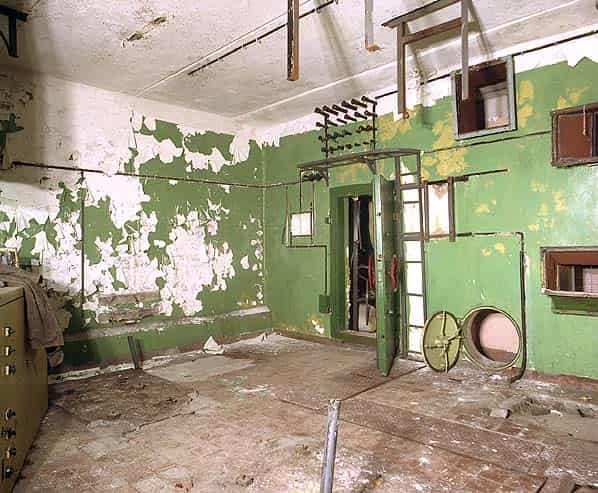
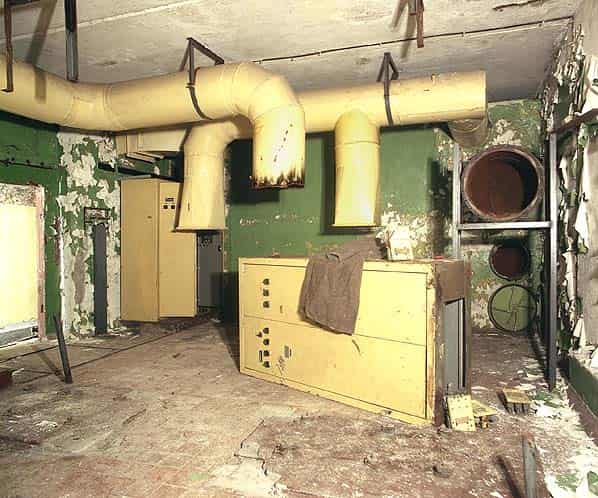
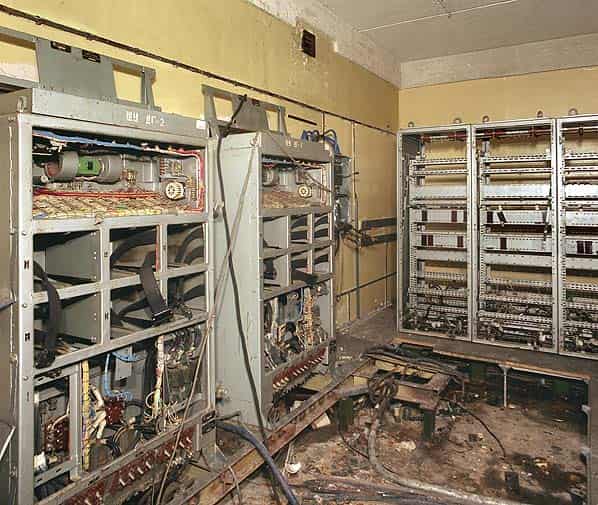
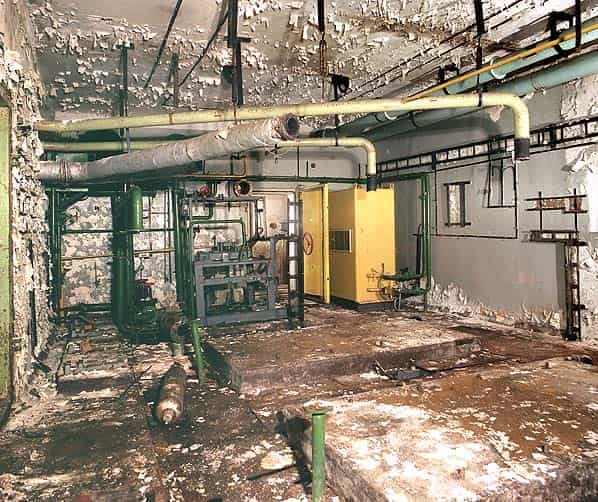
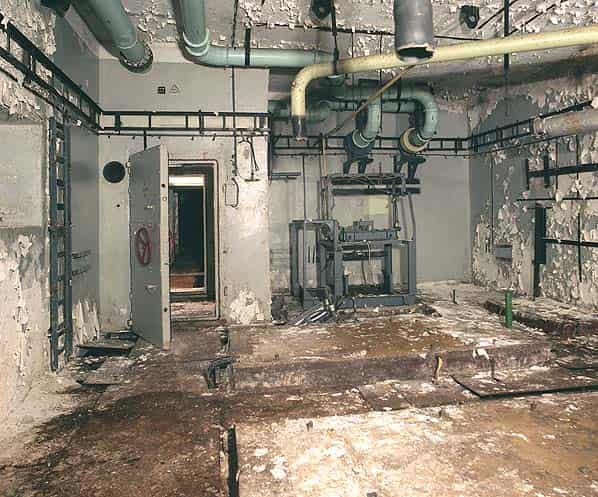
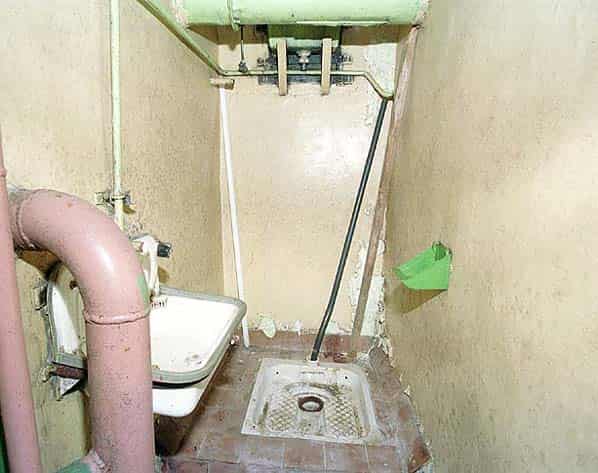
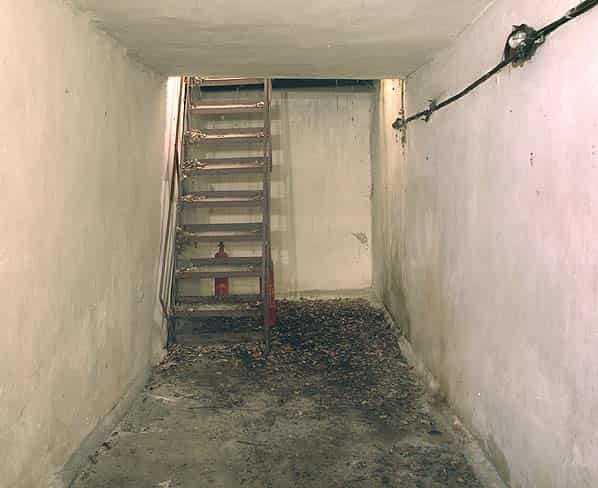
This bunker is wide open and largely stripped out. There are two main entrances via narrow steps, either end of a curved entrance corridor. An assortments of vents, structures, emergency escape routes etc. can be seen on the surface above the bunker. It was largely full of machinery and equipment with very little provision for permanent manning and little or no dormitory or canteen space and only two toilets consisting of a hole in the floor into a tank below.
The bunker was built late 1960s/early 1970s by cut-and-cover construction. The local geology seems to be sands/gravels of the North German Plain.
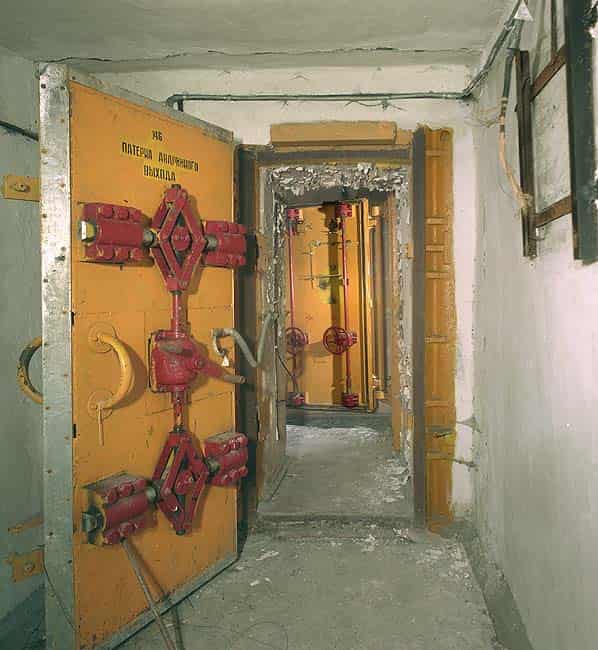
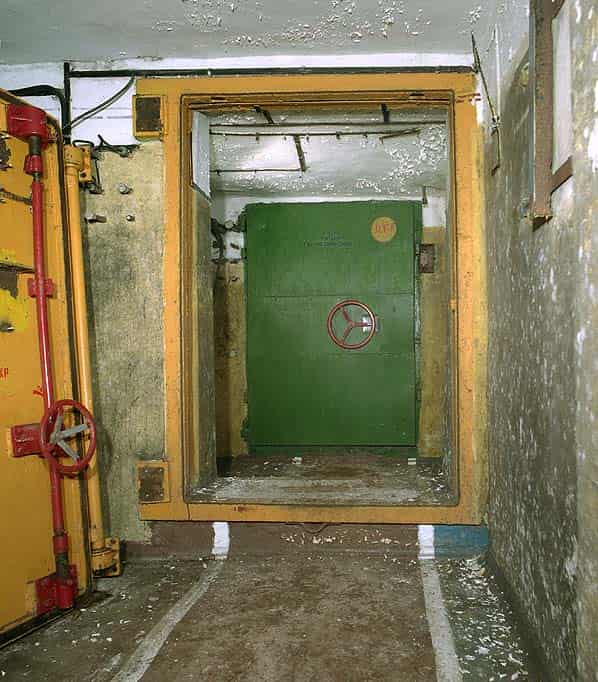
There are massive blast doors with Russian lettering, ‘tambur’ (tambourine), a word frequently seen in bunkers in eastern Germany. Other Russian lettering includes ‘Paterna Avariinogo Vikhoda’ on the main emergency exit, ‘Zashchintno Ermrticheskii’ (hermetically protected/gas-tight) and ‘Mashin Zal’ (Machine Room).
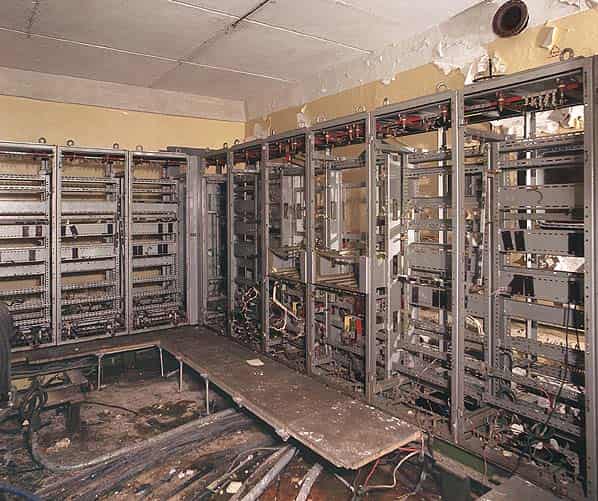
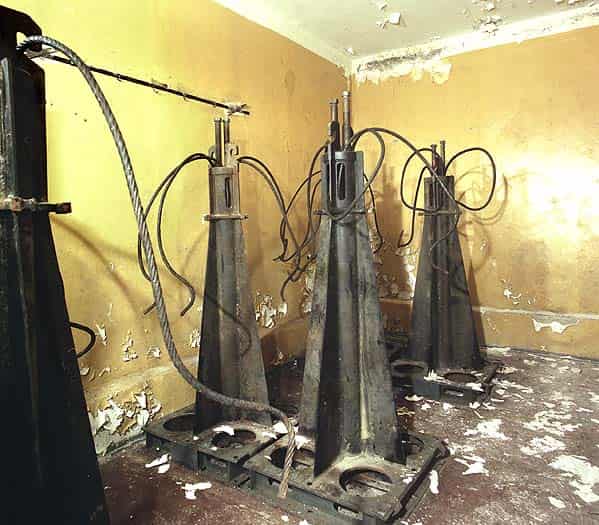
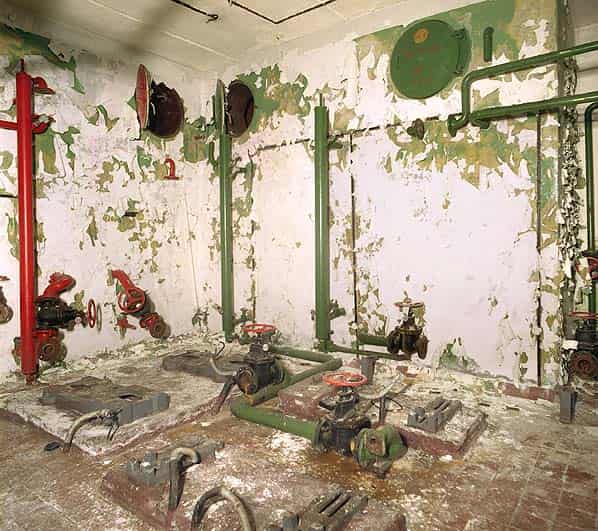
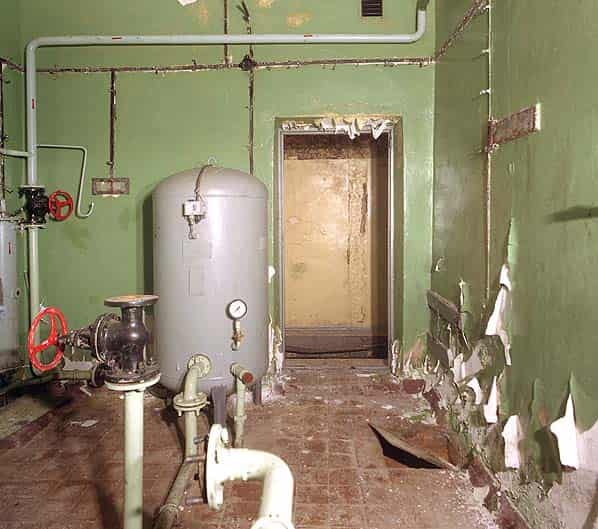
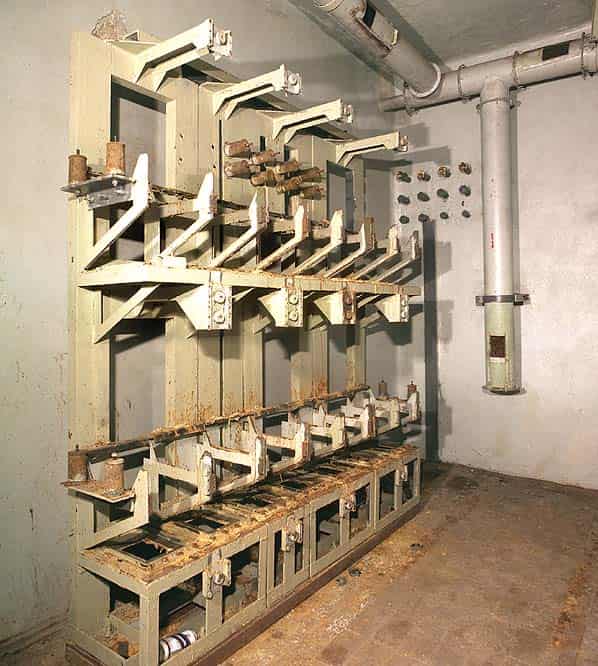
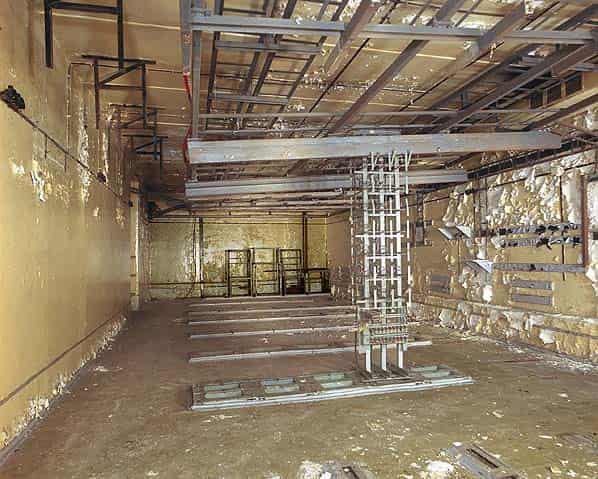
The larger plant remains in place but the electrical and electronic installations have largely been stripped out leaving rows of electrical racking. Much pipework also remains. There are six curious vertical cast iron structures with restraining steel cables for unknown equipment no longer in place.
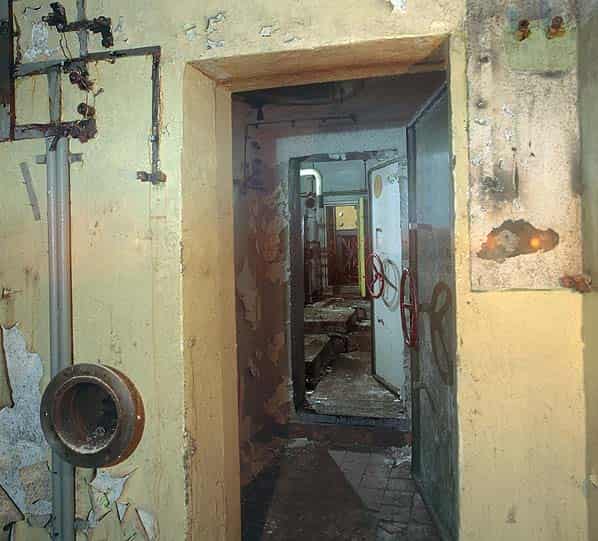
The wooden floors in the narrow corridors have been largely removed revealing underfloor cable runs which make access through the bunker difficult and at times dangerous.
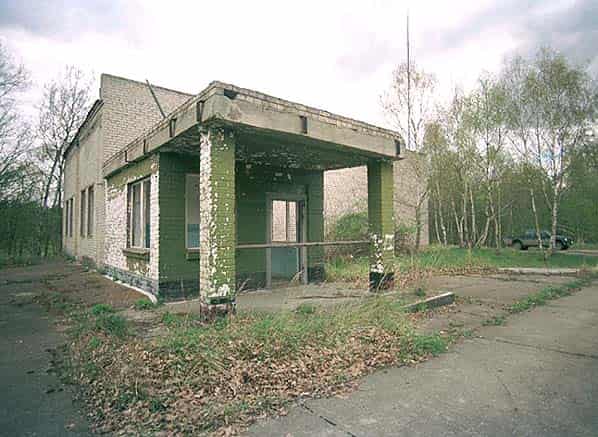
Nearby on the surface there is a small green iron building above a shallow shaft leading down to a small cable-junction room and a very primitive earthen pillbox.
There is a guardhouse at the entrance to this secure area within the larger area.
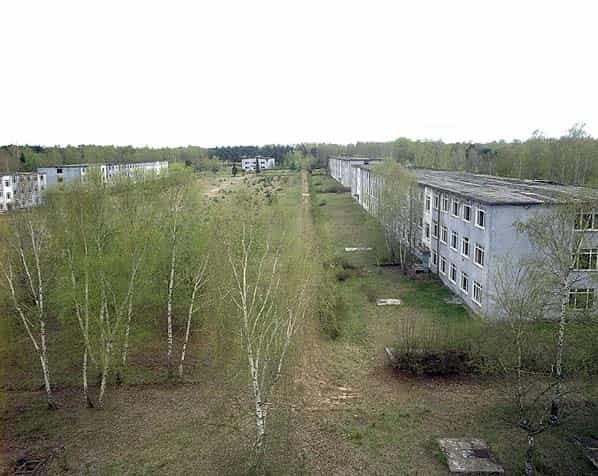
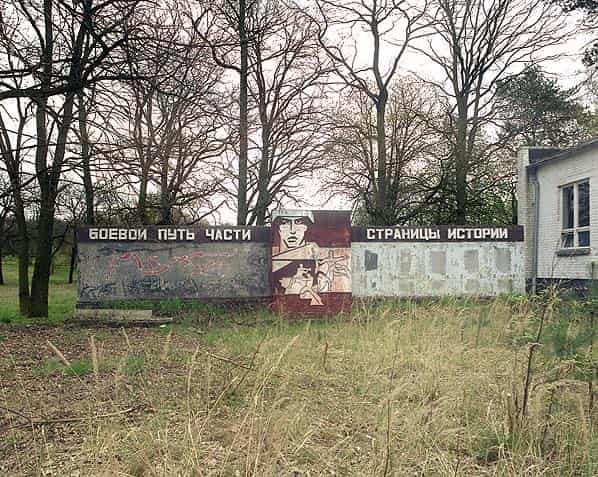
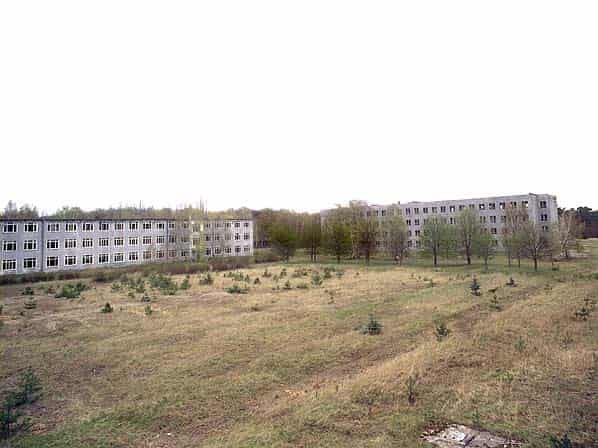
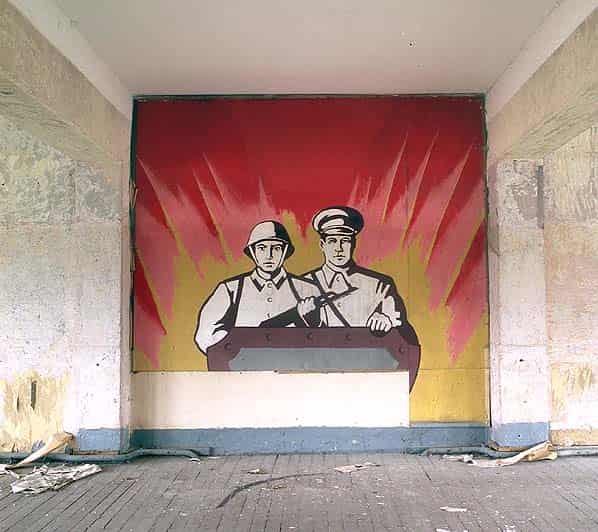
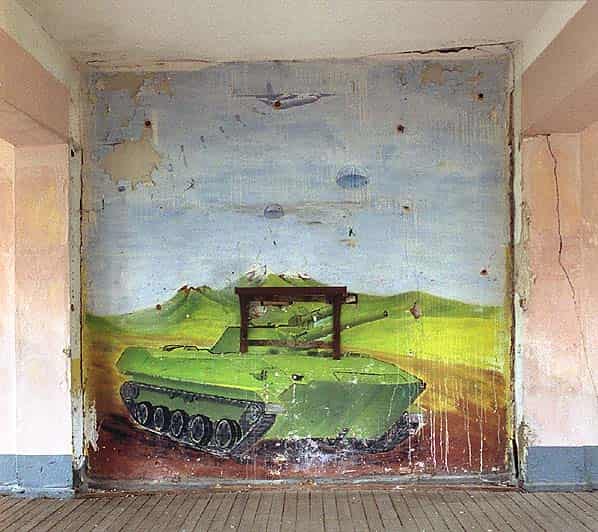
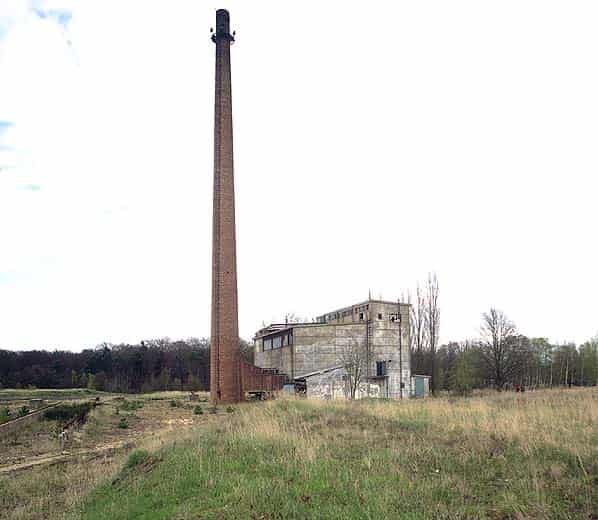
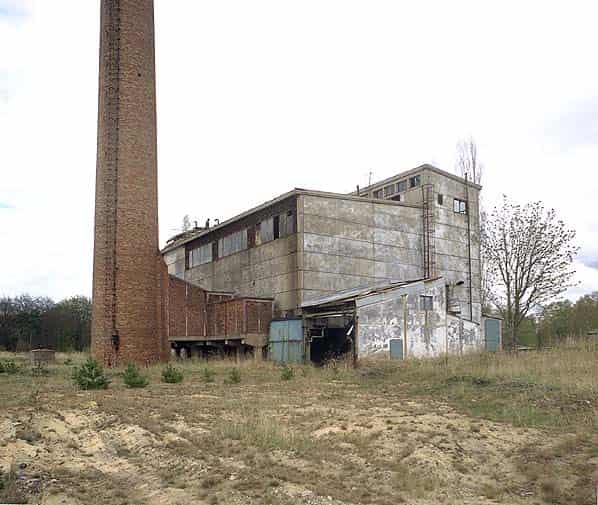
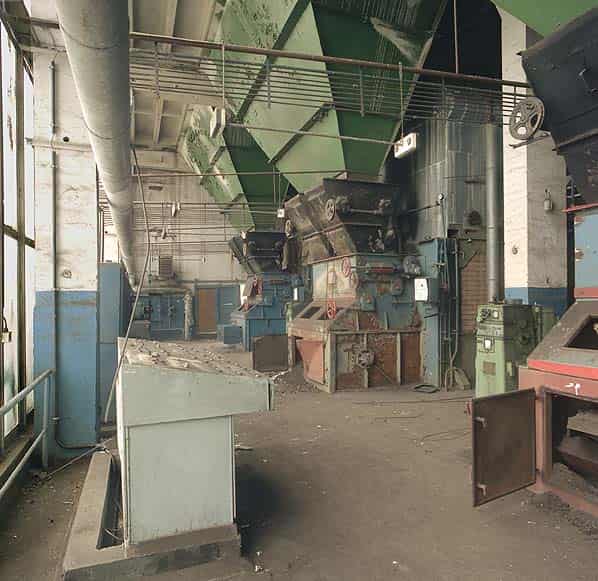
Russian barracks provided accommodation for thousands of troops. These now consist of abandoned blocks of flats forming an entire small town, including a district heating plant (looking like a small power station, but without generators) abandoned but substantially complete. A large sign in Russian noted from the dining hall, reminding soldiers of their responsibility for their state-owned cutlery!
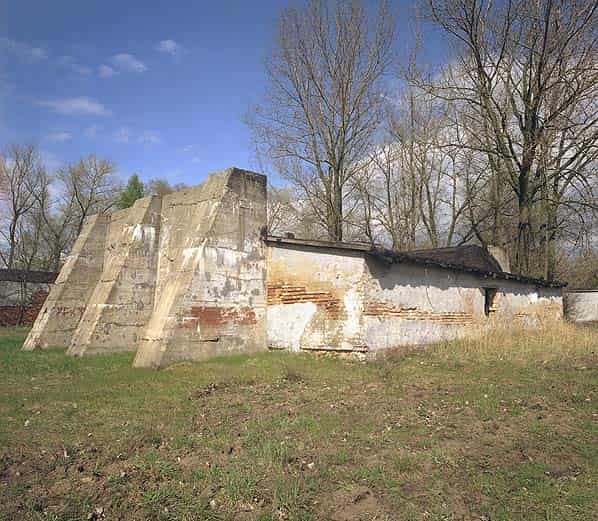
Elsewhere in the training area there is a WW2 shell-filling installation There is a small district-heating plant nearby as ammunition was stored in warm conditions at c. 25° C. PoW labour was used in WWII to attempt to avoid allied bombing and the facilities were also subsequently used by the Russians 1945 - 94. There is a former Nazi PoW dining hall, with swastika blotted out but the slogan ‘Arbeit Adelt’ (work enobles) retained!
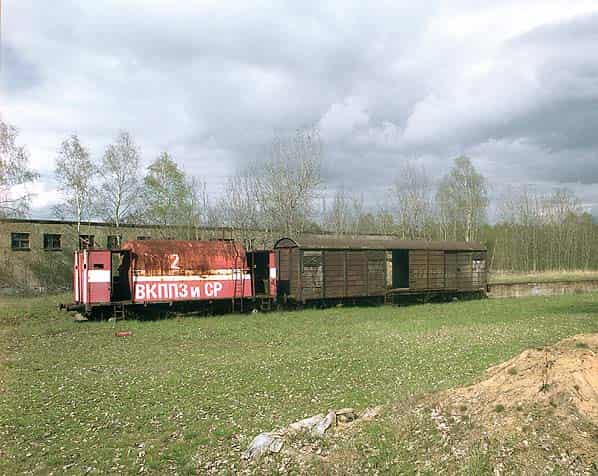
Nearby is an abandoned Russian fire-fighting train, with water cannon mounted on the locomotive.
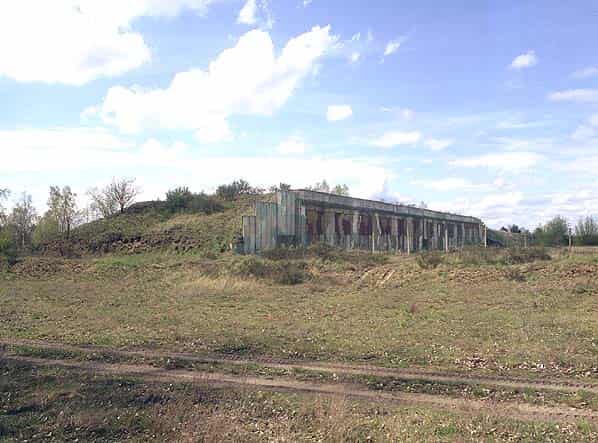
There are various surface ammunition storage bunkers; mostly/entirely of concrete construction and largely earthed-over. Nearby (not accessible) former storage buildings for eight SS20 and SS22.
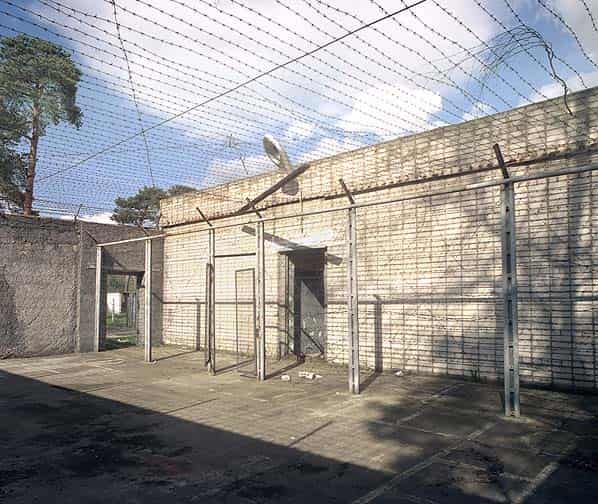
There is also a Russian military prison, with sign with the sign ‘Karaulni Kompleko’ (secure prison) There is wire netting covering the exercise area. There were iron cell doors and no windows or lighting in the cells. Food bowls were fixed into floors.