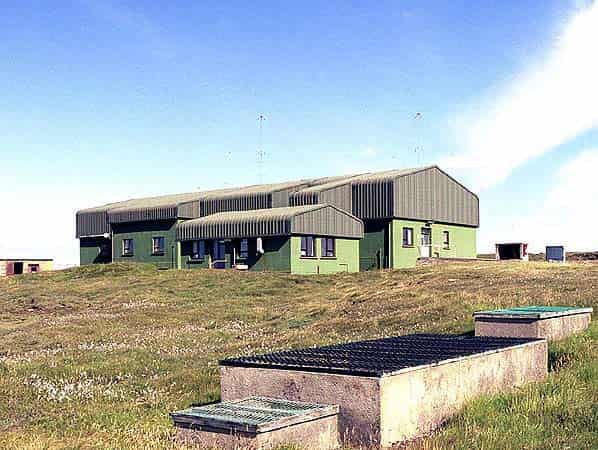
The final stage of the ROTOR Programme (Rotor 3) was to provide radar cover for the north and west of the British Isles which were still exposed to attack and to give low and surface level cover over the Atlantic, the absence of which prevented effective action against low flying enemy aircraft. Three new Centimetric Early Warning (CEW) stations were to be built at Aird Uig, Faraid Head and Saxa Vord equipped with Type 80 Mk 2 and Type 13 radars. The new CEW operations buildings were to be above ground, heavily built and designated R10, similar in internal layout to the underground R1 bunker.
ROTOR 3 included five new Chain Home Extra Low (CHEL) stations equipped with Stage 1 radar equipment to enable detection and tracking of low flying aircraft. (Stage 1 comprised Type 7 Early Warning [E/W] GCI, Type 14 E/W search radar E/W or FC [CEW station], Type 13 H/F and a Type 15 [mobile Type 7]) The proposed stations were at Kilchiaran, Murlough Bay (demolished), Prestatyn, Snaefell and West Myne (not built). These were to be heavily built operations blocks, designated R11; the above ground version of an R2 bunker.
Two new GCI stations were also proposed as part of the ROTOR 3 programme, each equipped with a Type 80 radar and R8 prefabricated operations block. One at Ballywooden (Killard Point) in Northern Ireland and the other at Wick on the Scottish east coast. It is unclear if Wick was ever built.
It was hoped that The ROTOR 3 programme would be complete by 1957 and all technical aspects were classified as ‘Super Priority’.
By the target completion date of August 1955 some ROTOR stations had already closed down and the introduction of the ‘Comprehensive Radar Station’ as part of the ‘1958’ plan had no place for Aird Uig and the station closed in 1964.
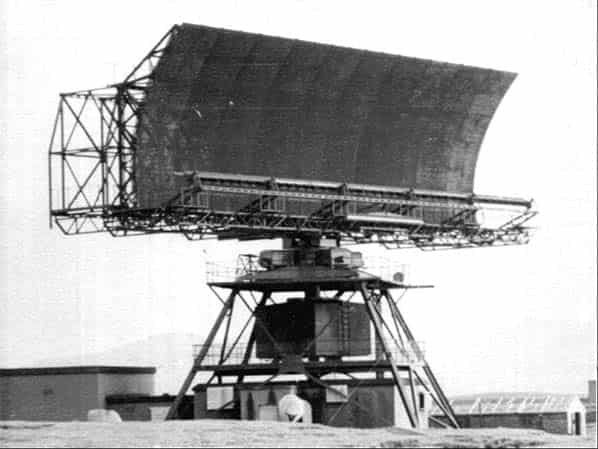
RAF Aird Uig was fitted with one Marconi Type 13 height finder, one Type 14 and a Decca Type 80 early warning radar with a US IFF aerial mounted on it. The Type 80 was the four motored variant that was only installed across the top of Scotland where weather conditions were very harsh. Four 40HP motors were fitted instead of the usual two.
At Aird Uig the weather was so bad that occasionally the aerial was stopped by the wind despite this extra power. In these conditions it was considered too dangerous to take a vehicle to the operations site after two vehicles had been blown off the road with the new watch having to make their way on foot from the domestic camp at Aird Uig village.
By 1959 the Type 14 had been taken out of use although it was stll operable. Both the Type 13 and Type 14 radars were mounted on plinths, the Type 80 was mounted in a steel gantry straddling the modulator building.
Altghough the operations block had been designed to take a Kelvin Hughes projector, this was never fitted. Instead the pit was covered over with floor boarding with brass pull up handles. In the large well beneath, accessed by a staircase, the station stored some of its bulk emergency rations.
The station however remained in RAF hands as a communications centre and through the 1990’s it was home to 81 Signals Unit, the RAF’s high frequency communications specialists. At the same time, the station also housed a low frequency transmitter providing RAF maritime low frequency communications. Following the transfer of this service to the Defence Communications Services Agency (DCSA) facility at Crimmond, near Fraserburgh in 2000, the 81 Signals Unit detachment became redundant and the personnel returned to their base in Kinloss. Following their departure the 618 foot low frequency radio mast was dismantled. The base on Gallan Head had been expected to close and there were plans to build a wind farm on the site but in 2003 these plans were put on hold following a decision by NATO to reactivate a radar monitoring operation at Aird Uig.
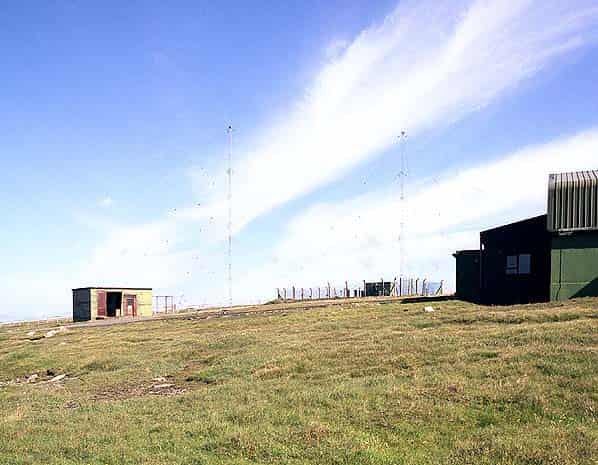
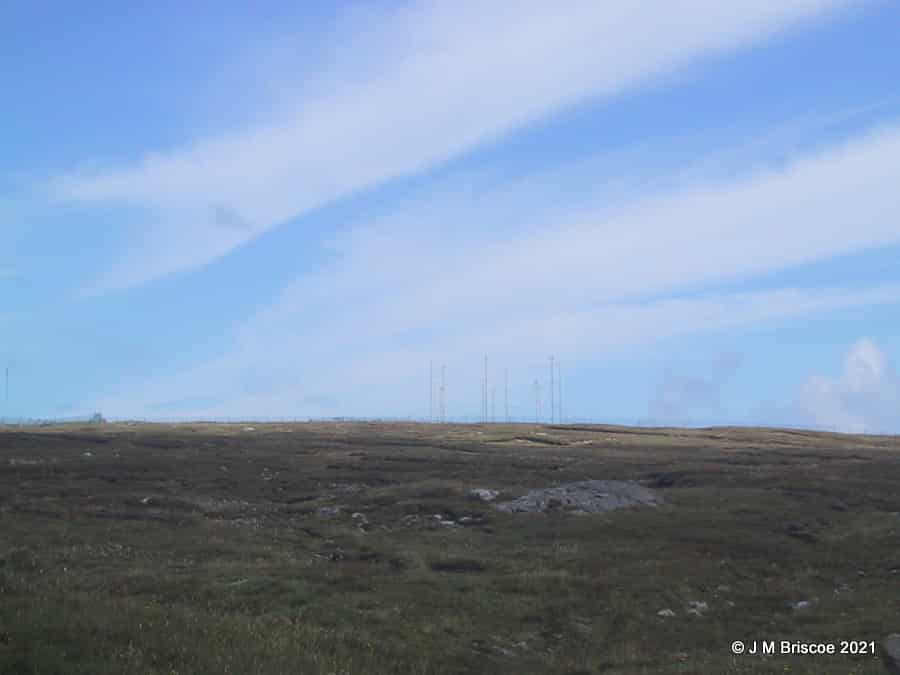
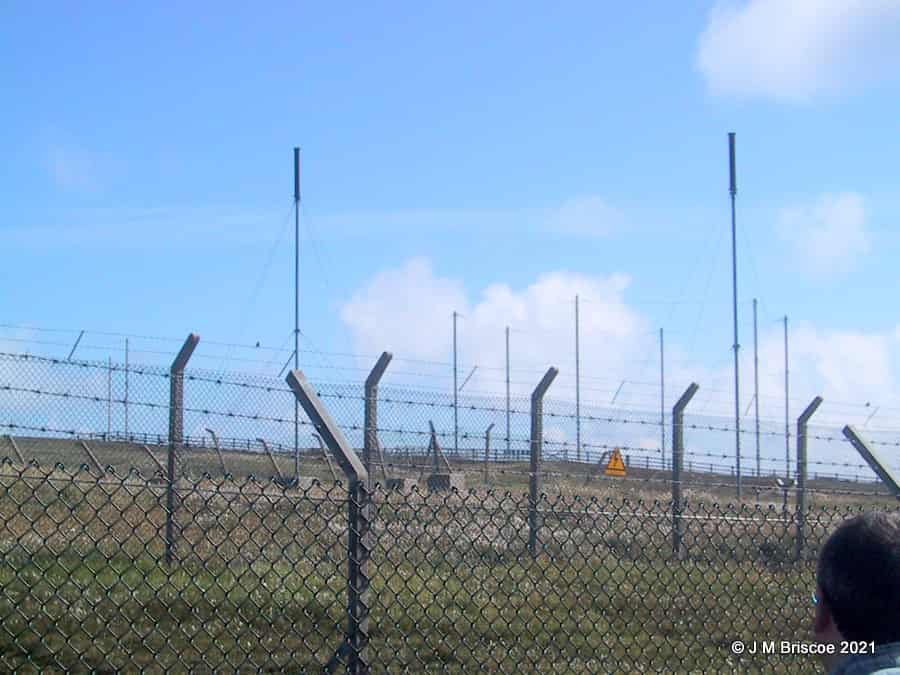
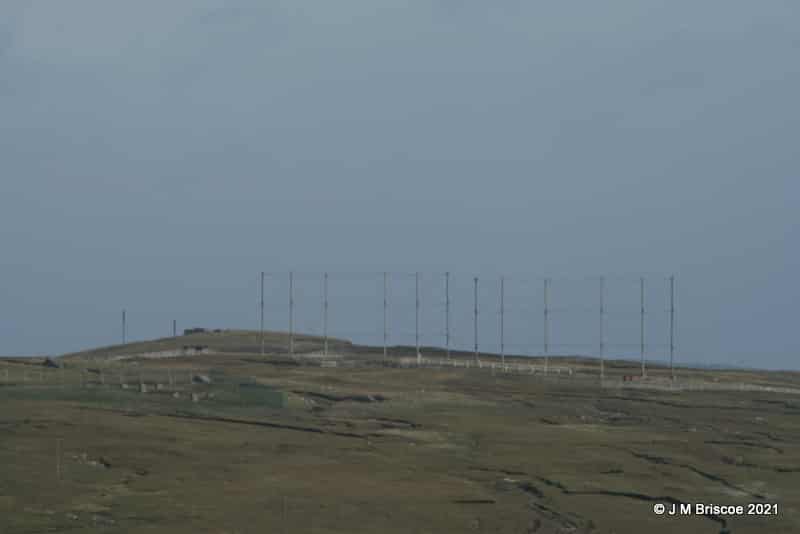
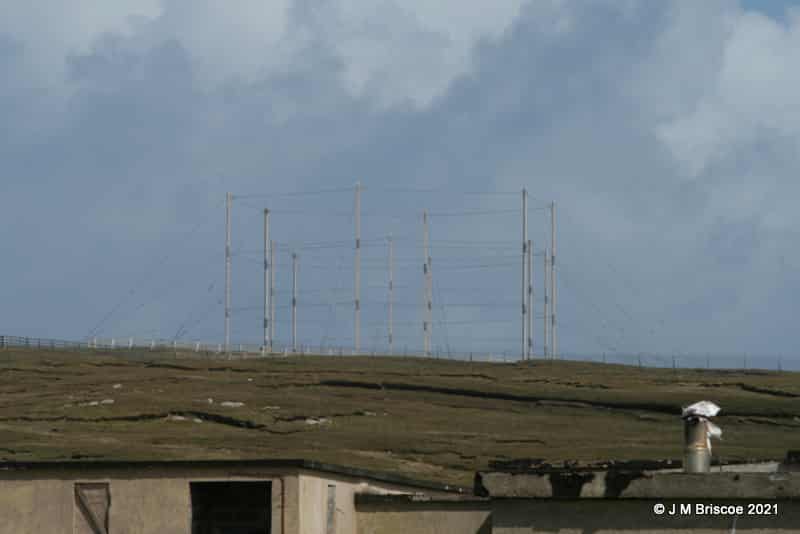
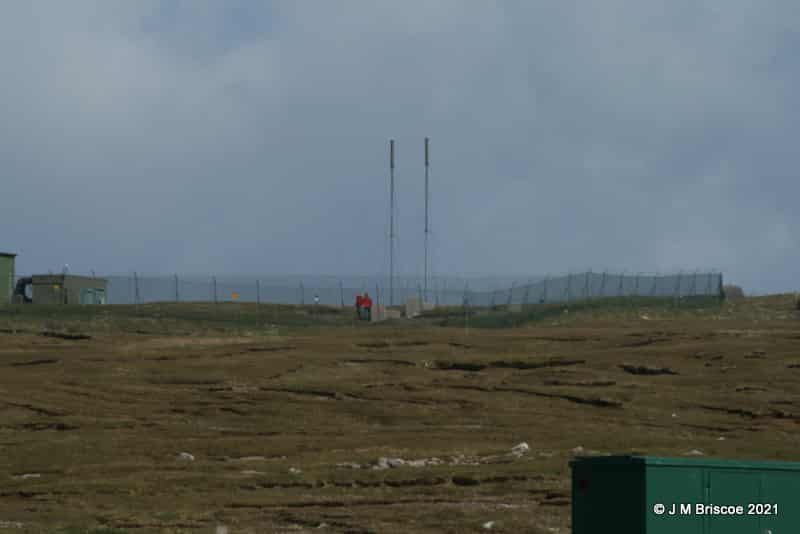
Work has been going on through 2003 to build a series of masts which will form part of NATO’s radar monitoring of the Atlantic. There are 14 masts in all - two groups of six each with complex cabling and two larger structures.
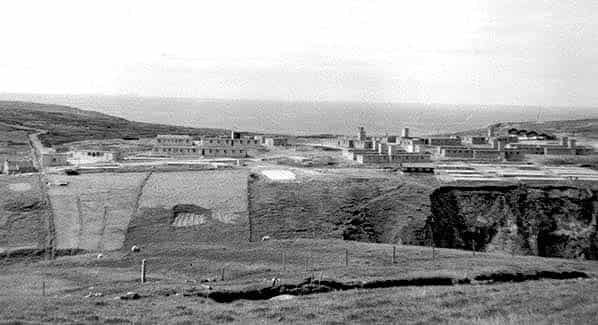
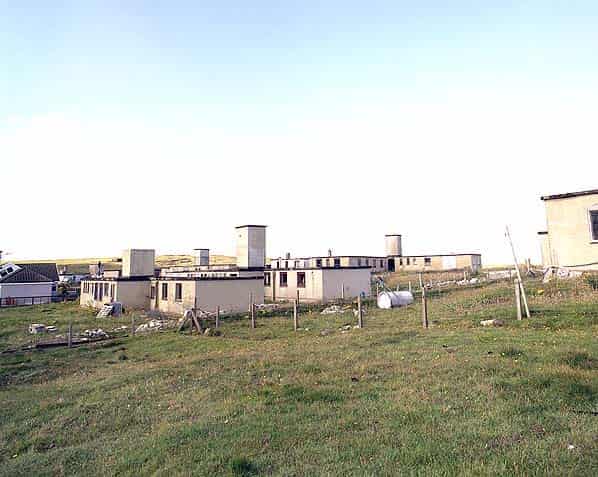
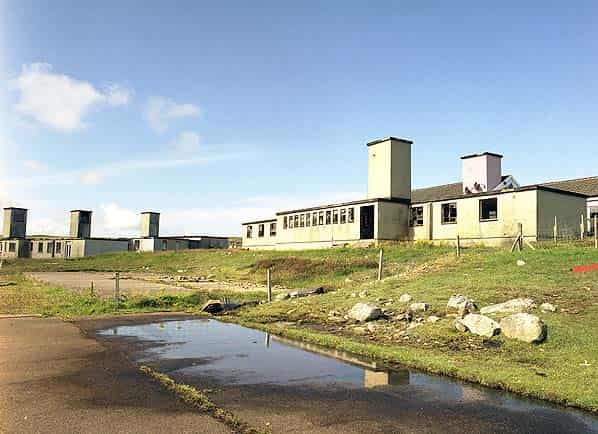
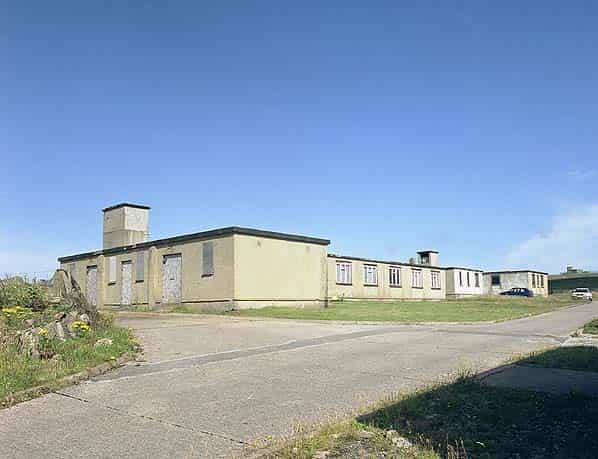
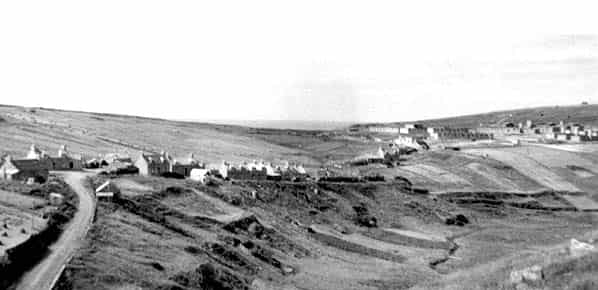
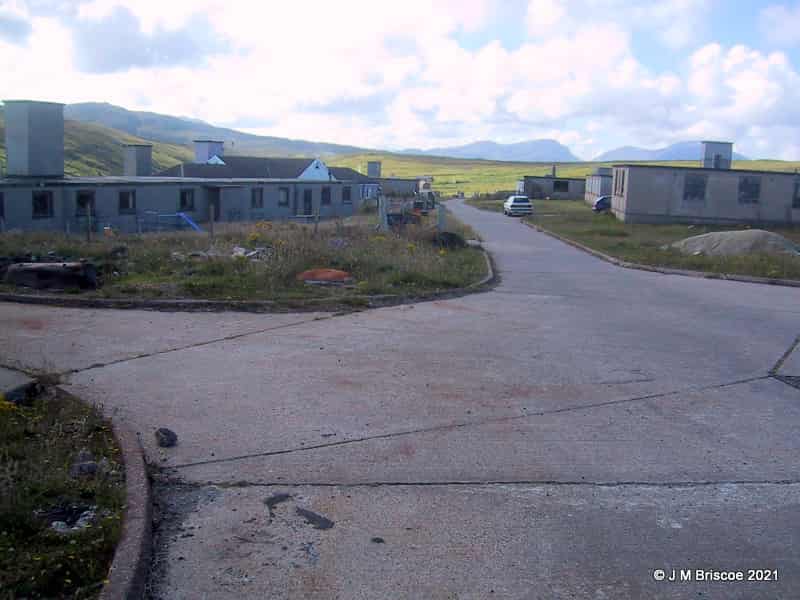
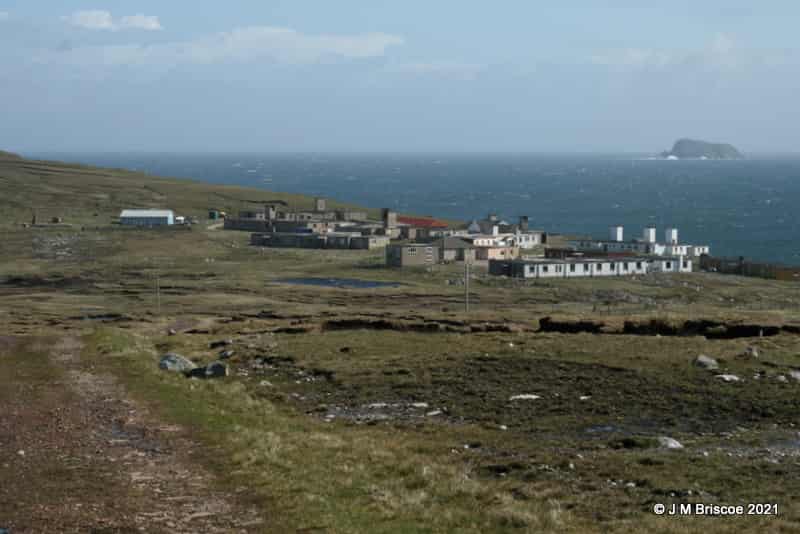
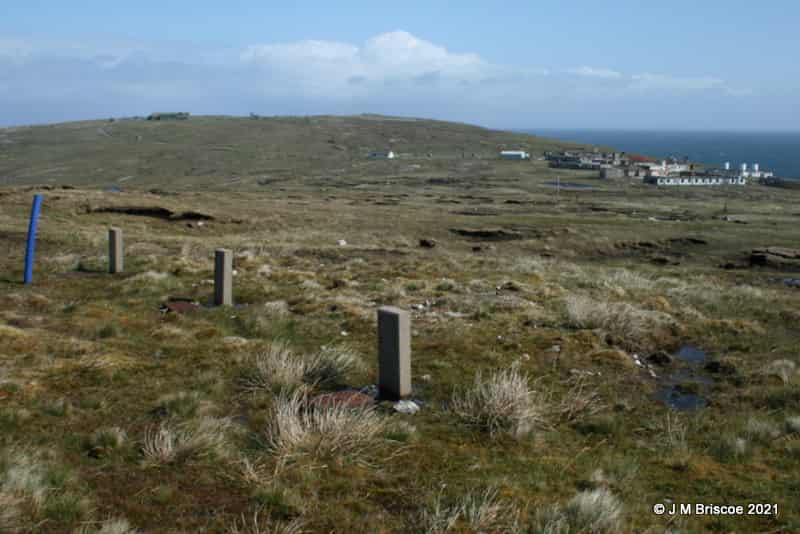
The 12 acre domestic camp was sited immediately to the north of Aird Uig village to the south of Gallan Head. There was a guardroom on the village side and the first building was the Station Headquarters. Other buildings included a medical block (Aird Uig did not have an MO, medical affairs were attended to by an orderly. Anything he could not attend to had to be sent by RAF ambulance to Stornoway hospital), stores and the NAAFI (Navy, Army & Air Forces Institute) shop.
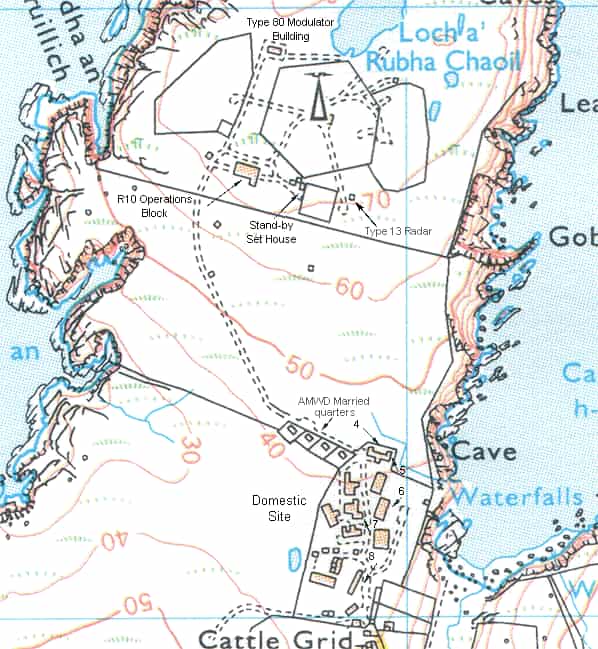
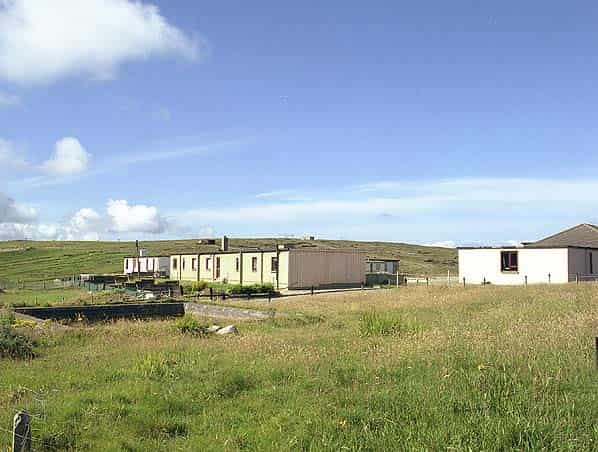
The four houses standing to the left of the road running between the camp and the operations site were married quarters for AMWD (Air Minstry works dept), the civil staff that maintain fabric of site.
The only married quarters was a bungalow for the commanding officer on the east side of the domestic camp just above the cliff; this has now been demolished.
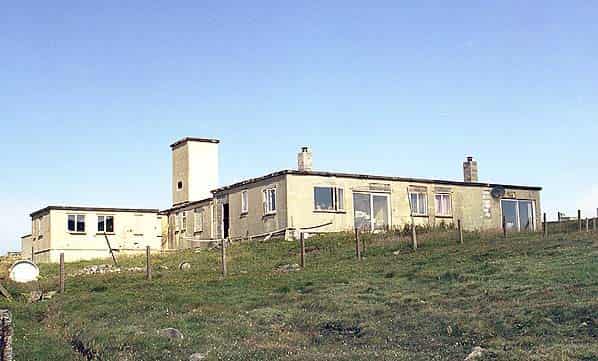
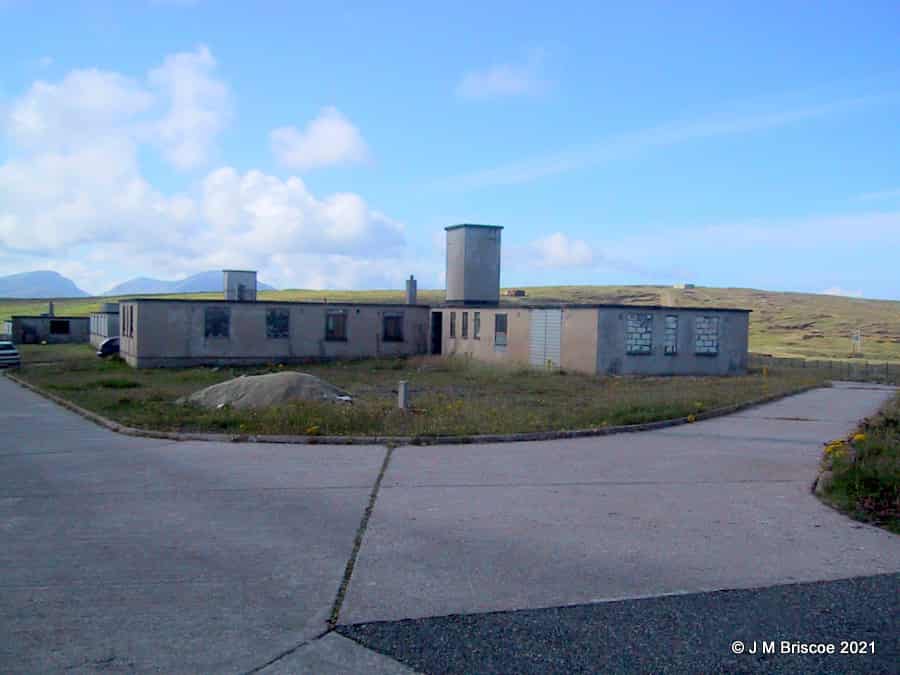
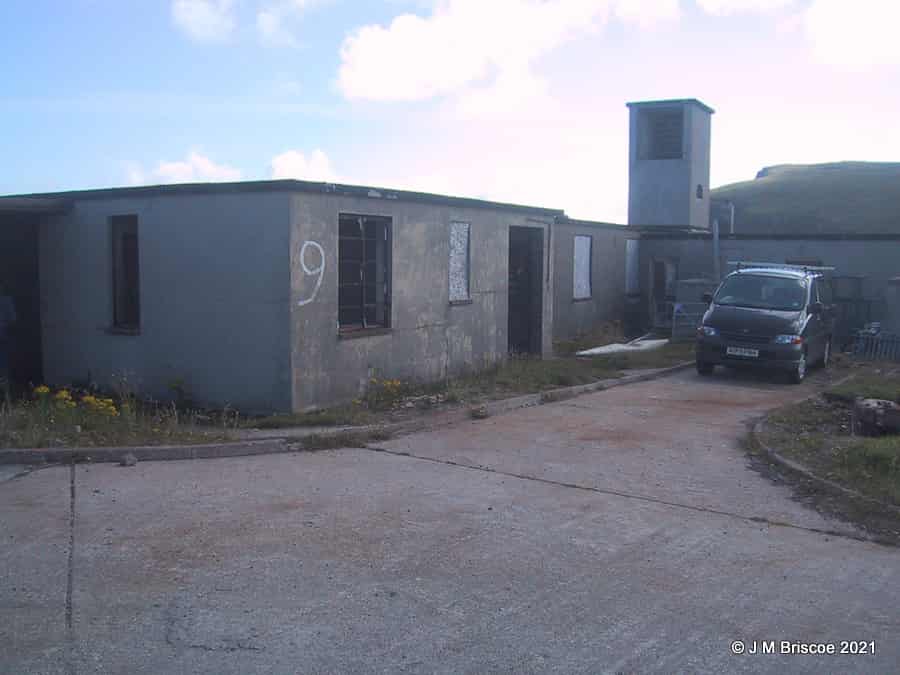
The domestic camp was sold to a private individual in March 1973 and since then has changed hands several times. Some of the accommodation blocks have been converted into housing and incorporated into the village, other blocks remain empty and disused.
One of the blocks has been converted into a restaurant and hotel and the fire station has been converted into a house.
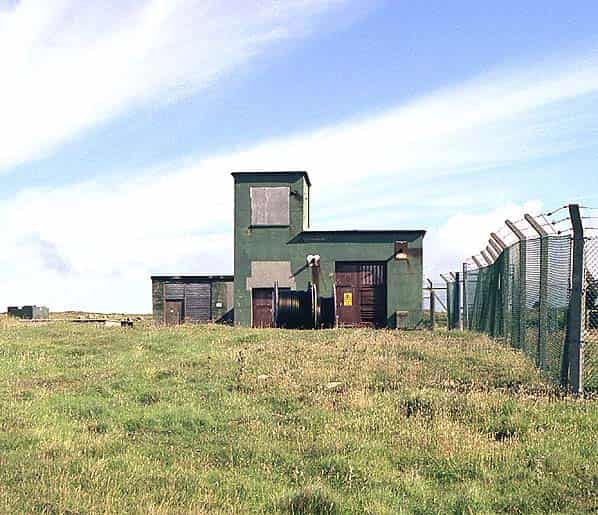
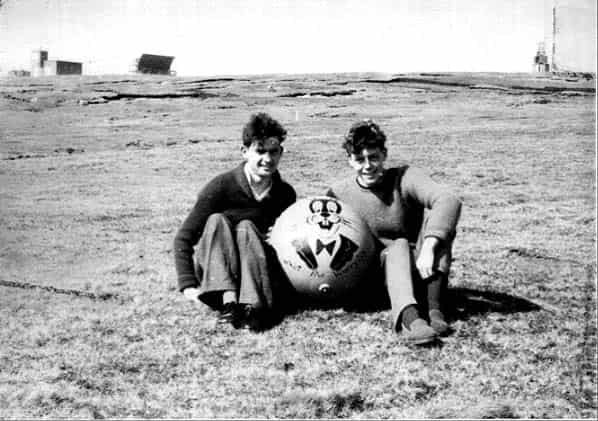
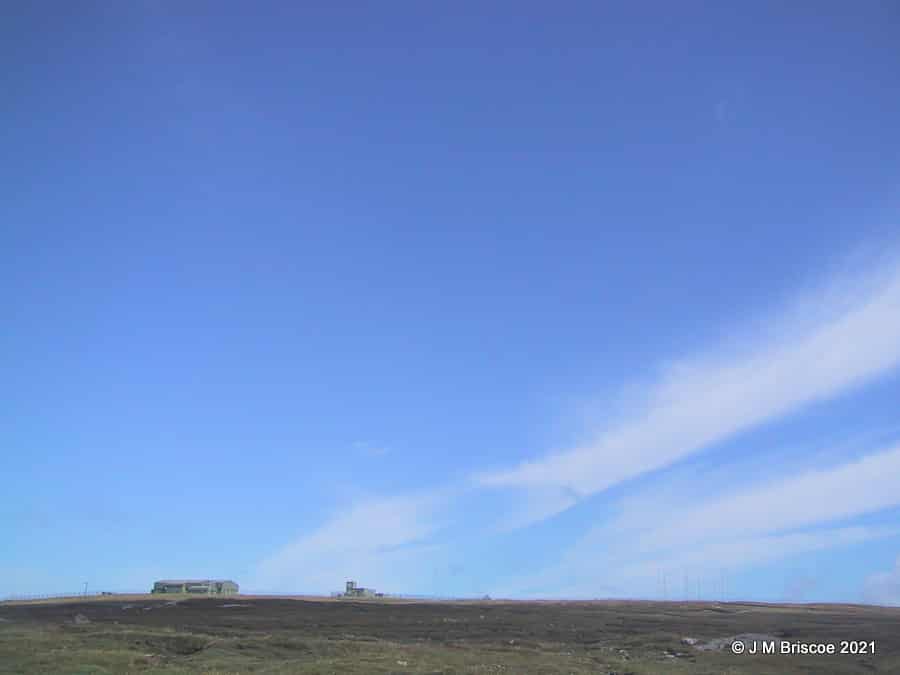
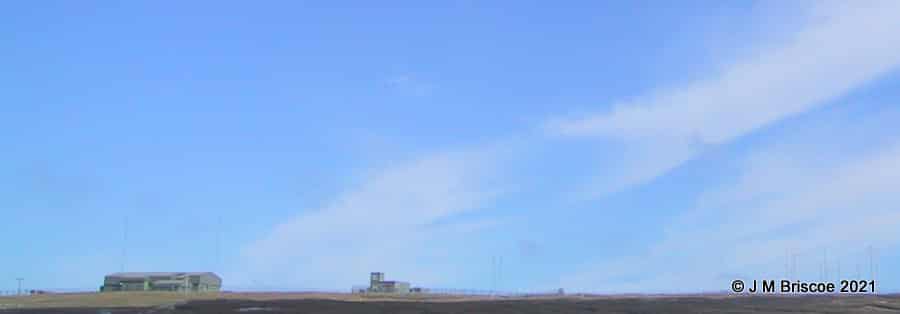
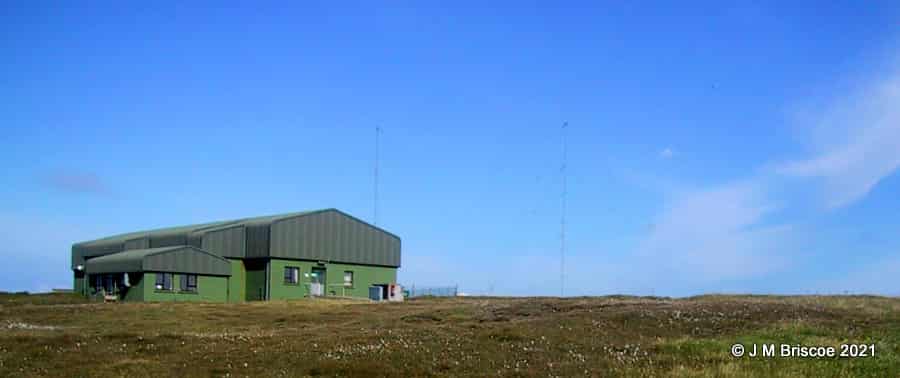
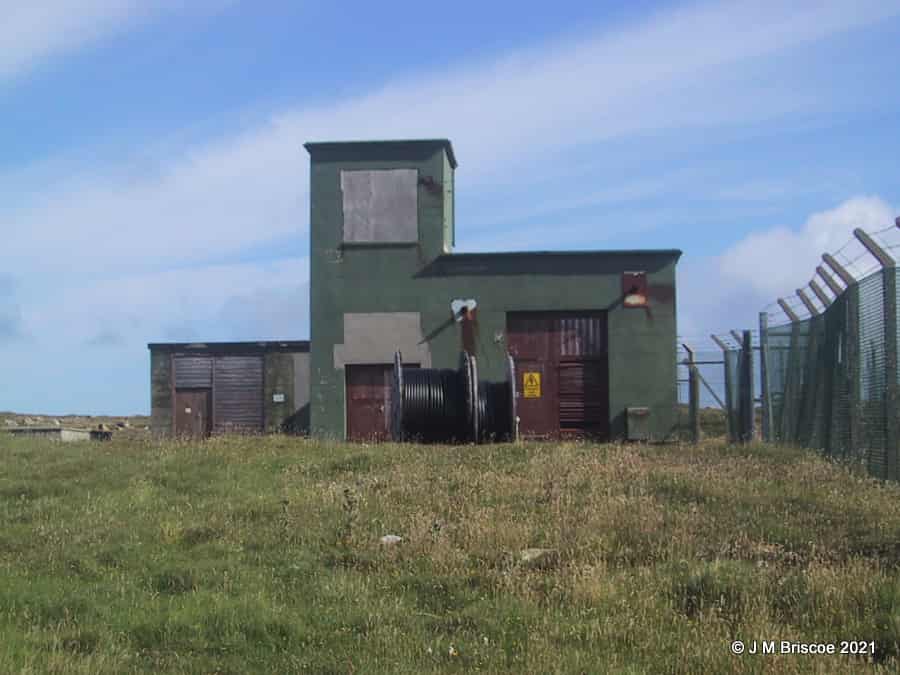
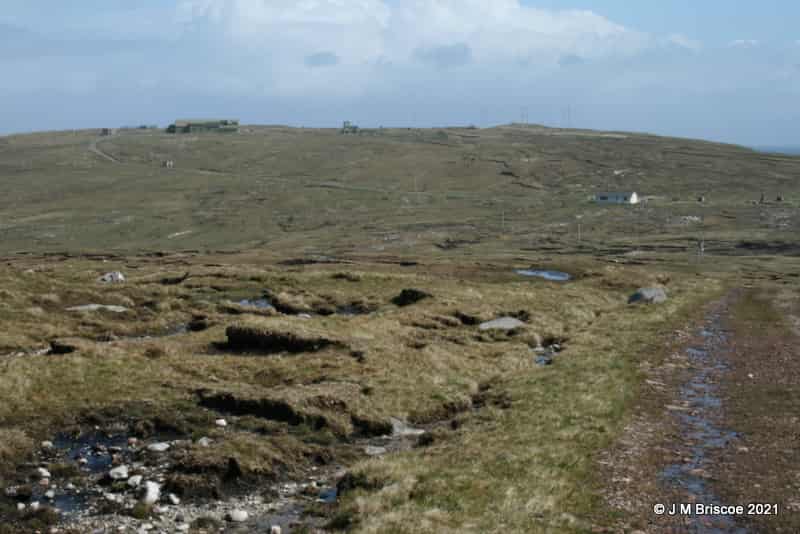
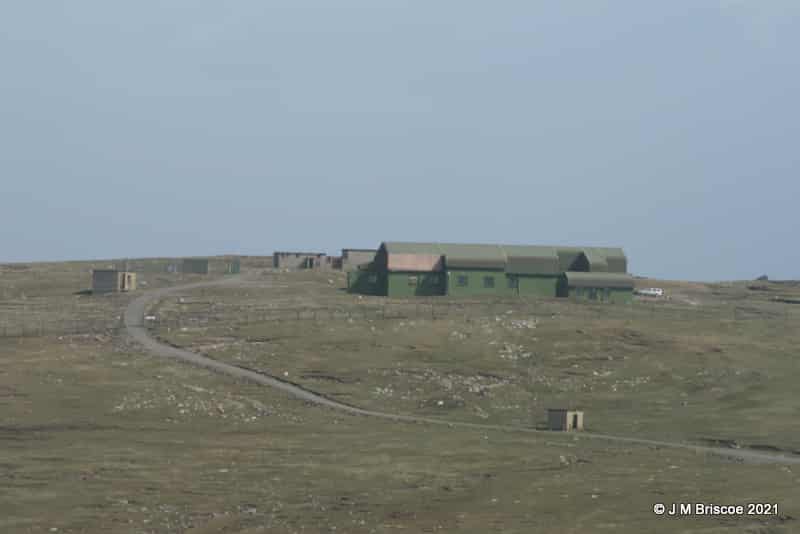
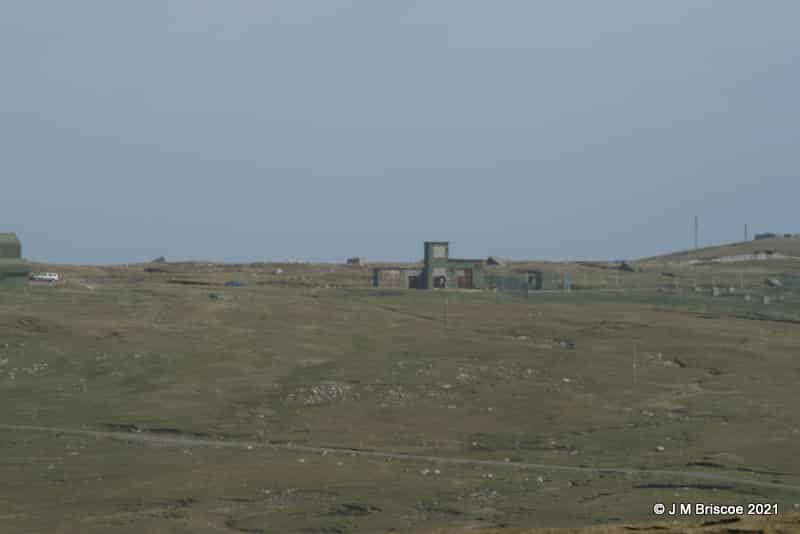
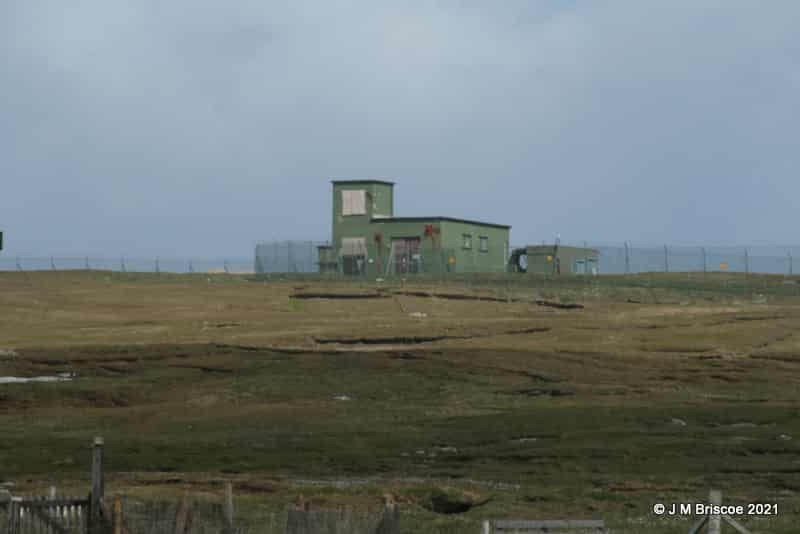
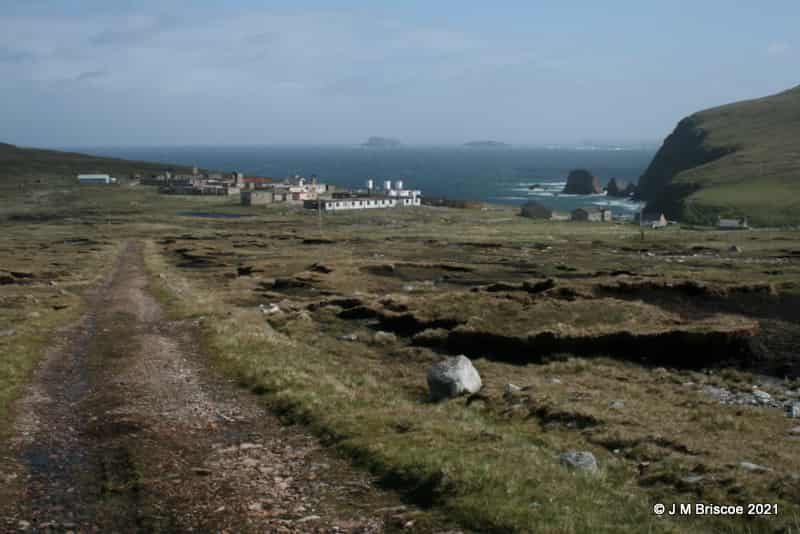
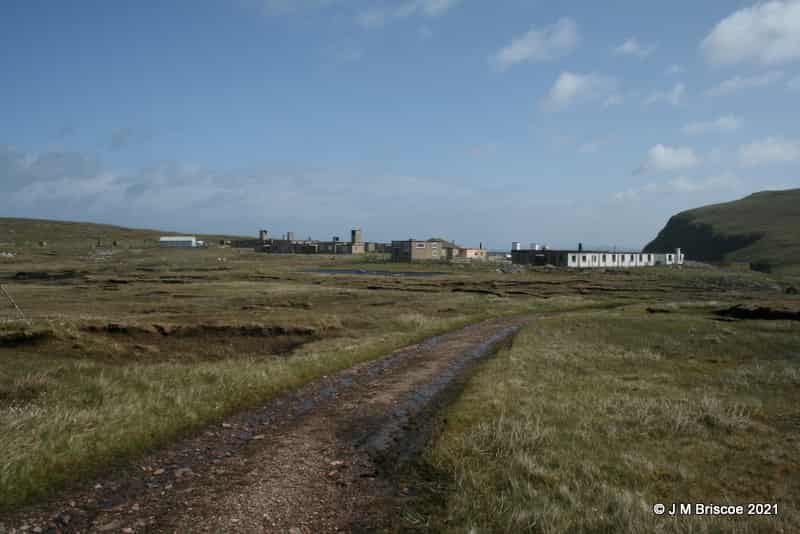
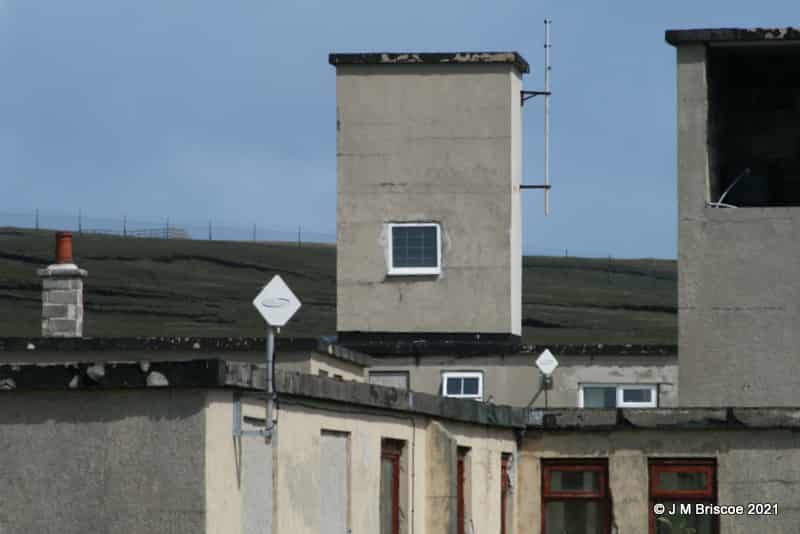
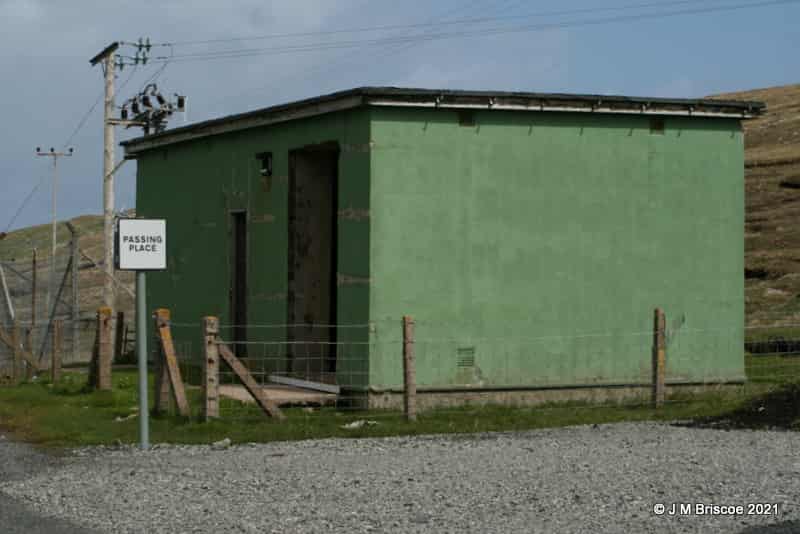
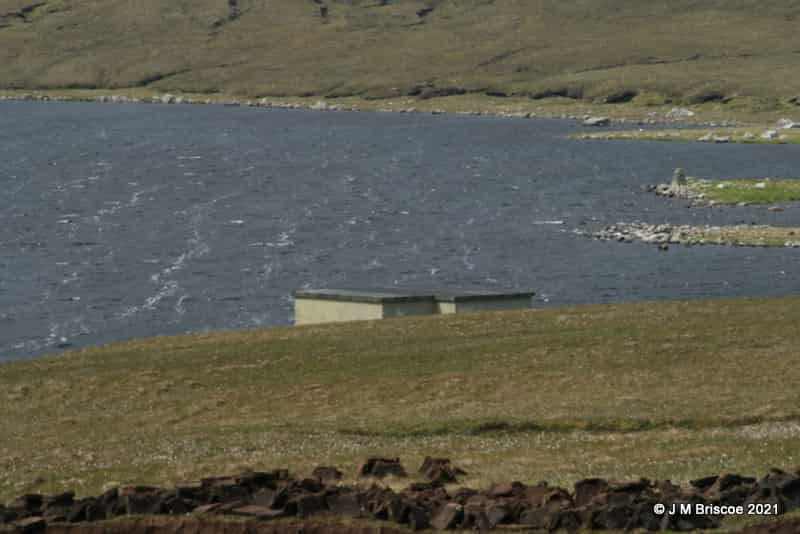
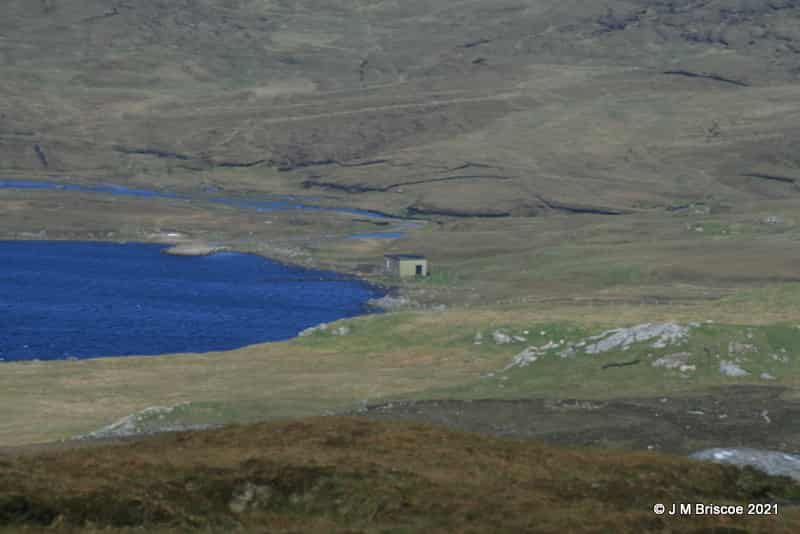
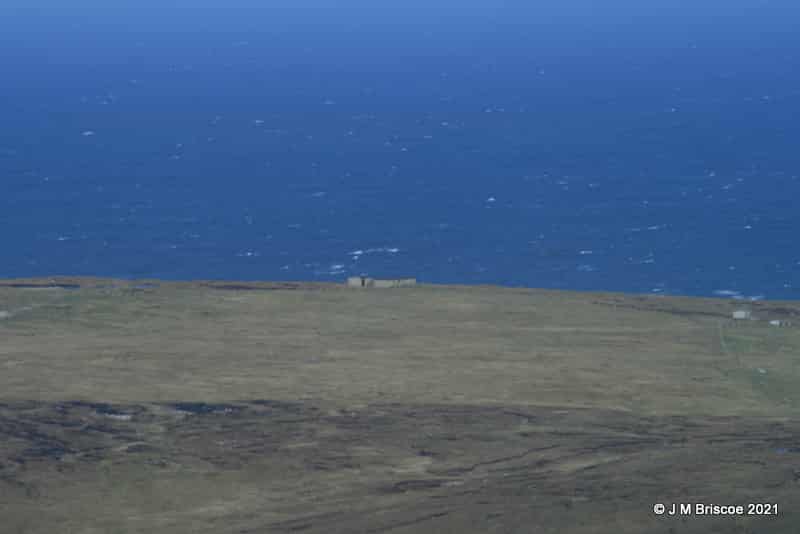
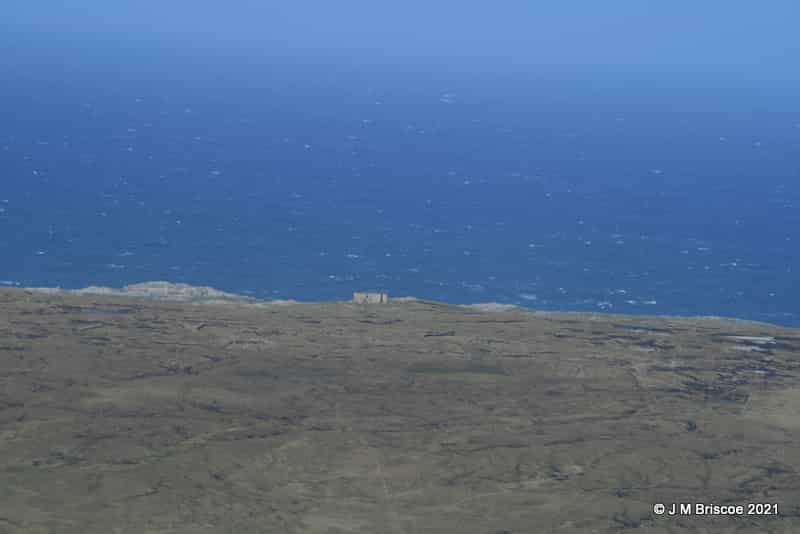
The former rotor station is within a secure compound formed by fencing right across Gallan Head. The R10 operations block has been retained athough in recent years it has been reroofed and now bears little resemblance to the original structure. This was done some time after 1988. To the east of the operations block the stand-by set house remains largely unaltered and behind it the High Voltage Switch House also remains.
The Type 80 modulator building cannot be seen from outside the camp although a building of the correct size is shown at the rear of the site on the current 1:25,000 OS map.
Sources:
- West Highland Free Press
- RAF News
- Bob Jenner
- David Lister
- Jeff Chambers
- Sam Webb