|
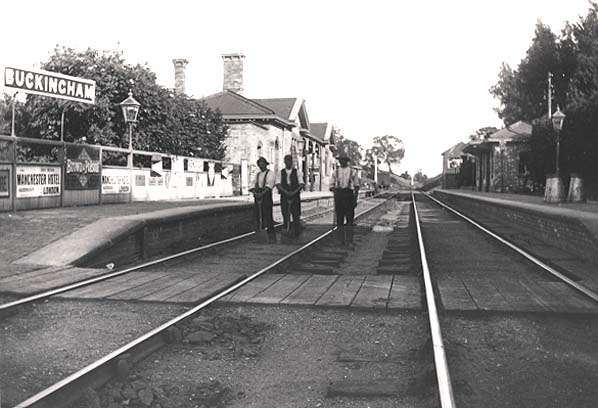
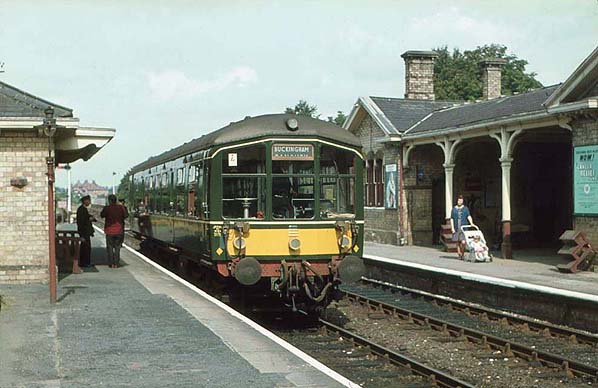
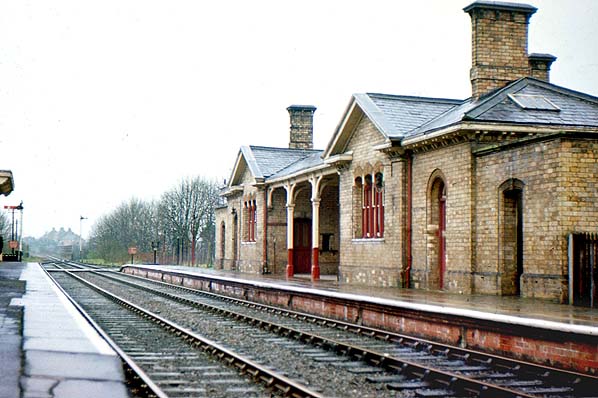
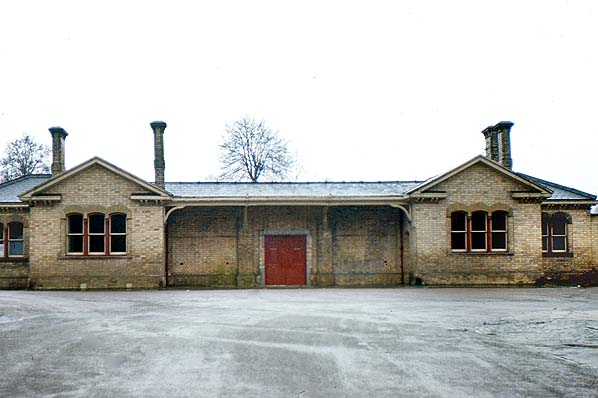
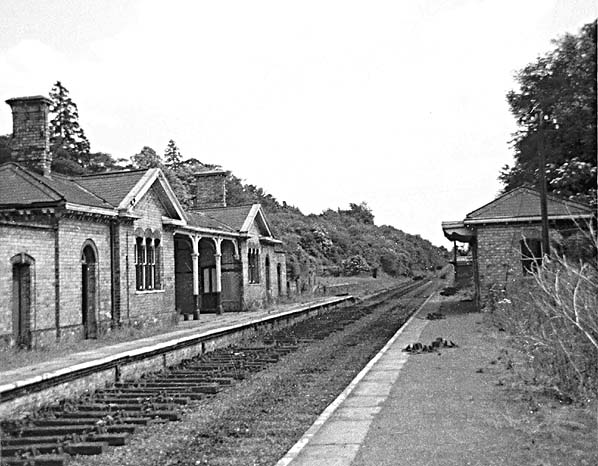
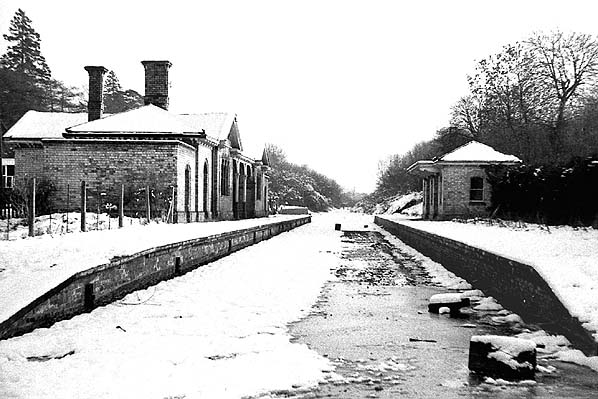
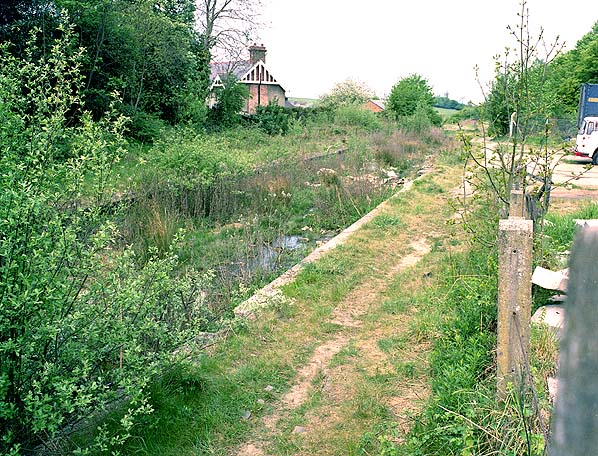
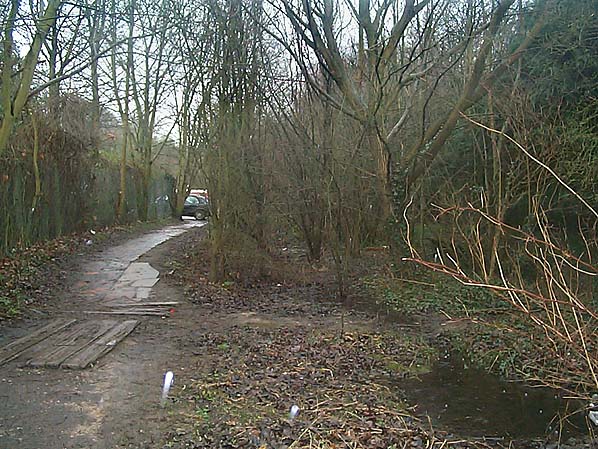
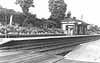
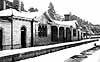
Notes: The original station at Buckingham was a modest structure
with a wooden building on the Lenborough Road side. It had poor
access being virtually in the middle of a field along a footpath.
A new station was opened in 1861 with a new Station Road serving
the station on the opposite side of the line to the earlier entrance.
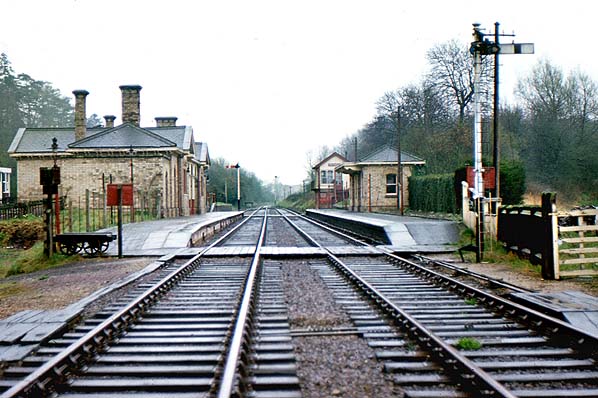
At the outbreak of WW1 the LNWR decided to make economies on
the branch, one of these was the closing of the signal box at
Buckingham goods yard which was 750 yards north of the station.
This section was the only double track length on the branch and
as a result the down line was severed at the station and buffer
stops were placed there. The long siding was then used to store
a mixture of stock.
The war time construction of an ammunition works at Banbury intensified
goods working through Buckingham. (The ammunition works can still
be seen either side of the M40).
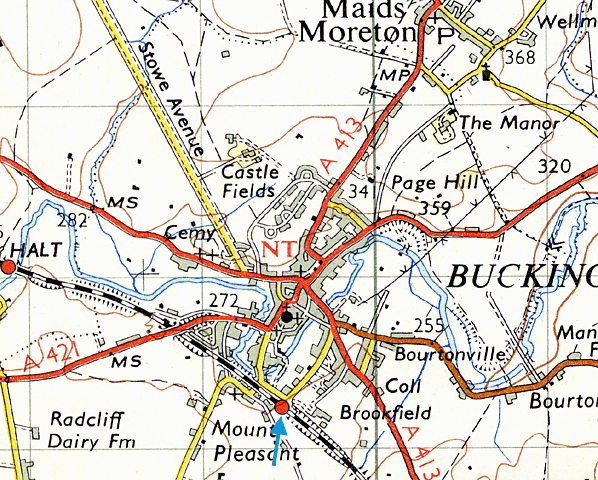
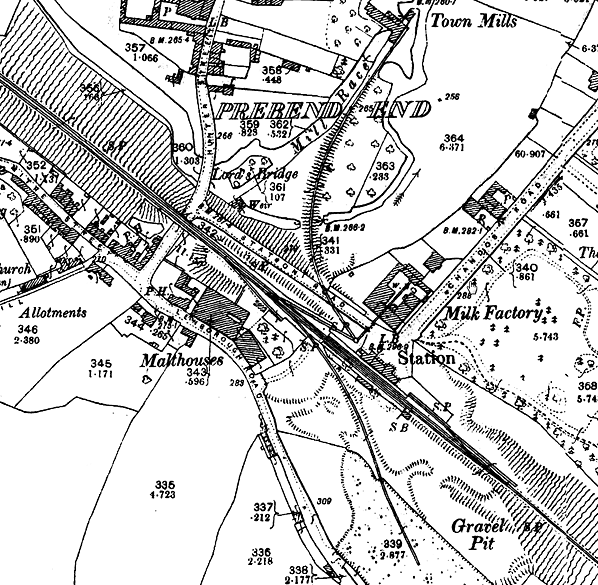
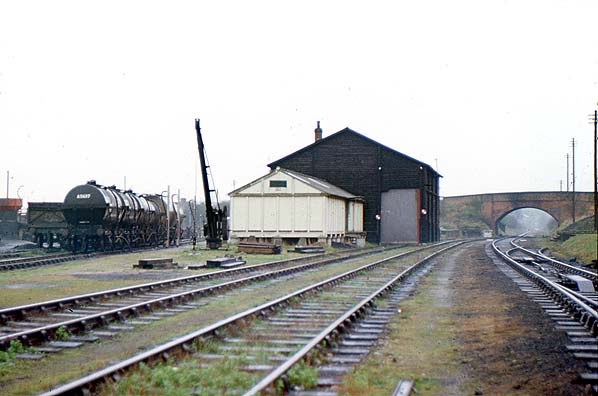
Buckingham goods yard was located on the north side of the A421
and consisted of two sidings serving three coal wharves, a timber
yard and an oil store with a loopline running through a goods
shed with another short siding serving a cattle dock. During the
1930's a new cattle dock was built at the station on the site
of the original platform to comply with new government legislation
requiring water to be available during loading and unloading.
BRIEF HISTORY OF THE BANBURY -
VERNEY JUNCTION BRANCH OF THE
BUCKINGHAMSHIRE RAILWAY
Until 1844 Buckinghamshire had been poorly served by railways
with only Aylesbury connected to the London & Birmingham in
the east. With the support of the L & B two separate companies
were formed, the Buckingham and Brackley Junction Railway and
the Oxford and Bletchley Junction Railway. In 1847 under the direction
of the newly formed London & North Western Railway the two
were merged into a unified board with the collective name of the
Buckinghamshire Railway
The line was to run westward from Bletchley to Oxford, via Winslow
and Bicester, with a junction near Claydon House (later Verney
Junction) where another line turned north to Brackley via Buckingham,
with a further extension to Banbury. The engineer employed to
build the Buckinghamshire Railway was Robert Stephenson
Construction started on 20th April 1847 and on 1st May 1850 the
Buckinghamshire Railway was opened for passenger traffic from
Bletchley to Banbury. From the outset the line was worked by the
LNWR who absorbed the Buckinghamshire Railway in 1879.
The major objective of the branch was the small market town of
Buckingham. Until the railway came to the town transport had not
been good which it was felt was stopping development of the town.
A branch of the Grand Union canal reached Buckingham in 1801 but
even after the opening of the canal and the railway little development
occurred.
The busiest part of the line was the 5 1/2 mile section from
Banbury Merton Street to Cockley Brake where there was a junction
with the Stratford-upon-Avon and Midland Junction Railway.
Passenger traffic over the whole line was comparatively light
although the LNWR operated various specials and excursions over
the years to encourage use. Passenger levels reached their peak
just before WW1 after which they declined more or less continually
as competition from the bus and growing car ownership began to
increase. WW2 brought a short lived improvement but with new BR
management the line was under review. A threat to its future became
imminent in 1952 when BR reduced services to three trains each
way per day, having withdrawn Banbury - Towcester Trains (via
the junction at Cockley Brake) the previous year.
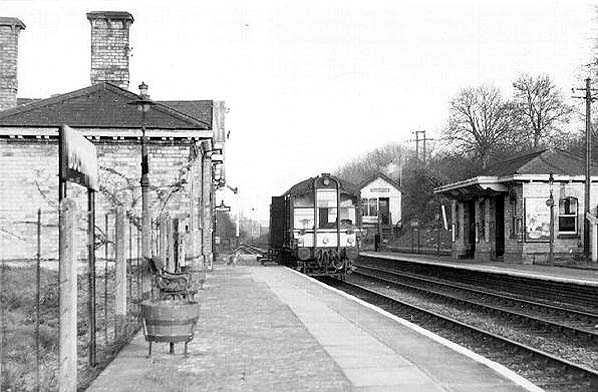
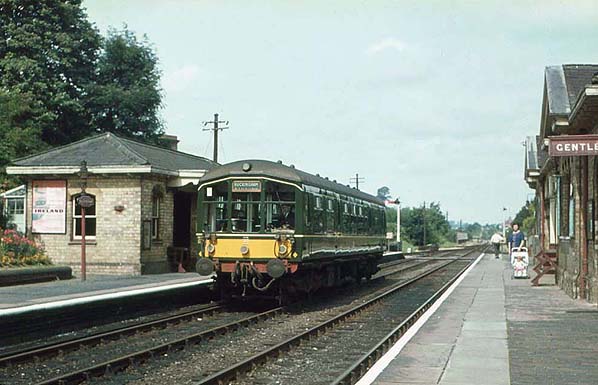
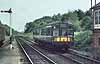
In spite of this, the line survived and was selected for an experiment
as part of the 1955 Railway Modernisation Plan using lightweight
single unit diesel railcars. These railcars were introduced during
the summer of 1956 but strangely they only ran from Banbury to
Buckingham, where connection was made with the traditional steam
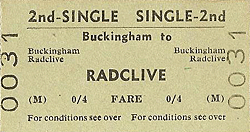
push-pull service. New halts at Radclive and Water Stratford were
opened between Fulwall & Westbury and Buckingham and a third
on the edge of Buckingham was suggested but not built.
The new railcars attracted a reported increase in traffic of
400% with the service being well used on market days and Saturdays
but the improvement was insufficient to save the service between
Buckingham and Banbury which closed from 2nd January 1961. The
remaining passenger facilities between Buckingham and Verney Junction
lingered until 7th September 1964 using the diesel units transferred
from the Banbury section. Freight facilities were withdrawn from
Banbury on 6th June 1966 and from Buckingham from 3rd December
1966 with track lifting underway by February 1967.
For further reading see The Banbury to Verney Junction Branch
by Bill Simpson. Oxford Publishing Company 1978 ISBN 902888 87
0
To see the other
stations on the Banbury - Verney Junction line click on the station
name: Banbury Merton
Street, Farthinghoe,
Brackley, Fullwell
& Westbury, Water
Stratford Halt, Radclive
Halt, Padbury &
Verney Junction
|