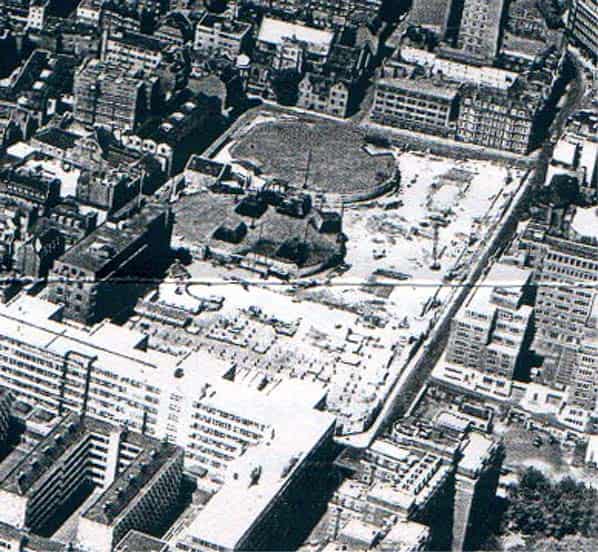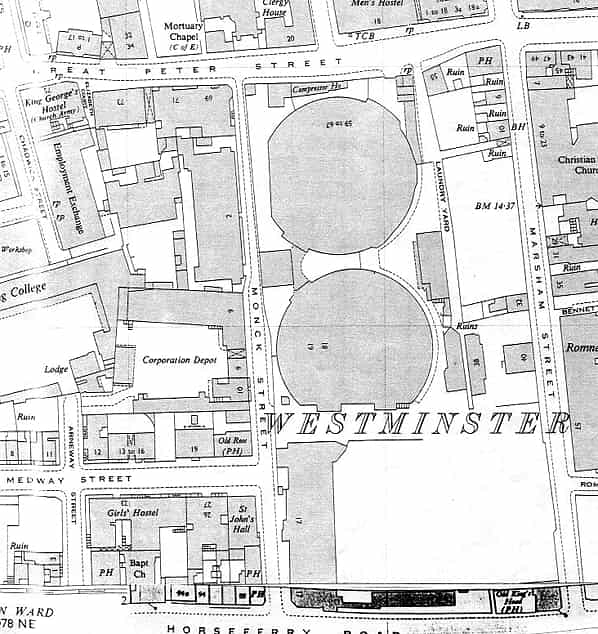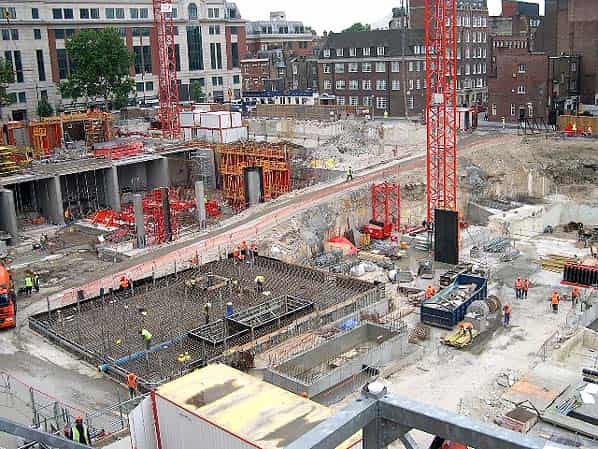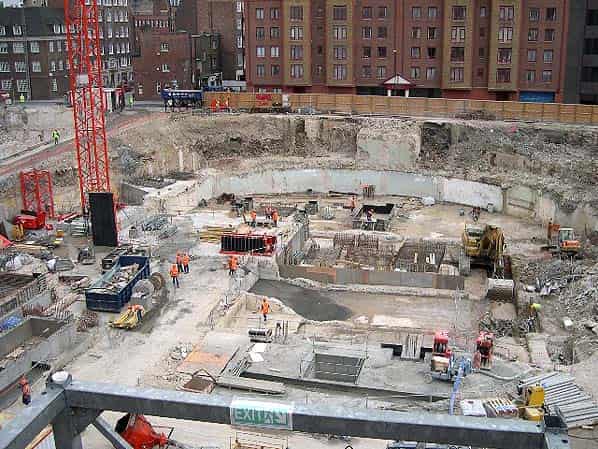
The ‘Rotundas’ consisted of three buildings, two of three storeys and one of two (originally five), all linked together and occupying a site in SW1 bounded by Great Peter Street to the north, Marsham Street to the east, Horseferry Road to the south and Monck Street to the west. The site had previously been occupied since c.1877 by the gas works of the Gas Light and Coke Company. The two gas holders were demolished in 1937 leaving two very large circular holes in the ground. During the blitz a large bomb fell on the gas works which blew four workmen into these holes, unfortunately only two survived.
A government contract was issued to construct various protected buildings in London, these included Montagu House in Whitehall for the War Office, Curzon House in Curzon Street for the Army, The Admiralty Citadel on Horseguards for the Navy and the Rotundas, all designed to withstand the impact of a 500lb bomb. With their 12 foot thick concrete roof the latter complex was equipped to house several thousand Government officials in complete safety from enemy attack for up to three months.
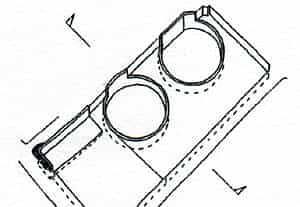
The Rotundas were built in the holes left by the gas holders, each of three storeys with one and a half floors above ground and the same below. They were identified as the North Rotunda at 59-67 Great Peter Street, the South Rotunda at 18/19 Monck Street. The complex was completed by the five storey Steel Frame Building, with one level below ground at 17 Monck Street. The upper three stories were later removed.
The North Rotunda was built by Mowlem & Co and the South by Higgs Ltd. Work started in November1940 and was completed by 21st June 1941.
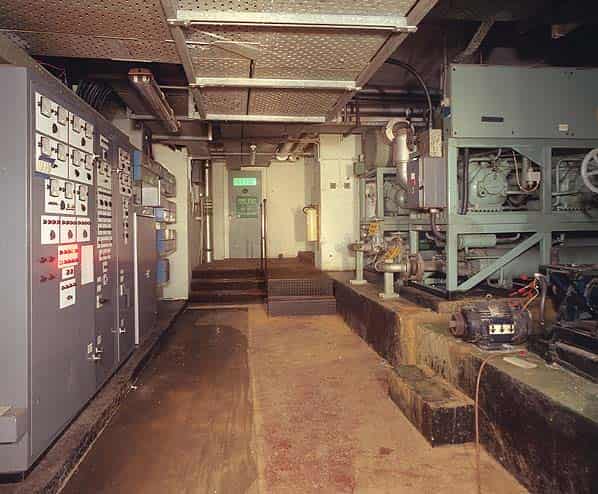
The complex was occupied by many different government departments at various different times. The Steel Frame Building (a name by which it was always referred to by the Air Ministry during WW2 and subsequently known as The Citadel) housed the Air Ministry, Intelligence Department AI2(c). GHQ Home Forces occupied the South Rotunda twice. The Ministry of Home Security had its war room in the North Rotunda; this was responsible for all civil defence matters throughout the country through its network of 12 Regional War Rooms. The citadels was linked to Montagu House, The Admiralty Citadel and other Government buildings in Whitehall and beyond by a deep level tunnel. The bottom floor of the South Rotunda also housed the mechanical plant room for all three buildings.
In 1943 Churchill warned about the progress of German plans to bombard London with V-weapons and he reviewed the list of all available citadels in London. The reserve Cabinet War Room at Dollis Hill (Paddock) had proved to be unsatisfactory and too far from Whitehall so a new reserve called ‘Anson’ was planned for the lowest floor of the North Rotunda. This was ready for occupation on the 15th of November that year together with the Home Office Fire Control (not to be confused with the Regional Fire Control at Horseferry House or the Brigade Control at Lambeth). Unlike Paddock where sleeping accommodation was provided for the Prime Minister at Neville’s Court, a converted block of flats a short distance away, Anson was fully self contained with domestic accommodation for Churchill and his senior staff and in theory a direct underground link to Government offices in Whitehall along the post office deep cable tunnels. As there were locked bulkhead doors in the tunnels it is doubtful if this route would have been used with only a handful of Post Office personnel possessing keys.
At 2.20 am on 19 July 1944 a V1 Flying Bomb landed in Monck Street causing twenty casualties (non fatal) and severe structural damage to the surrounding area. (Westminster Air Raid Report for Abbey District, Post 18 sector 183 Incident No1891 refers)
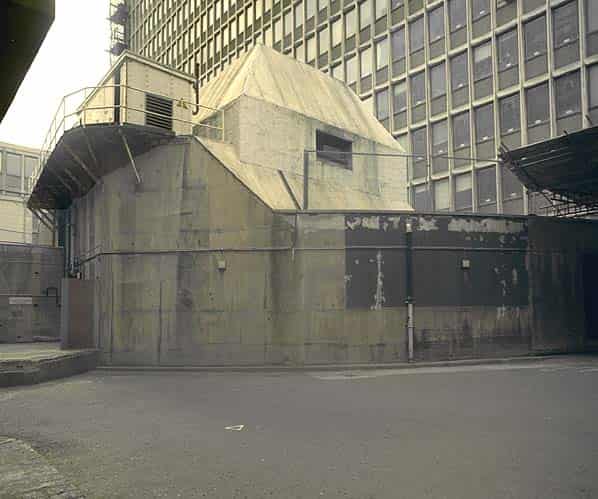
It is unclear when the name North and South Rotunda was first adopted although it was during WW2, post war they were certainly referred to by that name but the PRO plan of Anson refers to it being on the lowest floor of the North Gasometer. A structure on Monck Street between the North and South Rotunda, sometimes mistaken for an air raid shelter was built as the reception of the dispatch rider service for secret files and documents (PRO file WO199/80)
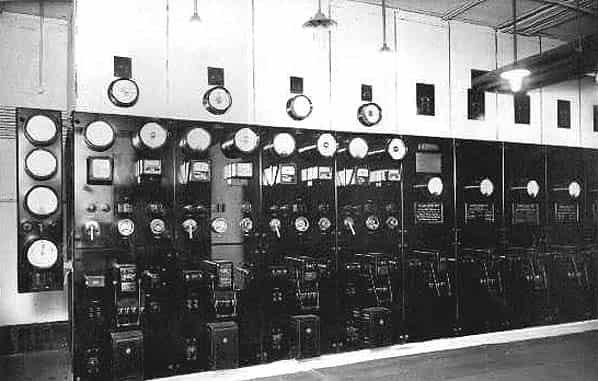
Post War, in 1947 the Ministry of Information (MOI)(SP) occupied Room 532 in the South Rotunda while in the 1970’s the North Rotunda housed the Federal telephone exchange and Horseferry Tandem the central exchange in the Government Telephone Network (GTN). The major racks and MDF were on the lowest level with the switchboard room above and offices on the top level. The North Rotunda also housed an administrative centre.
In the 1950s the North Rotunda formed the central hub of the new Regional War Room (RWR) network in conjunction with the 13 war rooms spread around the country. In effect it was the central government emergency headquarters. This use was short lived however and in the 1960’s with the coming of the hydrogen bomb the Regional War Rooms were replaced by the Regional Seats of Government (RSG) and the Rotunda’s role was reduced with a new central HQ proposed for Corsham. It is recorded however that it acted as an Exercise Central Seat of Government during Fallex62 because Corsham was considered too secret to use. For communications purposes it was known as the Fallex Communications Centre and was only occupied by the military with no civilian involvement. The Steel Frame Building also housed a Royal Observer Corps Training School which remained in use into the 1960’s.
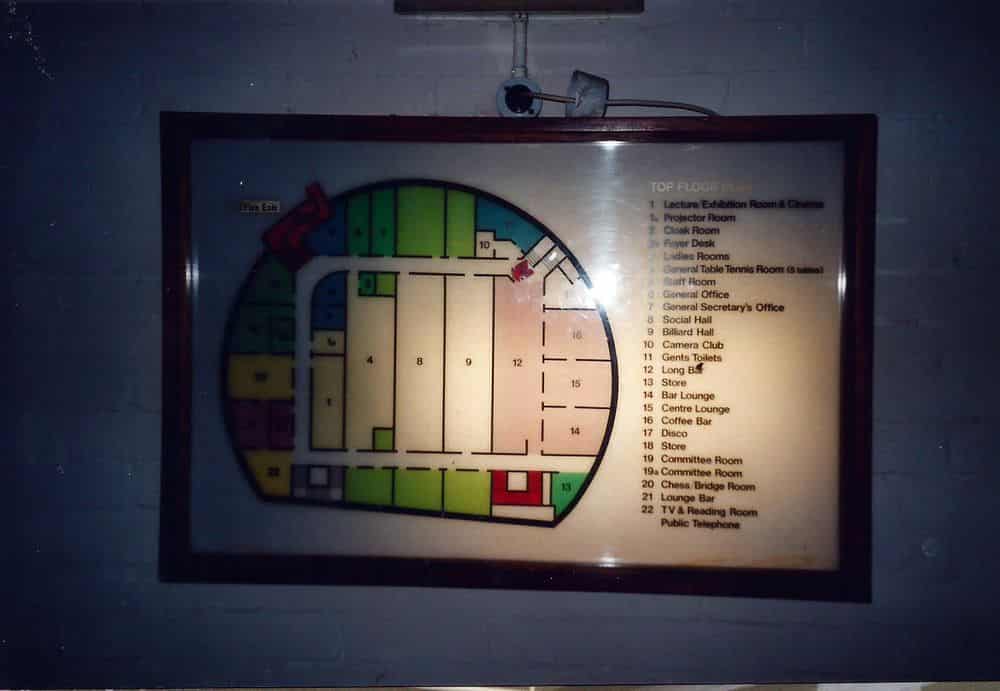
In the 1970’s the site was used for various purposes including storage and general office space. The South Rotunda became the Civil Service sports and social club with a wide range of activities including, cricket nets, a boxing ring, snooker, karate, judo, theatre/cinema, table tennis, rifle range, disco and numerous bars; remaining in use until the 1990’s. This also showed the general decline and reduced importance of the site.
The Steel Frame Building however retained its operational government and military role until the end housing, in the 1980’s and 1990’s, a Naval Communications Centre with a Naval Operations Room which saw active service both in the Falklands and the Gulf War. A suite of rooms in the South Rotunda was refurbished as a control centre for emergency situations arising in any Government offices in Westminster or in the rotundas themselves. These rooms also remained in use until the 1990’s.
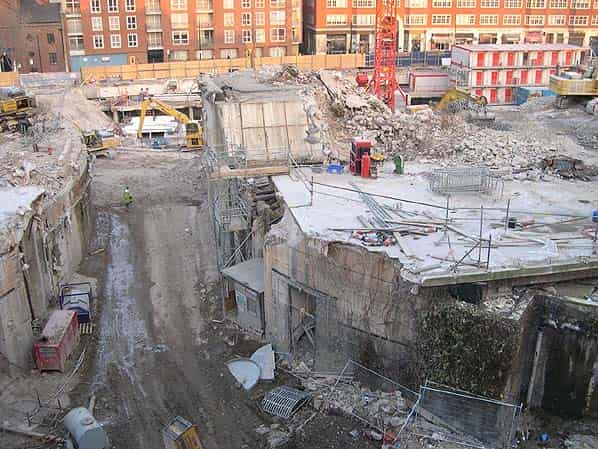
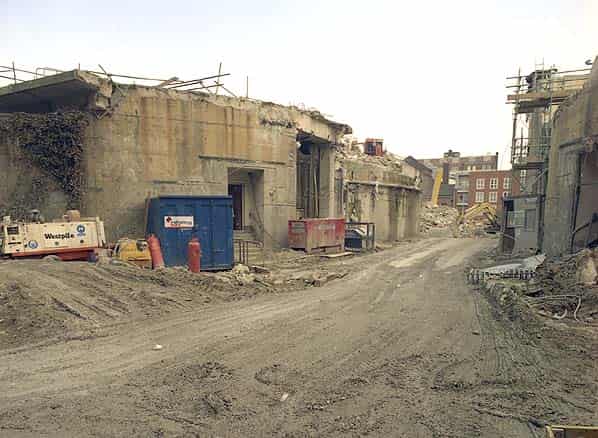
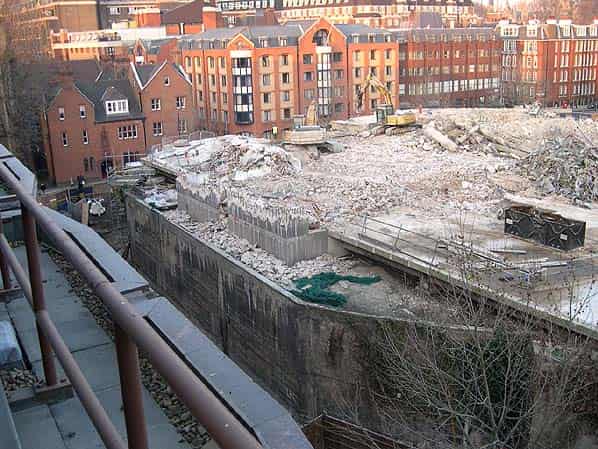
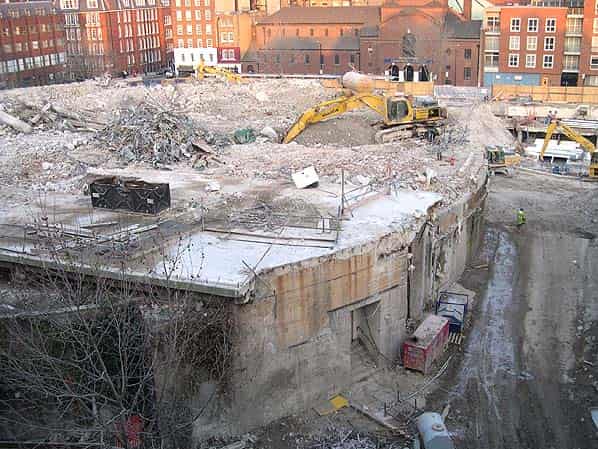
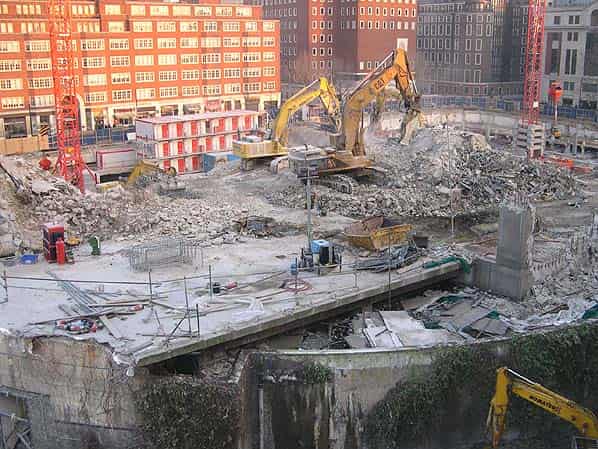
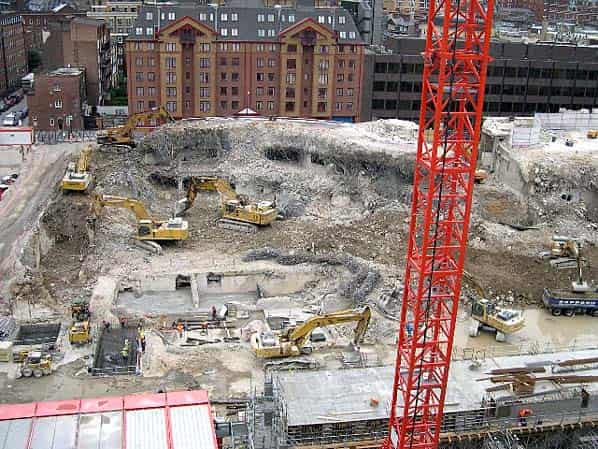
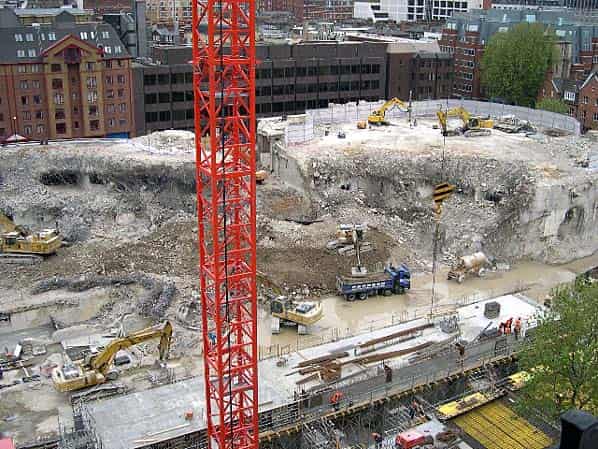
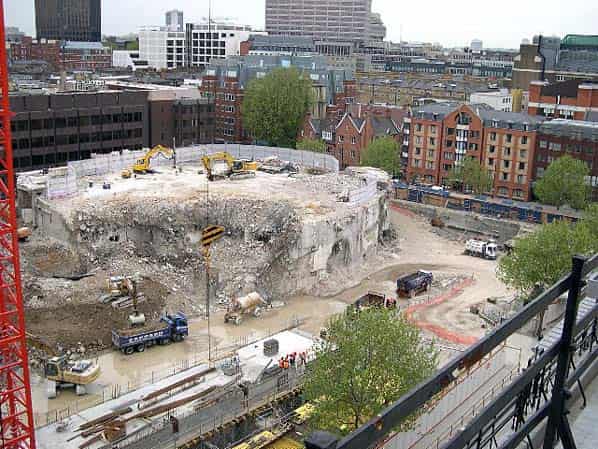
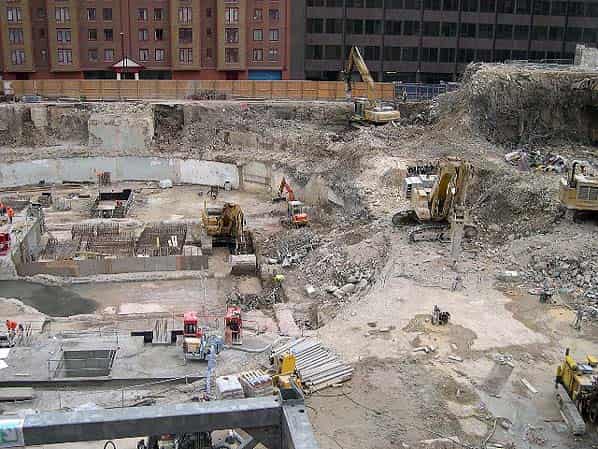
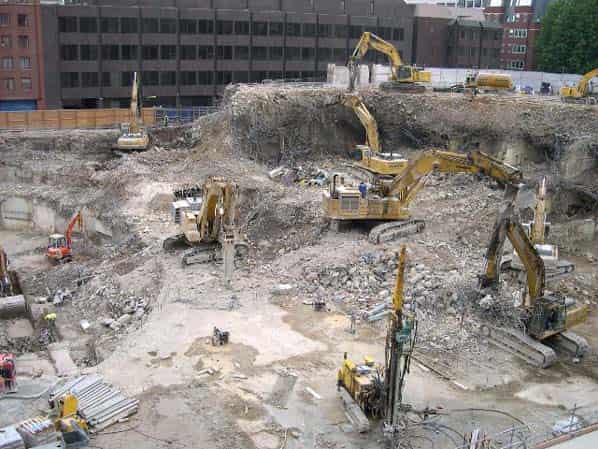
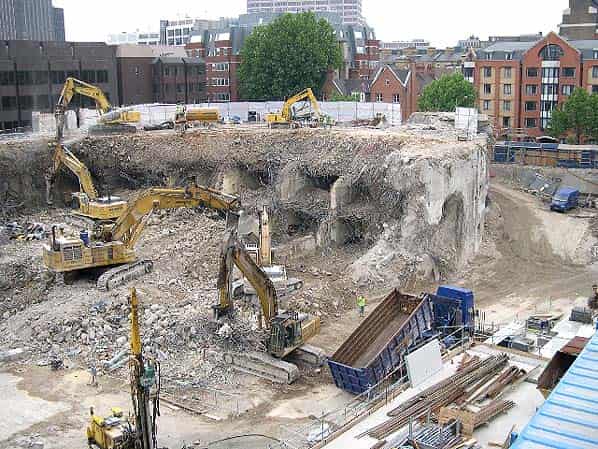
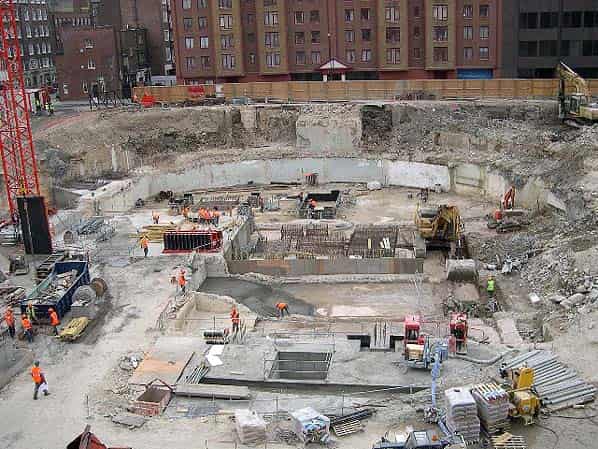
In the post war reconstruction between 1963 and 1971, the grotesque Department of the Environment building was erected over the site with three 200 foot high tower blocks, one resting on each of the citadels, providing 450000 feet of office space for 3600 civil servants. This was the largest single office building project in London prior to Canary Wharf. They were later to provide a temporary home for the Home Office while it’s HQ in Queen Anne’s Gate was renovated. Once the Home Office had vacated, the buildings were declared unfit for future use and an 18 month demolition process began in late 2001. Shortly before this started the North Rotunda was used by BT for the clean up project of their tunnel network including the removal of asbestos.
Just prior to the start of demolition the tower blocks were used as a Christmas shelter for the homeless and there was an ongoing problem with people rough sleeping in the extensive and warren like complex. At one time homeless people barricaded themselves into parts of the building with planned escape routes in order to leave when ousted by the security staff but gain access back in at a later date via unsecured doors etc. One group, after eviction, turned up at the security gate and asked for their property back which they had left behind including a microwave oven and portable TV!
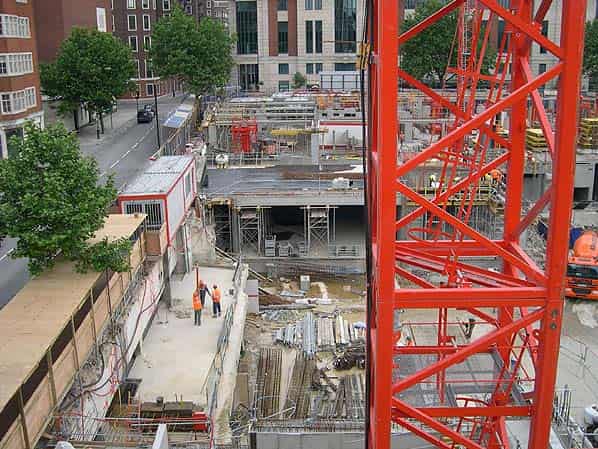
Once the site has been cleared a new six storey headquarters will be built for the Home Office and Prison Service.
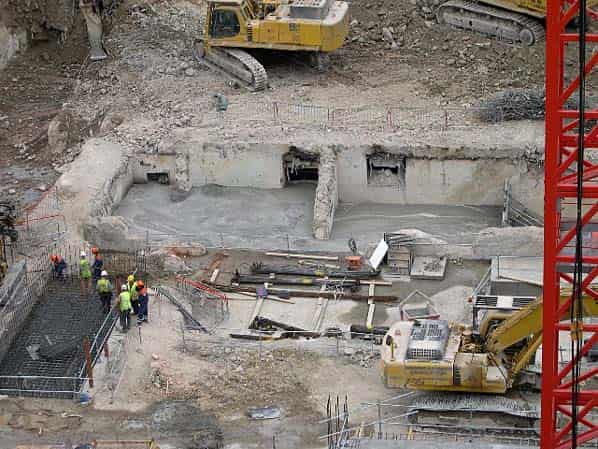
One wall of the steel freamed building is to be retained as a retaining wall as are the lower floors of the two rodundas which will be filled with concrete to provide a base for the new building. Some sections of the upper floor outer walls will also be retained as retaining walls.
By March 2003 the three towers and the steel frame building had gone although the rotunda’s themselves were proving more stubborn and still remained largely intact. Eventually explosives had to be used to demliosh them. In the 1960’s when the DOE towers were built there were plans to remove the rotundas then but this proved too costly so the towers were built above them. The plans to demolish and rebuild were put on hold for 6 years while various departments battles to save and reuse the rotundas but in the end it was decided they had to be demolished and soon they too will be gone and the site redeveloped; so passes, unmourned and unnoticed another chapter of history.
SITE VISIT REPORT
Thursday 28th June saw 7 members of SB visit the Rotundas and Government Citadel at Marsham Street in Central London. The trip was fully sanctioned by the Home Office and we were accompanied throughout by 2 members of Home Office staff.
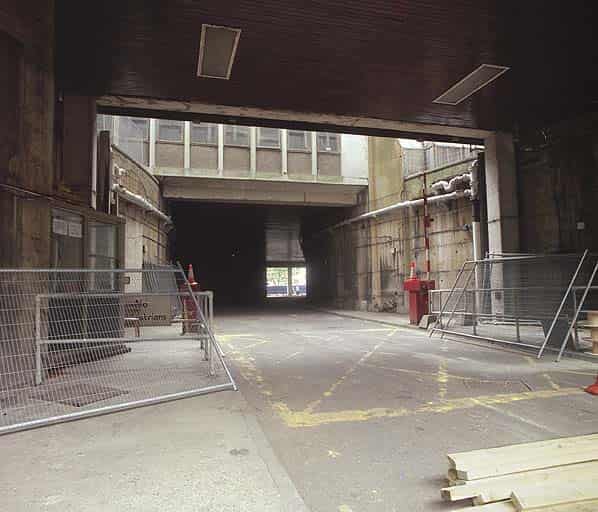
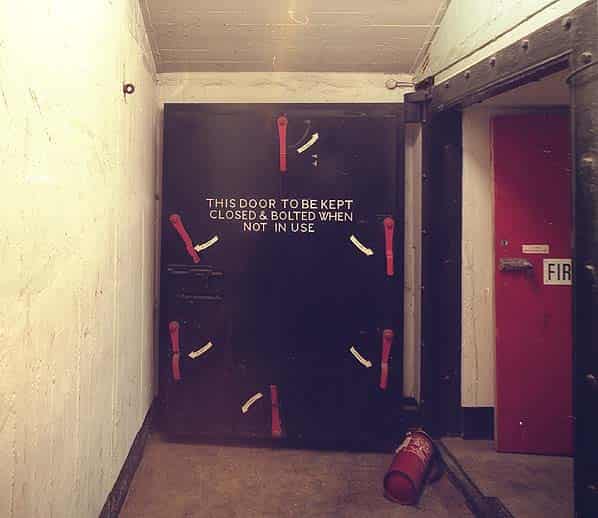
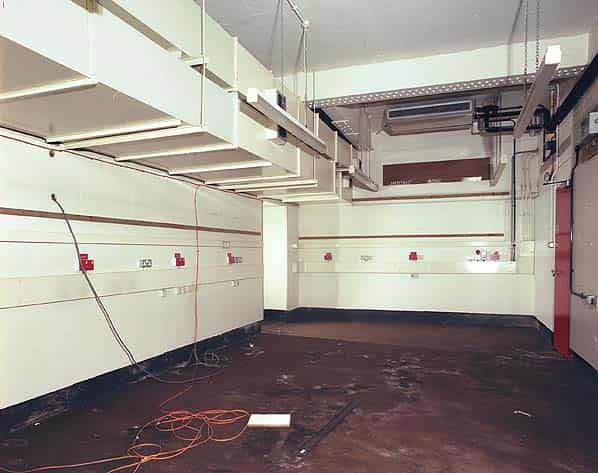
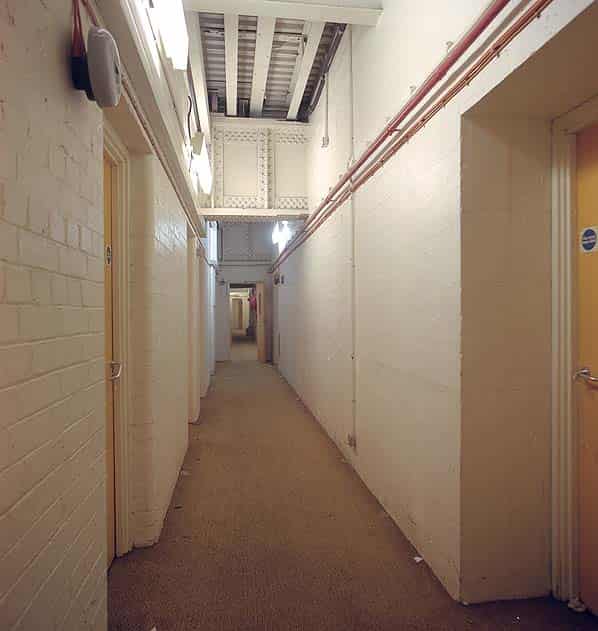
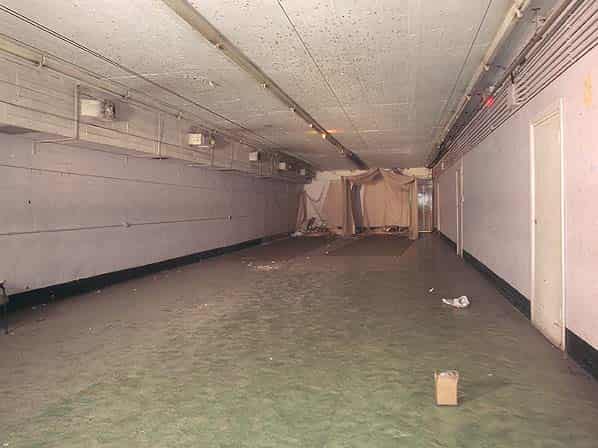
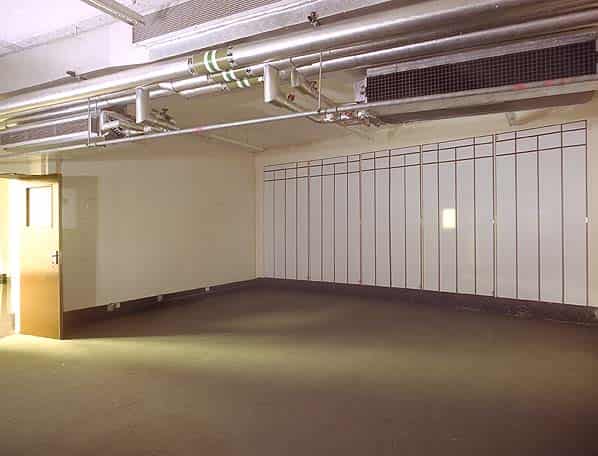
We started at the Steel Frame Building which we reached by descending into the car park below the main building and walking through the plant areas to a small corridor. Passing through a safe type security door we then passed through an old fashioned blast door and into the Citadel. This was abandoned in 1996 and was still in reasonable condition. Built on 2 floors it consists of a rectangular shaped block with a central spine corridor. Almost identical on both floors in terms of layout this was our taste of things to come. Coming through the dog leg just inside the door the first room on the left is the former Naval Communication Centre and it still has its sign on the door. This room, like every other, is totally stripped although the power sockets have been left on the wall. There were 2 totally separate power circuits and those finished in red plug tops were marked ‘UPS Power - smoothed’.
Walking along the corridor it was easy to see the substantial steel reinforcement work above our heads which was structural to the building but also gave added protection to the Citadel. The Citadel itself was last used during the Gulf War.
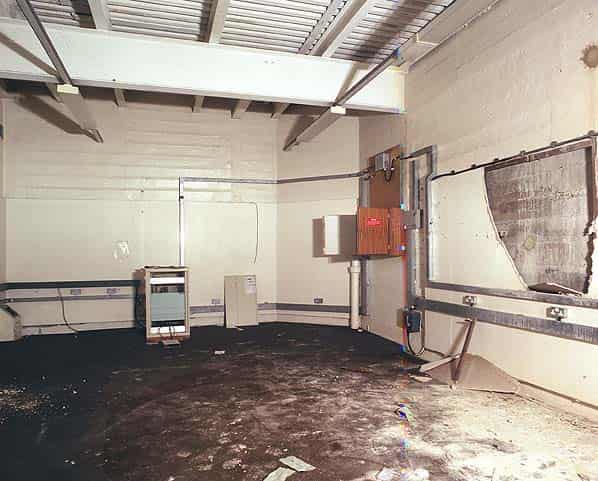
All the rooms along this corridor were empty and we entered almost every one. Some had name plaques on the door. There were male and female toilets on the right hand side mid way along.
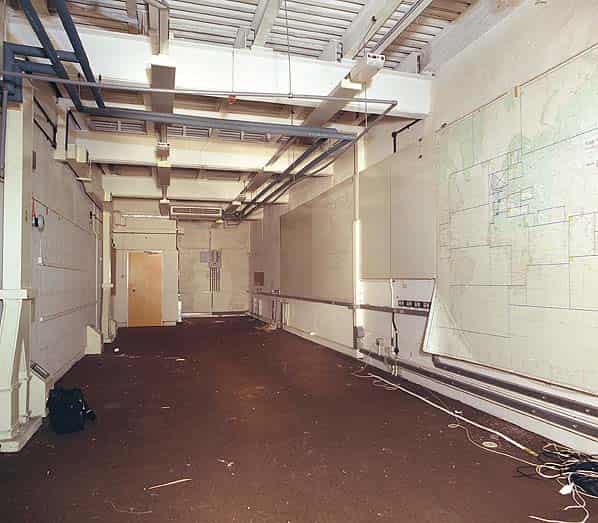
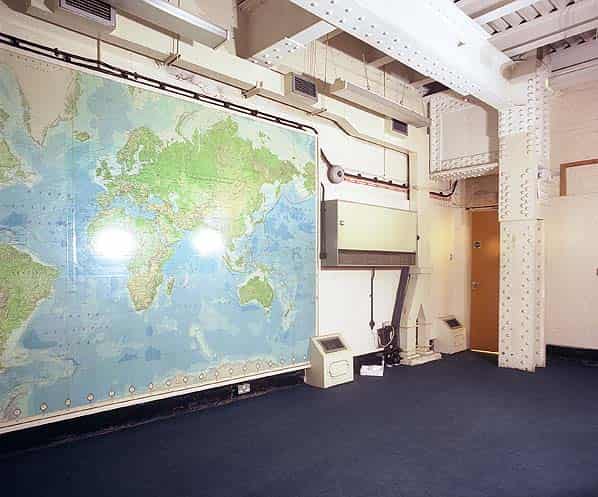
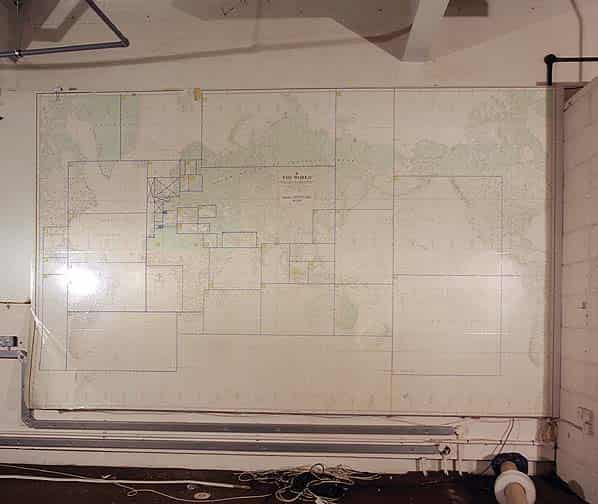
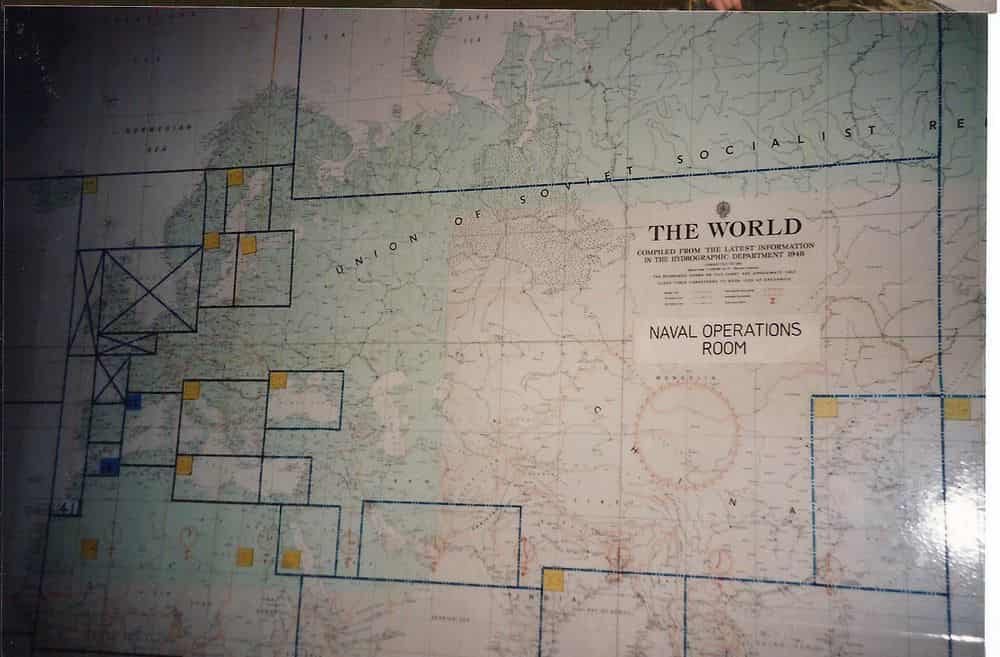
Reaching the end of the corridor we turned right and the next room on the right contained a large wall map of the world in excellent condition. It was not possible to remove this map as it was bonded to its mount (believe me we tried).
We re-traced our steps and descended to the lower level which is much the same as the upper floor in terms of empty rooms etc. A room on this level also contained a large wall map in excellent condition. This was a large scale map of the central European and Balkans area.
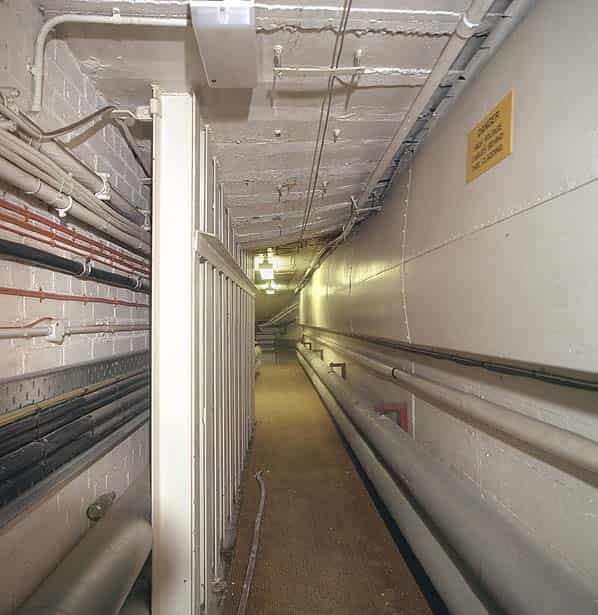
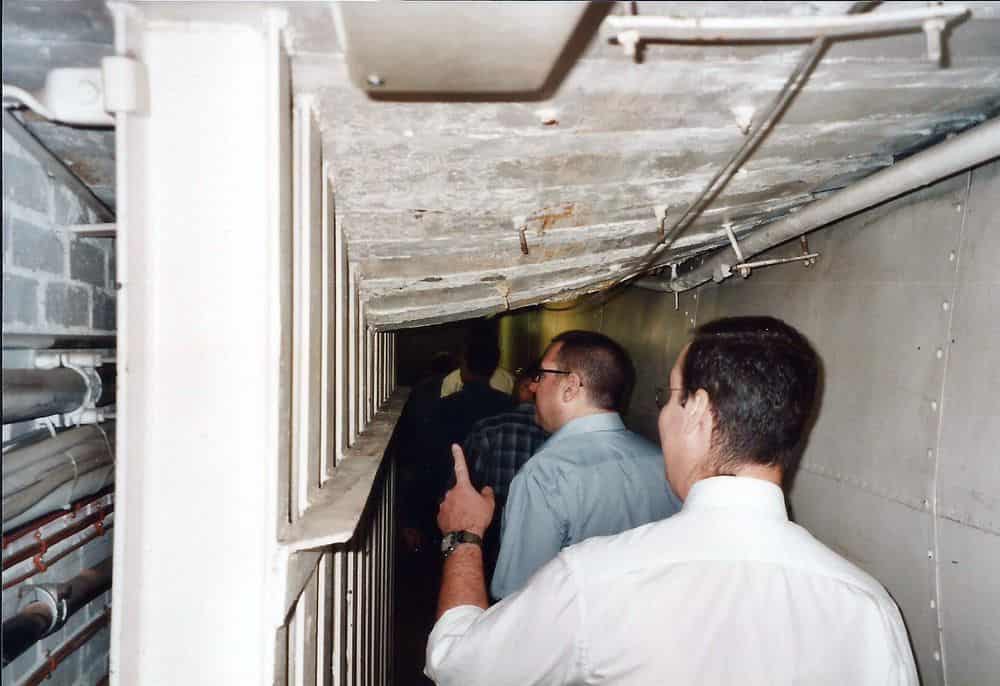
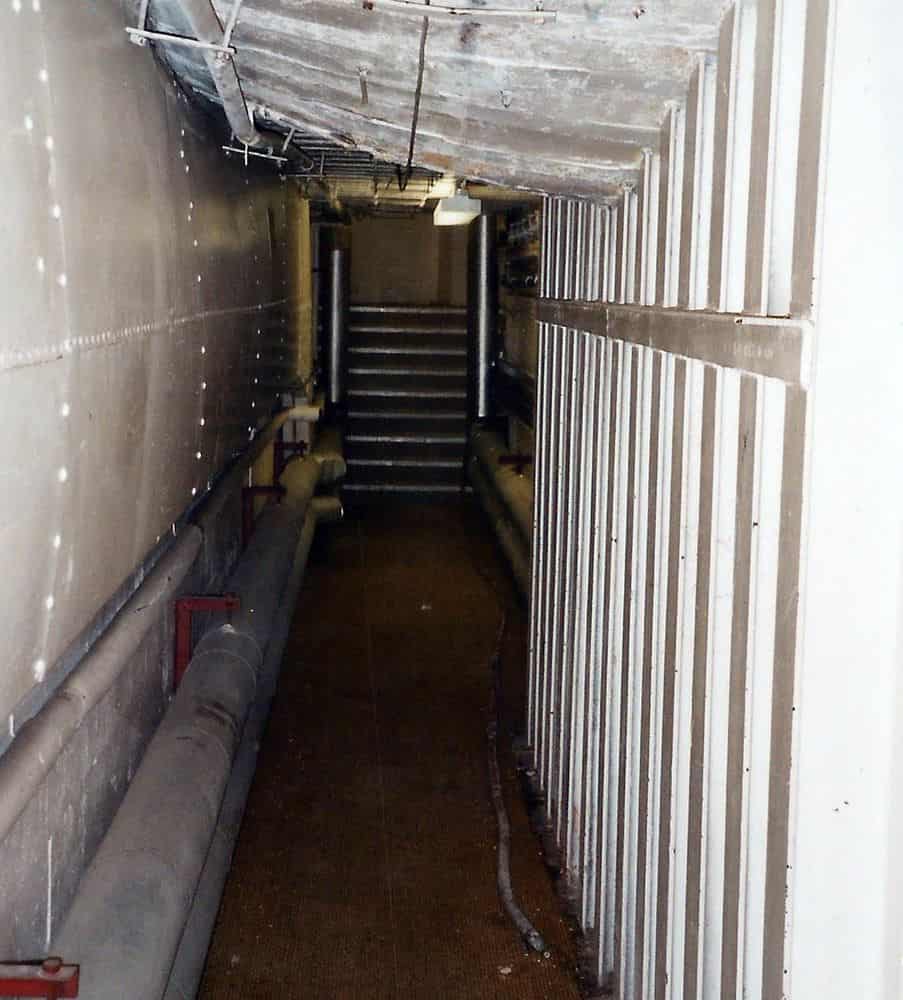
We walked along this corridor to the very end where we descended a few steps into a tunnel. Mid way along this tunnel there was re-enforcing steelwork being used to support the roof where a WW2 V1 rocket had hit during the war and made a large dent in the structure.
This corridor led to one of the Rotundas but we re-traced our steps and exited back to the car park and across the surface to the South Rotunda.
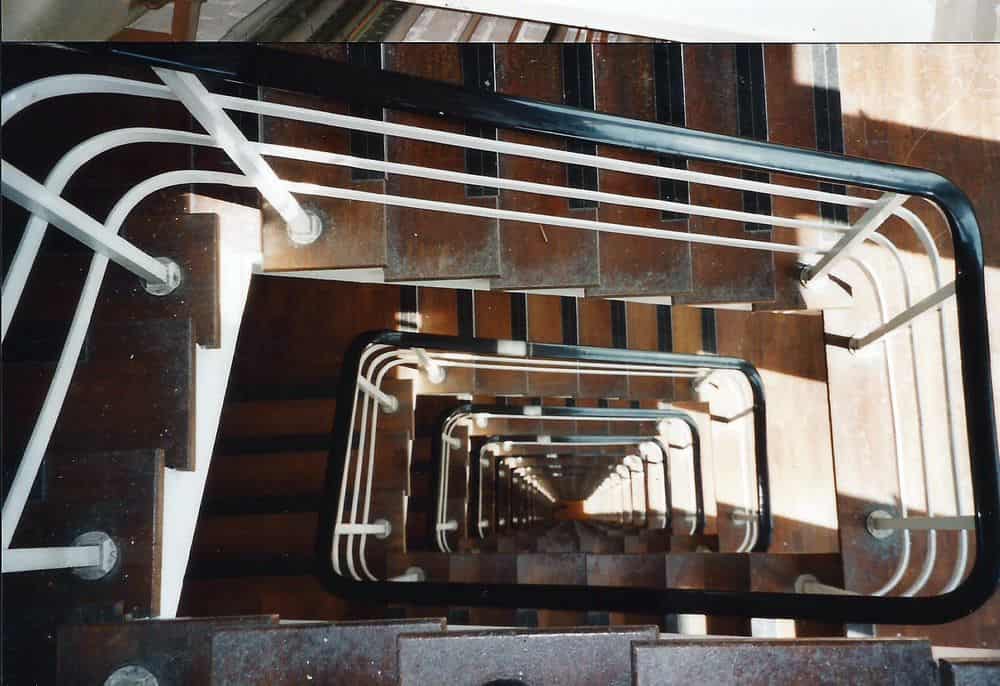
Entering via a flight of steps we passed though a security door and into the Rotunda itself. Both Rotundas have 3 levels and are almost identical in layout although recent uses have been quite different.
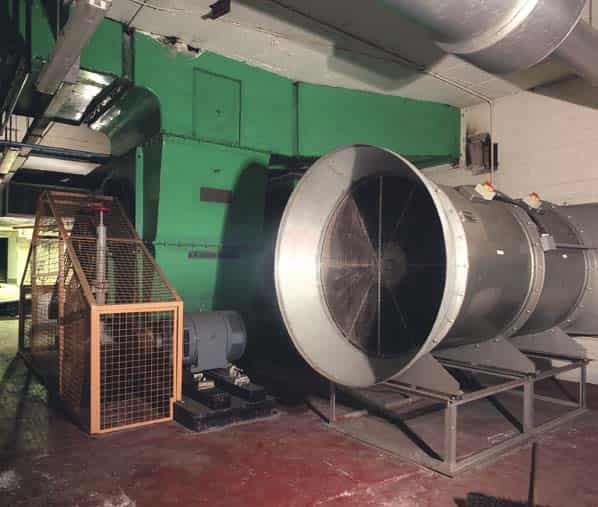
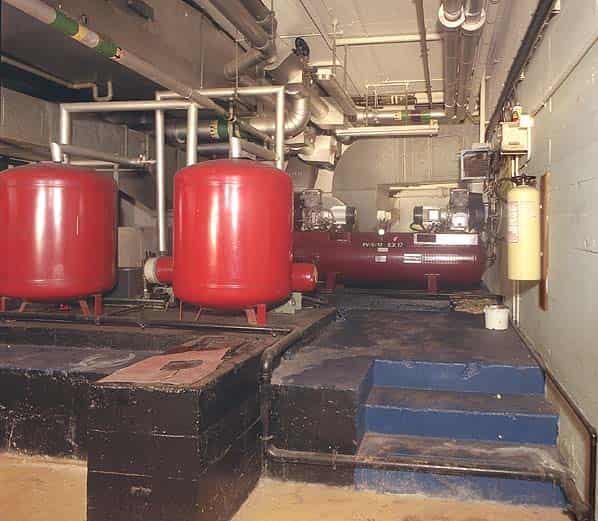
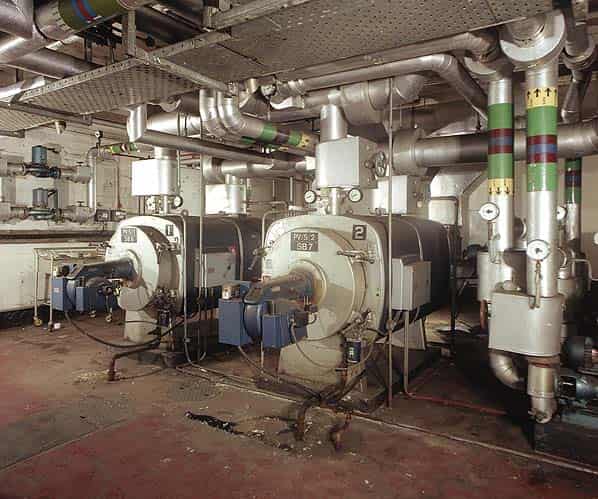
We descended to the lower level and entered the totally intact and working plant room. This room was on care and maintenance until a few moths ago and there was a full time engineering staff of 3 who managed the equipment and kept the heat on during the use of the site as a homeless shelter. The plant room comprised of generators, boilers and air compressors and was also the home of the sewage ejector room.
Working our way around this area we also saw ‘The Crescent’ which is an area adjacent to the diesel tanks that illustrates the curvature of the Rotundas structure.
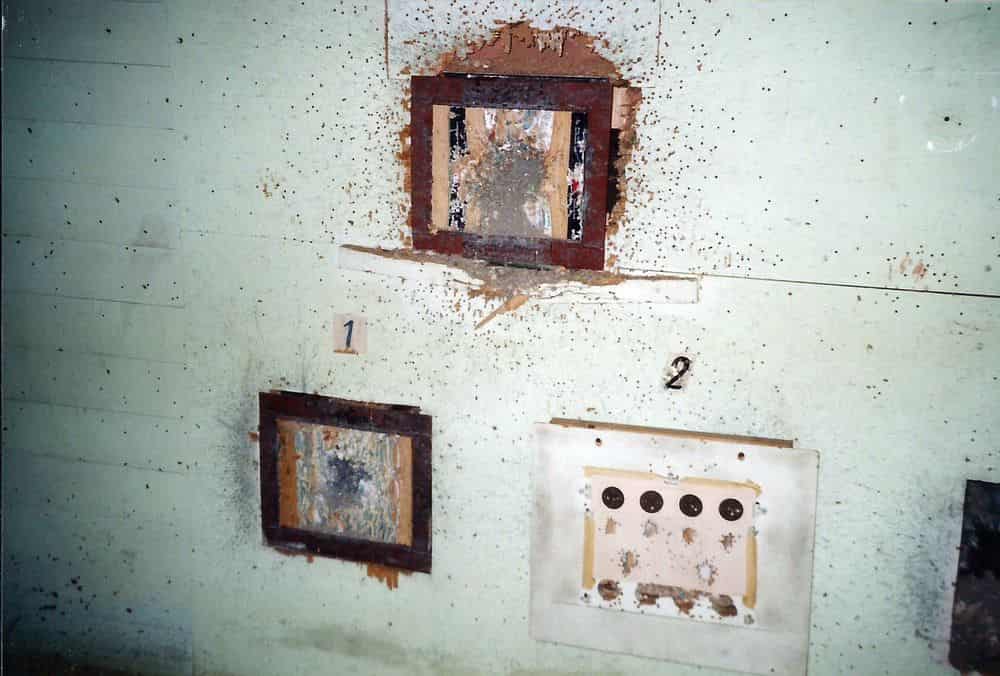
Working our way upstairs the remainder of the building has been used as the Civil Service sports and social club. Just about every sport from Boxing to Snooker seems to have been played here at some time. The rifle range is still intact (with targets) and there is even a snooker table left behind amidst the mess. Further along the corridor is a boxing gym and Karate Dojo and the Boxers' training room still has that certain smell about it and the walls are plastered with promoters sheets for boxing matches with the like of Frank Bruno amongst others together with newspaper cuttings of boxing stories.
The top level hosted a cinema-cum-theatre with a prop room nearby. Much of the site is strewn with rubbish and there is extensive evidence of vandalism and graffiti in this area. There are a number of kitchen areas throughout the building.
There are several bars and in one of these there was evidence of someone sleeping rough as they had left behind their blanket and beer cans. It is unknown if that person was in the building at the time of our visit but our hosts commented how the security staff were reluctant to tour the building on their own.
We completed the tour and made our way back to street level. The North Rotunda is currently having asbestos removed from it prior to demolition so we were not allowed to tour but our guide did permit us to visit a small area of the lower floor where the site offices are located.
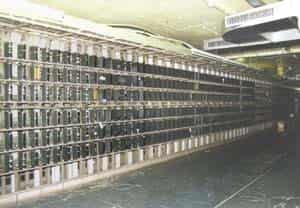
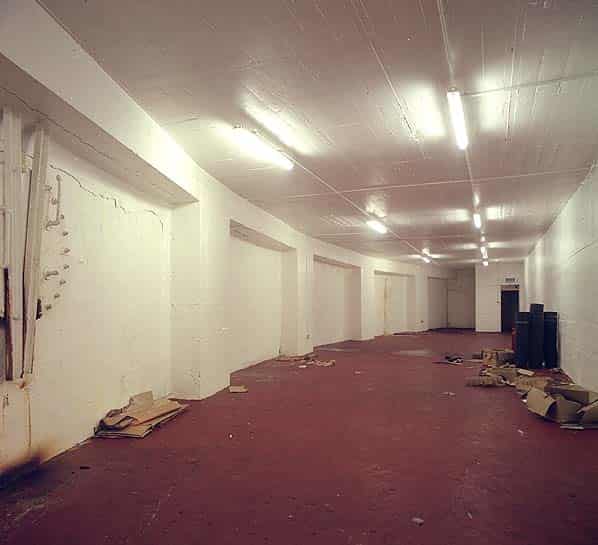
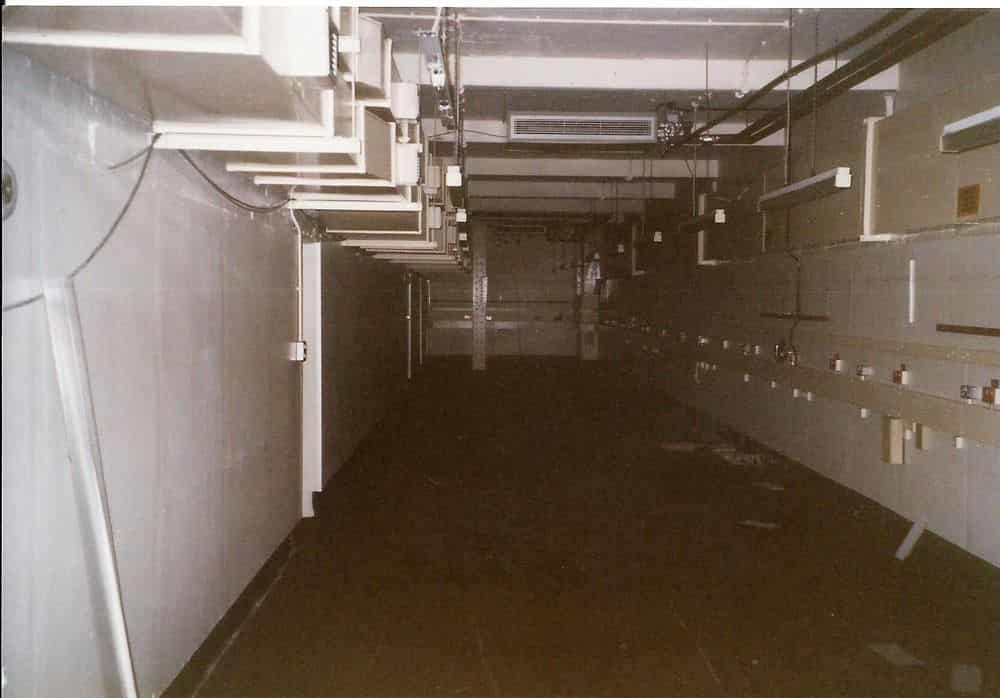
Our guide led us along the corridor to a locked door. He opened it and we entered. We were standing in the last remaining BT telephone switch and distribution room for the Government Telecom Network on this site. (GTN) The room is huge - about 10M wide by 30M long and contained a huge number of disconnected BT circuits and the main distribution frame (MDF). Each of the rack sets had a red notice on it announcing that the circuits were disconnected and that if anyone wanted to connect something to them they needed to contact the BT engineers. One block of lines was still connected. These were for the security staff and the emergency phones in the lifts in the tower blocks. The area we walked through to reach this room had also housed telecom gear but this had been stripped out by BT and the final room was due to go just prior to demolition.
We then visited the room which housed the defunct SX2000 telephone switch which had only been used for 6 months prior to being scrapped. This has now been donated to English Heritage and will be installed at the refurbished ROC Group Control at Acomb in York.
Sources:
- Steve Fox
- Richard Lamont