Thirteen Mobilisation Centres were built between 1889 and 1903 as part of the London Defence Scheme. These were not planned as forts although some of them would have been armed on mobilisation. Their main function was as a store for guns, small arms ammunition, tools and other equipment required for the batteries and infantry allocated for the defence of the neighbourhood in the event of a foreign invasion. The casemates could also be used as barrack accommodation.
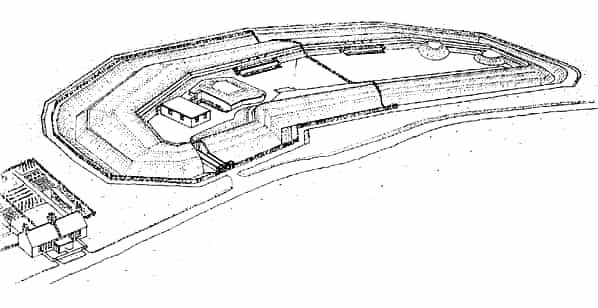
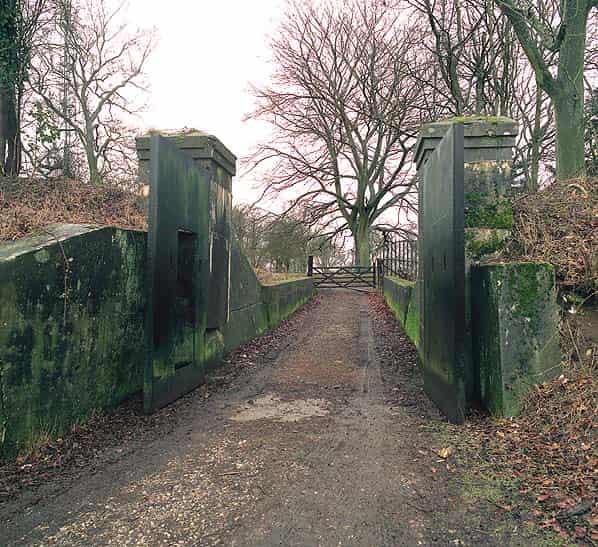
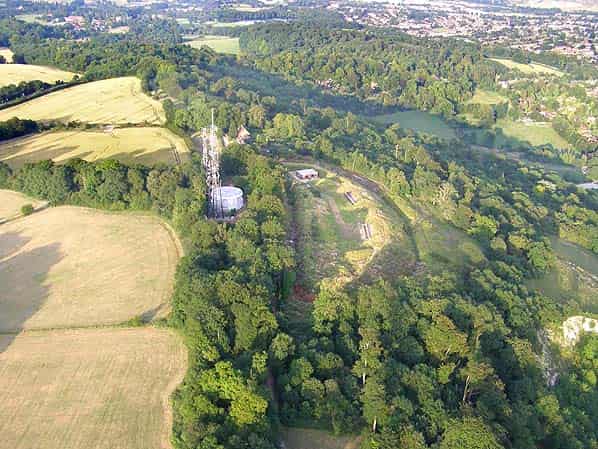
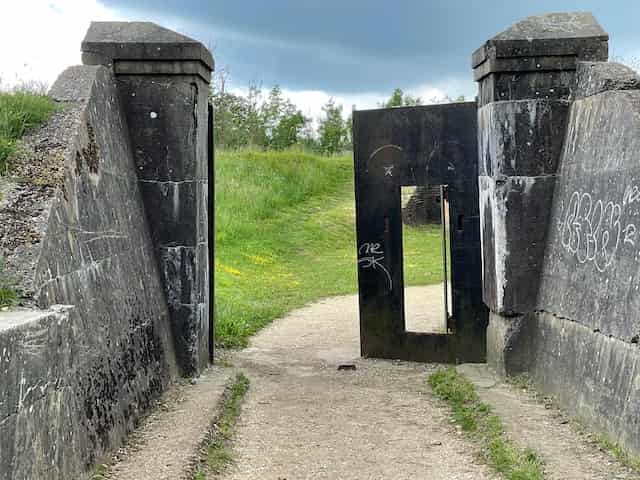
In plan, Reigate was an elongated earthwork surrounded by a deep ‘V’ section ditch and set on the forward slope of the north downs with a clear view to the south. The entrance to the site was at the rear near the eastern end where a causeway crossed the ditch. There were two sets of gates to secure the entrance. The outer ones were after the style of the unclimbable fence with a short section of fence in the same style each side of the gates preventing anyone climbing around them. The inner gates were half inch steel plate on an angle iron frame with shuttered loopholes in each. One gate had a wicket gate set into it. On a shallow scrape on the glacis, originally to have been filled with barbed. wire, there was a palisade fence, 5 feet 6 inches high that surrounded the eastern half of the site. This fence ran across the parade midway between the two casemate blocks leaving the western end unprotected.
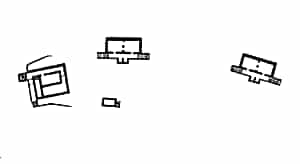
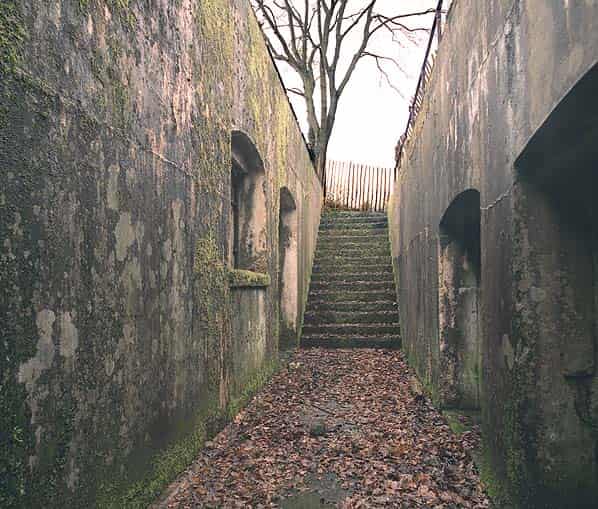
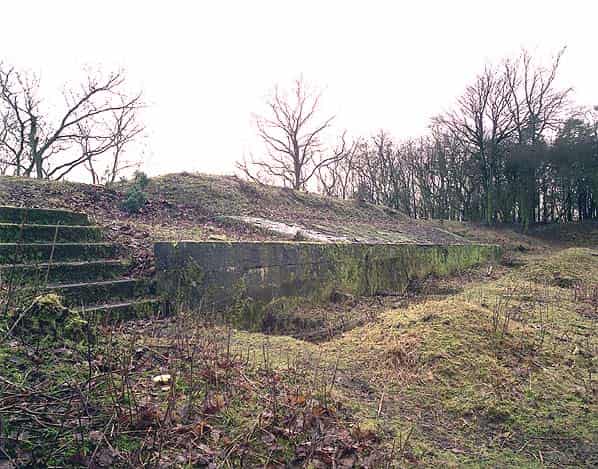
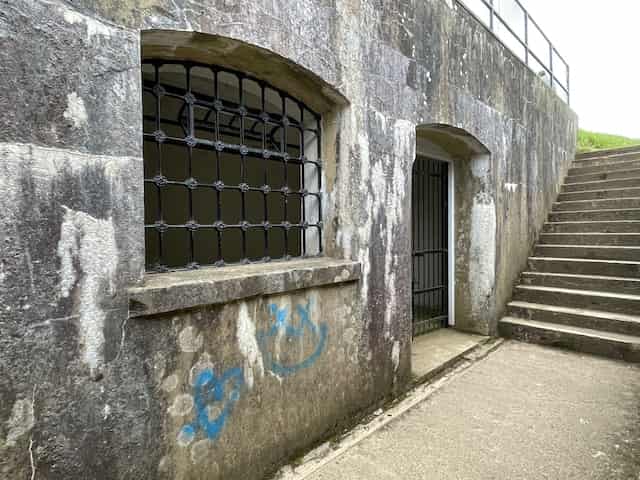
Two concrete casemates were set into the rampart, from where flights of steps gave access to the fire-step allowing rapid manning of the rampart following a bombardment. Each casemate had the relative luxury of its own water tanks fed from the main via a supply brought in over the causeway. The casemates would have been used to store tools prior to mobilisation after which they would have been available as troop shelters. An early plan shows four of these casemates, the outer two being deleted from the later plans.
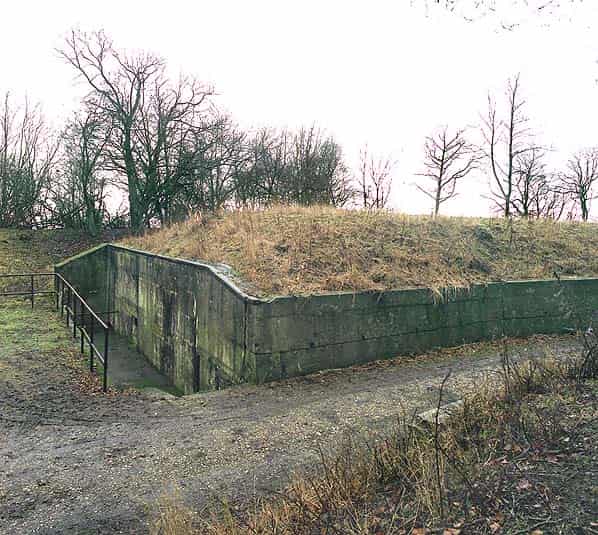
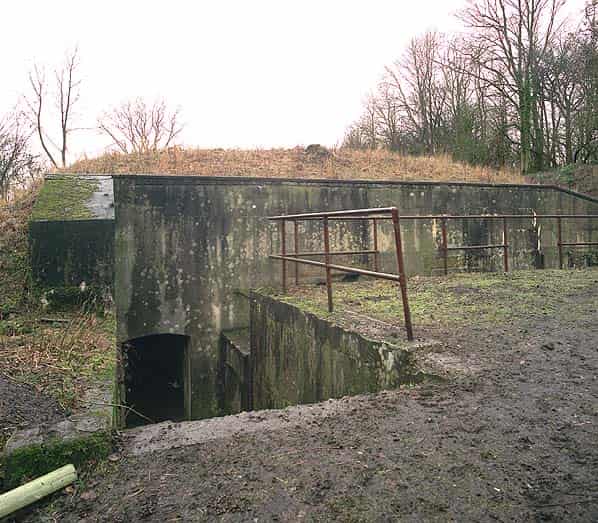
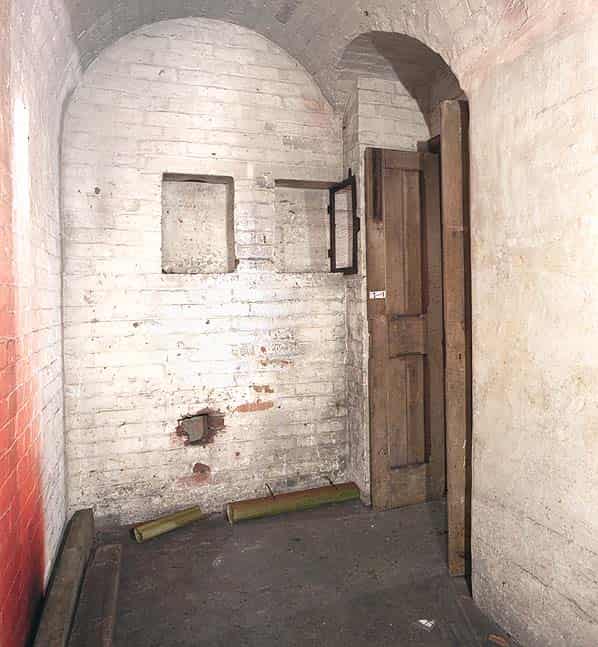
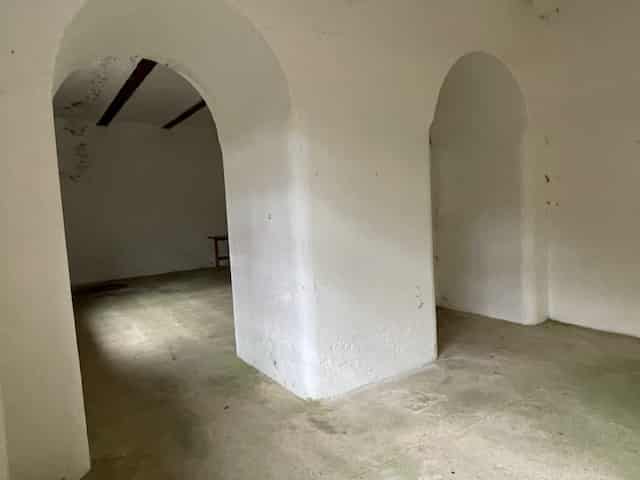
Just inside the entrance was a grassy mound under which was the magazine, set just below ground level. At the bottom of the steps down to the entrance was a small recess, the fuse and tube store, outside the magazine proper. Inside were two large, brick vaulted chambers overlaid with concrete and the whole being mounded with earth. One chamber was for shells and one for cartridges, the latter accessed via a shifting lobby.
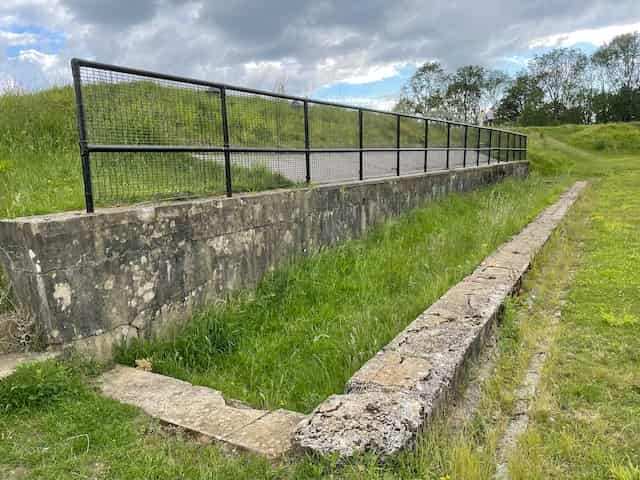
Each chamber had an issue hatch allowing stores to be passed out to the magazine passage from where further hatches allowed them to be passed to a sunken way outside. The railing along this sunken way has openings in it opposite the issue hatches through which the boxes were then passed to waiting wagons. In the wall of the entrance passage were two recesses fitted with shelves that were used to store the magazine lamps in, in place of a formal lamp room.
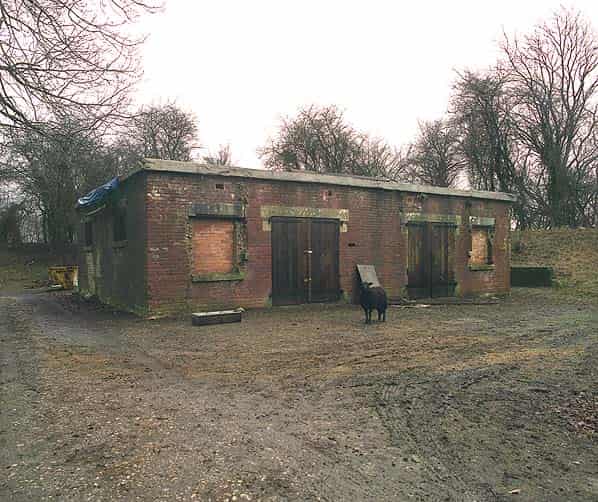
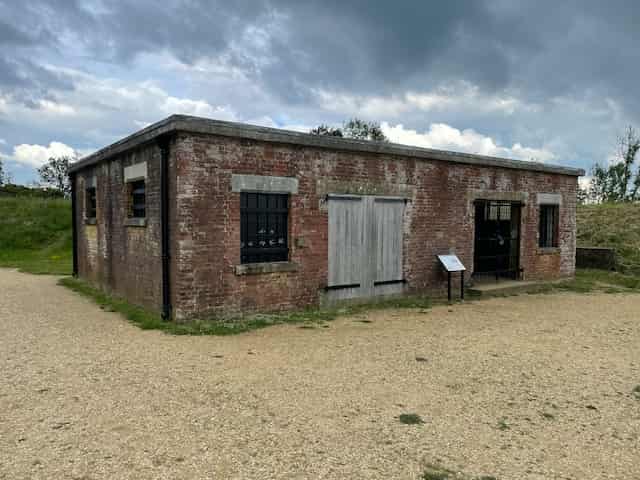
Between the magazine and the site entrance was a large brick building. This was the tool store, unusually built within the centre and having a flat concrete roof rather than the normal slated pitch roof. The windows are much smaller than usual, set high up just under roof level. This building was probably added about 1903/04 to free the casemates for additional ammunition storage.
At some stage an earth mound was formed just beyond the western casemate block, extending from the front parapet half way across the parade. This may have been intended as a traverse blocking enfilading fire from the west. Beyond this traverse the parade has been built up against the west end forming a platform at fire step level. While it is mere speculation, this may have been a modification for artillery of some sort to be used.
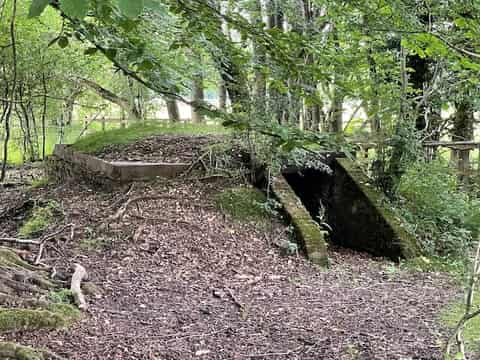
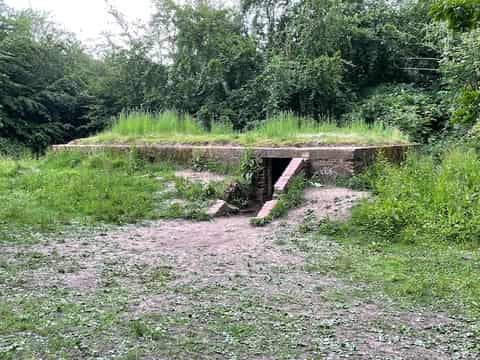
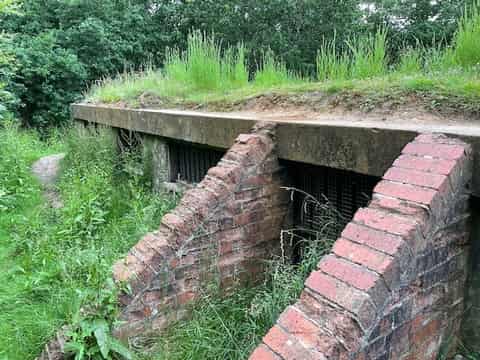
Just by the magazine, a flight of steps of more recent origin leads up and over the rampart. Outside on the rampart there is evidence of some ground disturbance and foundations which may relate to usage in the last war by Canadian troops who were billeted in the area in some numbers. This may also explain the two structures, one each side of the footpath immediately to the west of Reigate. These may be of military origin, and one of them appears to be an observation post.
Outside the entrance, along the track to the centre, were the standard pair of caretakers cottages. The probable date of construction was about 1900 and cost £11,359. Following the abandoning of the London Defence Scheme the centre was sold off in 1907. The site now belongs to the National Trust and has been used by scouts for a camp site. It is currently occupied by sheep who graze the slopes, keeping the grass down.
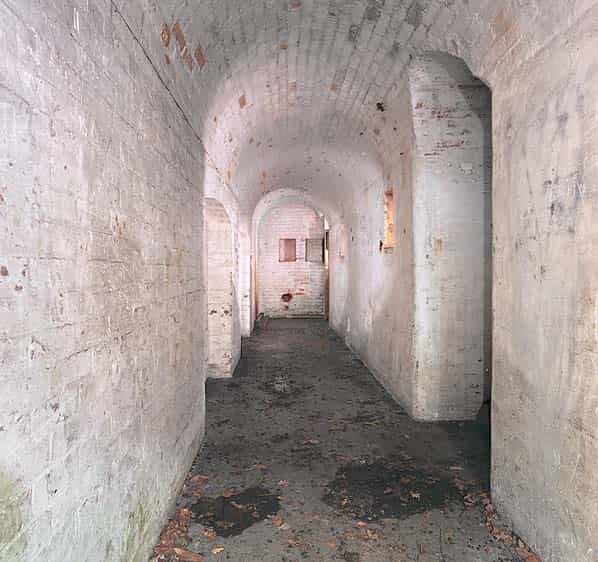
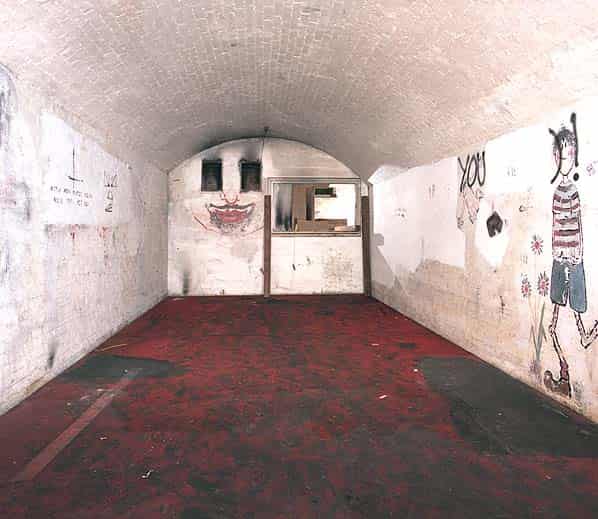
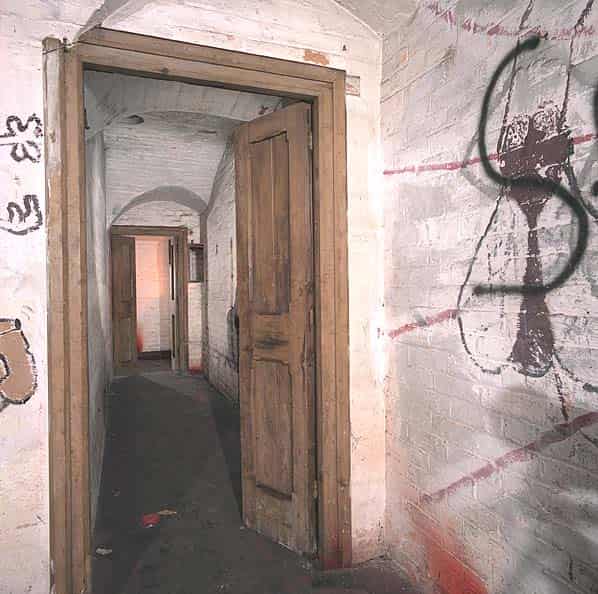
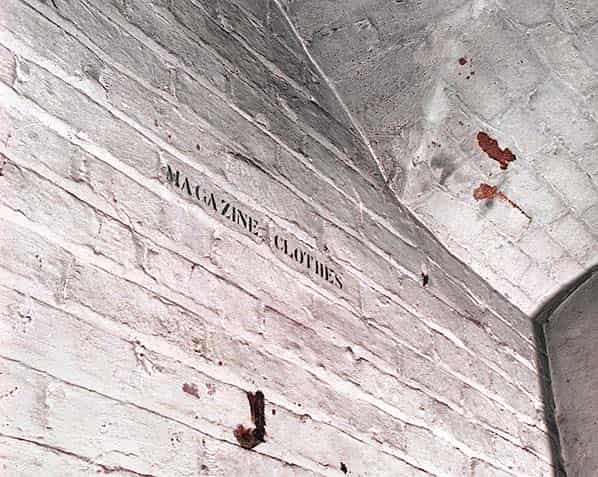
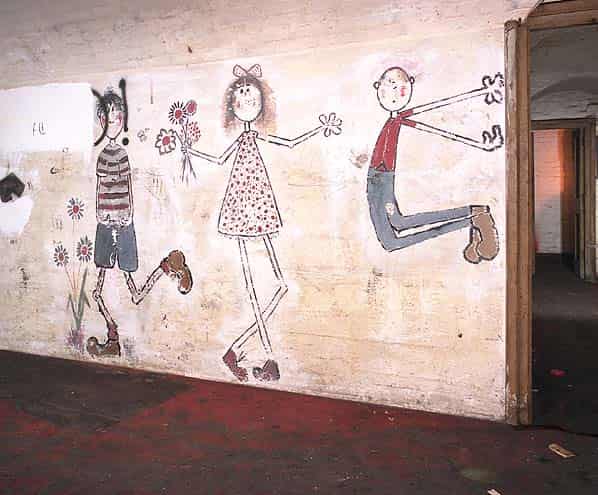
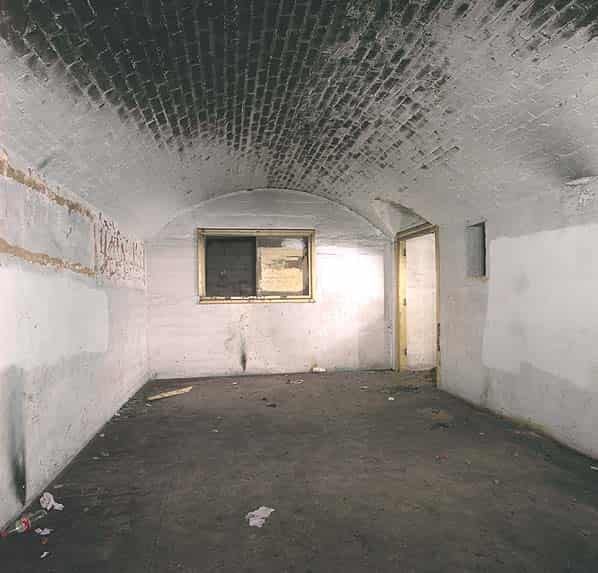
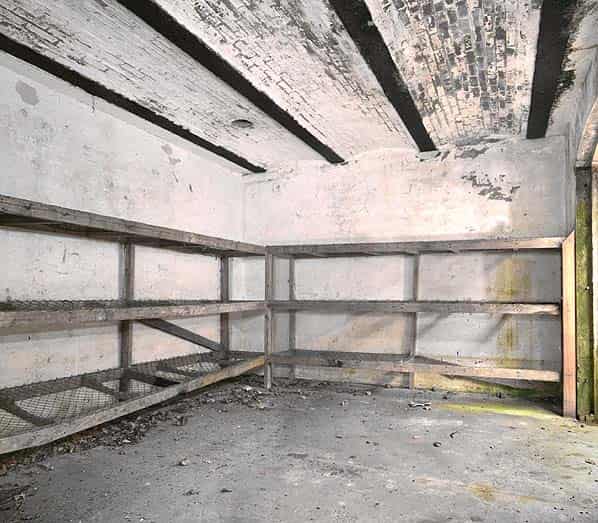
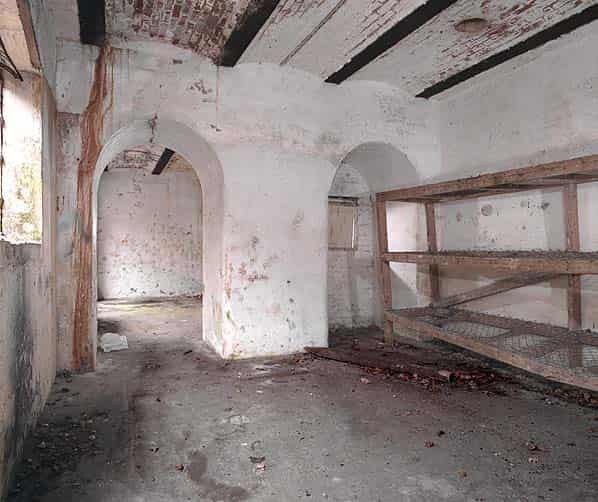
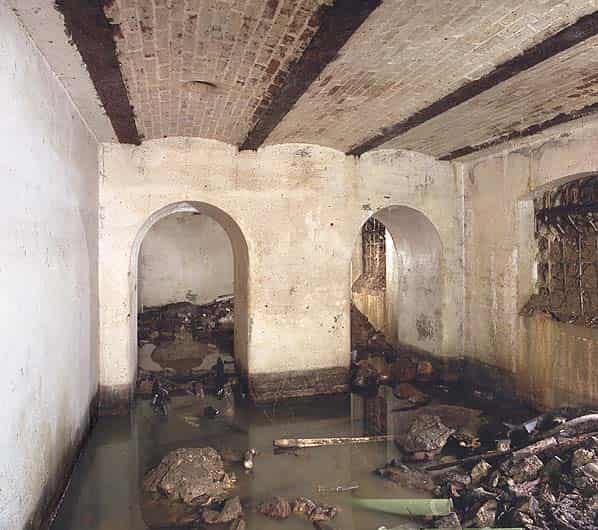
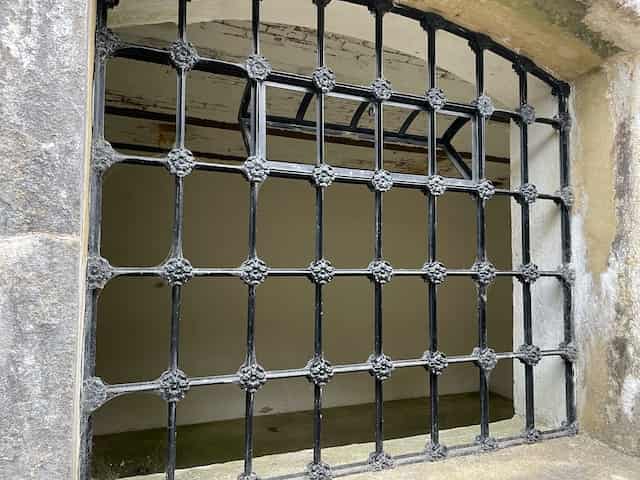
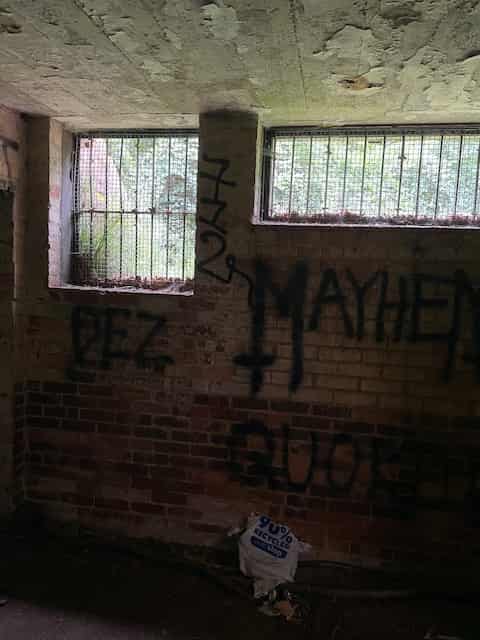
The entrance to one casemate has been filled with soil and the other fenced off but can be entered. It contains wooden bunk beds but these are not original having been built by the scouts who occupied the site. The eastern casement can be entered with difficulty by squeezing through a gap in the earth fill. It is wet and strewn with rubble. It still contains its original Crittal steel window frames, an early application of Crittall windows, widely used throughout the mobilisation centres. The magazine is deliberately left open as a sheep shelter and to stop it being broken into. Several original signs can still be read and the internal wooden doors are in good condition. On the walls of the cartridge store there is a considerable amount of graffiti which is believed to originate from the Canadian troops. The tool store, by contrast, is securely locked. The National Trust have done some restoration to the site including clearing the ditch of trees and bushes and interpretative displays and allow open access to the public. Outside of the centre the cottages can still be seen, now converted to chalet bungalows, providing pleasant country homes each side of which a few more houses have been built.
Sources:
- The London Mobilisation Centres by Alec Beanse and Roger Gill published by the Palmerston Forts Society ISBN 0 9523634 5 3