In order to provide communication between the controllers in the R3 bunker at RAF Wartling and the intercepting aircraft, two VHF/UHF multi-channel radio transmitter and receiver blocks were built at remote sites. The transmitter and receiver blocks for the WW2 GCI station at Wartling were located close to Herstmonceux Castle but with the resiting of the station closer to Wartling village, these sites were considered too close; the reason for the remote siting was to stop interference and swamping of the radio signals by the radar arrays. New sites, half a mile apart were therefore selected at Hooe, 1.5 miles east of the technical site. Transmitter and receiver blocks come in two sizes, designated ‘small’ and ‘large’; those at Wartling, which are both still extant are ‘large’. Each block would have had a 90' wooden aerial tower alongside. Both towers at Wartling have now been removed, in fact only one original wooden tower is know to still exist at any ROTOR station. The transmitter block at the Crosslaw CHEL Rotor station still has its wooden tower although this was due to be demolished some years ago.
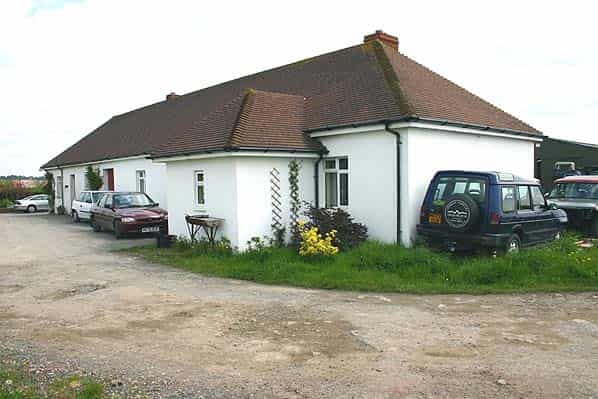
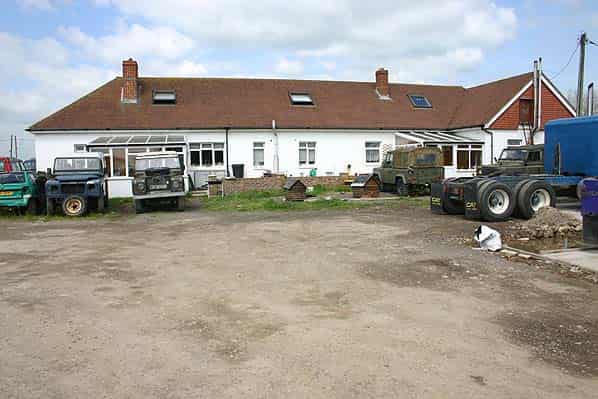
Each site consisted of two buildings, the operations building and a standby set house. The transmitter building is on the east side of of the B2095, set back a short distance from the road.. As built, the transmitter building comprised the transmitter hall, mechanical and electrical room, store, workshop, staff room and toilet. The building has now been converted into a bungalow with the addition of a porch at the front and is barely recognisable as the transmitter block. The adjacent standby set house has been demolished.
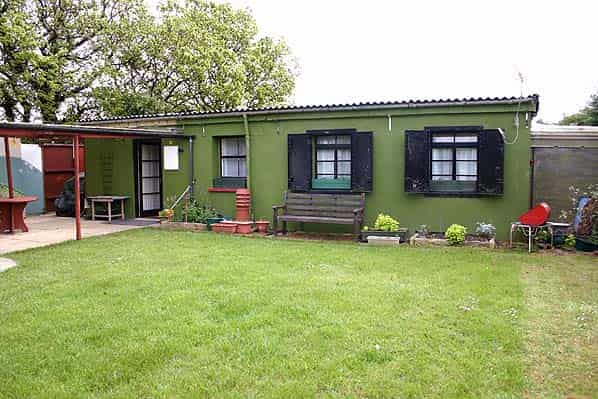
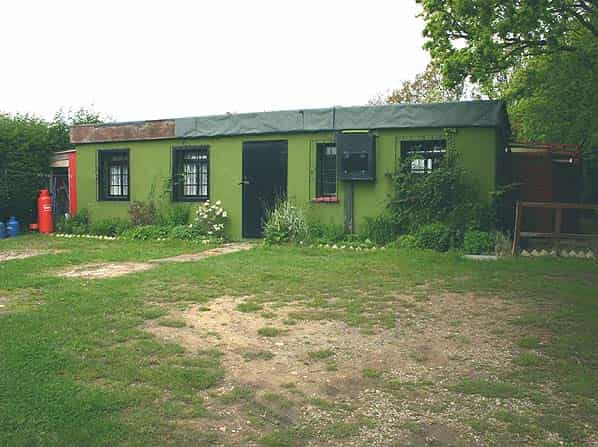
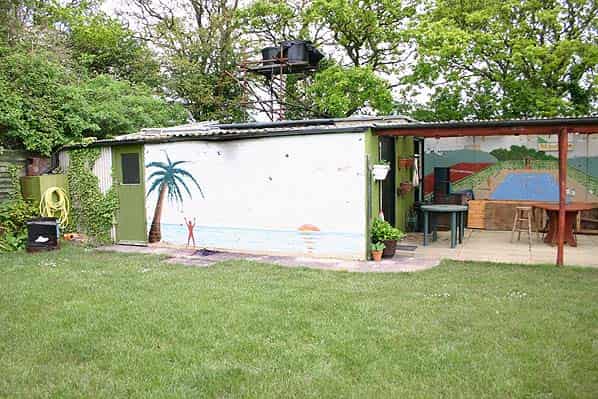
The smaller receiver building comprised a receiver room, mechanical and electrical room, store, workshop, staff room and toilet. Externally there have been few alterations to the building which still retains its original metal window shutters. The building is now used as a naturists' club house; it is 200 yards west of the B2095 along a public footpath which surprisingly runs through the garden. The standby set house alongside is also still extant.