With the coming of the Atomic bomb there was a serious rethink in the organisation of air defence in the early 1950’s. As part of this reorganisation many of the existing radar stations were to be provided with new protected underground operations rooms as part of the ROTOR plan. Some of these were to be built on the same site as existing stations while others would be resited and in some cases renamed.
The GCI station at Wartling was to be replaced with a new underground two level R3 operations building alongside the old Happidrome. However, due to the location being barely above sea level, the trail test bores sunk to determine the site of the R3 indicated that the building would be liable to serious flooding if this location was chosen.
It would have been too expensive to overcome this problem so an alternative site was found on higher ground with the Type 7 radar scanner remaining at the old site as this was more suited for its performance.
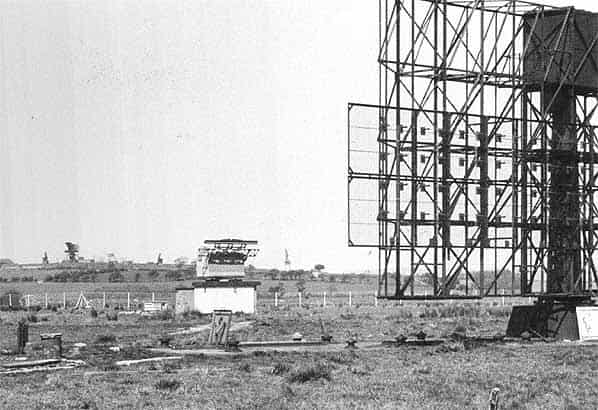
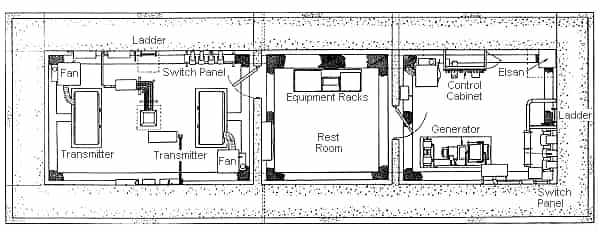
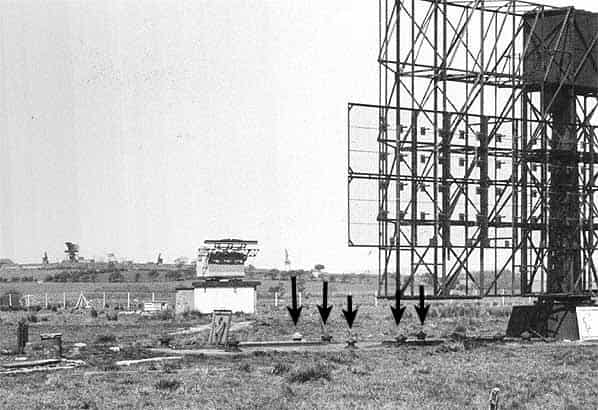
The transmitter, receiver and motor for turning the aerial array were located underground in a bunker designated as an R7 and known as a ‘well’. During the ROTOR period two different types of R7 bunker were utilised. Where the Type 7 radar was located close to the R3 operations block it was housed in an R7 Mk II bunker which consisted of a single room. If the R7 was at a dispersed location a larger R7 Mk III was built which consisted of three rooms. Because of the distance from the main site, an R7 Mk III required its own IFF and an Mk 10 IFF was mounted on a Type 14 plinth, turntable and cabin this combination was known as a Type 79. This was located a short distance to the north of the R7 bunker with a small brick built electricity sub station alongside. The R7 was divided into three major rooms with the DC power room at one end, a rest room in the middle and the transmitter room at the opposite end; this would have housed two T3705 transmitters.
The R7 Mk III was sited a few yards from the WW2 Type 7 radar which was located in an R7 Mk 1 bunker. The radar and the adjacent happidrome remained operational until the new technical block came on line on 28th March 1955.
With the introduction of the Type 80 radar during 1956/1957 the Type 7 became redundant as the Type 80 had a range of 320 miles compared to only 90 miles for the Type 7; it was retained as a back up to the Type 80. In January 1958 a new Type 7 radar was fitted following a fire in the old one.
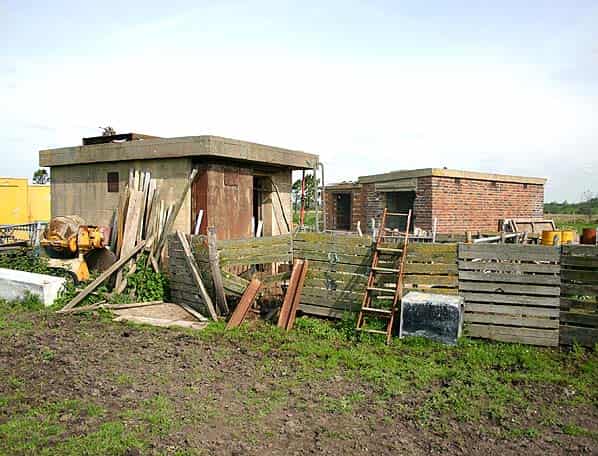
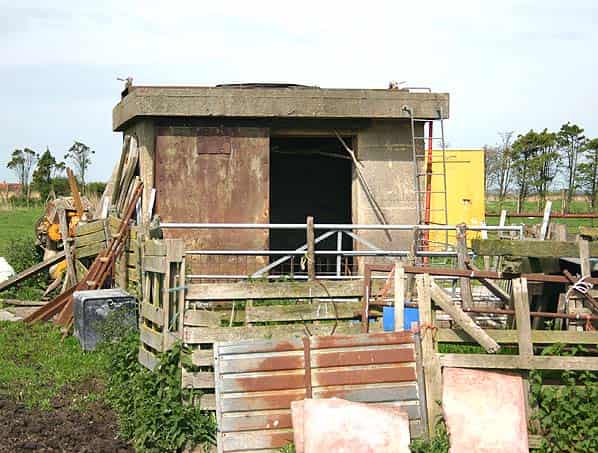
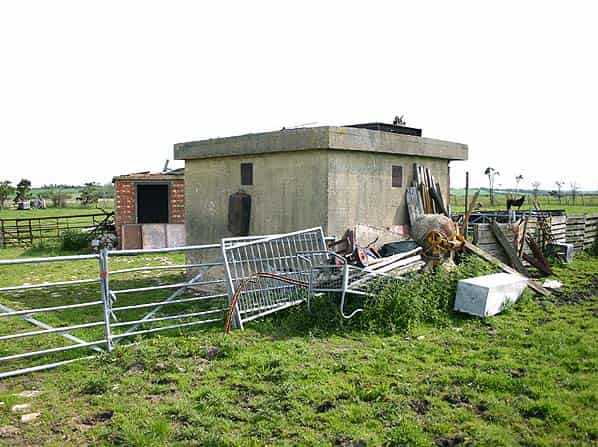
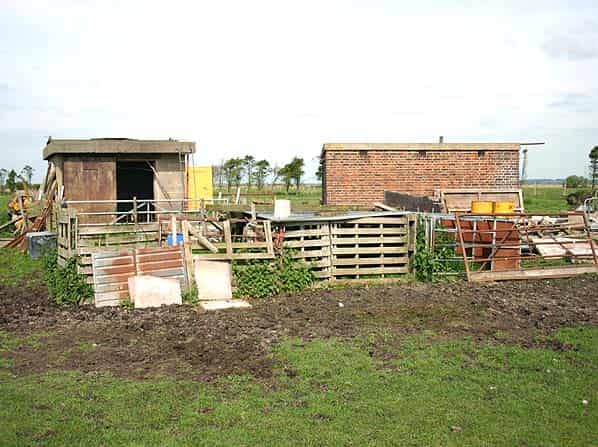
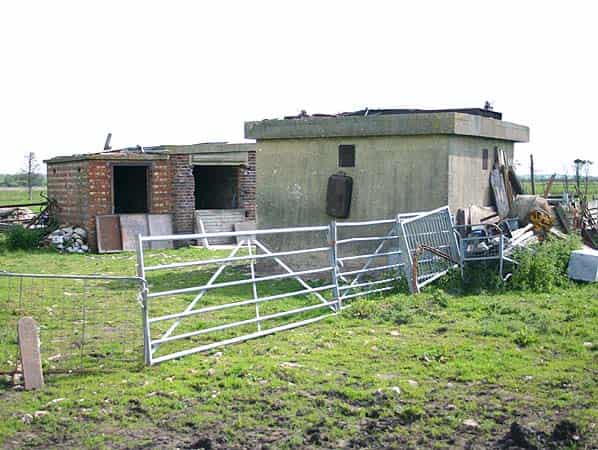
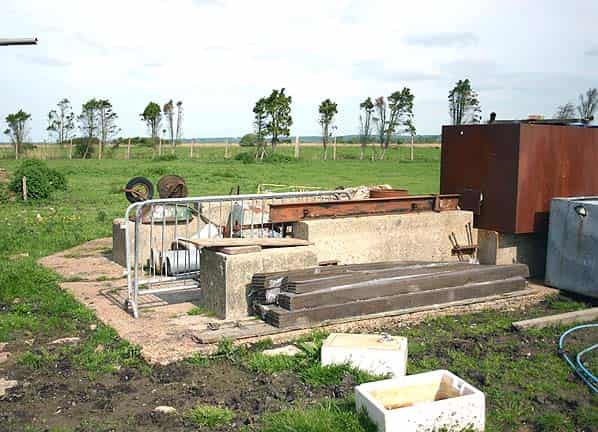
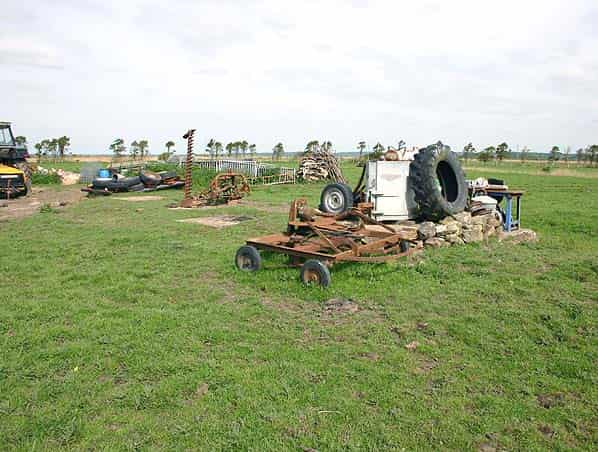
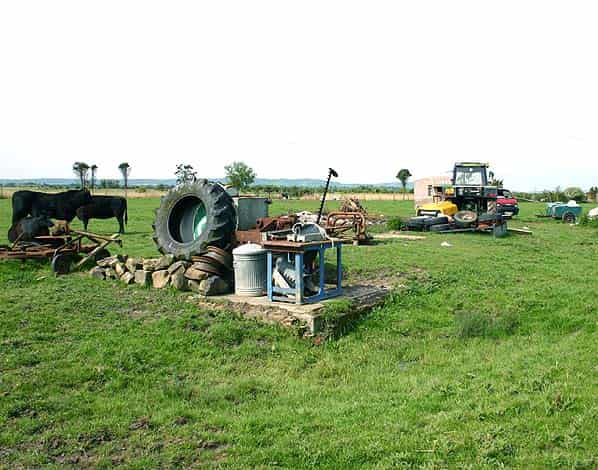
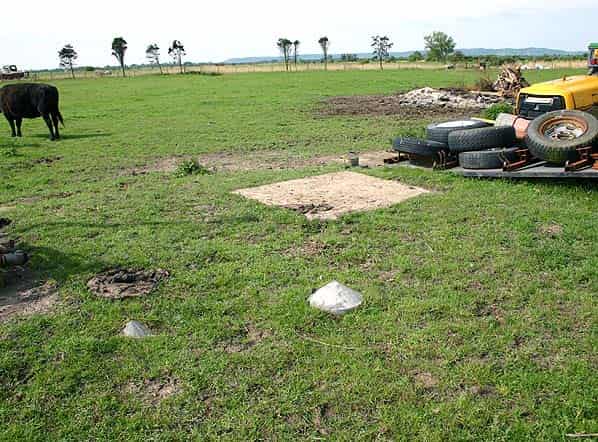
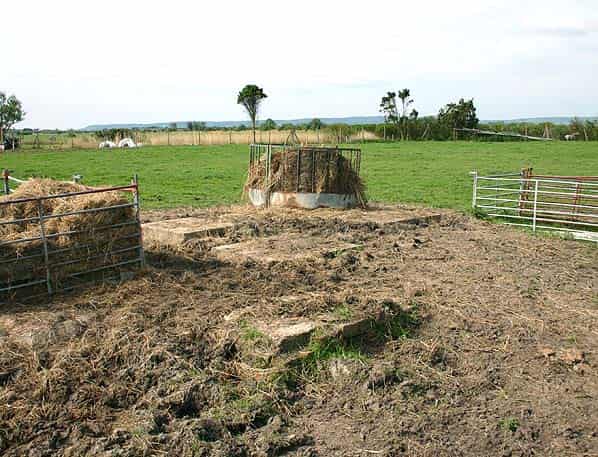
Few R7 Mk III bunkers are accessible today and that at Wartling has been partially covered over with only one corner of the concrete room still visible together with two of the low ventilators. The Type 79 plinth and sub-station are still standing within a large WW2 compound which follows the natural field boundary. The buildings appear to have been put to some kind of light industrial use with a number of scrap vehicles parked in the field nearby. Within a few yards of the bunker the top of the WW2 R7 Mk I can also be seen.
Although only 300 yards from the minor road running south from Wartling village, a line of trees along the field boundary make the buildings difficult to see from the road.