Before the outbreak of WW 2 it was realised that protected accommodation would be required for certain vital headquarters.
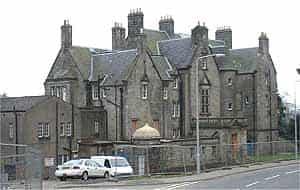
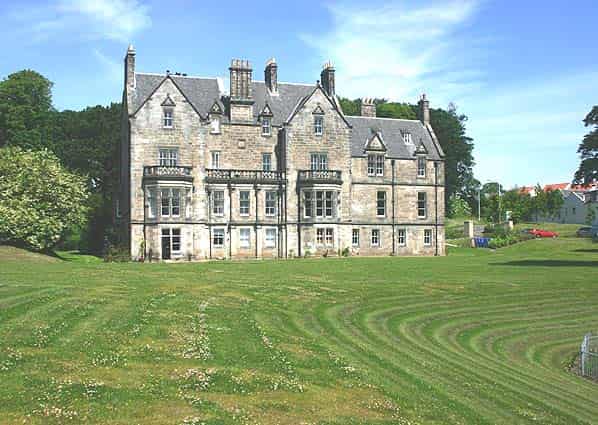
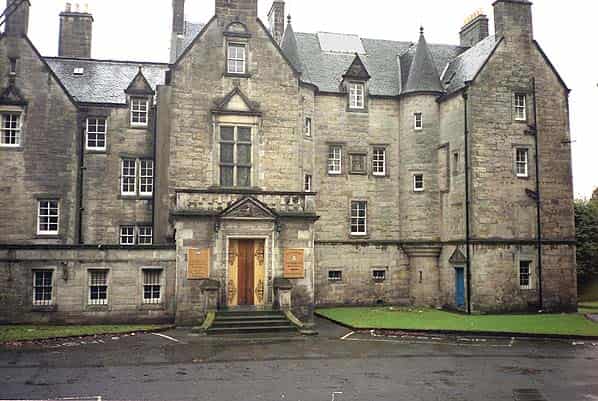
As a result the RAF searched for a site for a Coastal Command Group HQ in the vicinity of Rosyth naval base. A rundown Scottish fortified house, Pitreavie Castle was found and subsequently purchased from the estate of Mr Henry Beverage for the princely sum of £12,306-00d to be the underground HQ for No 18 (Reconnaissance) Group, RAF Coastal Command.
On 14 April 1939 the Admiralty, desiring to move the Flag Officer, Rosyth ashore, approached the Air Ministry with a view to creating a permanent Area Combined HQ in the underground facilities currently being built. This was subsequently agreed with the RAF remaining as the lead service. The ACHQ was completed during 1941.
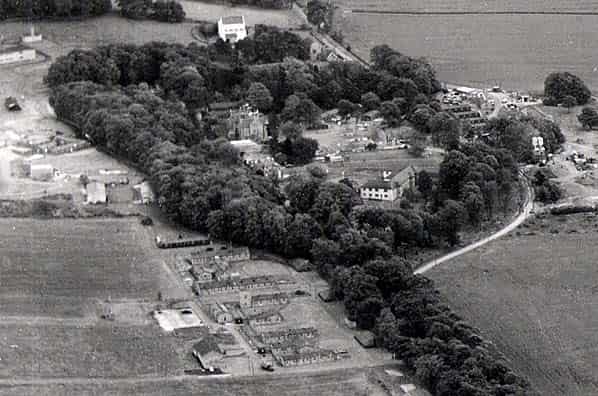
The now extended Castle provided accommodation for the Group HQ and the Air Officer, Commanding and a joint service Officers' Mess. The nearby stable block became a Sergeants' Mess whilst a large hutted camp sprung up for Officers, NCO’s and other ranks/ratings (both male and female) sleeping needs.
The Air Officer, Commanding. (AOC) No 18 (Reconnaissance) Group was responsible for maritime operations from Flamborough Head in Yorkshire, round the north of Scotland, including the Orkney’s and Shetland’s to Gairloch on the west coast inclusive of the Hebrides, whilst the Flag Officer, Rosyth was responsible for naval operations from Wick, in Caithness down to Flamborough Head. The remaining part of 18 Groups area was the responsibility of the Admiral Commanding, Orkney’s and Shetland’s.
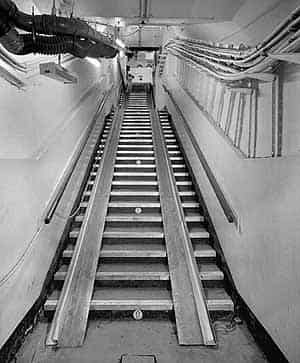
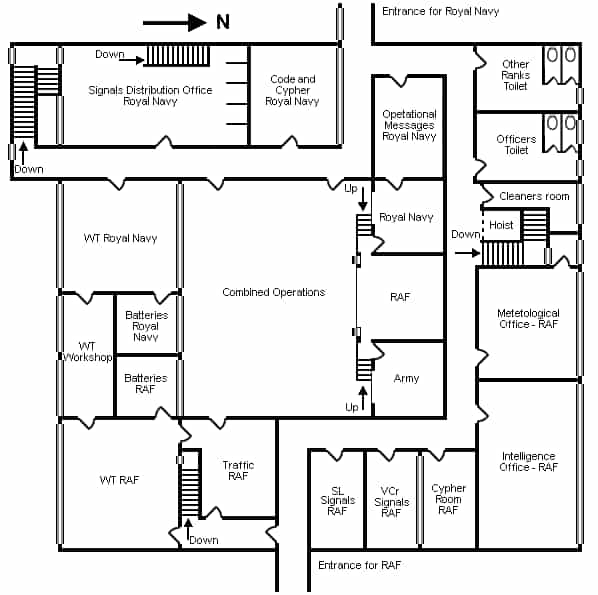
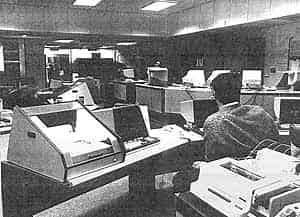
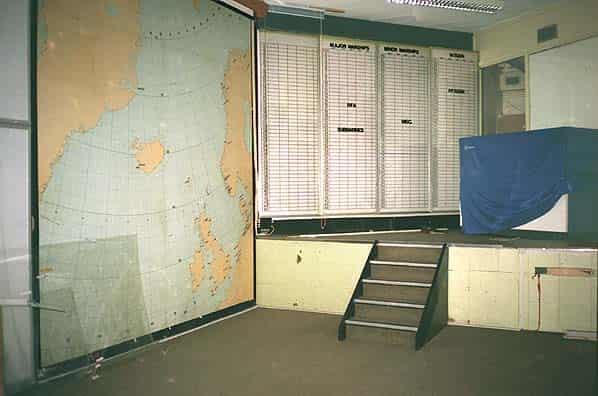
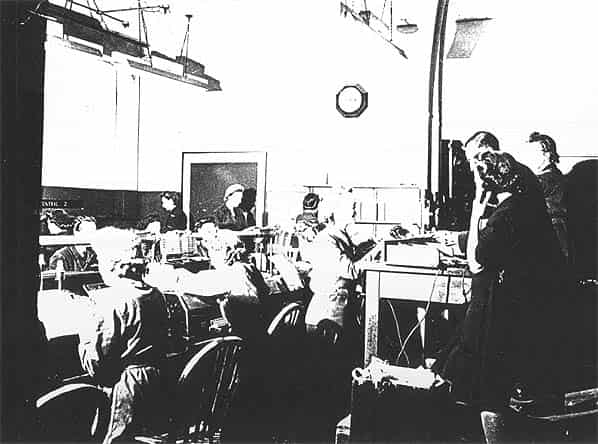
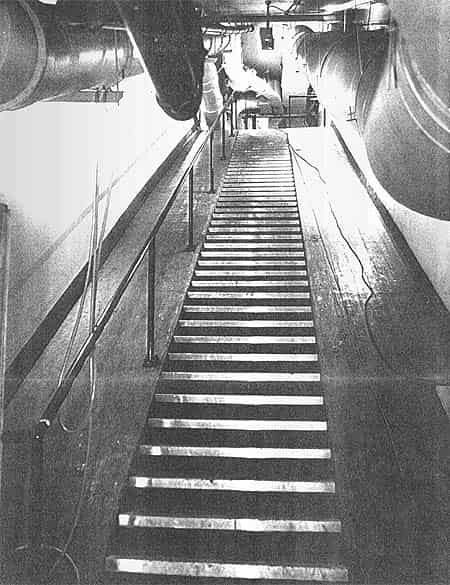
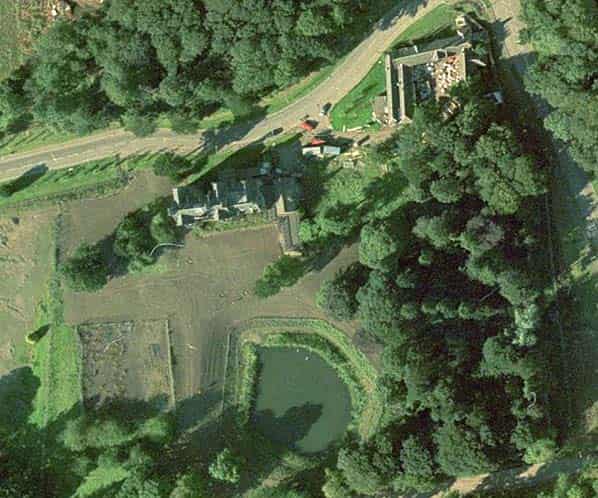
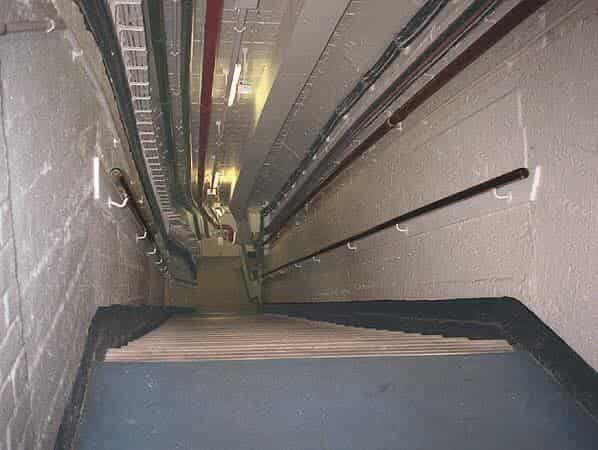
The underground HQ consisted of a square, 2 storied structure, 20 feet underground with a double concrete burster cap over the top floor, this outline can still be seen on the grass below the Castle today. There were two entrances to the complex entering on the top floor, one to the east for RAF personnel from Pitreavie Castle and one to the west from the Naval HQ block , an emergency exit is located on the lower floor. The central Operations Room on the top floor (38 feet x 28 feet) is 13 feet high and projects 3 feet above the rest of the block. A 3 foot high platform has 3 glass fronted cabins, one for each of the services along one wall. Apart from staff offices the majority of the accommodation is taken up by communications equipment for the RAF, Navy and GPO. The Army had very limited presence or space.
Following the end of WW 2 the Maritime HQ continued to function although the Flag Officer, Rosyth became the Flag Officer, Scotland.
In 1949 NATO was formed and both of the Naval and Air Commanders became double hated with NATO appointments.
In 1958 RNR HQ Unit formed at MHQ Pitreavie. The name HMS Scotia was adopted in 1960. During 1962 HMS Scotia moved out of the underground MHQ to an above ground building. On 15th May 1996 upon the closure of Pitreavie HMS Scotia relocated to new quarters within the nearby HMS Caledonia.
During 1962 both Flag Officer Scotland and Air Officer Scotland assumed responsibility for Northern Ireland and added NI to their respective titles.
On 30 April 1968 RAF Strike Command was created from Fighter and Bomber Commands at High Wycombe with Coastal Command becoming No 18 (Maritime) Group headquartered at Northwood outside London. The old No 18(R) Group now became the Northern Maritime Air Region; still at Pitreavie (the Southern Maritime Air Region was located at Mount Batten in Plymouth)
During this period the underground bunker underwent modernisation, but details of the extent of the improvements and whether it entailed any structural alterations are unknown.
By 1984, the RAF commitments at Pitreavie were reduced to housing the Rescue Co-ordination Centre a function at the HQ since WW 2, support for the AOSNI who was still located there, running the NATO Integrated Communications System Terminal and Relay Equipment (NICS TARE) The Navy continued to fulfill FOSNI’s commitments and was resonsible for all Naval activities in the north of the country whilst Flag Officer Plymouth was responsible for the south, both being answerable to C in C Fleet at Northwood.
In 1993 a NATO review relieved the AOSNI of his NATO hat, whilst in June it was announced that the two RCC’s, North at Pitreavie and South at Mount Wise/Mount Batten were to be combined at Pitreavie. In the event a new Aeronautical Rescue Co-ordination Centre (ARCC) was opened in 1994 at RAF Kinloss from where it is still currently operating.
The Maritime Rescue Co-ordination Service is currently a commitment of HM Coast Guard. with centres around the coast of the UK working in conjunction with the RNLI.
1994 saw FOSNI transfer his Flag to the Naval Base at Faslane and in December AOSNI moved to RAF Leuchars, with the closure of NICS TARE, now surplus to requirements, the end was inevitable, closing on the 1st February 1996 after 55 years of continuous service.
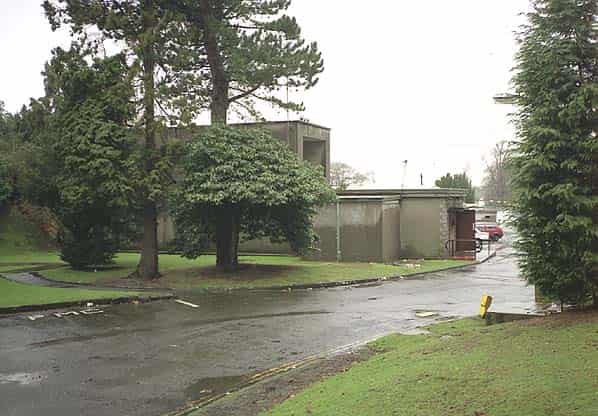
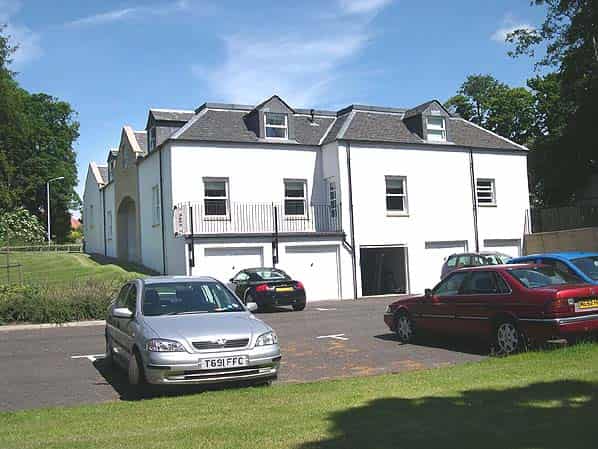
After being cleared, the site was sold, with the bunker having all entrances completely sealed and all surface traces (apart from a footprint) obliterated. The Castle had all of the RAF additions removed and has now been converted into several luxury apartments as has the adjacent Stable Block. Most of the HQ site has been given over to private housing (MacLean Gate) and the Carnegie Campus business park and an ornamental lake has been dug to the east of the bunker.
The site has apparently only the two buildings mentioned remaining although the road layout is still intact, assisting in locating the bunker, which with great regret was not entered.
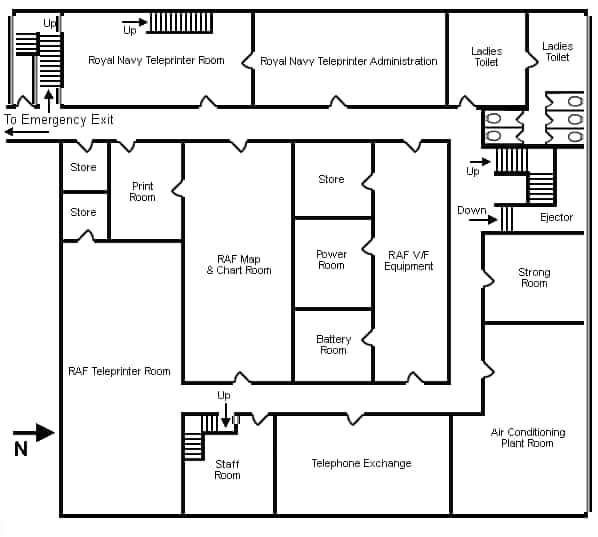
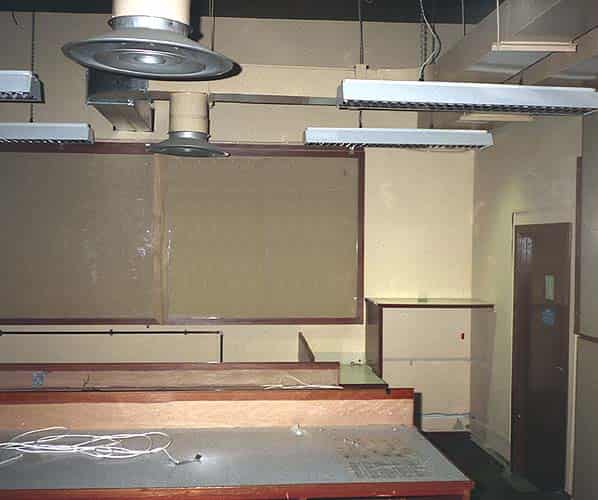
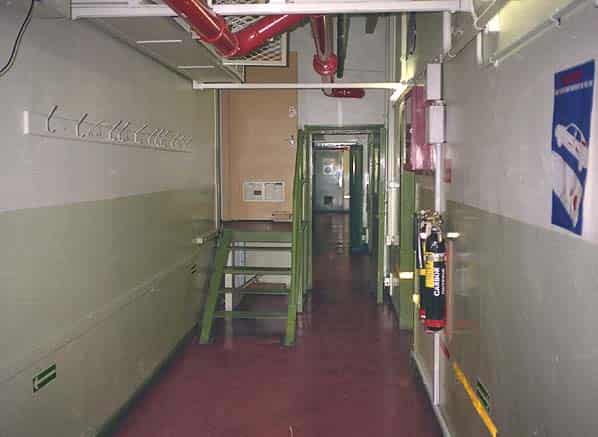
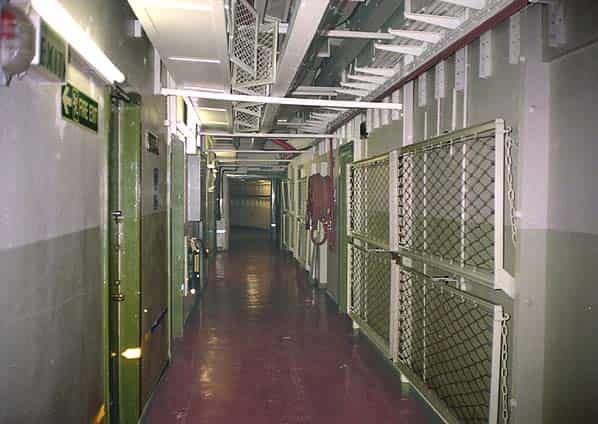
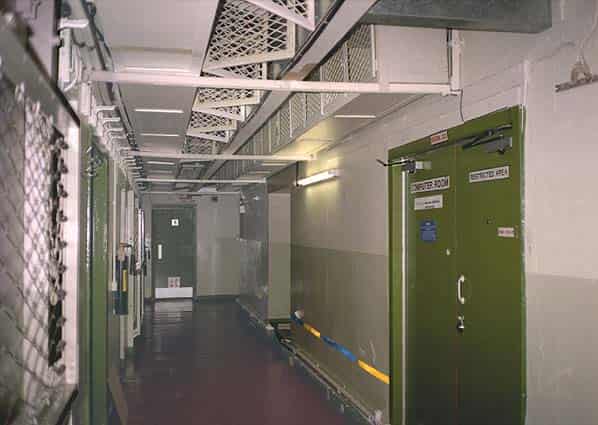
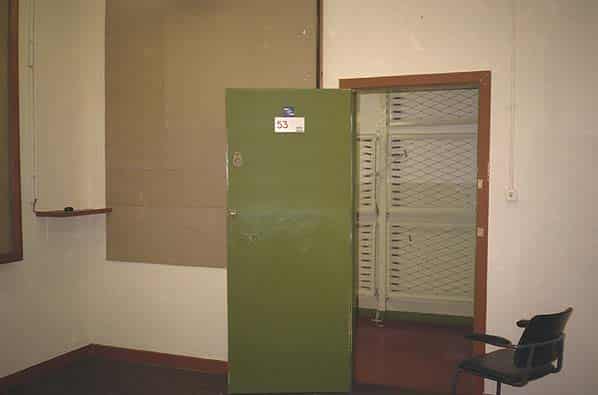
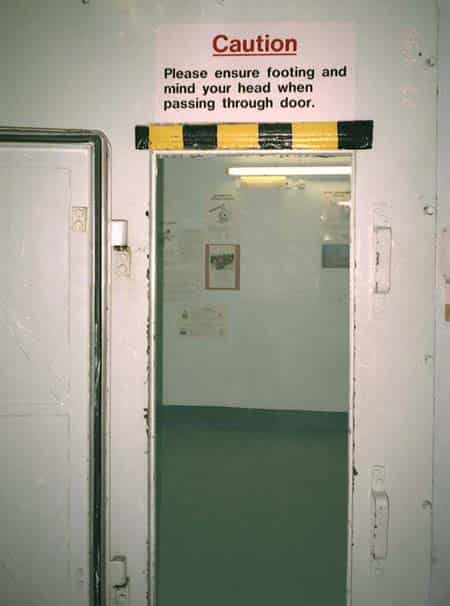
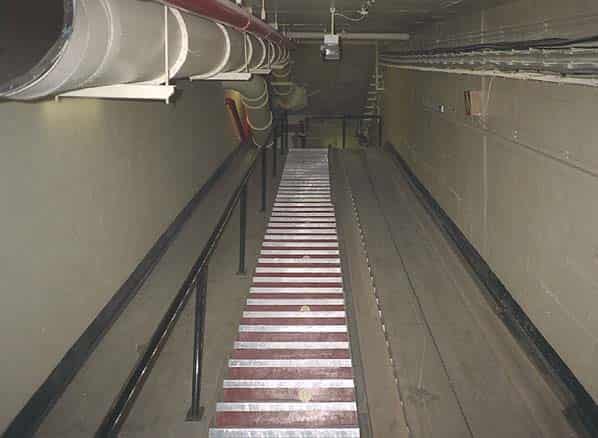
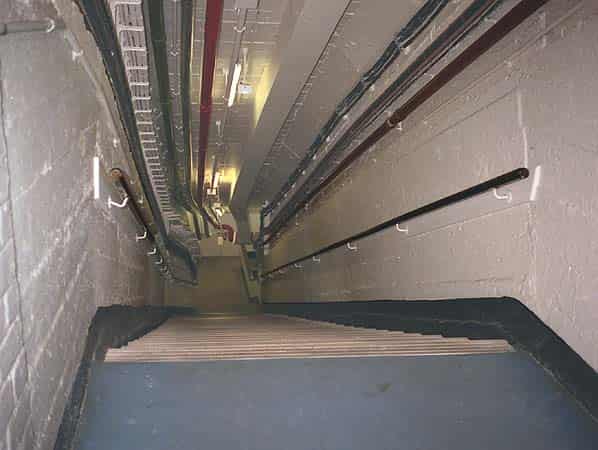
A descriptive tour of the bunker is not possible because although we have an original layout plan, virtually no contemporary photographs are available to describe the contents and equipment in each room. Likewise, we know what some of the rooms looked like and were used for at the latest stages but we have no plan of the layout or of the modifications that have occurred during the life of the bunker.
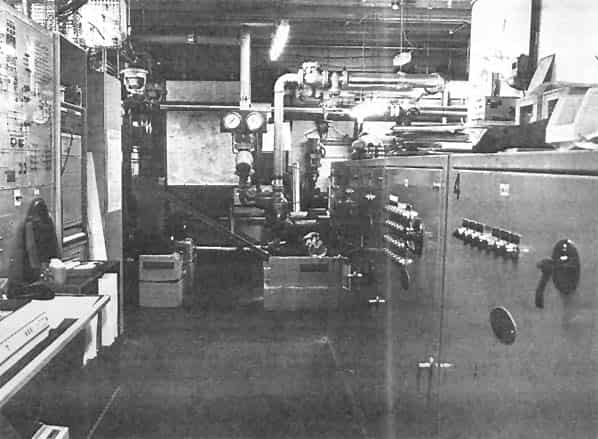
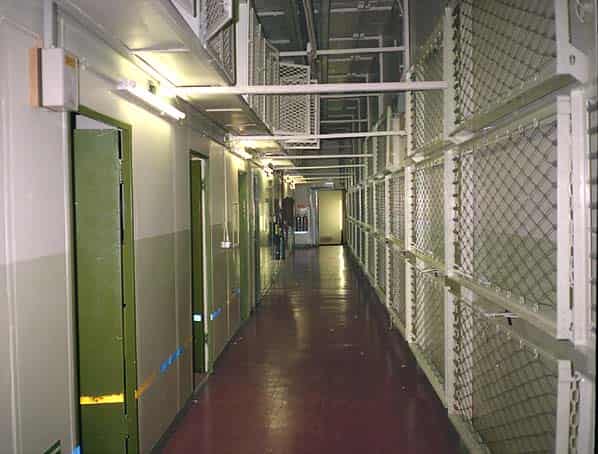
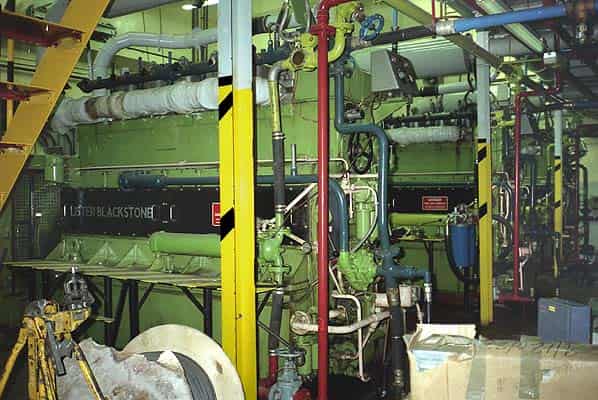
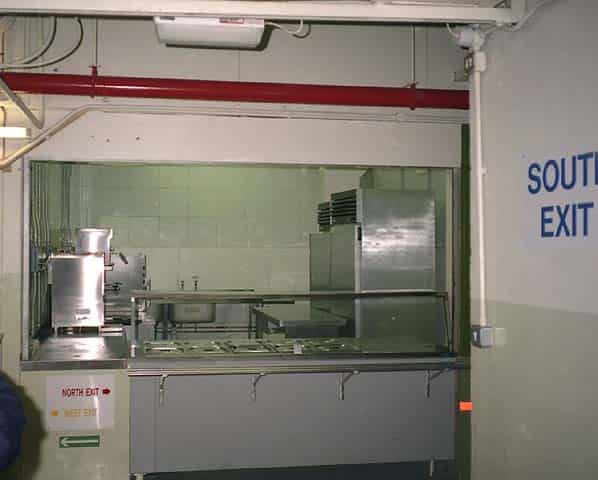
By the time Pitreavie had closed, it had changed out of all recognition to the original layout (see plan). What was the RN Signals Distribution office on the upper floor had become a Galley (Kitchen). The corridors were lined with folding bunks. Along the east upper corridor was now the Admirals sleeping cabin and the Main Signals Office with adjacent Comcen and Ships Radio Room. The main entrance lead to the Air Handling Plant Room, Emergency Generator Room (with three Lister Blackstone generators) and a Decontamination Suite on the upper level.
In the upper Ops room were booths for the Senior Officers and desks for the duty RN/RAF Staff Officers (Note there is no later Army presence). Also on this level was a Medical Centre complete with Dental facilities.
Some of the remaining offices on the top floor included an Intelligence Cell, Mine Counter Measures Cell, Submarine Liaison Cell, Logistics Cell, Submarine Cell with submarine emergency facilities and a Search and Rescue Cell.
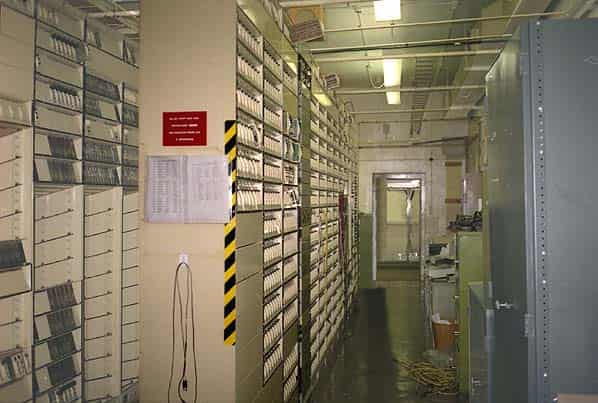
All we know of the lower floor was the BT Frame Room, RN Systems Room, the RAF NICS TARE facilities, wash rooms and toilets and the emergency exit.
Sources:
- PRO files: ADM/1119, ADM1/15756, Air 2/3582 Drawing 6214
- Jim Crockett
- Defence Estimates 1996
- The Navy List HMSO (Various)
- The RAF List HMSO (Various)
- Defence of the UK HMSO
- www.rafweb.org